


Collection: Genmaicha -style green tea with puffed rice
This tea was originally created by the Japanese as a way to “save money,” giving a second life to sencha that had lost some of its freshness. To make it, leaves from the second harvest are used and then blended with gently roasted brown rice. This unique process gives the tea a mild and subtle flavor of roasted hazelnut, which is particularly pleasant on the palate. Its balanced and slightly rich taste makes it a warm and comforting beverage, ideal for moments of relaxation or light snacks.

-


Ohara Matcha Genmaicha Loose Leaf Tea ⋅ Yamamasa Koyamaen ⋅ 200g
⋅ A blend of genmaicha and matcha⋅ A beautiful emerald-green infusion⋅ Deep umami flavor⋅ Herbal notes accented by toasted rice⋅ Can be steeped multiple times!A unique...
Regular price 15.90 €Promotional price 15.90 € Regular priceUnit price 79.50 € by kg

Loose-leaf genmaicha tea with Ohara matcha ⋅ Yamamasa Koyamaen ⋅ 100g
⋅ A blend of genmaicha and matcha⋅ A beautiful emerald-green infusion⋅ Deep umami notes⋅ Herbal notes accented by toasted rice⋅ Can be steeped multiple times!This unique...
Regular price 13.90 €Promotional price 13.90 € Regular priceUnit price 139.00 € by kg

Genmaicha tea with matcha 10 sachets ⋅ Kamitsujien ⋅ 30g
⋅ A blend of genmaicha and matcha⋅ 10 easy-to-brew tea bags⋅ Certified organic by the JAS label⋅ Herbal notes accented with toasted rice⋅ Can be steeped...
Regular price 12.95 €Promotional price 12.95 € Regular priceUnit price 431.67 € by kg

Ohara genmaicha with matcha, loose leaf ⋅ Yamamasa Koyamaen ⋅ 1kg
This unique tea is obtained by sprinkling matcha on genmaicha, offering a single emerald infusion color. Genmaicha and matcha are among the most popular green teas...
Regular price 72.00 €Promotional price 72.00 € Regular priceUnit price 72.00 € by kg

Loose-leaf genmaicha tea with matcha ⋅ Senchado ⋅ 30g
Regular price 14.15 €Promotional price 14.15 € Regular priceUnit price 471.67 € by kg

Loose-leaf genmaicha tea ⋅ Sasaki seicha ⋅ 100g
⋅ Genmaicha with brown rice⋅ Delicious aroma of toasted grains⋅ Low caffeine content⋅ Pairs perfectly with Japanese meals⋅ Can be steeped multiple timesA Japanese green tea...
Regular price 9.10 €Promotional price 9.10 € Regular priceUnit price 91.00 € by kg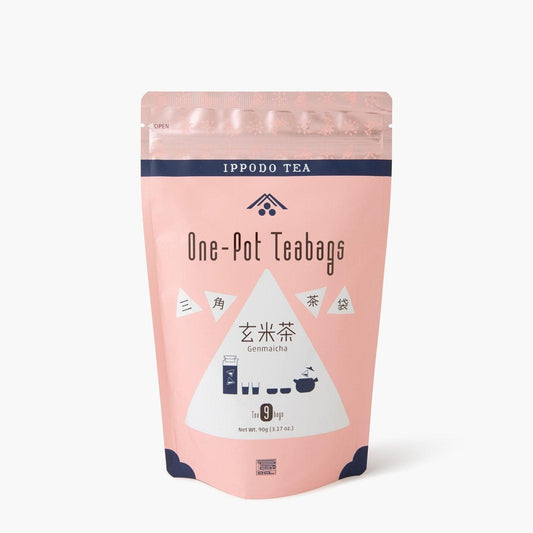
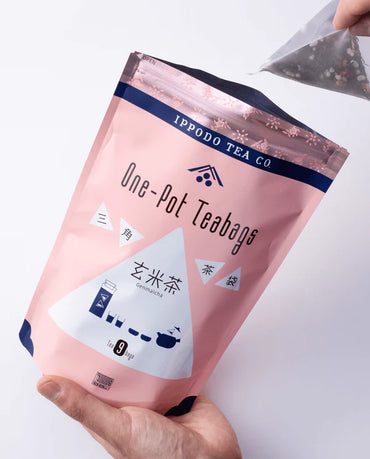
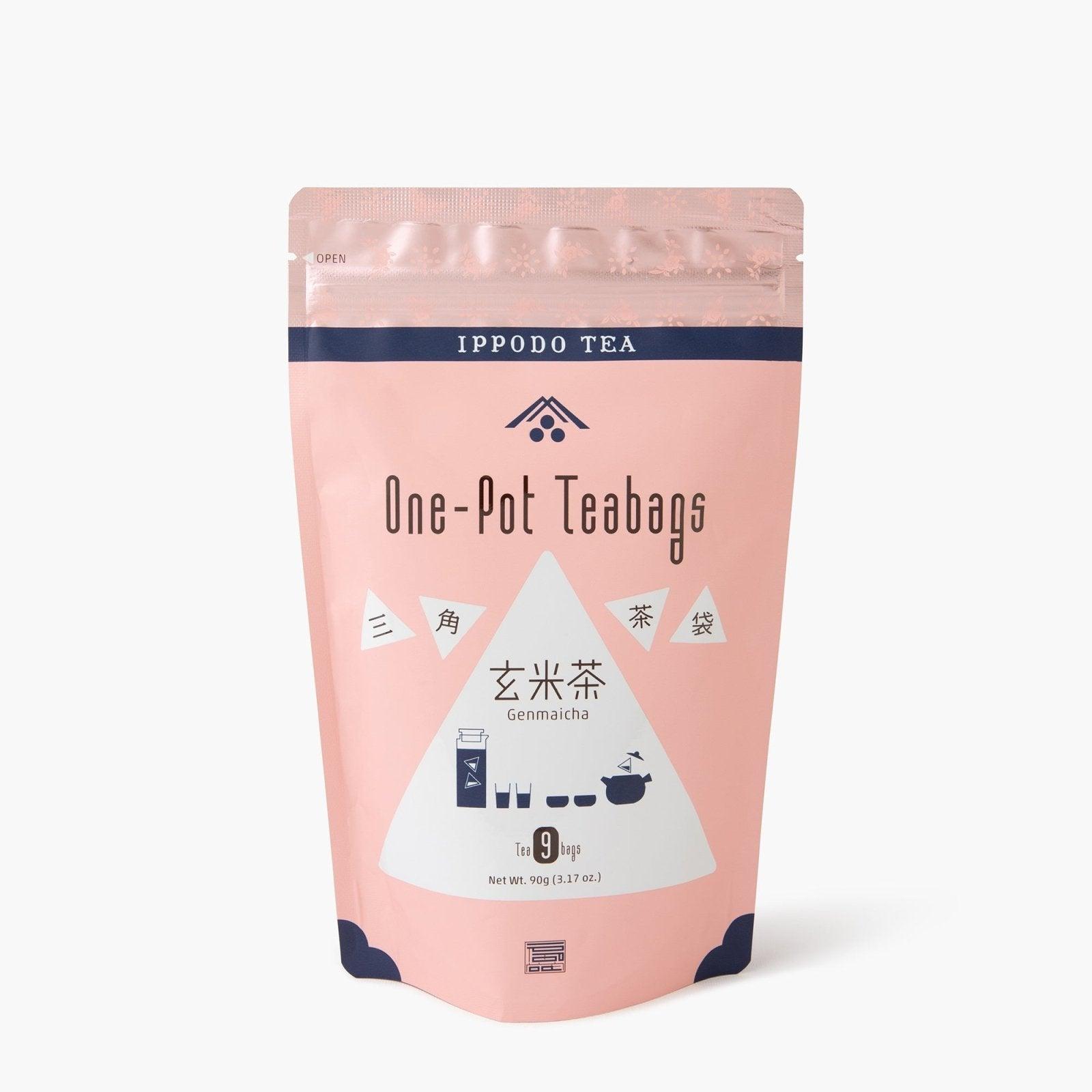
Genmaicha tea, 9 sachets ⋅ Ippodo Tea ⋅ 95g
⋅ 9 easy-to-brew tea bags⋅ Perfect for on-the-go or quick brewing⋅ Aroma of toasted rice with nutty notes⋅ Low caffeine content⋅ A tea with a mellow...
Regular price 16.90 €Promotional price 16.90 € Regular priceUnit price 177.89 € by kg


Learn more about Genmaicha green tea
Where does Genmaicha come from?
Genmaicha tea is a specialty of Japan. It consists of green tea (generally bancha or sencha) mixed with puffed rice grains. Although it is widely associated with Japanese culture, this tea is said to have humble origins, dating back to periods when the working classes in Japan sought to extend their tea supply by adding puffed rice, a more affordable grain.
Today, it is consumed throughout Japan, from homes to restaurant tables, and is appreciated for its mild, slightly roasted flavor, as well as for being a comforting and accessible beverage. It is sometimes called "poor man's tea" because of its origins, but it has become popular among many tea lovers, including those looking for a milder, less bitter alternative to traditional green tea.
How to properly prepare Genmaicha tea?
- Heat the water to approximately 80°C (not too hot, to avoid extracting too much bitterness from the tea).
- Use approximately 250 ml of water for one teaspoon of Genmaicha (about 2-3 g of tea).
- Let the Genmaicha steep for 2 to 3 minutes. This allows the puffed rice and tea to release their aromas without becoming too bitter. If you prefer a lighter taste, slightly reduce the steeping time.
- Once steeping is complete, remove the tea leaves using a filter or a teapot with a strainer.
- Serve immediately in a cup.
- You can steep the Genmaicha leaves one or two more times. Slightly adjust the steeping time (1 to 2 minutes).
Additional tips:
- If you like a milder taste, you can add a little more puffed rice, but be careful not to add too much so as not to mask the taste of the green tea.
- Genmaicha is generally enjoyed hot, but you can also serve it cold for a refreshing alternative in summer.
Why choose our Genmaicha tea?
• A carefully selected range of Genmaicha, imported directly from Japan, made with high-quality green tea blended with roasted brown rice. Each leaf and grain of rice is carefully selected to ensure perfect roasting, an intense aroma, and naturally toasted, subtly nutty notes. Each batch is carefully assessed for its freshness, color, and flavor, offering you a tea that reflects traditional Japanese expertise.
• Centuries-old Japanese expertise transforms the blend of green tea and rice into a Genmaicha with a unique character: smooth, comforting, and subtly roasted.
What are its health benefits?
1. Rich in antioxidants
Green tea, the main ingredient in Genmaicha, is an excellent source of antioxidants, particularly catechins. These compounds help fight free radicals in the body, thereby reducing the risk of chronic diseases such as heart disease and cancer.
2. Improved digestion
The puffed rice in Genmaicha helps soothe the stomach and promote easier digestion. Genmaicha tea is often consumed after meals in Japan for its digestive properties. It may help reduce bloating and digestive discomfort.
3. Soothing and relaxing effect
Green tea contains L-theanine, an amino acid that promotes relaxation without causing drowsiness. This allows Genmaicha to provide a calming effect while remaining light enough to be enjoyed at any time of day without affecting sleep.
4. Metabolism and weight management support
The catechins found in green tea are known to boost metabolism and may support weight management by promoting fat oxidation. Although the effect is moderate, drinking Genmaicha can complement an active lifestyle and a balanced diet.
5. Stress reduction
Thanks to its lower caffeine content compared with other green teas such as Gyokuro, Genmaicha can provide a gentle source of energy while having a calming effect. This may help reduce stress throughout the day.
6. Improved heart health
Green tea is well known for its positive effects on heart health. Antioxidants and cholesterol reduction promote better blood circulation and may reduce the risk of heart disease over the long term.
7. Skin benefits
The antioxidants found in green tea may also help protect the skin from premature aging by neutralizing the free radicals responsible for skin damage. With its soothing and antioxidant properties, it can contribute to a healthier, more radiant complexion.
What type of rice is in Genmaicha?
The rice used in Genmaicha is generally short-grain Japanese rice. This type of rice is traditionally used for consumption in Japan and is known for its sticky texture after cooking, which is ideal for puffing.
The puffed rice in Genmaicha is often brown rice or white rice, but it is primarily white rice in most commercial versions of the tea. The rice is first cooked and then puffed, giving it its airy, slightly toasted texture and creating the characteristic mild, slightly nutty aromas of Genmaicha.
It serves several purposes:
- Flavoring the tea: It adds a toasted and slightly sweet dimension to the taste.
- Making the tea more affordable: Traditionally, adding rice helped reduce the cost of the tea while preserving a pleasant taste.
- Providing digestive benefits: As a mild grain, rice helps soothe the stomach and aids digestion.
What foods pair well with Genmaicha tea?
Genmaicha tea pairs perfectly with Japanese dishes such as sushi, tempura, and onigiri, thanks to its mild, slightly roasted flavor. It also goes well with savory snacks such as roasted nuts or rice crackers, as well as light miso soups. For dessert, it pairs well with mochi or fresh fruit such as citrus fruits.
What is the difference compared with other green teas?
The main difference between Genmaicha and other green teas lies in their composition and flavor:
Ingredients:
Genmaicha is a blend of green tea (often bancha or sencha) and puffed rice. The roasted rice adds toasted flavor notes and subtle sweetness to the tea.
Other green teas, such as sencha or matcha, are made exclusively from green tea leaves, without the addition of rice or other ingredients.
Flavor:
Genmaicha has a mild, slightly nutty and roasted flavor thanks to the puffed rice, making it less bitter and more approachable.
Other green teas, such as sencha or gyokuro, may have more herbaceous, umami or spicy flavors and are often more bitter than Genmaicha.
Preparation:
Genmaicha is often brewed at a lower temperature (around 80°C) to preserve its subtle roasted rice aromas, while other green teas may require a higher temperature.


