


Collection: Japanese noodles
If Japan is the country of rice, it is not just sushi in life and noodles occupy a place of choice in the daily life of the Japanese. It is said that there are as many recipes as villages. Their price and ease of preparation and adaptation explain their great popularity. The majority are based on wheat, but there are also buckwheat, seaweed and vegetables. Taste them all to find your favorite!


-


Soba noodles ⋅ Akagi ⋅ 270g
⋅ Made with buckwheat flour⋅ Quick-cooking⋅ Enjoy cold with tsuyu sauce or hot in broth with tempura⋅ 3 servings of 90g⋅ Fresh tasteBuckwheat noodles with a...
Regular price 3.60 €Promotional price 3.60 € Regular priceUnit price 13.33 € by kg

Vegan instant miso ramen ⋅ Kurata Shokuhin ⋅ 130g
⋅ Quick to cook⋅ Vegan⋅ Rich miso-based broth⋅ Perfect with mushrooms, vegetables, or spices of your choiceThis vegan instant miso ramen is perfect for those looking...
Regular price 3.20 €Promotional price 3.20 € Regular priceUnit price 24.62 € by kg

Udon Noodles 7 Servings ⋅ Sanuki Bussan ⋅ 630g
⋅ Made using the Sanuki udon method⋅ Can be stir-fried, served in broth, or eaten as is⋅ 7 servings⋅ Served hot or cold⋅ Perfect as a...
Regular price 5.50 €Promotional price 5.50 € Regular priceUnit price 8.73 € by kg

Vegan instant ramen with soy sauce ⋅ Kurata Shokuhin ⋅ 118g
⋅ Quick to cook⋅ Vegan⋅ Savory soy sauce-based broth⋅ Perfect with mushrooms, vegetables, or a slice of porkThis vegan instant ramen is perfect for those looking...
Regular price 3.20 €Promotional price 3.20 € Regular priceUnit price 27.12 € by kg

Gluten-free vegan instant miso ramen ⋅ Kobayashi Seimen ⋅ 89g
⋅ Quick-cooking⋅ Vegan, gluten-free, and halal⋅ Rich, flavorful miso-based broth⋅ Customizable with seaweed, corn, or other vegetablesThis instant miso ramen is made from rice flour, potato...
Regular price 4.10 €Promotional price 4.10 € Regular priceUnit price 46.07 € by kg

100% Buckwheat Soba Noodles ⋅ Shinshu Togakushi Soba ⋅ 200g
⋅ Made with buckwheat flour⋅ Gluten-free⋅ Quick to cook⋅ Perfect in a hot broth with tempura⋅ Delicious cold with men⋅ tsuyu sauceThese soba noodles are made...
Regular price 5.50 €Promotional price 5.50 € Regular priceUnit price 27.50 € by kg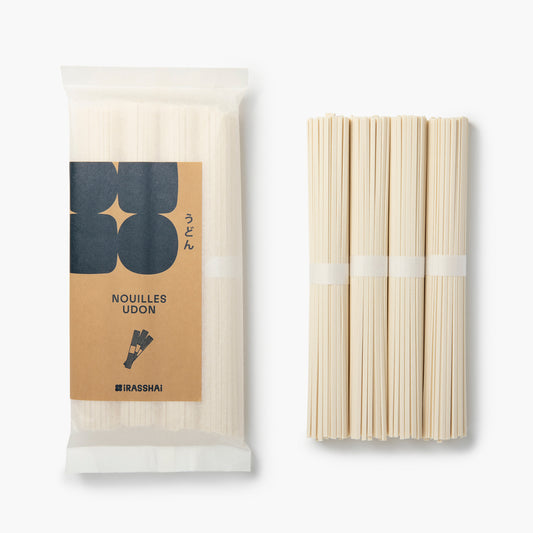

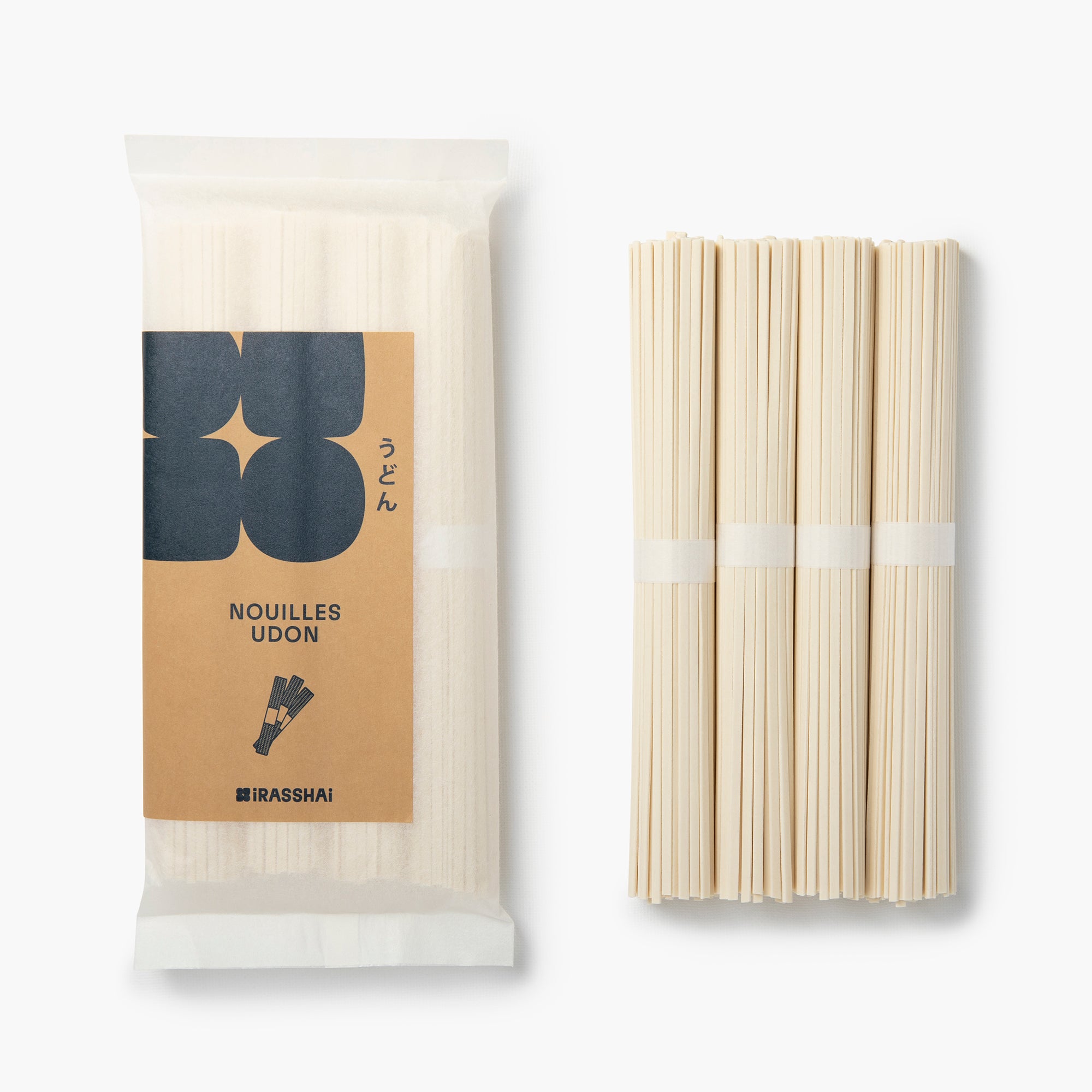
Udon noodles ⋅ Tanaka Bussan for iRASSHAi ⋅ 320g
⋅ Can be enjoyed hot or cold⋅ Perfect as a side dish with tempura or in a curry⋅ Smooth, silky textureThese udon noodles have been selected...
Regular price 4.50 €Promotional price 4.50 € Regular priceUnit price 14.06 € by kg

Gluten-free vegan instant ramen with soy sauce ⋅ Kobayashi Seimen ⋅ 84g
⋅ Quick-cooking⋅ Vegan, gluten-free, and halal⋅ Rich soy sauce-based broth⋅ Customizable with seaweed, corn, or other vegetablesThis instant soy sauce ramen offers an authentic experience, with...
Regular price 4.10 €Promotional price 4.10 € Regular priceUnit price 48.81 € by kg

Gluten-free vegan tonkotsu-style instant ramen ⋅ Kobayashi Seimen ⋅ 92g
⋅ Quick cooking⋅ Vegan and gluten-free⋅ Rich and creamy broth⋅ Japan’s most popular ramen variety⋅ Customize with vegetables, pork, and seaweedThis tonkotsu-style instant ramen captivates with...
Regular price 4.10 €Promotional price 4.10 € Regular priceUnit price 44.57 € by kg

Concentrated tsuyu sauce ⋅ Morita ⋅ 340ml
⋅ A versatile, easy-to-use sauce⋅ Delicious for dipping noodles, tempura, and gyoza⋅ Can be used as a light seasoning for sushi and sashimi⋅ A great base...
Regular price 5.40 €Promotional price 5.40 € Regular priceUnit price 15.88 € by l

Kagawa Udon noodles 3 servings ⋅ Sanuki Bussan ⋅ 300g
⋅ Made using the Sanuki udon method⋅ Can be stir-fried, served in broth, or eaten as is⋅ 7 servings⋅ Hot or cold⋅ Perfect as a side...
Regular price 3.90 €Promotional price 3.90 € Regular priceUnit price 13.00 € by kg

Instant vegan soup ramen ⋅ Kurata Shokuhin ⋅ 119g
⋅ Quick cooking⋅ Vegan, no additives⋅ Flavorful vegetable broth⋅ Perfect with mushrooms, carrots, or an eggThis instant noodle dish is flavorful, easy, and quick to prepare—...
Regular price 3.20 €Promotional price 3.20 € Regular priceUnit price 26.89 € by kg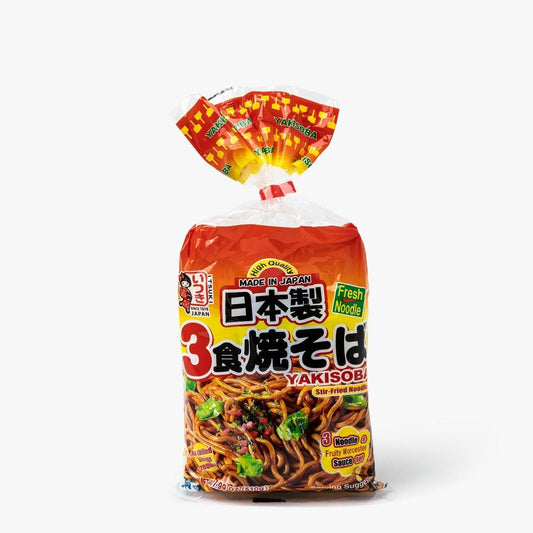

Precooked yakisoba noodles with sauce 3 portions ⋅ Itsuki Shokuhin ⋅ 510g
⋅ Immerse yourself in the atmosphere of Japanese street food stalls!⋅ Pre-cooked noodles ready in just a few minutes⋅ Served with a savory yakisoba sauce⋅ 3...
Regular price 5.60 €Promotional price 5.60 € Regular priceUnit price 10.98 € by kg

Curry udon noodles 2 servings ⋅ Kurata Shokuhin ⋅ 240g
⋅ Vegan Instant Udon⋅ Savory Curry Broth⋅ Enjoy as is or with vegetables⋅ Quick cooking⋅ 2 servingsVegan instant curry noodles. Each package contains two individual servings...
Regular price 4.90 €Promotional price 4.90 € Regular priceUnit price 20.42 € by kg

Vegan soy sauce ramen 3 servings ⋅ Tanaka Bussan ⋅ 247.8g
⋅ Quick to cook⋅ Vegan⋅ Rich and fresh soy-based broth⋅ Perfect with seaweed or vegetables⋅ 3 servings to shareThis ramen is made with premium soy sauce...
Regular price 4.50 €Promotional price 4.50 € Regular priceUnit price 18.16 € by kg

Udon noodles, 3 servings ⋅ Akagi ⋅ 270g
⋅ Made from Hokkaido wheat⋅ Can be stir-fried, served in broth, or enjoyed as is⋅ Quick to cook⋅ Delicious hot or cold⋅ 3 servings to shareThick...
Regular price 3.50 €Promotional price 3.50 € Regular priceUnit price 12.96 € by kg

Precooked udon noodles with sauce 3 portions ⋅ Itsuki Shokuhin ⋅ 669g
⋅ Rich, umami flavor thanks to the soy sauce⋅ Can be stir-fried, served in broth, or eaten as is⋅ Quick to cook⋅ 3 servingsThese Japanese noodles...
Regular price 5.60 €Promotional price 5.60 € Regular priceUnit price 8.37 € by kg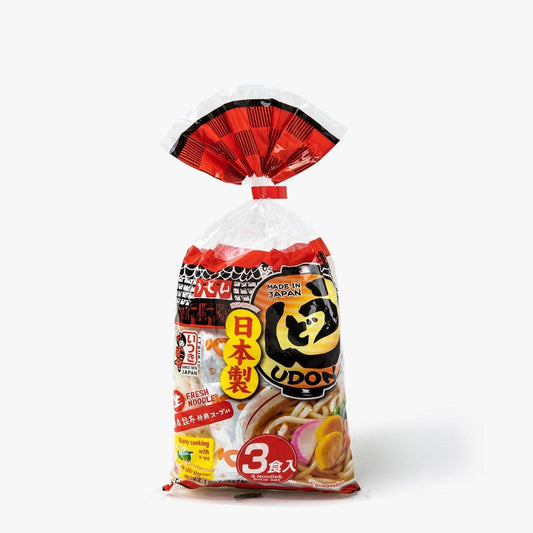

Precooked udon noodles with broth 3 portions ⋅ Itsuki Shokuhin ⋅ 627g
⋅ Served with a broth rich in umami⋅ Quick to cook⋅ 3 servings⋅ Easy to prepareThese noodles are made from wheat flour, giving them a firm...
Regular price 5.60 €Promotional price 5.60 € Regular priceUnit price 8.93 € by kg

Vegan miso ramen 3 servings ⋅ Tanaka Bussan ⋅ 237g
⋅ Quick to cook⋅ Vegan⋅ Rich and fresh miso-based broth⋅ Perfect with seaweed or vegetables⋅ 3 servings to shareA spicy miso instant noodle dish that’s easy...
Regular price 4.50 €Promotional price 4.50 € Regular priceUnit price 18.99 € by kg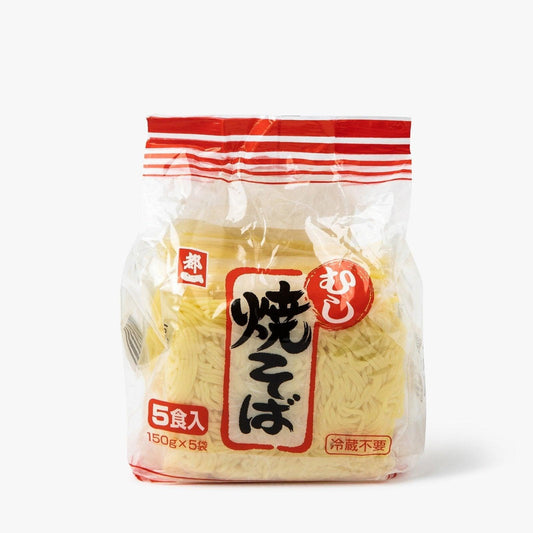
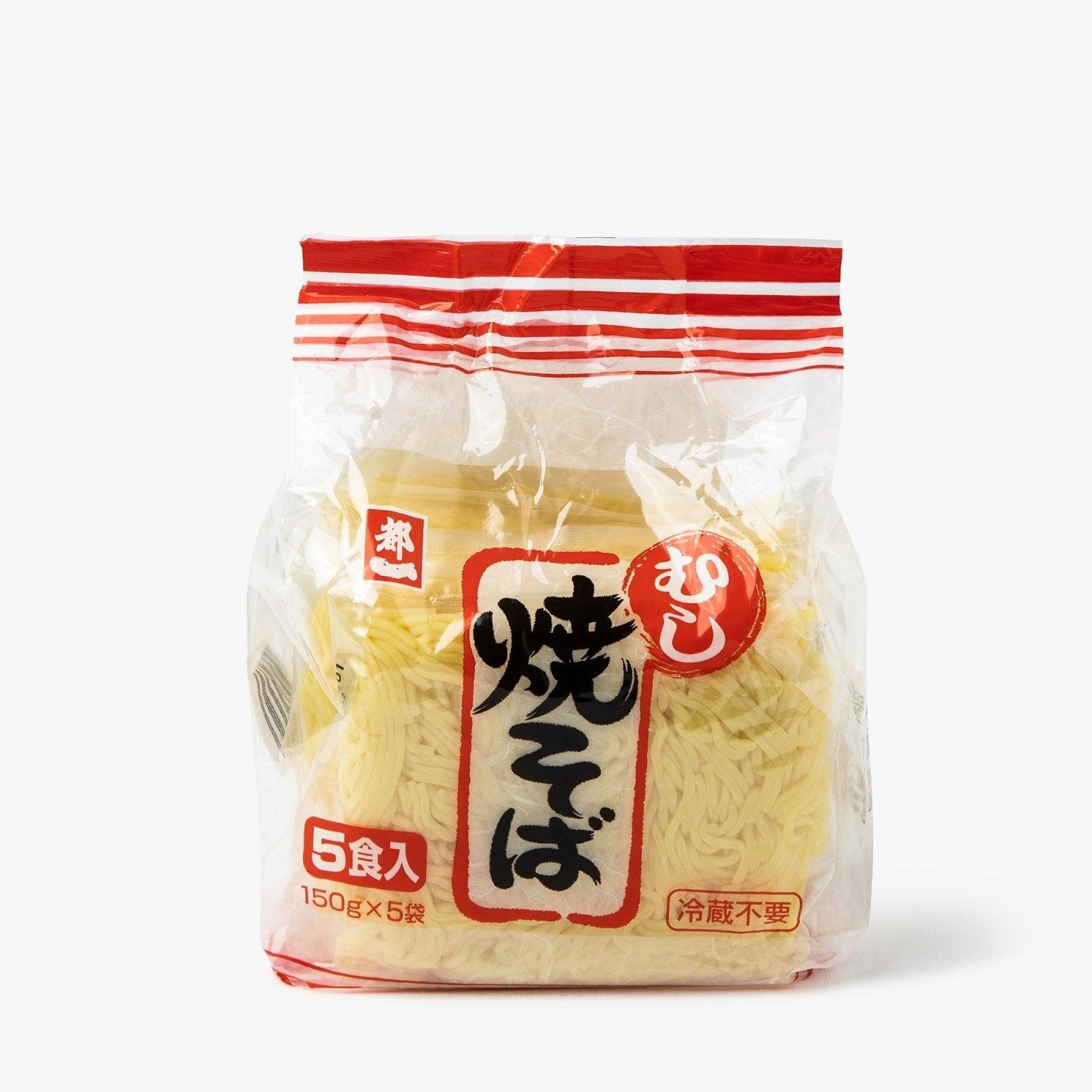
Precooked wheat yakisoba noodles, 5 servings ⋅ Miyakoichi ⋅ 750g
⋅ Pre-cooked noodles⋅ Stir-fry with yakisoba sauce and vegetables⋅ Perfect for a family meal⋅ 5 servingsA popular stir-fried noodle dish in Japan, perfect for fans of...
Regular price 6.50 €Promotional price 6.50 € Regular priceUnit price 8.67 € by kg


Shinshu soba noodles ⋅ Shinshu Togakushi Soba for iRASSHAi ⋅ 200g
⋅ Buckwheat noodles⋅ Handcrafted in the Nagano region⋅ Firm texture⋅ Just as delicious cold as they are hot⋅ Perfect in broth served with tempuraThese soba noodles...
Regular price 5.60 €Promotional price 5.60 € Regular priceUnit price 28.00 € by kg

Vegan instant curry ramen 2 servings ⋅ Kurata Shokuhin ⋅ 240g
⋅ Quick cooking⋅ Handmade noodles⋅ Vegan⋅ Unique, spicy broth made with Japanese curry⋅ Customize with spinach, shiitake mushrooms, and moreThe noodles in this ramen are made...
Regular price 4.90 €Promotional price 4.90 € Regular priceUnit price 20.42 € by kg

Premium 100% buckwheat soba noodles ⋅ Honda shoten ⋅ 180g
⋅ Made with buckwheat flour⋅ Gluten-free⋅ Quick-cooking⋅ Perfect served hot in broth⋅ Delicious served cold with tsuyu sauce⋅ PremiumThese soba noodles are made from 100% buckwheat...
Regular price 9.30 €Promotional price 9.30 € Regular priceUnit price 51.67 € by kg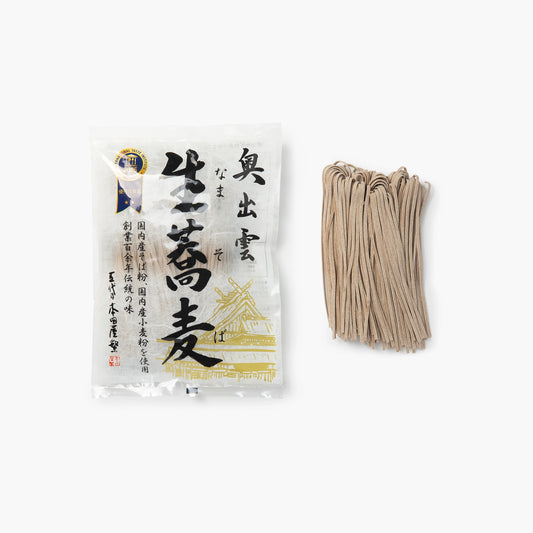
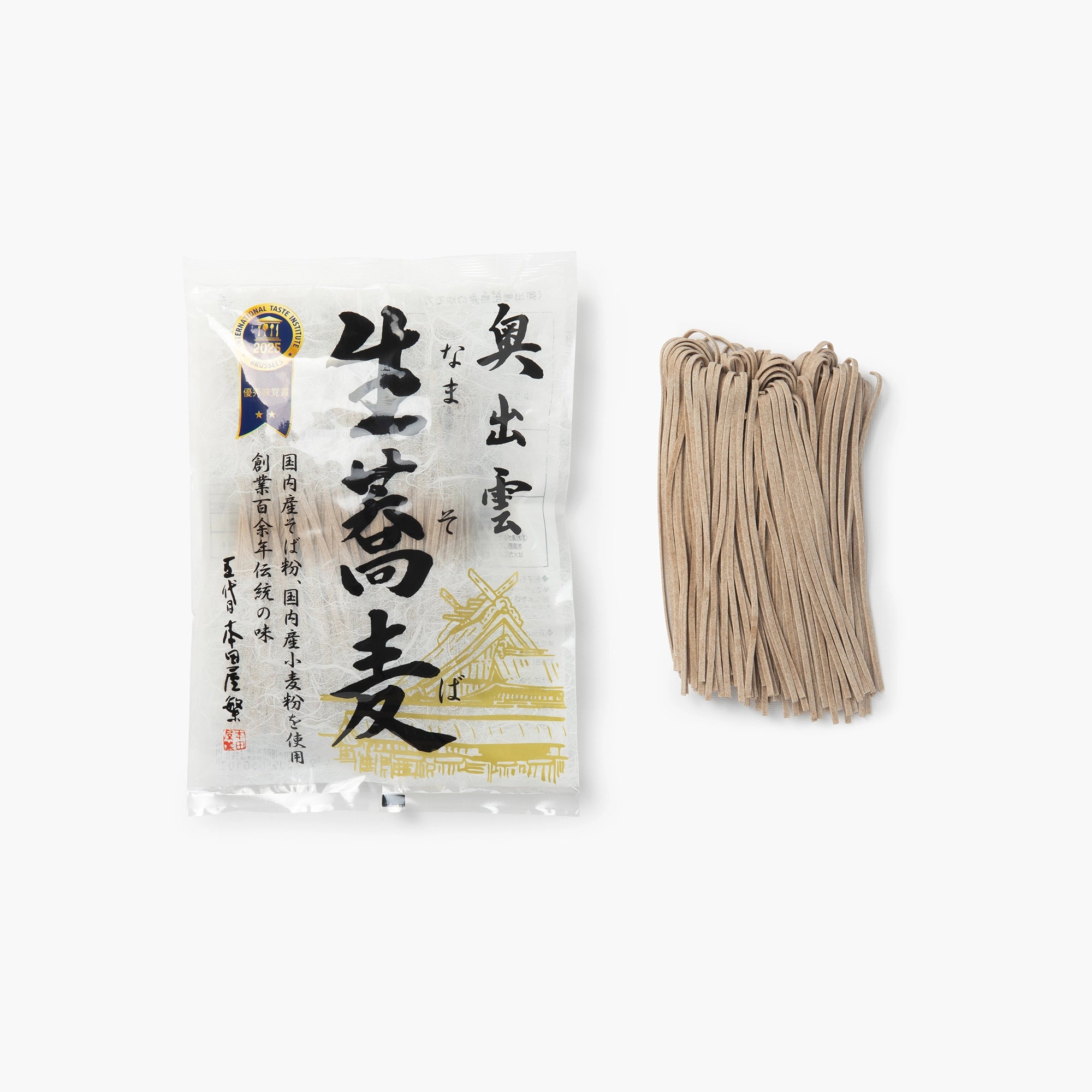
Okuizumo soba noodles ⋅ Honda shoten ⋅ 200g
⋅ Made with buckwheat flour from⋅ No additives or preservatives⋅ Quick to cook⋅ Serve hot in broth or cold with tsuyu sauce⋅ Firm and crunchy texture⋅...
Regular price 6.90 €Promotional price 6.90 € Regular priceUnit price 34.50 € by kg

Vegan yuzu and soy sauce ramen 2 portions ⋅ Itsuki Shokuhin ⋅ 172g
⋅ Quick-cooking⋅ Vegan⋅ Rich, unique broth made with soy and yuzu⋅ Customizable with mushrooms and spinach⋅ 2 servings to shareThese noodles are made from premium wheat...
Regular price 5.65 €Promotional price 5.65 € Regular priceUnit price 32.85 € by kg

Pre-cooked wheat udon noodles, 3 servings ⋅ Miyakoichi ⋅ 600g
⋅ Thick noodles⋅ Best served hot in broth or curry⋅ Perfect cold with men⋅ tsuyu sauce⋅ 3 servingsThese udon noodles are distinguished by their firm and...
Regular price 5.40 €Promotional price 5.40 € Regular priceUnit price 9.00 € by kg


Pre-cooked yakisoba noodles with sauce, 2 servings ⋅ Otafuku ⋅ 370g
⋅ Precooked noodles⋅ Yakisoba sauce for an authentic Japanese street food experience⋅ 2 portions to share⋅ Quick cookingFried yakisoba wheat noodles with fresh vegetables and a...
Regular price 4.50 €Promotional price 4.50 € Regular priceUnit price 12.16 € by kg

Vegan spicy tantan men instant ramen 2 servings ⋅ Kurata Shokuhin ⋅ 240g
⋅ Quick-cooking⋅ Handmade noodles⋅ Vegan⋅ Unique, spicy tantanmen-based broth⋅ Customizable with spinach, shiitake mushrooms, etc.The noodles in this ramen are made from premium wheat flour and...
Regular price 4.90 €Promotional price 4.90 € Regular priceUnit price 20.42 € by kg

Matcha Udon Noodles ⋅ Harima Seimen ⋅ 150g
⋅ Matcha wheat noodles⋅ No additives or preservatives⋅ Handmade⋅ Delicious served cold with men⋅ tsuyu sauceMatcha version of Japanese udon noodles. This product is made from...
Regular price 3.50 €Promotional price 3.50 € Regular priceUnit price 23.33 € by kg

Izumo soba noodles ⋅ Tanaka Bussan ⋅ 200g
⋅ Made with buckwheat flour from Izumo⋅ Perfect in hot broth with tempura⋅ Delicious cold with men⋅ tsuyu sauce⋅ Rich flavor⋅ Firm, crunchy textureThin, light noodles...
Regular price 4.90 €Promotional price 4.90 € Regular priceUnit price 24.50 € by kg

Yam Soba Noodles ⋅ Shinshu Togakushi Soba ⋅ 220g
⋅ Made with buckwheat flour and Japanese yam⋅ A specialty of the Togakushi region⋅ Quick to cook⋅ Firm and chewy texture⋅ Delicious served hot or coldTororo...
Regular price 4.10 €Promotional price 4.10 € Regular priceUnit price 18.64 € by kg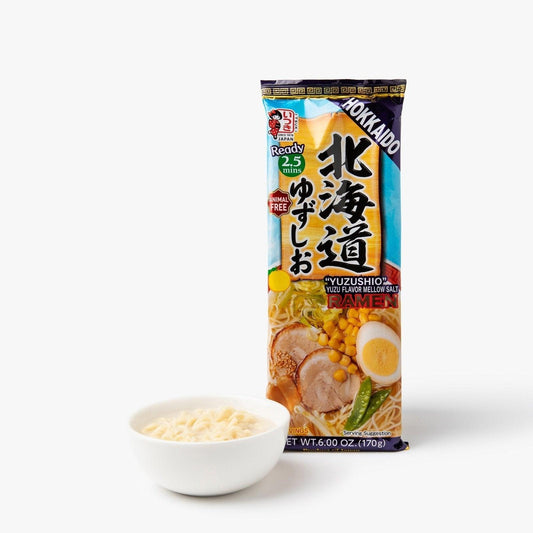

Vegan yuzu ramen 2 portions ⋅ Itsuki Shokuhin ⋅ 170g
⋅ Quick cooking⋅ Vegan⋅ Rich and unique broth made with yuzu⋅ Add corn and bamboo shoots for an authentic Hokkaido ramen⋅ 2 servings to shareHokkaido Yuzushio...
Regular price 5.65 €Promotional price 5.65 € Regular priceUnit price 33.24 € by kg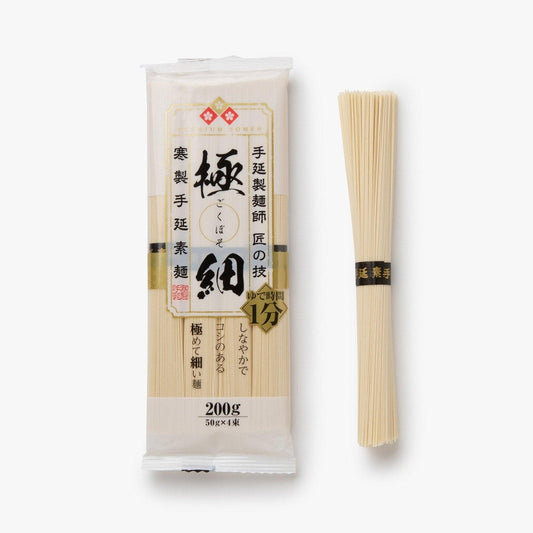
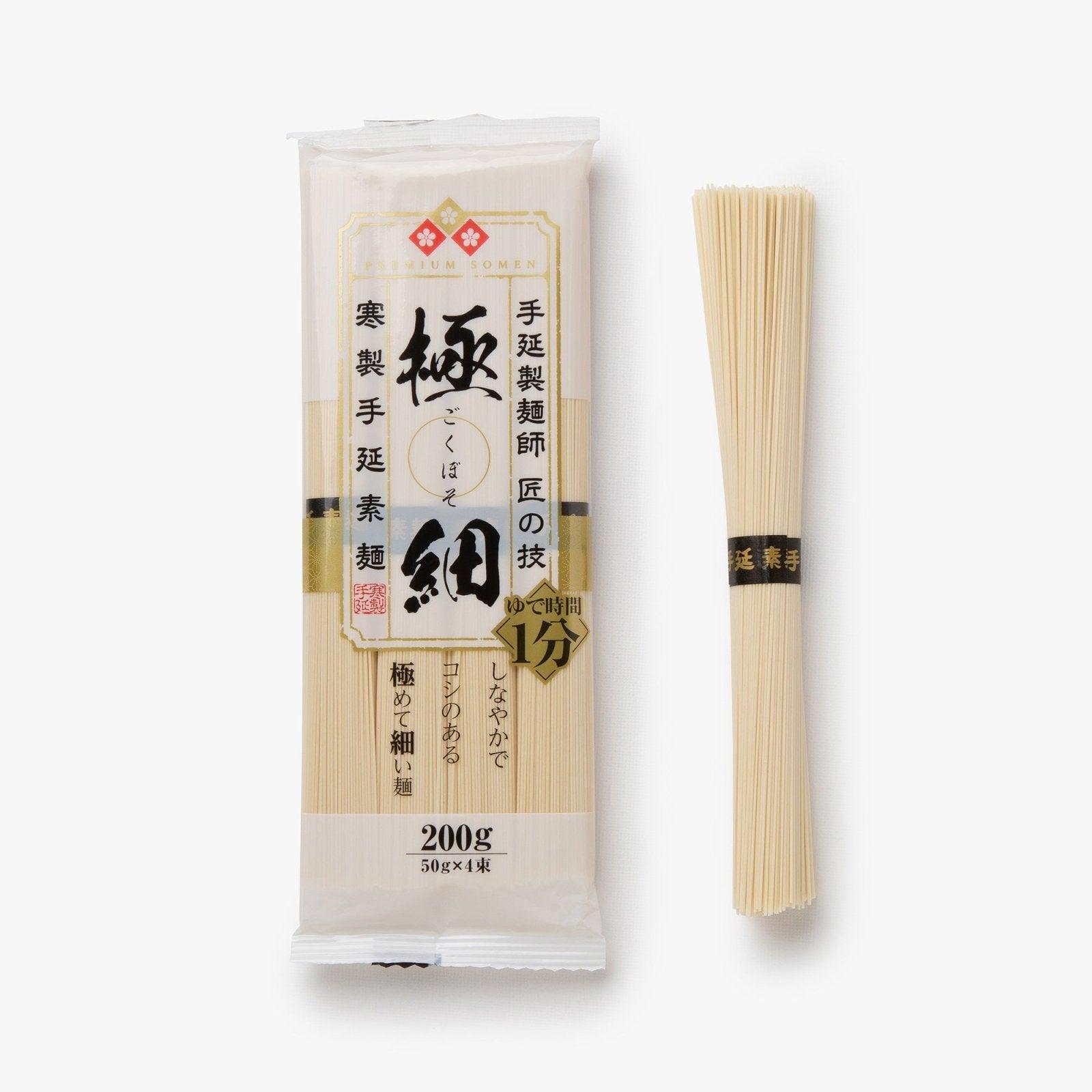
Hand-stretched somen noodles 4 servings ⋅ Tanaka Bussan ⋅ 200g
⋅ Hand-pulled noodles⋅ Quick to cook⋅ Perfect served cold in salads⋅ Delicious in stir-fries⋅ 4 servings to shareThese noodles are handmade using a traditional technique: only...
Regular price 3.90 €Promotional price 3.90 € Regular priceUnit price 19.50 € by kg
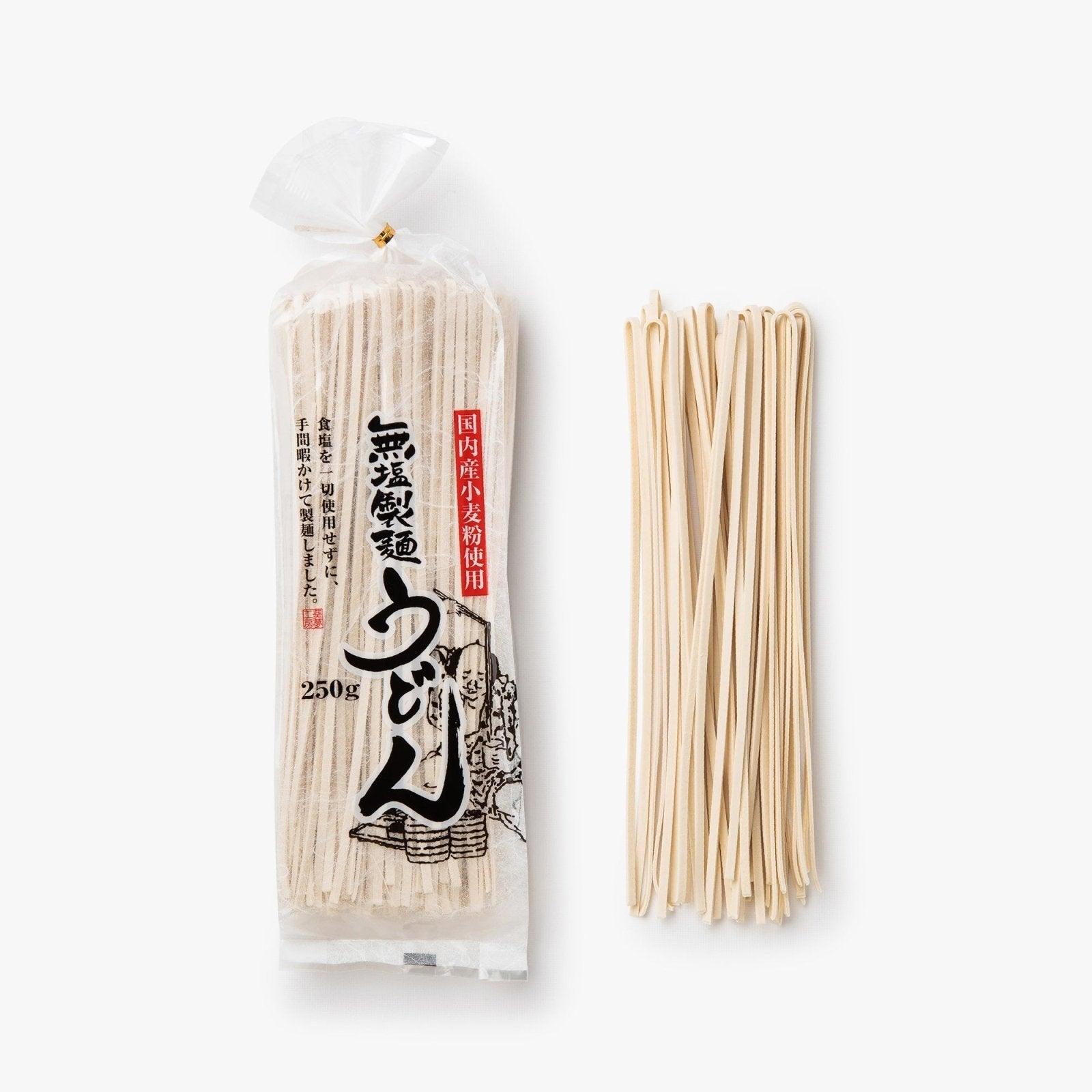
Salt-Free Udon Noodles ⋅ Tanaka Bussan ⋅ 250g
⋅ No added salt⋅ Ideal for stir-frying, in broth, or with men⋅ tsuyu sauce⋅ Can be enjoyed hot or cold⋅ Perfect as a side dish with...
Regular price 3.30 €Promotional price 3.30 € Regular priceUnit price 13.20 € by kg

Vegan instant yuzu ramen 2 servings ⋅ Kurata Shokuhin ⋅ 236g
⋅ Quick-cooking⋅ Handmade noodles⋅ Vegan⋅ Umami vegetable and yuzu broth⋅ Customize with spinach, shiitake mushrooms, etc.The noodles in this ramen are handmade from premium wheat flour...
Regular price 4.90 €Promotional price 4.90 € Regular priceUnit price 20.76 € by kg

Yuzu mentsuyu noodle sauce ⋅ Daisho ⋅ 185g
⋅ Mentsuyu sauce⋅ Infused with yuzu⋅ Umami-rich⋅ Perfect for dipping your noodles⋅ To enhance a brothYuzu mentsuyu is a traditional Japanese sauce that combines the tangy...
Regular price 3.65 €Promotional price 3.65 € Regular priceUnit price 19.73 € by kg

Concentrated tsuyu sauce ⋅ Morita ⋅ 1L
⋅ Versatile sauce⋅ Convenient 1L size⋅ Rich umami flavor⋅ Perfect as a broth or dipping sauce for your noodles⋅ Great in marinadesThis versatile sauce is made...
Regular price 12.00 €Promotional price 12.00 € Regular priceUnit price 12.00 € by l
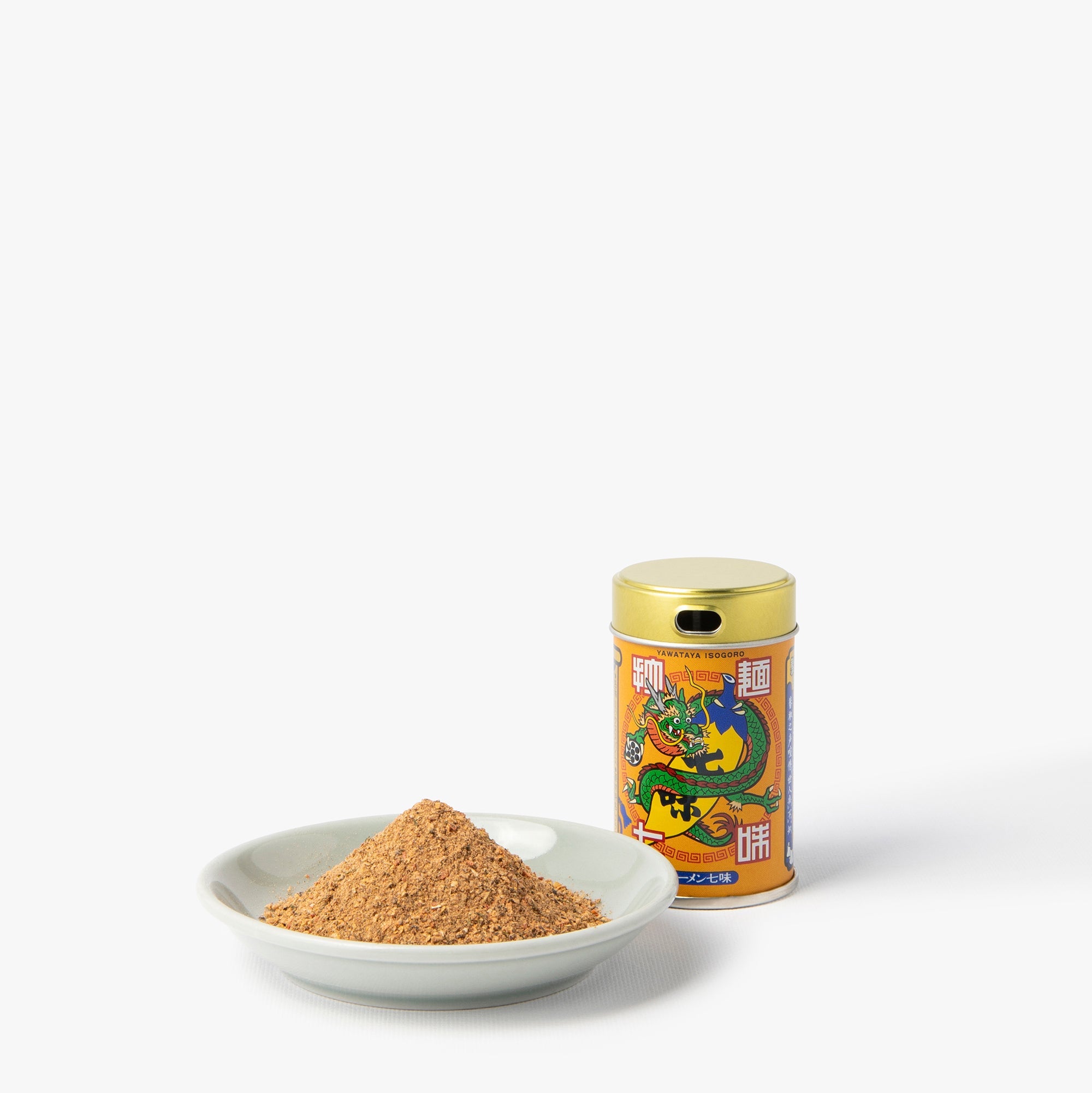
Ramen spice blend ⋅ Yawataya Isogoro ⋅ 12g
⋅ Perfect for seasoning ramen or mapo tofu⋅ Fresh and spicy flavor⋅ Also works well as a marinade⋅ HandcraftedAn aromatic blend combining black and white pepper,...
Regular price 9.50 €Promotional price 9.50 € Regular priceUnit price 791.67 € by kg

Black sesame somen noodles ⋅ Enpura ⋅ 200g
⋅ Made from roasted black sesame⋅ Traditionally hand-pulled⋅ Quick to cook⋅ Perfect cold in salads⋅ Delicious hot in broth or sukiyakiExceptional noodles enhanced by the deep...
Regular price 5.40 €Promotional price 5.40 € Regular priceUnit price 27.00 € by kg

Premium Vegan Ramen Broth ⋅ Sakuta ⋅ 180ml
⋅ Designed for making ramen⋅ Vegan⋅ 7x concentrated⋅ Perfect for seasoning your dishes⋅ Rich, spicy, and umami flavorA premium vegan ramen broth, 7x concentrated, with a...
Regular price 7.40 €Promotional price 7.40 € Regular priceUnit price 41.11 € by l

Instant beef ramen with 5 spices ⋅ Nissin ⋅ 64g
⋅ Quick cooking⋅ Flavorful broth made with five Chinese spices⋅ Produced by Nisshin, famous for their iconic Cup Noodles⋅ Perfect for a last-minute mealInstant wheat noodles...
Regular price 2.00 €Promotional price 2.00 € Regular priceUnit price 31.25 € by kg

Instant soba noodles with yakisoba sauce ⋅ Nissin ⋅ 90g
⋅ Convenient format for takeaway⋅ Savory and umami flavor thanks to the yakisoba sauce⋅ Ready in 3 minutes⋅ Wok⋅ styleAn instant version of yakisoba, a popular...
Regular price 2.90 €Promotional price 2.90 € Regular priceUnit price 32.22 € by kg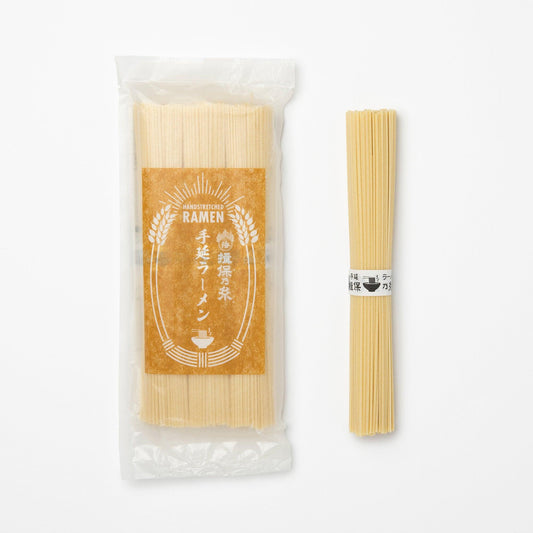
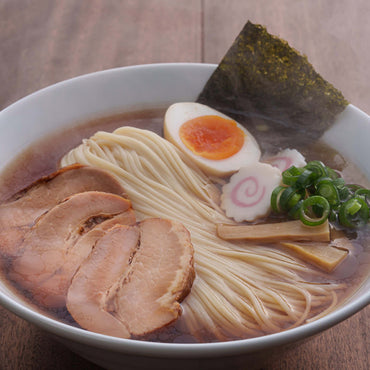
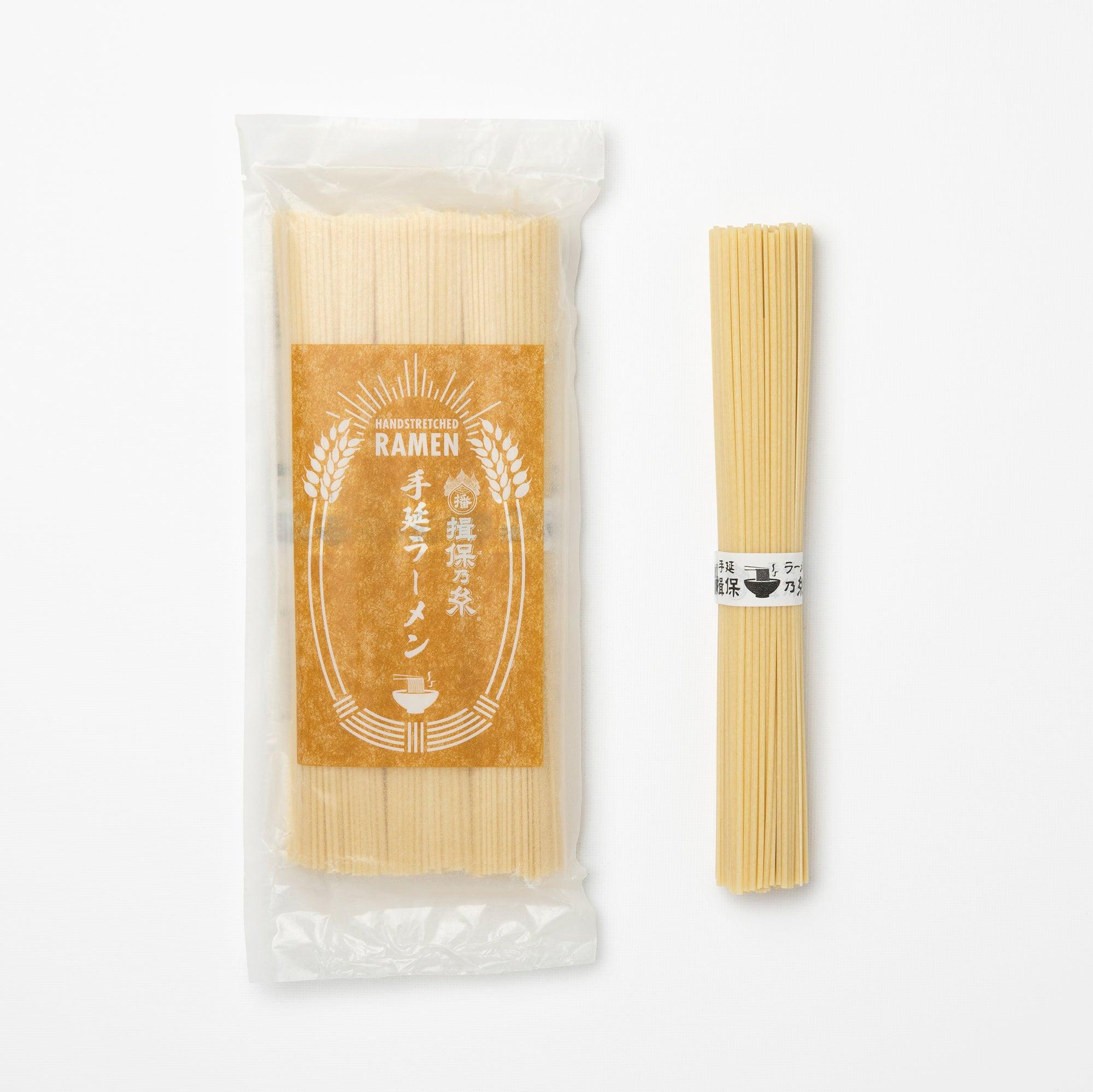
Premium hand-pulled ramen noodles ⋅ Ibonoito ⋅ 240g
⋅ Quick-cooking⋅ Premium wheat noodles from Hyogo Prefecture⋅ Hand-stretched using a 600-year-old traditional technique⋅ Perfect for ramen or yakisoba⋅ 3 servings to shareThese noodles are made...
Regular price 6.80 €Promotional price 6.80 € Regular priceUnit price 28.33 € by kg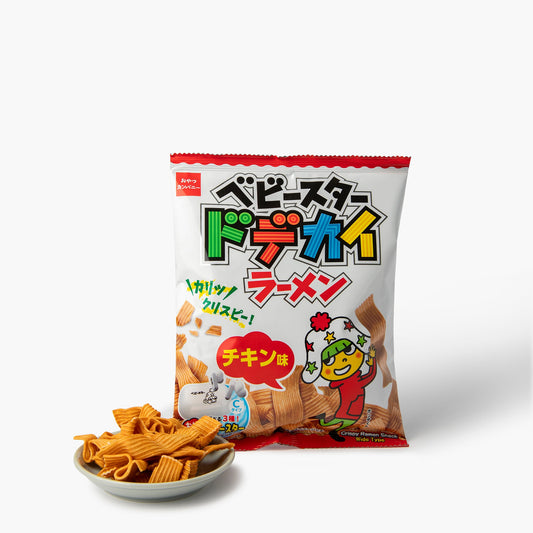
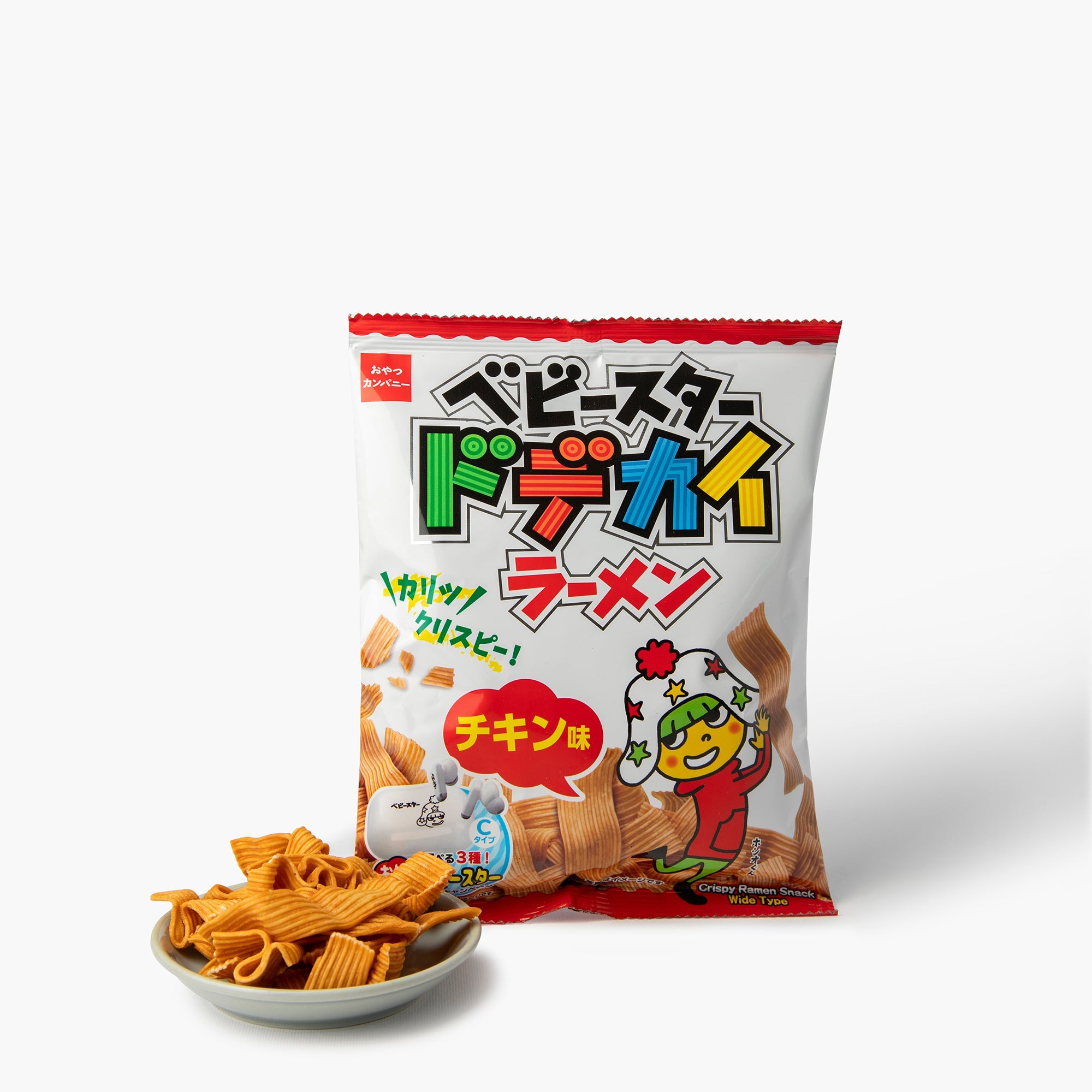
Baby-Star ramen-style snacks ⋅ Oyatsu ⋅ 68g
⋅ Ramen noodle-shaped appetizer crackers⋅ Perfect as a snack⋅ or appetizer⋅ Crispy texture and rich chicken flavorA larger snack with a crispy texture and rich chicken...
Regular price 5.40 €Promotional price 5.40 € Regular priceUnit price 79.41 € by kg

Instant soba noodles with yakitori sauce ⋅ Nissin ⋅ 89g
⋅ Convenient format for takeaway⋅ Sweet flavor⋅ Savory thanks to the yakitori sauce⋅ Ready in 3 minutes⋅ Wok⋅ styleAn instant version of yakisoba, a popular stir-fried...
Regular price 2.90 €Promotional price 2.90 € Regular priceUnit price 32.58 € by kg

Hand-pulled somen noodles ⋅ Tanaka bussan ⋅ 500g
⋅ Hand-pulled using the traditional Shimabara method⋅ Perfect served cold in a salad⋅ Delicious served hot in nyumen⋅ Quick to cookExceptional noodles, made from gluten-rich wheat...
Regular price 5.90 €Promotional price 5.90 € Regular priceUnit price 11.80 € by kg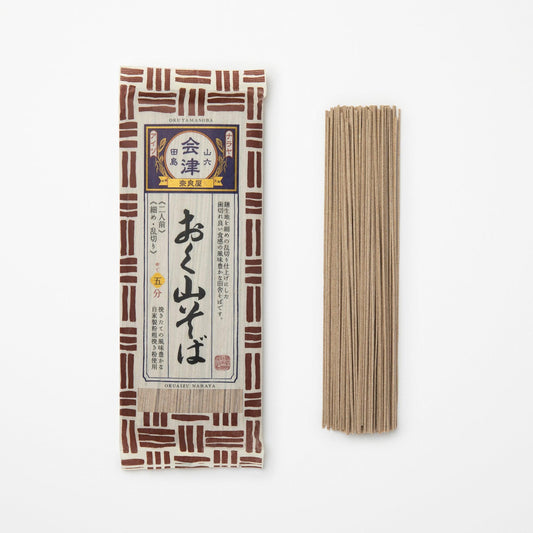
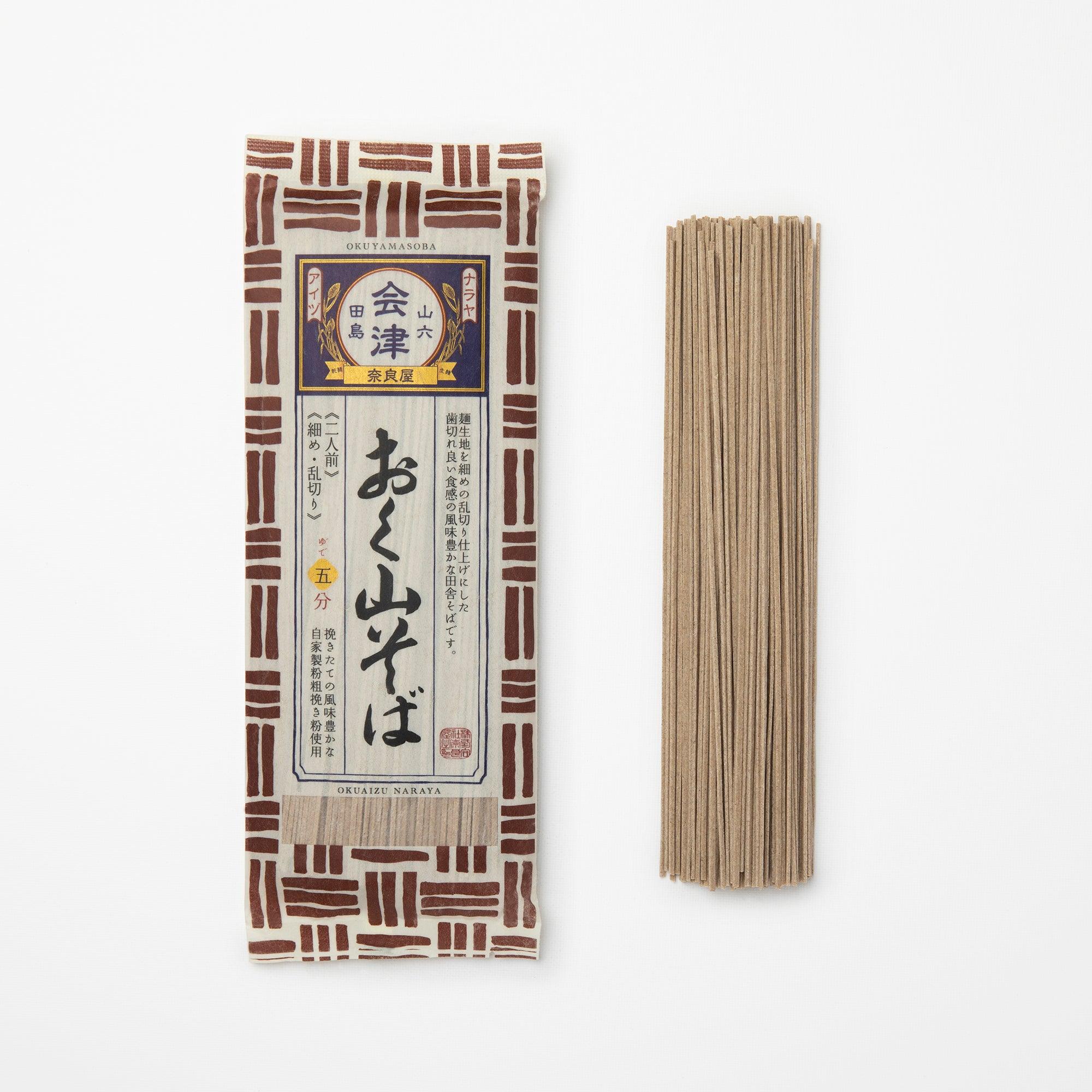
Okuyama soba noodles ⋅ Naraya ⋅ 200g
⋅ Crunchy texture and rich flavor⋅ Noodles made in Fukushima Prefecture⋅ Enjoy hot or cold⋅ Perfect with mentsuyu sauce or tsukemonoBuckwheat noodles with a crunchy texture...
Regular price 5.50 €Promotional price 5.50 € Regular priceUnit price 27.50 € by kg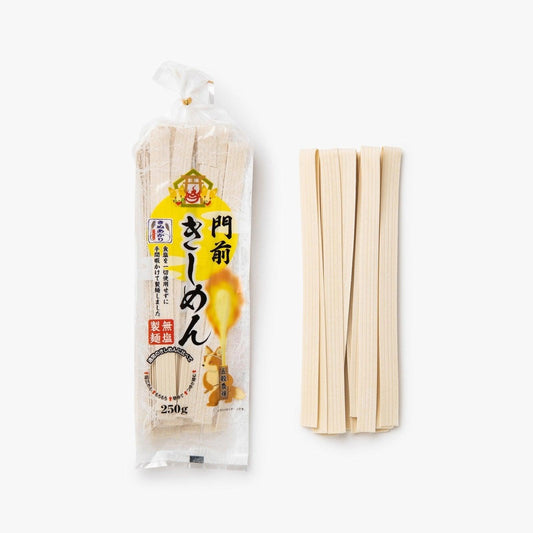
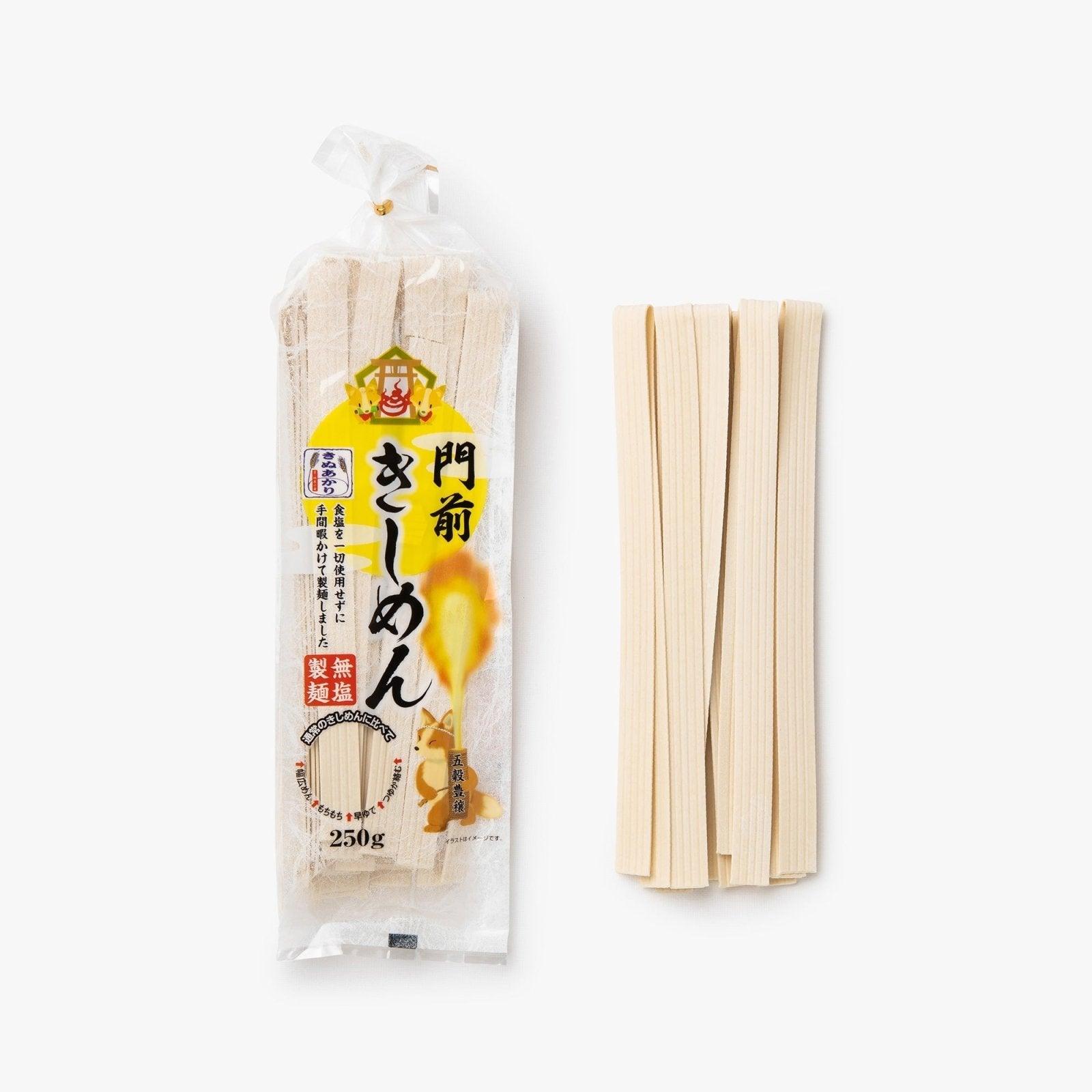
Salt-free kishimen noodles ⋅ Tanaka Bussan ⋅ 250g
⋅ No added salt⋅ Perfect for stir-fries, in broth, or with men sauce⋅ tsuyu⋅ Enjoy hot or cold⋅ Flat noodlesFlat, wide noodles, made without added salt,...
Regular price 3.30 €Promotional price 3.30 € Regular priceUnit price 13.20 € by kg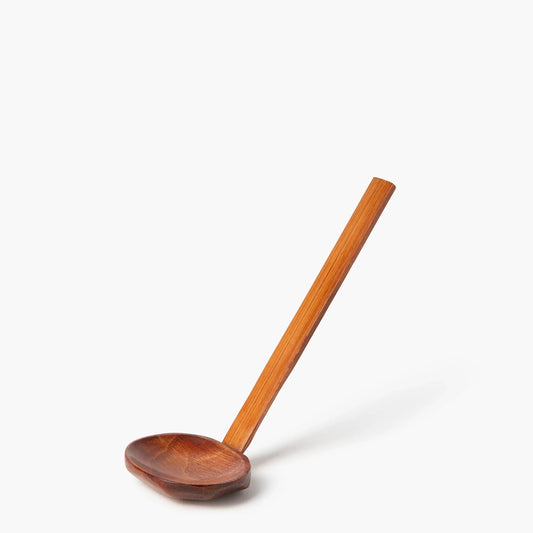
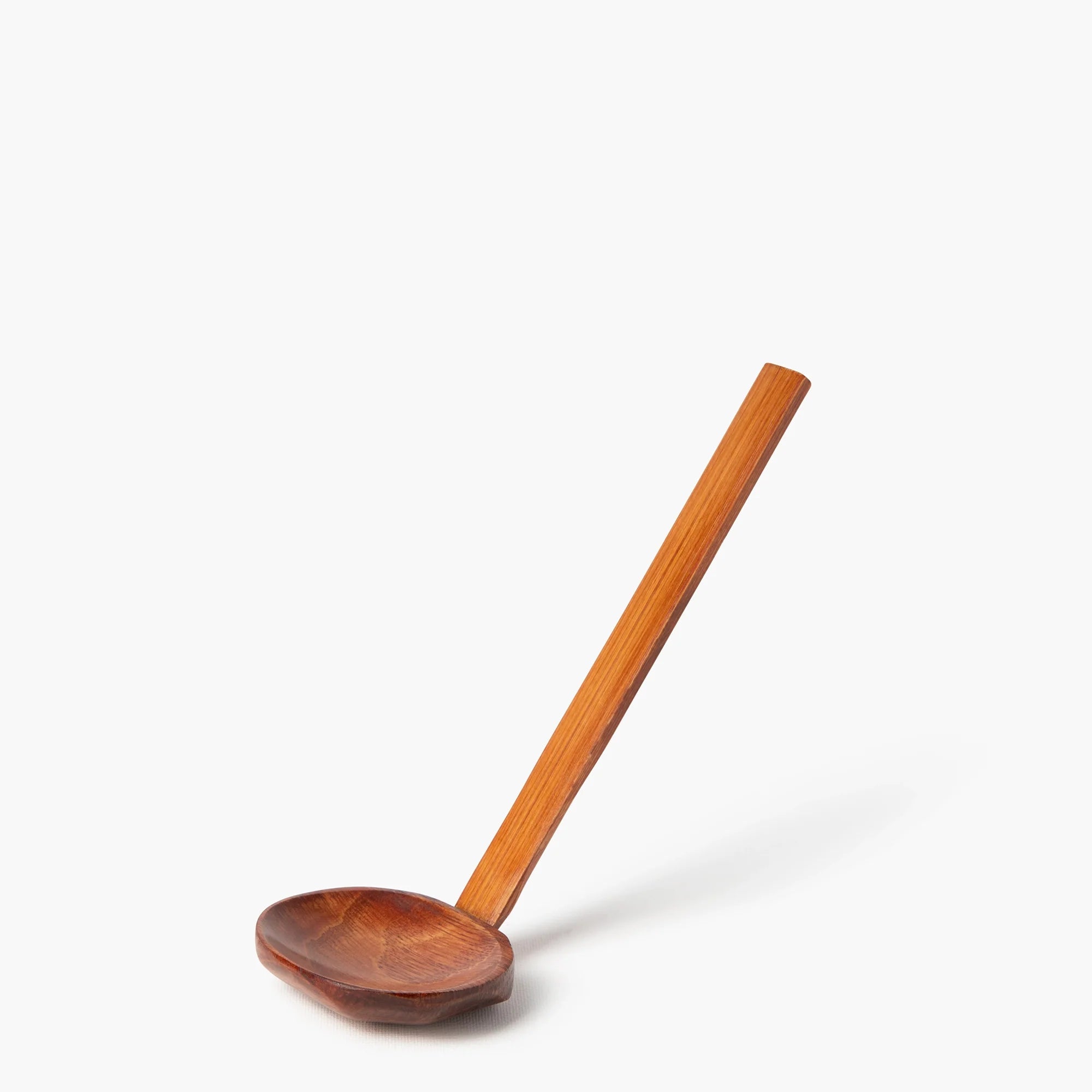
Ramen spoon ⋅ Emro Aziatica
Regular price 3.10 €Promotional price 3.10 € Regular priceUnit price by

Somen noodles, 3 servings ⋅ Akagi ⋅ 270g
⋅ Made with wheat from the Hokkaido region⋅ Perfect for nyûmen, a hot dish⋅ Or served cold with tsuyu sauce⋅ 3 servings to shareWheat noodles with...
Regular price 3.40 €Promotional price 3.40 € Regular priceUnit price 12.59 € by kg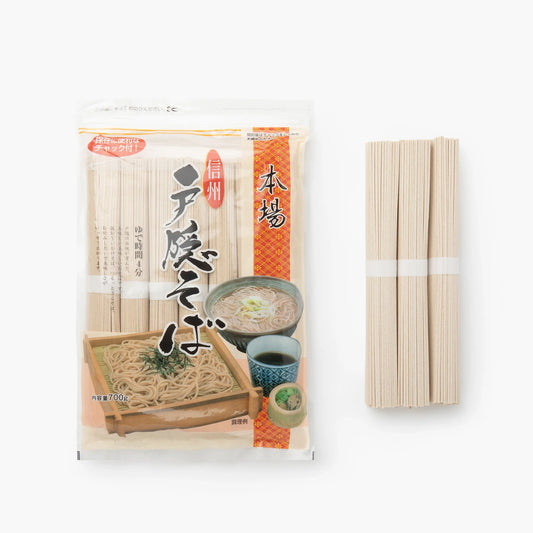
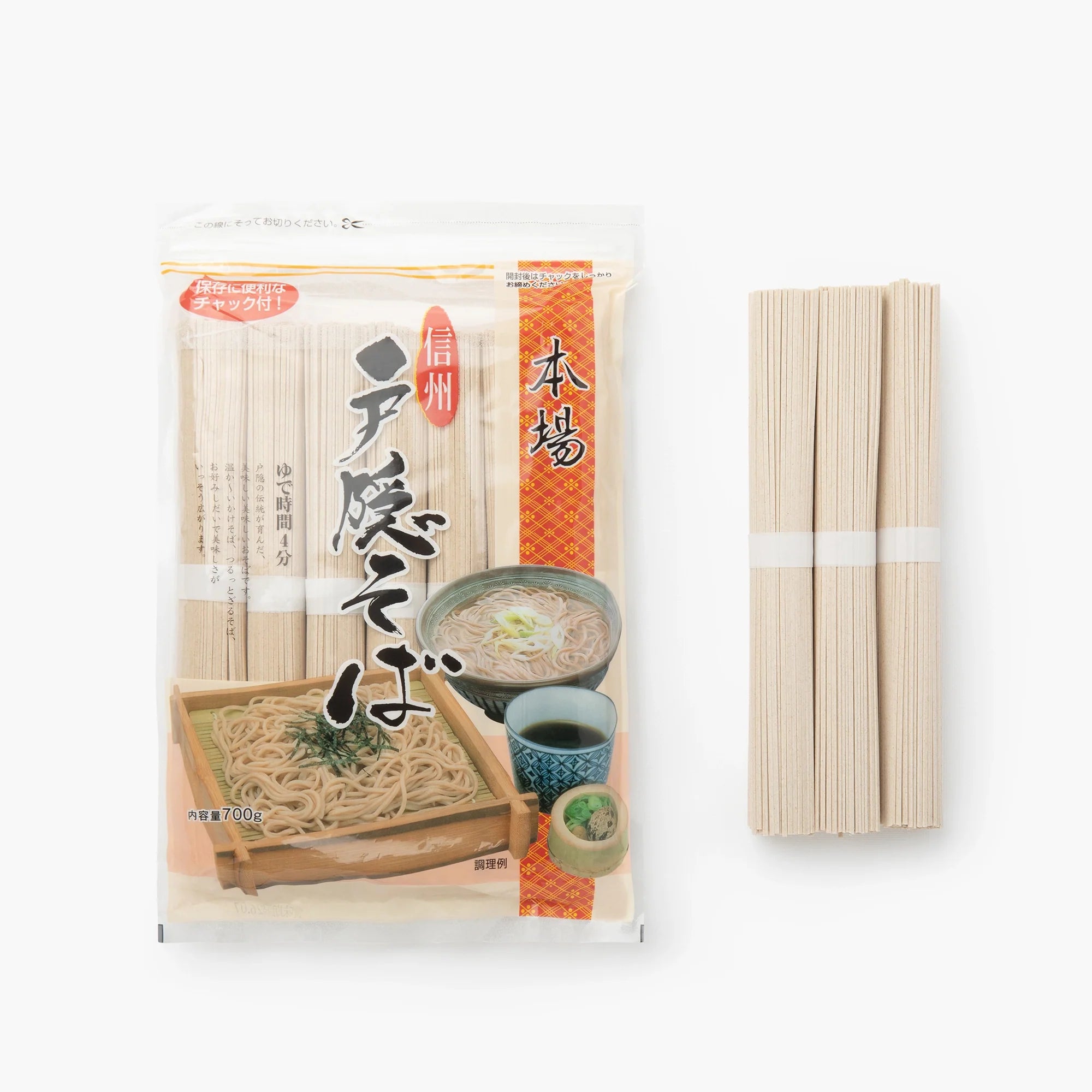
Shinshu Togakushi soba ⋅ Shinshu Togakushi Soba ⋅ 700g
⋅ Buckwheat noodles⋅ Traditionally made in the Nagano region⋅ Firm texture⋅ Delicious hot or coldShinshu Togakushi soba noodles are a specialty of the Nagano region of...
Regular price 8.70 €Promotional price 8.70 € Regular priceUnit price 12.43 € by kg

Sea green Wasabi ramen bowl Ø 220mm ⋅ Emro Aziatica
⋅ Ceramic bowl⋅ Dimensions: 22 cm⋅ For noodle dishes, rice, soups, broths, salads, etc.⋅ Sturdy and stylish⋅ Perfect for donburi, curries, or mixed saladsThis green ceramic...
Regular price 17.90 €Promotional price 17.90 € Regular priceUnit price by

Soba Noodles ⋅ Tanaka Bussan ⋅ 200g
•Over 50% buckwheat flour for an authentic traditional soba flavor.•Firm texture •Delicious hot or cold, served with broth, tempura, or men-tsuyu.•Premium-quality wheatBuckwheat soba noodles made with...
Regular price 3.90 €Promotional price 3.90 € Regular priceUnit price 19.50 € by kg
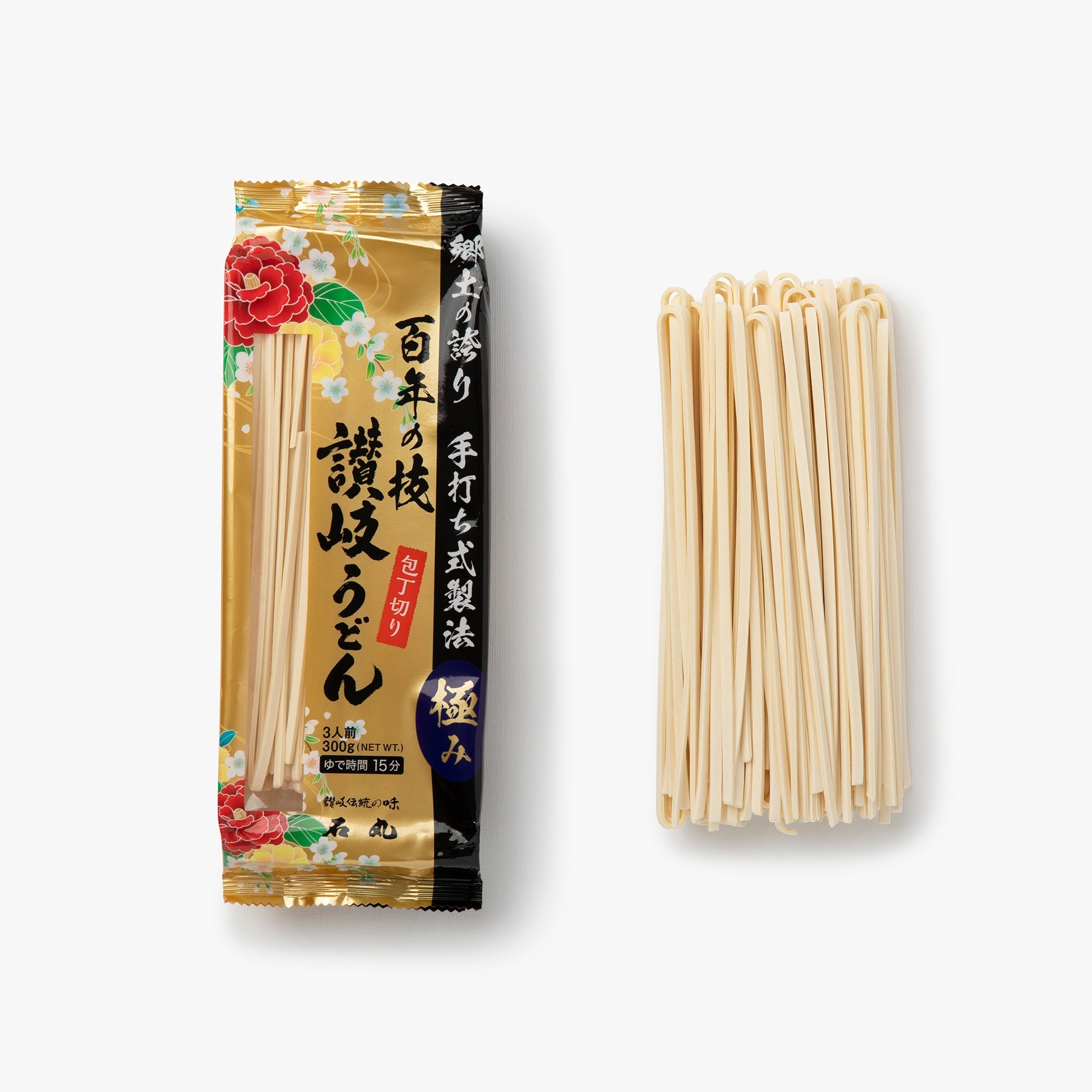
Hand-pulled udon noodles ⋅ Ishimaru Seimen ⋅ 300g
⋅ Handmade artisanal noodles⋅ Perfect served hot in broth or curry⋅ Delicious served cold in a sauce made with dashi, mirin, and soy sauce⋅ Pairs well...
Regular price 5.30 €Promotional price 5.30 € Regular priceUnit price 17.67 € by kg

Long, hand-stretched somen noodles ⋅ Ibonoito ⋅ 300g
⋅ Hand-stretched noodles made using a traditional technique⋅ Made in Hyogo Prefecture⋅ Quick to cook⋅ Enjoy cold in a salad or hot in broth⋅ Environmentally conscious...
Regular price 5.85 €Promotional price 5.85 € Regular priceUnit price 19.50 € by kg

Kagawa udon noodles 5 servings ⋅ Sanuki Bussan ⋅ 450g
⋅ Made in Kagawa Prefecture⋅ Can be enjoyed hot or cold⋅ Traditionally served in dashi broth with tempura or vegetables⋅ 5 servingsSanuki udon is one of...
Regular price 7.50 €Promotional price 7.50 € Regular priceUnit price 16.67 € by kg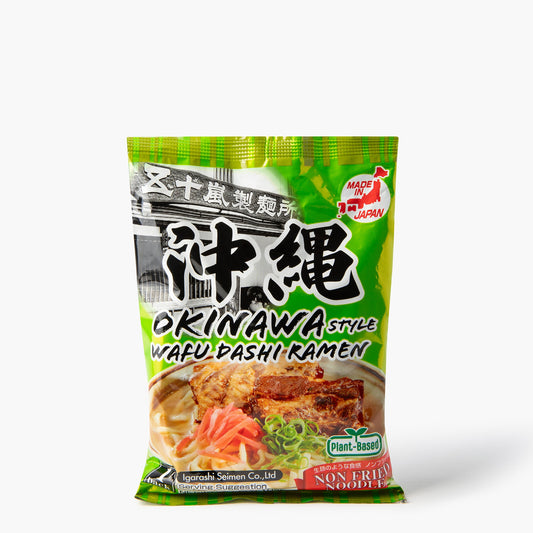
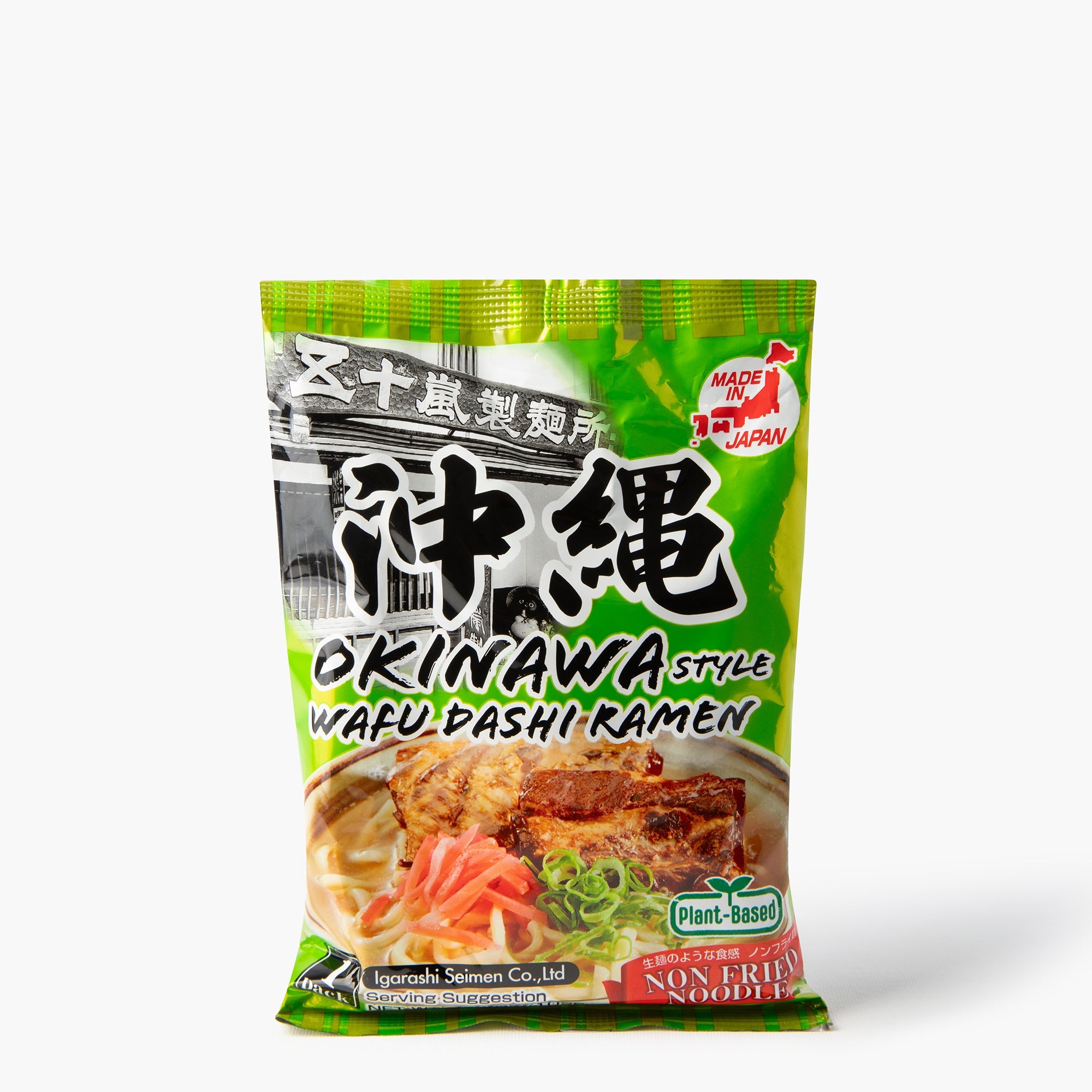
Vegan Okinawa dashi ramen ⋅ Igarashi Seimen ⋅ 109g
⋅ Quick-cooking⋅ Broth made with soy sauce, shiitake mushrooms, and kombu seaweed⋅ Okinawan specialty⋅ Perfect for a last-minute mealInstant ramen inspired by soki soba, a culinary...
Regular price 3.90 €Promotional price 3.90 € Regular priceUnit price 35.78 € by kg
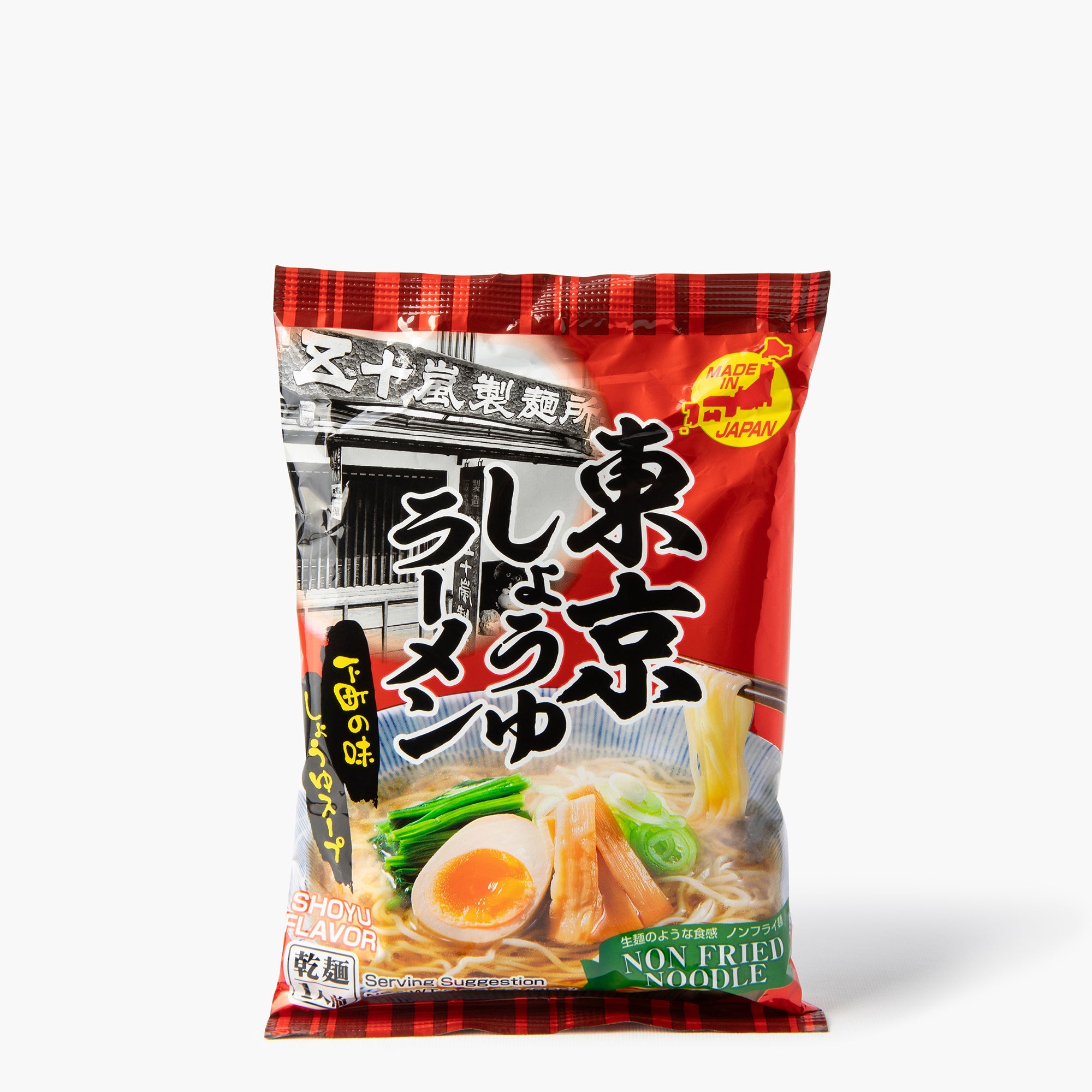
Vegan Tokyo soy sauce ramen ⋅ Igarashi Seimen ⋅ 95g
⋅ Quick-cooking⋅ Rich soy sauce-based broth, a Tokyo specialty⋅ Best served with an egg, seaweed, vegetables, and a slice of pork⋅ Firm textureAn iconic Tokyo dish,...
Regular price 3.90 €Promotional price 3.90 € Regular priceUnit price 41.05 € by kg
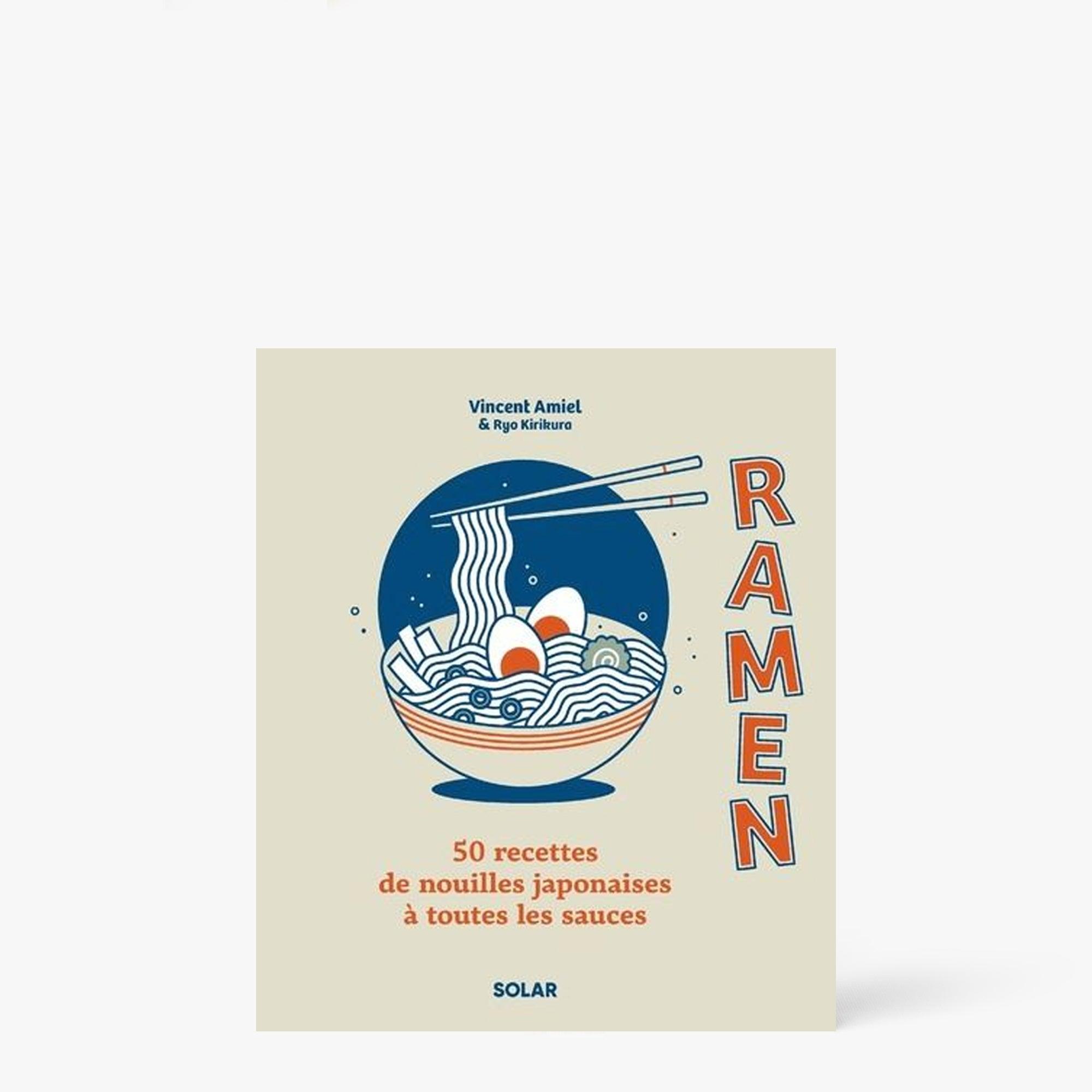
Book Ramen - 50 Japanese Noodle Recipes with Every Kind of Sauce ⋅ Solar
A smoking bowl, melting noodles, a tasty broth ... Immerse yourself in the wonderful world of ramen! Through more than 50 recipes, learn to make delicious...
Regular price 14.95 €Promotional price 14.95 € Regular priceUnit price by

Glazed ceramic ramen bowl set, bronze and green Ø 220mm ⋅ Emro Aziatica
⋅ Ceramic bowls perfect for noodles, rice bowls, broths, and soups⋅ Dimensions: 22 cm in diameter⋅ Includes two pairs of chopsticks and spoons⋅ Ideal as a...
Regular price 48.00 €Promotional price 48.00 € Regular priceUnit price by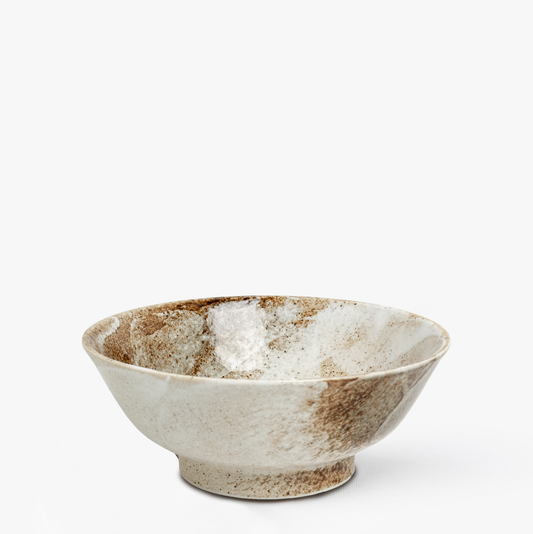
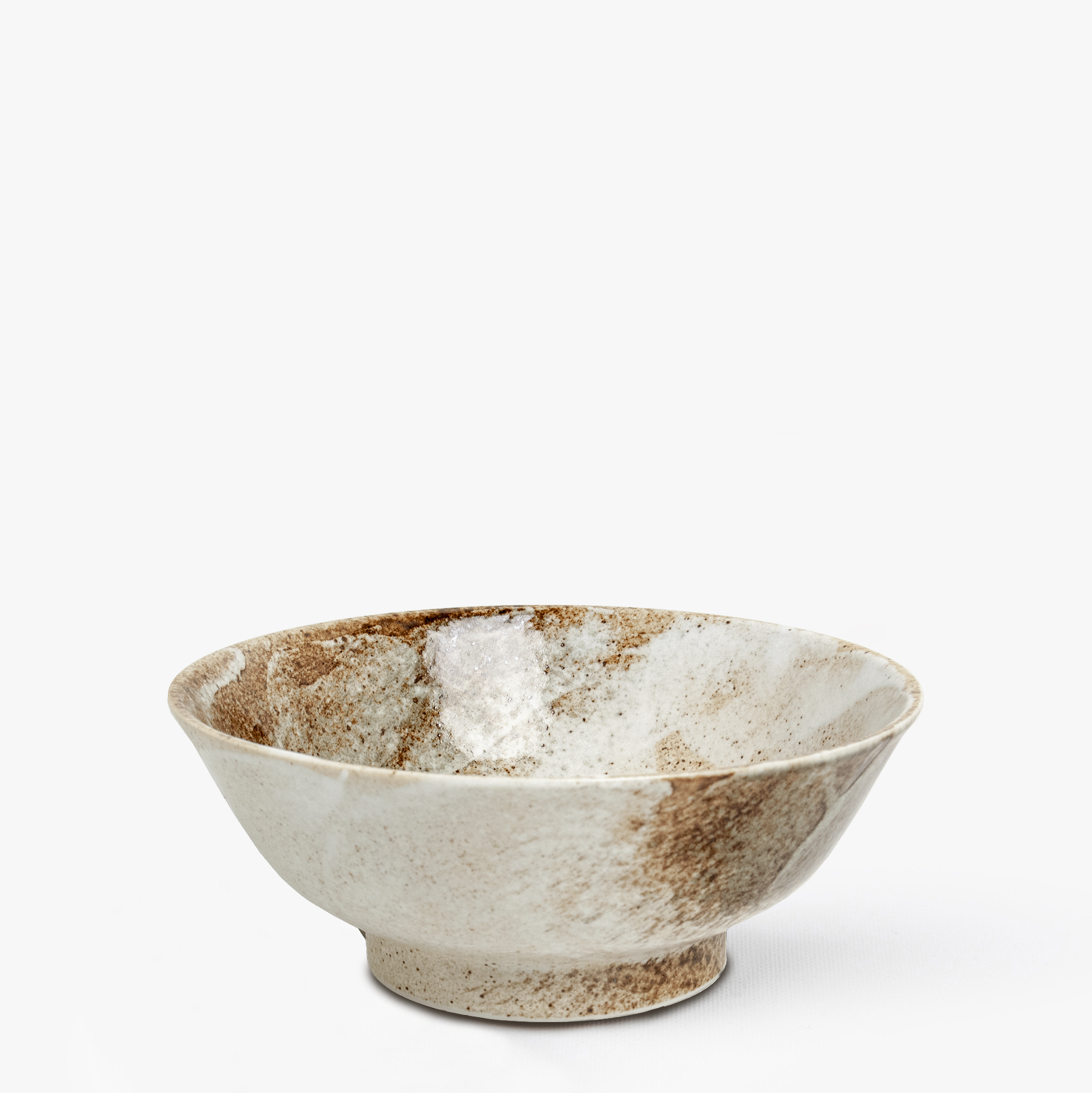
Beige Hikari ramen bowl Ø 220mm ⋅ Emro Aziatica
⋅ Diameter: 22 cmThis beige ceramic ramen bowl is a must-have for lovers of Japanese cuisine. Its subtle beige hue and sleek design blend perfectly with...
Regular price 17.90 €Promotional price 17.90 € Regular priceUnit price by

Hand-pulled somen noodles ⋅ Enpura ⋅ 200g
⋅ Hand-pulled using the traditional Shimabara method⋅ Perfect served cold in a salad⋅ Delicious served hot in nyumen⋅ Quick to cook⋅ 4 servings to shareExceptional noodles,...
Regular price 5.80 €Promotional price 5.80 € Regular priceUnit price 29.00 € by kg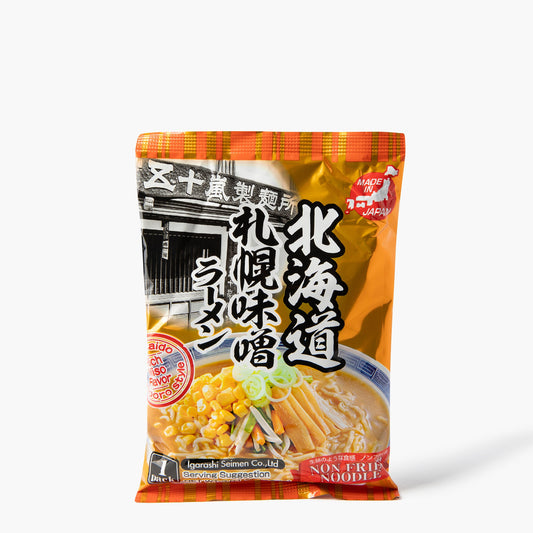
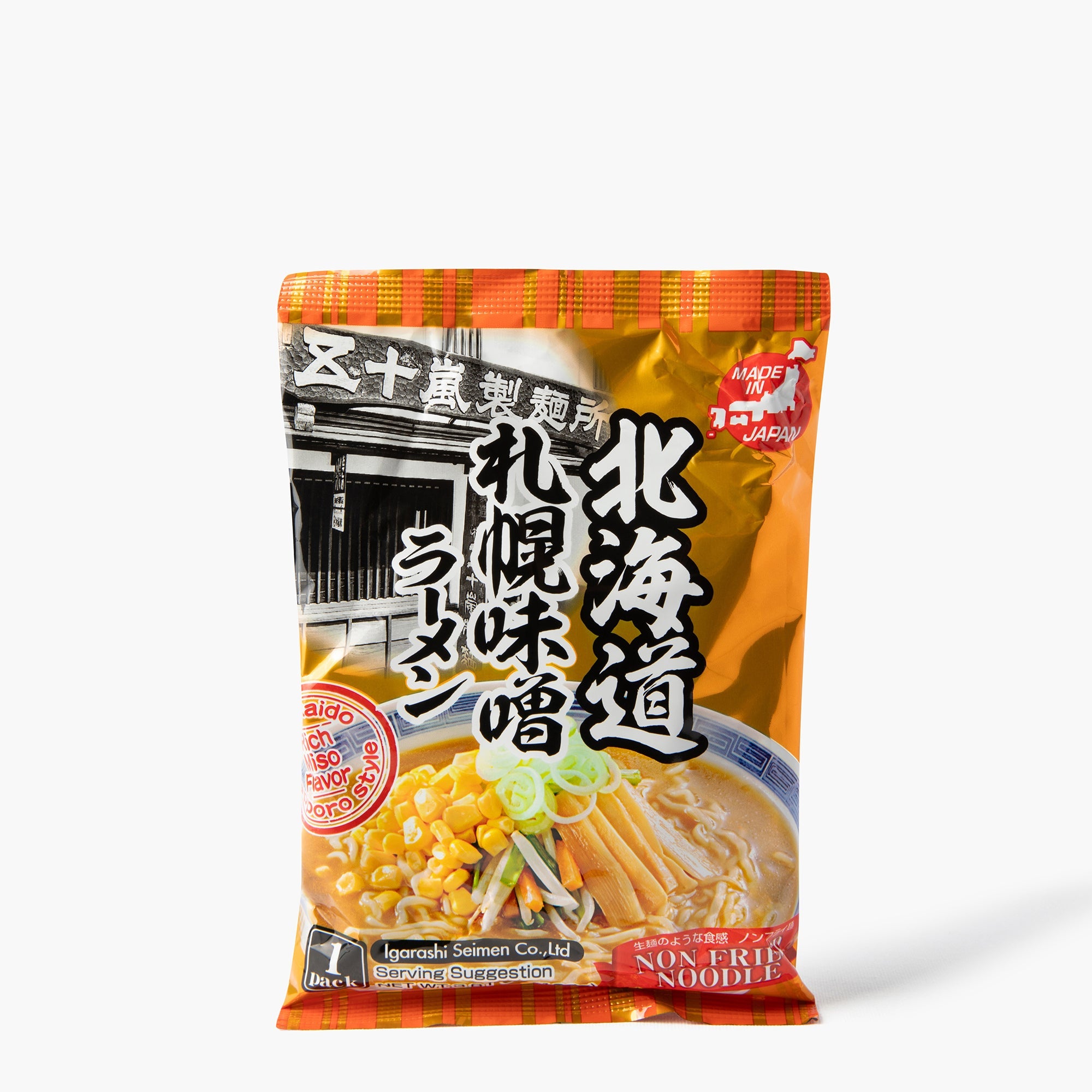
Sapporo miso ramen ⋅ Igarashi Seimen ⋅ 108g
⋅ Quick-cooking⋅ Flavorful miso-based broth⋅ Perfect with corn and vegetables for a delicious Sapporo ramenRamen inspired by the famous Sapporo miso ramen, one of Japan’s most...
Regular price 3.90 €Promotional price 3.90 € Regular priceUnit price 36.11 € by kg
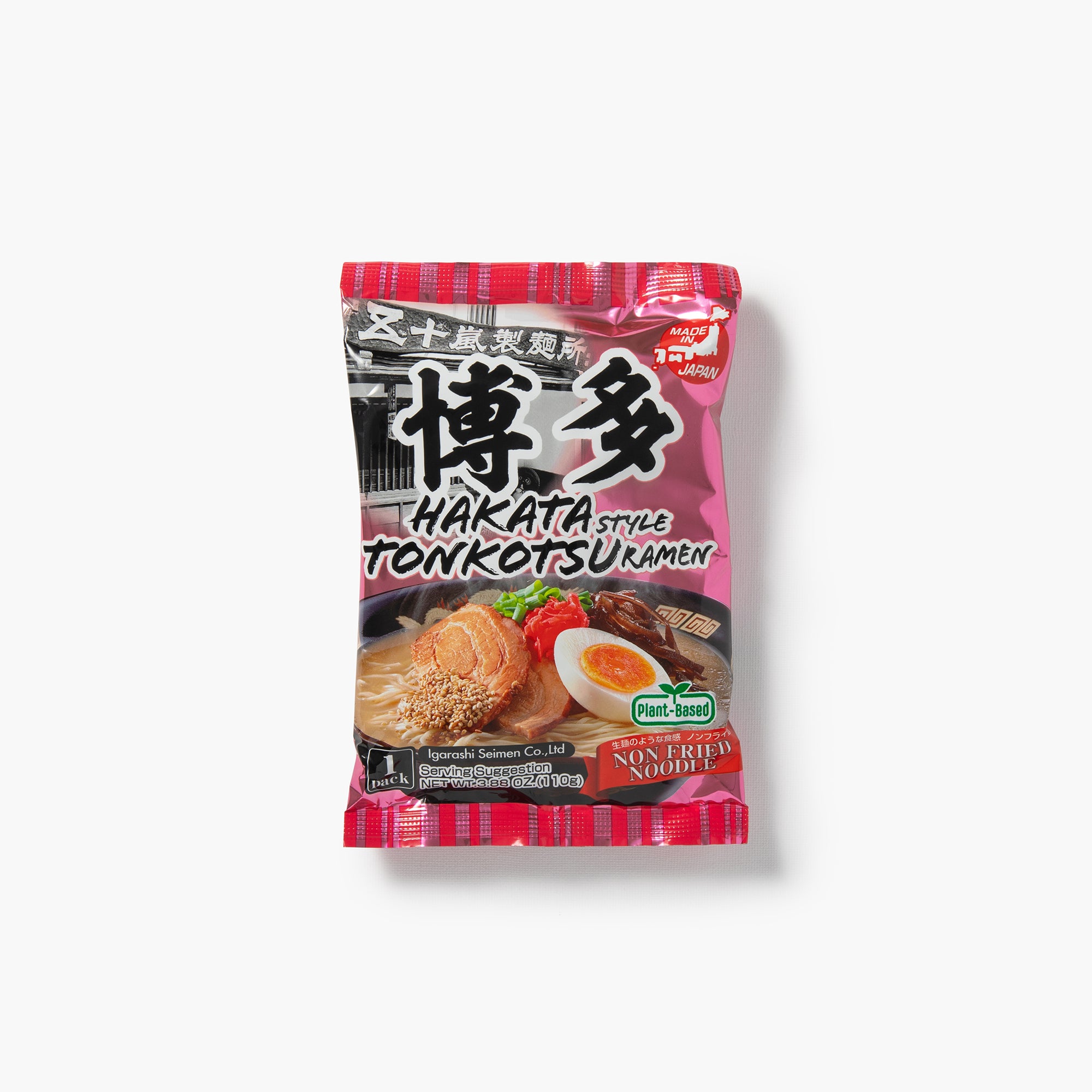
Vegan tonkotsu-style ramen ⋅ Igarashi Seimen ⋅ 110g
⋅ Quick-cooking⋅ Hakata-style vegan broth⋅ Unfried noodles⋅ Customize with spinach, shiitake mushrooms, etc.This Hakata-style vegan ramen features a rich and creamy traditional tonkotsu broth. The thin,...
Regular price 3.90 €Promotional price 3.90 € Regular priceUnit price by

Book Ramen! Japanese Cuisine in Comics ⋅ HACHETTE LIVRE
Simple and authentic recipes to make homemade ramen Discover the history of ramen and ultra-summary recipes to learn how to cook them at home. Besides the...
Regular price 19.95 €Promotional price 19.95 € Regular priceUnit price by
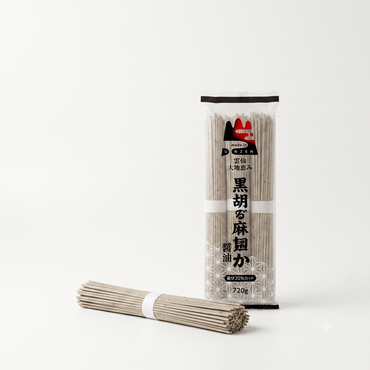
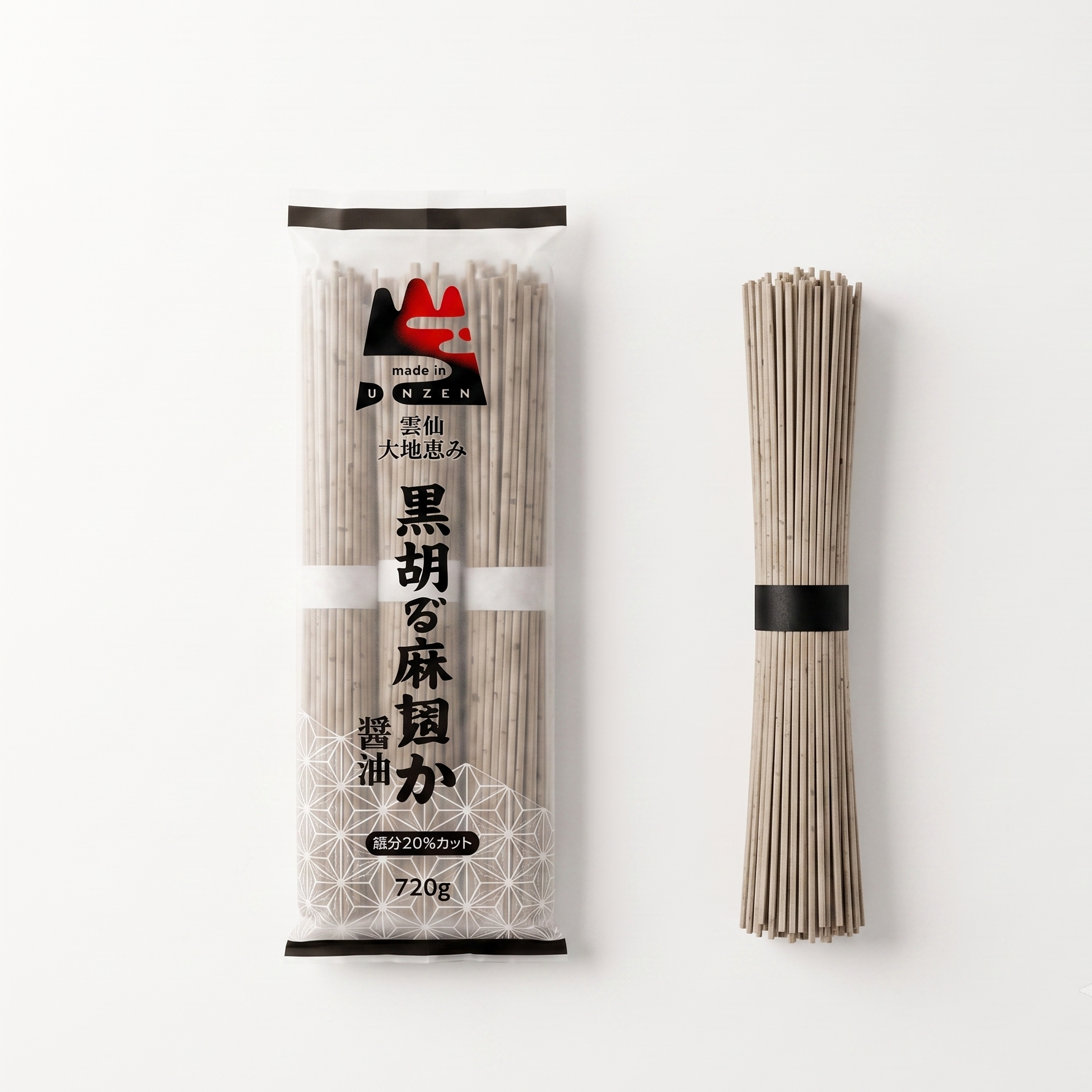
Black sesame udon noodles ⋅ Enpura ⋅ 210g
⋅ Made with roasted black sesame seeds⋅ Traditionally hand-pulled⋅ Quick-cooking⋅ Perfect served hot, in broth, or stir-fried⋅ Delicious served cold in a saladExceptional noodles, enhanced by...
Regular price 6.50 €Promotional price 6.50 € Regular priceUnit price by

Ramen Bowls. 50 Steaming Noodle Recipes ⋅ First
Delicious noodle bowls inspired by manga! 50 easy-to-make ramen and soba bowl recipes—quick to prepare thanks to instant noodles, delicious, and inspired by the world of...
Regular price 11.95 €Promotional price 11.95 € Regular priceUnit price by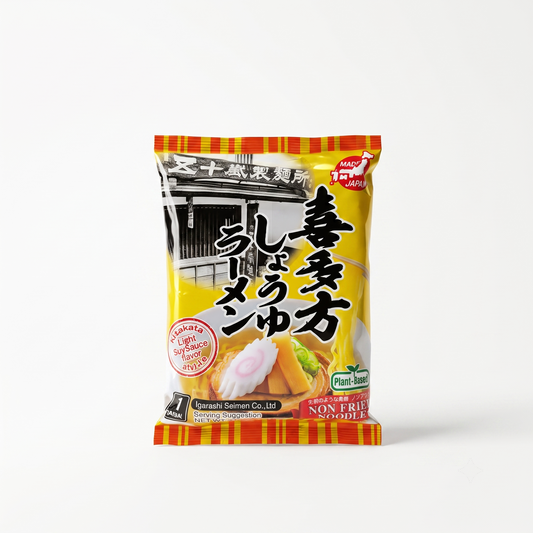
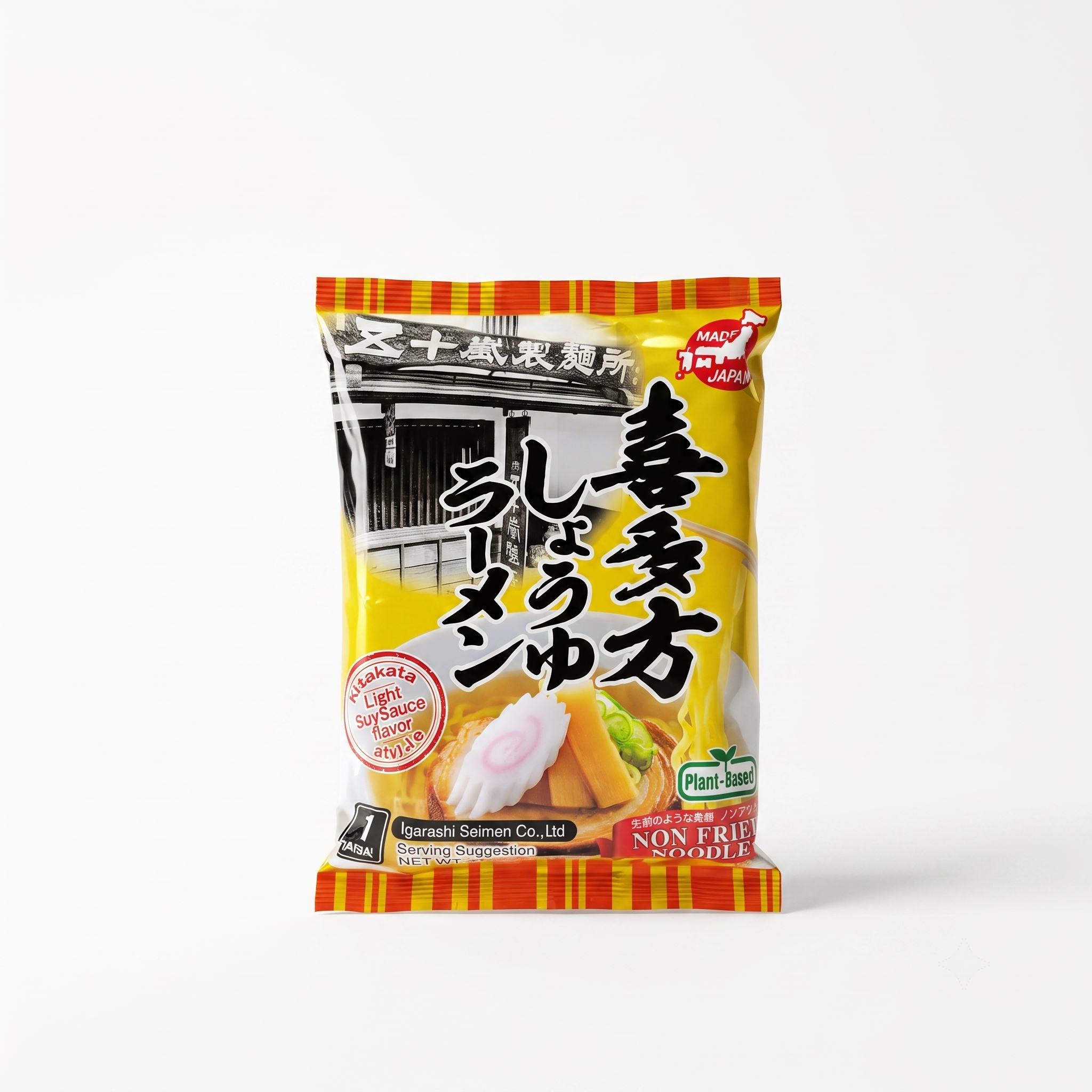
Vegan yuzu and salt ramen ⋅ Igarashi Seimen ⋅ 98g
⋅ Quick-cooking⋅ Vegan yuzu broth⋅ Unfried noodles⋅ Customize with spinach, shiitake mushrooms, etc.This vegan ramen combines a clear, salt-seasoned broth with the fresh, slightly tangy notes...
Regular price 3.90 €Promotional price 3.90 € Regular priceUnit price by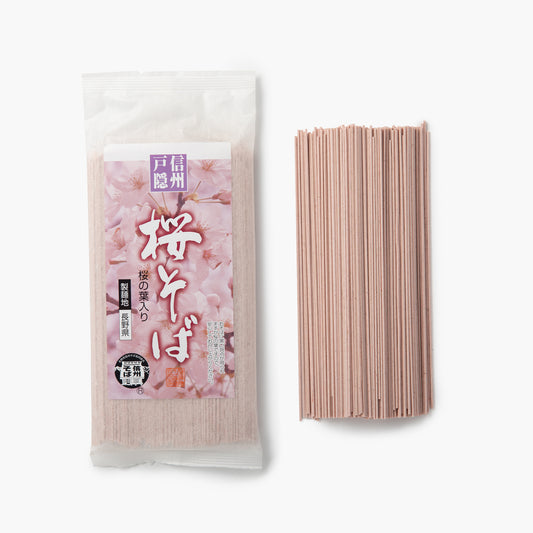

Sakura Soba ⋅ Shinshu Togakushi Soba ⋅ 180g
⋅ Made with buckwheat flour and sakura cherry blossom leaves⋅ A unique alternative to traditional soba noodles⋅ Perfect in a broth or in a salad⋅ Ideal...
Regular price 5.70 €Promotional price 5.70 € Regular priceUnit price by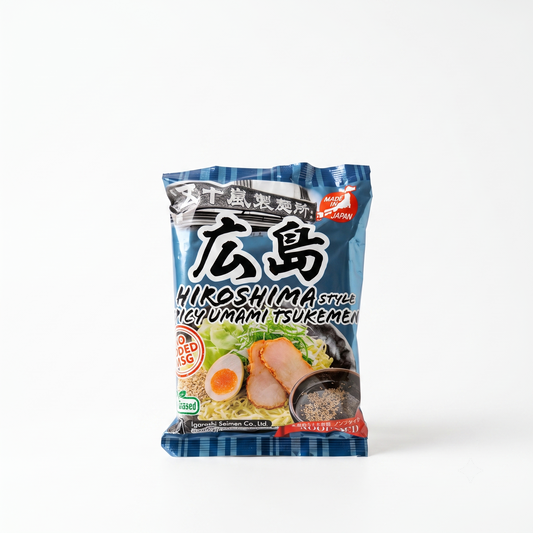
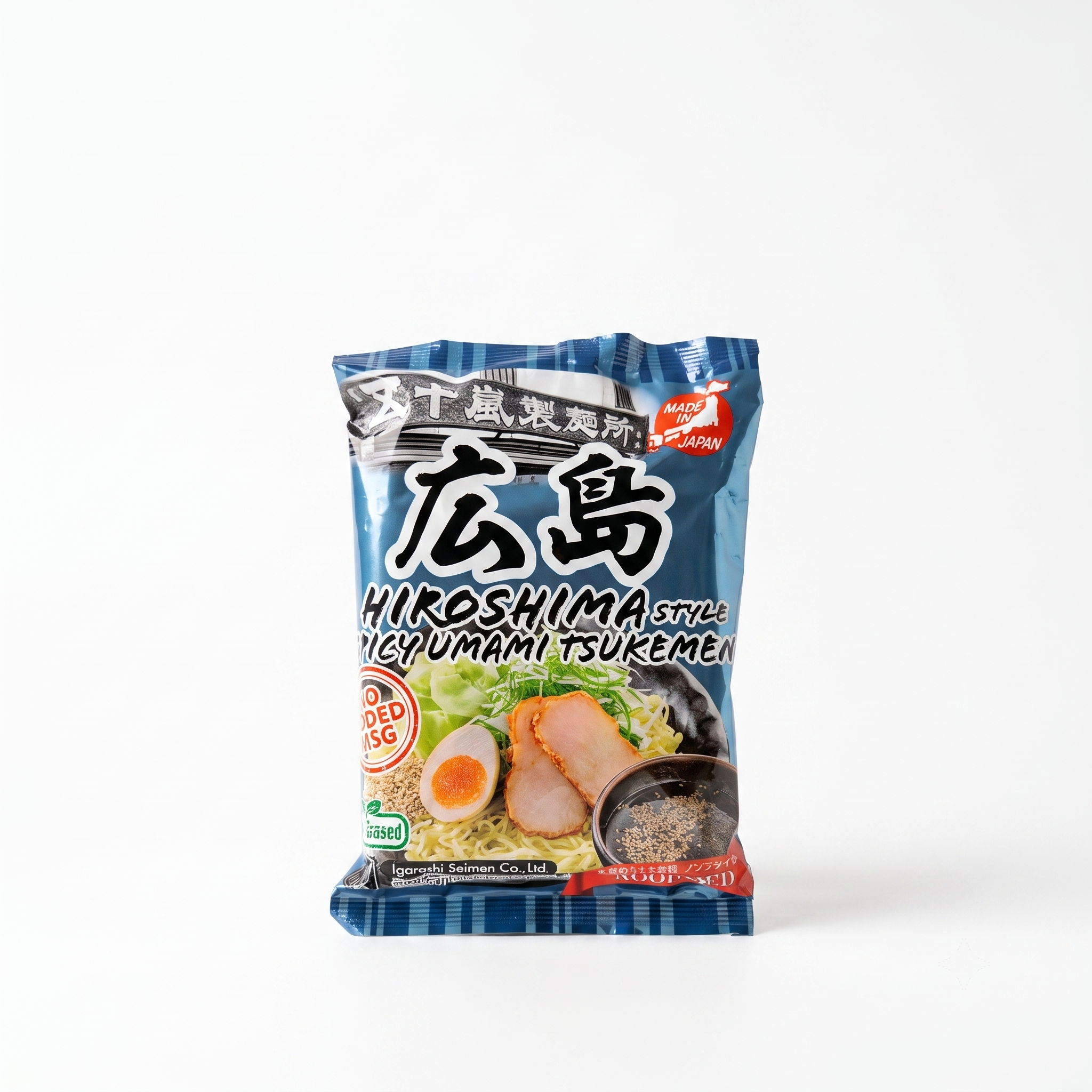
Vegan spicy Hiroshima ramen ⋅ Igarashi Seimen ⋅ 100g
⋅ Quick-cooking⋅ Hiroshima specialty⋅ Mildly spicy vegan broth⋅ Unfried noodles⋅ Customize with spinach, shiitake mushrooms, etc.Instant ramen inspired by Hiroshima’s spicy tsukemen. The thin, wavy, non-fried...
Regular price 3.90 €Promotional price 3.90 € Regular priceUnit price by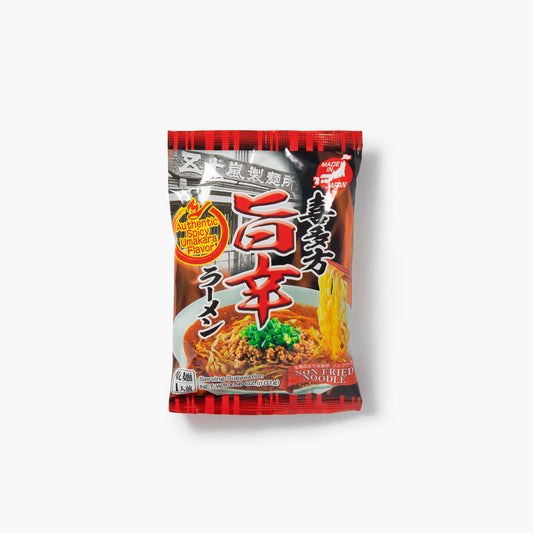
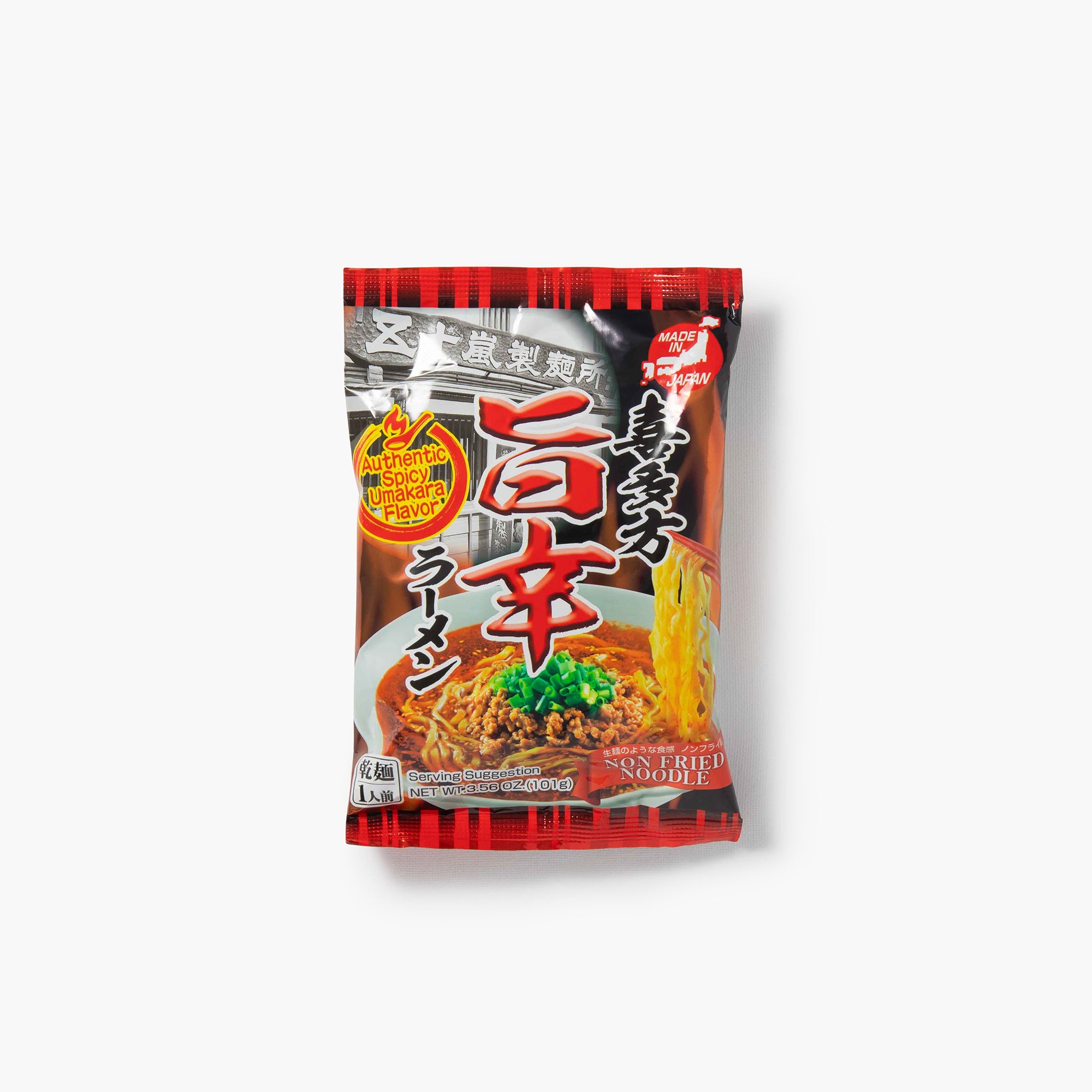
Umakara spicy vegan ramen ⋅ Igarashi Seimen ⋅ 101g
⋅ Quick cooking⋅ Spicy, umami-rich vegan broth⋅ Unfried noodles⋅ Customize with corn shoots, shiitake mushrooms, etc.These vegan ramen capture the essence of umakara, the balance between...
Regular price 3.90 €Promotional price 3.90 € Regular priceUnit price by
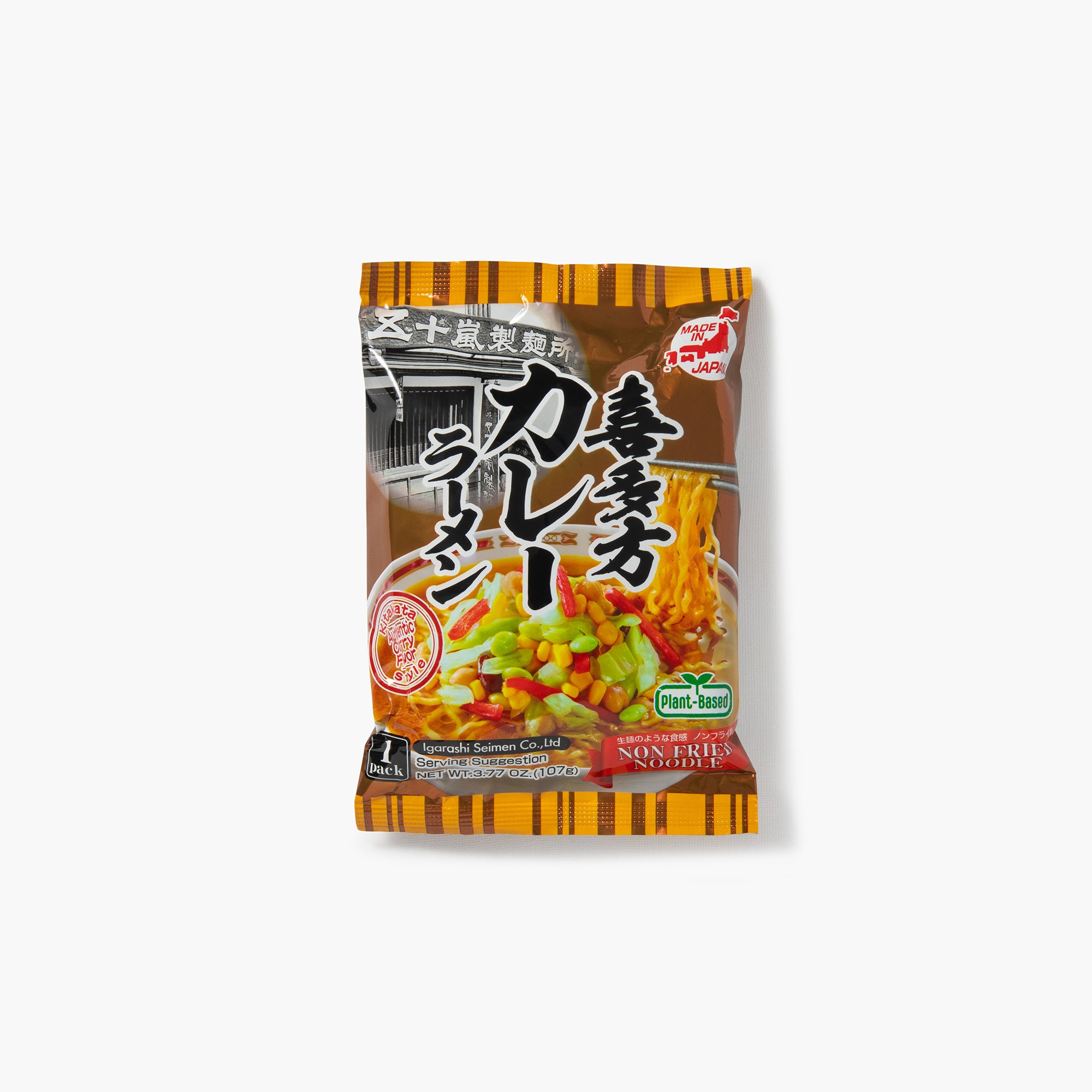
Vegan curry ramen ⋅ Igarashi Seimen ⋅ 107g
Regular price 3.90 €Promotional price 3.90 € Regular priceUnit price by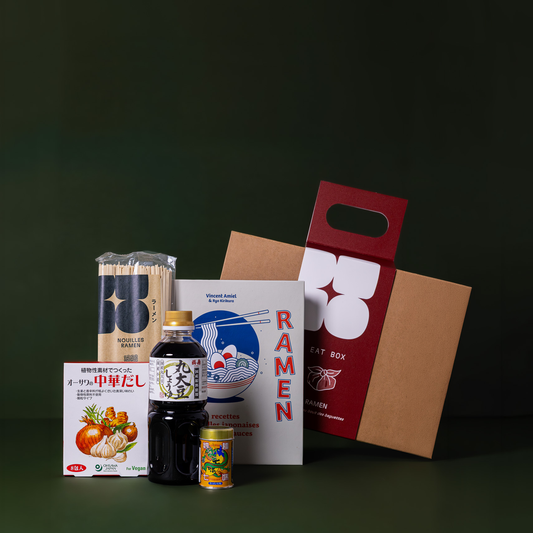
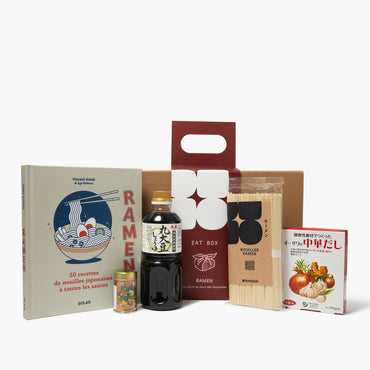
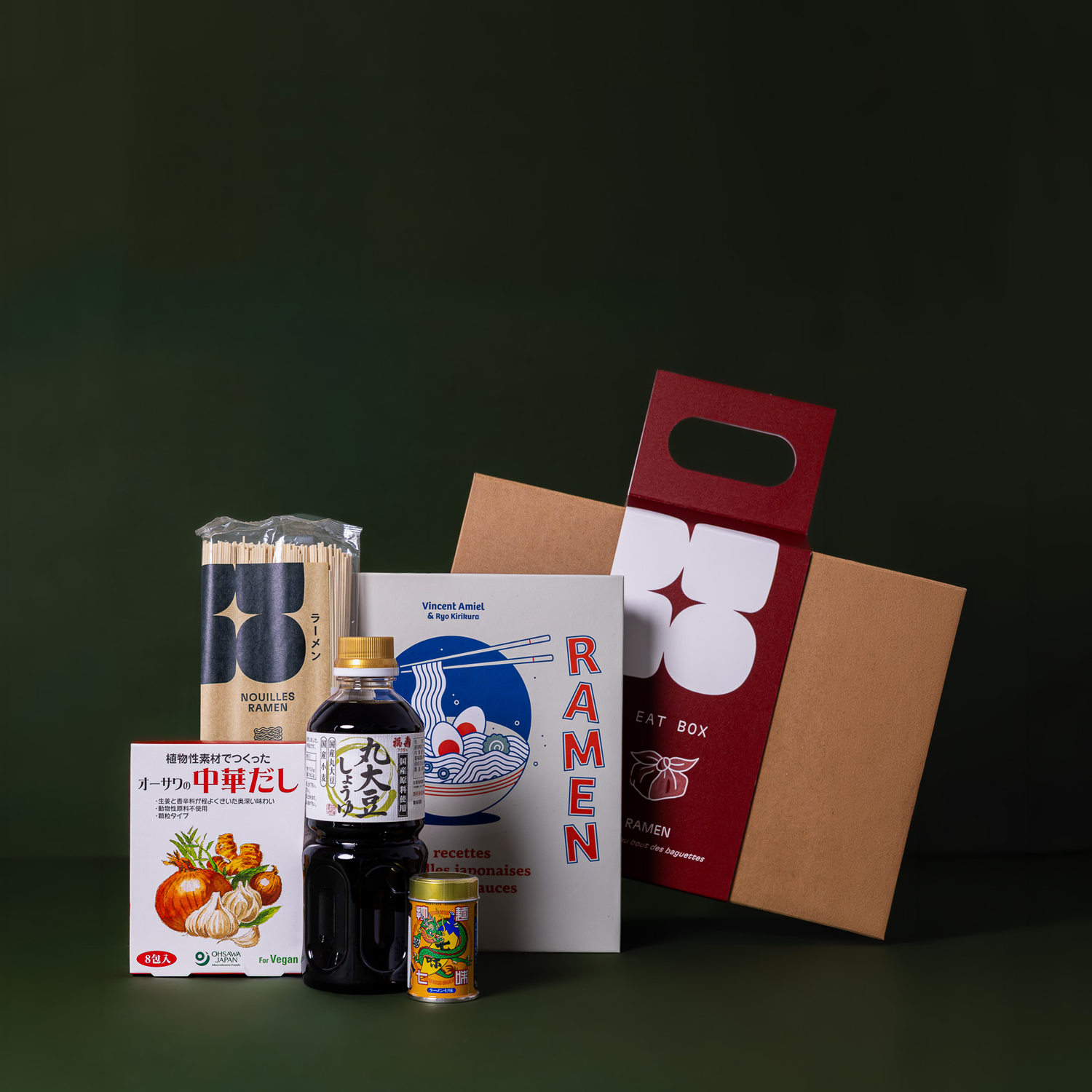
RAMEN EAT BOX SET ⋅ iRASSHAi
Japan at the end of your chopsticks Noodles, miso, spicy dashi and artisanal soy sauce: everything you need to make an authentic bowl of ramen at...
Regular price 49.00 €Promotional price 49.00 € Regular priceUnit price by

Men-tsuyu noodle sauce ⋅ Goto Shoyu ⋅ 100ml
⋅ Men sauce⋅ Tsuyu⋅ Perfect for dipping soba and other noodles⋅ Well-balanced flavor⋅ Suitable for all types of useThis sauce is made from dashi broth, soy...
Regular price 5.70 €Promotional price 5.70 € Regular priceUnit price 57.00 € by l

Vegan spice dashi for ramen 8 sachets ⋅ Ohsawa ⋅ 40g
⋅ Spiced dashi⋅ Vegan, free of additives and preservatives⋅ Locally harvested vegetables⋅ Perfect for Chinese soups, stir-fried vegetables, fried rice, or ramenReady-to-use bouillon packets for making...
Regular price 7.70 €Promotional price 7.70 € Regular priceUnit price 192.50 € by kg

Instant ginger chicken cup ramen ⋅ Nissin ⋅ 63g
⋅ Quick cooking⋅ Rich, aromatic chicken and ginger broth⋅ Perfect for a last-minute mealThese instant noodles are made with ginger chicken, creating a delicate blend of...
Regular price 3.40 €Promotional price 3.40 € Regular priceUnit price 53.97 € by kg

Instant shrimp and soy sauce cup ramen ⋅ Nissin ⋅ 63g
⋅ Quick Cooking⋅ Rich Broth with Soy Sauce and ShrimpA quick and convenient instant dish, prepared with soy sauce and shrimp. These noodles have a savory...
Regular price 3.40 €Promotional price 3.40 € Regular priceUnit price 53.97 € by kg

Instant spicy curry cup ramen ⋅ Nissin ⋅ 67g
⋅ Quick cooking⋅ Spicy curry-based broth⋅ Perfect for last-minute mealsInstant noodles prepared with a curry broth. They’re perfect for curry lovers looking for a quick and...
Regular price 3.40 €Promotional price 3.40 € Regular priceUnit price 50.75 € by kg

16-grain somen noodles ⋅ Enpura ⋅ 200g
⋅ Blend of 16 Japanese grains⋅ Hand-stretched using the traditional Shimabara method⋅ Perfect served cold in a salad⋅ Delicious served hot in broth or sukiyaki⋅ Quick...
Regular price 5.30 €Promotional price 5.30 € Regular priceUnit price 26.50 € by kg

Hand-pulled somen noodles 5 servings ⋅ Ibonoito ⋅ 250g
⋅ Hand-pulled noodles made using a traditional technique⋅ Made in Hyogo Prefecture⋅ Served in hot broth⋅ Or cold with men⋅ tsuyu sauce⋅ 5 servings to shareThese...
Regular price 9.00 €Promotional price 9.00 € Regular priceUnit price 36.00 € by kg

Shinshu soba noodles, large format ⋅ Shinshu Togakushi Soba ⋅ 1kg
The Soba noodles of Shinshu Togakushi are a specialty of the Nagano region in Japan. These noodles are made from high quality buckwheat flour which is...
Regular price 16.00 €Promotional price 16.00 € Regular priceUnit price 16.00 € by kgOur favorite Japanese noodle recipes!
-
Yasai soba with vegetables recipe
View the recipe
-
Fresh soba noodle recipe
View the recipe
-
Instant ramen at home
View the recipe
-
Summer Somen Recipe with Kaeshi Broth
View the recipe
-
Tomato and Tuna Somen Recipe
View the recipe
-
Homemade Tonkotsu Ramen
View the recipe
-
Sesame and Vegetable Somen Recipe
View the recipe
Learn more about Japanese noodles
What are the different types of Japanese noodles?
Japanese noodles come in several types, each with unique characteristics. Ramen are thin wheat noodles, often served in a rich and flavorful broth. Udon are thick, chewy noodles, also made from wheat, and are often served in a light broth. Soba are thinner buckwheat noodles, known for their slightly grainy texture and earthy flavor. In addition to these varieties, there are also noodles somen (thin and white, generally served cold) and noodles shirataki (made from konjac and very low in calories).
What is the difference between ramen, udon, and soba noodles?
Ramen, udon, and soba differ mainly in their ingredients, texture, and preparation method. Ramen are made from wheat, often served in a rich meat- or fish-based broth, and have a firm texture. Udon, also made from wheat, are much thicker and chewier, with a softer texture, making them ideal for clear or mildly spicy soups. Soba are made from buckwheat, which gives them a brown color and a more earthy flavor. They are often served cold with a dipping sauce (tsuyu) or hot in a broth.
How to choose the right noodles for a Japanese recipe?
The choice of Japanese noodles depends on the dish you want to prepare. For a comforting ramen bowl, choose ramen noodles that absorb the broth’s flavors well. If you want a lighter dish, udon, with their thick texture, are perfect for clear soups or stir-fried dishes. For a more nutritious and lighter option, soba are ideal, especially for cold salads or hot soups. For a low-calorie dish, shirataki noodles made from konjac are an excellent alternative.
How to cook Japanese noodles without them sticking?
To cook Japanese noodles without them sticking, make sure to plunge them into a large amount of unsalted boiling water. Stir immediately after adding them to the water to prevent them from clumping together. Once cooked, drain and rinse them immediately under cold water to remove excess starch, especially for soba noodles. Adding a little oil after rinsing can also help prevent them from sticking, especially if they need to be set aside before serving.
What is the difference between hand-pulled noodles and other types?
The secret lies in the ratio of water to flour in the dough.
Machine-made noodles generally contain around 40% water, while hand-pulled noodles contain approximately 50%. It is very difficult to achieve a ratio above 50%, even when working them by hand.
Water enables gluten to form in the dough, giving the noodles their elasticity and adhesiveness.
Moreover, the higher the water ratio, the more quickly they will rehydrate, significantly shortening the cooking time and thereby reducing the risk of damage caused by cooking the noodles.


