


Collection: Japanese snack
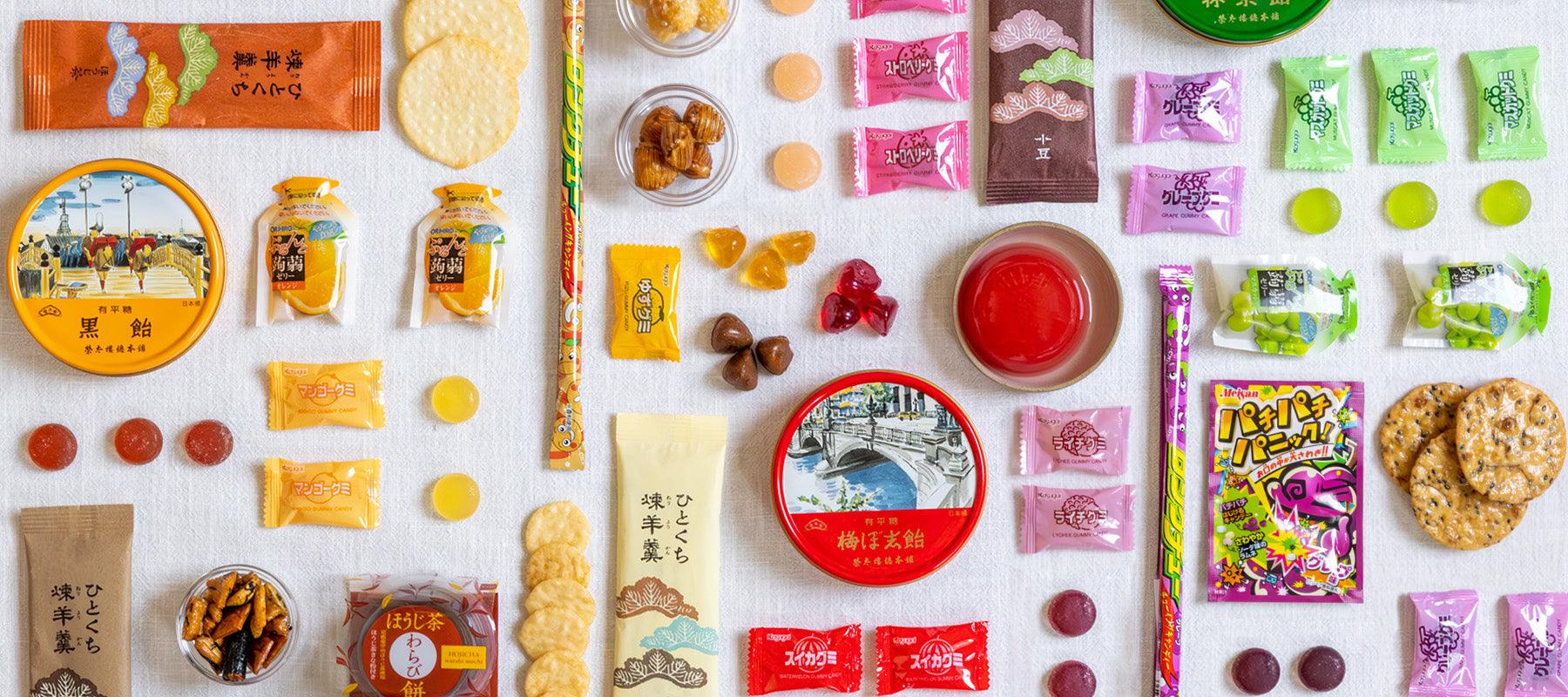
Japan is renowned for its rich and diversified culinary culture, and its sweet and savory snacks are no exception. The Japanese are very fond of cookies and confectionery. Among the most popular, we find the Kitkat, the Pocky, but also candies, more traditional savory snacks such as dagashi and other snacks. Their bright colors packaging, their fun advertisements, their price and their wide variety make them favorites for children and adults. Discover our selection of savory, sweet, grilled, fruity treats ...


-
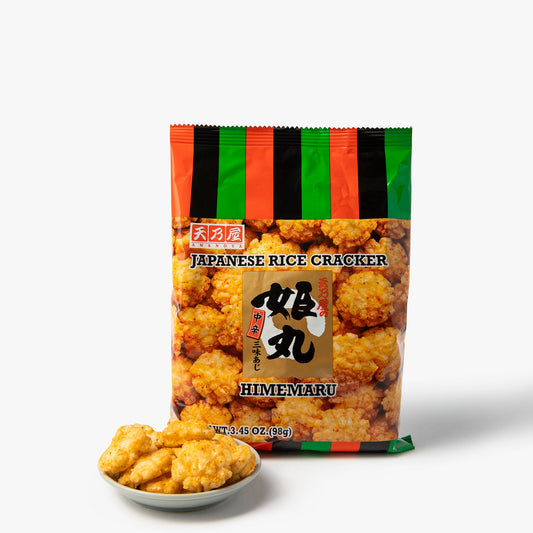
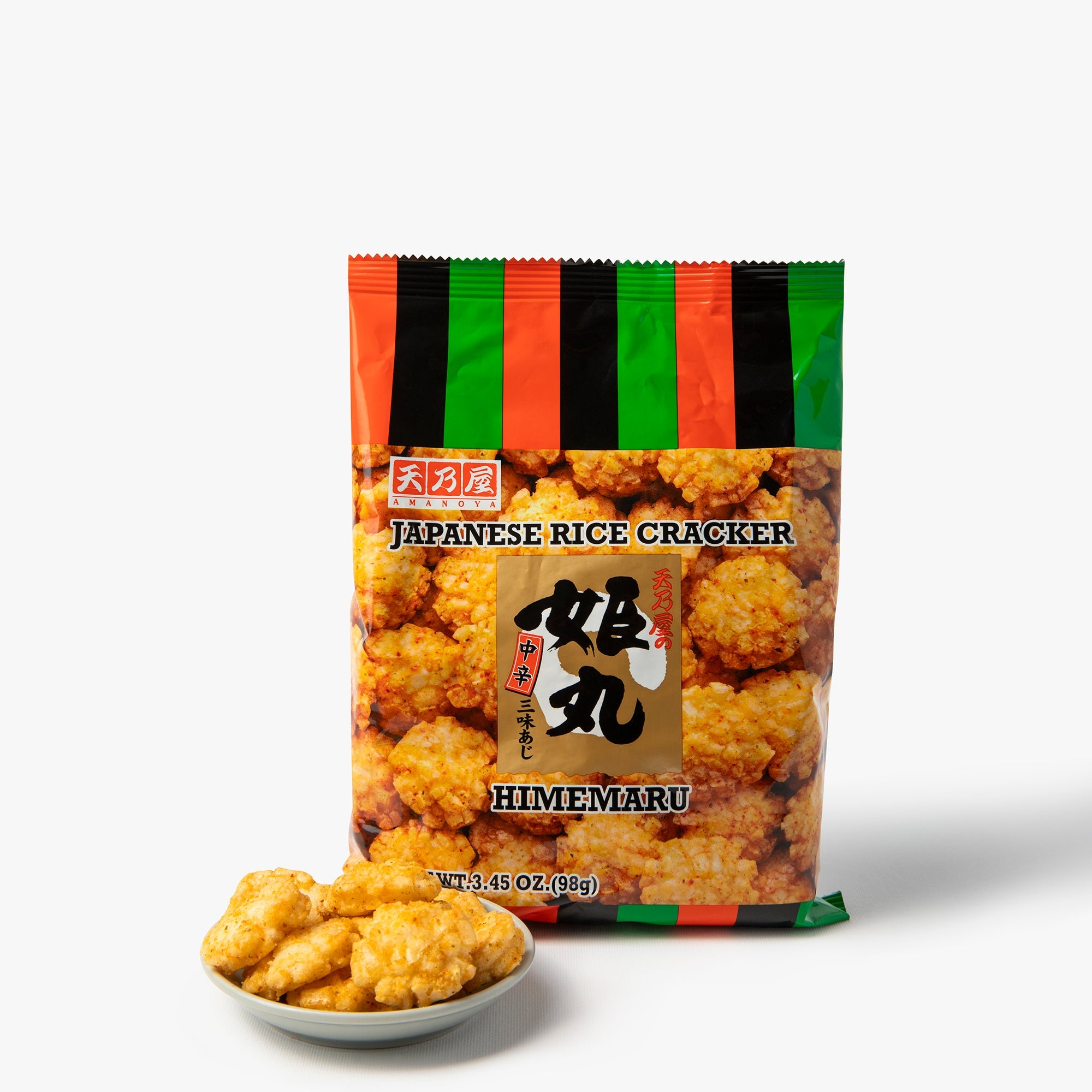
Spicy senbei rice crackers ⋅ Amanoya ⋅ 98g
⋅ Spicy flavor⋅ Light and crunchy texture⋅ Ideal as an aperitif or for a picnic⋅ Made with riceHimemaru rice crackers are delicately spicy and lightly salted...
Regular price 4.80 €Promotional price 4.80 € Regular priceUnit price 48.98 € by kg

Crispy wasabi green peas ⋅ Kasugai ⋅ 67g
⋅ Crispy peas seasoned with wasabi⋅ Mild and spicy flavor⋅ A unique and addictive snack⋅ Perfect for an appetizer⋅ Convenient size to take anywhereRoasted and salted...
Regular price 3.80 €Promotional price 3.80 € Regular priceUnit price 56.72 € by kg
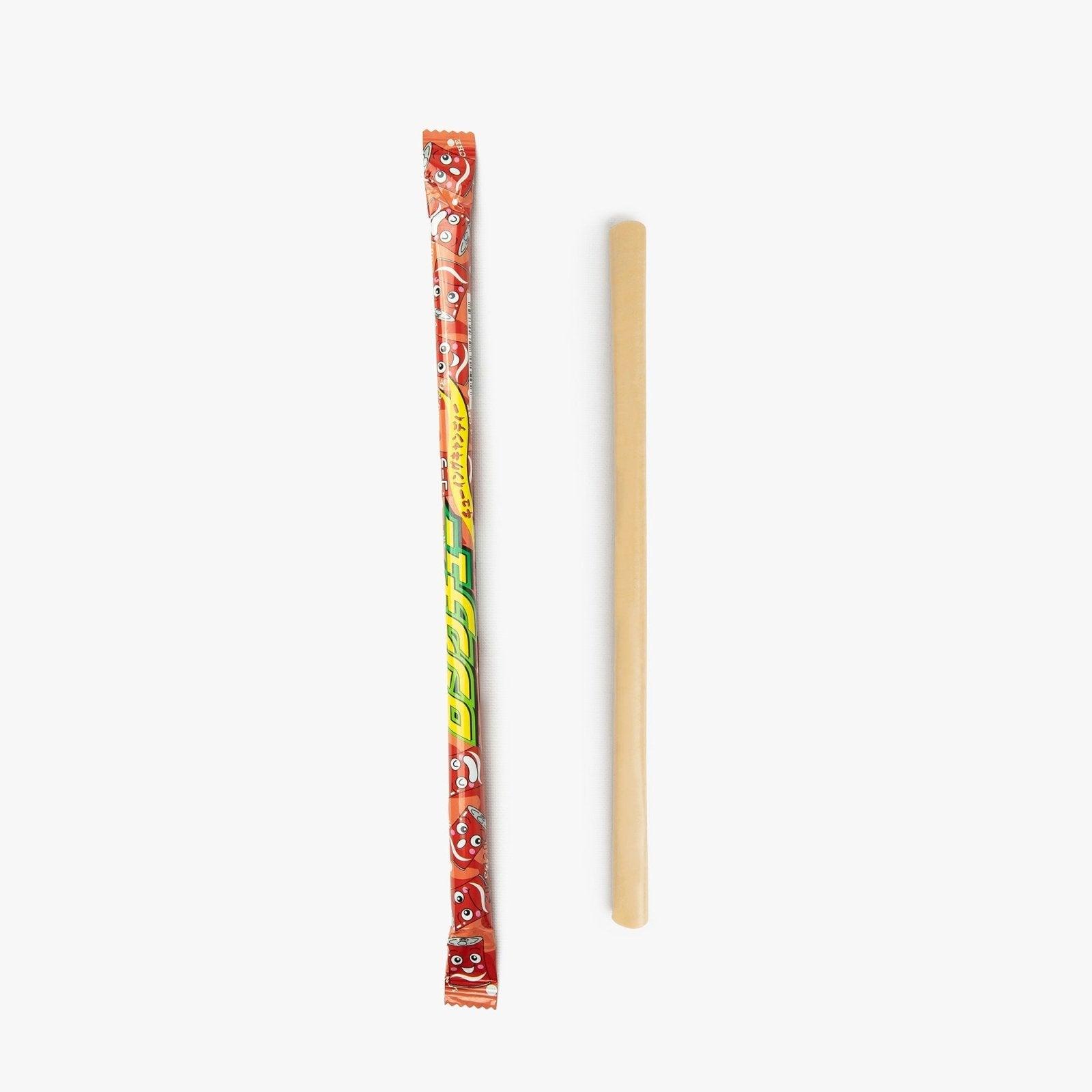
Yaokin Long-Chew cola-flavored chewy candy ⋅ Yaokin ⋅ 30g
⋅ A hard candy⋅ Measures 20 centimeters long!⋅ Perfect for kids⋅ Cola flavorThis 20-centimeter-long candy has the characteristic taste of cola, with notes of caramel and...
Regular price 1.00 €Promotional price 1.00 € Regular priceUnit price 33.33 € by kg

Yaokin Long-Chew grape-flavored chewy candy ⋅ Yaokin ⋅ 30g
⋅ A hard candy⋅ Measures 20 centimeters long!⋅ Perfect for kids⋅ Grape flavorThis 20-centimeter-long grape-flavored candy offers a bright, refreshing taste with a balanced sweetness. Its...
Regular price 1.00 €Promotional price 1.00 € Regular priceUnit price 33.33 € by kg

Potato chips with wasabi and nori seaweed ⋅ KOIKEYA ⋅ 100g
⋅ Crispy wasabi and nori seaweed chips⋅ Spicy and umami flavors⋅ Made from high-quality potatoes⋅ Perfect as an appetizerCrispy chips with a bold flavor and a...
Regular price 3.50 €Promotional price 3.50 € Regular priceUnit price 35.00 € by kg

Individual dorayaki with anko and chestnut ⋅ Marukyo ⋅ 64g
⋅ Individual dorayaki⋅ Perfect for takeout⋅ The perfect snack to enjoy with a nice cup of Japanese tea⋅ Red bean & chestnut flavorA red bean and...
Regular price 2.30 €Promotional price 2.30 € Regular priceUnit price 35.94 € by kg

Potato chips with teriyaki sauce ⋅ Koikeya ⋅ 100g
⋅ Crispy chips with a teriyaki sauce flavor⋅ A sweet⋅ and salty seasoning typical of Japanese cuisine⋅ Made with high-quality potatoes⋅ Perfect as an appetizerCrispy chips...
Regular price 2.40 €Promotional price 2.40 € Regular priceUnit price 24.00 € by kg


Matcha mochi ⋅ Seiki ⋅ 130g
⋅ Soft texture⋅ Individually wrapped⋅ Made with Uji matchaSoft-textured matcha-flavored mochi, individually packaged. Mochi is a traditional Japanese rice cake characterized by its soft, chewy texture....
Regular price 4.90 €Promotional price 4.90 € Regular priceUnit price 37.69 € by kg

Yamanashi peach jelly ⋅ Marushin shokuhin ⋅ 90g
⋅ Made with peaches from Yamanashi⋅ Premium⋅ Perfect with ice cream or pastries⋅ Soft texture and fruity flavor⋅ Delicious when served chilledThis peach jelly has a...
Regular price 2.80 €Promotional price 2.80 € Regular priceUnit price 31.11 € by kg

Sakura mochi ⋅ Seiki ⋅ 130g
⋅ Soft texture⋅ Individually wrapped⋅ Sakura flavorSoft-textured sakura-flavored mochi, individually packaged. Mochi is a traditional Japanese rice cake characterized by its soft, chewy texture. Individually wrapped,...
Regular price 4.90 €Promotional price 4.90 € Regular priceUnit price 37.69 € by kg

Yuzu mochi ⋅ Seiki ⋅ 130g
⋅ Soft texture⋅ Individually wrapped⋅ Yuzu-flavoredSoft-textured yuzu-flavored mochi, individually packaged. Mochi is a traditional Japanese rice cake known for its soft, chewy texture. These mochi are...
Regular price 4.90 €Promotional price 4.90 € Regular priceUnit price 37.69 € by kg

Crispy green peas ⋅ Kasugai ⋅ 73g
⋅ Crispy, lightly salted peas⋅ A convenient snack for any time of day⋅ Perfect as an appetizer or snack⋅ Convenient size to take anywhereRoasted and salted...
Regular price 3.80 €Promotional price 3.80 € Regular priceUnit price 52.05 € by kg

Peach gummy candies ⋅ Kasugai ⋅ 107g
⋅ Fruity and sweet taste⋅ Individually wrapped⋅ Made with fruit juice⋅ Iconic candy line launched in 1990⋅ Soft textureSoft-textured peach-flavored gummy candies offering a fruity and...
Regular price 4.70 €Promotional price 4.70 € Regular priceUnit price 43.93 € by kg

Potato chips with salted umeboshi plum ⋅ KOIKEYA ⋅ 100g
⋅ Crispy Japanese salted plum chips⋅ Tangy flavor⋅ Unique salty taste⋅ A snack that’s out of the ordinary⋅ Our favoriteCrispy chips with the unique flavor of...
Regular price 3.50 €Promotional price 3.50 € Regular priceUnit price 35.00 € by kg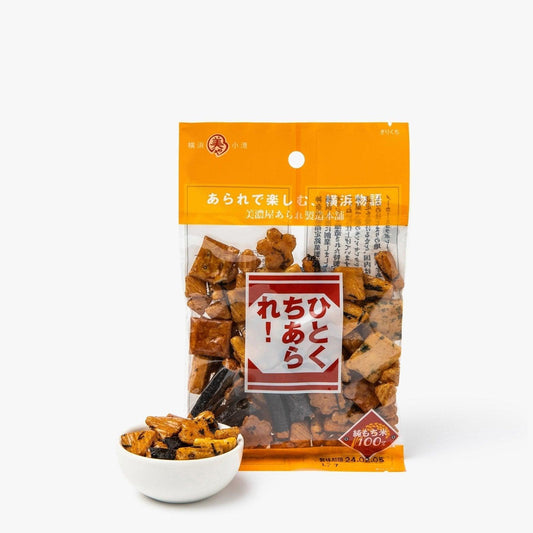

Arare rice cracker assortment ⋅ Minoya Arare ⋅ 45g
⋅ A wide variety of sweet and savory arare⋅ Crispy puffed rice balls⋅ Convenient size to take anywhere⋅ Perfect for snack loversAssortment of different varieties of...
Regular price 3.70 €Promotional price 3.70 € Regular priceUnit price 82.22 € by kg

Arare crackers with wasabi and nori seaweed ⋅ Morihaku Seika ⋅ 32g
⋅ Made from puffed rice⋅ Fresh, slightly spicy and salty flavor⋅ Perfect for appetizers⋅ Individually wrappedMade from puffed rice, these Japanese arare crackers, seasoned with nori...
Regular price 6.65 €Promotional price 6.65 € Regular priceUnit price 207.81 € by kg

Karamucho spicy ridged potato chips ⋅ Koikeya ⋅ 60g
⋅ Spicy flavor⋅ Wavy chips, nice and crispy⋅ Convenient on-the-go size⋅ Iconic Karamucho lineCrispy chips with a spicy, bold flavor. These chips are made from premium...
Regular price 2.70 €Promotional price 2.70 € Regular priceUnit price 45.00 € by kg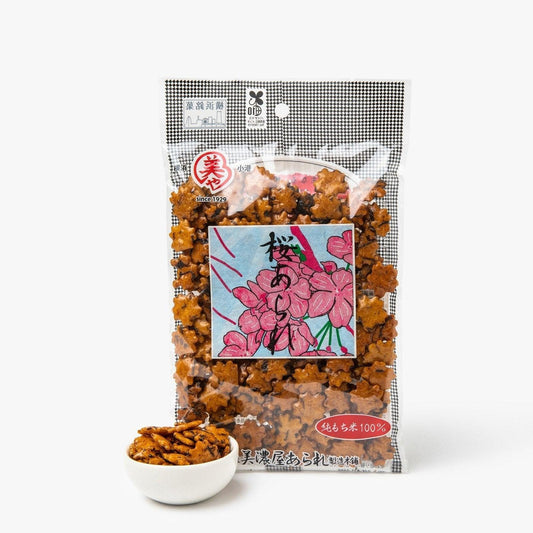
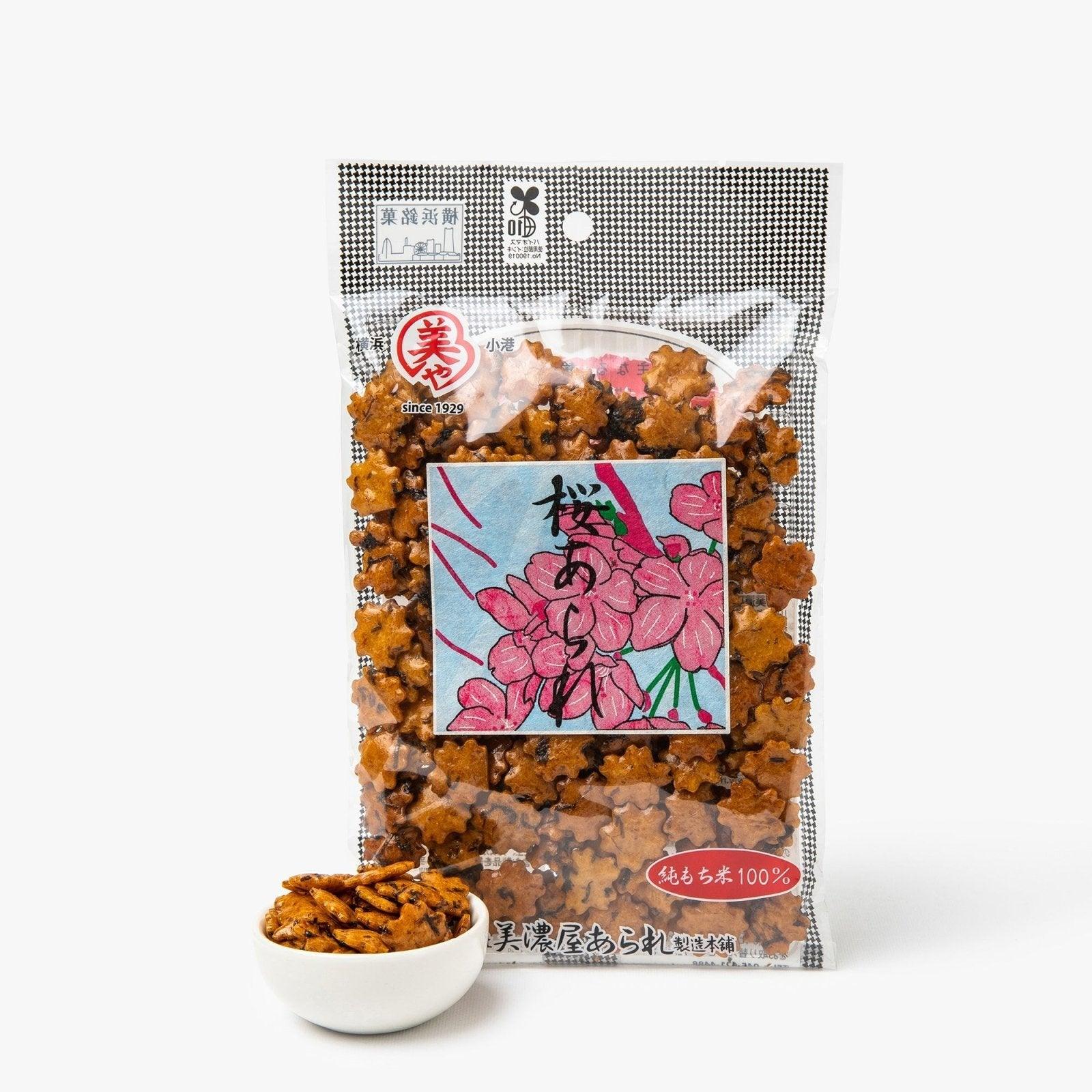
Sakura arare rice crackers with soy sauce ⋅ Minoya Arare ⋅ 72g
⋅ A tasty snack with a hint of cherry blossoms⋅ Floral notes that enhance soy sauce⋅ Perfect for a snack you can take anywhere⋅ Crispy textureA...
Regular price 6.40 €Promotional price 6.40 € Regular priceUnit price 88.89 € by kg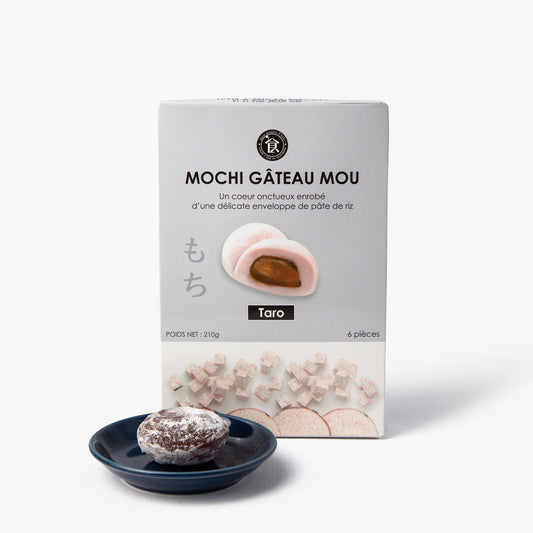
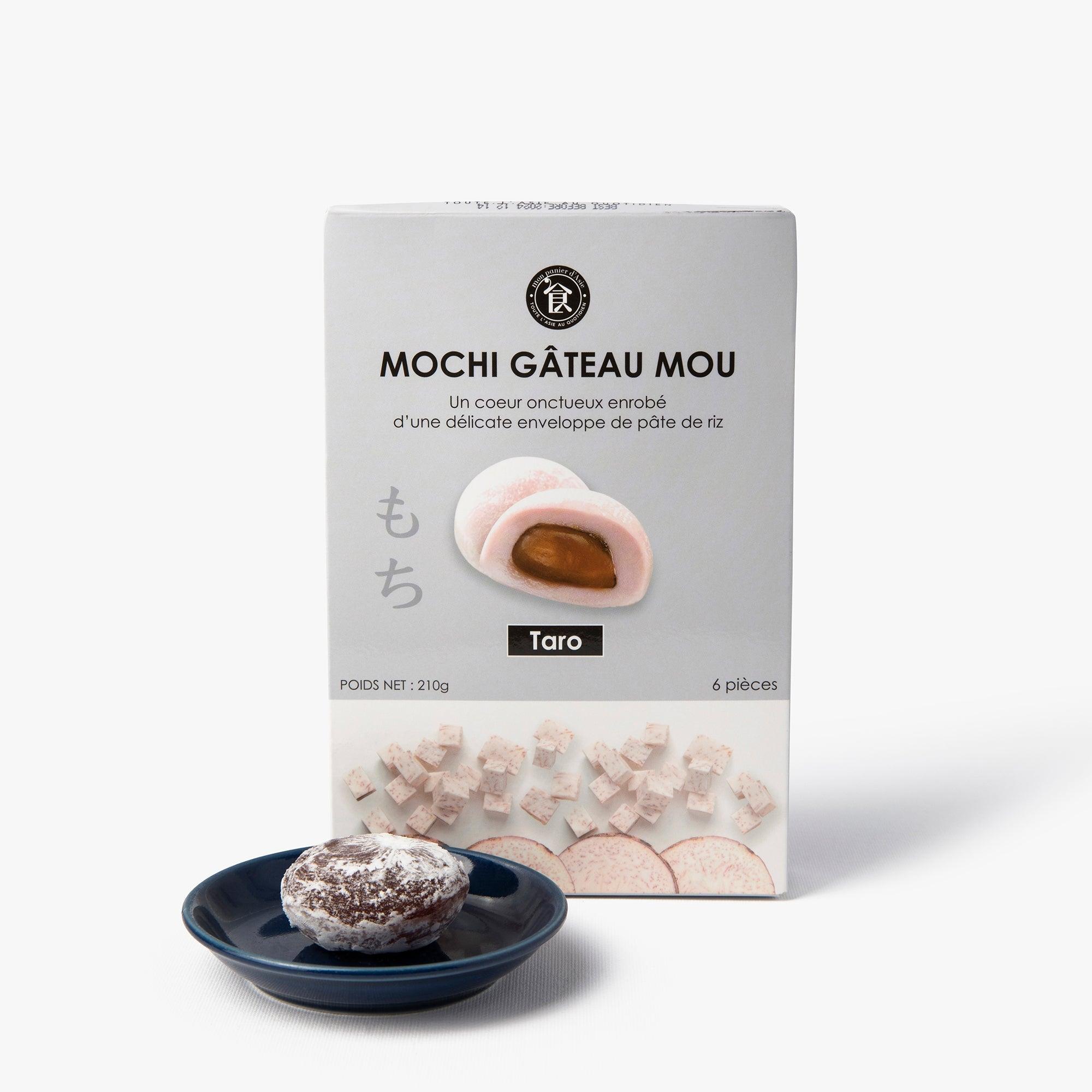
Taro-filled mochi ⋅ Mon panier d'asie ⋅ 210g
⋅ Taro-filled mochi⋅ Perfect as a snack, for afternoon tea, or a tea ceremony⋅ Soft, chewy texture⋅ Enjoy any time of dayTaro-filled mochi is a traditional...
Regular price 4.50 €Promotional price 4.50 € Regular priceUnit price 21.43 € by kg

Strawberry mochi ⋅ Seiki ⋅ 130g
⋅ Soft texture⋅ Individually wrapped⋅ Made with Fukui strawberriesSoft-textured strawberry-flavored mochi, individually packaged. Mochi is a traditional Japanese rice cake known for its soft, chewy texture....
Regular price 4.90 €Promotional price 4.90 € Regular priceUnit price 37.69 € by kg

Hi-Chew strawberry chewy candy ⋅ Morinaga ⋅ 50g
⋅ A firm-textured candy⋅ Strawberry flavor⋅ Individually wrapped to preserve flavor and textureThese soft Hi-Chew candies from Morinaga feature a delicious strawberry flavor, offering a fruity...
Regular price 3.50 €Promotional price 3.50 € Regular priceUnit price 70.00 € by kg
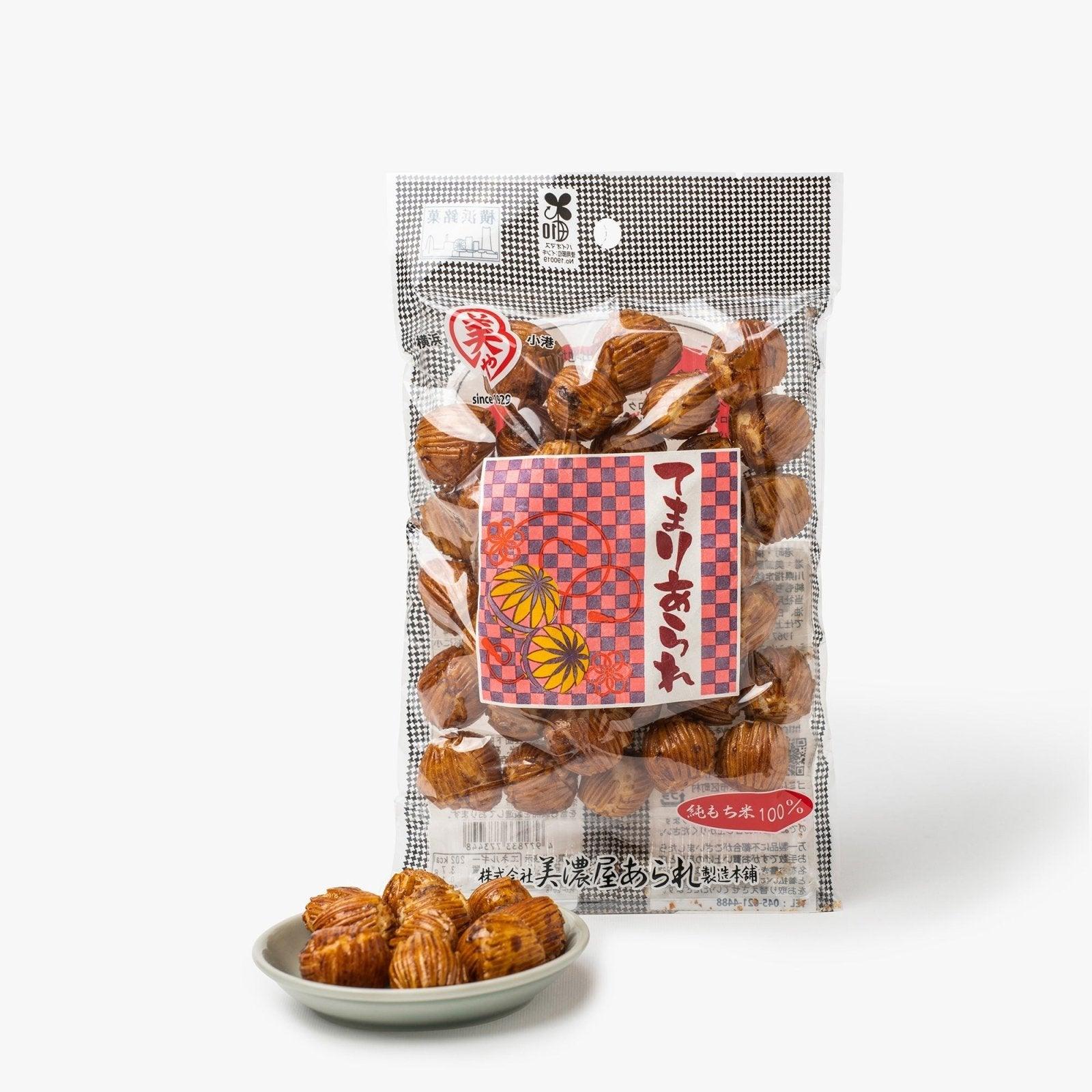
Arare rice crackers with soy sauce ⋅ Minoya Arare ⋅ 55g
⋅ Puffed rice ball snack⋅ Umami flavor from authentic soy sauce⋅ Convenient size to take anywhere⋅ Crispy textureA crispy mix of arare (puffed rice balls) seasoned...
Regular price 6.40 €Promotional price 6.40 € Regular priceUnit price 116.36 € by kg

Suppai-chew lemon candies ⋅ Morinaga ⋅ 50g
⋅ Intense lemon flavor⋅ Firm, chewy texture⋅ Refreshing and energizing effect⋅ Perfect for on the goLemon candies that are both sweet and intensely lemony, with the...
Regular price 3.20 €Promotional price 3.20 € Regular priceUnit price 64.00 € by kg

Senbei rice crackers ⋅ Sakata Beika ⋅ 180g
⋅ Crispy Japanese rice crackers⋅ Various seasonings: soy sauce, salt, or spices⋅ Gluten-free⋅ Perfect as a snack⋅ Ideal for sharing or enjoying as a daily snackSenbei...
Regular price 7.50 €Promotional price 7.50 € Regular priceUnit price 41.67 € by kg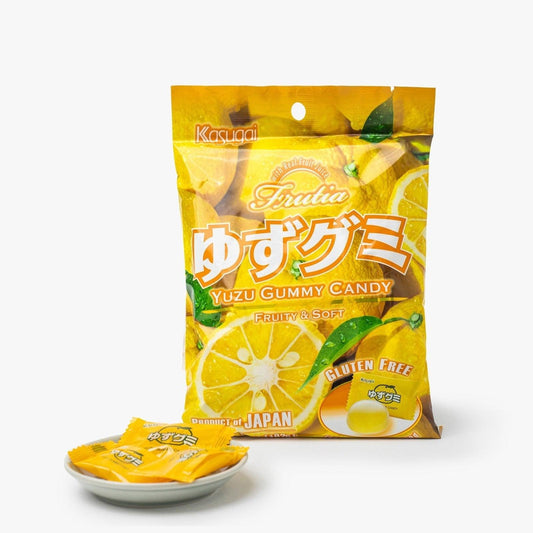
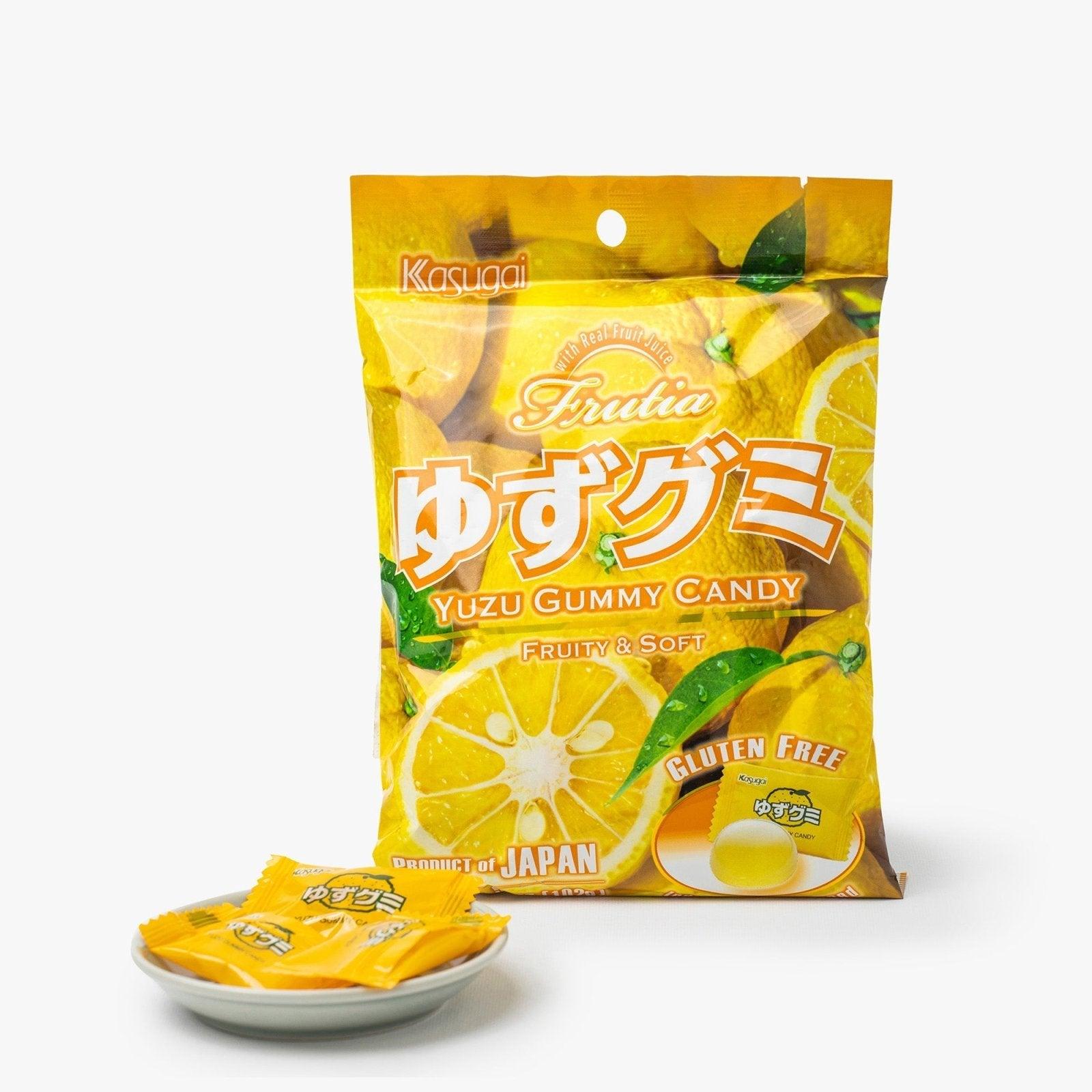
Yuzu gummy candies ⋅ Kasugai ⋅ 102g
⋅ Fruity and sweet taste⋅ Individually wrapped⋅ Made with fruit juice⋅ Iconic candy line launched in 1990⋅ Soft textureGummy candies with a soft texture and a...
Regular price 4.70 €Promotional price 4.70 € Regular priceUnit price 46.08 € by kg
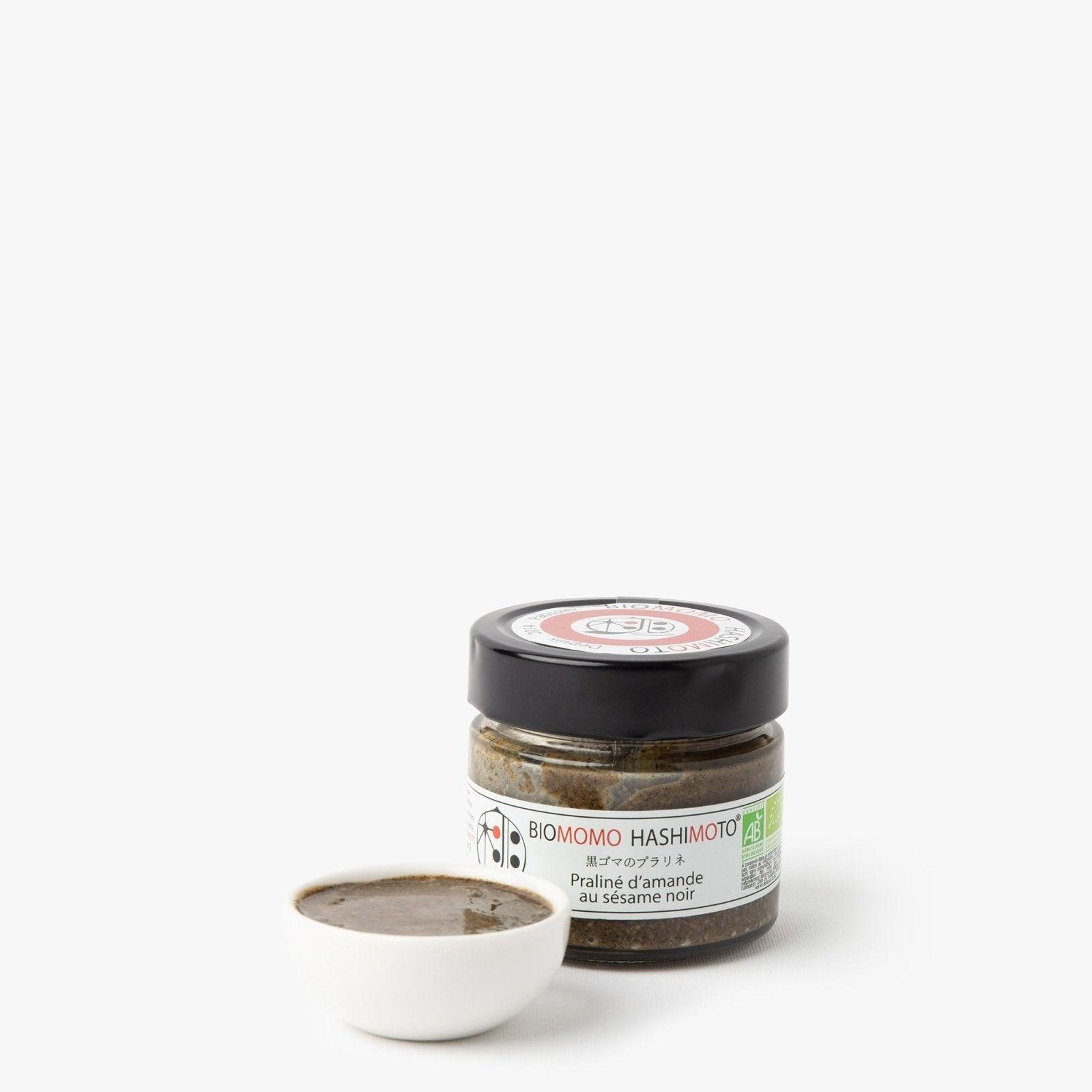
Almond and black sesame praline ⋅ Biomomo Hashimoto ⋅ 180g
⋅ Rich, caramelized flavor⋅ Perfect for incorporating into pastries⋅ Made in the Gard region of France by a couple of Japanese pastry chefs⋅ Delicious on toast,...
Regular price 12.45 €Promotional price 12.45 € Regular priceUnit price 69.17 € by kg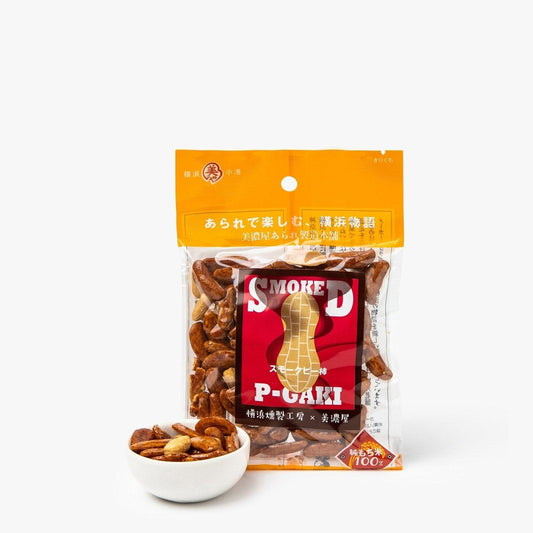
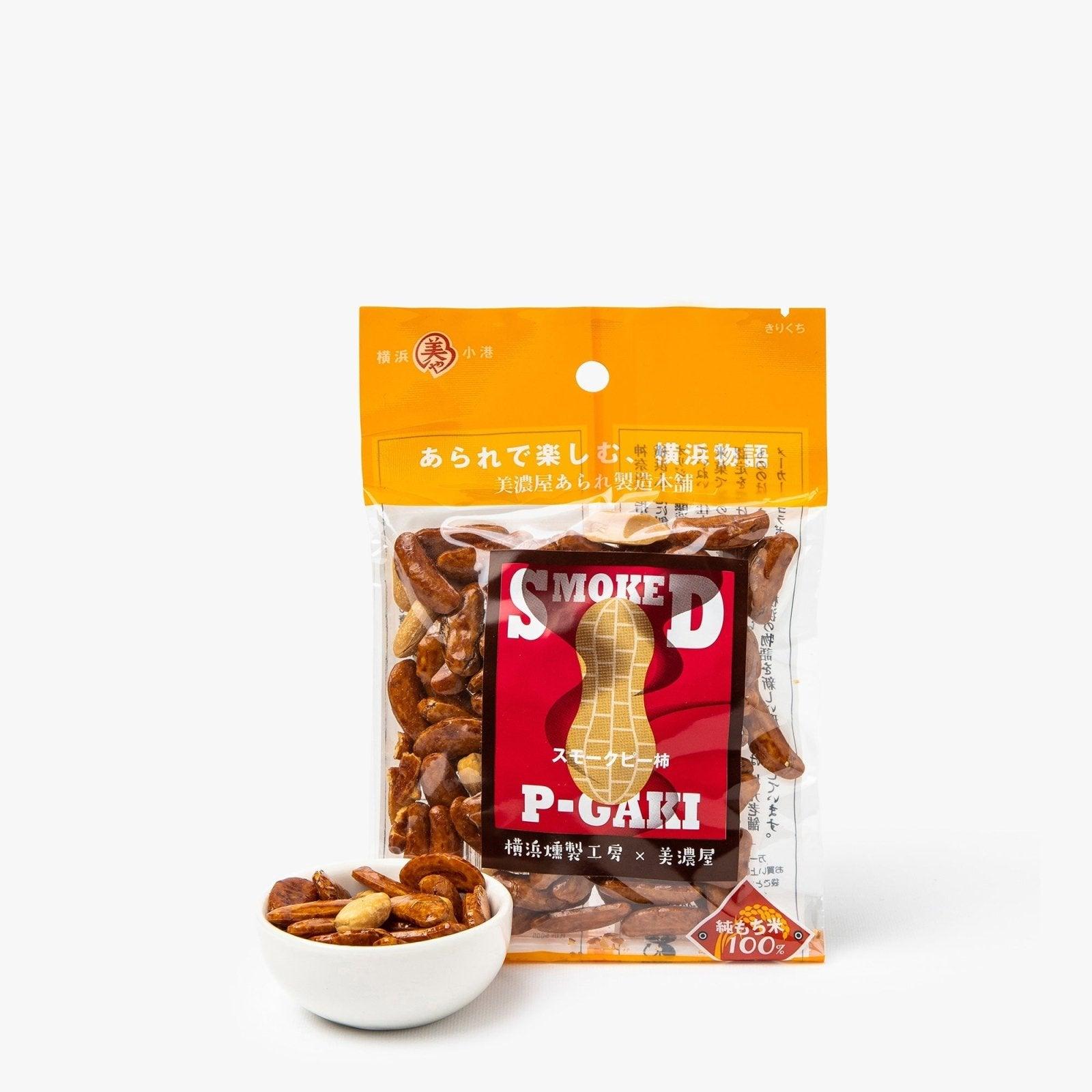
Rice crackers with smoked peanuts ⋅ Minoya Arare ⋅ 40g
⋅ Roasted and smoked peanuts⋅ Crunchy texture and woody aroma⋅ Perfect as a snack or as a topping for salads and hot dishes⋅ Convenient size for...
Regular price 5.00 €Promotional price 5.00 € Regular priceUnit price 125.00 € by kg


Assortment of traditional plain sugar jellies ⋅ Midori Seika ⋅ 90g
⋅ Traditional Osaka Sweets⋅ Handcrafted⋅ Perfect for enjoying yourself or giving as a gift or souvenirTraditional Osaka sugar jellies, sweet and comforting, with a melt-in-your-mouth texture....
Regular price 4.90 €Promotional price 4.90 € Regular priceUnit price 54.44 € by kg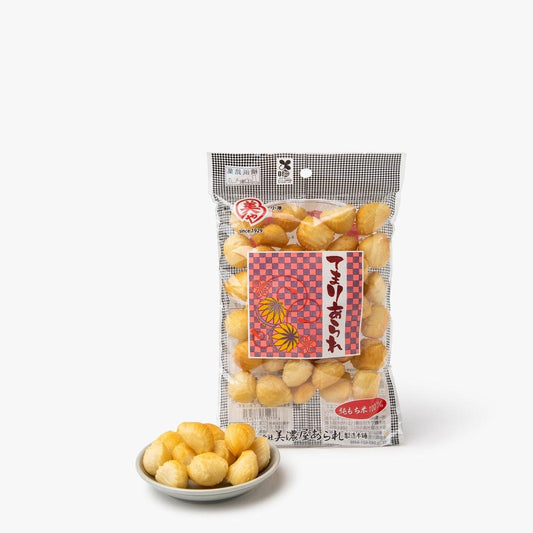
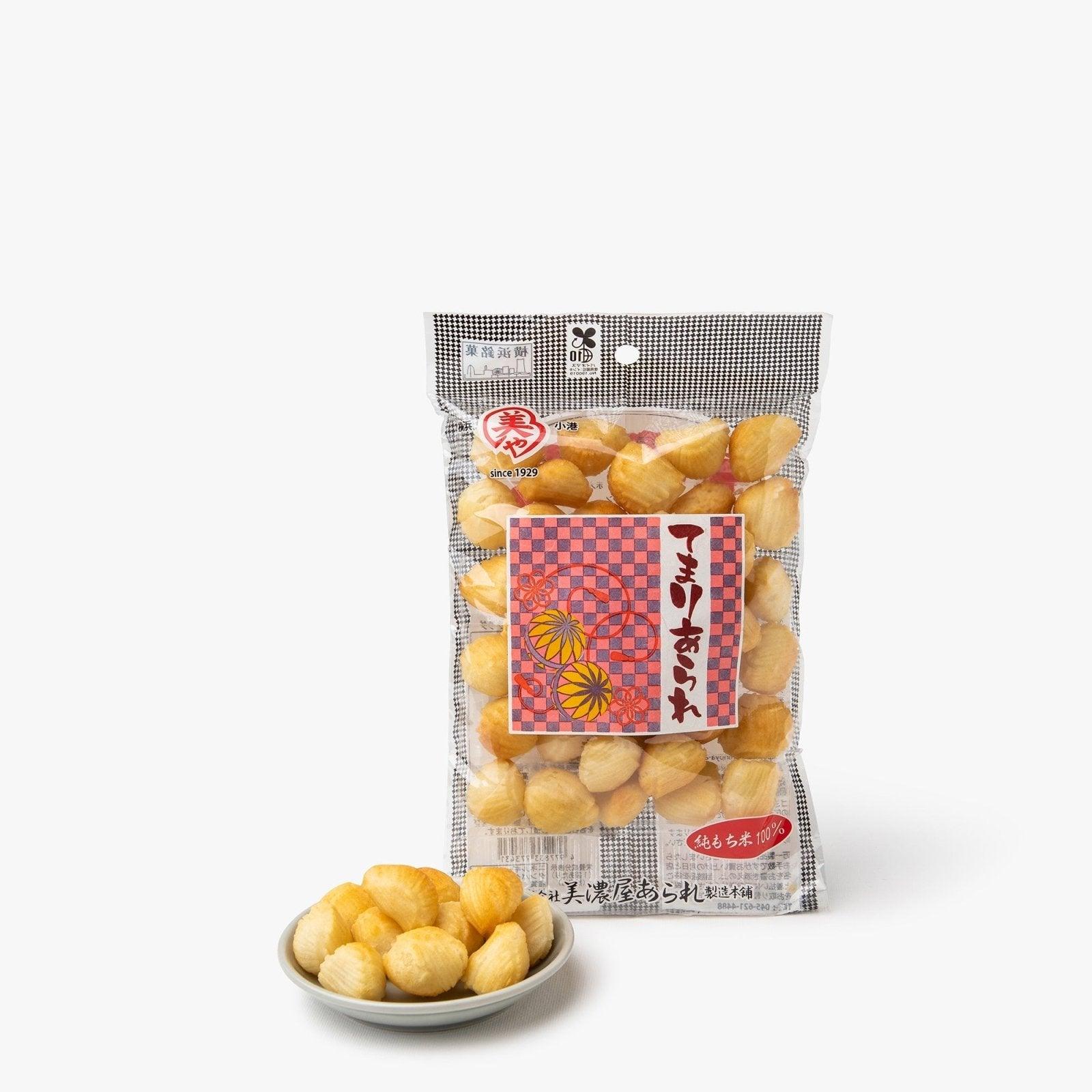
Salted arare rice crackers ⋅ Minoya Arare ⋅ 55g
⋅ Puffed rice ball snack⋅ Salted⋅ Convenient size to take anywhere⋅ Crispy textureA crispy mix of arare, puffed rice balls, seasoned with salt. Every bite of...
Regular price 6.40 €Promotional price 6.40 € Regular priceUnit price 116.36 € by kg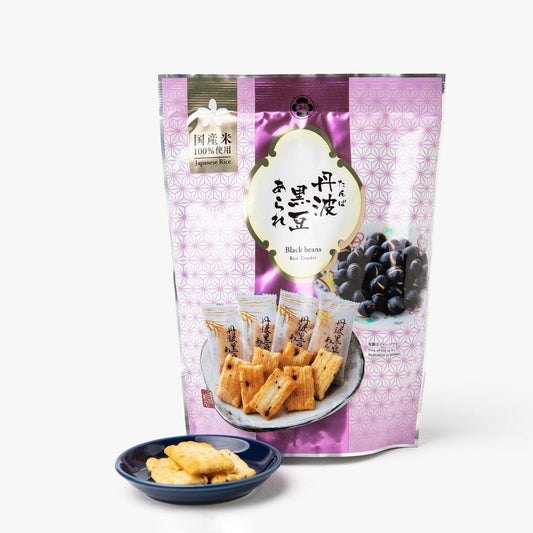
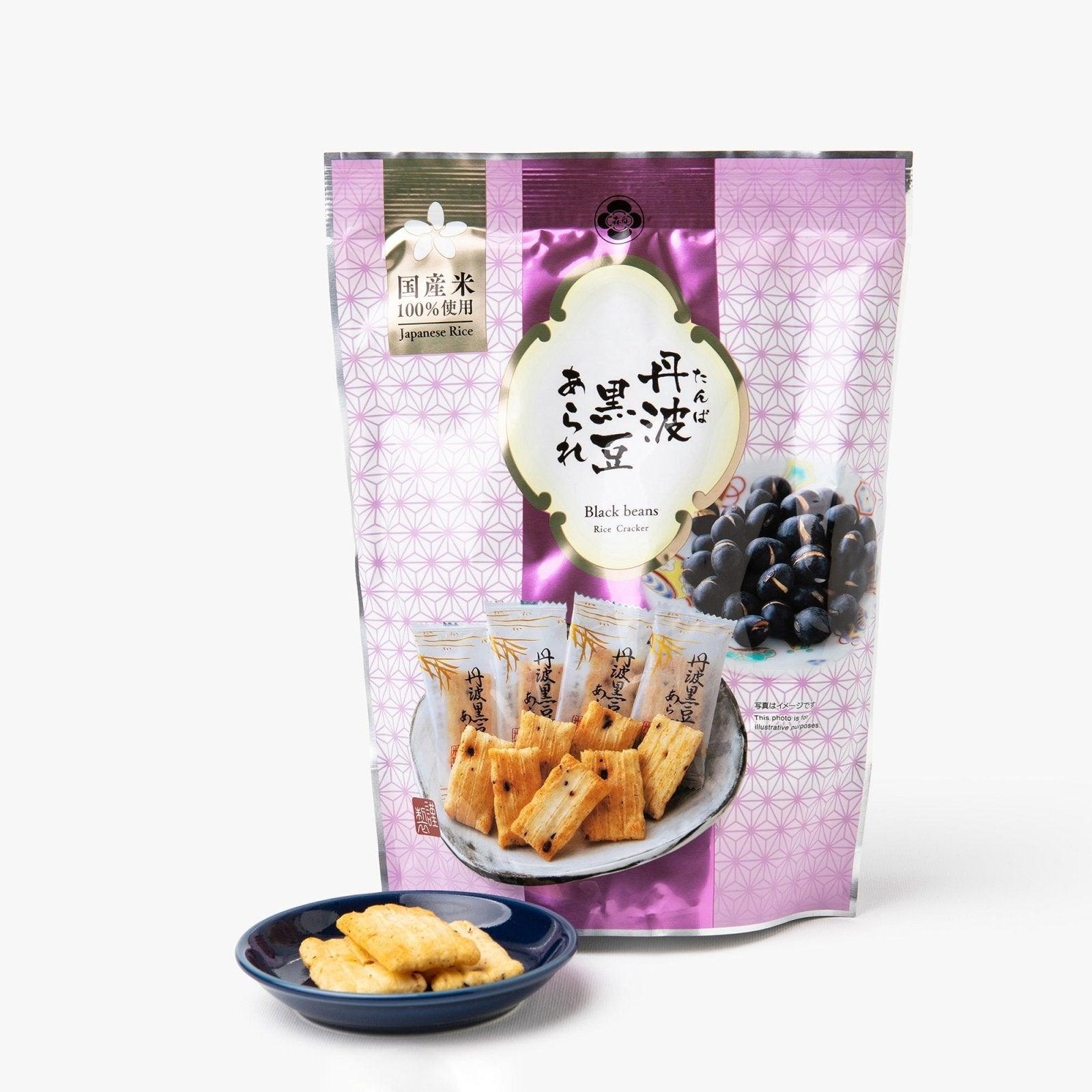
Black soybean arare crackers ⋅ Morihaku Seika ⋅ 32g
⋅ Made from puffed rice⋅ Mild and umami flavor⋅ Perfect for appetizers⋅ Individually wrappedMade from puffed rice, these Japanese arare crackers, seasoned with kuro mame black...
Regular price 6.60 €Promotional price 6.60 € Regular priceUnit price 206.25 € by kg

Set of 6 yokan bean pastes ⋅ Kaishindo ⋅ 210g
⋅ Assortment of 6 yokan: kuromitsu, sesame, walnut, matcha, salted, and plain⋅ Artisanal recipes from Kaishindo⋅ Melt-in-your-mouth textures and varied flavors⋅ Enjoy with tea or as...
Regular price 12.50 €Promotional price 12.50 € Regular priceUnit price 59.52 € by kg

White bean yokan with matcha ⋅ Kaishindo ⋅ 35g
⋅ Traditional Japanese confectionery⋅ Fresh and sweet flavor⋅ Perfect for a tea ceremony⋅ Pairs wonderfully with green tea or matcha⋅ Individual servingA Yokan made with sweet...
Regular price 2.50 €Promotional price 2.50 € Regular priceUnit price 71.43 € by kg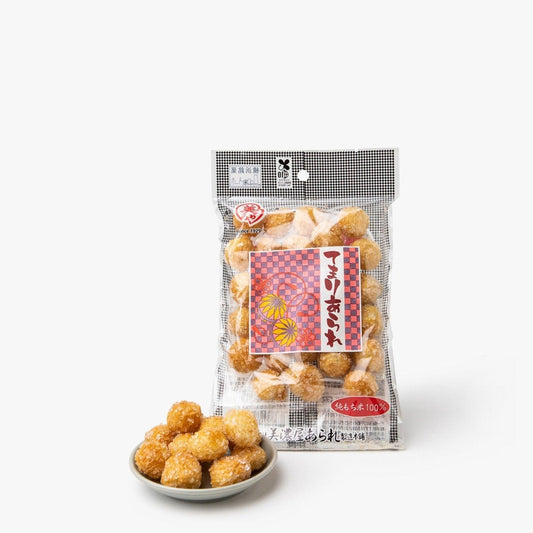

Arare rice crackers with sugar crystals ⋅ Minoya Arare ⋅ 60g
⋅ Puffed rice ball snack⋅ Sweet flavor⋅ Savory flavor⋅ Convenient size to take anywhere⋅ Crispy textureA crunchy mix of arare, sweet puffed rice balls. The arare...
Regular price 6.40 €Promotional price 6.40 € Regular priceUnit price 106.67 € by kg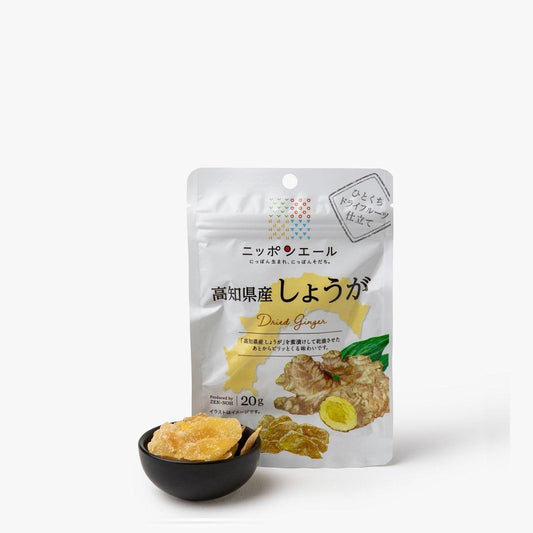
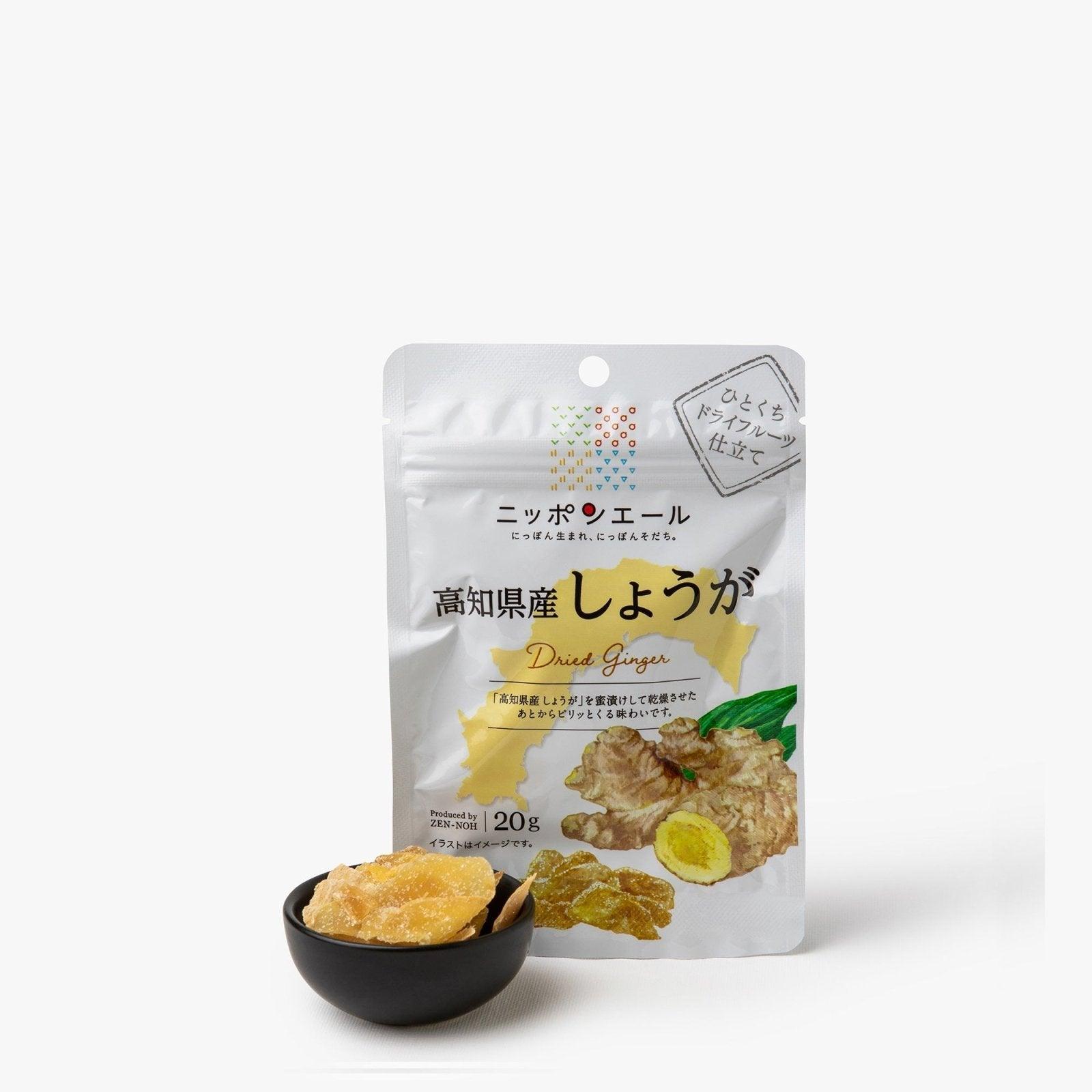
Candied ginger ⋅ ZEN-NOH International ⋅ 20g
⋅ Made with ginger from Kochi⋅ Delicious as a snack⋅ Ideal for enhancing cocktails⋅ Perfect for decorating cakes and pastries⋅ Fresh and spicy flavorThis candied ginger...
Regular price 3.50 €Promotional price 3.50 € Regular priceUnit price 175.00 € by kg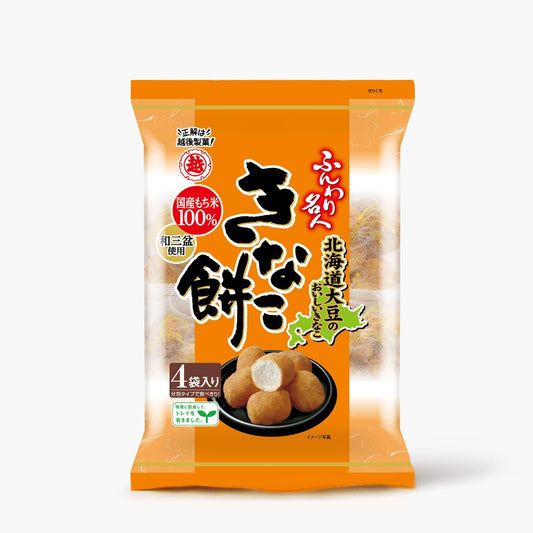
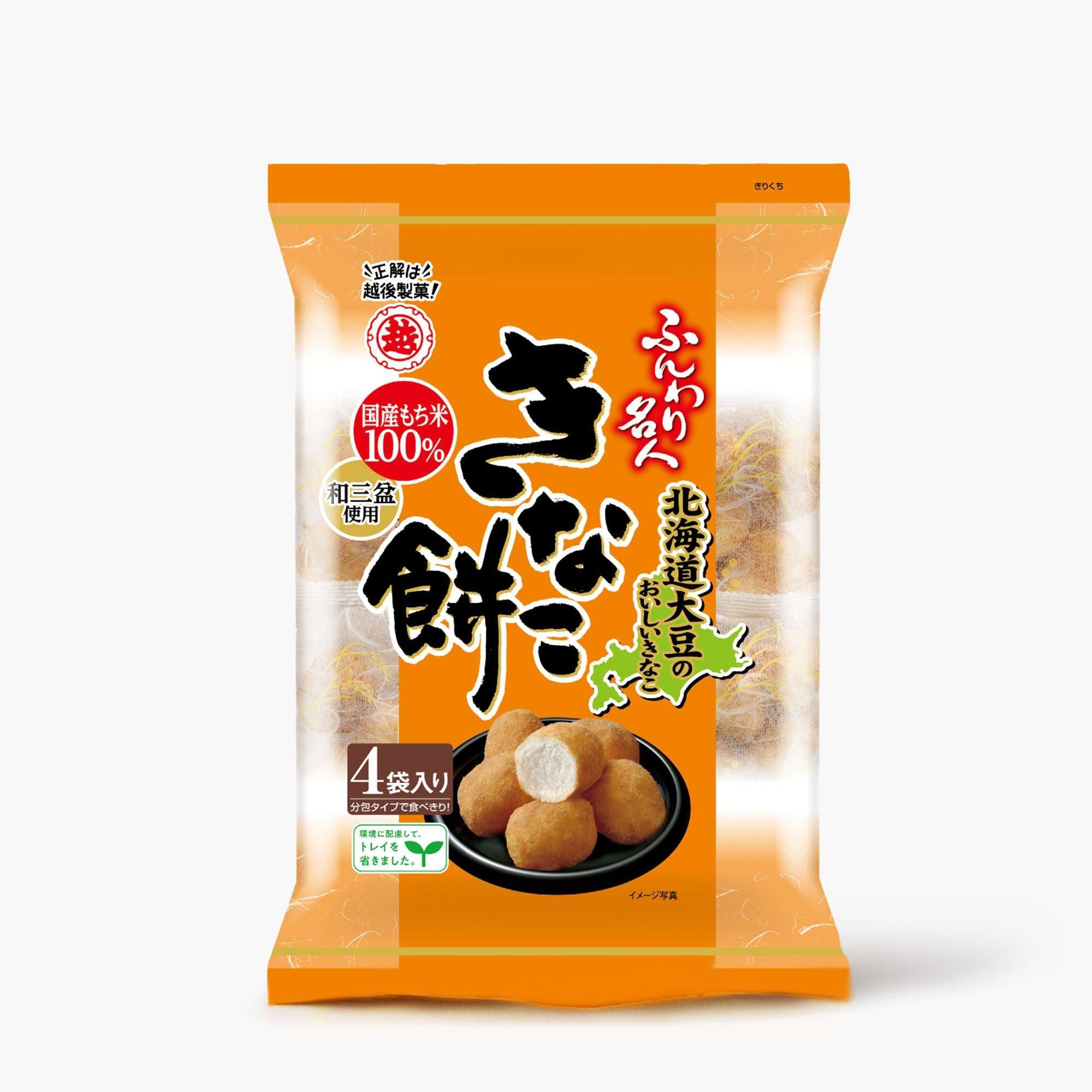
Kinako puffed mochi ⋅ Echigo Seika ⋅ 75g
⋅ Made from glutinous rice flour⋅ Melt-in-your-mouth texture and sweet flavor⋅ Enjoy any time of day, as a dessert or as a snack⋅Each kinako mochi is...
Regular price 6.50 €Promotional price 6.50 € Regular priceUnit price 86.67 € by kg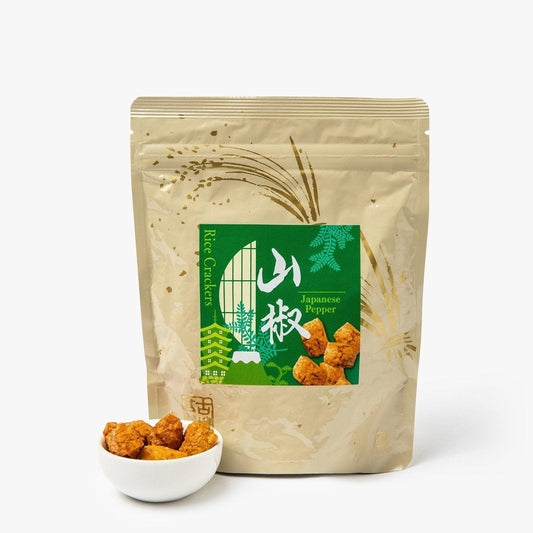

Sansho pepper arare rice crackers ⋅ Watanabe Seika ⋅ 65g
⋅ Crispy crackers seasoned with sansho pepper⋅ A tangy, lemony flavor⋅ Perfect as a snack or paired with cheese and spreads⋅ Ideal for discovering the unique...
Regular price 5.90 €Promotional price 5.90 € Regular priceUnit price 90.77 € by kg

Strawberry KitKat ⋅ KitKat ⋅ 125g
⋅ Light and crispy texture⋅ Chocolate delicately flavored with strawberry⋅ The perfect combination of chocolate and strawberryThe Strawberry KitKat is a delicious variation on the famous...
Regular price 7.90 €Promotional price 7.90 € Regular priceUnit price 63.20 € by kg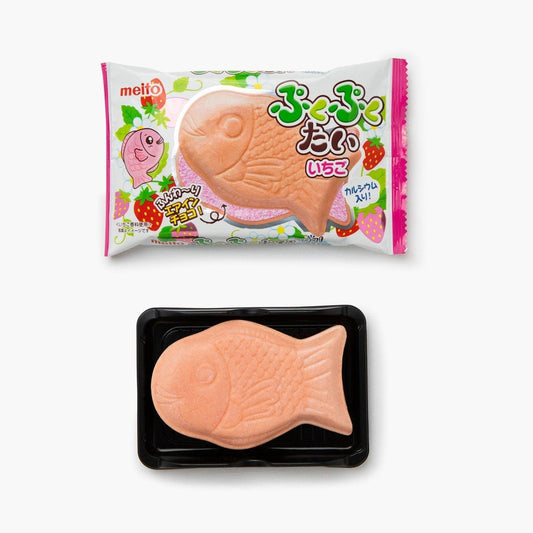
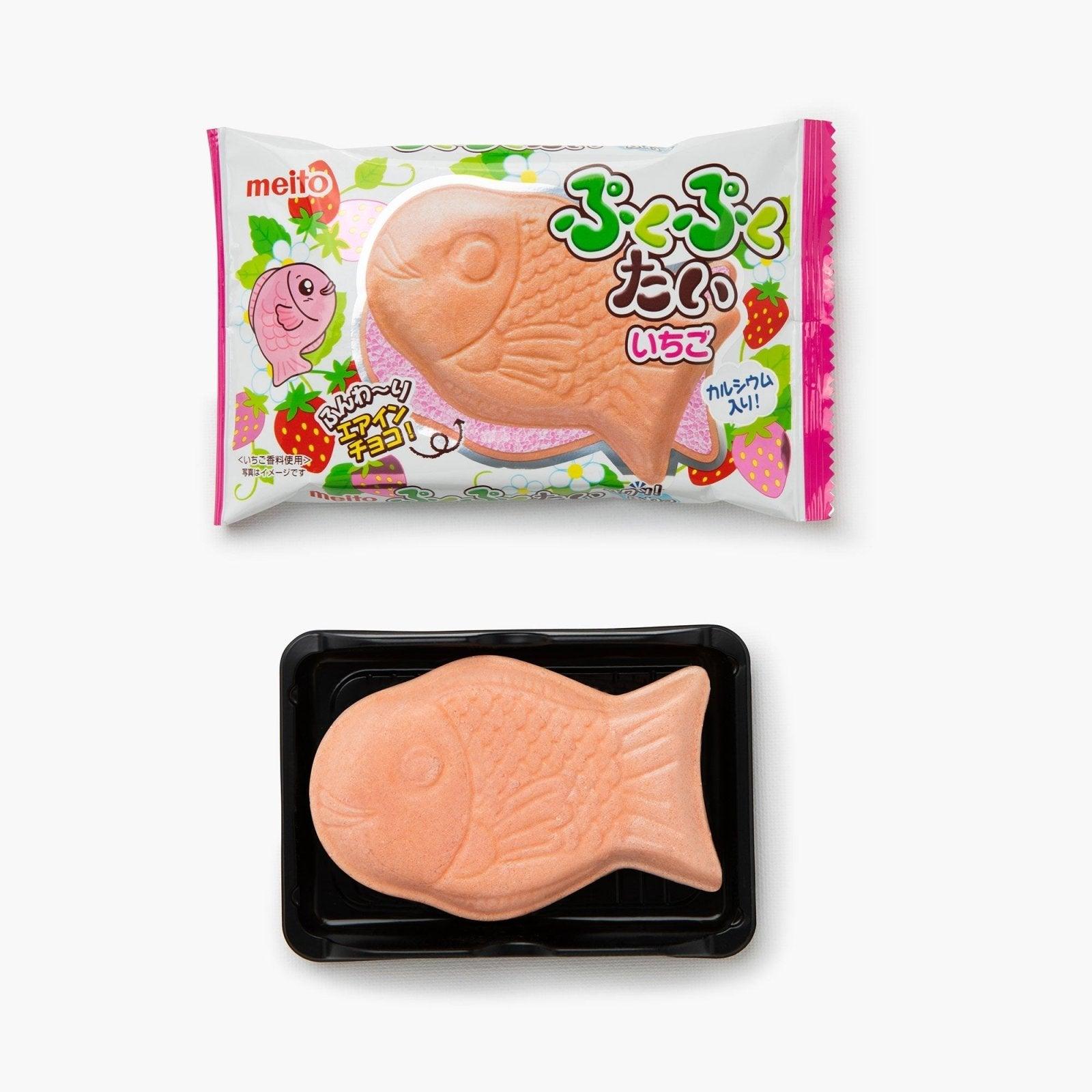
Pukupuku tai strawberry fish wafer ⋅ Meito ⋅ 16g
⋅ Rich and creamy strawberry filling⋅ Light and crispy wafer⋅ Perfect for a sweet treatCalcium-rich wafers with a light and crispy texture. The center features chocolate...
Regular price 1.60 €Promotional price 1.60 € Regular priceUnit price 100.00 € by kg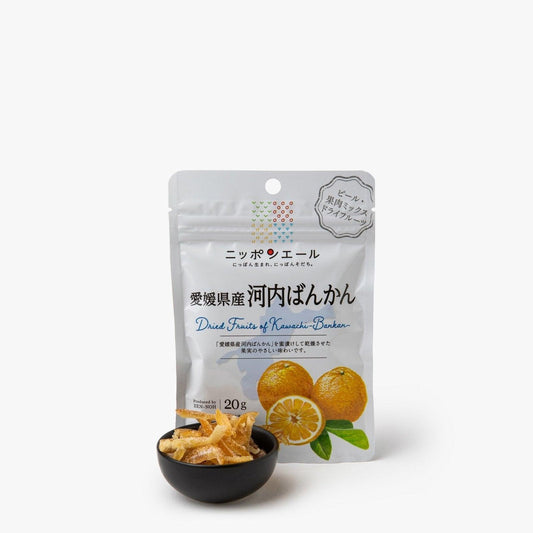
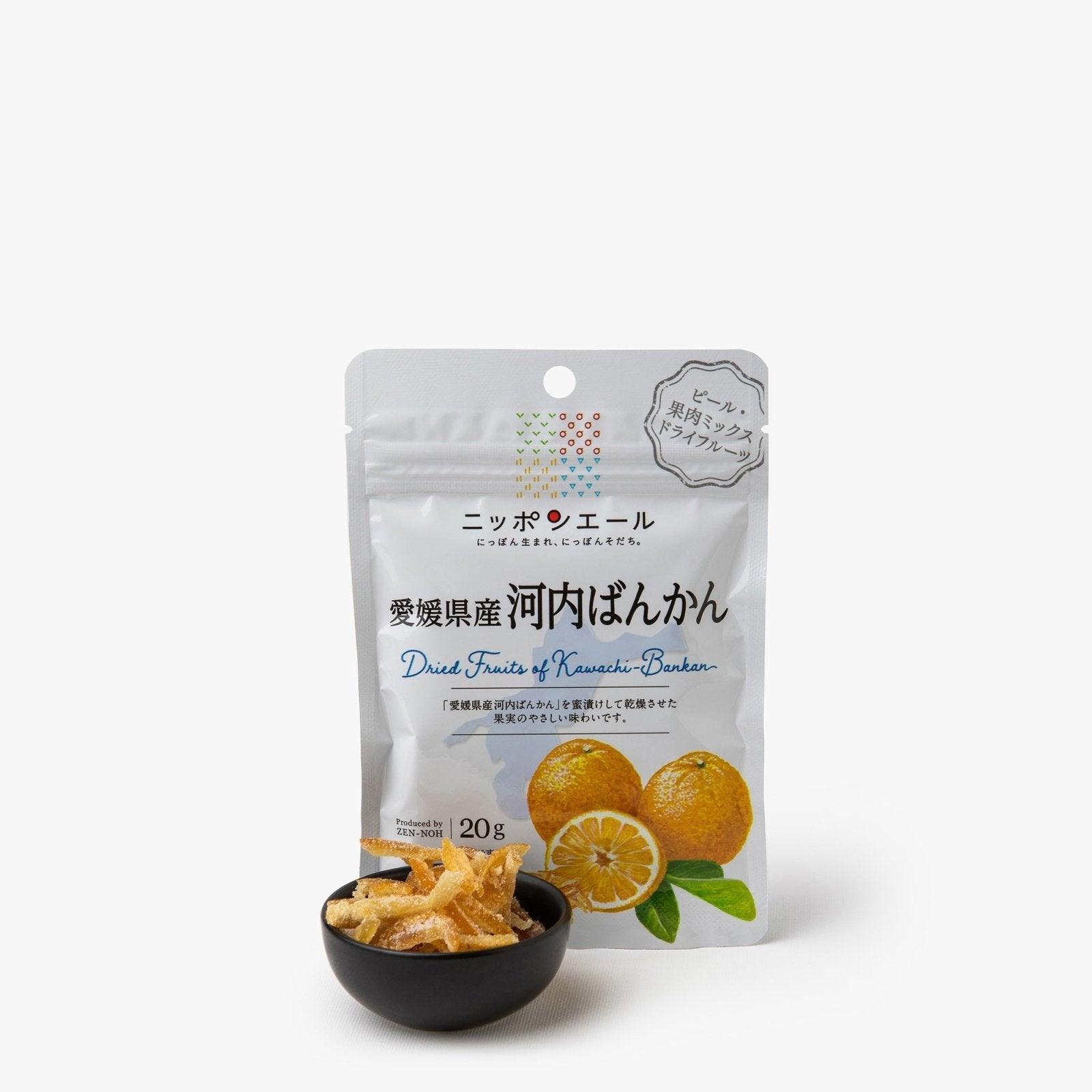
Candied Japanese bankan grapefruit ⋅ ZEN-NOH International ⋅ 20g
⋅ Made with Ehime bankan⋅ Delicious as a snack⋅ Ideal for enhancing cocktails⋅ Perfect for decorating cakes and pastries⋅ Sweet and tangy flavorKawachi Bankan is a...
Regular price 4.00 €Promotional price 4.00 € Regular price 4.05 €Unit price 200.00 € by kg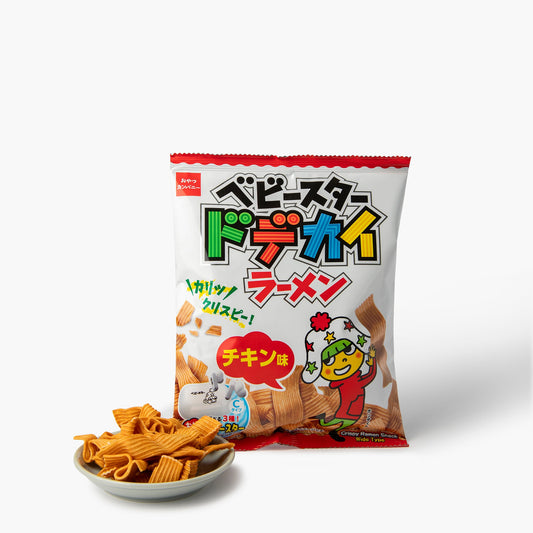
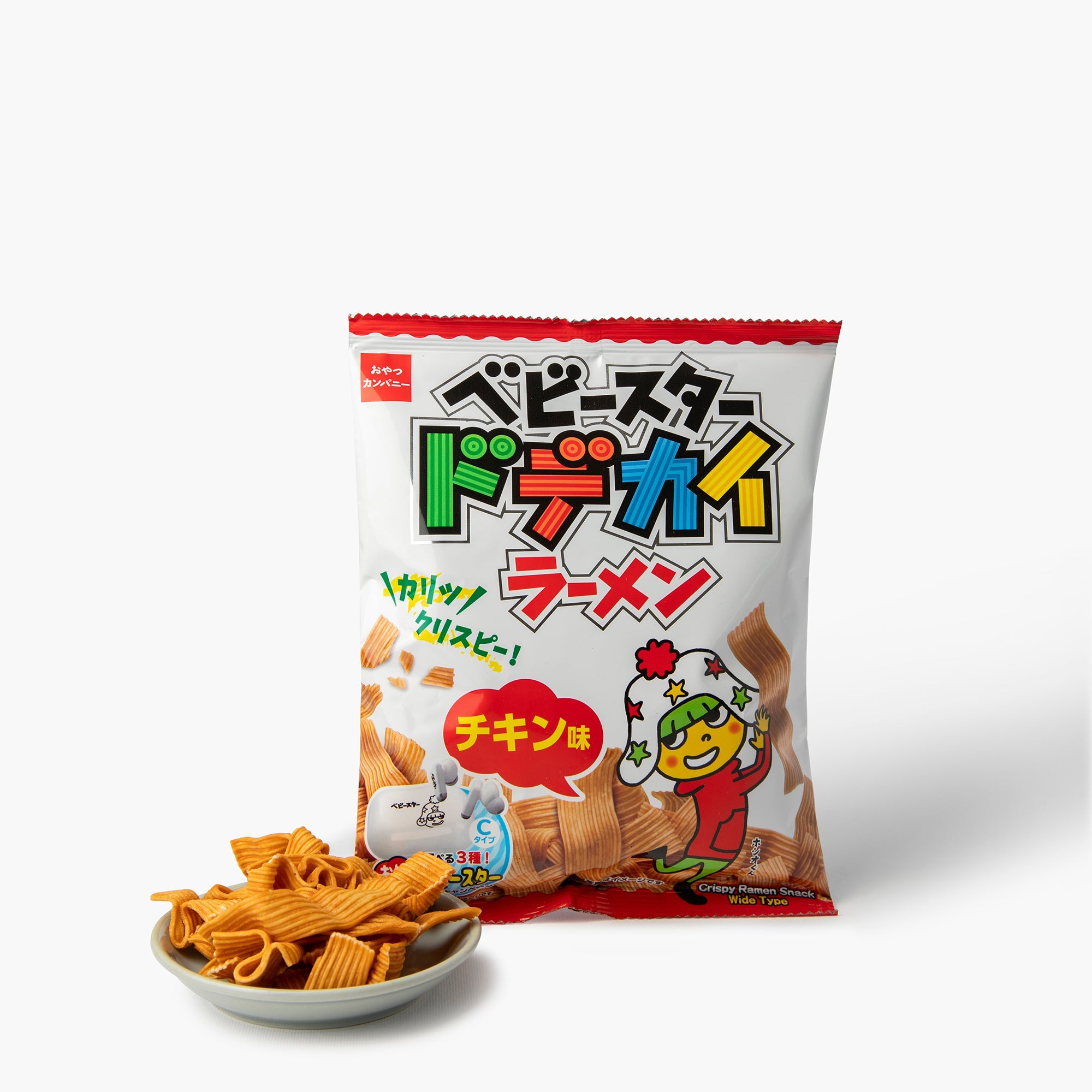
Baby-Star ramen-style snacks ⋅ Oyatsu ⋅ 68g
⋅ Ramen noodle-shaped appetizer crackers⋅ Perfect as a snack⋅ or appetizer⋅ Crispy texture and rich chicken flavorA larger snack with a crispy texture and rich chicken...
Regular price 5.40 €Promotional price 5.40 € Regular priceUnit price 79.41 € by kg

Gluten-free senbei rice crackers ⋅ Sakata Beika ⋅ 61.6g
⋅ Light and crispy Japanese rice crackers⋅ Made from rice⋅ Gluten-free⋅ Salt-seasoned⋅ Perfect as a snack⋅ or with teaSenbei are Japanese rice crackers, lightly seasoned with...
Regular price 5.80 €Promotional price 5.80 € Regular priceUnit price 93.55 € by kg

Sonomanma Cola chewing gum ⋅ Coris ⋅ 14g
⋅ 3 pieces of chewing⋅ gum with a soft texture⋅ Includes one piece of chewing⋅ gum with a tangy flavor⋅ Perfect for kids!Three light-textured cola-flavored chewing...
Regular price 1.30 €Promotional price 1.30 € Regular priceUnit price 92.86 € by kg

Red bean yokan ⋅ Kaishindo ⋅ 35g
⋅ Traditional Japanese confectionery⋅ Rich, sweet flavor⋅ Perfect for a tea ceremony⋅ Pairs wonderfully with green tea or matcha⋅ Individual servingKAISHINDO’s traditional masterpiece. Allows you to...
Regular price 2.50 €Promotional price 2.50 € Regular priceUnit price 71.43 € by kg

Intense matcha Pocky 2 sachets ⋅ Pocky ⋅ 45g
⋅ A must-try Japanese snack⋅ Crispy Pocky sticks⋅ Intense matcha flavorThe famous Pocky sticks coated in delicious white chocolate with green tea, for an intense matcha...
Regular price 4.50 €Promotional price 4.50 € Regular priceUnit price 100.00 € by kg


Linden honey and yuzu preparation ⋅ De la rosée ⋅ 185g
⋅ Yuzu-infused linden honey⋅ Limited edition⋅ Fresh, citrusy flavor⋅ Ideal for adding flavor to desserts, yogurt, or herbal teas⋅ Perfect for spreading or mixingThis honey is...
Regular price 13.90 €Promotional price 13.90 € Regular priceUnit price 75.14 € by kg

Green tea throat lozenges ⋅ Senjaku ⋅ 80g
⋅ Made with Uji matcha from Kyoto⋅ Fresh taste with sweet and bitter notes⋅ Soothes sore throats⋅ Neutralizes acidity in the mouth and bad breath⋅ One...
Regular price 4.20 €Promotional price 4.20 € Regular priceUnit price 52.50 € by kg

Koume plum candies ⋅ Lotte ⋅ 60g
⋅ A Japanese classic⋅ A tangy, fruity flavor⋅ Easy to share thanks to individual packagingThese melt-in-your-mouth candies offer a unique combination of sweetness and tartness, reminiscent...
Regular price 3.90 €Promotional price 3.90 € Regular priceUnit price 65.00 € by kg
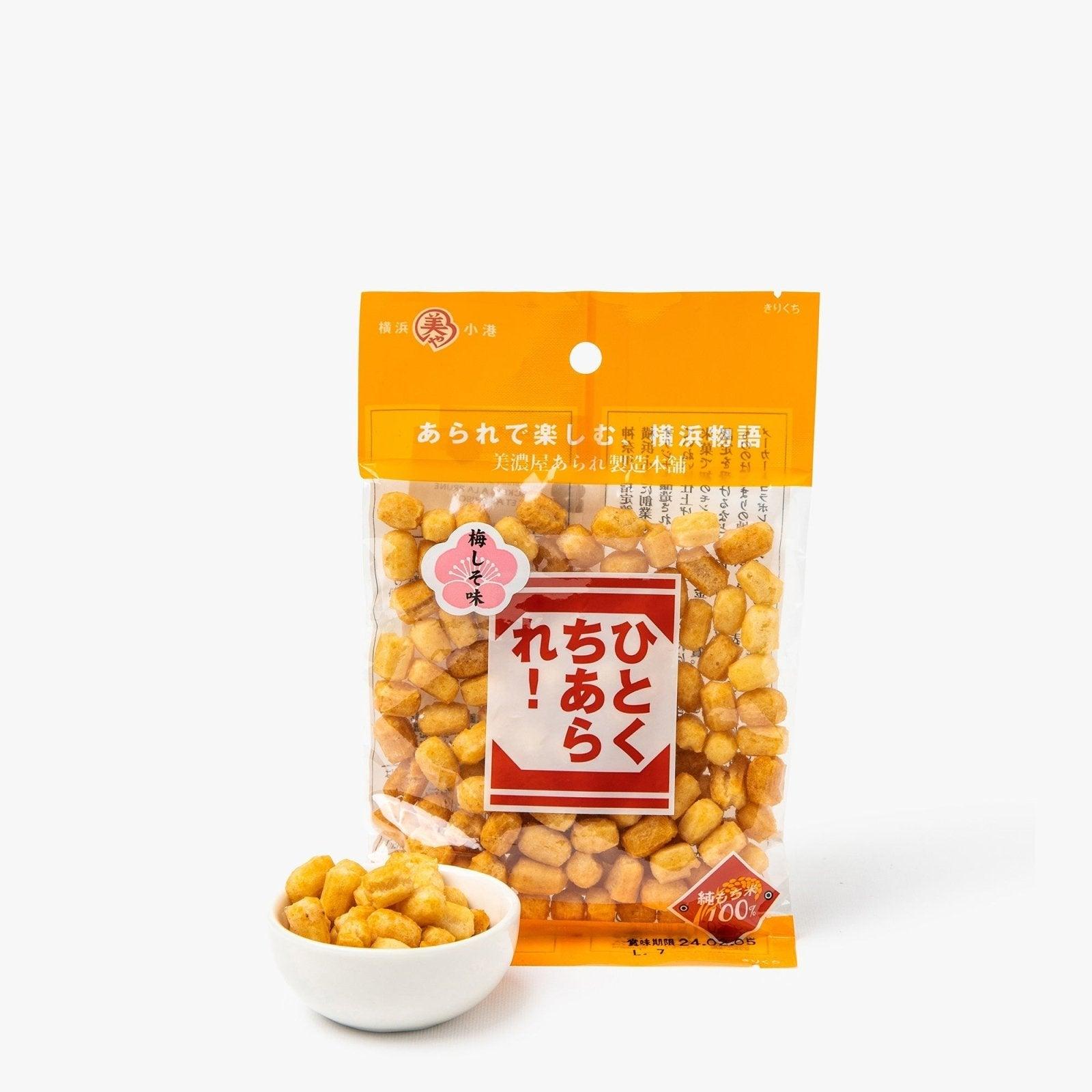
Rice crackers with ume plum and yukari shiso ⋅ Minoya Arare ⋅ 60g
⋅ Puffed rice balls seasoned with ume plum and shiso⋅ The perfect snack for lovers of authentic flavors⋅ Crispy texture⋅ Convenient size to take anywhereCrunchy arare...
Regular price 3.70 €Promotional price 3.70 € Regular priceUnit price 61.67 € by kg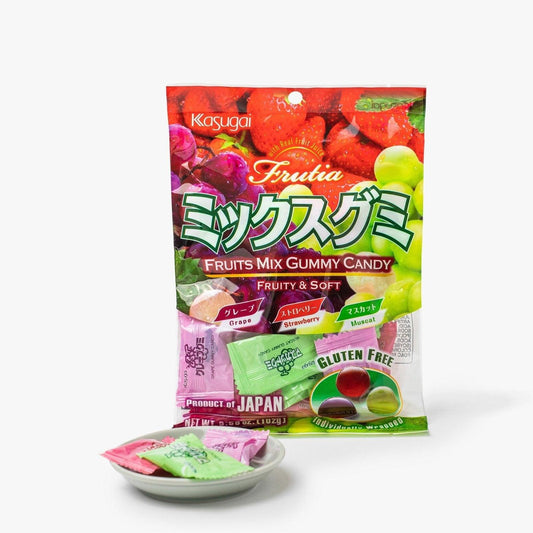
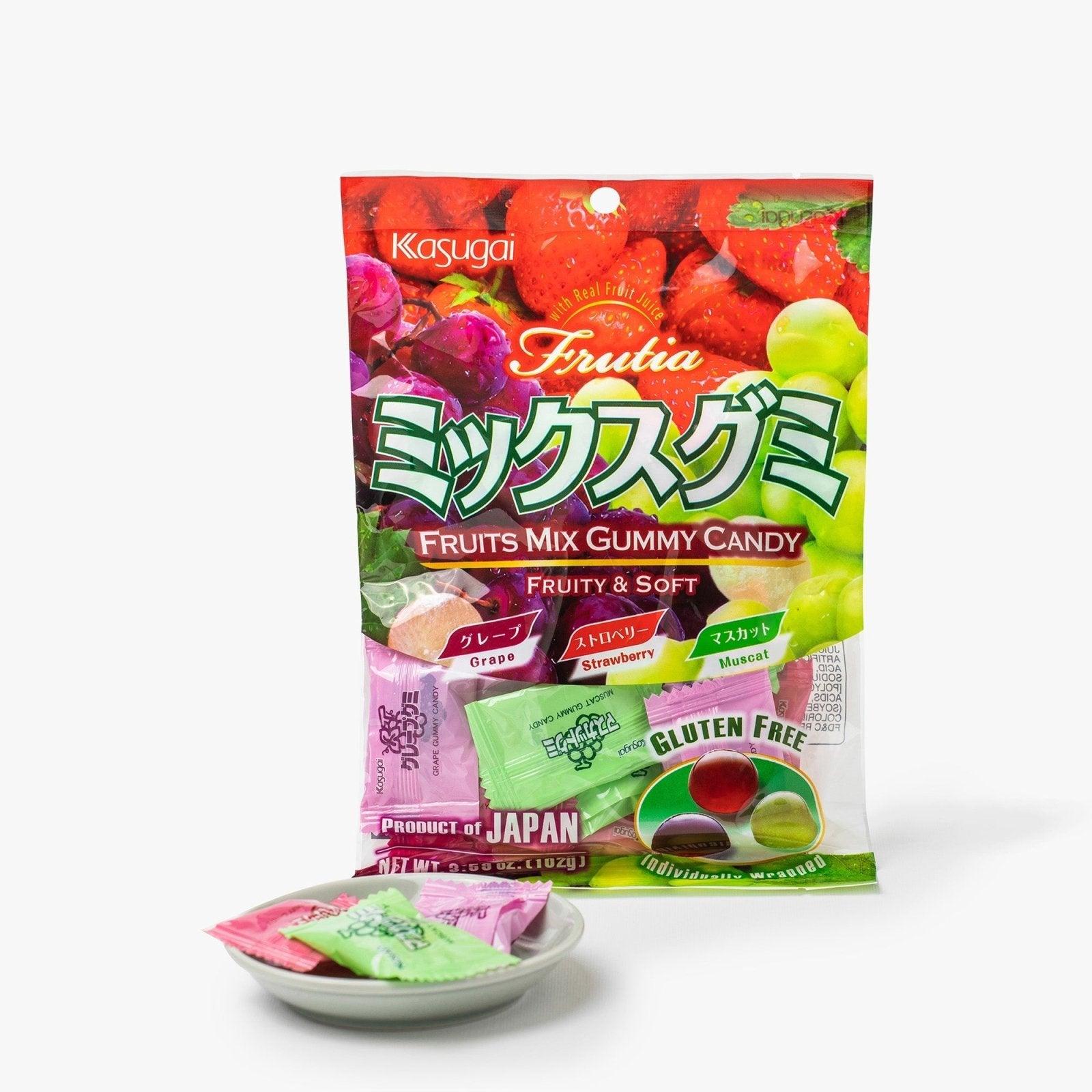
Assortment of fruit gummy candies (strawberry, grape, muscat) ⋅ Kasugai ⋅ 102g
⋅ Soft candies with a melt-in-your-mouth center⋅ 3 flavors: strawberry, grape, and muscat⋅ Made with natural extracts⋅ Popular in JapanAssortment of gummy candies in strawberry, red...
Regular price 4.70 €Promotional price 4.70 € Regular priceUnit price 46.08 € by kg

White bean yokan with sesame ⋅ Kaishindo ⋅ 35g
⋅ White bean paste with black sesame⋅ Traditional recipe from Kaishindo⋅ Rich, sweet flavor⋅ Enjoy on its own or with a cup of teaA white bean...
Regular price 2.50 €Promotional price 2.50 € Regular priceUnit price 71.43 € by kg

Senbei rice crackers with soy sauce ⋅ Sakata Beika ⋅ 110g
⋅ Crispy rice crackers coated in soy sauce⋅ Savory and umami flavor⋅ Gluten-free⋅ Light and crunchy texture⋅ Perfect for sharingSenbei are Japanese rice crackers, flavored with...
Regular price 7.50 €Promotional price 7.50 € Regular priceUnit price 68.18 € by kg
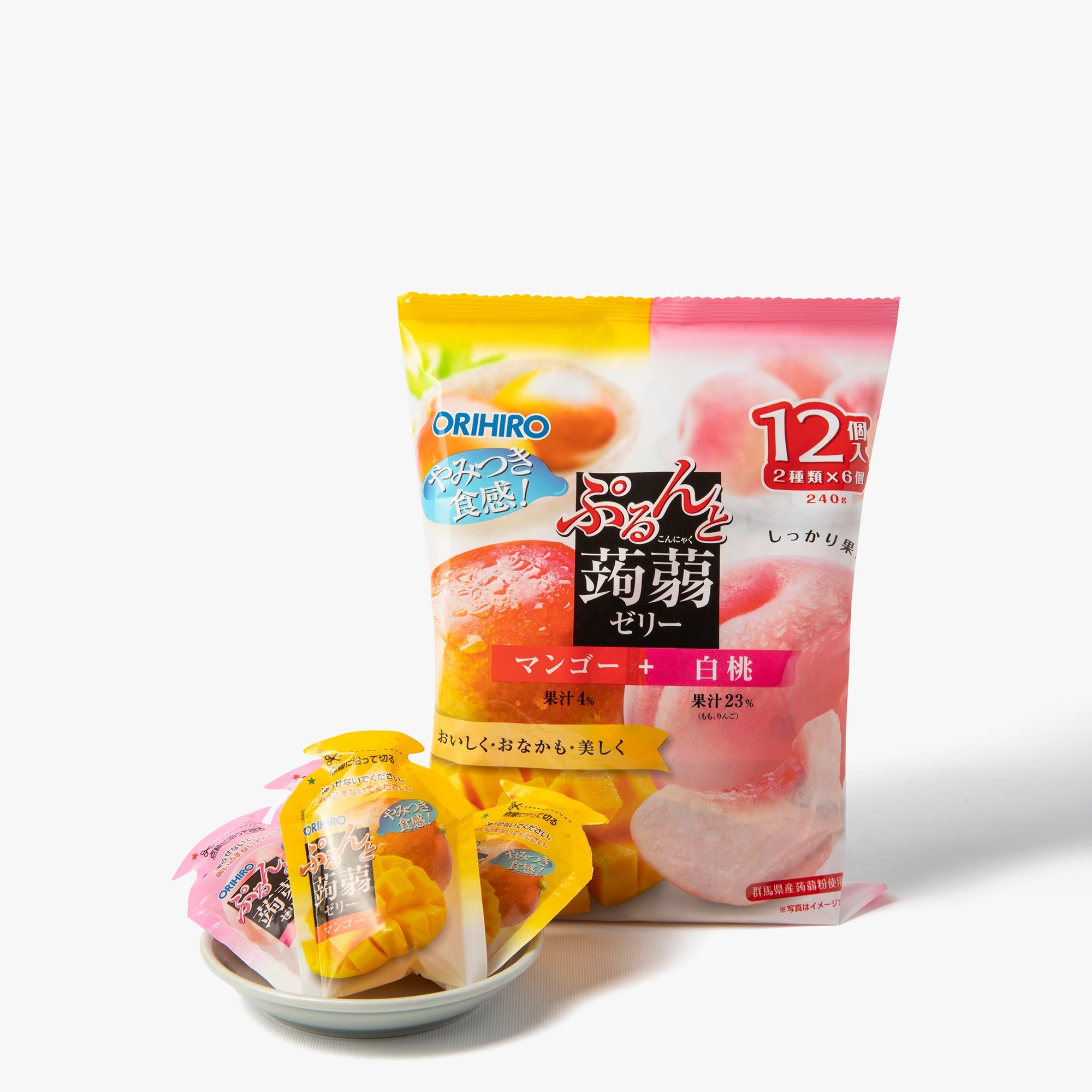
Mango and peach konjac jellies - 12 sachets ⋅ Orihiro ⋅ 240g
⋅ High in fiber⋅ Low in calories⋅ Sweet and fruity flavor⋅ Convenient size⋅ Best enjoyed chilledMango and peach konjac jellies. Konjac is a plant that grows...
Regular price 5.50 €Promotional price 5.50 € Regular priceUnit price 22.92 € by kg

Strawberry cream Pocky ⋅ Pocky ⋅ 33g
⋅ Strawberry-flavored Pocky⋅ Iconic crispy sticks⋅ Equivalent to French Mikado⋅ Convenient on-the-go sizeThese crunchy stick-shaped Pocky cookies come with a thin layer of strawberry cream that...
Regular price 4.50 €Promotional price 4.50 € Regular priceUnit price 136.36 € by kg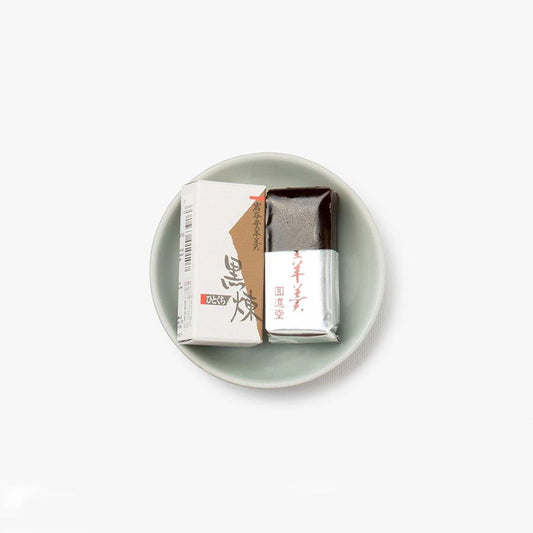

Red bean yokan with brown sugar ⋅ Kaishindo ⋅ 35g
⋅ Red bean paste flavored with whole cane sugar⋅ Traditional recipe from Kaishindo⋅ Subtly caramelized flavor⋅ Perfect as an accompaniment to tea or as a sweet...
Regular price 2.50 €Promotional price 2.50 € Regular priceUnit price 71.43 € by kg
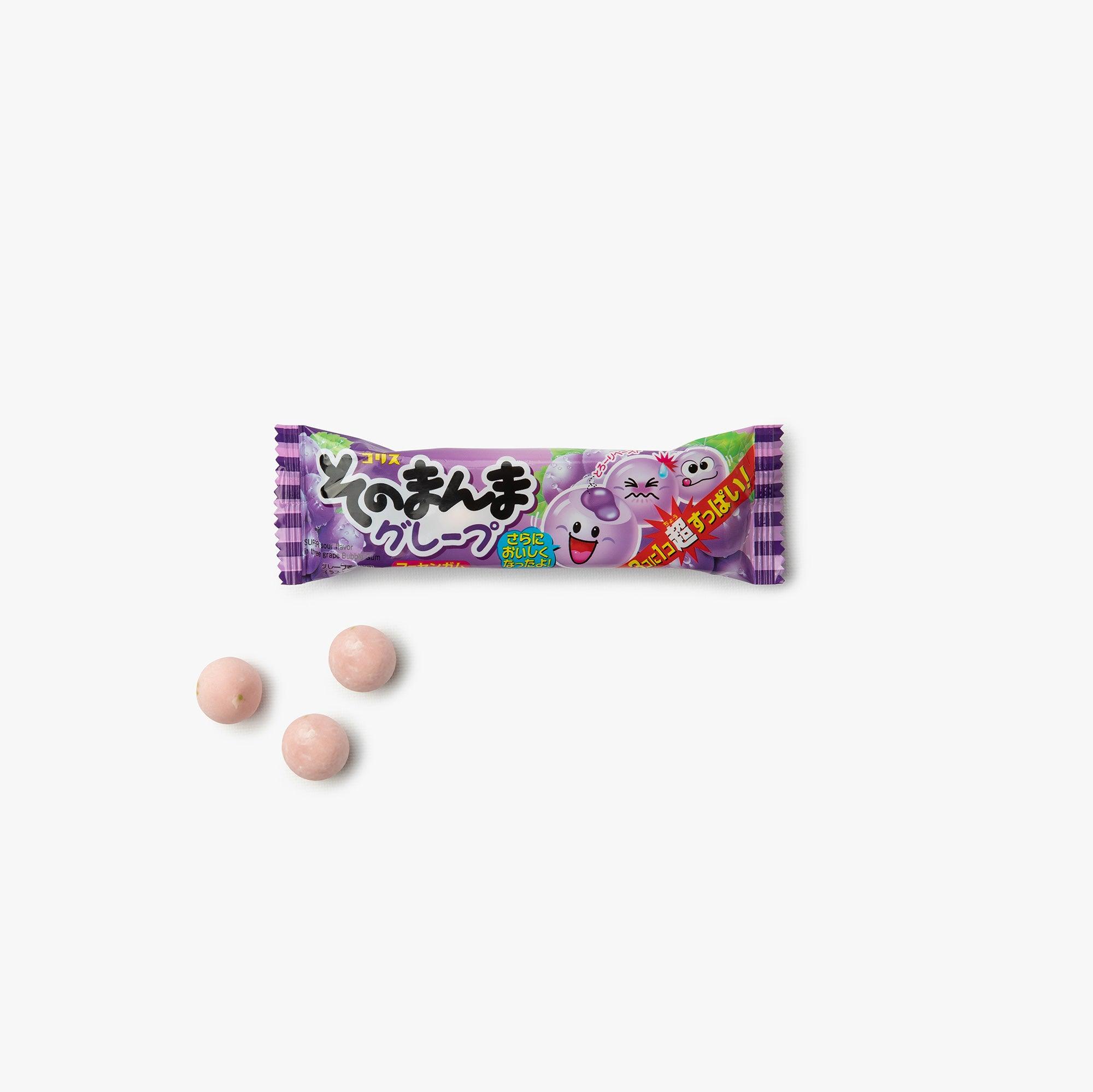
Sonomanma Grape chewing gum ⋅ Coris ⋅ 14g
⋅ 3 pieces of chewing⋅ gum with a soft texture⋅ Includes one piece of chewing⋅ gum with a tangy flavor⋅ Perfect for kids!Three light-textured grape-flavored chewing...
Regular price 1.30 €Promotional price 1.30 € Regular priceUnit price 92.86 € by kg
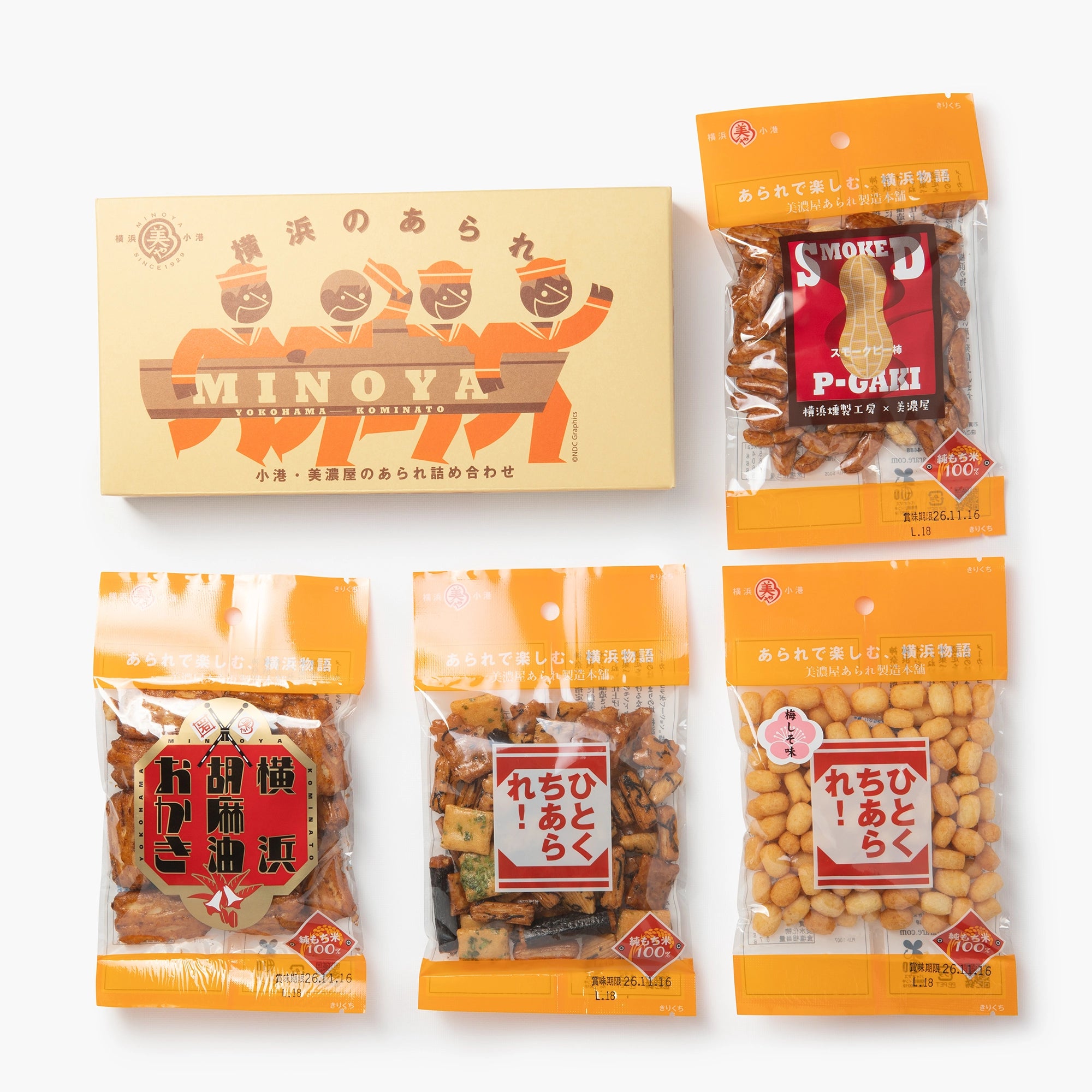
Arare rice cracker gift box ⋅ Minoya Arare ⋅ 155g
⋅ Exclusive to iRASSHAi!⋅ Assortment of 4 different flavors⋅ Perfect for livening up cocktail hours⋅ Packaged in individual bags to preserve the flavorsAssortment of different types...
Regular price 9.50 €Promotional price 9.50 € Regular priceUnit price 61.29 € by kg

Chocolate dorayaki ⋅ Hiyoshi ⋅ 300g
⋅ 5 dorayaki in individual packaging⋅ Perfect to take away⋅ Ideal snack with a good Japanese tea⋅ Chocolate flavourFor a change from red bean paste, try...
Regular price 9.95 €Promotional price 9.95 € Regular priceUnit price 33.17 € by kg
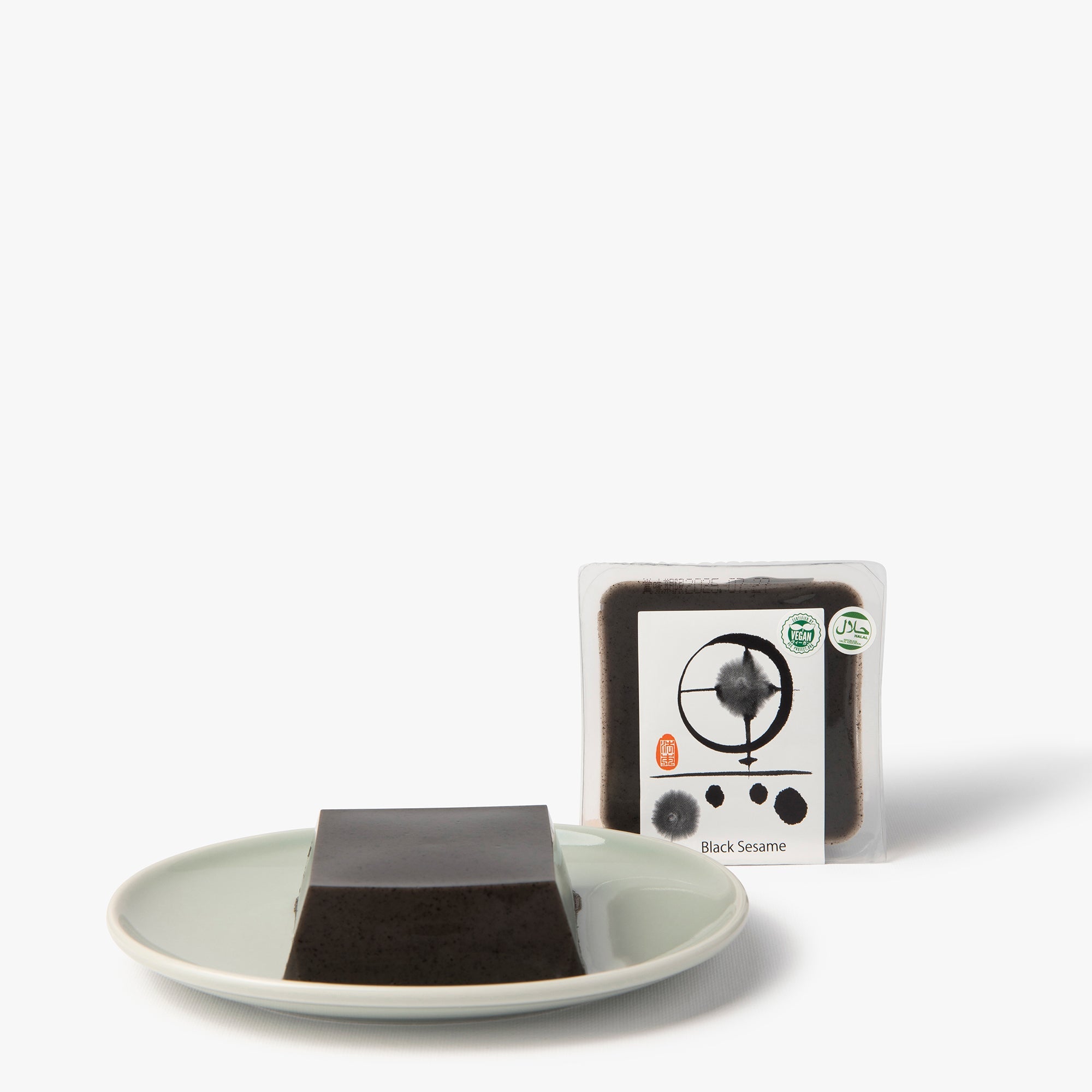
Black sesame tofu ⋅ Houmoto ⋅ 100g
⋅ Perfect for both sweet and savory dishes⋅ Rich black sesame flavor⋅ Enjoy it sweet with kuromitsu syrup or honey⋅ Enjoy it savory with soy sauce⋅...
Regular price 3.90 €Promotional price 3.90 € Regular priceUnit price 39.00 € by kg
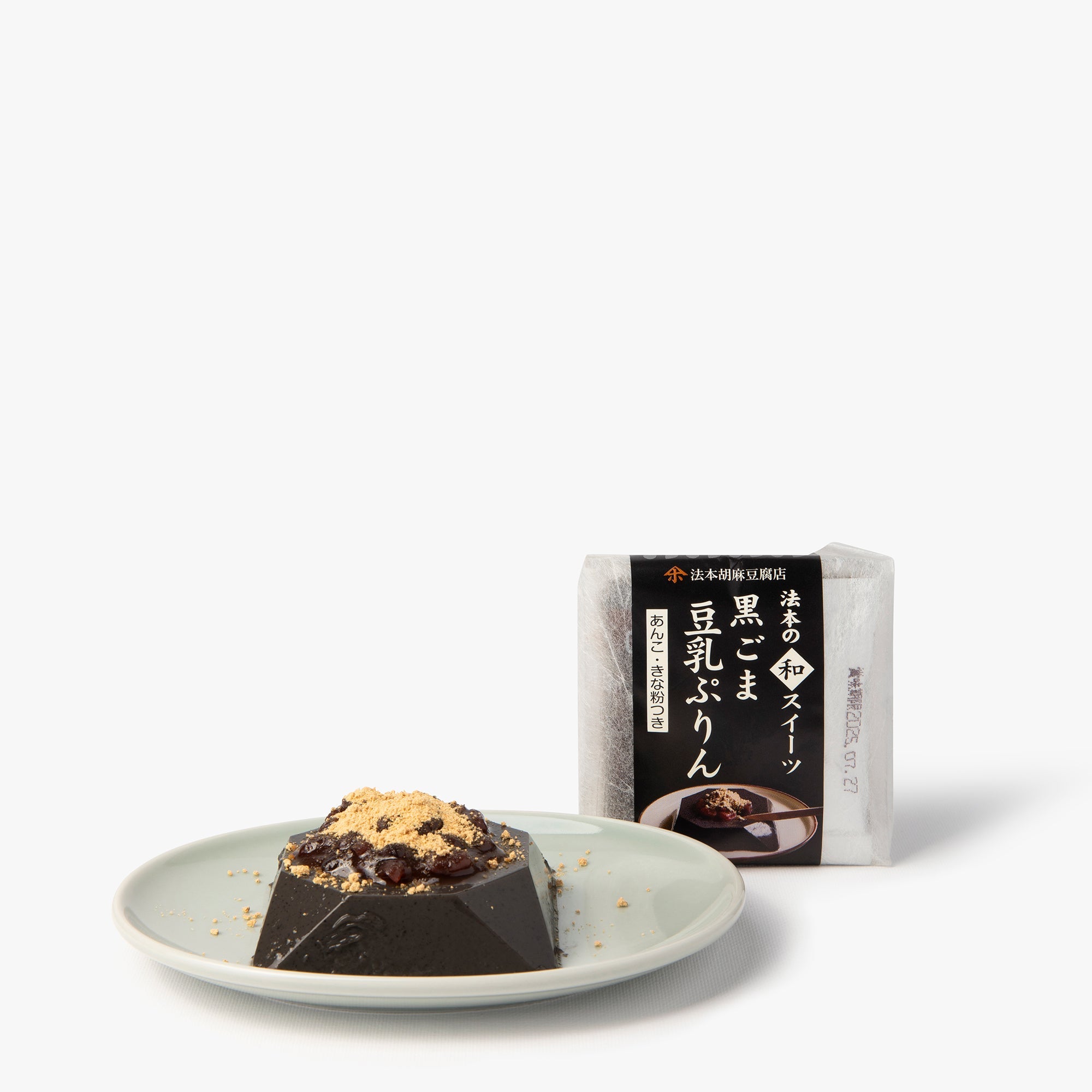
Black sesame pudding, warabi mochi style ⋅ Houmoto ⋅ 80g
⋅ Traditional Japanese pastry⋅ Rich, sweet flavor⋅ Easy to make⋅ Perfect for dessert or a snack⋅ Pairs wonderfully with green teaThis Japanese dessert is black sesame...
Regular price 4.50 €Promotional price 4.50 € Regular priceUnit price 56.25 € by kg

Dorayaki with anko, 5 pieces ⋅ Marukyo ⋅ 280g
⋅ 5 Dorayaki⋅ Perfect for takeout⋅ The perfect snack to enjoy with a good Japanese tea⋅ Traditional anko (red bean paste) flavorVery popular in Japan, this...
Regular price 7.90 €Promotional price 7.90 € Regular priceUnit price 28.21 € by kg

Puré grape candies ⋅ Kanro ⋅ 56g
⋅ Intense grape flavor⋅ Made with fruit juice⋅ Soft texture⋅ Resealable pouchThese gummy candies offer a delicious sweet-and-sour taste experience with a tangy burst followed by...
Regular price 4.10 €Promotional price 4.10 € Regular priceUnit price 73.21 € by kg

Yumepirika brown rice cracker with black sesame ⋅ Sawada Beikokuten ⋅ 30g
⋅ Whole-grain rice cakes with black sesame seeds⋅ Healthy snack made with Yumepirika rice⋅ No additives⋅ Can be mixed with milk or crumbled into yogurtWhole grain...
Regular price 3.80 €Promotional price 3.80 € Regular priceUnit price 126.67 € by kg
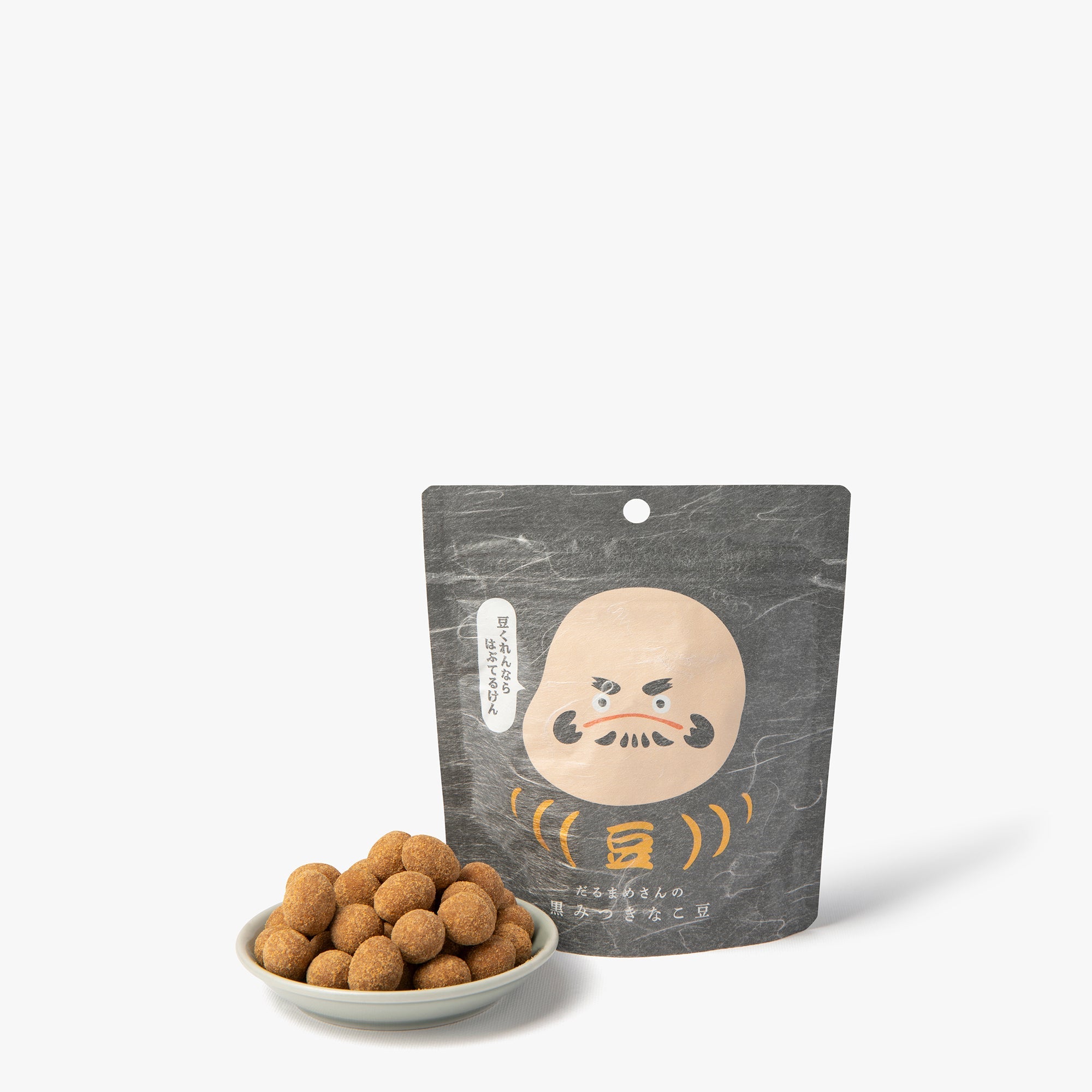
Kinako and kuromitsu crackers ⋅ Tokunaga Seika ⋅ 70g
⋅ Sweet and toasty flavor⋅ Evokes the taste of Japanese pastries⋅ Perfect as an appetizer or snack⋅ Delicious with green tea or beerCrackers with a unique,...
Regular price 5.80 €Promotional price 5.80 € Regular priceUnit price 82.86 € by kg

Yumepirika brown rice cracker with corn ⋅ Sawada Beikokuten ⋅ 30g
⋅ Whole-grain rice and corn crackers⋅ Healthy rice and corn snack⋅ No additives⋅ Can be mixed with milk or crumbled into yogurtWhole grain rice and corn...
Regular price 3.80 €Promotional price 3.80 € Regular priceUnit price 126.67 € by kg

Azuki red bean anko paste with pieces in a tube ⋅ Imuraya ⋅ 130g
⋅ Paste in a tube—more convenient and easy to use⋅ Made with sugar and a pinch of salt for the perfect balance⋅ Ideal for filling mochi,...
Regular price 4.50 €Promotional price 4.50 € Regular priceUnit price 34.62 € by kg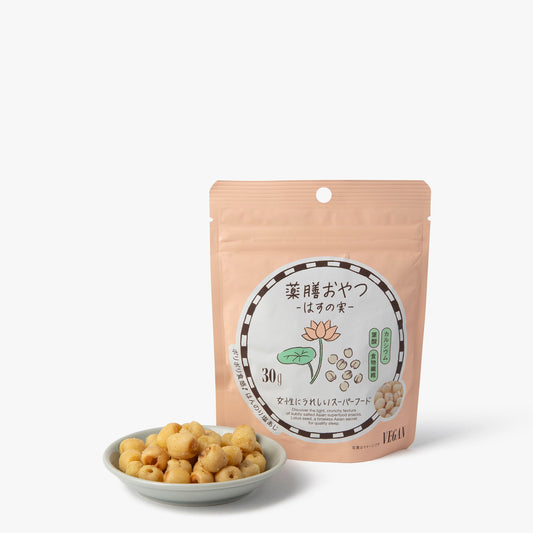

Dried lotus seed snacks ⋅ Brown Sugar 1st ⋅ 30g
⋅ 100% natural, with no additives or artificial colors⋅ Rich in calcium, fiber, and antioxidants⋅ Perfect as an appetizer or to garnish dishes⋅ Crunchy texture and...
Regular price 5.90 €Promotional price 5.90 € Regular priceUnit price 196.67 € by kg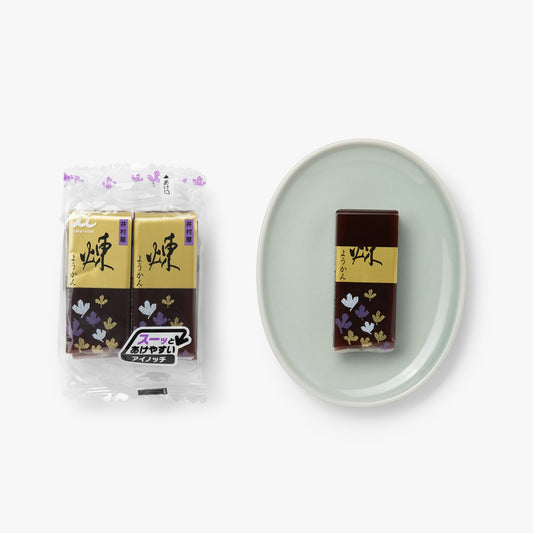
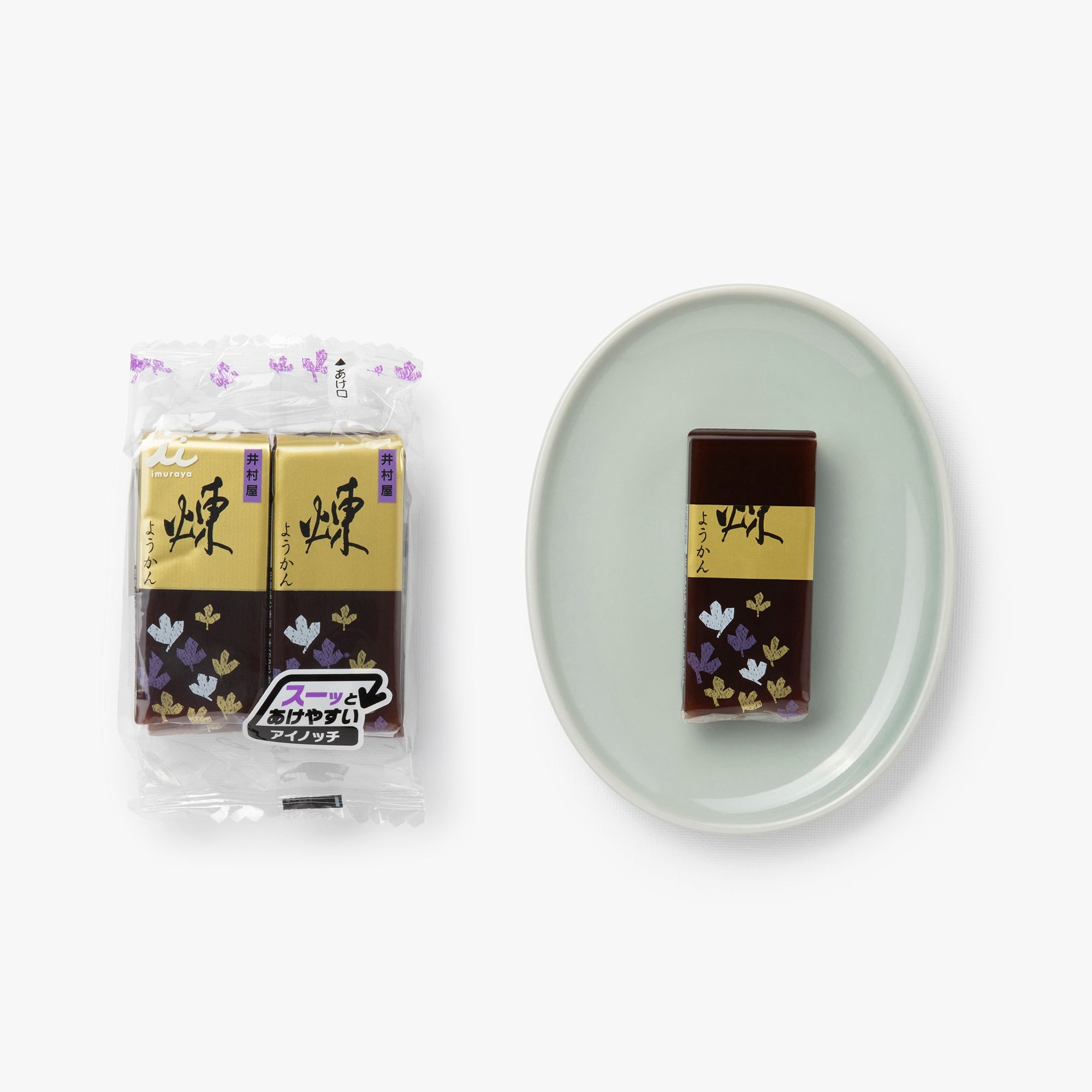
Azuki red bean yokan jellies ⋅ Imuraya ⋅ 232g
⋅ Made from cooked azuki beans simmered into a jelly⋅ Melt-in-your-mouth texture and sweet flavor⋅ Perfect for tea ceremoniesAn assortment of neri yokan red bean paste...
Regular price 4.90 €Promotional price 4.90 € Regular priceUnit price 21.12 € by kg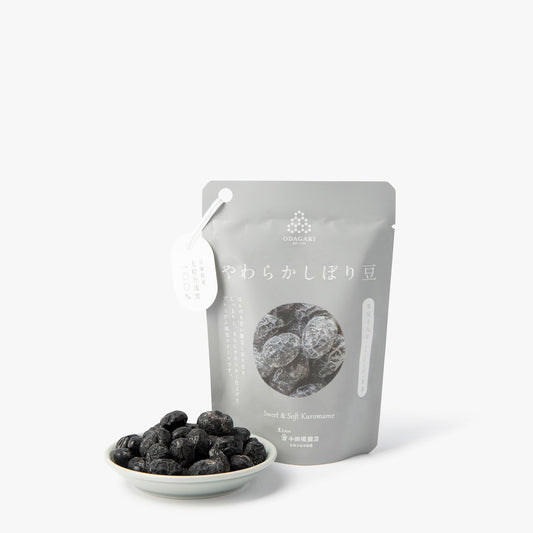
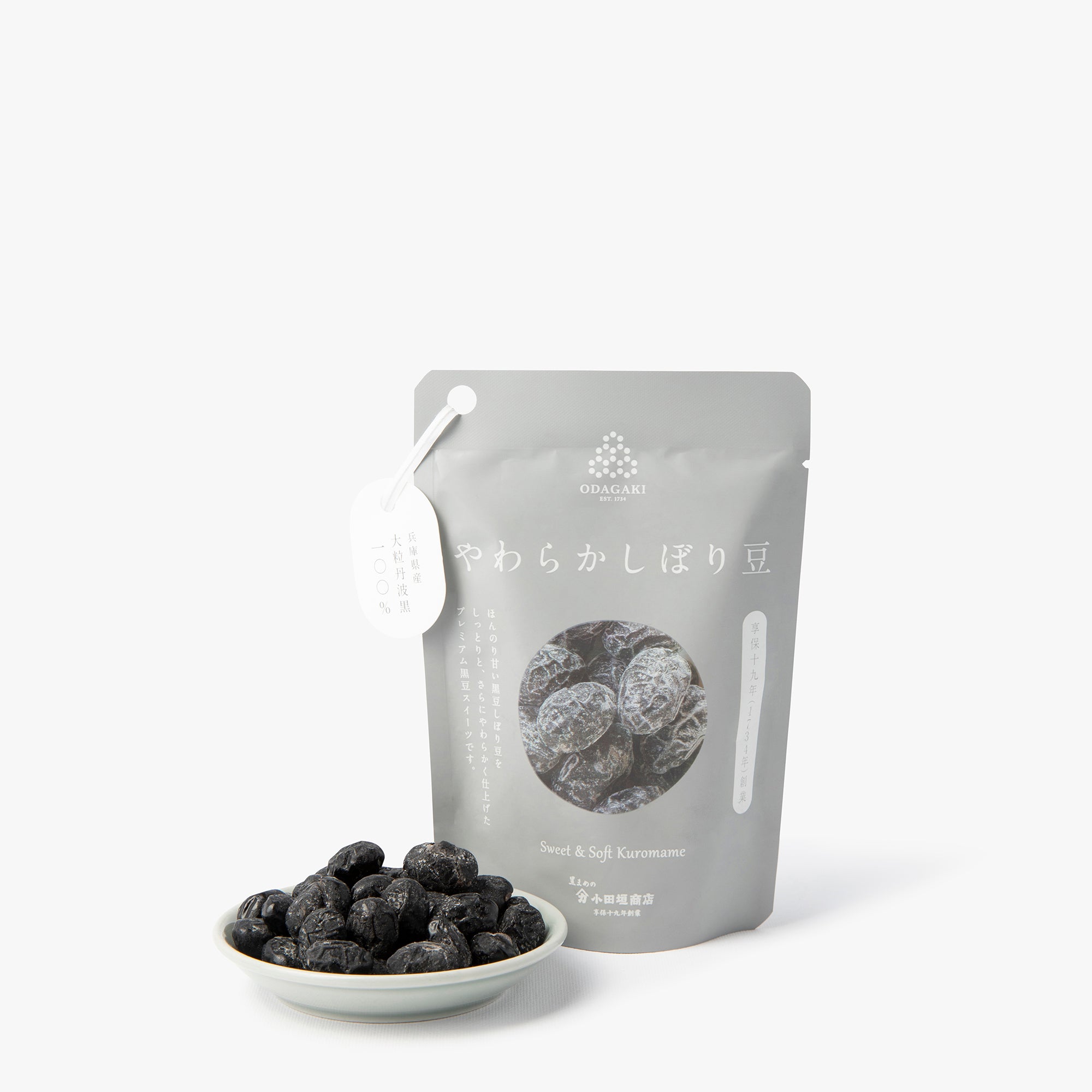
Sweet black soybean snacks ⋅ Odogaki ⋅ 58g
⋅ Naturally sweet and slightly melt-in-your-mouth flavor⋅ Perfect size for on-the-go or sharing⋅ Ideal for decorating pastries and other sweet treats⋅ Enjoy any time of daySnacks...
Regular price 6.90 €Promotional price 6.90 € Regular priceUnit price 118.97 € by kg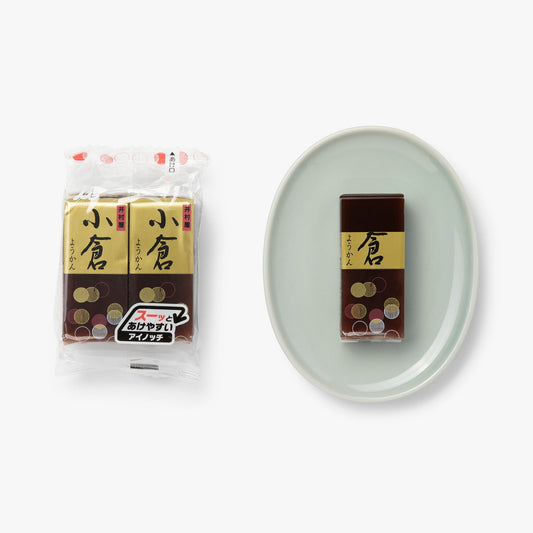
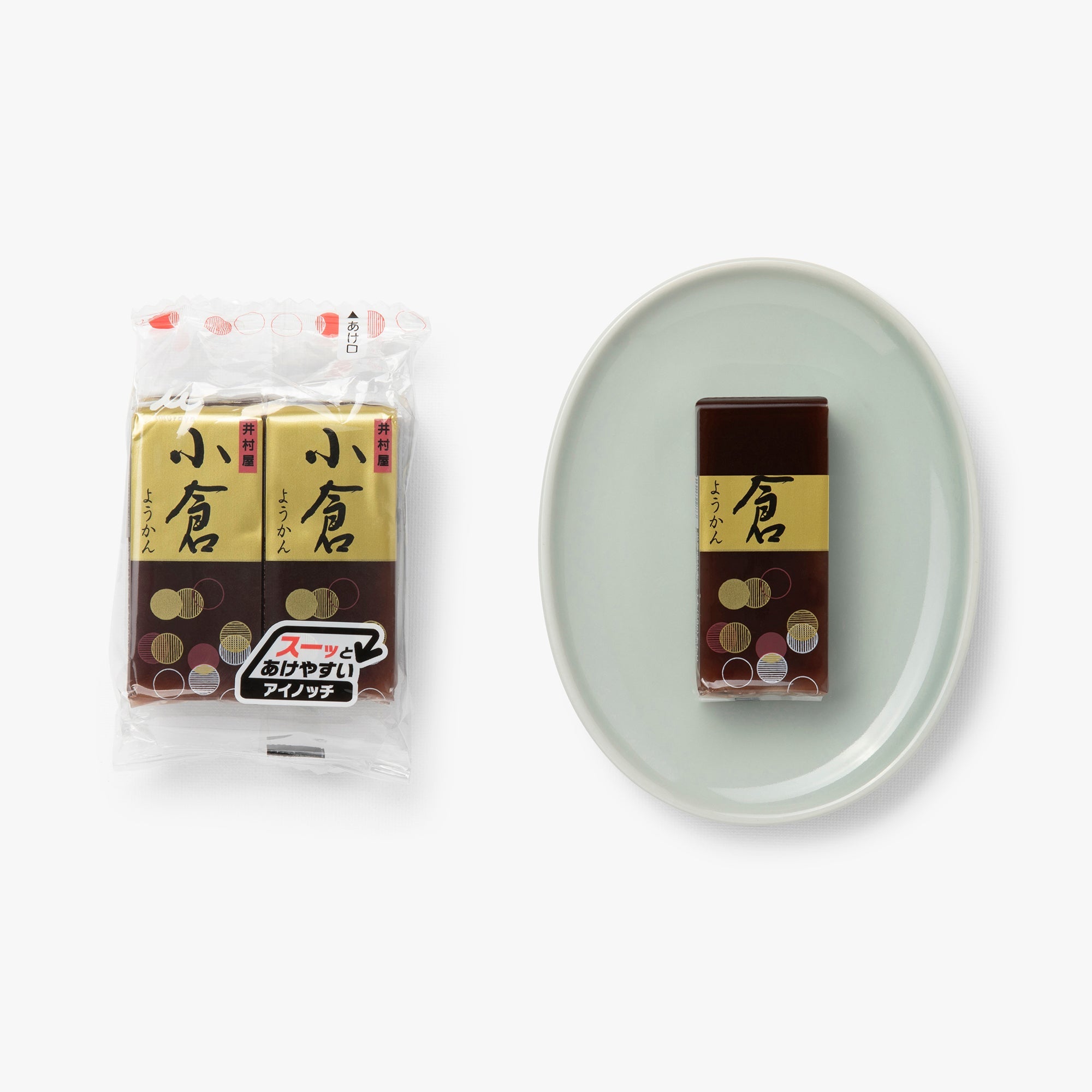
Azuki red bean yokan jellies with pieces ⋅ Imuraya ⋅ 232g
⋅ Rich, sweet flavor⋅ Perfect for balancing the bitterness of green tea or matcha⋅ Easy to carryAn assortment of neri yokan red bean paste with a...
Regular price 5.30 €Promotional price 5.30 € Regular priceUnit price 22.84 € by kg

Red bean yokan paste with a hint of salt ⋅ Kaishindo ⋅ 35g
⋅ Handcrafted using techniques dating back to the 17th century⋅ Rich, fresh flavor with a thick texture⋅ Rich in minerals⋅ An ideal snack after intense physical...
Regular price 2.50 €Promotional price 2.50 € Regular priceUnit price 71.43 € by kg
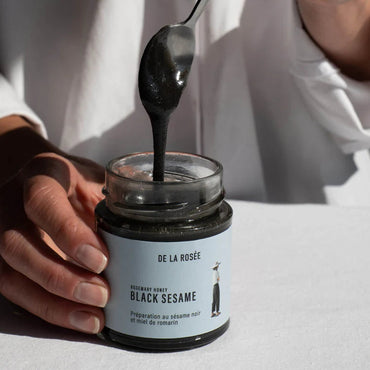

Rosemary Honey and Black Sesame Preparation ⋅ De la rosée ⋅ 185g
⋅ A creamy texture and a rich, slightly smoky flavor⋅ Perfect on bread or in granola⋅ Pairs wonderfully with berries, fresh cheese, and salad dressings⋅ Made...
Regular price 13.90 €Promotional price 13.90 € Regular priceUnit price 75.14 € by kg

Azuki red bean anko paste in a tube ⋅ Imuraya ⋅ 130g
⋅ Paste in a tube—more convenient and easier to use⋅ Made with sugar and a pinch of salt for the perfect balance⋅ Ideal for filling mochis,...
Regular price 4.50 €Promotional price 4.50 € Regular priceUnit price 34.62 € by kg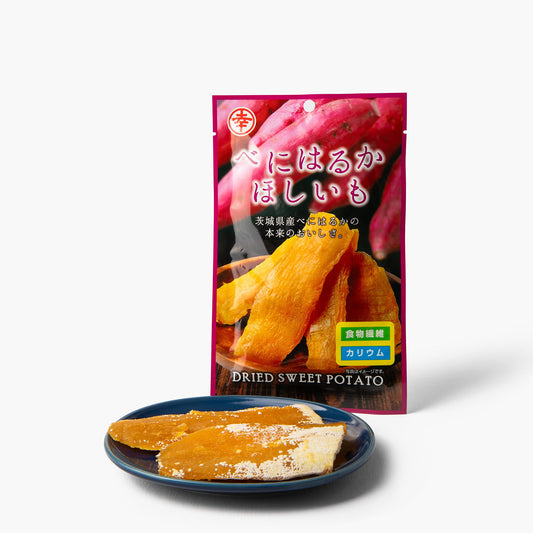
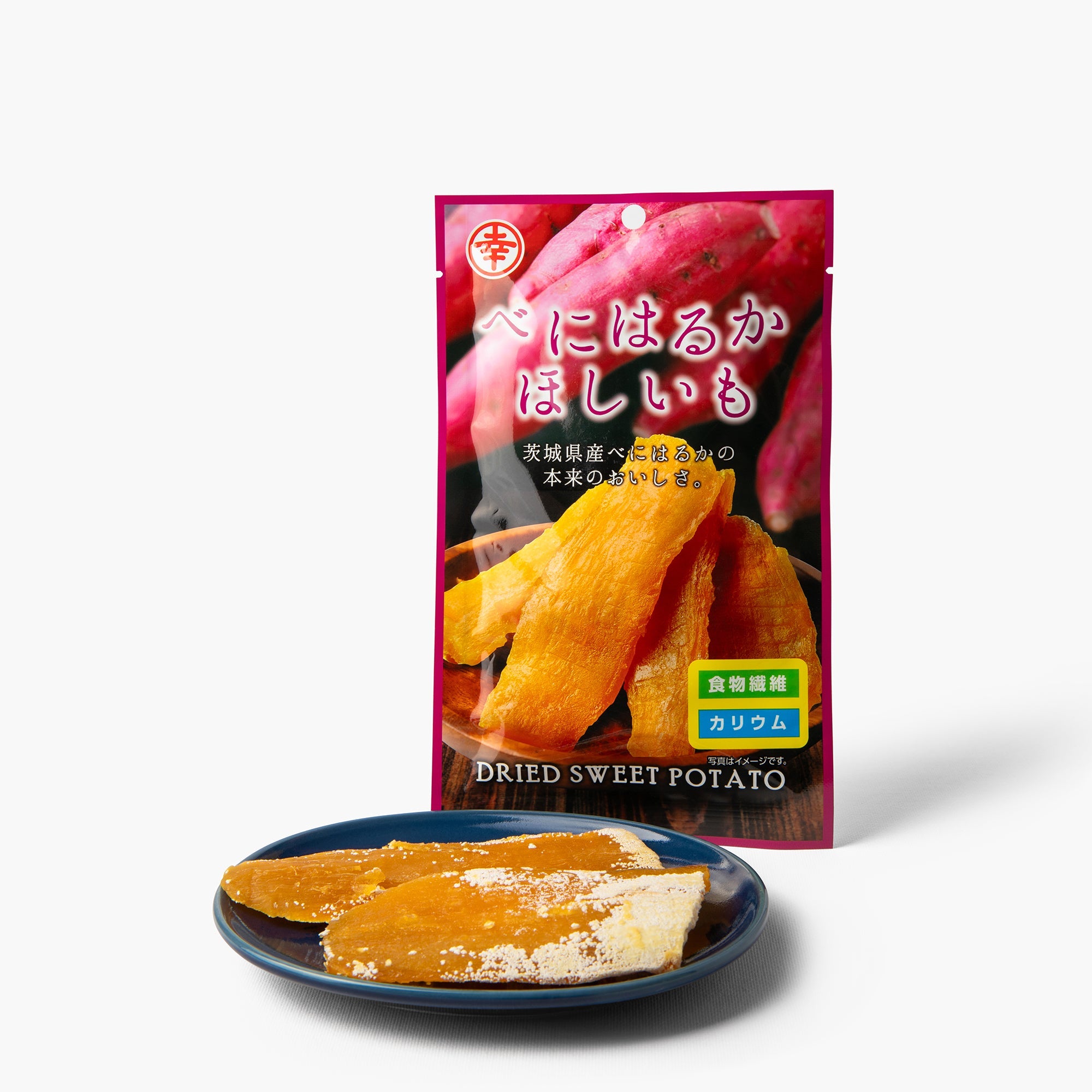
Dried sweet potato strips ⋅ Kota Shoten ⋅ 63g
⋅ Made with sweet potatoes from Ibaraki⋅ No additives⋅ Thin slices with a tender texture and sweet flavor⋅ Perfect as a snack or as an ingredient...
Regular price 5.15 €Promotional price 5.15 € Regular priceUnit price 81.75 € by kg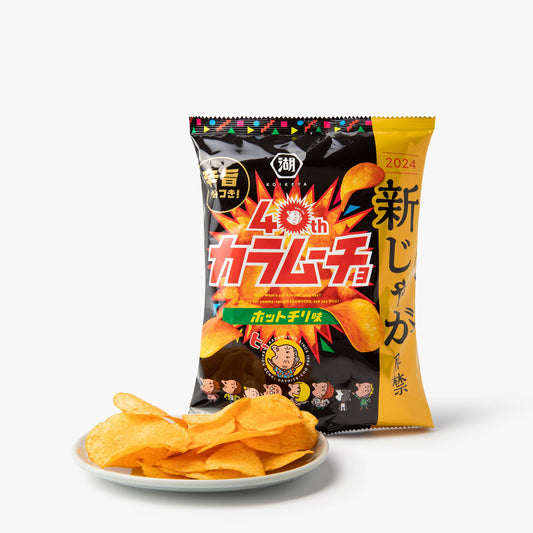
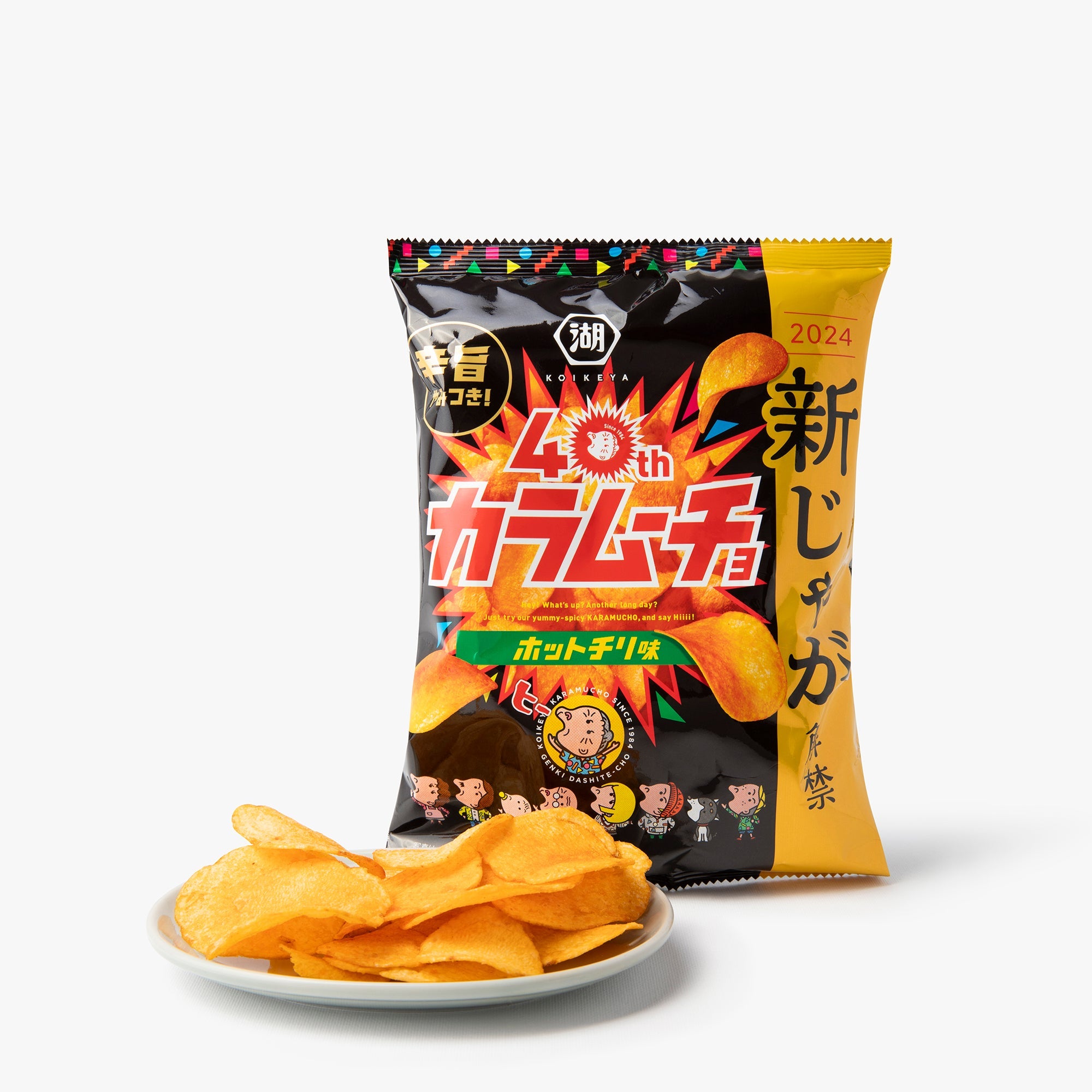
Spicy Karamucho flat potato chips ⋅ Koikeya ⋅ 55g
⋅ Crispy chips⋅ Spicy and intense flavor⋅ Premium potatoes⋅ Unique blend of spicesCrispy chips with an intense, spicy flavor. These chips are made from premium potatoes...
Regular price 4.10 €Promotional price 4.10 € Regular priceUnit price 74.55 € by kg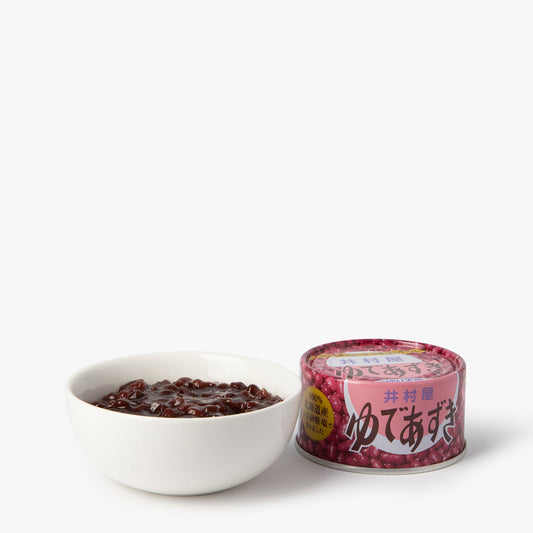
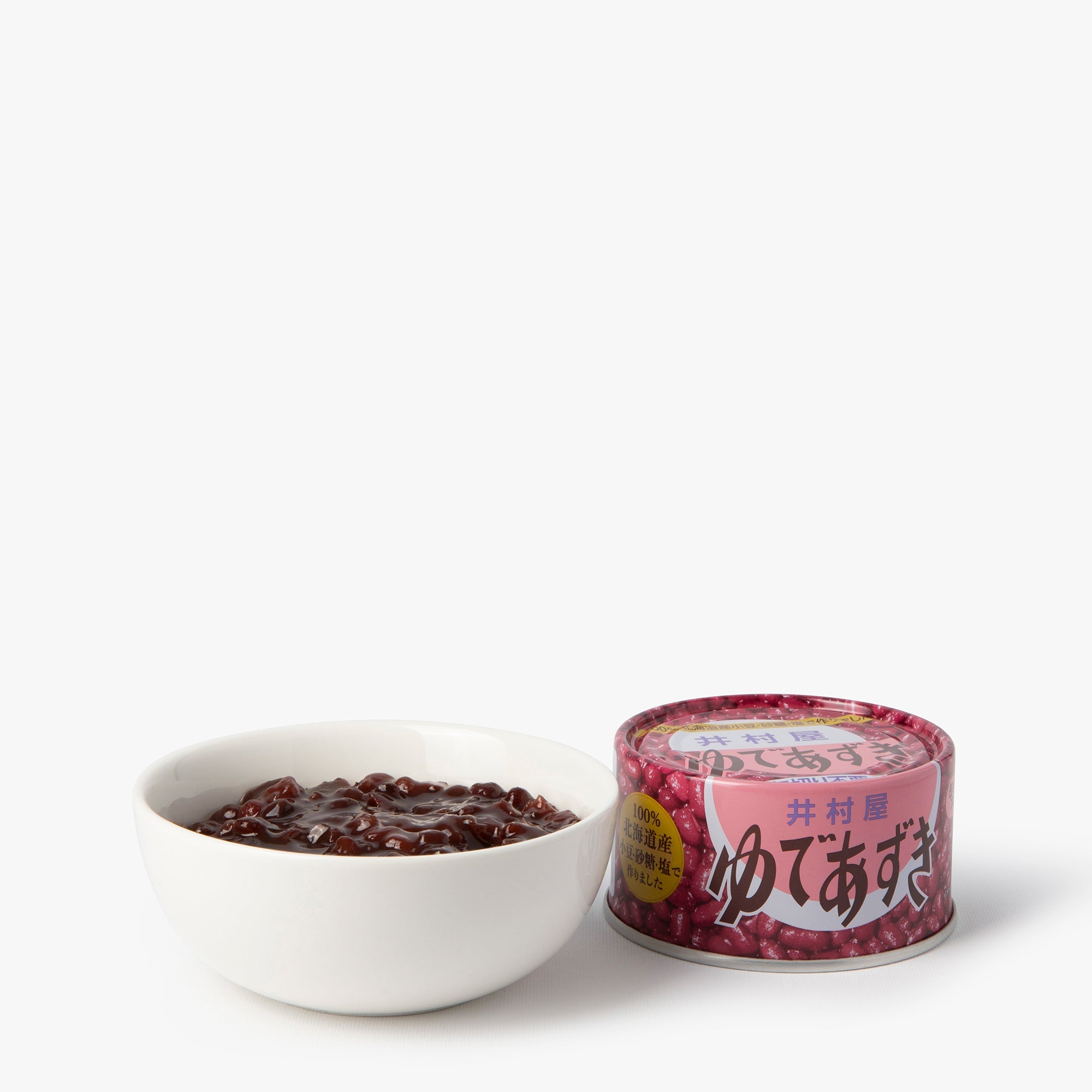
Boiled azuki red beans ⋅ Imuraya ⋅ 200g
⋅ 100% sourced from Hokkaido⋅ Perfect for spreading on waffles, pancakes, or ice creamBoiled azuki beans, made exclusively with ingredients from Hokkaido. The beans are slowly...
Regular price 4.20 €Promotional price 4.20 € Regular priceUnit price 21.00 € by kg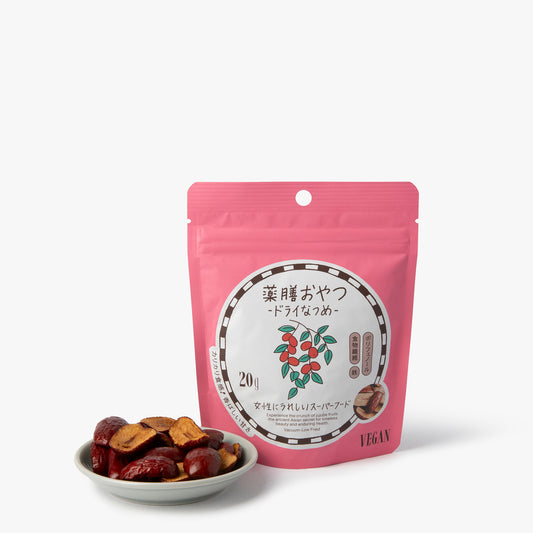
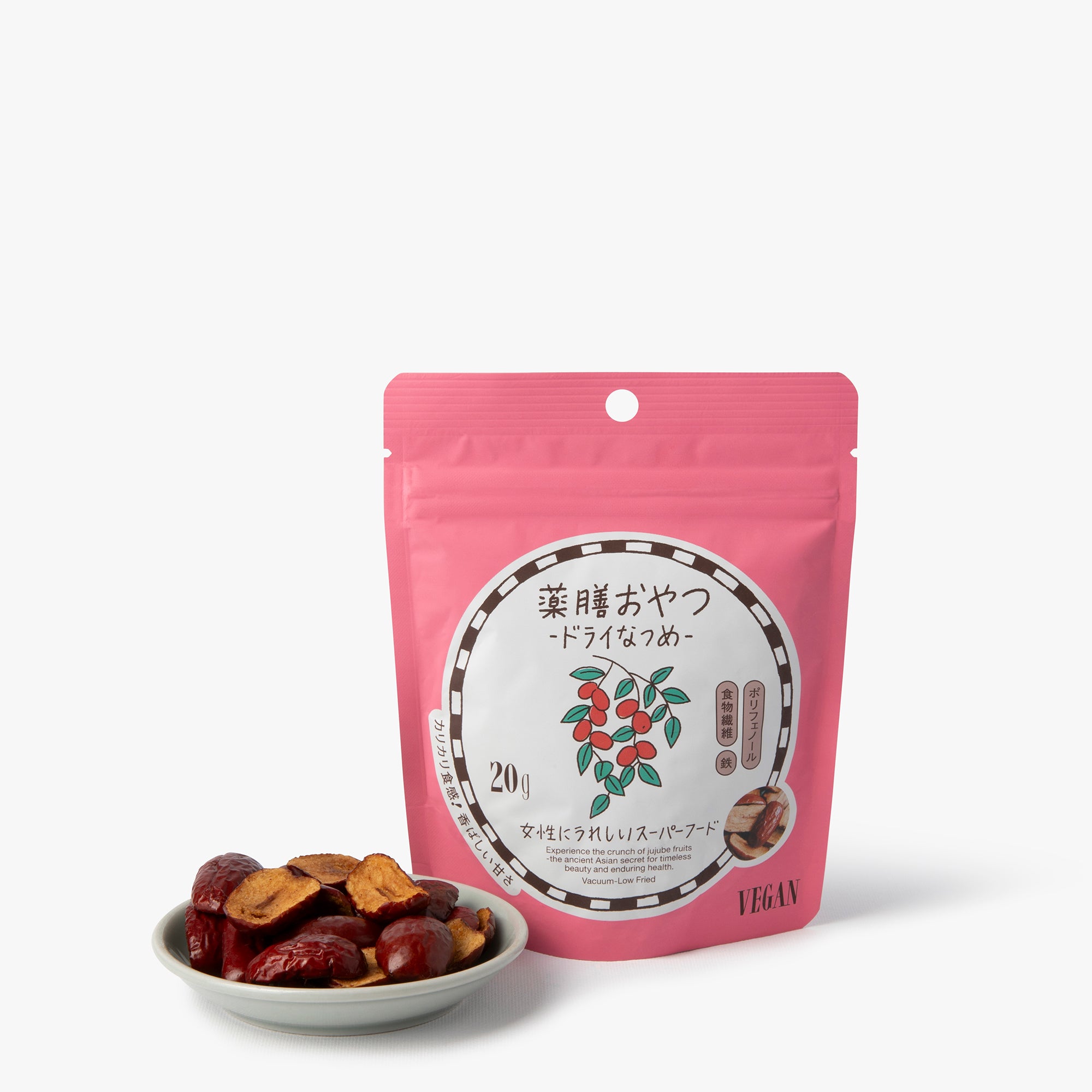
Dried jujube snacks ⋅ Brown Sugar 1st ⋅ 20g
⋅ Dried jujube fruit, sweet and crunchy⋅ 100% natural, with no additives or artificial colors⋅ A healthy snack that’s easy to incorporate into your daily routine⋅...
Regular price 5.50 €Promotional price 5.50 € Regular priceUnit price 275.00 € by kg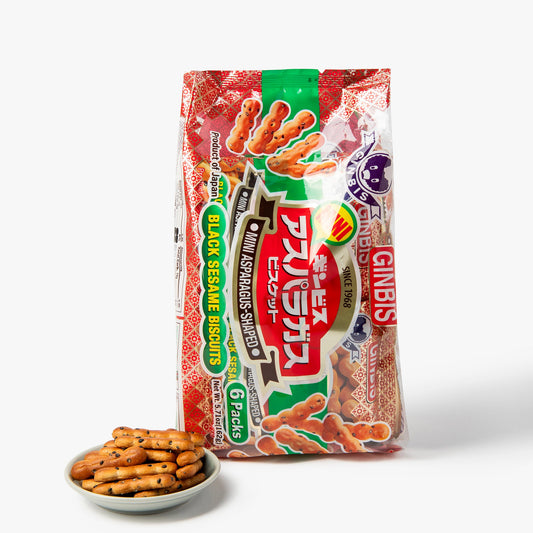
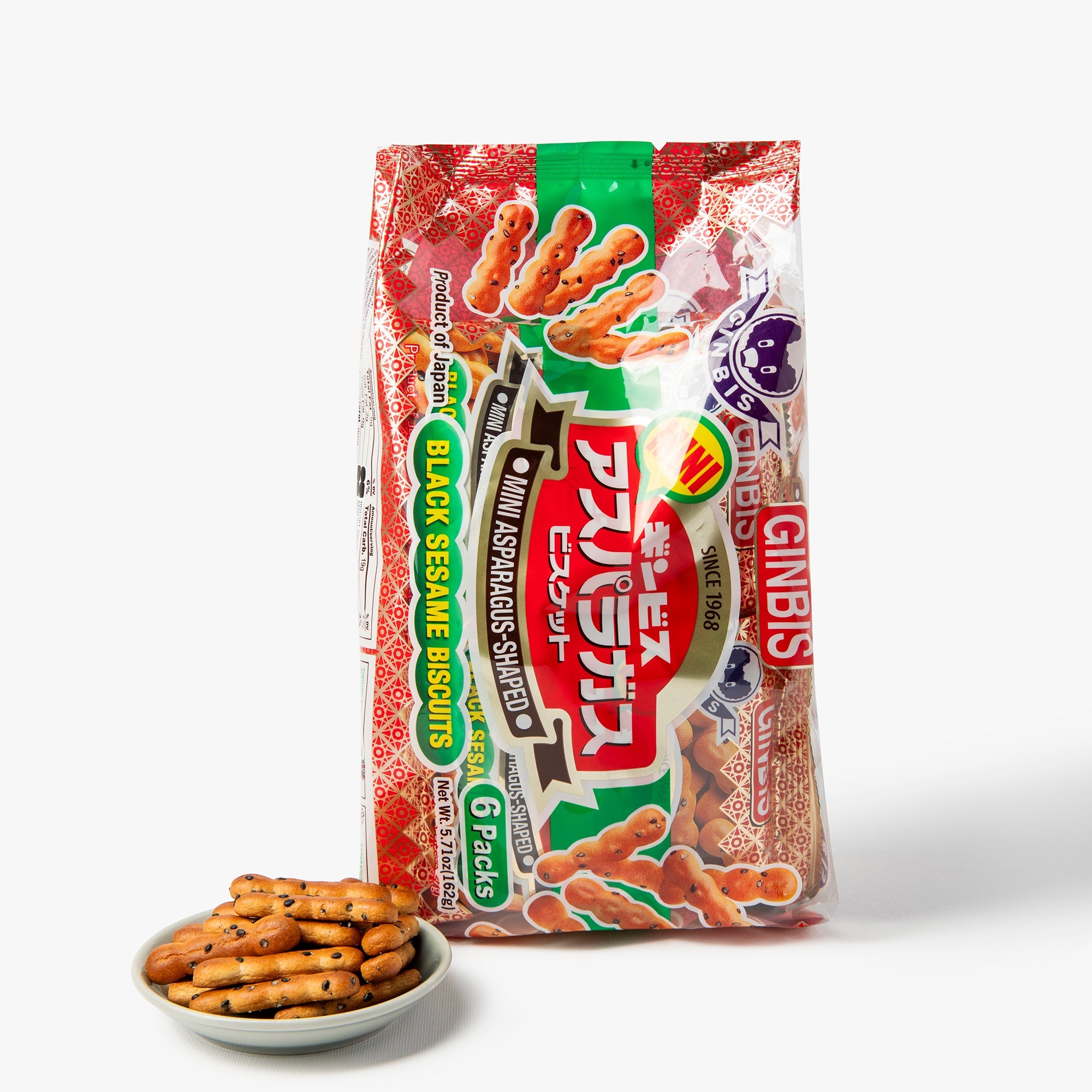
Mini asparagus biscuits with black sesame 6 sachets ⋅ Ginbis ⋅ 162g
⋅ Contains 6 bags⋅ Crunchy texture and sesame flavor⋅ Delicious with both sweet and savory foods⋅ Enjoy with fresh fruit, in a cake, or as an...
Regular price 10.15 €Promotional price 10.15 € Regular priceUnit price 62.65 € by kg

Sansho pepper arare rice crackers ⋅ Yawataya Isogoro ⋅ 60g
⋅ Crispy rice crackers with Japanese sansho pepper⋅ A spicy, slightly lemony flavor⋅ Perfect for an appetizer or a tasty snack⋅ Resealable bag for optimal freshnessRice...
Regular price 7.90 €Promotional price 7.90 € Regular priceUnit price 131.67 € by kg
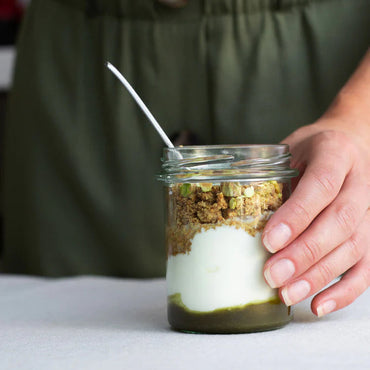

Rosemary honey and matcha preparation ⋅ De la rosée ⋅ 185g
⋅ Artisanal honey with rosemary and matcha⋅ Delicious with granola, dark chocolate, or on toast⋅ Melt-in-your-mouth texture⋅ Also perfect in hot drinksA honey with herbal notes....
Regular price 11.90 €Promotional price 11.90 € Regular priceUnit price 64.32 € by kg
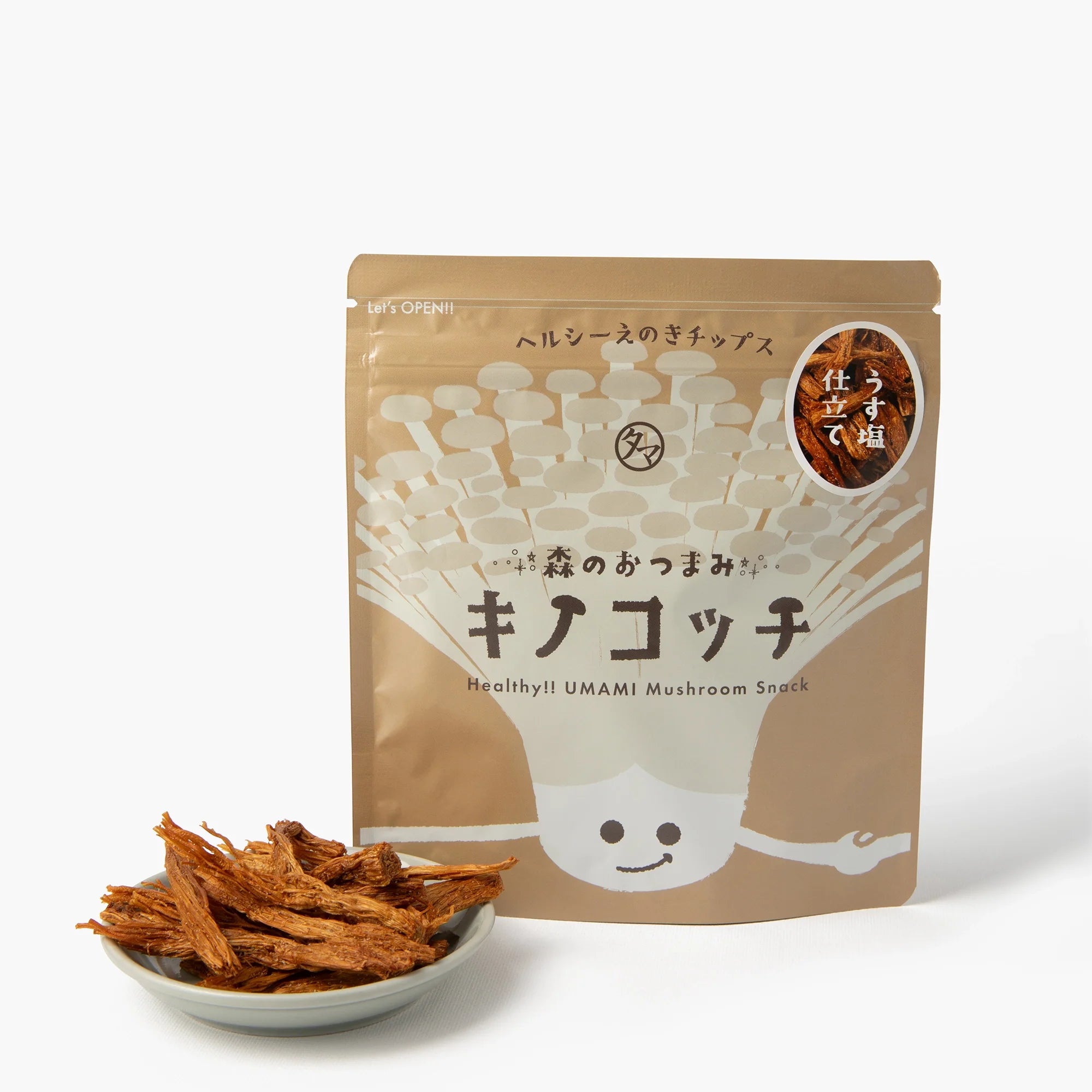
Enoki Mushroom Snacks ⋅ Tamachan Shop ⋅ 30g
• Rich, deep flavor with woody and salty notes.• Naturally rich in minerals, fiber, and plant-based protein• Enjoy on their own or as a toppingEnoki mushroom...
Regular price 6.90 €Promotional price 6.90 € Regular priceUnit price 230.00 € by kg


Preparation made with chestnut honey and black garlic ⋅ De la rosée ⋅ 185g
⋅ Made with chestnut honey harvested in the Périgord⋅ Mild, umami flavor with woody and malty notes⋅ Use as a condiment with meats (chicken skewers, duck...
Regular price 13.90 €Promotional price 13.90 € Regular priceUnit price 75.14 € by kg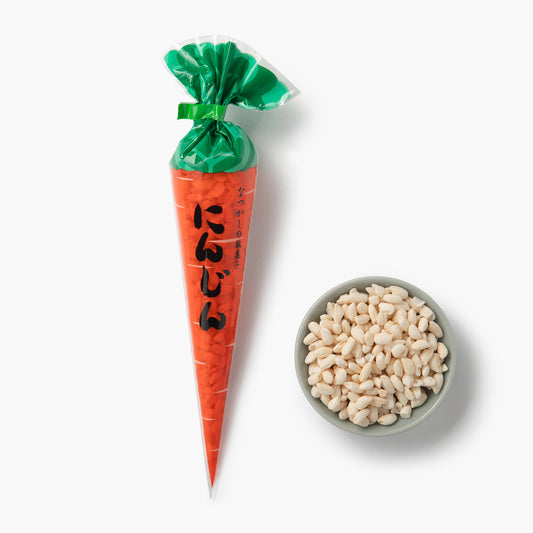
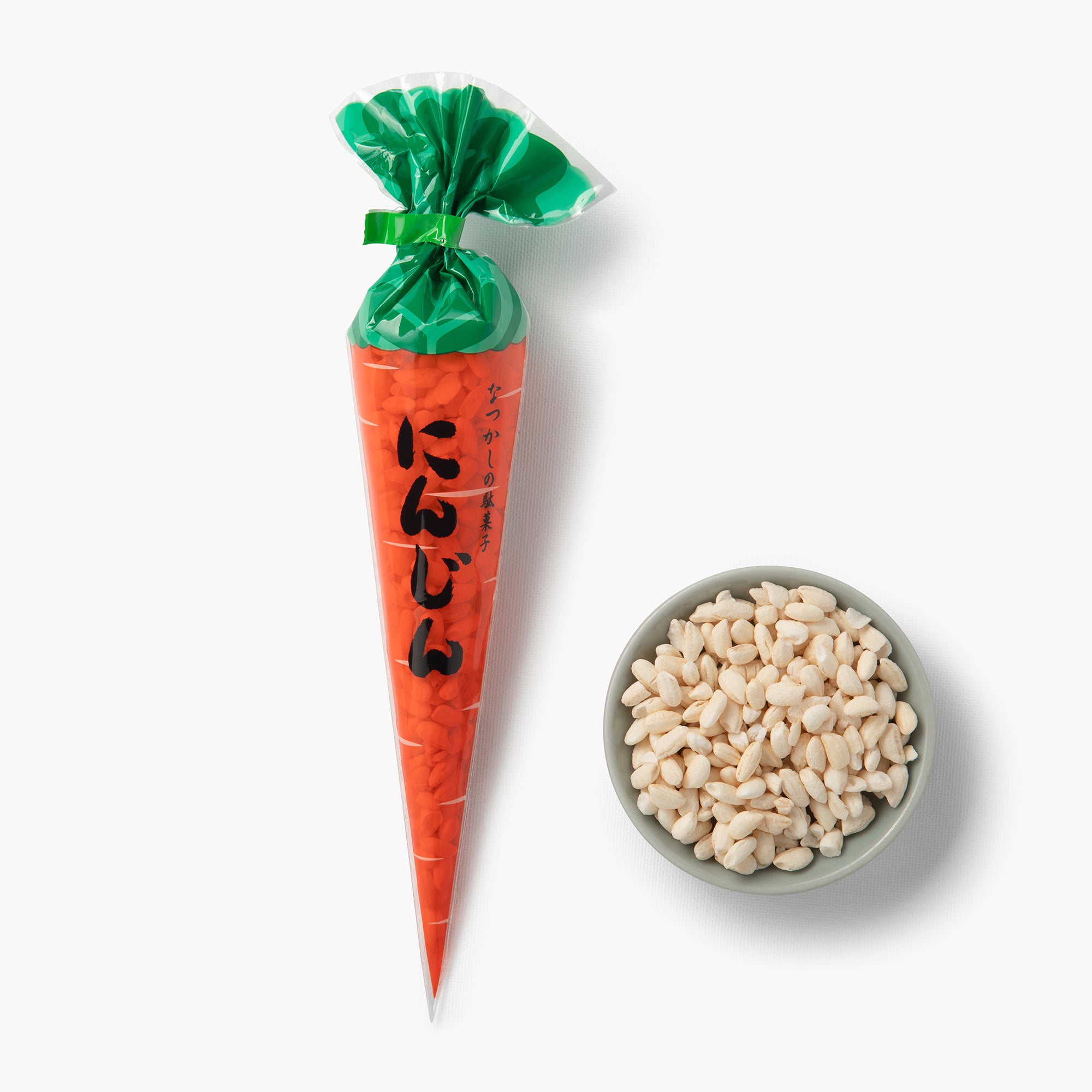
Puffed rice carrot ⋅ Takami seika ⋅ 11g
⋅ Made with puffed rice⋅ Mild and slightly sweet flavor⋅ Light and crispy texture⋅ Perfect as a snack or dessert toppingA popular treat in Japan, made...
Regular price 1.70 €Promotional price 1.70 € Regular priceUnit price 154.55 € by kg

Crispy Corn Seed Snacks ⋅ Tamachan Shop ⋅ 25g
•Light and ultra-crispy texture.•Naturally sweet flavor•Perfect as a snack or appetizerSnacks made from freeze-dried corn kernels that are then seasoned. The freeze-drying process, carried out immediately...
Regular price 4.50 €Promotional price 4.50 € Regular priceUnit price 180.00 € by kg

Summer mandarin marmalade ⋅ Muramatsu ⋅ 260g
⋅ Made with Hiroshima mandarins from small local growers⋅ The mandarins are processed to use as little sugar as possible⋅ Fresh taste with a hint of...
Regular price 9.15 €Promotional price 9.15 € Regular priceUnit price 35.19 € by kg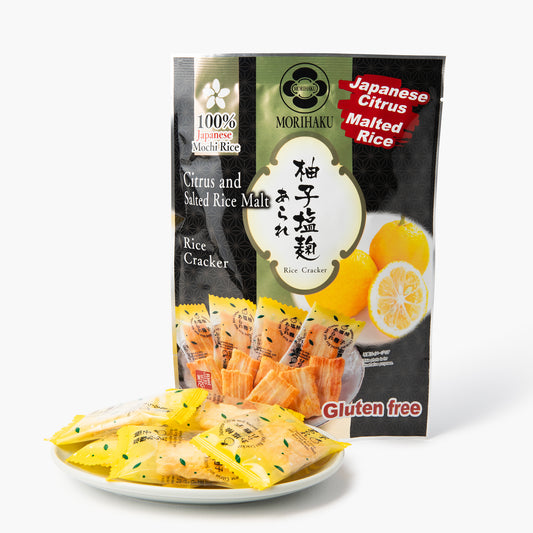
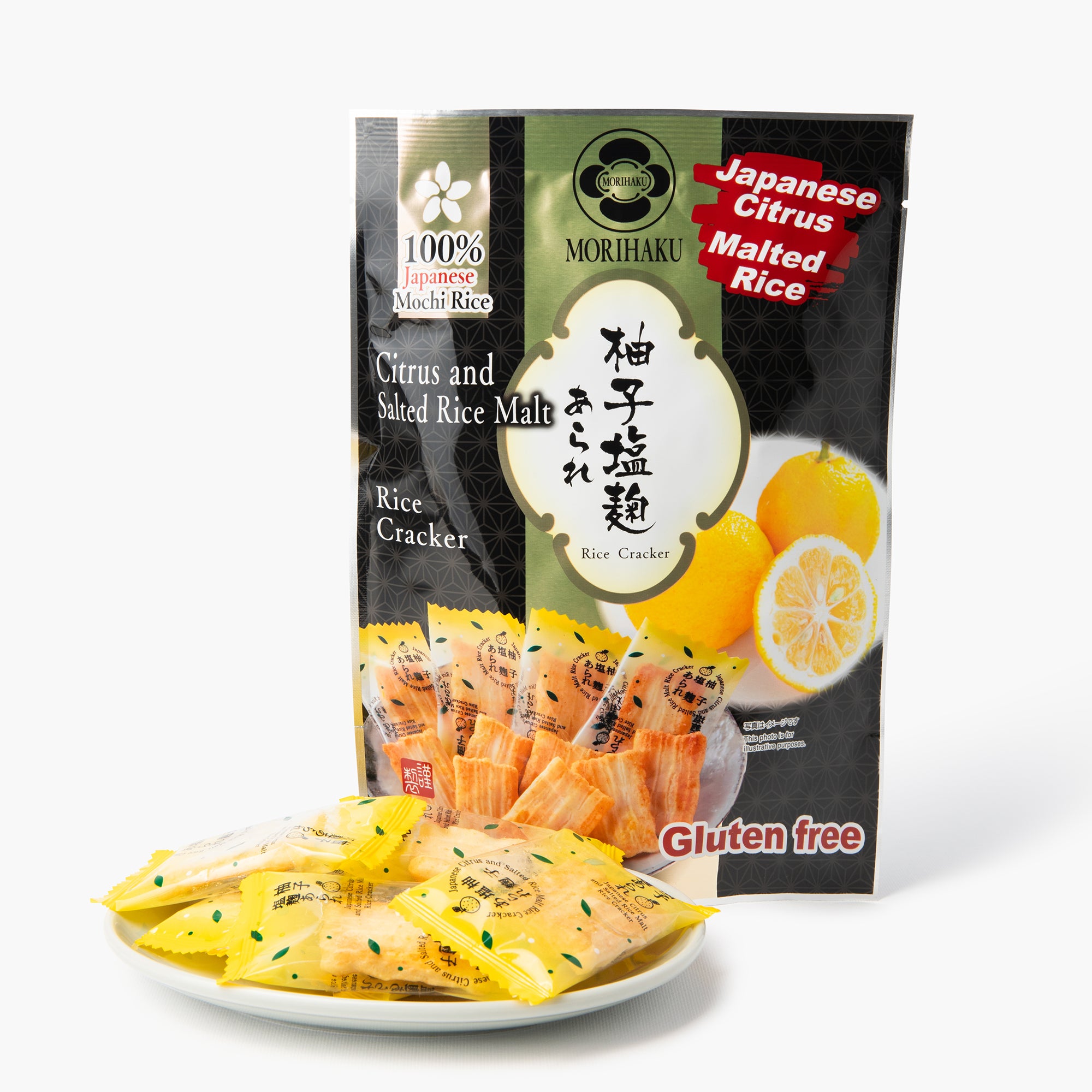
Yuzu arare crackers ⋅ Morihaku Seika ⋅ 32g
⋅ Made from puffed rice⋅ Fresh, tangy yuzu flavor and umami⋅ Perfect for appetizers⋅ Individually wrappedMade from puffed rice, these Japanese arare crackers, flavored with yuzu...
Regular price 6.65 €Promotional price 6.65 € Regular priceUnit price 207.81 € by kg

Gluten-free kinako biscuit ⋅ Nogi ⋅ 40g
•A light, healthy, gluten-free snack•Firm texture: the sweetness and umami of rice.•A simple, flavorful snack for any time of day.•Kinako flavorA crispy cracker made with whole...
Regular price 4.50 €Promotional price 4.50 € Regular priceUnit price 112.50 € by kg

Gluten-free black pepper snack stick ⋅ Nogi ⋅ 40g
• Savory black pepper sticks.• Gluten-free, suitable for strict diets.• A light and healthy snack.Savory black pepper-flavored rice sticks made from whole grain rice. Gluten-free, these...
Regular price 4.90 €Promotional price 4.90 € Regular priceUnit price 122.50 € by kg
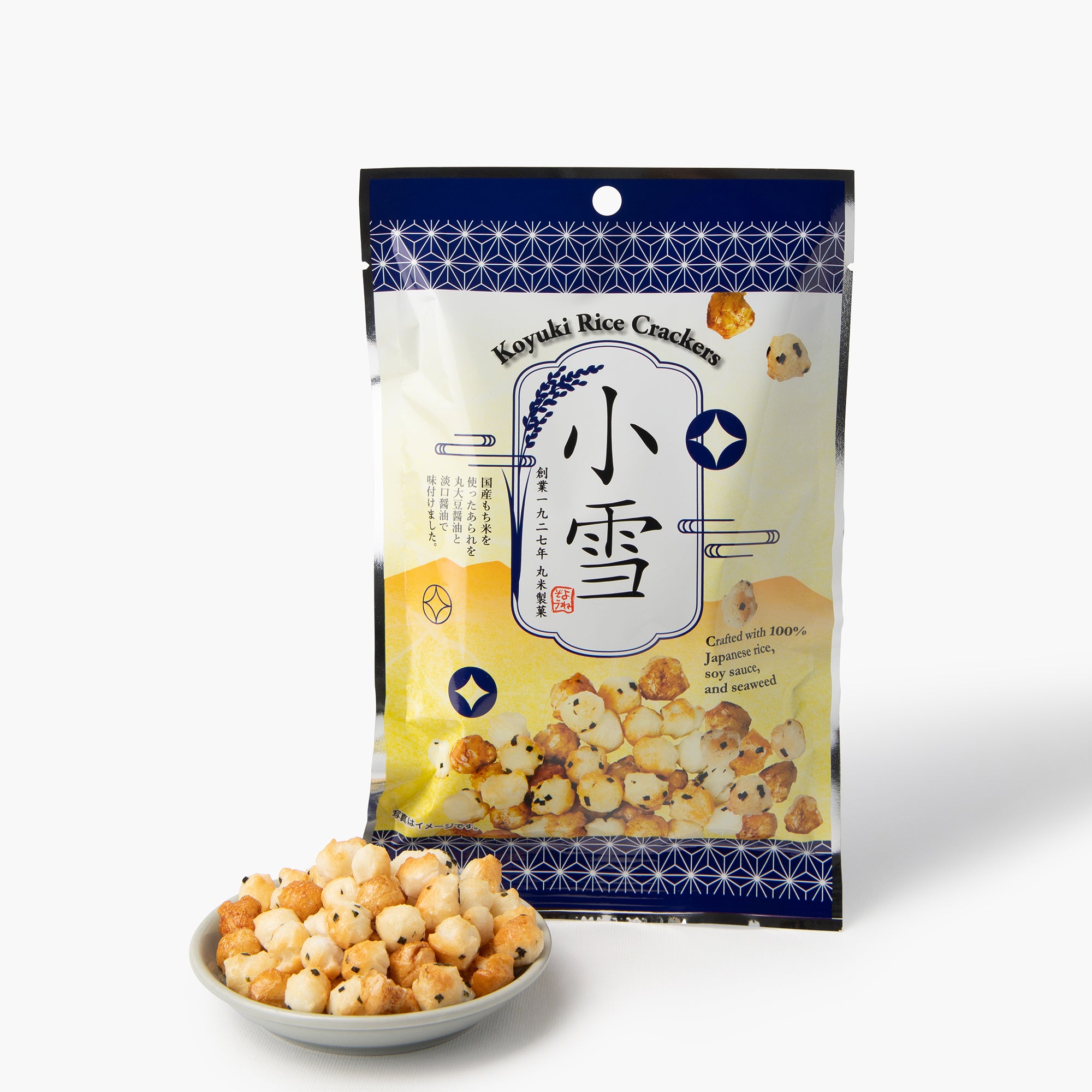
Koyuki seaweed rice crackers ⋅ Maruyone Seika ⋅ 45g
Made from puffed rice, these Japanese arare crackers, seasoned with soy sauce and nori seaweed, offer a light and ultra-crispy texture. Every bite offers a unique...
Regular price 4.50 €Promotional price 4.50 € Regular priceUnit price 100.00 € by kg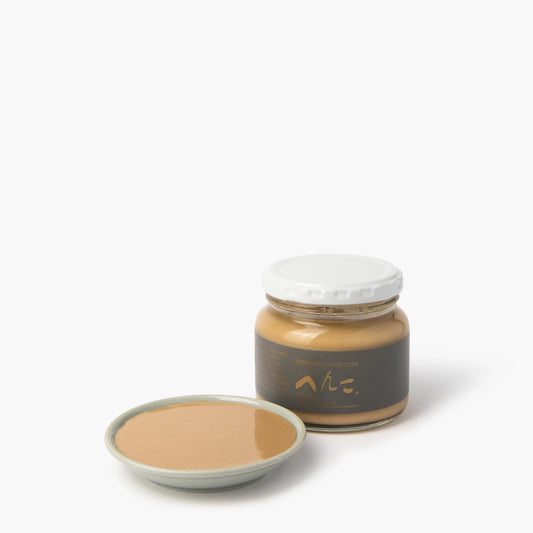
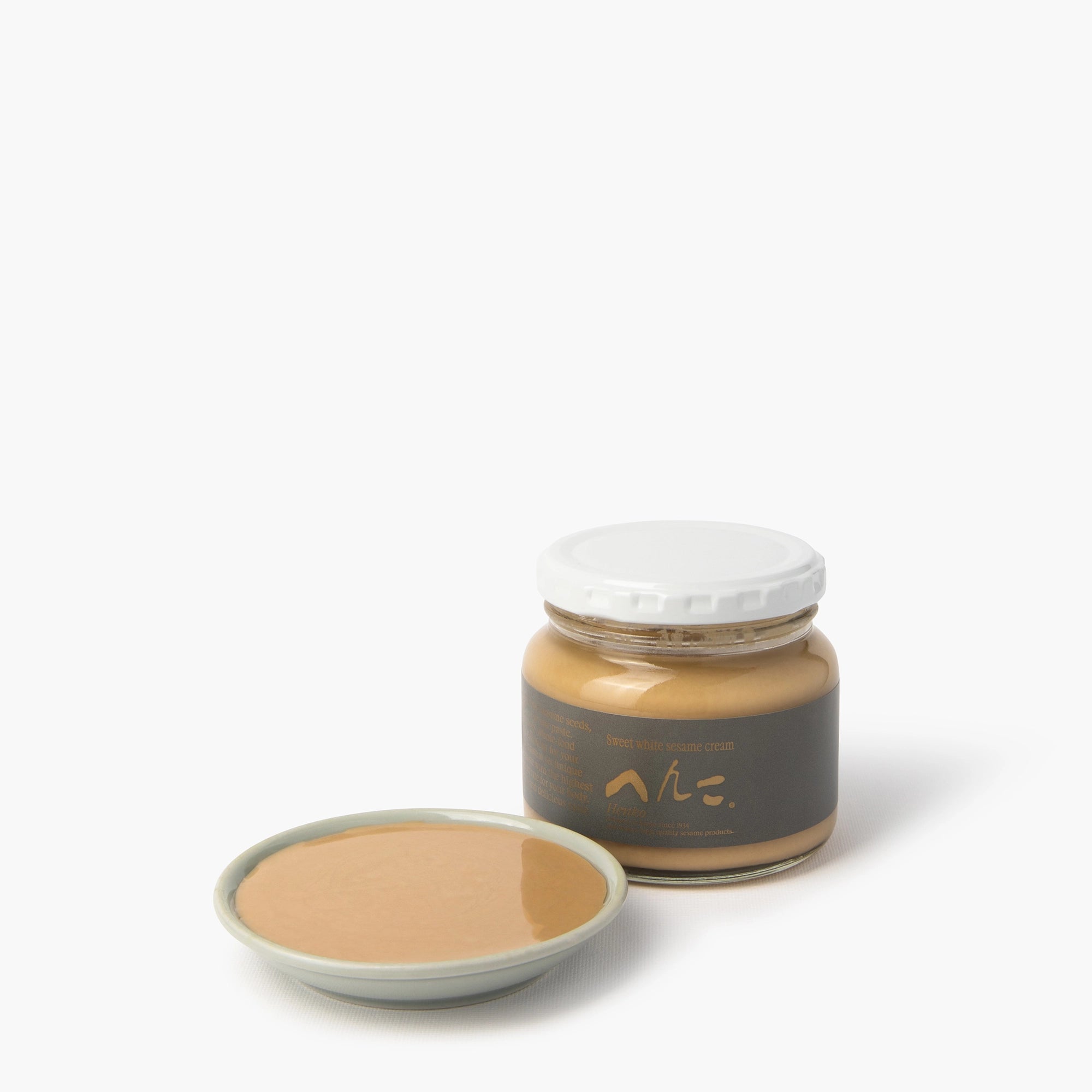
White sesame spread ⋅ Henko ⋅ 225g
• The perfect ingredient to enhance your pancakes• An intense toasted flavor and a creamy texture.• A nutrient-rich spreadA spread with a rich, toasty flavor, made...
Regular price 9.95 €Promotional price 9.95 € Regular priceUnit price 44.22 € by kg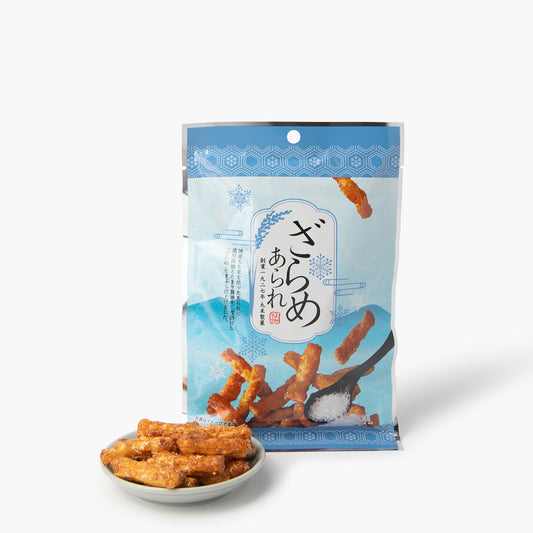
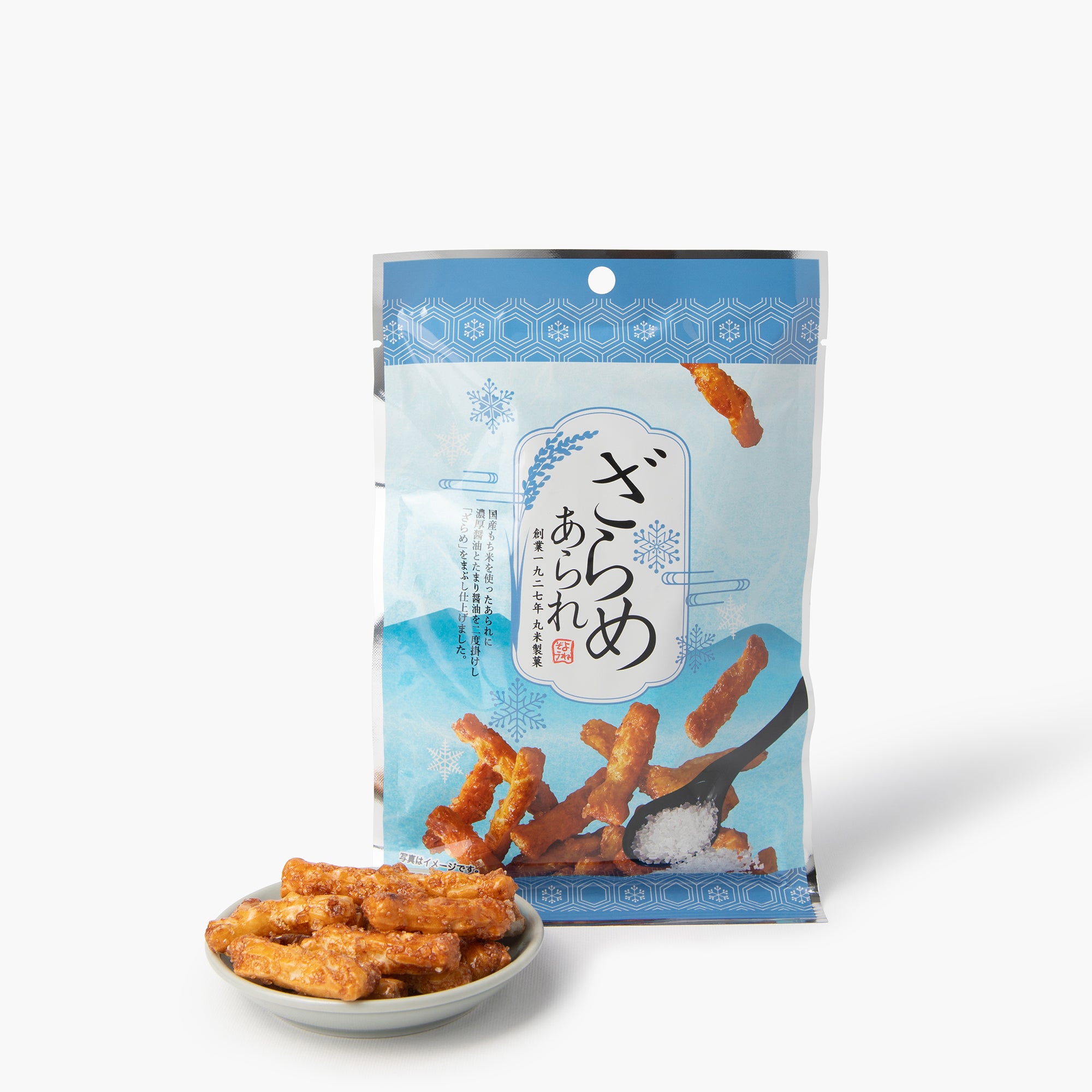
Sugar rice crackers ⋅ Maruyone Seika ⋅ 45g
Made from puffed rice, these Japanese arare crackers—seasoned with soy sauce, tamari sauce, and sugar crystals—offer a light and ultra-crispy texture. Every bite offers a unique...
Regular price 4.50 €Promotional price 4.50 € Regular priceUnit price 100.00 € by kg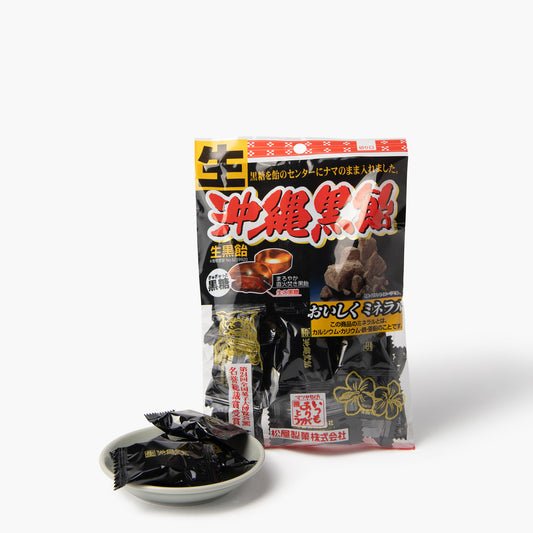
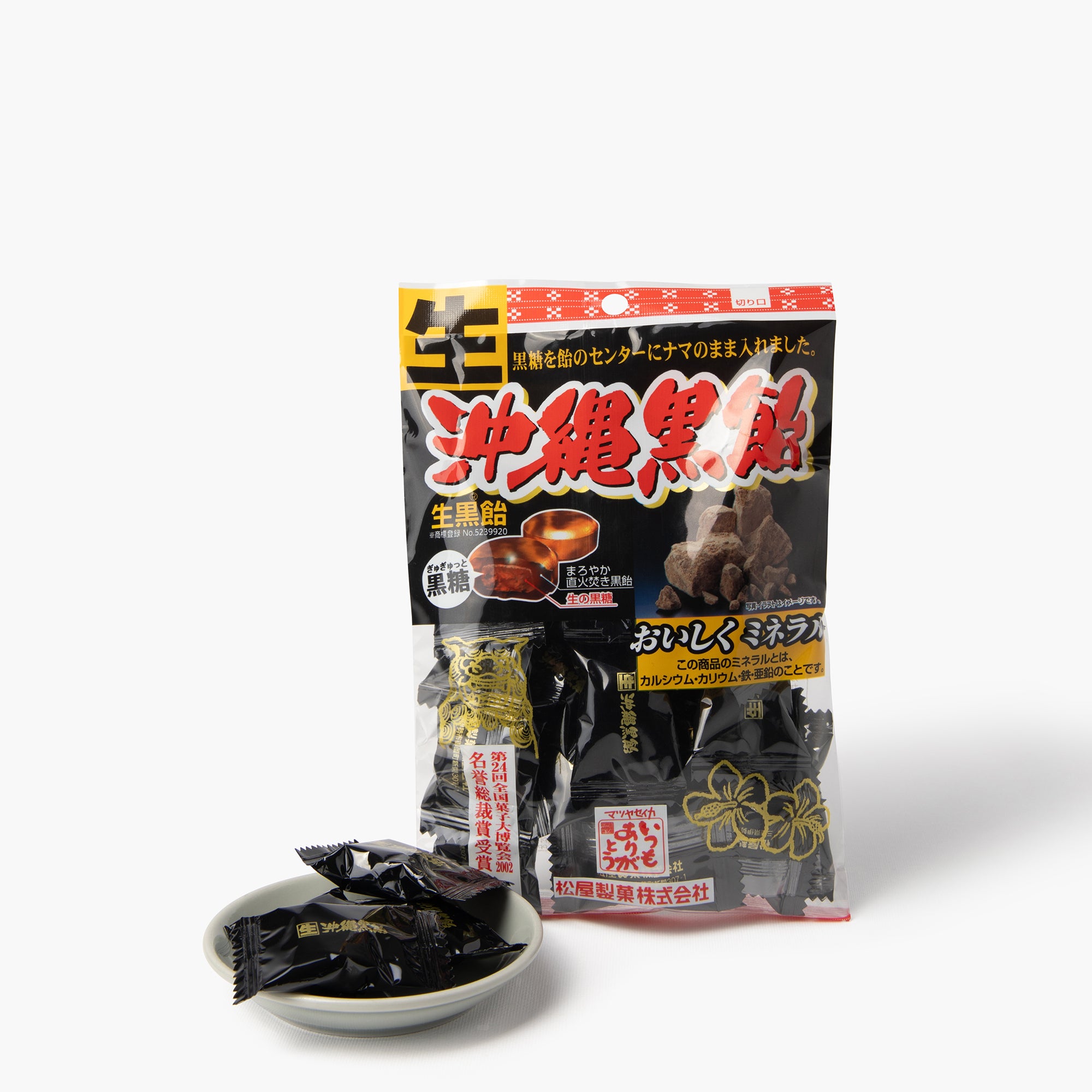
Okinawan brown sugar candies ⋅ Matsuya Seika ⋅ 126g
⋅ Made with Okinawan black sugar⋅ Crispy shell and melt-in-your-mouth center⋅ Perfect with a cup of black coffee⋅ Traditionally cooked in an open cauldronThese Japanese candies...
Regular price 3.70 €Promotional price 3.70 € Regular priceUnit price 29.37 € by kg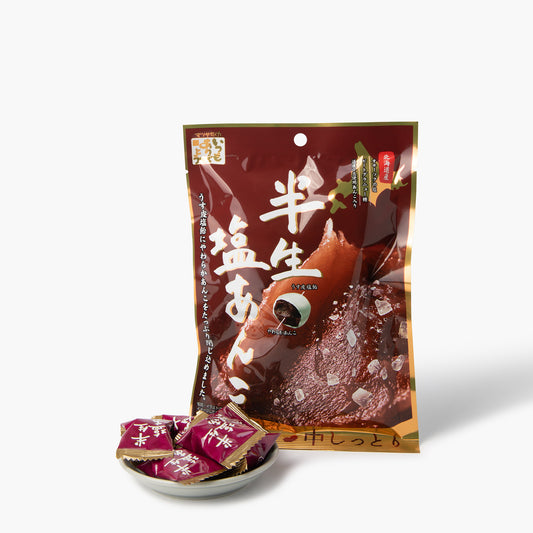
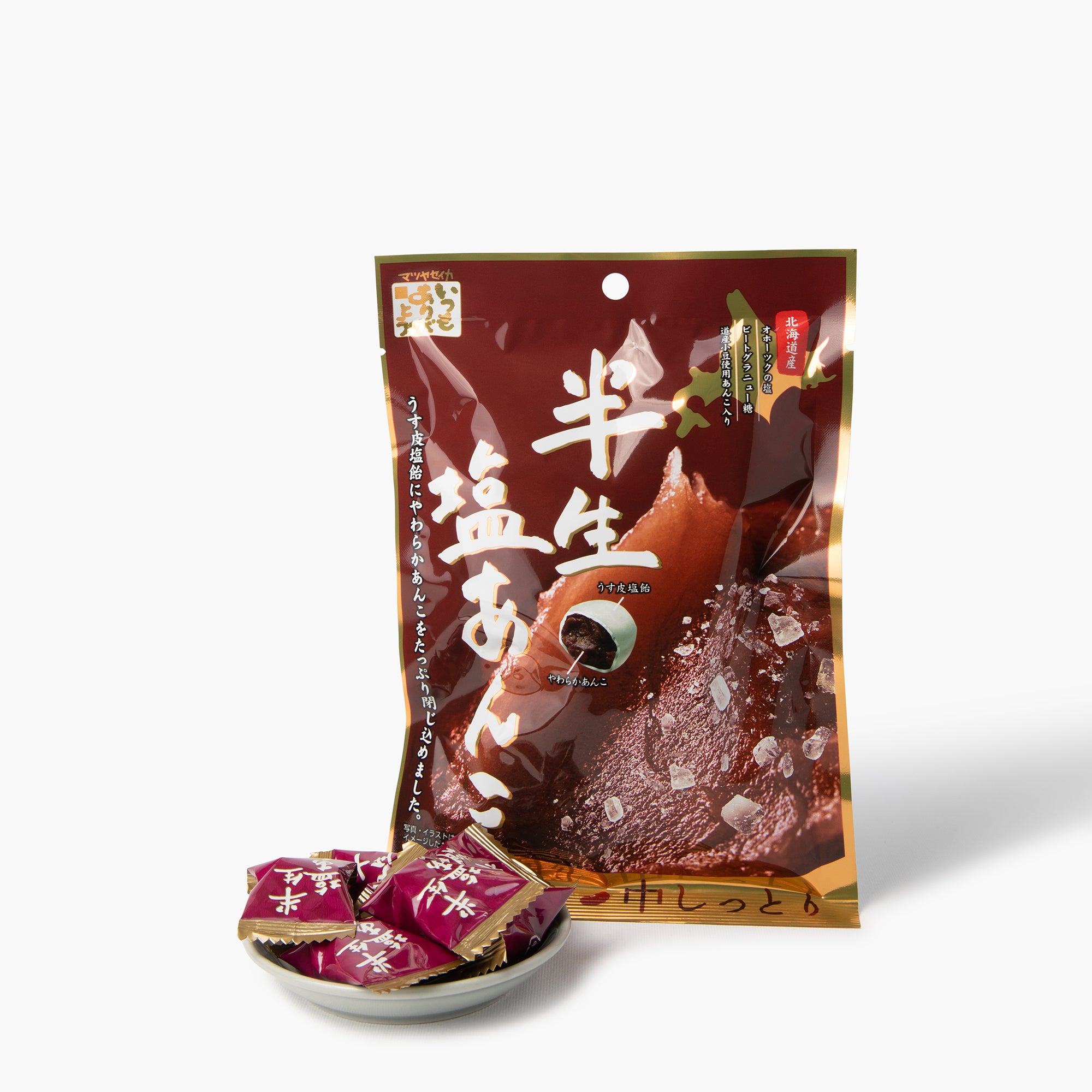
Red bean candies with a hint of salt ⋅ Matsuya Seika ⋅ 66g
⋅ Melt-in-your-mouth texture, sweet and umami flavor⋅ Delicately salty⋅ Handcrafted⋅ Perfect with a cup of genmaichaThese candies are inspired by shiruko, a traditional Japanese sweet soup...
Regular price 4.00 €Promotional price 4.00 € Regular priceUnit price 60.61 € by kg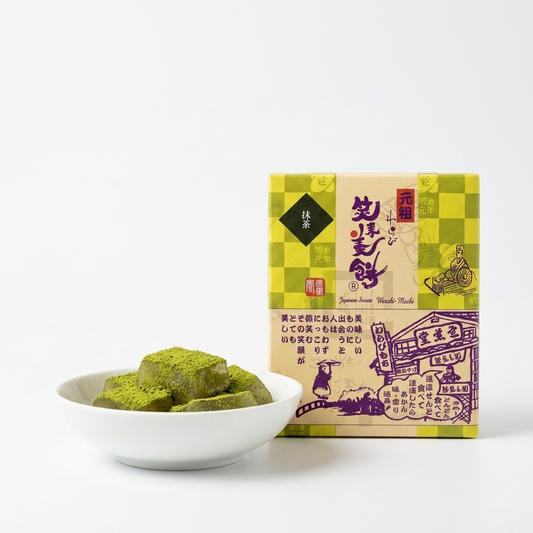
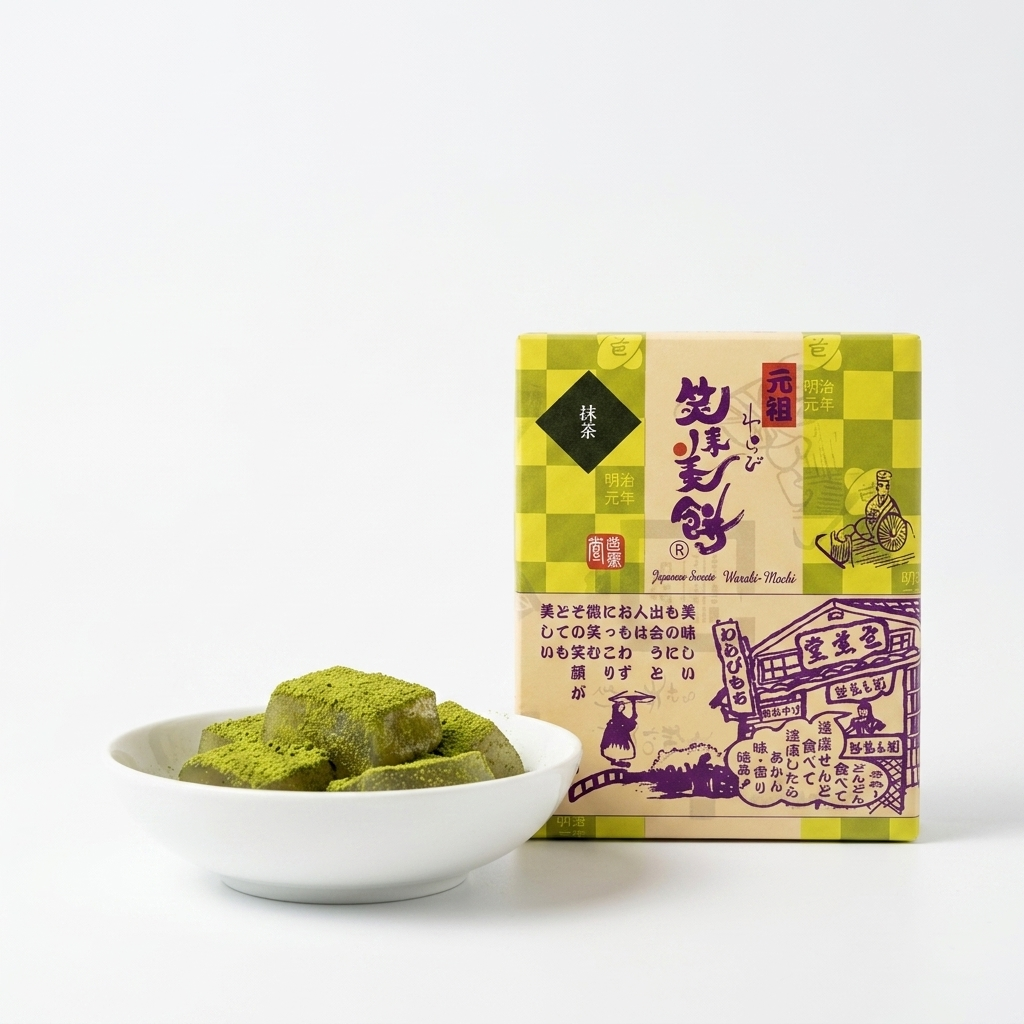
Warabi mochi with matcha and kinako ⋅ Bashodo ⋅ 200g
Regular price 16.65 €Promotional price 16.65 € Regular priceUnit price 83.25 € by kg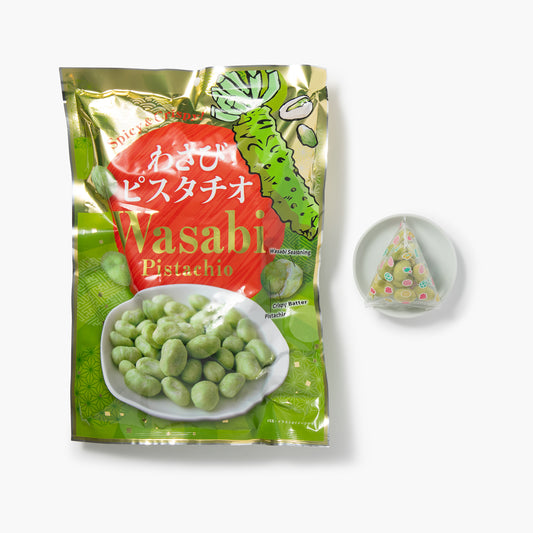
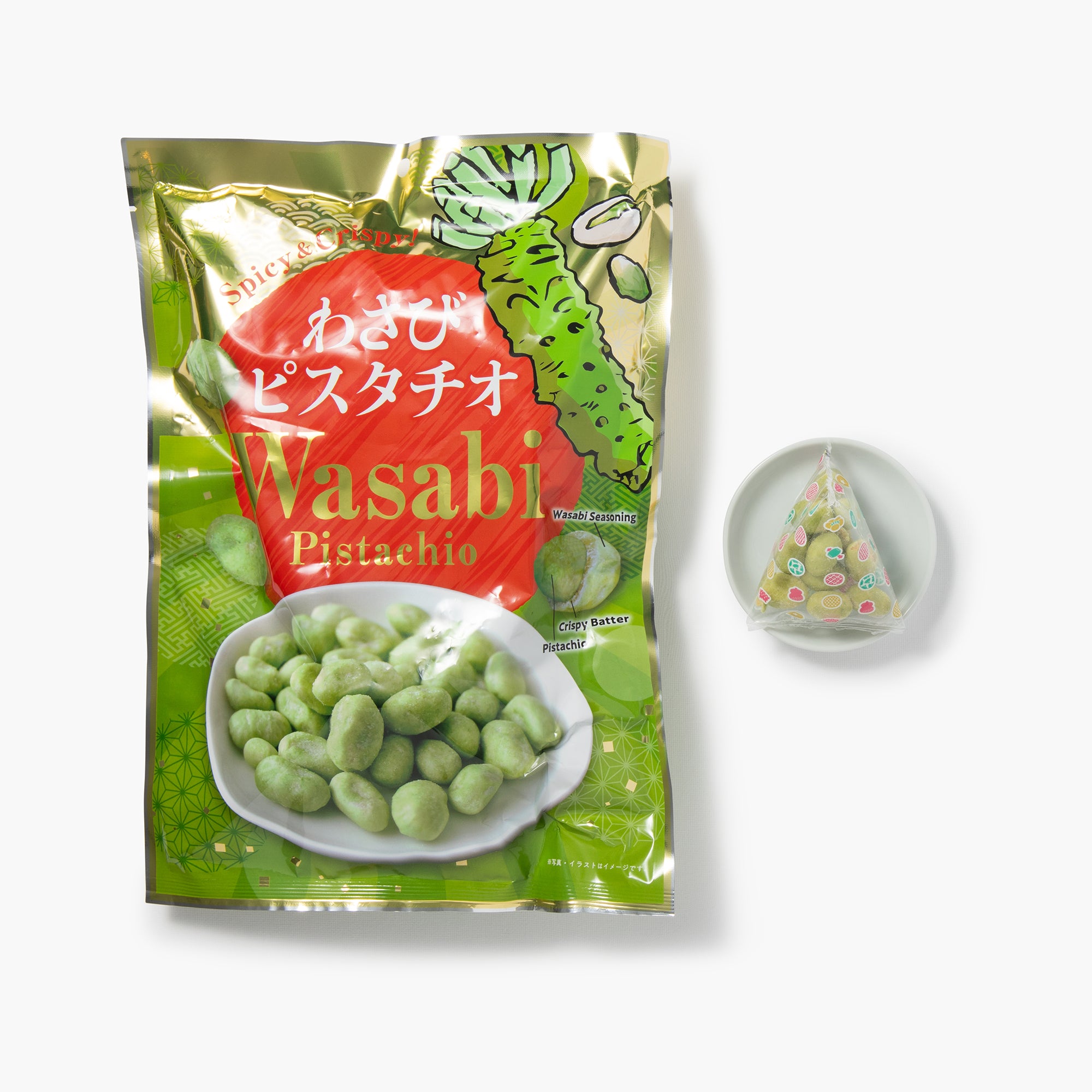
Wasabi pistachio snacks ⋅ Tokunaga Seika ⋅ 195g
⋅ Spicy and crunchy⋅ Wasabi pistachios⋅ Perfect as an appetizer or snack⋅ Delicious with a fruity sakeA gourmet snack with the distinctive taste of wasabi—that sharp,...
Regular price 19.50 €Promotional price 19.50 € Regular priceUnit price 100.00 € by kg

Warabi mochi with kuromitsu brown sugar syrup ⋅ Bashodo ⋅ 200g
Regular price 16.65 €Promotional price 16.65 € Regular priceUnit price 83.25 € by kg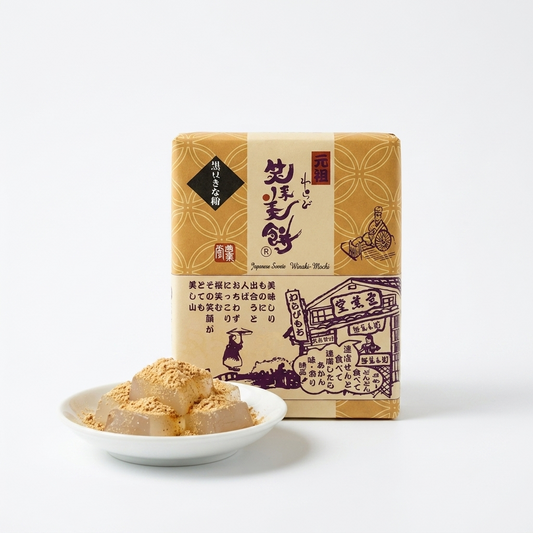
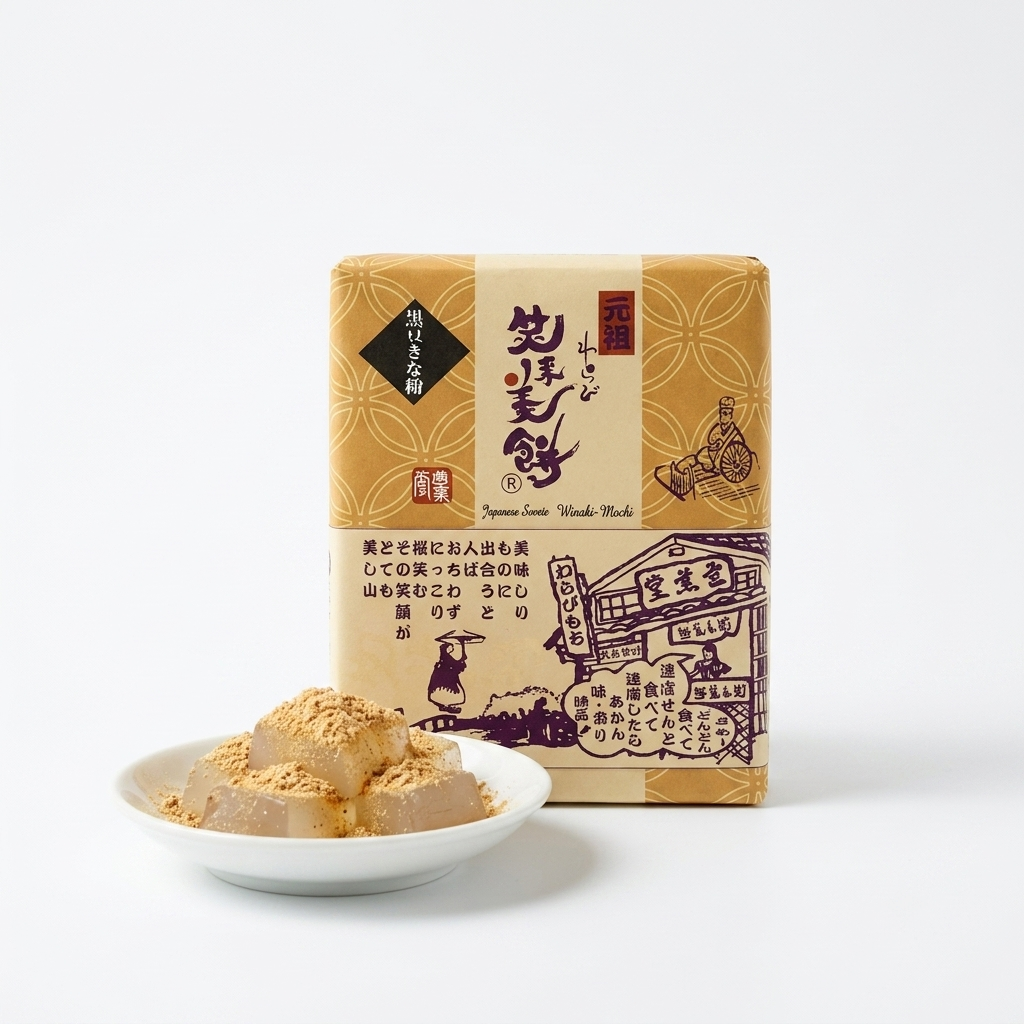
Warabi mochi with black kinako ⋅ Bashodo ⋅ 200g
Regular price 16.65 €Promotional price 16.65 € Regular priceUnit price 83.25 € by kg

Wasabi cashew snacks ⋅ Tokunaga Seika ⋅ 195g
⋅ Spicy and crunchy⋅ Wasabi cashews⋅ Perfect as an appetizer or snack⋅ Delicious with a beerA gourmet snack with the distinctive taste of wasabi. That sharp...
Regular price 19.80 €Promotional price 19.80 € Regular priceUnit price 101.54 € by kg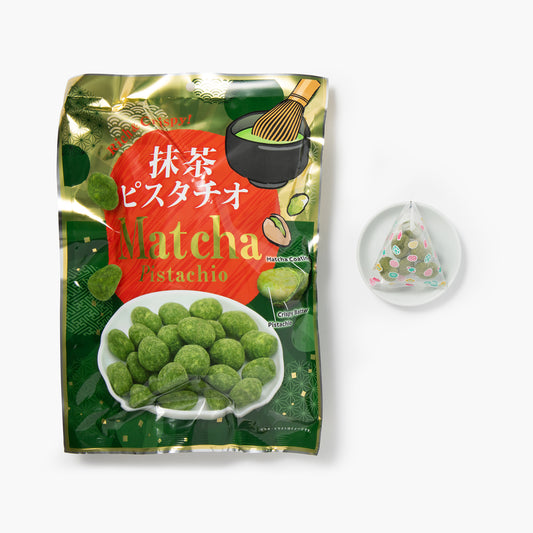
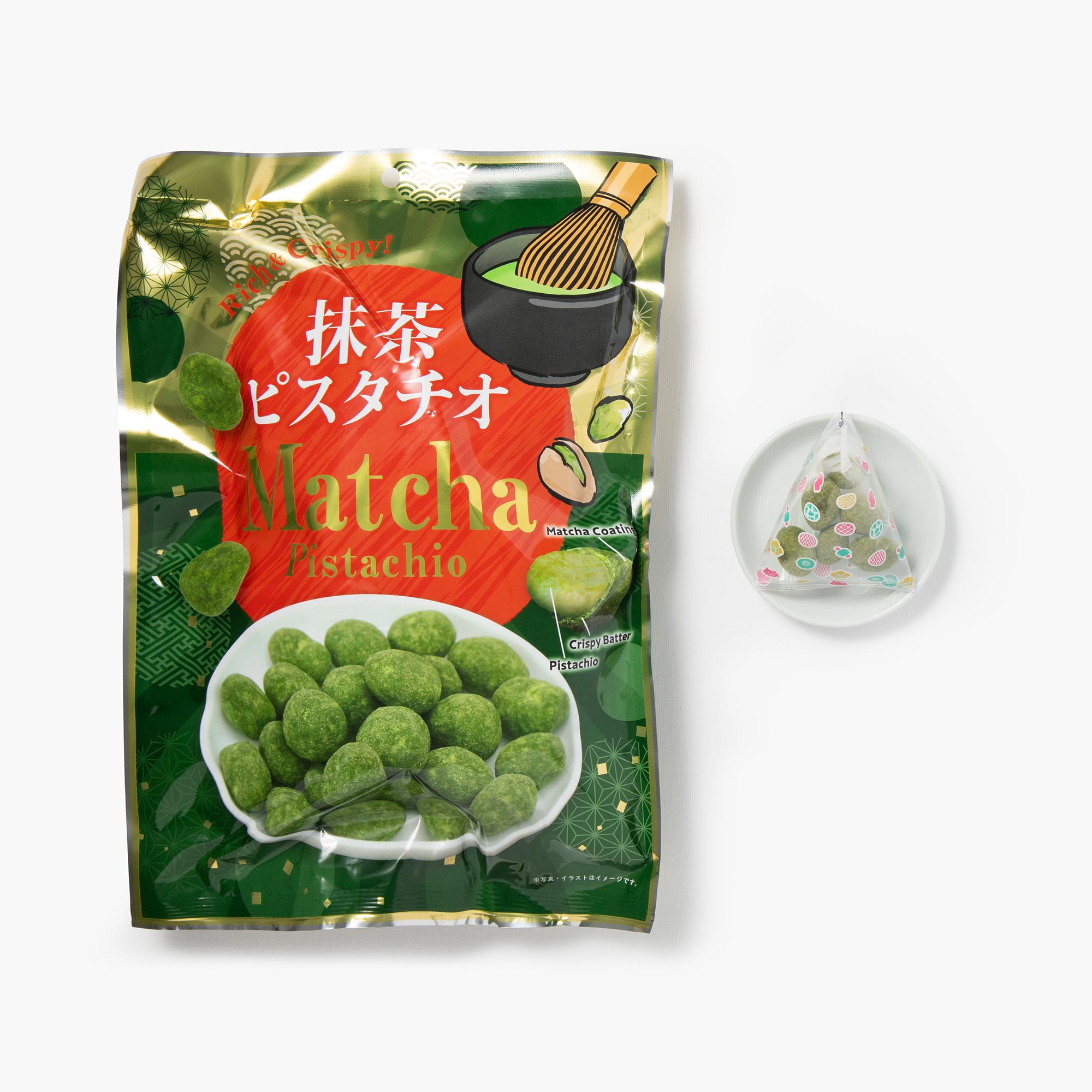
Matcha pistachio snacks ⋅ Tokunaga Seika ⋅ 195g
⋅ The subtle bitterness of matcha⋅ Perfect as a snack⋅ Delicious with coffee or black teaA refined snack that combines the intense aroma of matcha with...
Regular price 19.50 €Promotional price 19.50 € Regular priceUnit price 100.00 € by kg

Warabi mochi with cocoa and kinako ⋅ Bashodo ⋅ 200g
Regular price 16.65 €Promotional price 16.65 € Regular priceUnit price 83.25 € by kg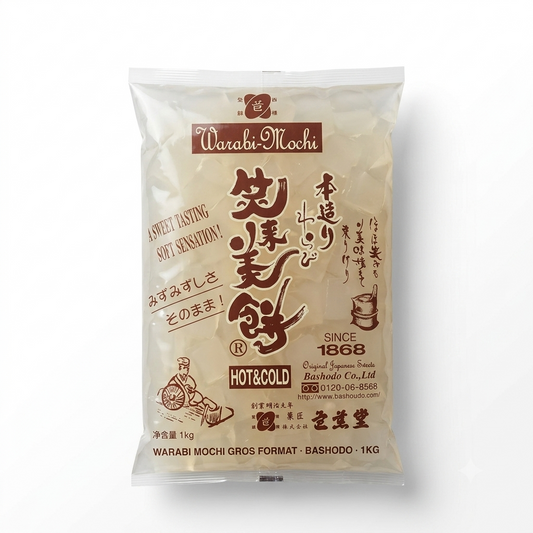
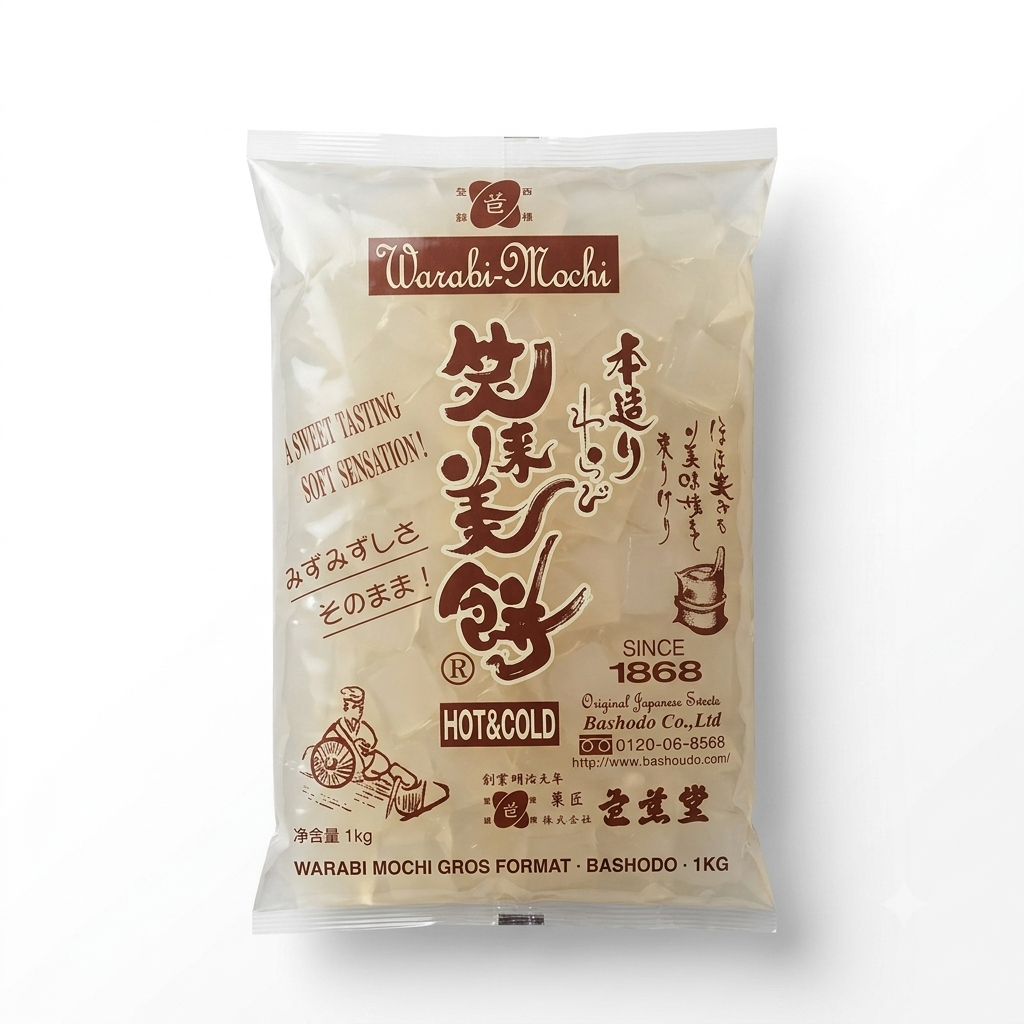
Large-format warabi mochi ⋅ Bashodo ⋅ 1kg
Regular price 20.00 €Promotional price 20.00 € Regular priceUnit price 20.00 € by kgLearn more about Japanese snacks
What are the most popular Japanese snacks?
The most popular Japanese snacks include:
- Pocky: Sticks coated in chocolate or other flavors.
- Mochi: A pastry made from glutinous rice, sometimes filled with red bean paste.
- Japanese Kit-Kat: Available in a wide variety of unique flavors, such as matcha green tea.
- Senbei: Crisp rice crackers, often savory or sweet.
- Dango: Glutinous rice dumplings served on a skewer and sometimes topped with sweet sauce.
What is the difference between Japanese snacks and Western snacks?
Japanese snacks stand out for their variety of unique flavors, often inspired by traditional Japanese ingredients such as green tea, sesame, and soy. Unlike Western snacks, which are often sweeter or saltier, Japanese snacks explore umami and sweet-and-savory flavors, along with a range of textures, from soft (like mochi) to crunchy (like senbei).
What are the typical ingredients in Japanese snacks?
The typical ingredients in Japanese snacks include:
- Rice: A base for many snacks such as senbei and mochi.
- Soy: Used as a paste (miso), soy sauce, or flour (kinako).
- Seaweed: Nori or kombu, often used in savory snacks.
- Red beans (azuki): Used to make the sweet paste for dorayaki or mochi.
- Matcha (green tea): A key ingredient for flavoring candies and pastries.
Which Japanese snacks are the least sweet?
Less sweet Japanese snacks include:
- Senbei: Rice crackers that are often savory rather than sweet.
- Arare: Small rice crackers, sometimes lightly salted or spicy.
- Nori: Dried seaweed, sometimes seasoned, but rarely sweet.
- Dried edamame: Dried green soybeans, a healthy, low-sugar option.


