


Collection: Vegetables, mushrooms, pickles, beans, konjac
Marinated, dried, fermented… In all their forms, vegetables and mushrooms play a prominent role in Japanese cuisine, which is renowned for being very healthy. They are often processed to extend their shelf life: as tsukemono (pickles in brine) or dried.


-


Pickled ginger in vinegar ⋅ Daruma ⋅ 100g
⋅ Very thin slices of pickled ginger⋅ Delicious with sushi and maki⋅ Tangy and slightly spicy flavor⋅ The perfect accompaniment to your rice bowls, bento boxes,...
Regular price 2.20 €Promotional price 2.20 € Regular priceUnit price 22.00 € by kg

Pink pickled ginger in vinegar ⋅ Daruma ⋅ 100g
⋅ Very thin slices of pink pickled ginger⋅ Delicious with sushi and maki⋅ Tangy and slightly spicy flavor⋅ The perfect accompaniment to your rice bowls, bento...
Regular price 2.20 €Promotional price 2.20 € Regular priceUnit price 22.00 € by kg

Silken tofu ⋅ J-Basket ⋅ 300g
High in protein, its soft texture makes it ideal for soups and broths.
Regular price 2.40 €Promotional price 2.40 € Regular priceUnit price 8.00 € by kg

Kinako soybean flour ⋅ Kota shoten ⋅ 150g
⋅ Perfect for desserts, pastries, fried foods, or meatballs⋅ Gluten-free⋅ Adds crispness and creaminess depending on how it’s used⋅ A natural source of fiber and plant-based...
Regular price 4.40 €Promotional price 4.40 € Regular priceUnit price 29.33 € by kg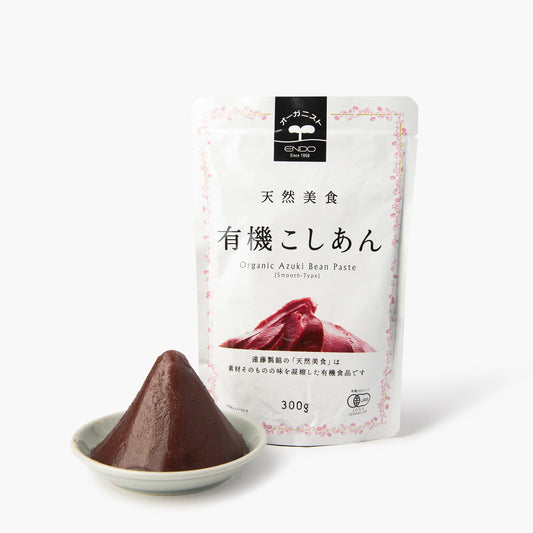
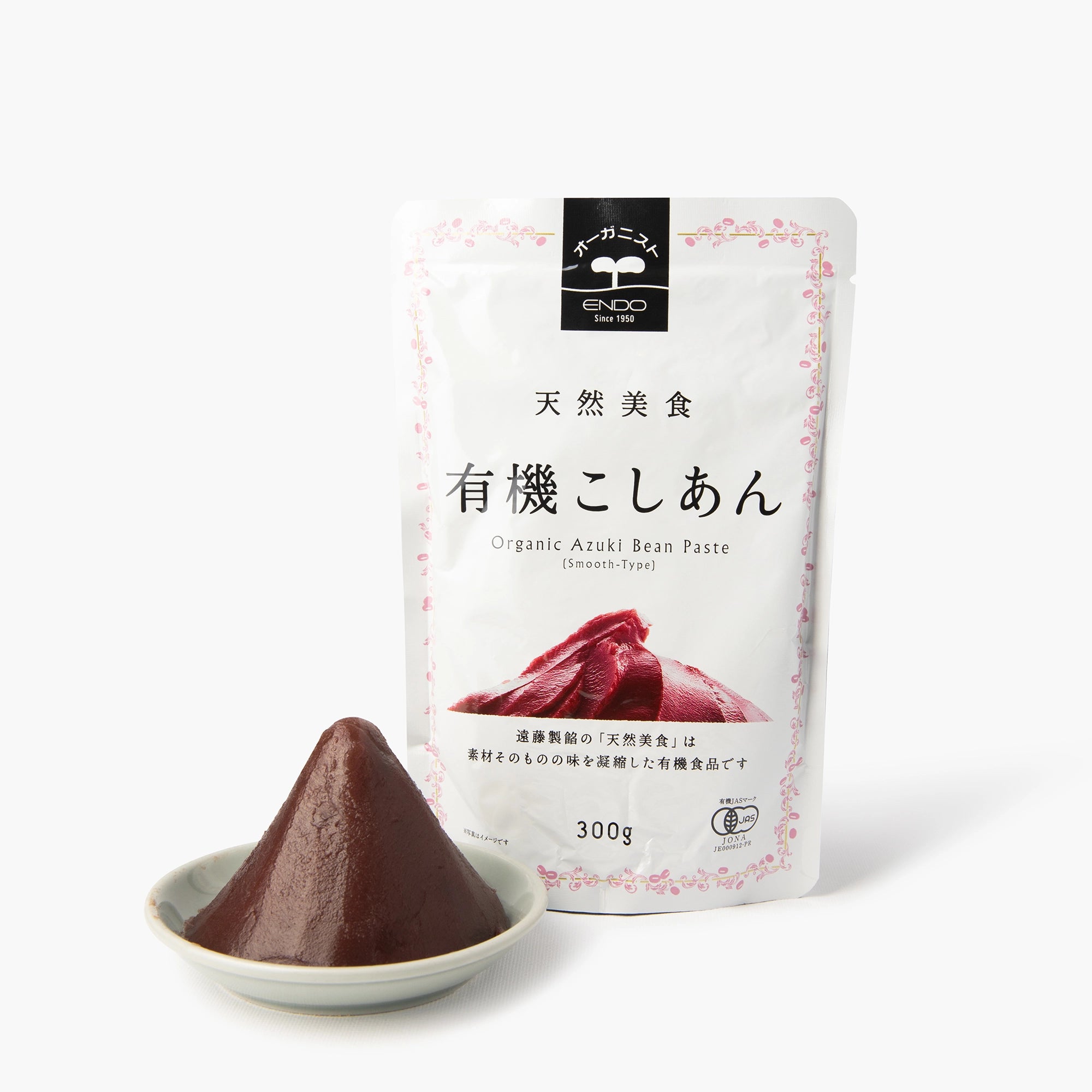
Azuki red bean anko paste ⋅ Endo Seian ⋅ 300g
⋅ Smooth, melt-in-your-mouth texture, easy to use⋅ Sweet taste reminiscent of chestnuts⋅ Perfect for mochi, dorayaki, manju, or homemade desserts⋅ Delicious on toast, yogurt, or ice...
Regular price 8.00 €Promotional price 8.00 € Regular priceUnit price 26.67 € by kg

Dehydrated julienned daikon radish ⋅ Tanaka Bussan ⋅ 30g
⋅ Dried daikon radish, julienned, with a spicy and refreshing flavor⋅ A delicate texture that’s pleasant on the palate⋅ Delicious as a topping for rice bowls,...
Regular price 3.20 €Promotional price 3.20 € Regular priceUnit price 106.67 € by kg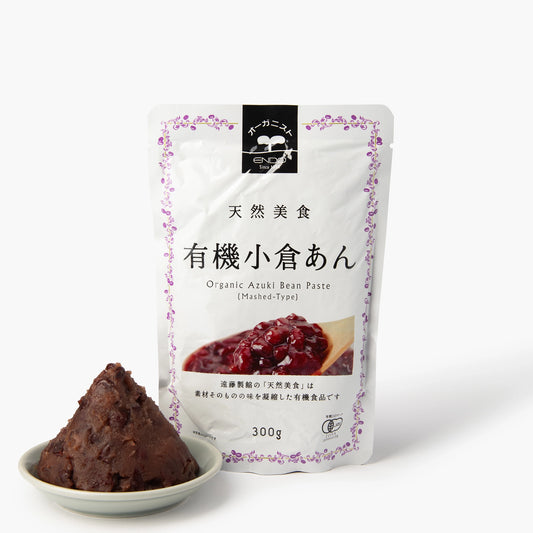
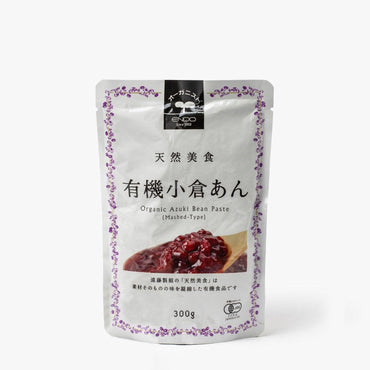
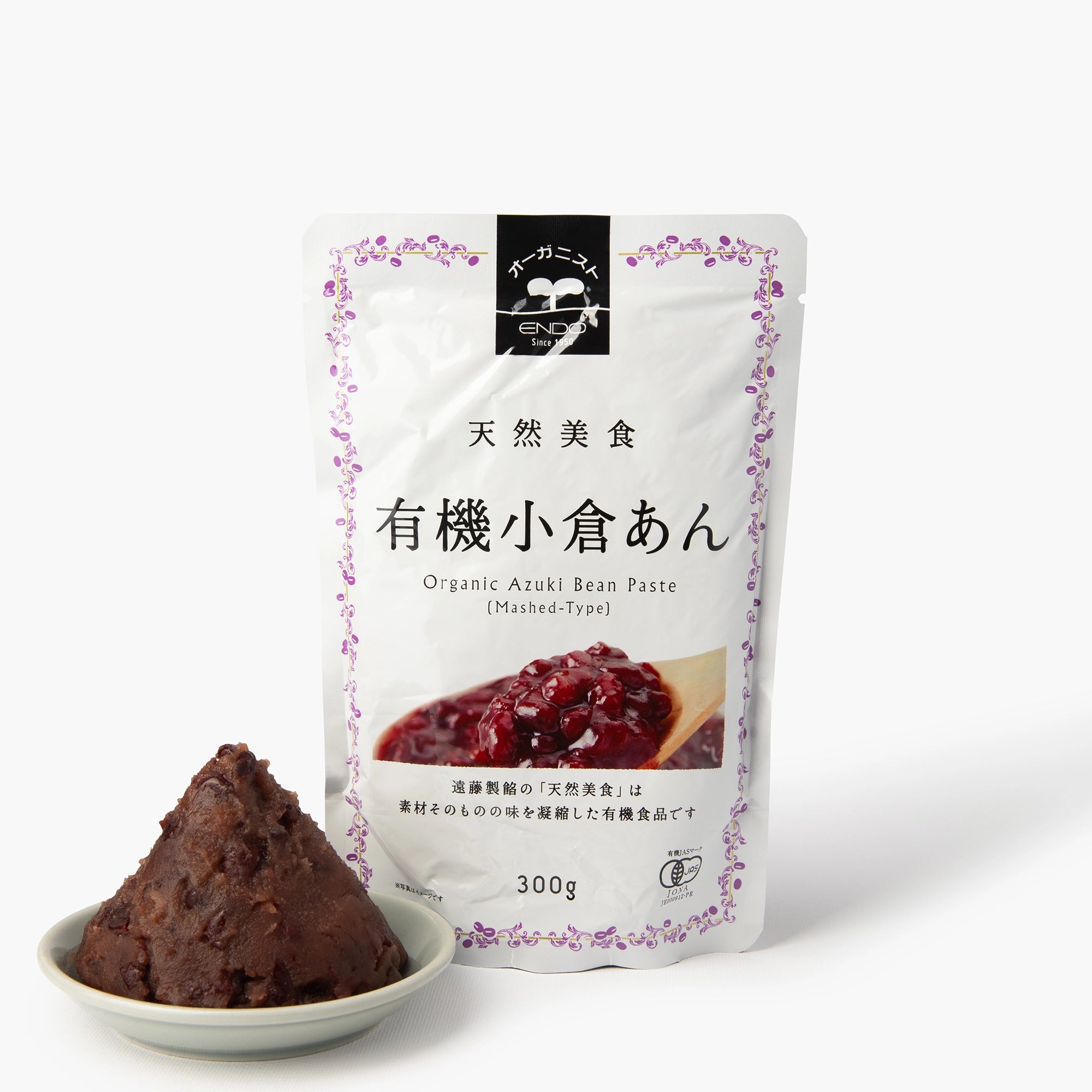
Chunky azuki red bean anko paste ⋅ Endo Seian ⋅ 300g
⋅ Mild flavor reminiscent of chestnuts⋅ Perfect for dorayaki, mochi, or manju⋅ Delicious on toast, yogurt, or desserts⋅ Rich in fiber and mineralsThis azuki red bean...
Regular price 8.00 €Promotional price 8.00 € Regular priceUnit price 26.67 € by kg

Black Soybean Kinako Powder ⋅ Namisato ⋅ 100g
⋅ Hokkaido black soybean powder with a roasted, slightly bitter flavor⋅ More intense flavors than traditional kinako⋅ Ideal for mochi, ice cream, smoothies, or savory dishes⋅...
Regular price 4.90 €Promotional price 4.90 € Regular priceUnit price 49.00 € by kg

Firm tofu ⋅ Morinaga ⋅ 307g
Made from soy milk, firm tofu is an excellent source of nutrients and protein and a healthy option for vegetarians. It has a firm, slightly dense...
Regular price 3.90 €Promotional price 3.90 € Regular priceUnit price 12.70 € by kg

Boiled Azuki Beans ⋅ Tanaka Bussan ⋅ 250g
⋅ Hokkaido azuki beans, renowned for their quality⋅ Mild and sweet flavor, with a melt-in-your-mouth texture⋅ Perfect for traditional desserts (daifuku, dorayaki) or savory dishes⋅ An...
Regular price 4.75 €Promotional price 4.75 € Regular priceUnit price 19.00 € by kg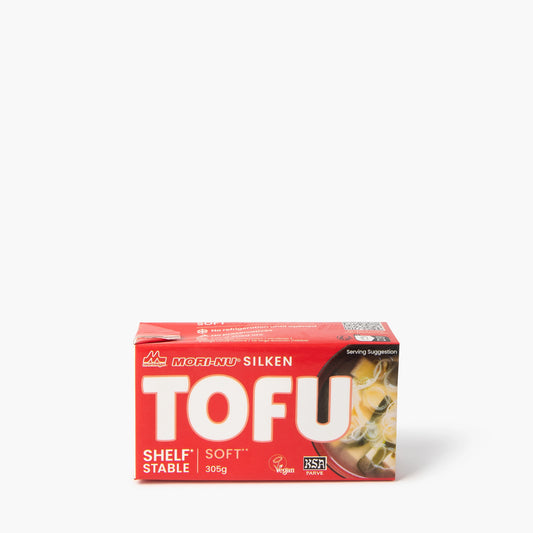
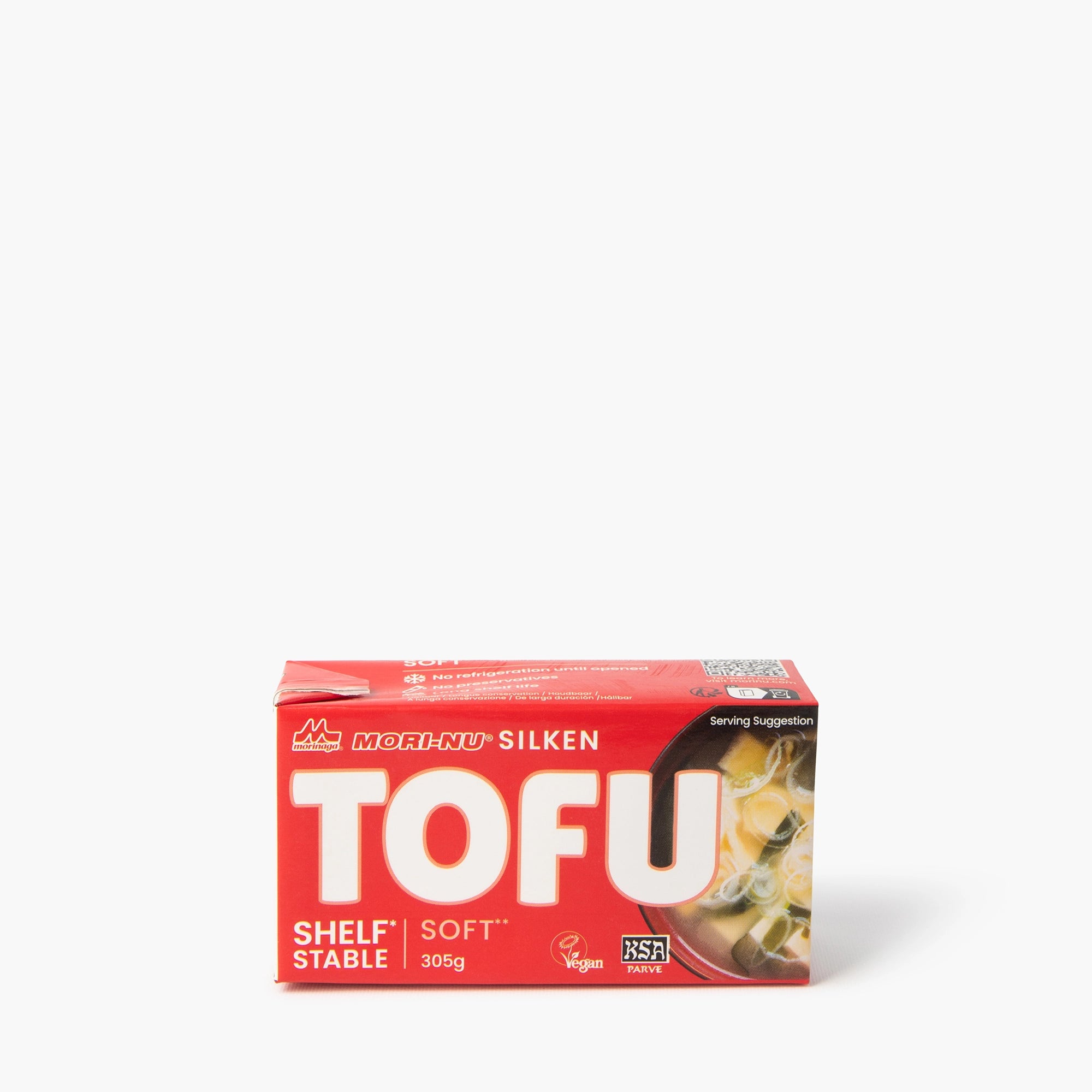
Silken tofu ⋅ Morinaga ⋅ 305g
Made from soy milk, silken tofu is an excellent source of nutrients and protein and a healthy option for vegetarians. It has a silky, creamy texture...
Regular price 3.50 €Promotional price 3.50 € Regular priceUnit price 11.48 € by kg

Hokkaido Black Soybeans ⋅ Tanaka Bussan ⋅ 250g
⋅ Black soybeans from Hokkaidō, rich in protein and fiber⋅ Firm yet tender texture⋅ Delicious in soups, salads, stews, or desserts⋅ A healthy and versatile ingredient...
Regular price 5.15 €Promotional price 5.15 € Regular priceUnit price 20.60 € by kg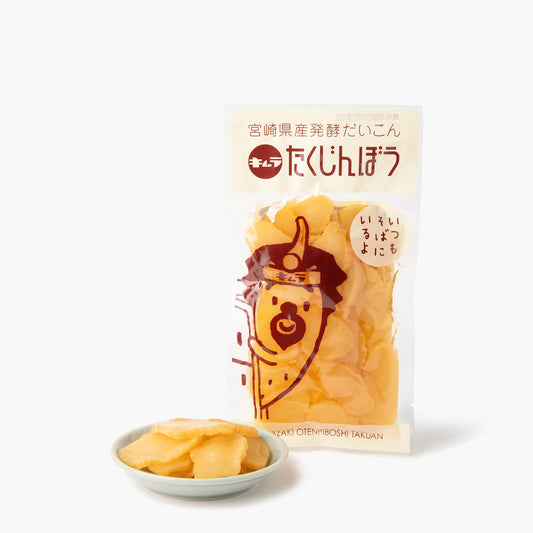
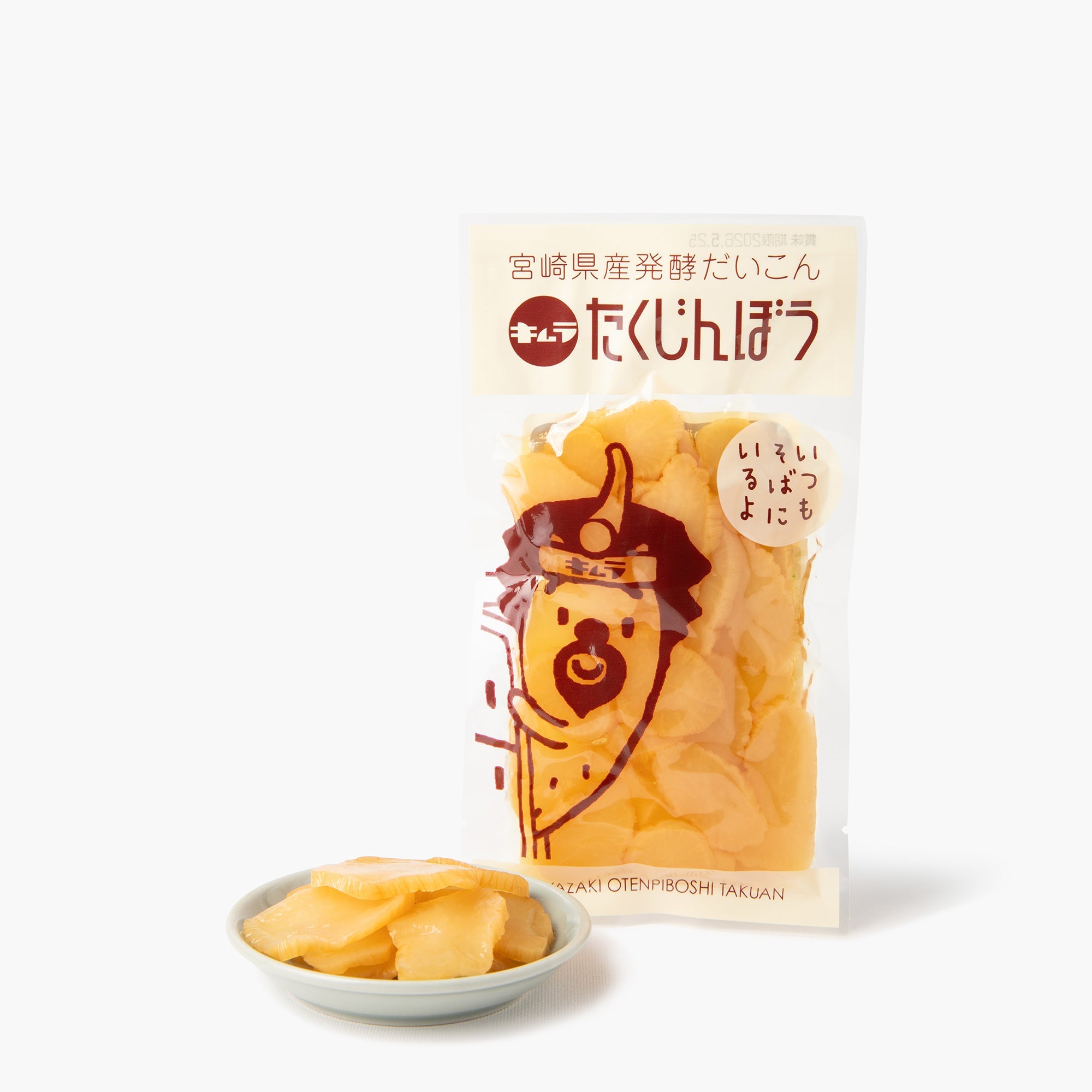
Miyazaki pickled daikon radish takuan ⋅ Kimura Tsukemono ⋅ 60g
⋅ Handcrafted in Miyazaki Prefecture⋅ It has a crisp texture and a delicately sweet, umami-rich flavor⋅ No additives⋅ Perfect as a side dish with rice or...
Regular price 3.90 €Promotional price 3.90 € Regular priceUnit price 65.00 € by kg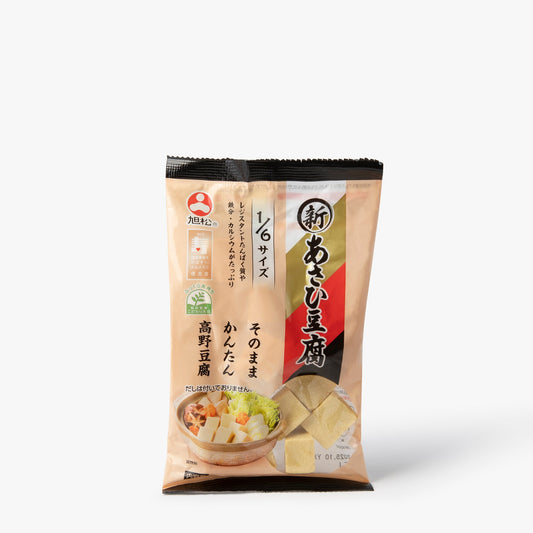
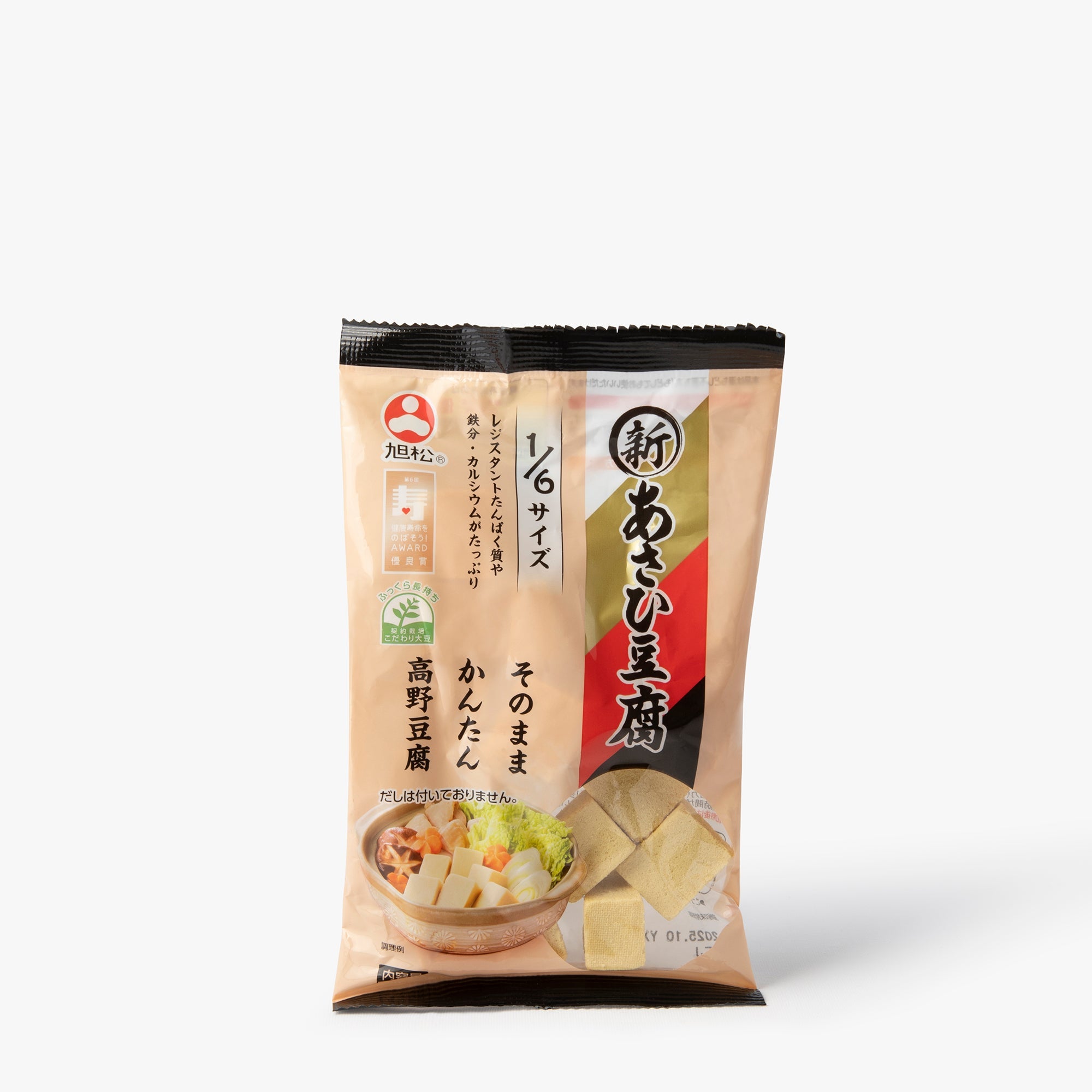
Dehydrated tofu blocks ⋅ Asahimatsu Shokuhin ⋅ 49.5g
⋅ Long-shelf-life tofu⋅ Versatile in the kitchen: soups, stews, and oden recipes⋅ Ready to use—no rehydration requiredThis next-generation freeze-dried tofu, made from soybeans rich in oleic...
Regular price 2.50 €Promotional price 2.50 € Regular priceUnit price 50.51 € by kg

Hokkaido Soybeans ⋅ Tanaka Bussan ⋅ 250g
⋅ Hokkaido soybeans, rich in protein and fiber⋅ Sweet flavor and melt-in-your-mouth texture when cooked⋅ Perfect for miso soup, natto, stews, or salads⋅ A healthy and...
Regular price 3.55 €Promotional price 3.55 € Regular priceUnit price 14.20 € by kg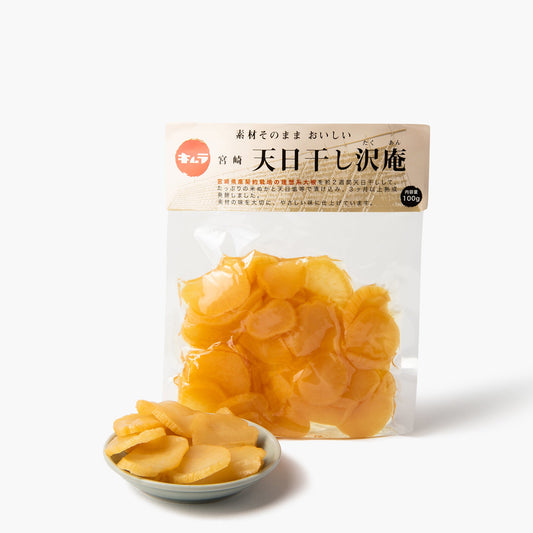
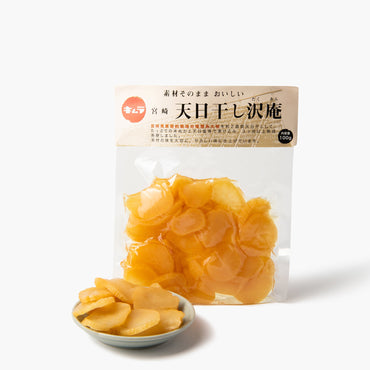
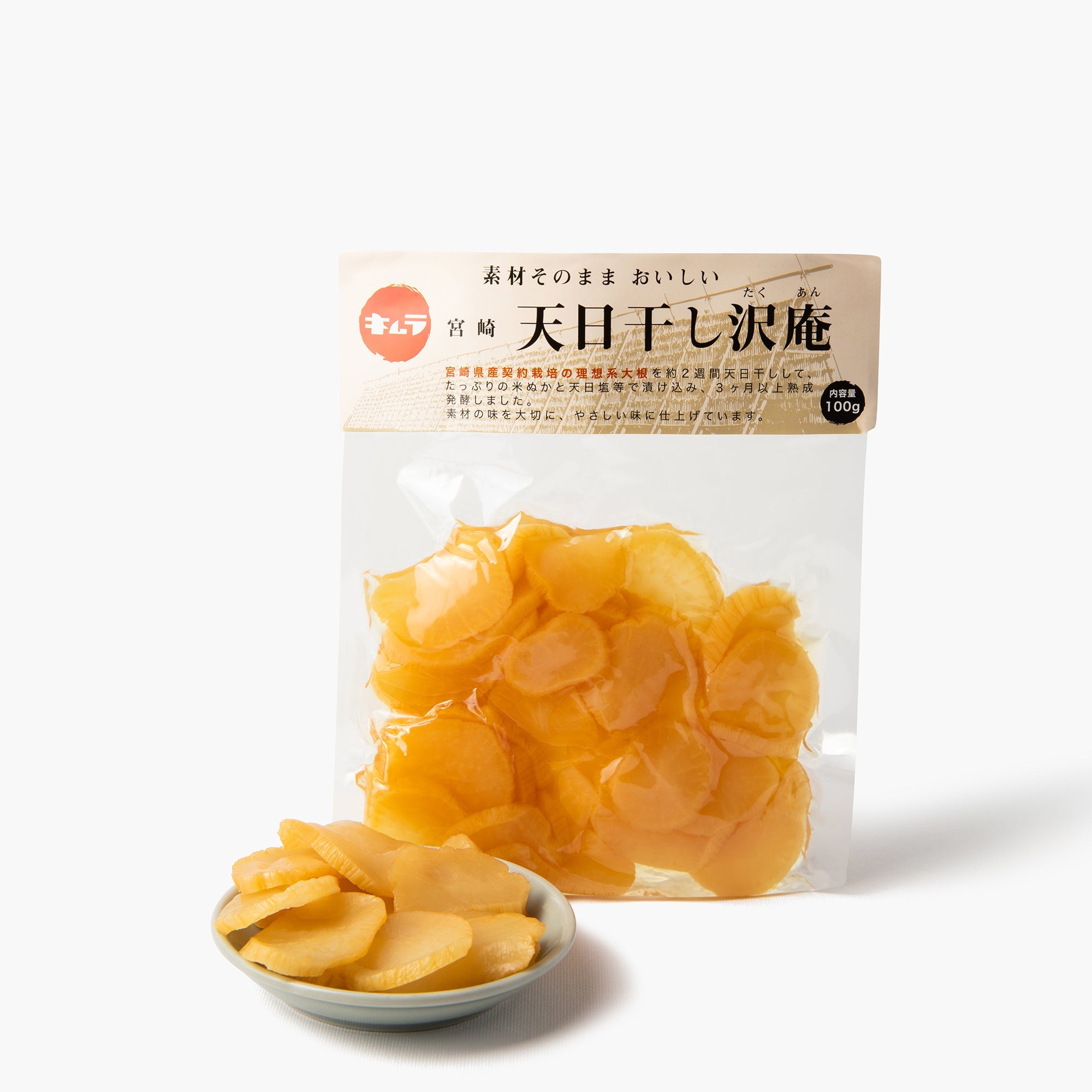
Sun-dried pickled daikon radish takuan ⋅ Kimura Tsukemono ⋅ 100g
⋅ Handcrafted in Miyazaki Prefecture⋅ Sun-dried⋅ It has a crunchy texture and a sweet, delicately umami flavor with toasty notes⋅ A staple of Japanese cuisine⋅ Perfect...
Regular price 4.50 €Promotional price 4.50 € Regular priceUnit price 45.00 € by kg


Hokkaido azuki red bean anko paste ⋅ Maeda ⋅ 360g
⋅ Made with Hokkaido azuki beans⋅ A rich, sweet flavor with a delicate texture⋅ Perfect for making Japanese sweets like daifuku mochi or nerikiri⋅ Use as...
Regular price 5.40 €Promotional price 5.40 € Regular priceUnit price 15.00 € by kg

Extra-firm tofu ⋅ Morinaga ⋅ 308g
• Dense and firm texture, perfect for cooking.• Ideal for stir-fries, grilling, salads, or stews.• Easily adapts to Japanese, fusion, or vegetarian recipes.Morinaga Extra Firm Tofu...
Regular price 3.90 €Promotional price 3.90 € Regular priceUnit price 12.66 € by kg

Cucumber tsukemono ⋅ Kyozuke ⋅ 90g
⋅ Firm, sustainably grown cucumbers⋅ Tangy and herbaceous notes from red shiso⋅ Perfect with rice, soups, sushi, salads, or sandwiches⋅ For a flavorful shibazukeMade with fresh,...
Regular price 7.50 €Promotional price 7.50 € Regular priceUnit price 83.33 € by kg

Chopped cucumber and eggplant tsukemono ⋅ Kyozuke ⋅ 90g
⋅ A mix of cucumbers, eggplants, and radishes⋅ A tangy, spicy flavor with a hint of herbs⋅ Perfect as a side dish with rice, soups, and...
Regular price 5.80 €Promotional price 5.80 € Regular priceUnit price 64.44 € by kg

Minced pickled red ginger ⋅ Yamahide Shokuhin ⋅ 24g
⋅ Red ginger pickled using a traditional method⋅ Spicy, fresh, and slightly tangy notes⋅ Perfect on rice, noodles, sushi, stir-fries, or as a garnish⋅ Adds freshness...
Regular price 2.60 €Promotional price 2.60 € Regular priceUnit price 108.33 € by kg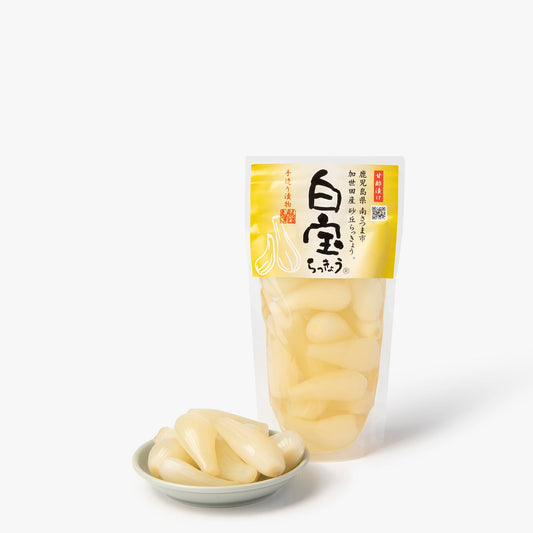
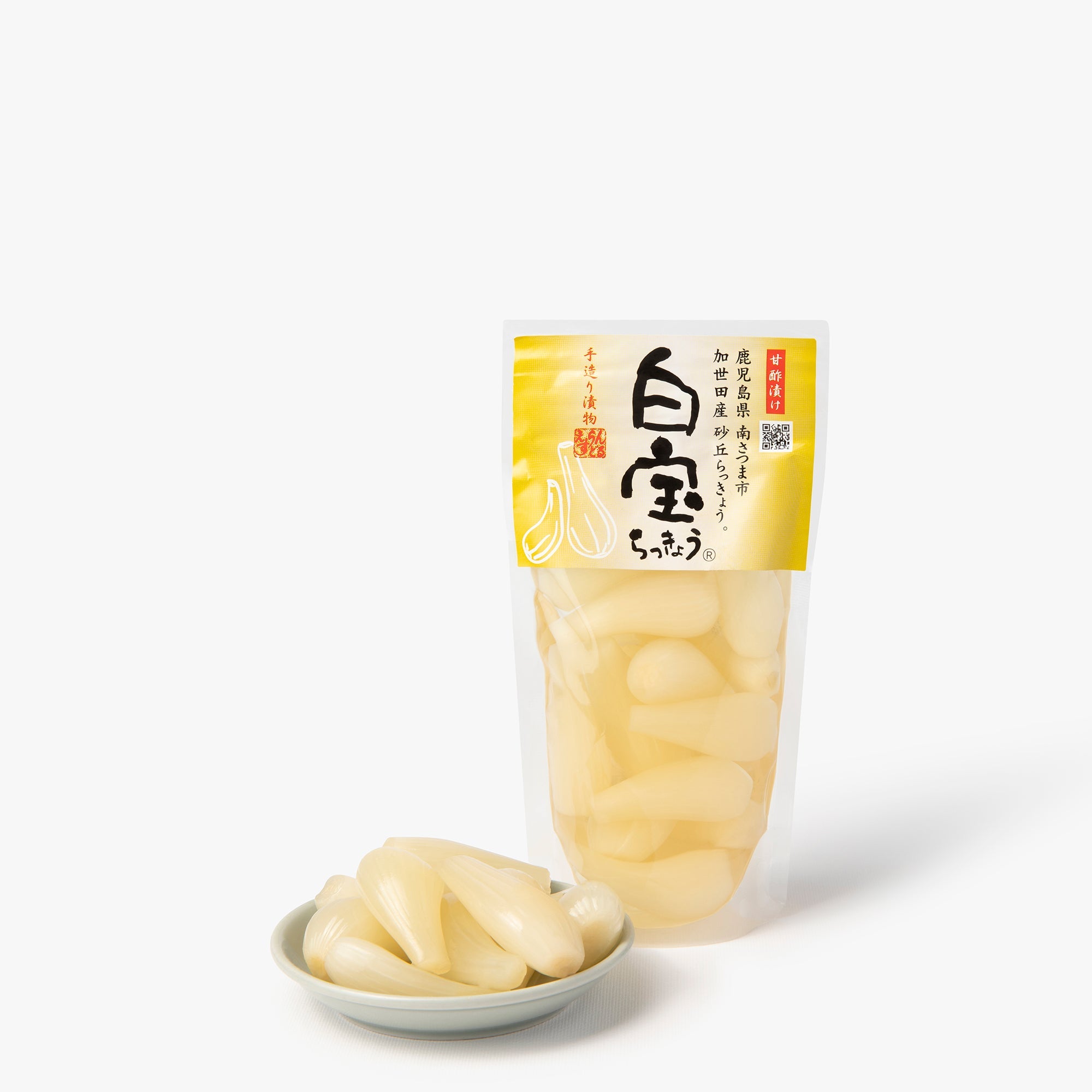
Rakkyo onion tsukemono ⋅ Esrandre Foods ⋅ 90g
⋅ Crispy onion tsukemono⋅ Health and digestive benefits⋅ Tangy and sweet flavor⋅ A delicious addition to your salads⋅ The perfect accompaniment to your rice bowls, bento...
Regular price 5.40 €Promotional price 5.40 € Regular priceUnit price 60.00 € by kg

Black garlic ⋅ Momiki ⋅ 40g
⋅ Sweet, fruity flavor⋅ Handcrafted harvest and production⋅ High antioxidant content⋅ Use as a substitute for chutney, or to add a touch of sweetness to your...
Regular price 5.30 €Promotional price 5.30 € Regular priceUnit price 132.50 € by kg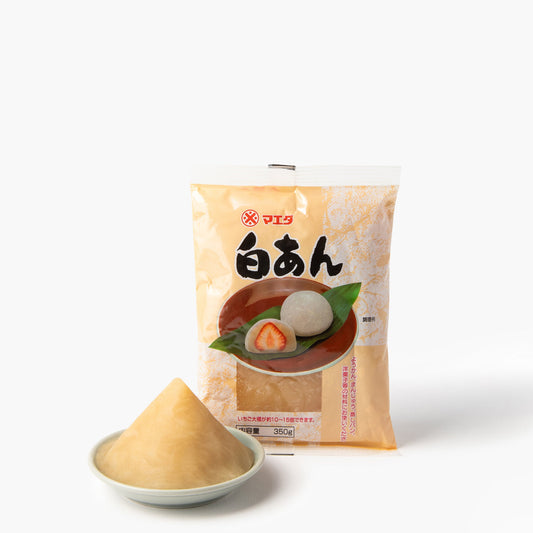
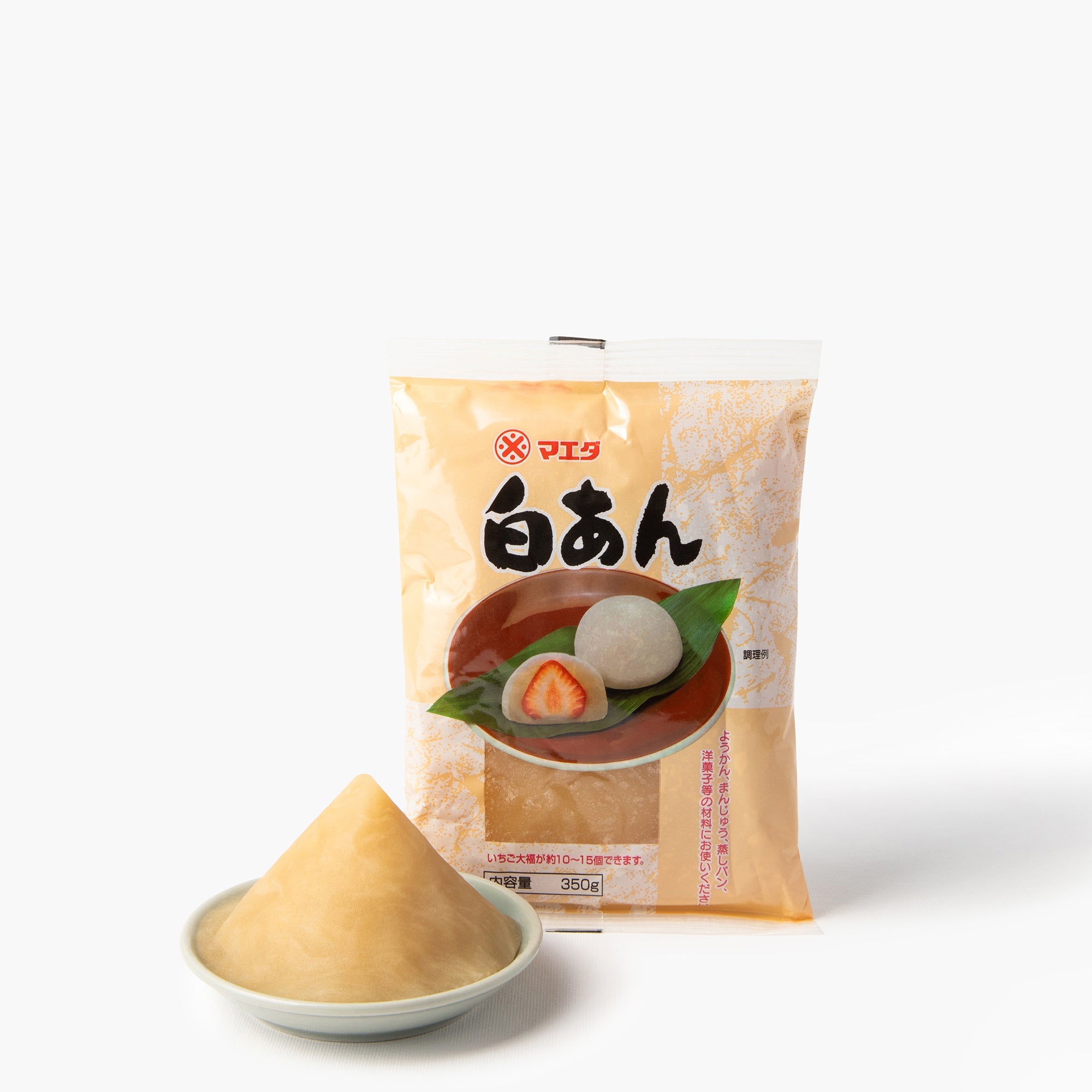
White bean anko paste ⋅ Maeda ⋅ 350g
⋅ Mild, sweet flavor and delicate texture⋅ Perfect for preparing Japanese pastries such as daifuku mochi or nerikiri⋅ Delicious spread on bread⋅ Replaces chestnut in Mont...
Regular price 6.70 €Promotional price 6.70 € Regular priceUnit price 19.14 € by kg

Dehydrated kikurage black mushrooms ⋅ Kyunan ⋅ 40g
⋅ Soft yet crunchy texture⋅ Grown in southern Kyushu⋅ Woody umami flavor⋅ Perfect for adding to yakisoba, ramen, nabe, and saladsAlso known as “wood ear mushrooms,”...
Regular price 9.00 €Promotional price 9.00 € Regular priceUnit price 225.00 € by kg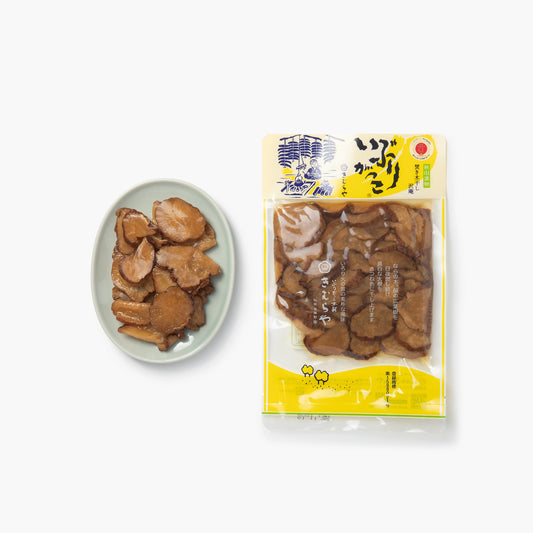
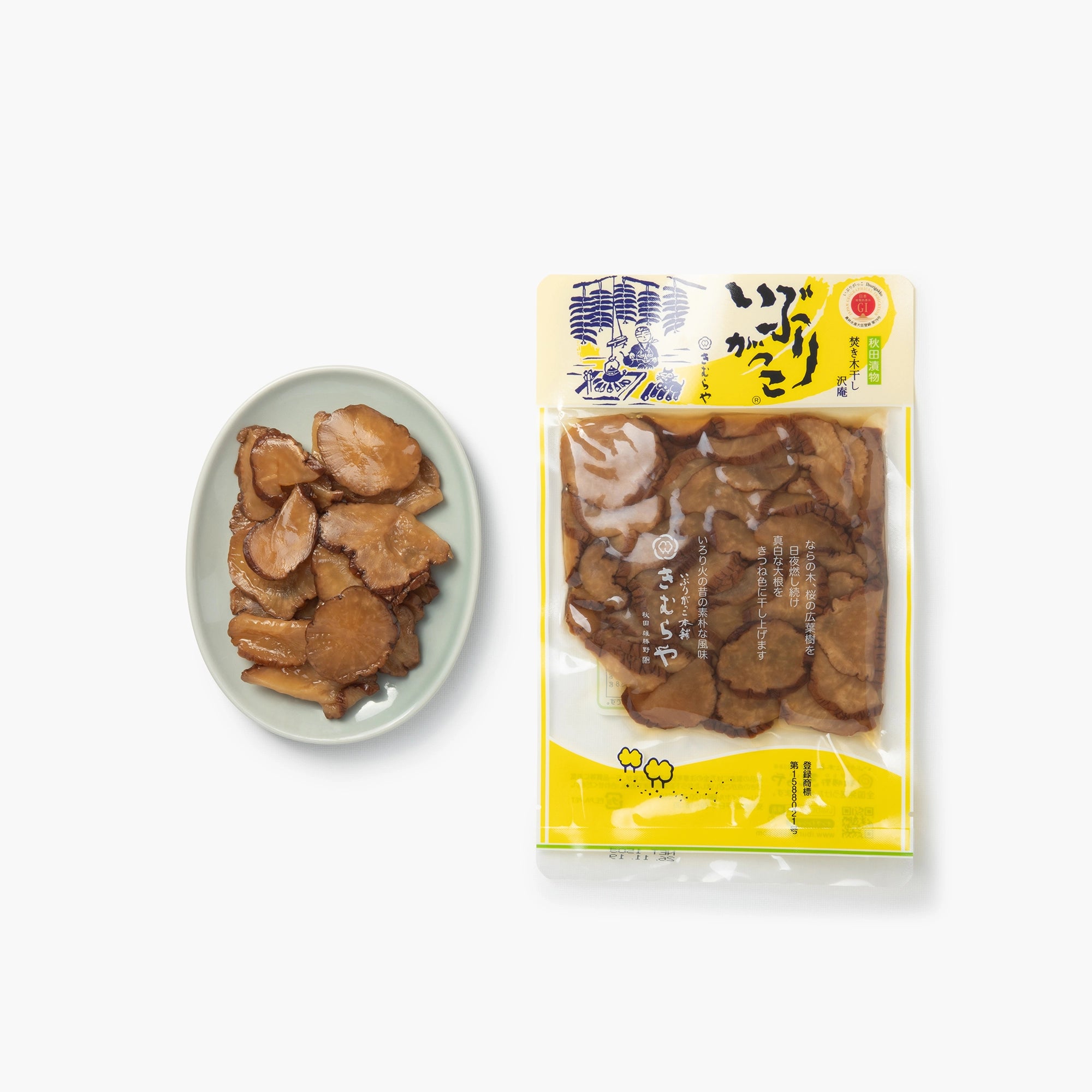
Sliced smoked pickled daikon radish iburigakko ⋅ Ogachino Kimuraya ⋅ 150g
• Intense woody and smoky notes.• Unparalleled firmness and crunch.• Perfect as a side dishThis smoked Japanese white radish, known as iburigakko, is made using a...
Regular price 11.10 €Promotional price 11.10 € Regular priceUnit price 74.00 € by kg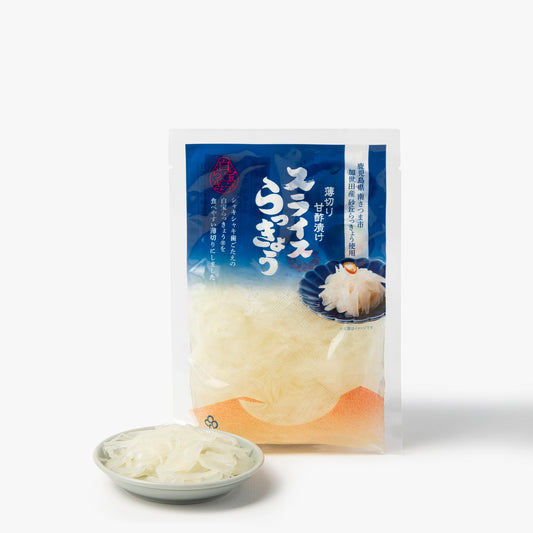
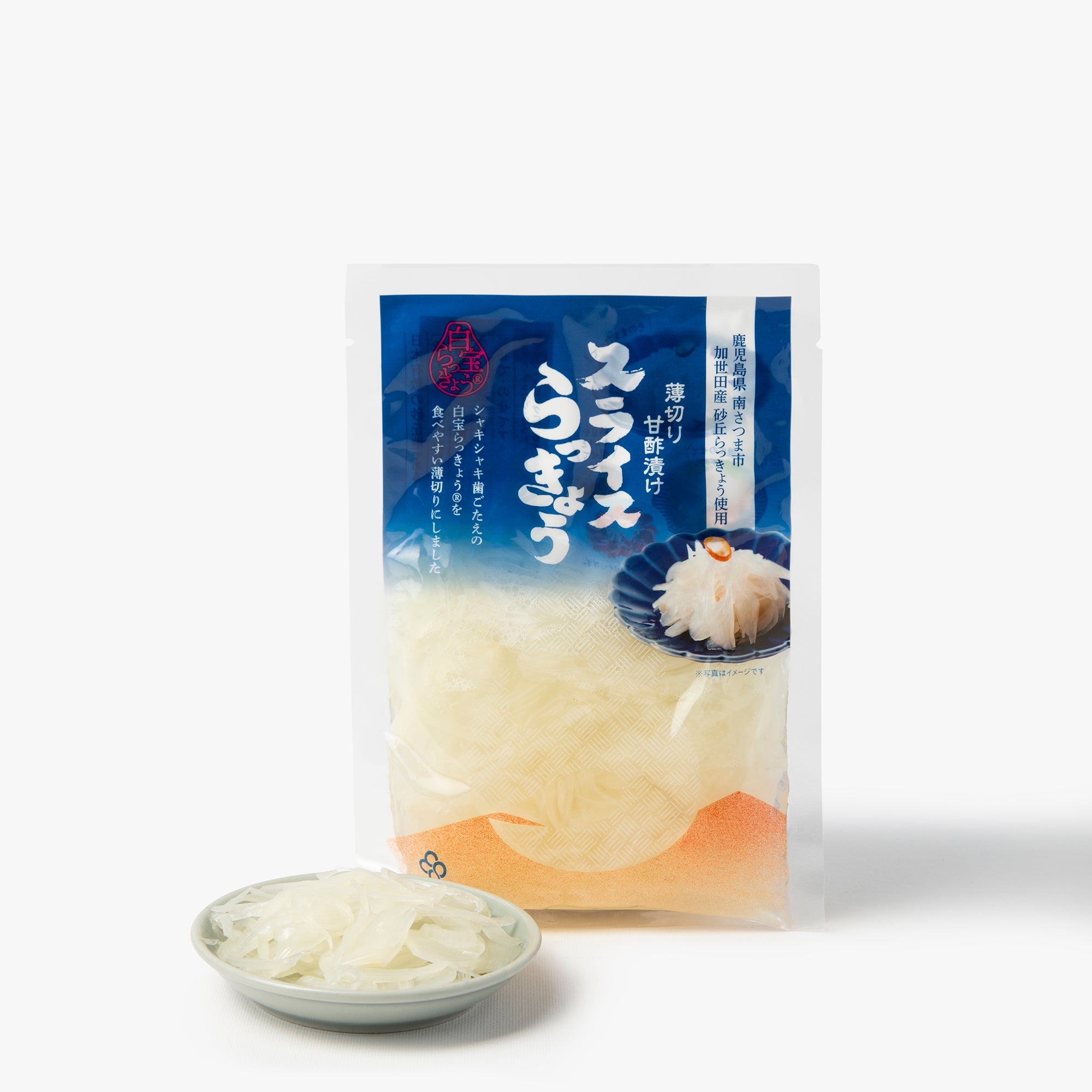
Chopped rakkyo onion tsukemono ⋅ Esrandre Foods ⋅ 80g
⋅ Finely chopped onion tsukemono⋅ Health and digestive benefits⋅ Tangy and sweet flavor⋅ A delicious addition to your salads⋅ The perfect accompaniment to rice bowls, bento...
Regular price 5.40 €Promotional price 5.40 € Regular priceUnit price 67.50 € by kg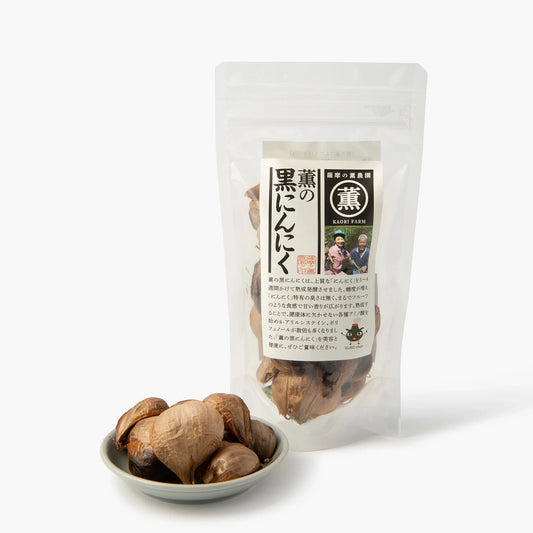
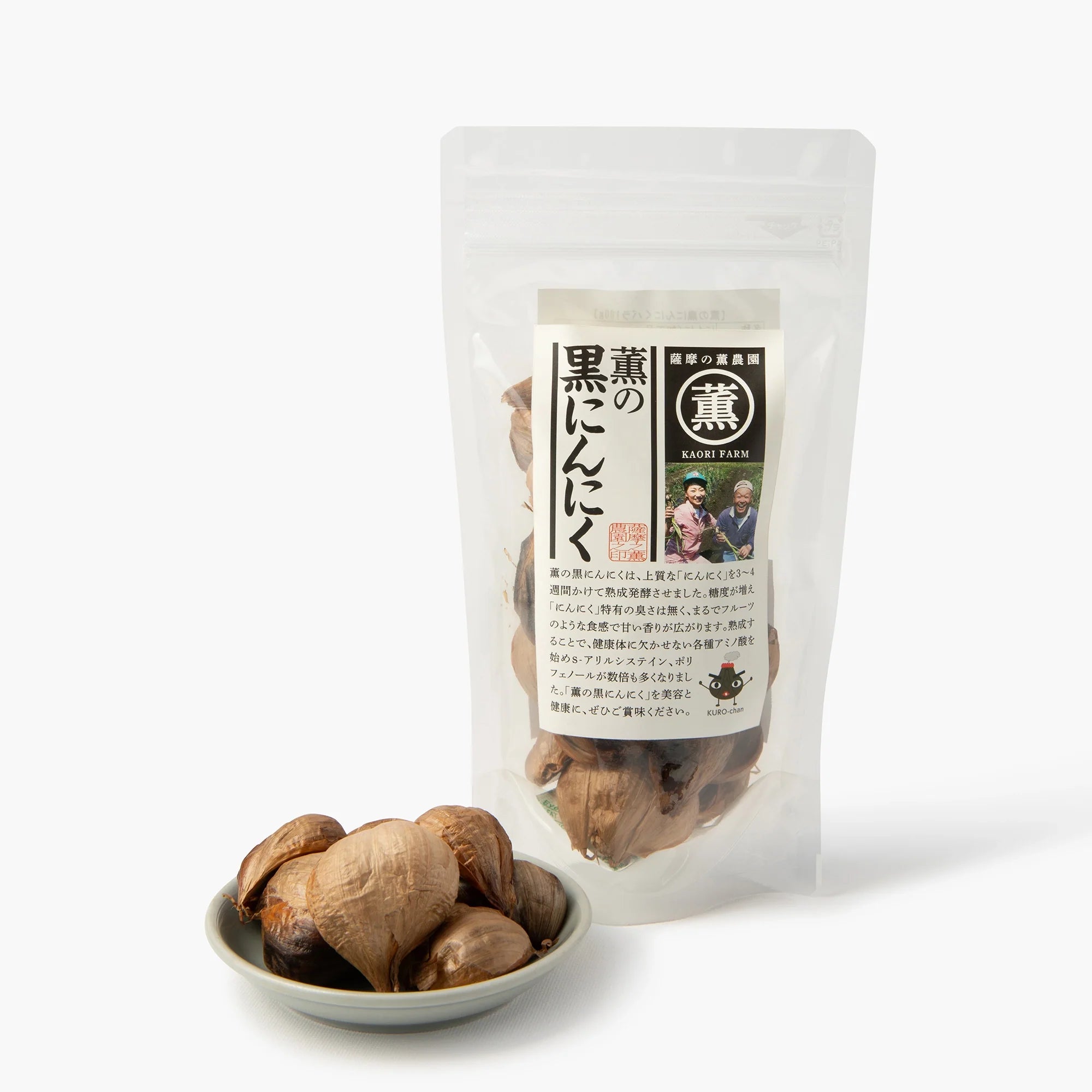
Black garlic ⋅ Kaori no kuroninniku ⋅ 100g
• A natural, mild, and tangy product • Preserves nutrients, color, and fresh flavor • Ideal for cocktails, smoothies, or pastry coulis.Black garlic cloves grown entirely...
Regular price 12.00 €Promotional price 12.00 € Regular priceUnit price 120.00 € by kg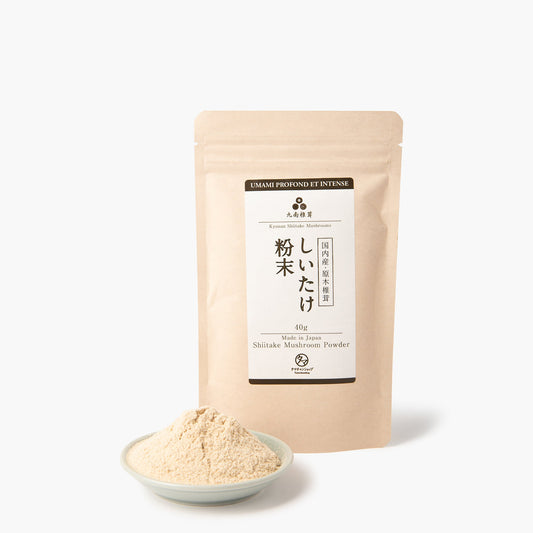

Powdered shiitake mushrooms ⋅ Kyunan ⋅ 40g
⋅ Rich, umami-filled flavor⋅ Grown on a farm in Kyushu⋅ Perfect for soups, quiches, and savory tarts⋅ Mushrooms grown on wood using traditional methodsThis high-quality shiitake...
Regular price 12.20 €Promotional price 12.20 € Regular priceUnit price 305.00 € by kg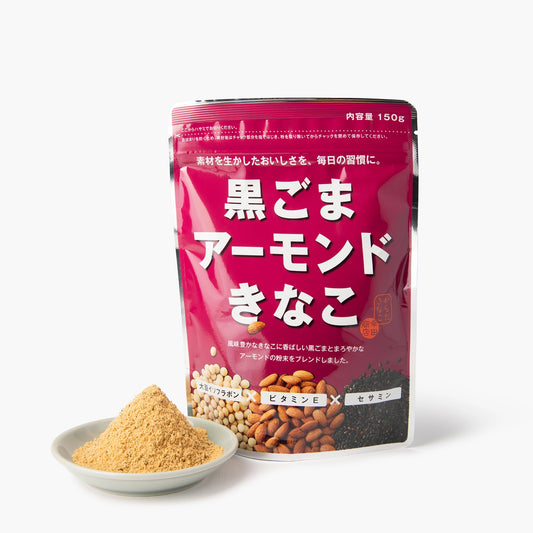
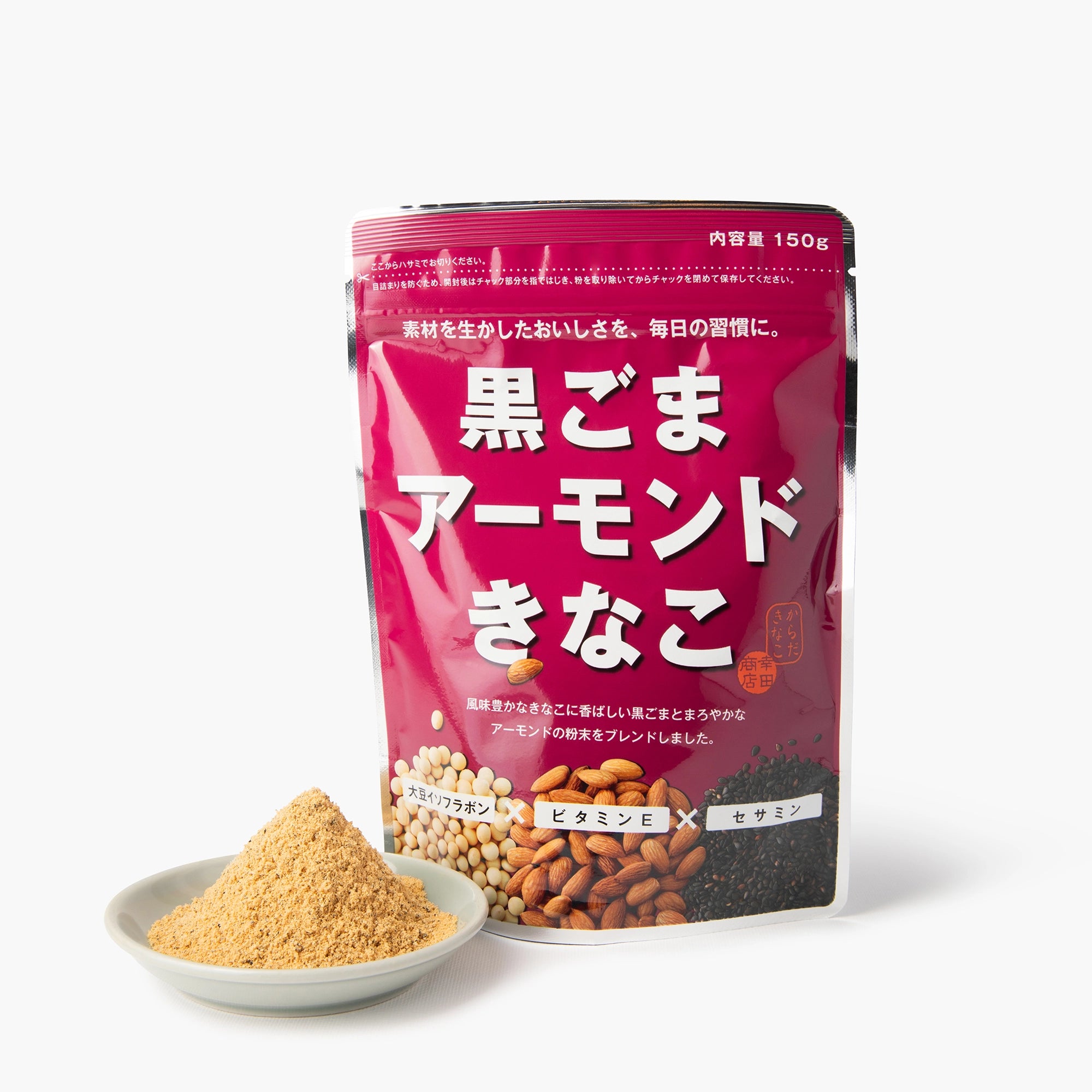
Kinako soybean powder with almonds and black sesame ⋅ Kota Shoten ⋅ 150g
• Made from high-quality soybeans• No additives • Perfect for adding to yogurt, ice cream, smoothies, or a glass of milk.A premium kinako made from soybeans...
Regular price 5.60 €Promotional price 5.60 € Regular priceUnit price 37.33 € by kg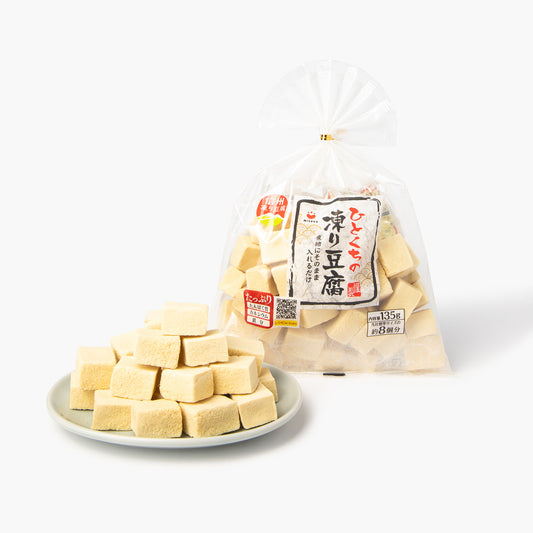


Dehydrated tofu blocks ⋅ Misuzu ⋅ 135g
Regular price 5.20 €Promotional price 5.20 € Regular priceUnit price 38.52 € by kg

Oboro tofu cream ⋅ Morinaga ⋅ 307g
⋅ Delicate, velvety texture⋅ Made from soy milk and nigari⋅ Use in savory dishes (sauces, soups, stews)⋅ Perfect for vegetarian desserts (creams, moussesSoy cream, also known...
Regular price 3.90 €Promotional price 3.90 € Regular priceUnit price 12.70 € by kg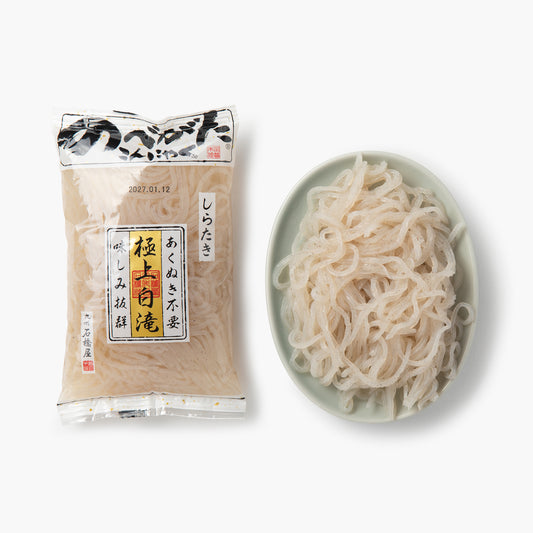
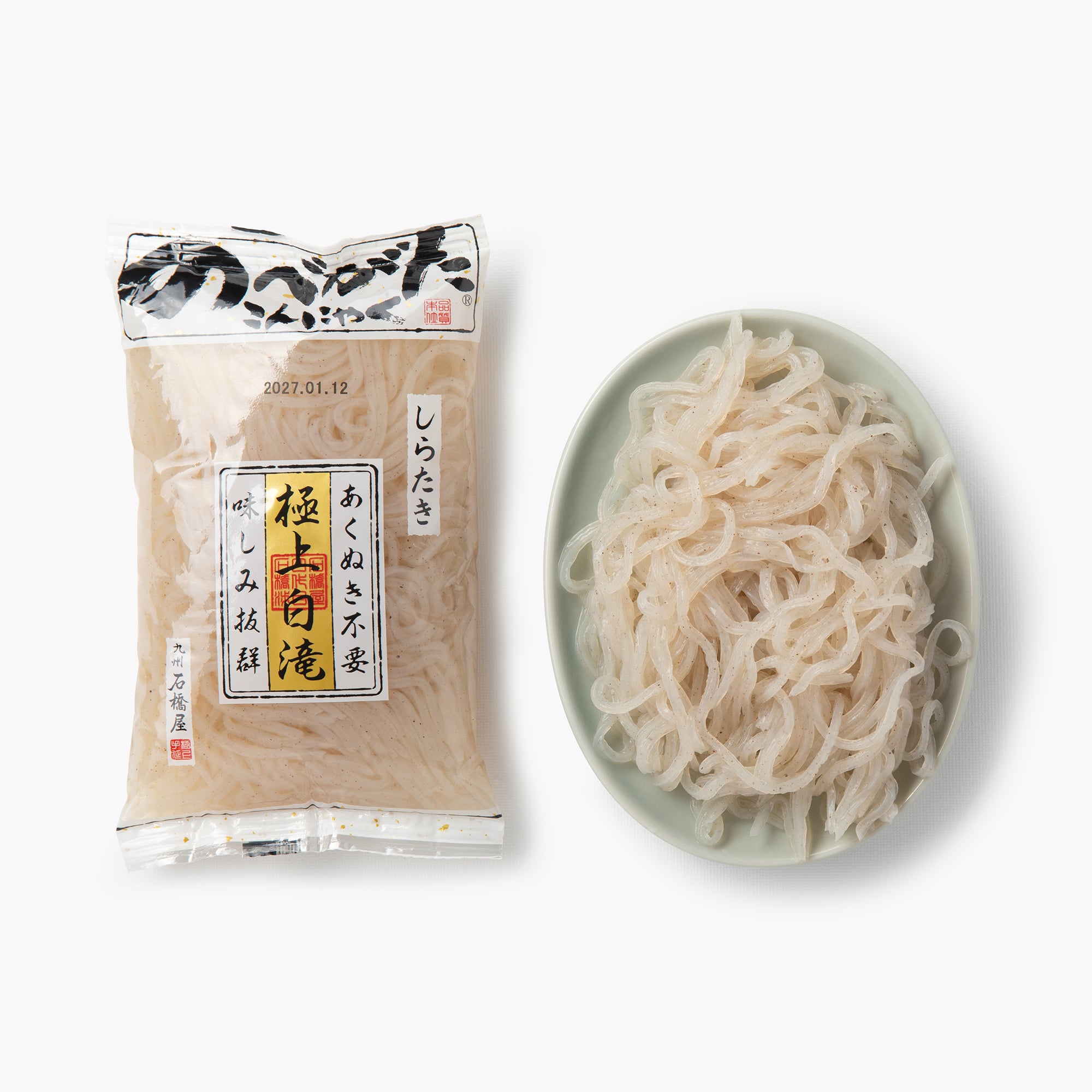
Shirataki konjac noodles ⋅ Ishibashiya ⋅ 150g
Artisanal konjac noodles, made from dried konjac roots and cooked using a traditional method that preserves the firm, chewy texture of the fibers. Ready to use—simply...
Regular price 3.50 €Promotional price 3.50 € Regular priceUnit price 23.33 € by kg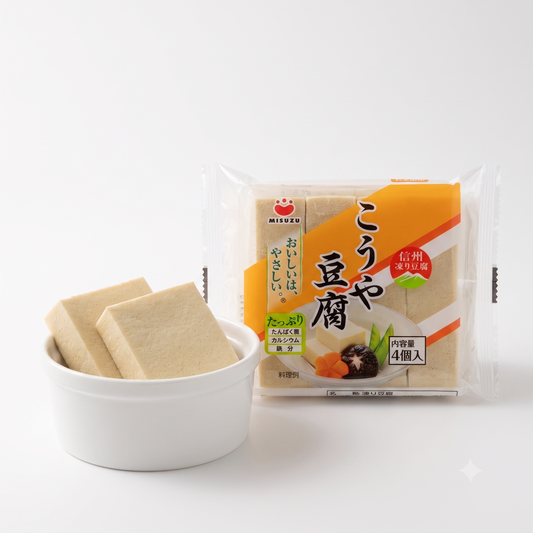
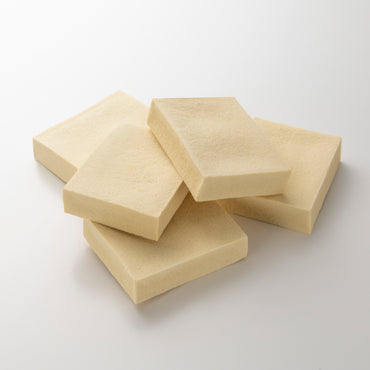
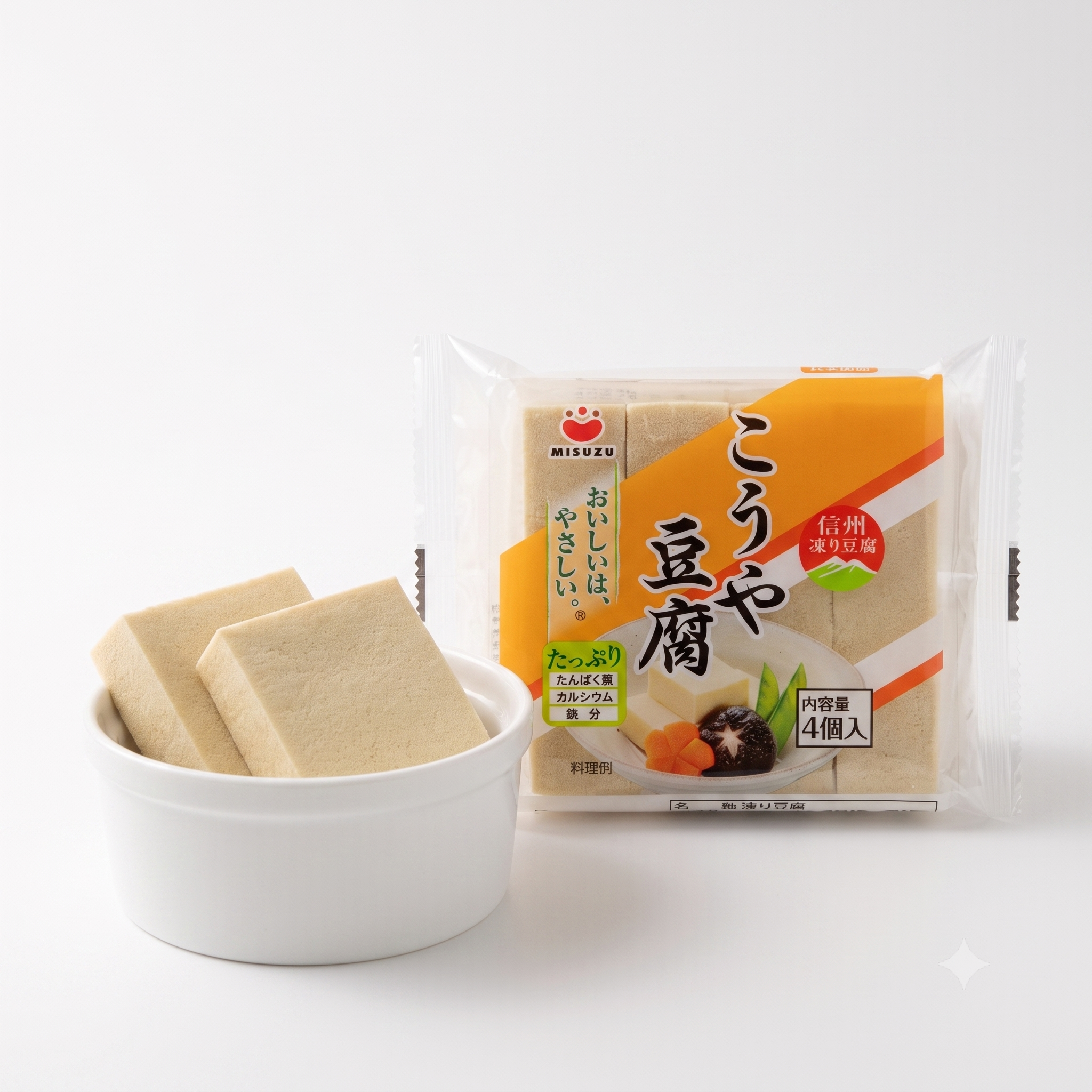
Dehydrated tofu 4 pieces ⋅ Misuzu ⋅ 68g
Regular price 3.45 €Promotional price 3.45 € Regular priceUnit price 50.74 € by kg
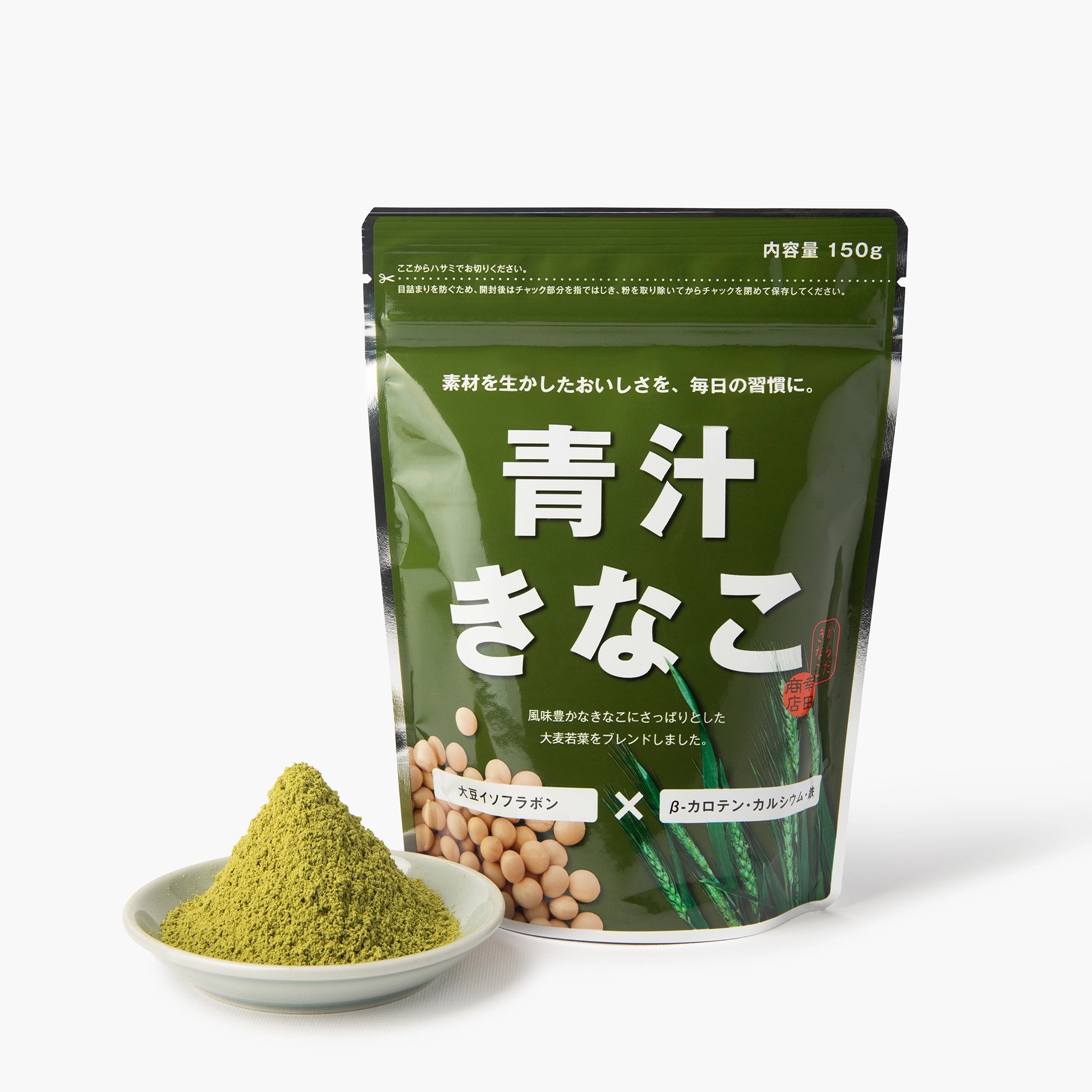
Kinako soybean powder with barley shoots ⋅ Kota Shoten ⋅ 150g
• A unique blend of roasted Japanese soybeans• Rich, toasty flavor • Perfect in milk, smoothies, or on yogurtA kinako with a rich, roasted flavor, made...
Regular price 5.60 €Promotional price 5.60 € Regular priceUnit price 37.33 € by kg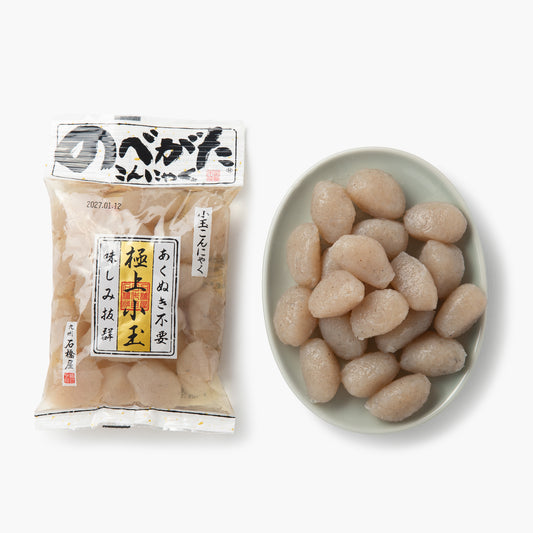
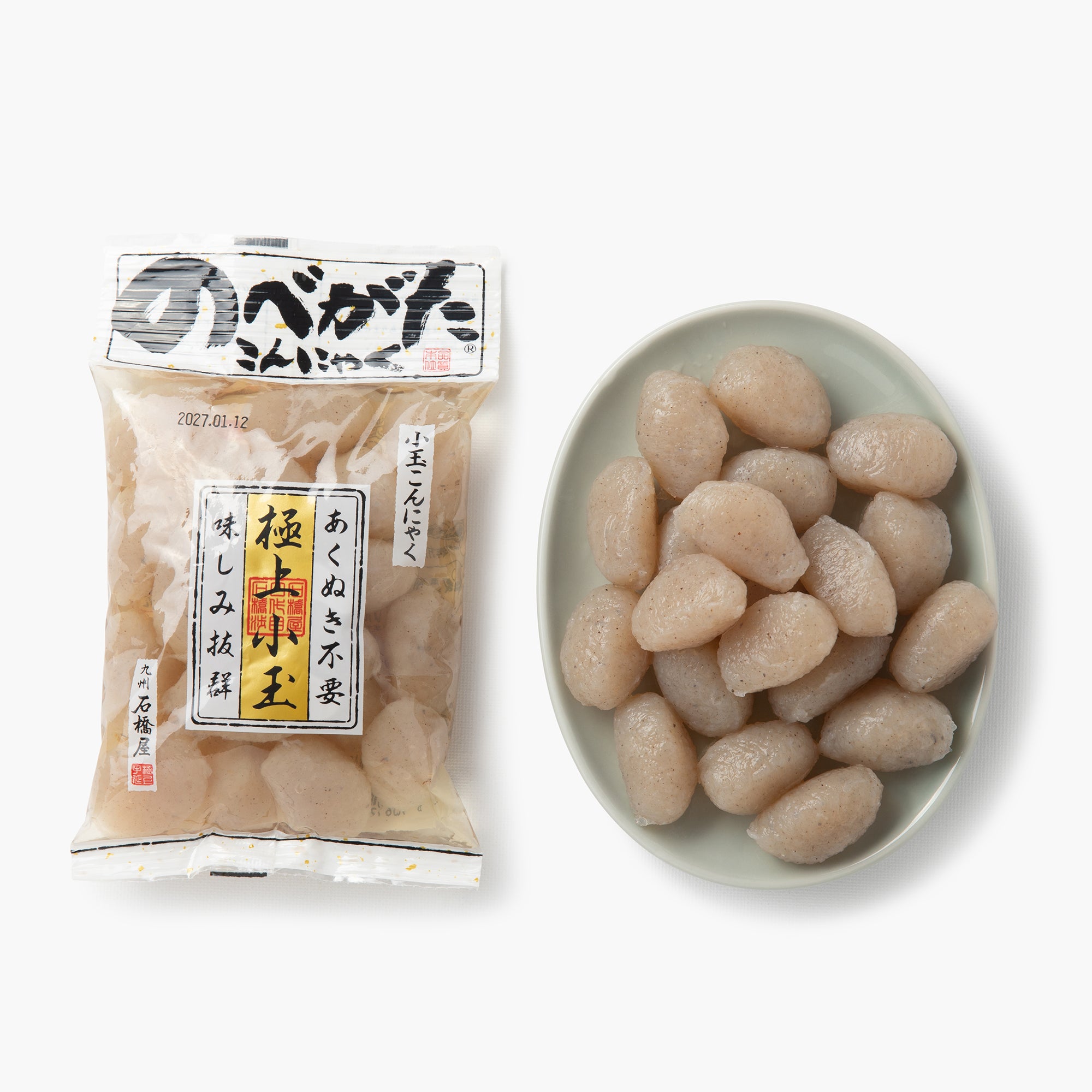
Konjac ball ⋅ Ishibashiya ⋅ 150g
These artisanal konjac balls are crafted using traditional methods, ensuring a texture that is both tender and crunchy. Ready to use after a quick rinse, they...
Regular price 3.50 €Promotional price 3.50 € Regular priceUnit price 23.33 € by kg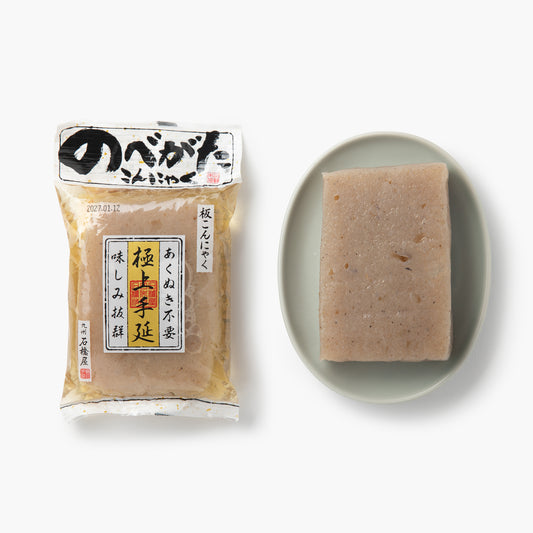
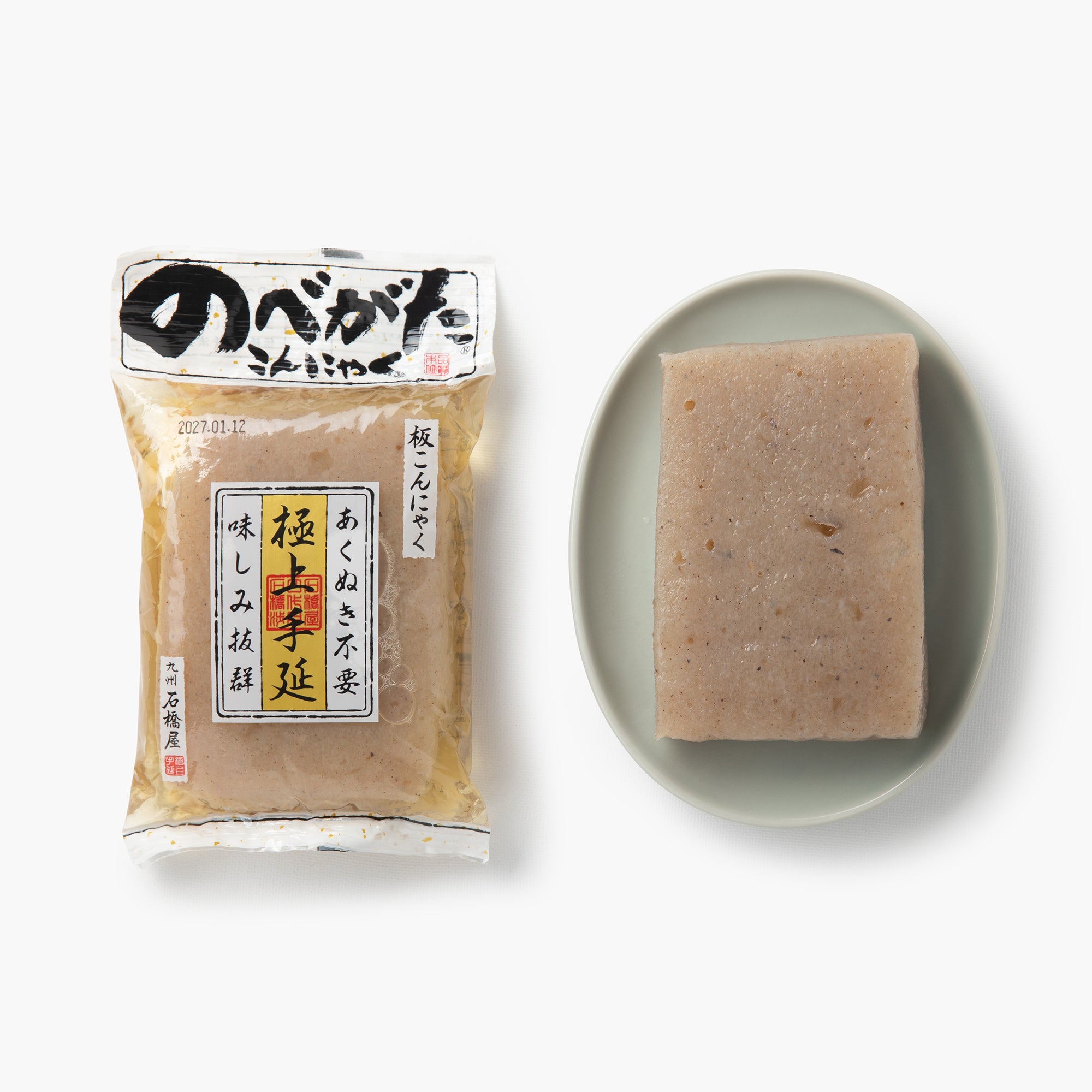
Konjac block ⋅ Ishibashiya ⋅ 180g
A block of artisanal konjac, made from konjac roots that are dried and then cooked using a traditional method to preserve the firm, springy texture of...
Regular price 3.50 €Promotional price 3.50 € Regular priceUnit price 19.44 € by kg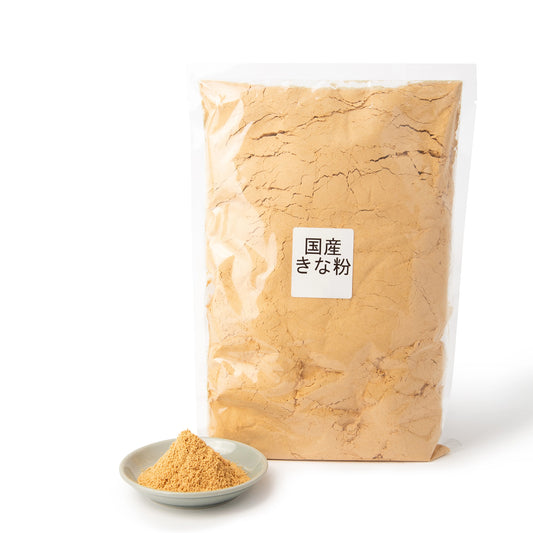
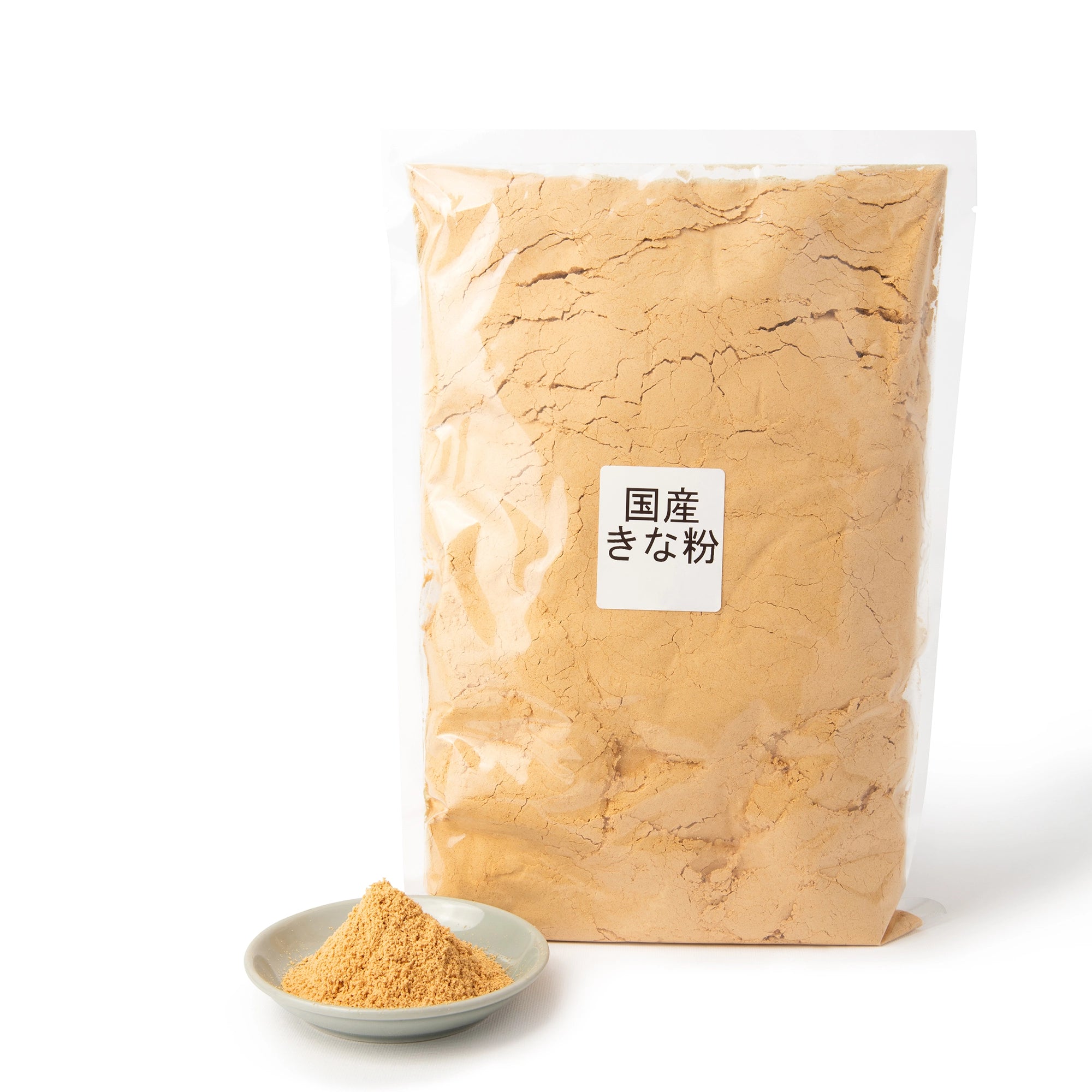
Large-format kinako soybean powder ⋅ Kota Shoten ⋅ 500g
⋅ Perfect for desserts, pastries, fried dishes or meatballs⋅ Gluten-free⋅ Adds crispiness or smoothness depending on how it is used⋅ Natural source of fiber and plant-based...
Regular price 7.00 €Promotional price 7.00 € Regular priceUnit price 14.00 € by kg

Takuan pickled daikon radish ⋅ Kimura Tsukemono ⋅ 180g
Kimura's takuan is distinguished by its pronounced acidity, naturally produced through long fermentation, without added vinegar. The white daikon radish is first sun-dried, then fermented for...
Regular price 9.00 €Promotional price 9.00 € Regular priceUnit price 50.00 € by kg
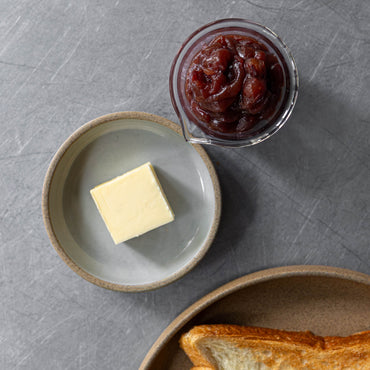

Boiled azuki red beans ⋅ Imuraya ⋅ 1kg
Boiled azuki beans, made exclusively with ingredients from Hokkaido. The beans are slowly simmered in salt and sugar to preserve their shape and flavor. These azuki...
Regular price 9.90 €Promotional price 9.90 € Regular priceUnit price 9.90 € by kg

Large konjac block ⋅ Ishibashiya ⋅ 400g
A block of artisanal konjac, made from konjac roots that are dried and then cooked using a traditional method to preserve the firm, springy texture of...
Regular price 7.75 €Promotional price 7.75 € Regular priceUnit price 19.38 € by kg
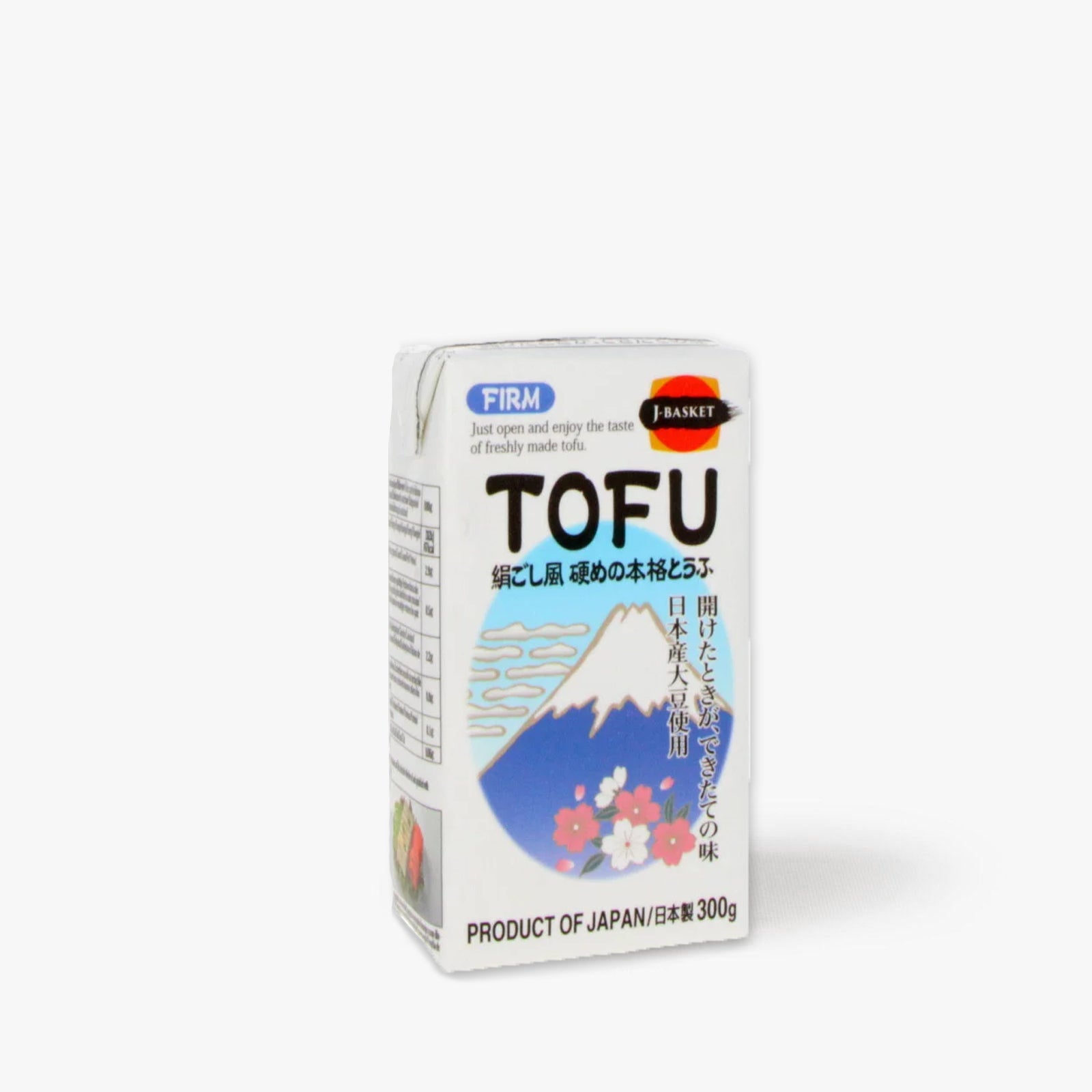
Firm tofu ⋅ J-Basket ⋅ 300g
It is very versatile and can be marinated, pan-fried, or added as is to salads or noodle dishes.
Regular price 2.40 €Promotional price 2.40 € Regular priceUnit price 8.00 € by kg

Pickled daikon radish takuan ⋅ Daruma ⋅ 500g
⋅ A classic tsukemono in Japanese cuisine⋅ Delicious in temaki or bibimbap⋅ Tangy and sweet flavor⋅ The perfect accompaniment to your rice bowls, bento boxes, and...
Regular price 4.50 €Promotional price 4.50 € Regular priceUnit price 9.00 € by kg
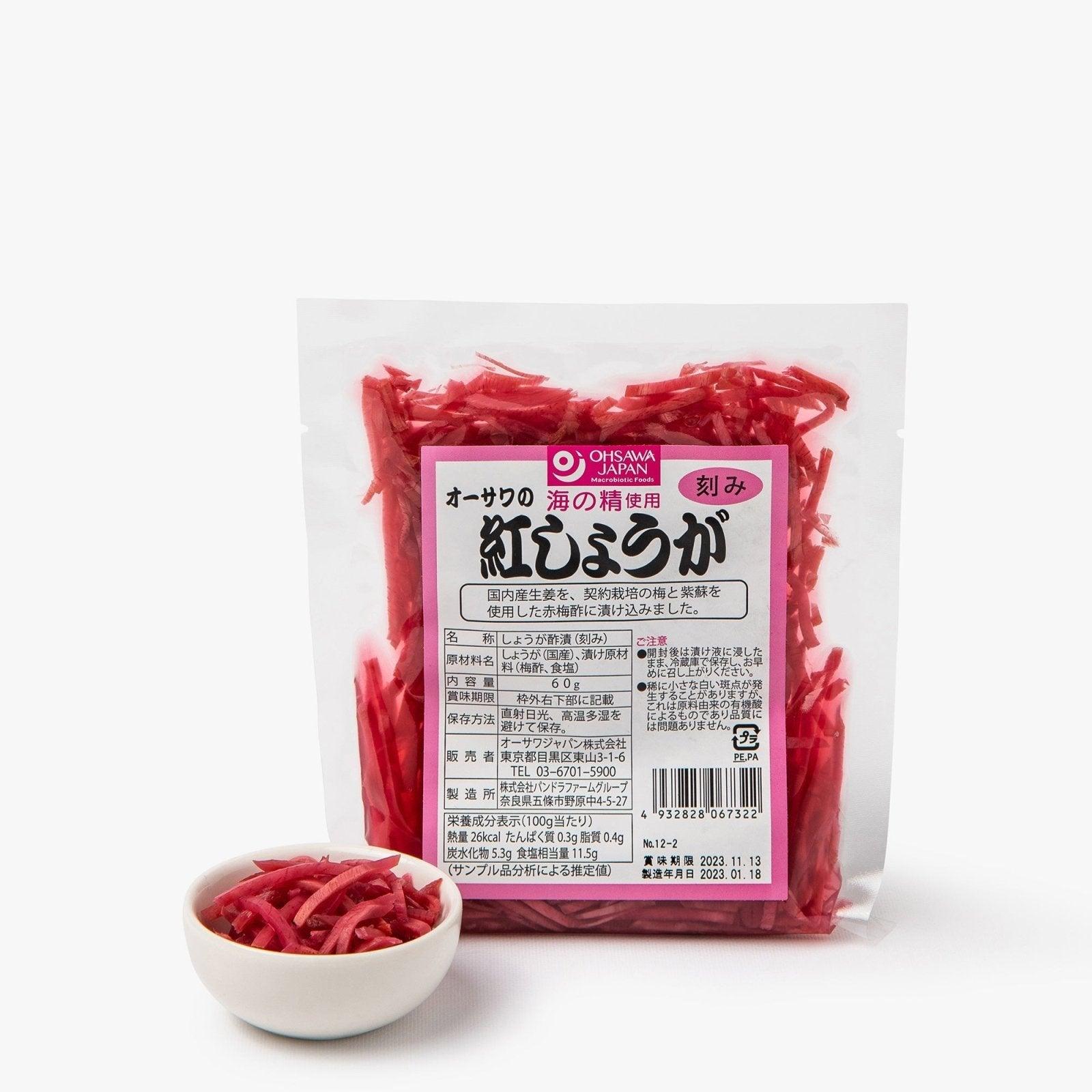
Sliced ginger tsukemono ⋅ Ohsawa ⋅ 60g
⋅ Sliced pickled ginger⋅ Sour flavor⋅ Sweet flavor⋅ Perfect as a topping for ramen, gyudon, okonomiyaki, sushi, or rice bowls⋅ Adds freshness, a kick, and texture...
Regular price 5.60 €Promotional price 5.60 € Regular priceUnit price 93.33 € by kg

Japanese Vegetable Tsukemono in Soy Sauce ⋅ Mitsuokuya ⋅ 100g
⋅ Assorted marinated vegetables (10 varieties)⋅ Sauce made with rice vinegar and umeboshi plums⋅ Sour⋅ sweet and umami⋅ Perfect as a side dish with rice, soups,...
Regular price 6.60 €Promotional price 6.60 € Regular priceUnit price 66.00 € by kg

Plum tsukemono with shiso, yukari ⋅ Mitsuokuya ⋅ 105g
⋅ Umeboshi plums pickled in salt and combined with shiso leaves⋅ Salty, tangy, and herbaceous flavor⋅ A must-have for seasoning rice, soups, and saladsA staple ingredient...
Regular price 8.95 €Promotional price 8.95 € Regular priceUnit price 85.24 € by kg

Spicy marinated nametake mushrooms ⋅ Kobayashi Noen ⋅ 200g
⋅ Made in Nagano Prefecture, the home of mushrooms⋅ Harvested the morning they are prepared⋅ Handcrafted⋅ Spicy and umami flavor⋅ Perfect on rice, tofu, or in...
Regular price 5.30 €Promotional price 5.30 € Regular priceUnit price 26.50 € by kg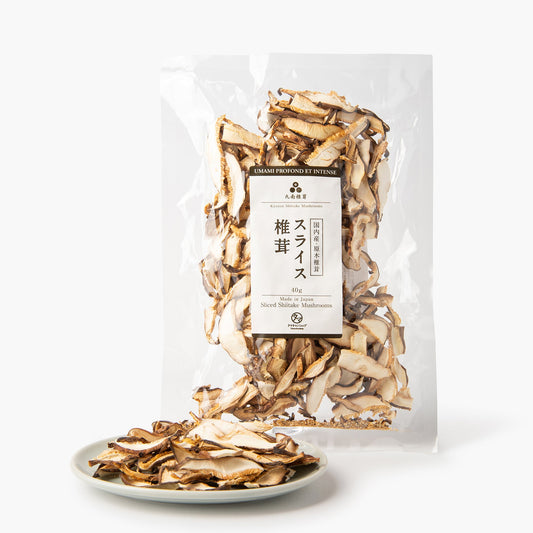
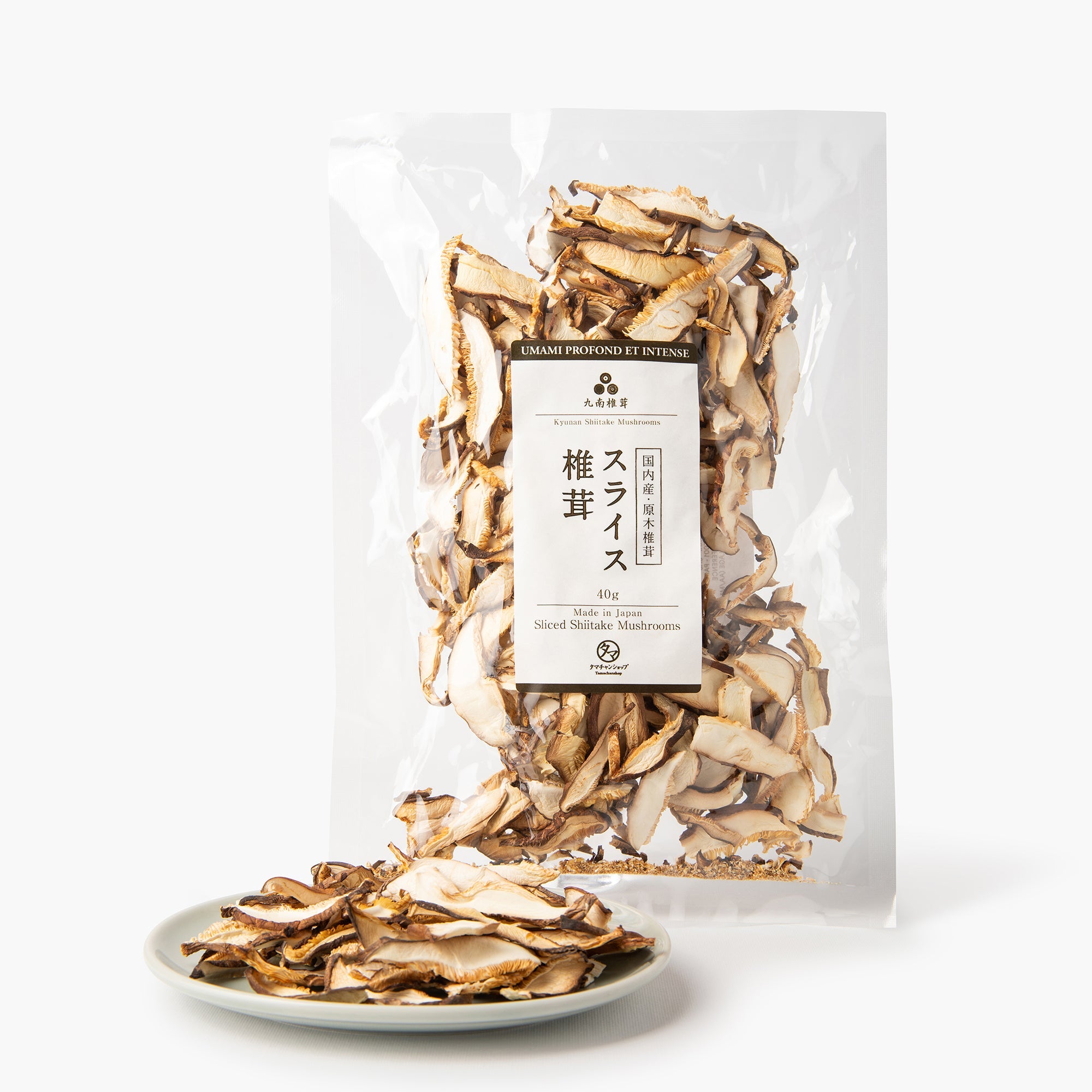
Dried shiitake mushrooms, sliced ⋅ Kyunan ⋅ 40g
⋅ Dried sliced shiitake mushrooms⋅ Meaty, authentic texture⋅ Ideal for making dashi, soups, or brothsThese high-quality dried sliced shiitake mushrooms come from a family farm located...
Regular price 8.90 €Promotional price 8.90 € Regular priceUnit price 222.50 € by kg

Wild nametake mushrooms marinated in soy sauce ⋅ Kobayashi Noen ⋅ 200g
⋅ Wild enoki mushroom condiment with a mild, umami flavor⋅ Hand-harvested⋅ Perfect on hot rice, vegetables, or tofu⋅ Grown in Nagano Prefecture⋅ Marinated in a traditional...
Regular price 5.30 €Promotional price 5.30 € Regular priceUnit price 26.50 € by kg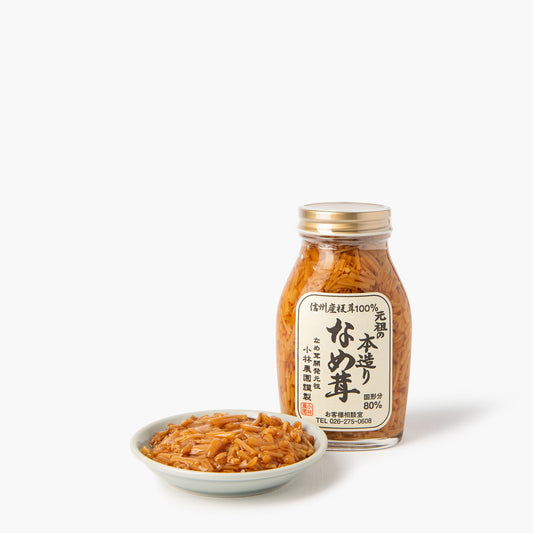
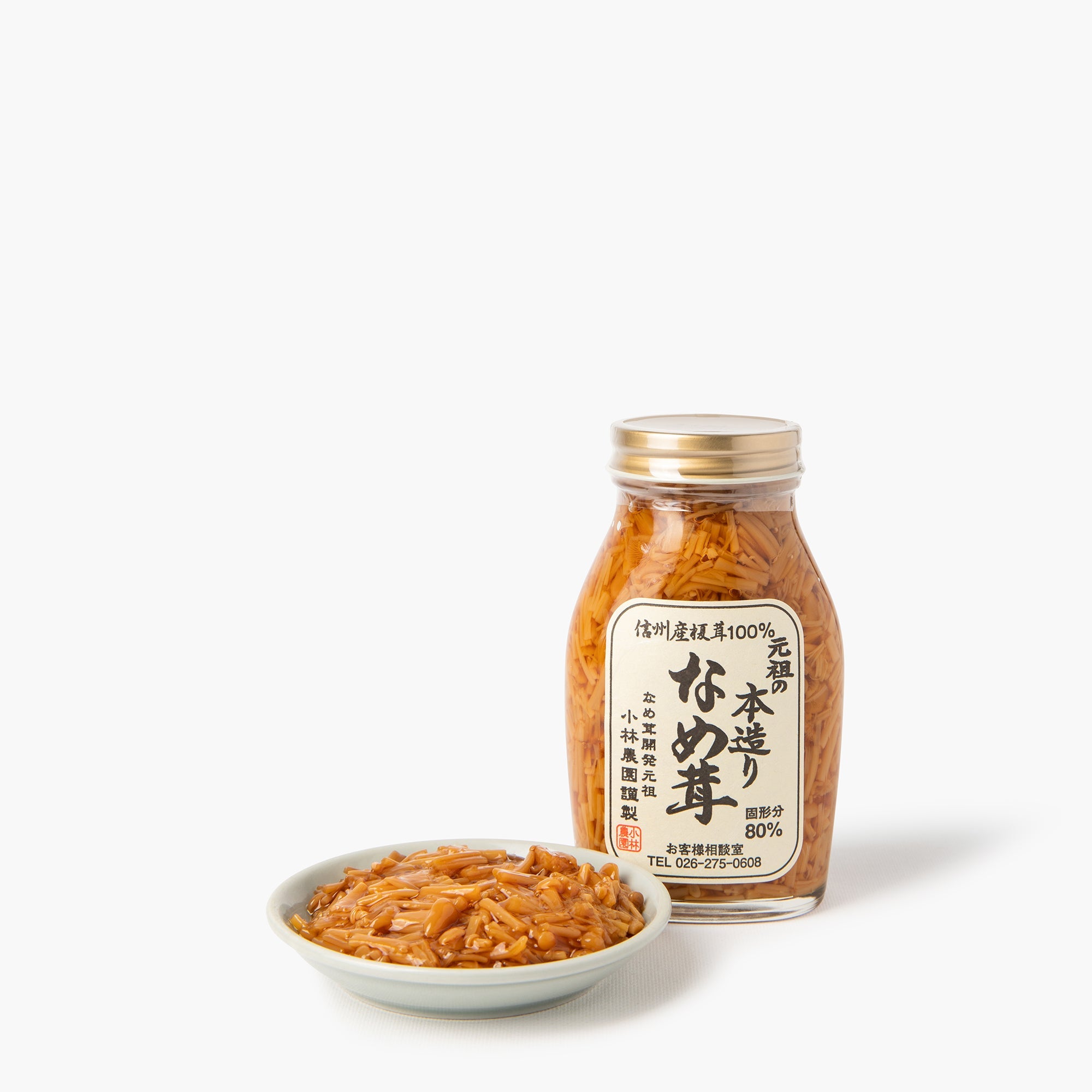
Nametake mushrooms marinated in soy sauce ⋅ Kobayashi Noen ⋅ 200g
⋅ Made in Nagano Prefecture, the cradle of mushrooms⋅ Harvested the morning they are prepared⋅ Handcrafted⋅ Mild and umami flavor⋅ Perfect on rice, tofu, or grilled...
Regular price 5.30 €Promotional price 5.30 € Regular priceUnit price 26.50 € by kg

Dehydrated shiitake mushrooms ⋅ Kyunan ⋅ 50g
⋅ High-quality dried shiitake mushrooms⋅ Grown on wood using traditional methods⋅ Ideal for making authentic dashiThese high-quality dried shiitake mushrooms come from a family farm located...
Regular price 11.70 €Promotional price 11.70 € Regular priceUnit price 234.00 € by kg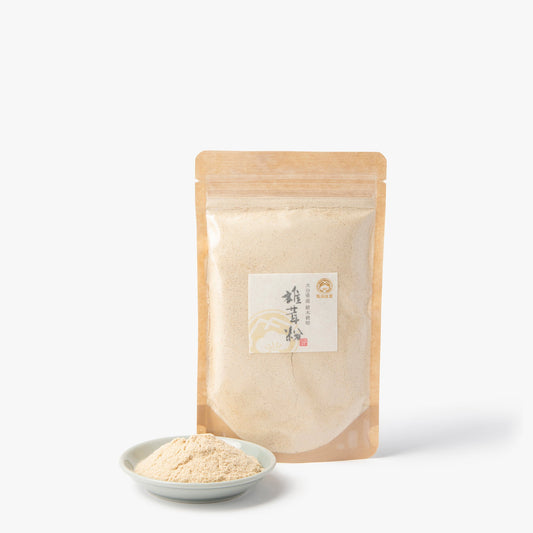
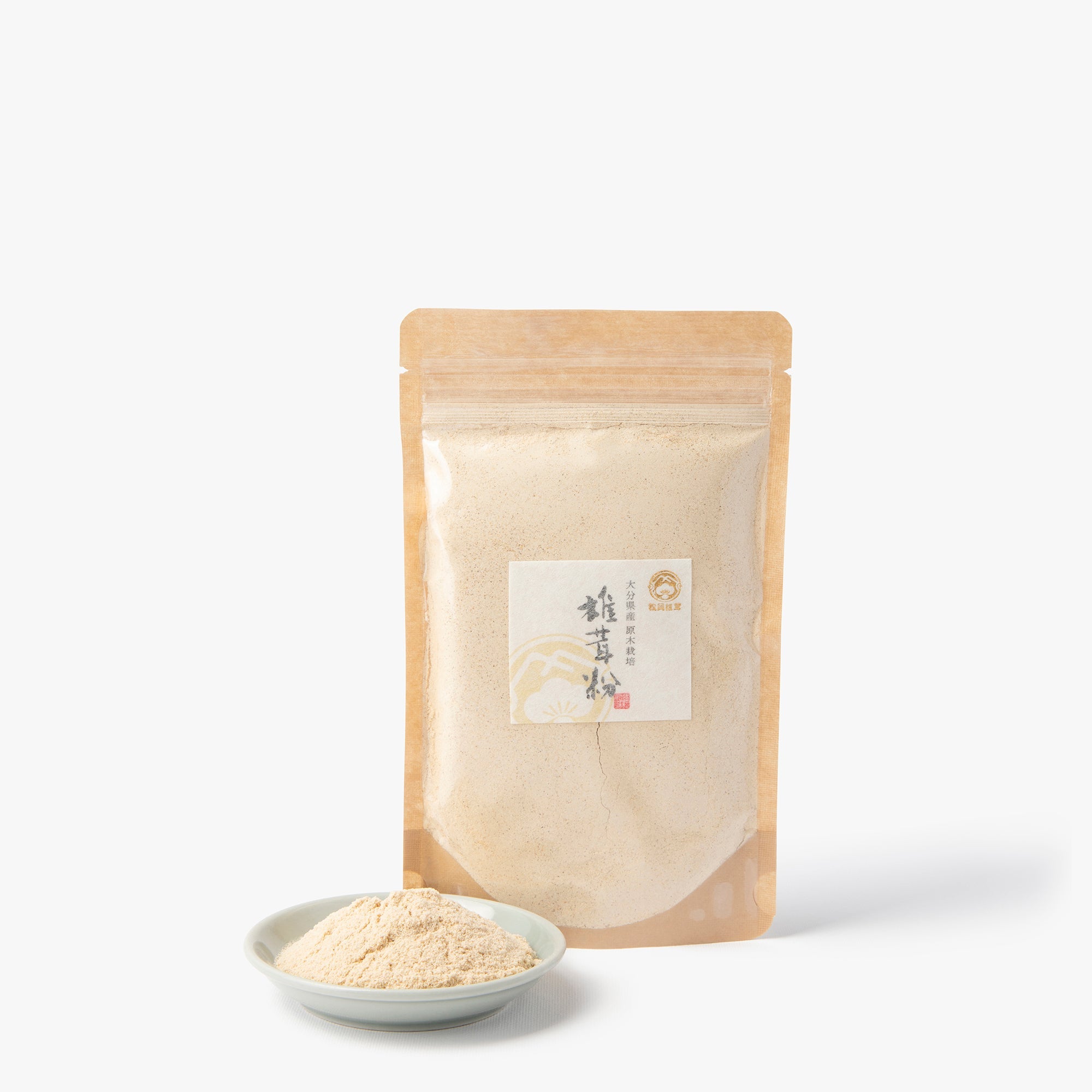
Powdered shiitake mushrooms ⋅ Matsuoka shiitake ⋅ 60g
⋅ Fine shiitake powder rich in umami, with no strong odor⋅ A natural alternative for seasoning dishes without salt⋅ Dissolves quickly⋅ Perfect for soups and broths⋅...
Regular price 17.90 €Promotional price 17.90 € Regular priceUnit price 298.33 € by kg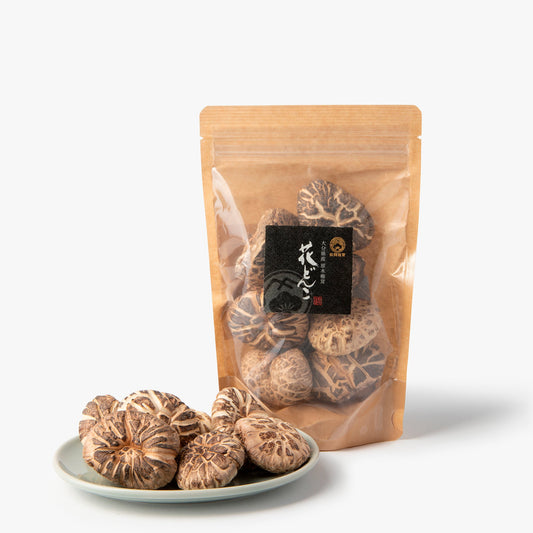
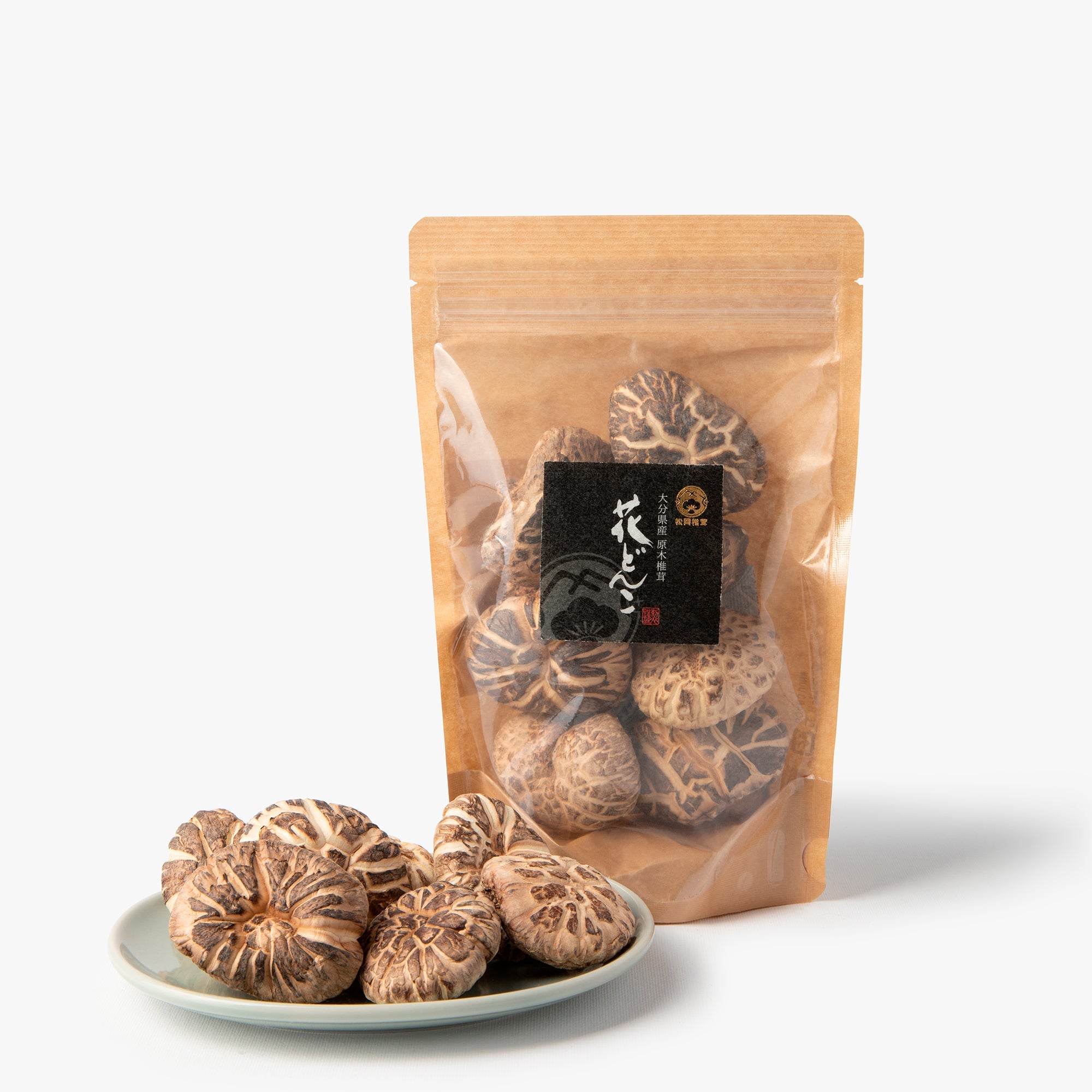
Dehydrated shiitake mushrooms ⋅ Matsuoka shiitake ⋅ 40g
⋅ Winter Hana Donko Shiitake⋅ Slow-grown and rain-free for intense umami⋅ Firm and crunchy texture after rehydration⋅ Rare ingredient⋅ Ideal for enriching broths, rice, or stewsCarefully...
Regular price 22.60 €Promotional price 22.60 € Regular priceUnit price 565.00 € by kg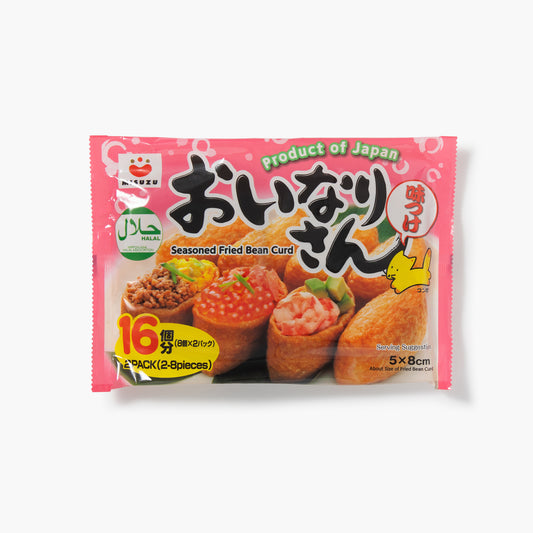
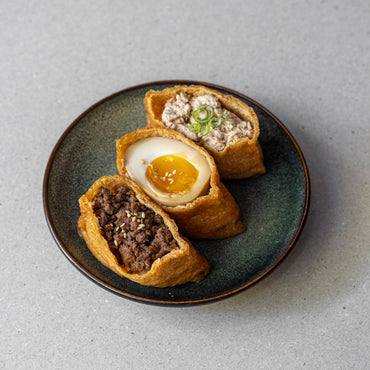
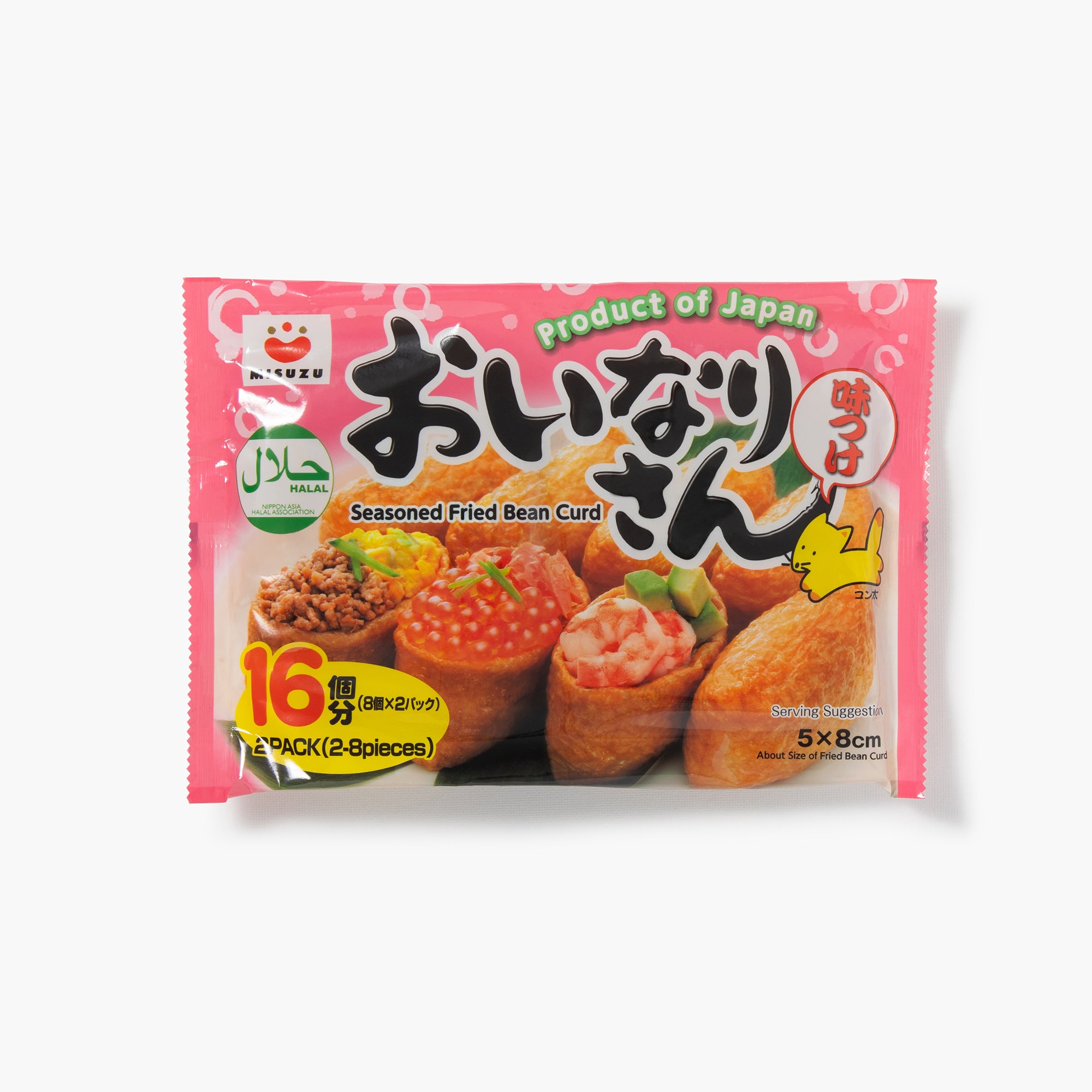
Inariage tofu pockets marinated in soy sauce ⋅ Misuzu ⋅ 280g
Regular price 5.50 €Promotional price 5.50 € Regular priceUnit price 19.64 € by kg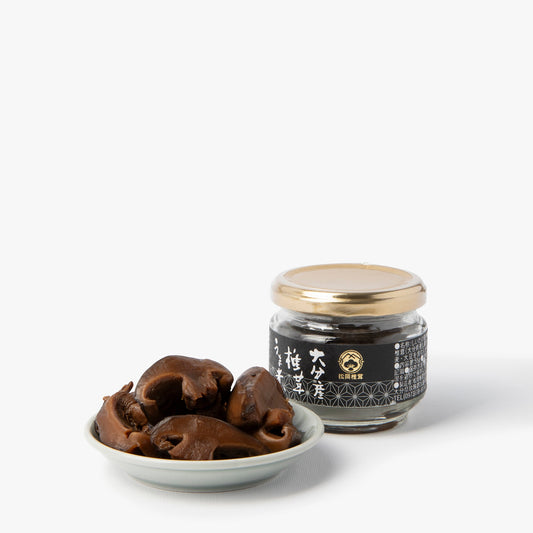
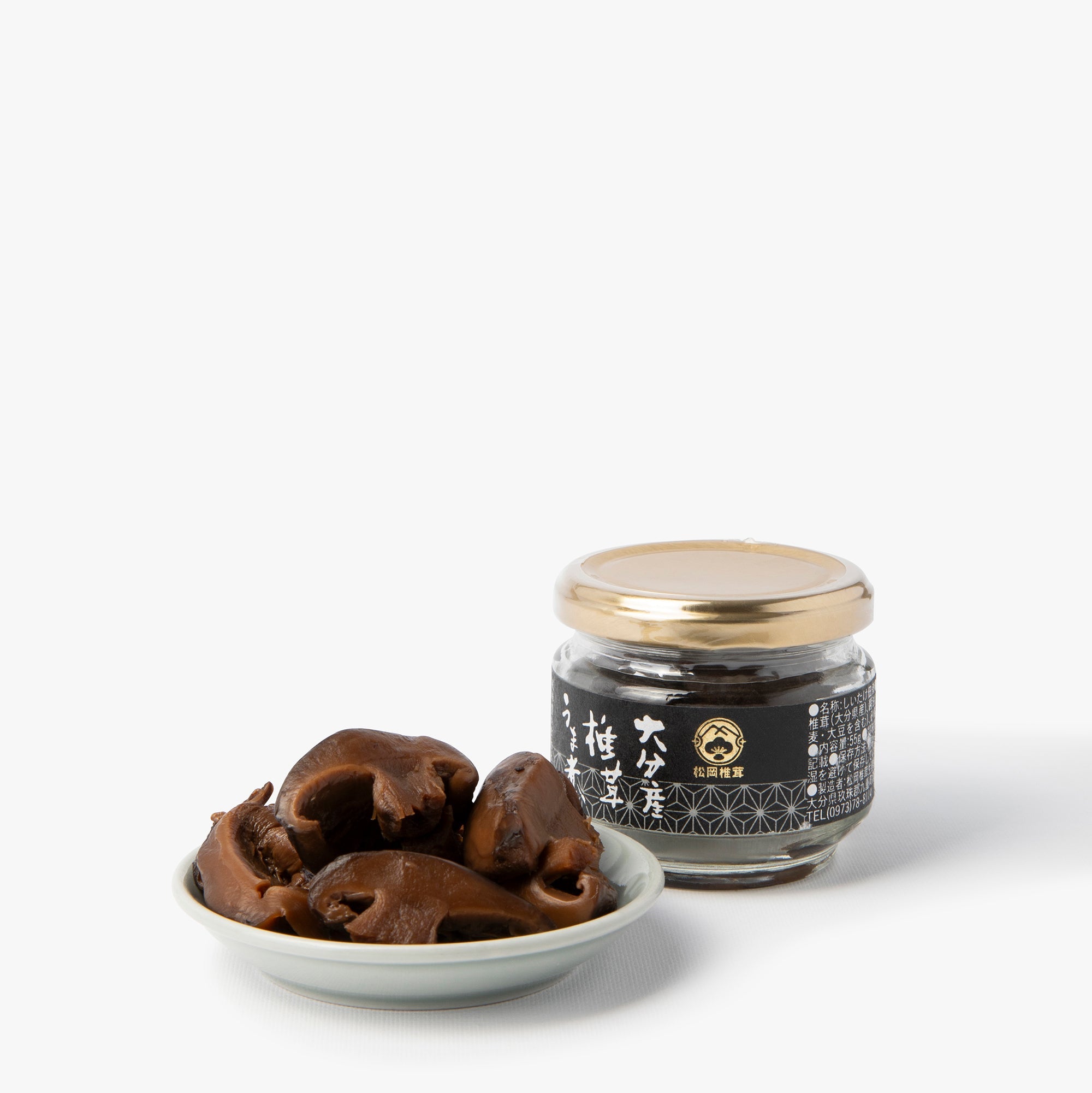
Kuroobi simmered shiitake mushrooms ⋅ Matsuoka shiitake ⋅ 55g
⋅ Oita shiitake cultivated on logs⋅ Simmered in soy sauce, mirin, and sugar after rehydration⋅ Rich, slightly sweet umami flavor⋅ Ideal for soups, broths, stir-fries, curry,...
Regular price 10.00 €Promotional price 10.00 € Regular priceUnit price 181.82 € by kg

Powdered okara soy pulp ⋅ Asahimatsu Shokuhin ⋅ 120g
⋅ Dome-shaped like a plum blossom⋅ Not microwave-safe.⋅ Not dishwasher-safe.A dried soy pulp powder, rich in fiber, perfect for a balanced diet. Made from dried and...
Regular price 3.50 €Promotional price 3.50 € Regular priceUnit price 29.17 € by kg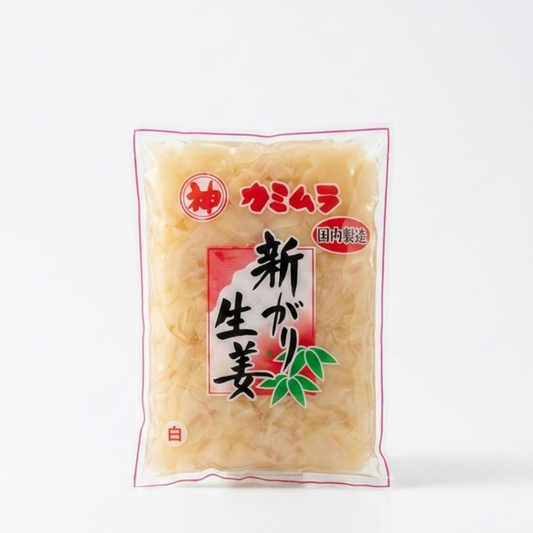
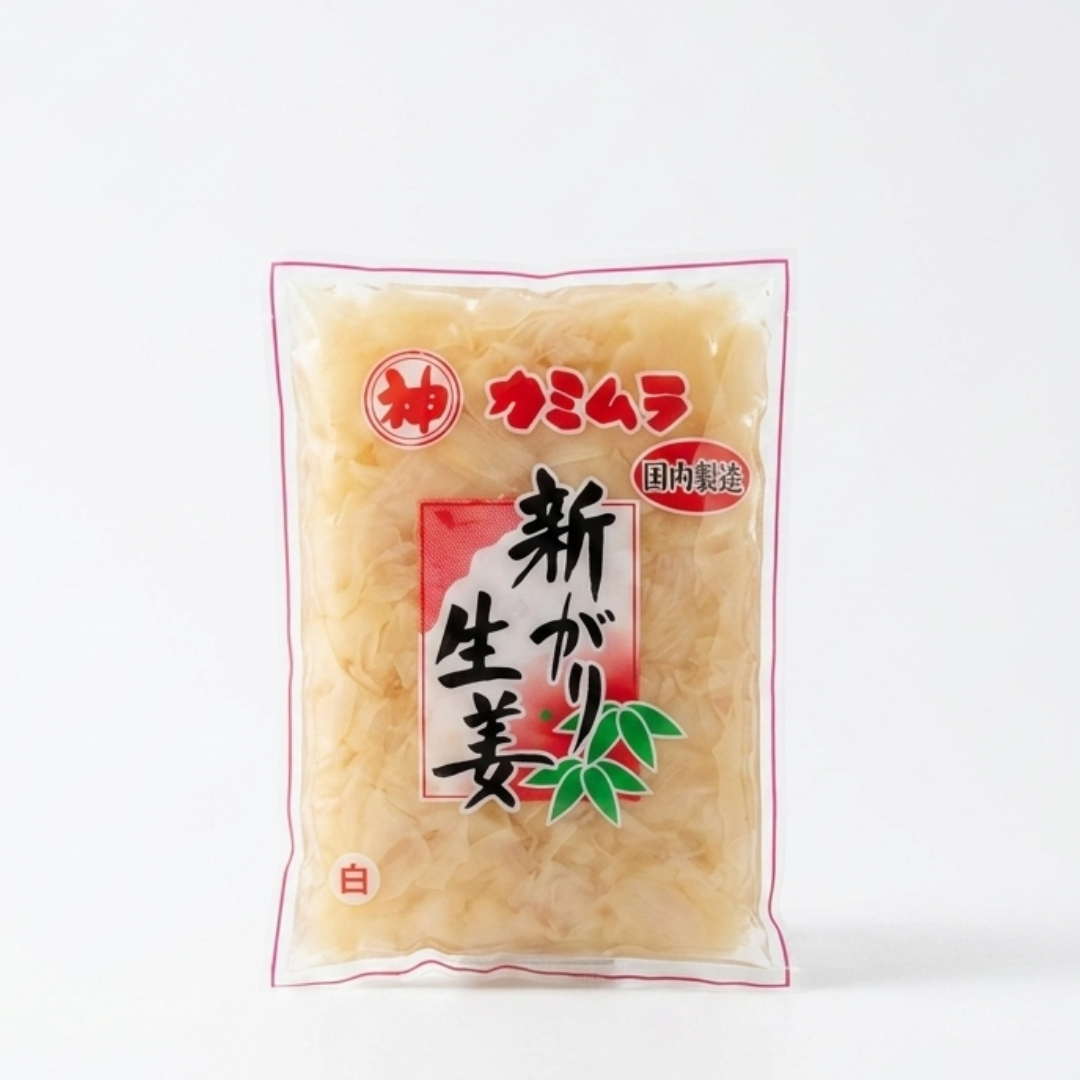
Large-format white gari pickled ginger ⋅ Kamimura ⋅ 1kg
Regular price 14.90 €Promotional price 14.90 € Regular priceUnit price 14.90 € by kgLearn more about Japanese vegetables, beans, and konjac
What is the difference between dried vegetables and freeze-dried vegetables?
Dried vegetables and freeze-dried vegetables are two preservation methods that offer different flavors and a variety of uses in Japanese cuisine.
- Dried vegetables: This traditional process involves slowly dehydrating vegetables (such as daikon radish, shiitake, or ginger) to preserve their flavor and nutrients. They must be rehydrated before use, particularly in Japanese soups, tsukemono, or simmered dishes.
- Freeze-dried vegetables: This more modern method freezes the vegetables before removing their water under vacuum, thereby preserving a lighter, airier texture. They rehydrate very quickly and are often used in instant soups or quick dishes.
In terms of price, freeze-dried vegetables are often more expensive because of the manufacturing process.
Why do the Japanese use so many dried vegetables in their cuisine?
Japanese people widely use dried vegetables in their cuisine for practical, nutritional, and cultural reasons.
From a practical standpoint, drying allows vegetables to be preserved for a long time without refrigeration. This is particularly useful for shiitake, daikon radish, and seaweed such as kombu, which add depth of flavor to soups, tsukemono, and simmered dishes.
From a culinary perspective, drying intensifies flavors. For example, dried shiitake mushrooms have a more pronounced taste than fresh ones and are essential in udon noodles, miso soups, and rice dishes.
This tradition also reflects a focus on dietary balance. Azuki beans, konjac, and dried vegetables are rich in fiber, low in calories, and perfectly suited to a healthy diet.
Finally, the use of dried vegetables is part of Japan’s culinary heritage. Since the Edo period, drying has been a way to store food for the winter or long journeys. Today, products such as umeboshi (dried plum) and dried tofu remain very popular.
What is the difference between edamame beans and regular soybeans?
- Edamame beans are soybeans harvested young and unripe. They are still green and have a tender texture and a sweeter taste than mature soybeans. Edamame are commonly served as a snack or appetizer in Japan, often simply boiled with a little salt or used in Japanese soups.
- By contrast, regular soybeans are left to mature before being harvested. Once mature, they become harder and drier and are used in a wide range of products such as tofu, tempeh, soy noodles, and soy sauces. Soybeans are also available in dried form, such as in dried vegetable dishes or soups.
Thus, the main difference lies in their texture, taste, and culinary use. Edamame beans are more tender and sweet, while regular soybeans are firmer and are often used to make more processed soy-based products.
How to cook and season edamame?
Cooking edamame:
- Start by rinsing the edamame beans under cold water to remove any impurities.
- Bring a large pot of salted water to a boil. Add about 1 to 2 tablespoons of salt per liter of water to enhance the flavor of the beans.
- Once the water is boiling, add the edamame and cook for 5 to 6 minutes if you like them slightly crunchy, or a little longer if you prefer a more tender texture.
- Drain the edamame and let them cool for a few minutes before serving.
Seasoning:
- The simplest and most popular way to season edamame is to add salt immediately after cooking. You can also use sea salt or sesame salt for a different touch.
- For a spicier seasoning, you can add a little chili flakes, grated ginger, or even a little soy sauce to enhance the flavor.
- If you enjoy an umami flavor, a little furikake (a Japanese seasoning made with seaweed, sesame, and fish) can be sprinkled over the edamame just before serving.
Edamame are perfect as a side dish with a Japanese meal, such as soups or noodles, or simply as a snack. You can also add them to salad recipes or even use them in miso soups to add a touch of texture.
How do you prepare kuromame for the Japanese New Year?
Kuromame (sweet black beans) are an essential culinary tradition of the Japanese New Year. These beans, known for their glossy black color and firm texture, are generally cooked in a sweet-and-savory preparation to symbolize health and longevity. Here is how to prepare them to celebrate the New Year:
Ingredients:
- Kuromame (Japanese black beans) - approximately 200g
- Sugar - 150g
- Soy sauce - 2 tablespoons
- Mirin - 2 tablespoons
- Water - approximately 600ml
- Salt - 1 teaspoon
Preparation:
Soaking the beans:
- Start by rinsing the kuromame under cold water to remove any impurities.
- Place the beans in a large bowl and cover them with cold water. Leave them to soak for 8 to 12 hours (ideally overnight) to rehydrate them.
Cooking the beans:
- Drain the beans after soaking and place them in a saucepan with approximately 600ml of water. Bring to a boil over medium heat.
- Once the water is boiling, reduce the heat and cook the beans for approximately 1 hour, or until they become tender but remain firm. Add water if necessary to keep the beans covered.
Preparing the sweet syrup:
- While the beans are cooking, combine the sugar, soy sauce, mirin, and a little salt in a small saucepan. Heat over medium heat, stirring until the sugar has completely dissolved, but do not bring to a boil.
- Once the syrup is ready, remove it from the heat.
Adding the syrup to the beans:
- When the beans are tender, add the sweet syrup to the saucepan with the beans. Mix well to coat the beans.
- Simmer over low heat for approximately 30 minutes, until the liquid has almost completely evaporated, forming a thick, glossy syrup around the beans. If necessary, adjust the cooking time and add a little water to prevent the beans from burning.
- Let the kuromame cool in their syrup, and serve once completely cooled.
Kuromame are considered a symbol of hard work and longevity. Their black color is also associated with protection from evil spirits. They are often enjoyed during seirō (New Year's meal) to bring prosperity and good health throughout the year.
What is the difference between konjac and shirataki noodles?
Konjac and shirataki noodles come from the same plant, konjac (Amorphophallus konjac), but there is an important difference in their form, use, and preparation.
Konjac:
Konjac is a plant native to Asia, mainly used in Japanese, Korean, and Chinese cuisine. Its root is processed into powder or gel. This powder is then mixed with water to form a dough. The finished product can be used in various forms, such as blocks, powders for thickening sauces, or gelatins used in various recipes. In terms of texture, konjac is generally firm, slightly rubbery, and virtually tasteless. It is a low-calorie food rich in glucomannan, a fiber that absorbs a large amount of water and aids digestion.Shirataki Noodles:
Shirataki noodles, often called konjac noodles, are a processed form of konjac. They are made from konjac dough mixed with water and lime to create a noodle-like, stringy texture. Shirataki are often sold in packs of water and are very popular in low-carbohydrate diets or vegetable-based dishes such as soups. In terms of texture, they are translucent, rubbery, and readily absorb the flavors of the sauces or broths in which they are cooked. Like konjac, they are also very low in calories and contain almost no carbohydrates.Which traditional Japanese dishes use konjac?
Konjac is an essential ingredient in many traditional Japanese dishes thanks to its unique texture, low calorie content, and ability to absorb the flavors of broths or sauces. Here are some dishes where konjac is commonly used:
- Oden
Oden is a Japanese stew made with a flavorful broth, into which various ingredients such as boiled eggs, tofu, vegetables, and, of course, konjac are added. Konjac is often prepared in the form of blocks or slices, and it soaks up the flavor of the broth, offering a firm yet tender texture that is ideal for this type of dish. - Sukiyaki
Sukiyaki is a Japanese hot pot dish in which pieces of meat, usually beef, and vegetables are cooked in a sweet-and-savory broth. In some versions of sukiyaki, slices of konjac are added to provide an interesting texture that contrasts with the meat and vegetables. - Nabemono
Nabemono are Japanese hot pot dishes in which various ingredients are cooked together in a hot broth. Konjac, in slices or blocks, is frequently included to add volume and absorb the flavor of the broth. It is a popular ingredient in many regional versions of nabemono. - Chankonabe
Chankonabe is a nourishing soup generally consumed by sumo wrestlers. It contains a variety of ingredients such as vegetables, proteins, noodles, and konjac. Konjac, in the form of slices or blocks, is a common addition because it makes the dish even more filling without adding unnecessary calories. - Konyaku (Konjac) no Tsukudani
Konyaku no tsukudani is a Japanese side dish in which konjac is simmered in a sweet-and-savory sauce made with soy sauce, mirin, and sugar. This simple yet delicious dish highlights konjac’s unique texture, which absorbs the flavors of the sauce. - Kinpira Konjac
Kinpira konjac is a traditional preparation in which slices of konjac are stir-fried with vegetables such as carrots and peppers, then seasoned with soy sauce and sugar. It is a simple yet flavorful way to cook konjac in Japanese homes.


