


Collection: Miso pasta
The miso (pronounce misso) is a traditional Japanese fermented paste made from soy, rice or barley beans, salt and a ferment called koji. There are several varieties, with a soft or intense taste depending on the duration of fermentation. This step varies from two weeks to several years. Miso dough is an ally to be healthy thanks to its high protein, vitamins, mineral and enzymes content.


-
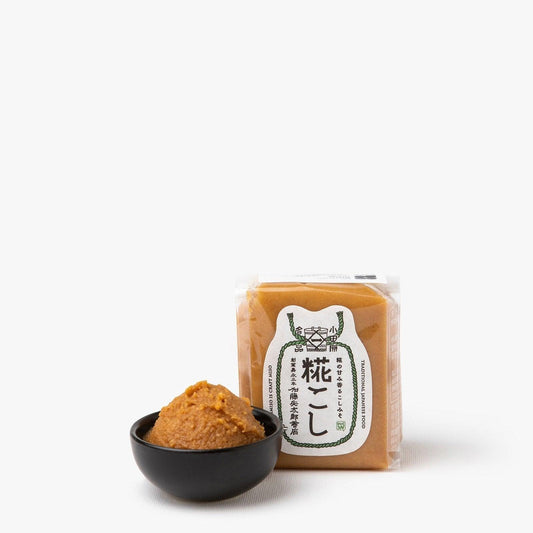
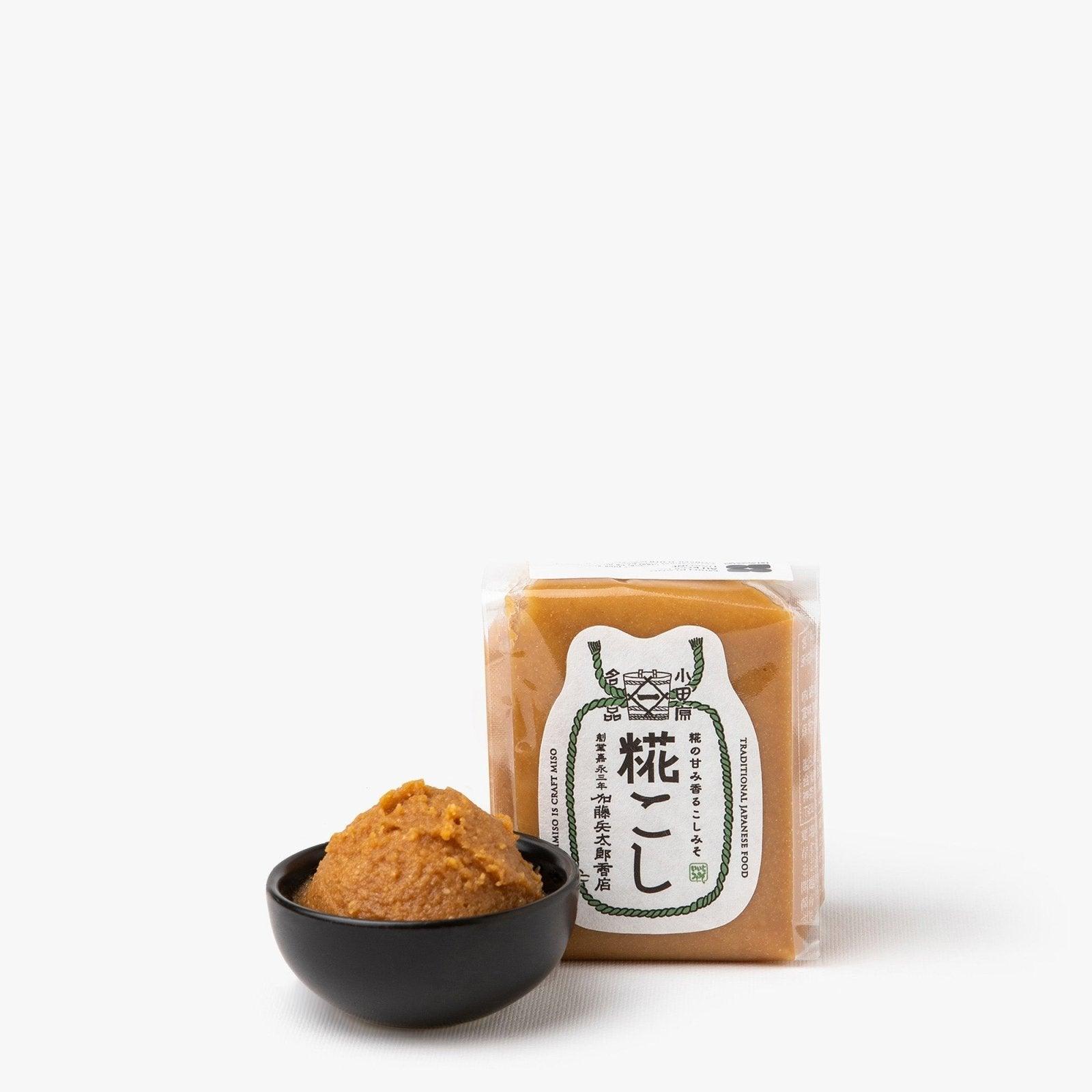
Hakone white koji miso ⋅ Kato Heitaro shoten ⋅ 200g
⋅ Entirely handmade⋅ Small-scale producer⋅ Premium⋅ Perfect for marinades⋅ Miso made in wooden barrelsThe addition of koji gives this miso a mild, sweet flavor that children...
Regular price 5.50 €Promotional price 5.50 € Regular priceUnit price 27.50 € by kg

Hakone red miso ⋅ Kato Heitaro shoten ⋅ 200g
⋅ Entirely handmade⋅ Small-scale producer⋅ Premium⋅ Perfect for sauces⋅ Miso aged in wooden barrelsThis miso is aged for several months in 90-year-old wooden barrels, which gives...
Regular price 5.50 €Promotional price 5.50 € Regular priceUnit price 27.50 € by kg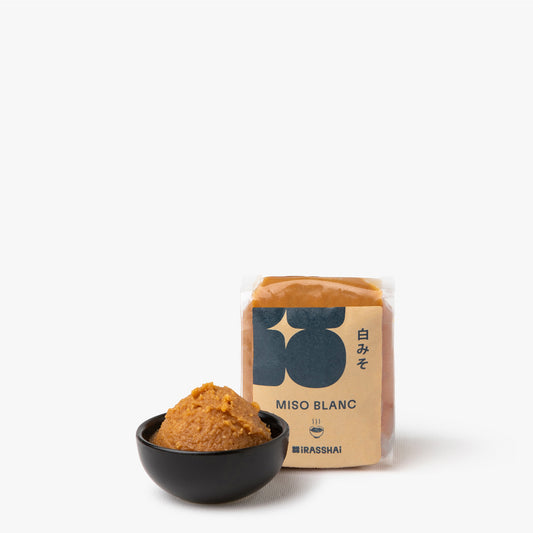
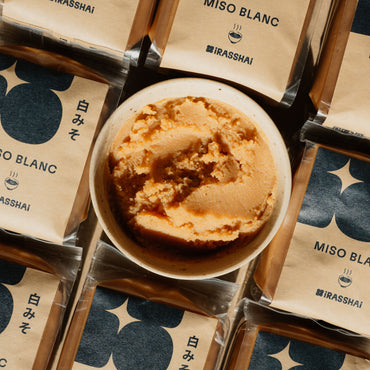
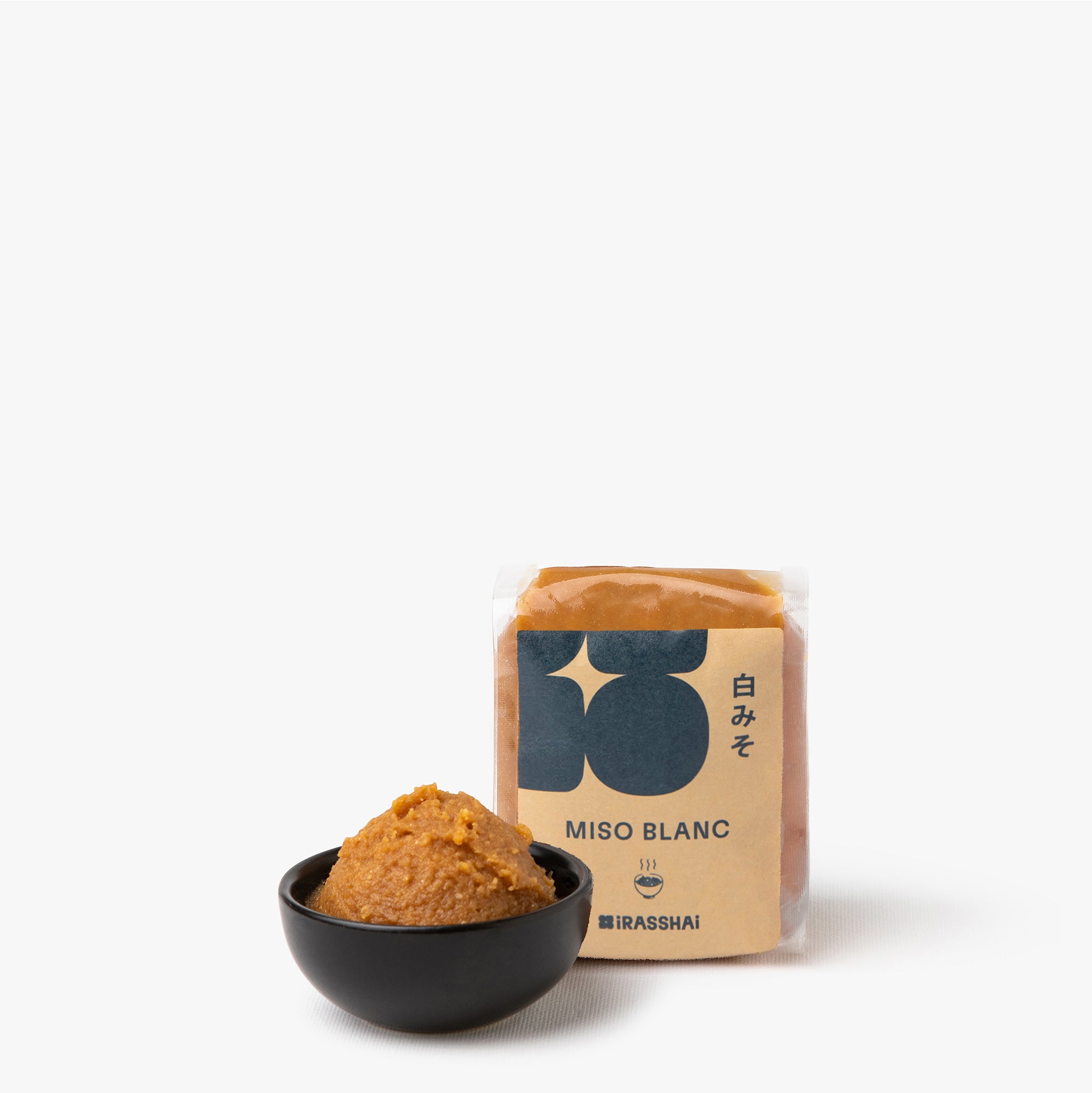
White miso ⋅ Kato Heitaro Shoten for iRASSHAi ⋅ 200g
⋅ Rich in probiotics⋅ Deeply umami⋅ Traditionally madeThis white miso has been selected by iRASSHAi to be part of the essential Japanese kitchen collection! Rich in...
Regular price 5.50 €Promotional price 5.50 € Regular priceUnit price 27.50 € by kg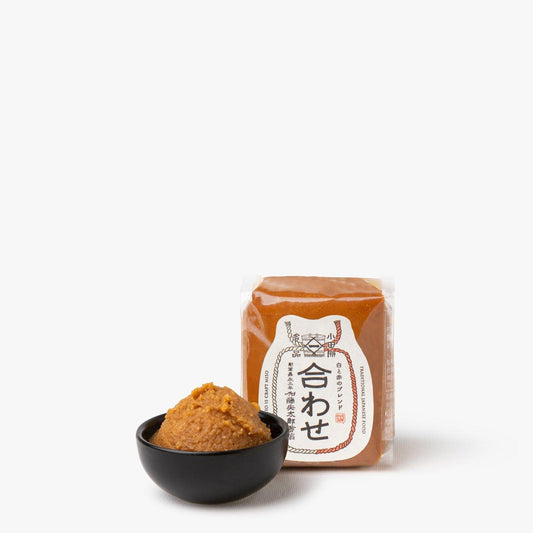
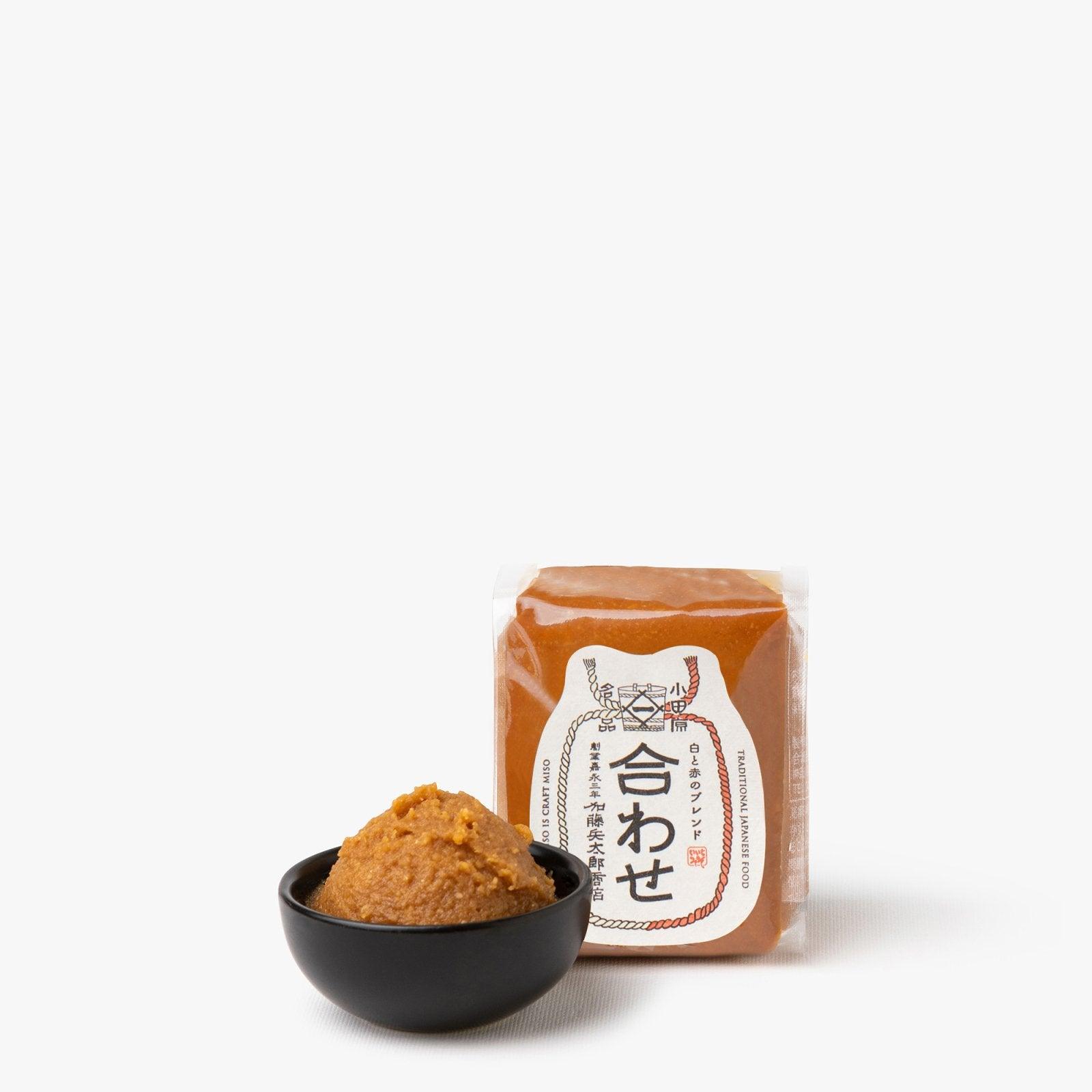
Hakone Awase miso blend of white and red miso ⋅ Kato Heitaro shoten ⋅ 200g
⋅ Miso made to order⋅ Artisanal method⋅ An umami flavor with sweet notes⋅ Perfect in sauces and soupsCreated by the producer at the request of its...
Regular price 5.50 €Promotional price 5.50 € Regular priceUnit price 27.50 € by kg

Hakone long-fermented miso ⋅ Kato Heitaro shoten ⋅ 200g
⋅ Entirely handmade⋅ Small-scale producer⋅ Premium⋅ Ideal for barbecue sauces⋅ A rich and intense flavorIts long fermentation process gives it rich, powerful aromas and a beautiful...
Regular price 5.50 €Promotional price 5.50 € Regular priceUnit price 27.50 € by kg

Miso for dengaku sauce ⋅ Kajita Shoten ⋅ 100g
⋅ A dish kids love⋅ Great with eggplant or leeks⋅ Gluten-free⋅ No additives⋅ Resealable pouchThis rich and thick dengaku sauce is made from miso, soybeans, and...
Regular price 5.00 €Promotional price 5.00 € Regular priceUnit price 50.00 € by kg
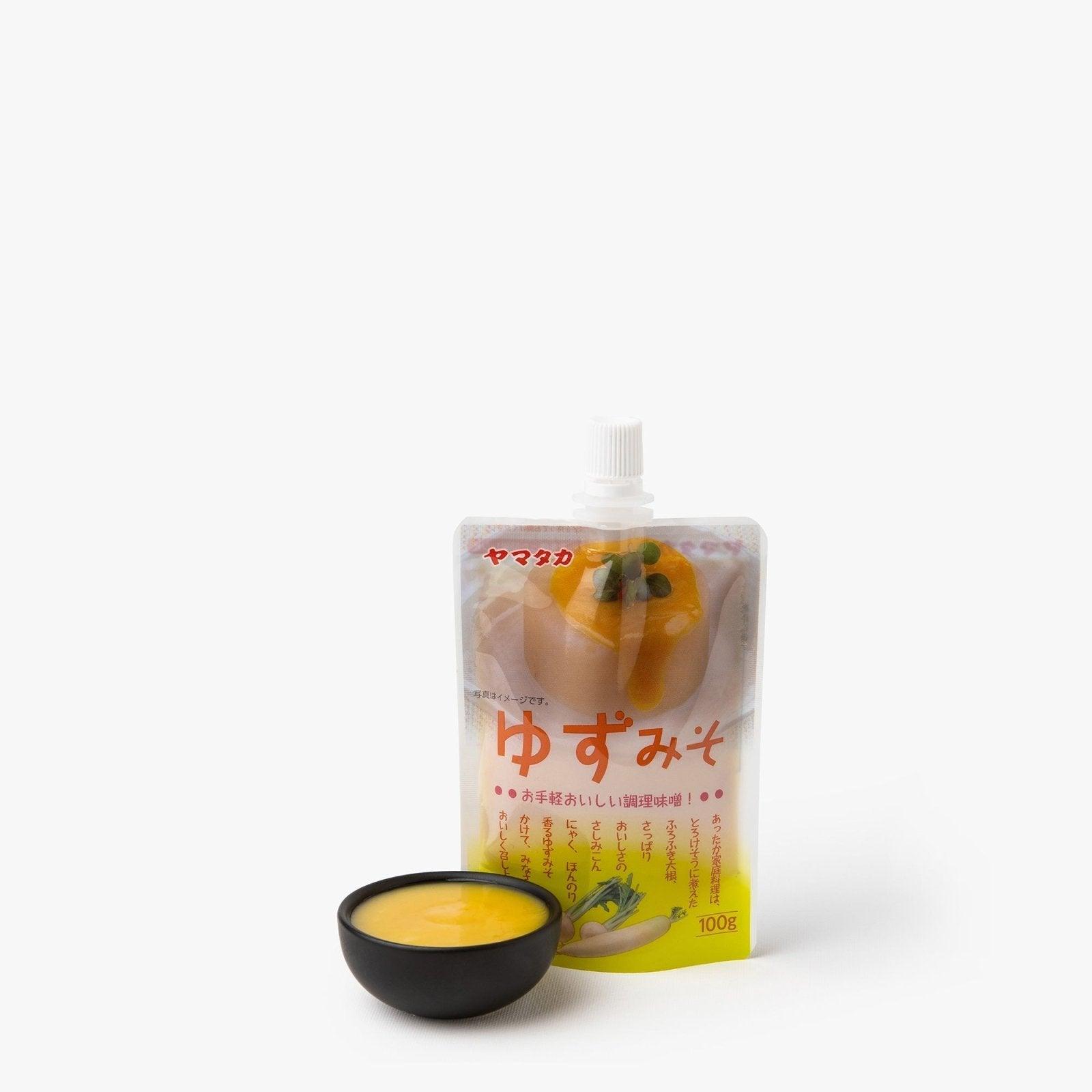
Yuzu miso ⋅ Yamataka ⋅ 100g
⋅ With fish or on ice cream⋅ Mild and fresh flavor⋅ Resealable pouch⋅ Gluten-free⋅ With yuzuThis yuzu miso combines the deep umami of miso with the...
Regular price 3.90 €Promotional price 3.90 € Regular priceUnit price 39.00 € by kg

White Koji Miso ⋅ Kono Vinegar Miso Manufacturing Factory ⋅ 400g
⋅ Handcrafted⋅ Aged for 1 year⋅ No artificial enzymes added⋅ Mild flavor and thick texture⋅ Perfect for marinadesThis miso is made in winter using the Tennen...
Regular price 12.70 €Promotional price 12.70 € Regular priceUnit price 31.75 € by kg

Sweet White Miso ⋅ Masuya Miso ⋅ 300g
⋅ JAS Certified⋅ Award-winning at the Monde Selection competition⋅ Perfect for baking⋅ Mild flavor⋅ Gluten-freeThis sweet white miso is produced under the JAS (organic) label and...
Regular price 8.60 €Promotional price 8.60 € Regular priceUnit price 28.67 € by kg

Premium barley red miso ⋅ Marukawa Miso ⋅ 345g
⋅ Handcrafted, produced in small batches⋅ Grainy flavor⋅ Very popular in western Japan⋅ JAS certified⋅ Gluten-freeThis miso is brewed using the Tennen Jôzô method, meaning no...
Regular price 13.00 €Promotional price 13.00 € Regular priceUnit price 37.68 € by kg

Akita red miso ⋅ Asarisasuke Shoten ⋅ 500g
⋅ Miso made exclusively with ingredients from Akita⋅ A mild, rich flavor⋅ Perfect for miso soups⋅ HandcraftedThis miso is made from soybeans and Akita-komachi rice. Both...
Regular price 14.30 €Promotional price 14.30 € Regular priceUnit price 28.60 € by kg

Koshihikari rice white miso ⋅ Yamataka ⋅ 750g
⋅ Made with Koshihikari rice⋅ Enriched with Koji⋅ A well-rounded, slightly sweet flavor⋅ Perfect for sauces and marinades⋅ Works well with both savory and sweet dishesMade...
Regular price 14.20 €Promotional price 14.20 € Regular priceUnit price 18.93 € by kg

Black and Red Miso Blend Awase Miso ⋅ Maruya Hatcho Miso ⋅ 450g
⋅ Handcrafted⋅ Aged for 2 years in cypress barrels⋅ Creamy texture⋅ Rich, umami flavor⋅ Perfect for enhancing saucesA blend of pure soybean miso mixed with rice...
Regular price 8.50 €Promotional price 8.50 € Regular priceUnit price 18.89 € by kg

Black Miso ⋅ Maruya Hatcho Miso ⋅ 300g
⋅ Gluten-free⋅ Rich in flavor and protein⋅ For sauces, soups, and broths⋅ Aged in cedar barrels⋅ Artisanal productionAn additive-free, gluten-free miso made with only soybeans and...
Regular price 8.80 €Promotional price 8.80 € Regular priceUnit price 29.33 € by kg

Shinshu red miso ⋅ Yamataka ⋅ 750g
⋅ Blended from 3 types of miso⋅ Rich, full-bodied flavor⋅ Ideal for enhancing sauces⋅ Perfect with grilled dishesInaka Miso is a red miso traditionally brewed in...
Regular price 14.20 €Promotional price 14.20 € Regular priceUnit price 18.93 € by kg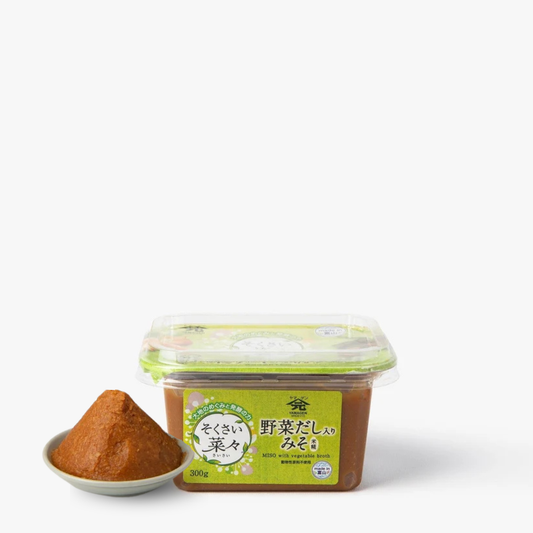
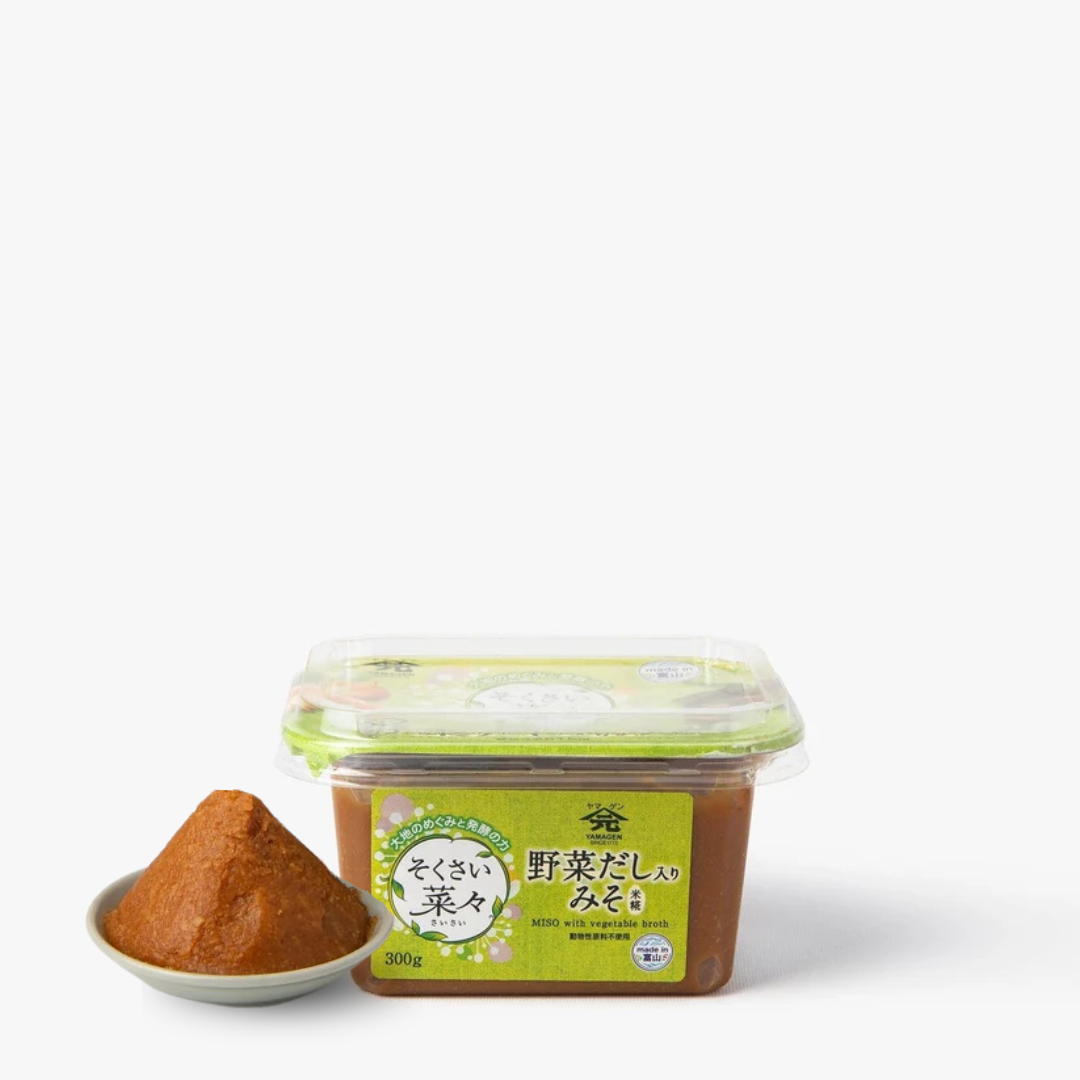
Vegetable miso ⋅ Yamagen Jozo ⋅ 300g
⋅ Perfect for soup⋅ Easy to use⋅ Mild and smooth⋅ Gluten-freeA miso made by incorporating vegetable dashi, giving it a mild and fragrant flavor. Miso is...
Regular price 8.80 €Promotional price 8.80 € Regular priceUnit price 29.33 € by kg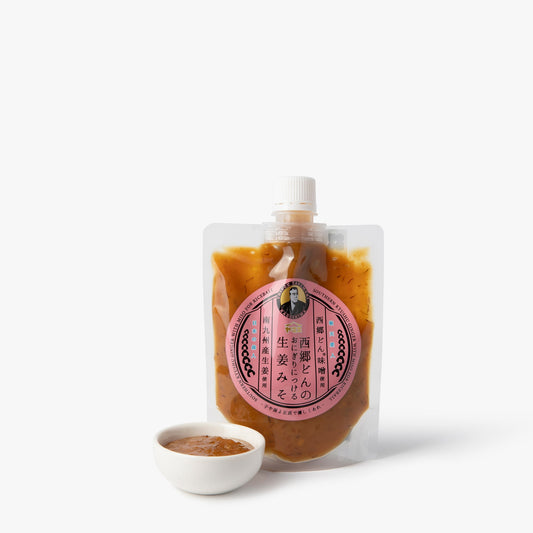
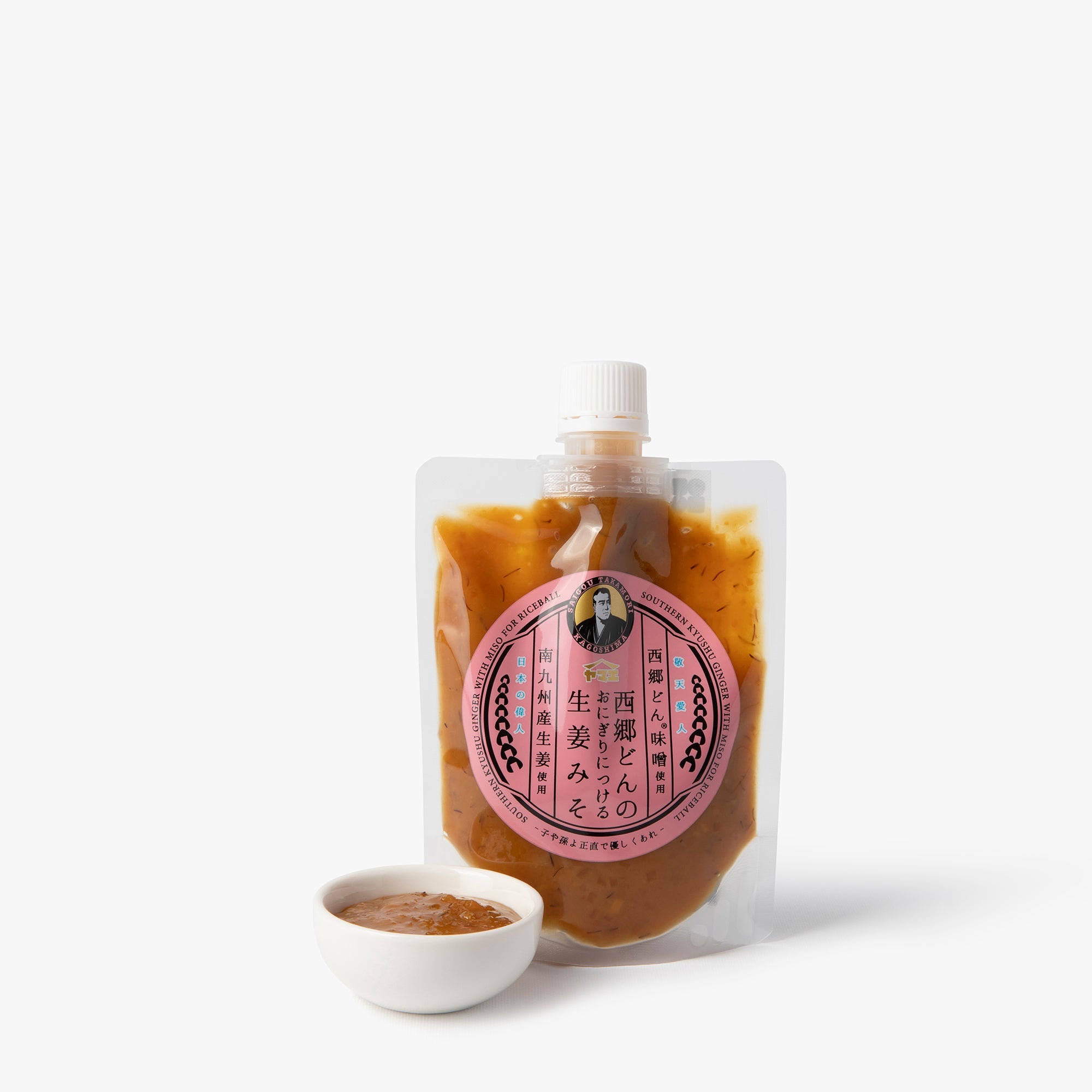
Ginger miso condiment ⋅ Yamae Shokuhin ⋅ 180g
⋅ Perfect for onigiri⋅ Mild and refreshing flavor⋅ Delicious with fresh vegetables⋅ Perfect for appetizers⋅ Convenient pouch formatA ginger miso condiment with an authentic mild and...
Regular price 8.30 €Promotional price 8.30 € Regular priceUnit price 46.11 € by kg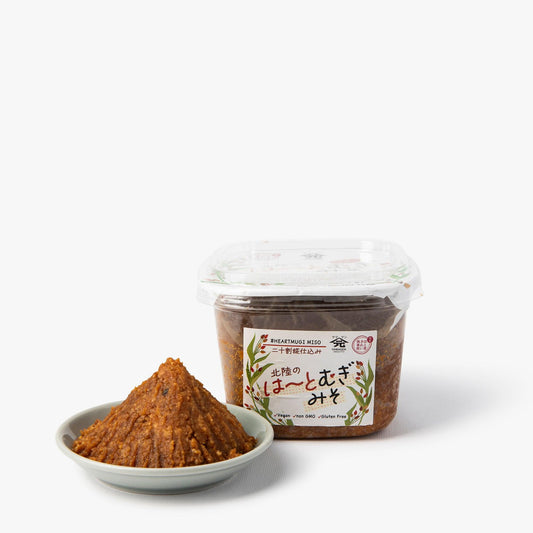
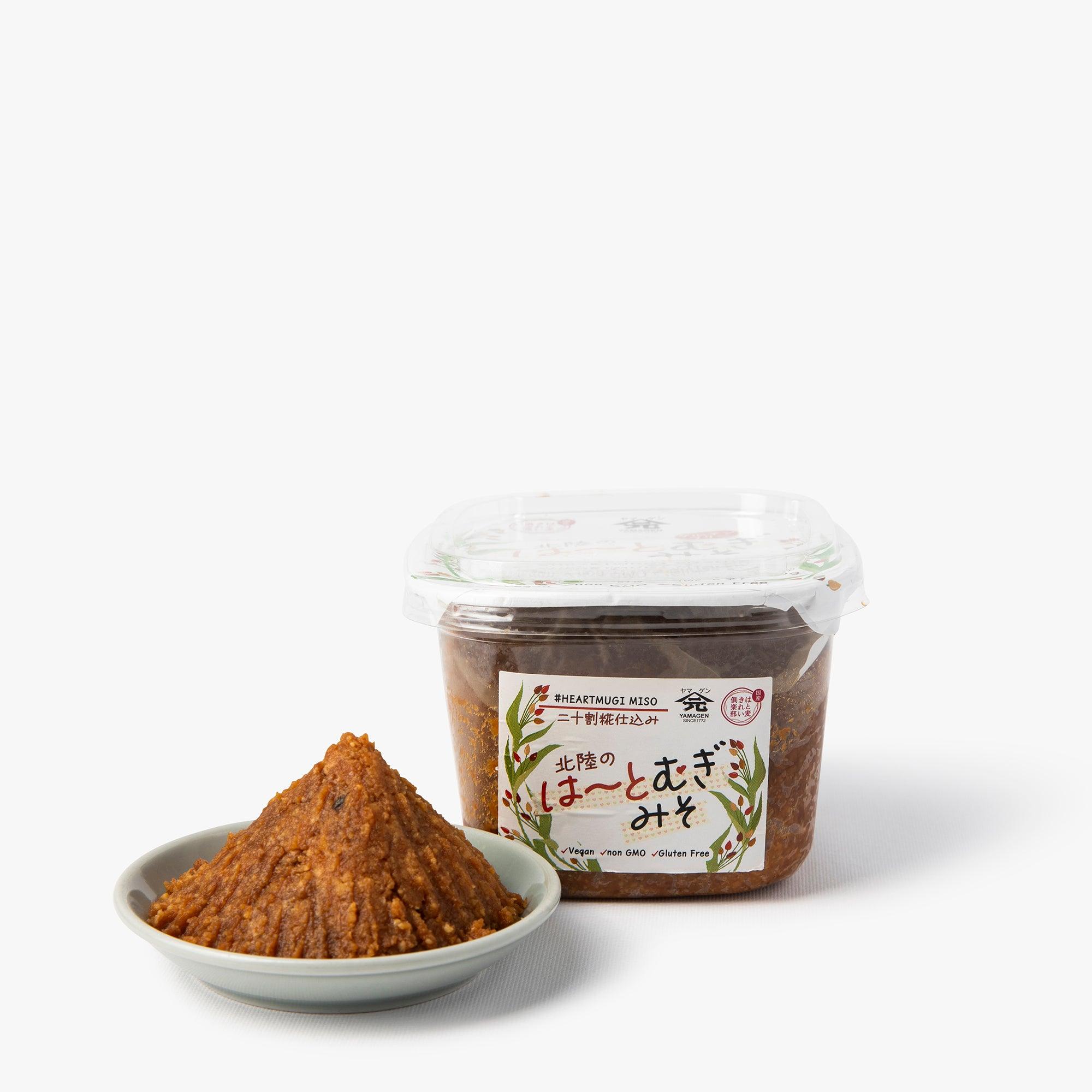
Gluten-free oat miso ⋅ Yamagen Jozo ⋅ 400g
⋅ Gluten-free⋅ Easy to use⋅ Made in Toyama⋅ For sauces and soupsA miso containing oats, which gives it a smooth, mellow flavor. Miso is a fermented...
Regular price 10.30 €Promotional price 10.30 € Regular priceUnit price 25.75 € by kg


5-miso discovery set ⋅ Yamabuki Miso ⋅ 500g
• Perfect as a gift• Assortment of 5 miso varieties in 100g bags• Ideal for exploring the variety of miso flavors and intensities.• 100g sizes, ranging...
Regular price 18.50 €Promotional price 18.50 € Regular priceUnit price 37.00 € by kg

White miso enriched with koji ⋅ Yamabuki Miso ⋅ 500g
• Mild and naturally umami-rich Goput • Perfect for miso soups, sauces, broths, and marinades.• Transforms every dish into an authentic Japanese experience.A white miso enriched...
Regular price 14.70 €Promotional price 14.70 € Regular priceUnit price 29.40 € by kg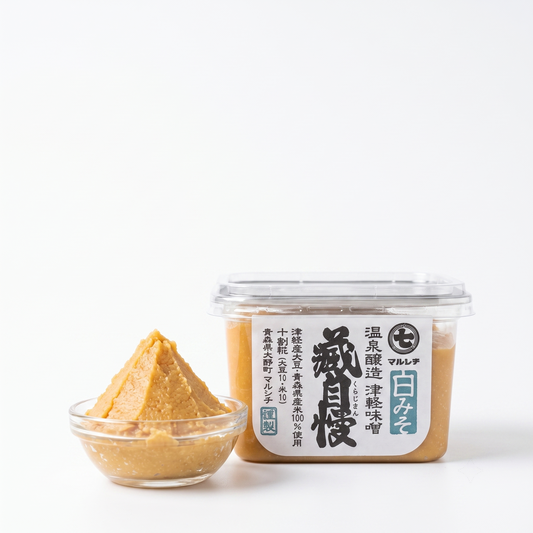
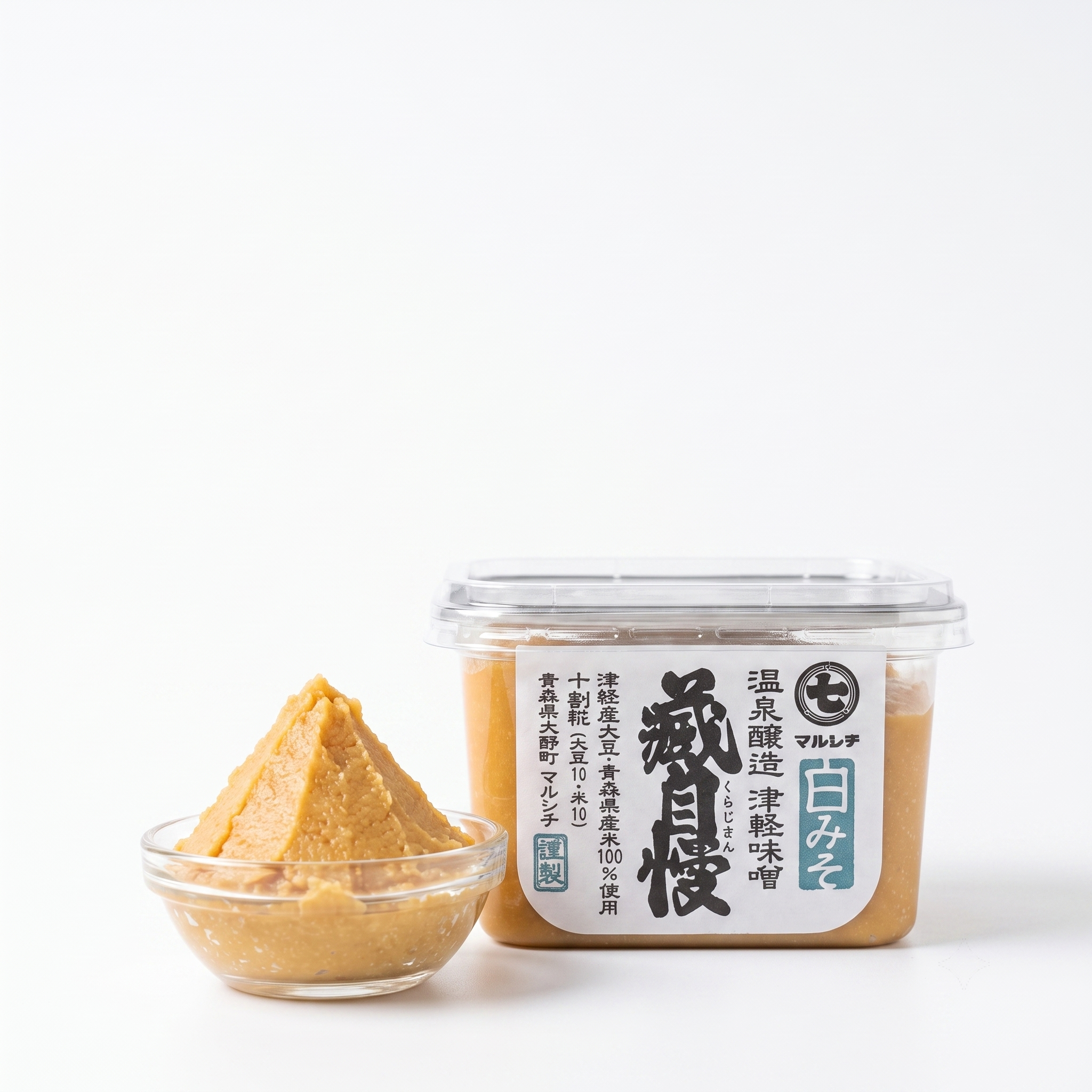
Aomori white miso ⋅ Marushichi ⋅ 400g
⋅ Artisanal production⋅ No additives⋅ Mild taste and creamy texture⋅ Perfect for marinades or creamy saucesThis white miso is the pride of Marushichi. It ferments in...
Regular price 9.80 €Promotional price 9.80 € Regular priceUnit price 24.50 € by kg
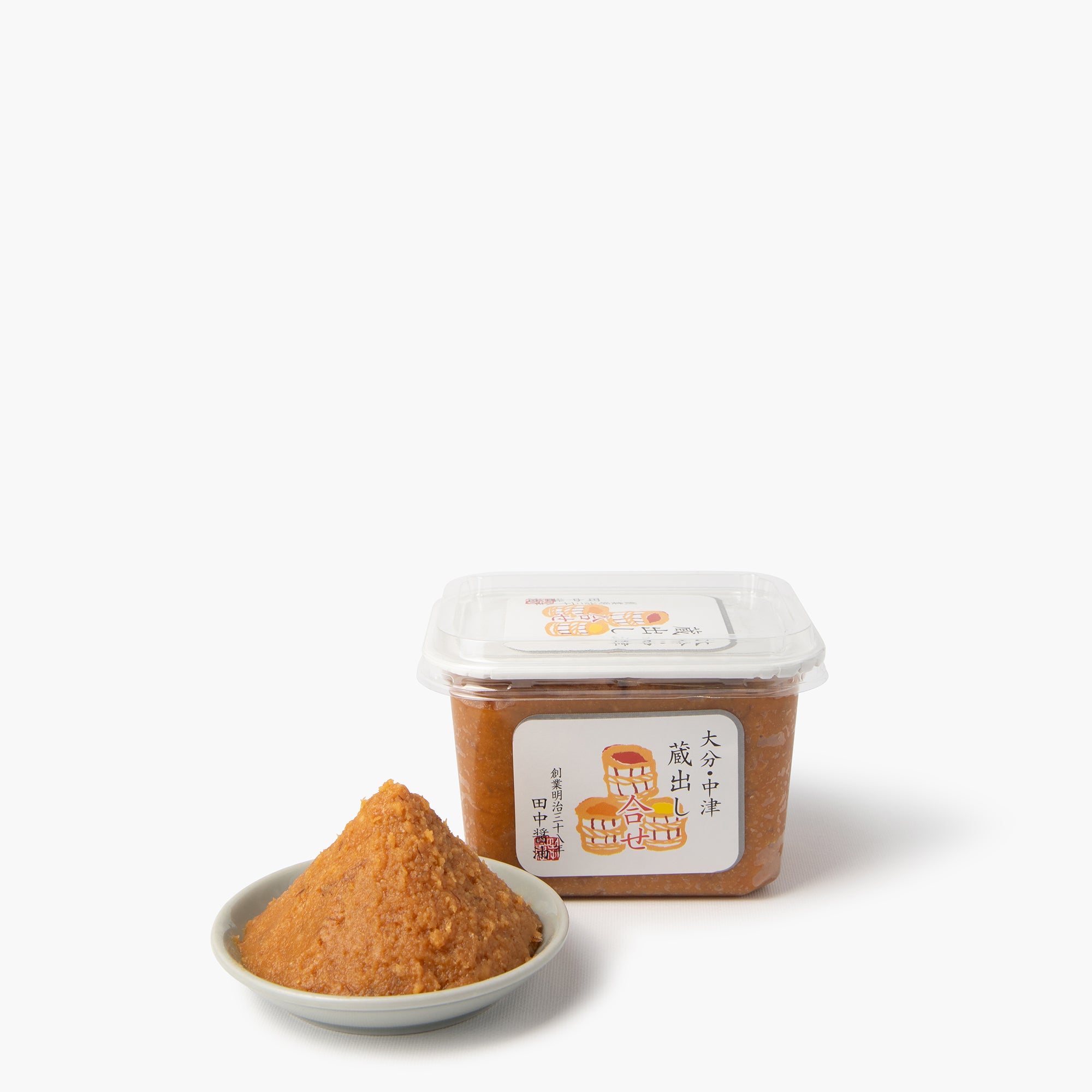
Awase rice and barley miso blend ⋅ Tanaka Shoyu ⋅ 500g
• A blend of rice and barley miso (awase miso)• A balanced flavor combining sweetness and umami• Easy to incorporate• Made in Oita by Tanaka Shoyu•...
Regular price 8.75 €Promotional price 8.75 € Regular priceUnit price 17.50 € by kg
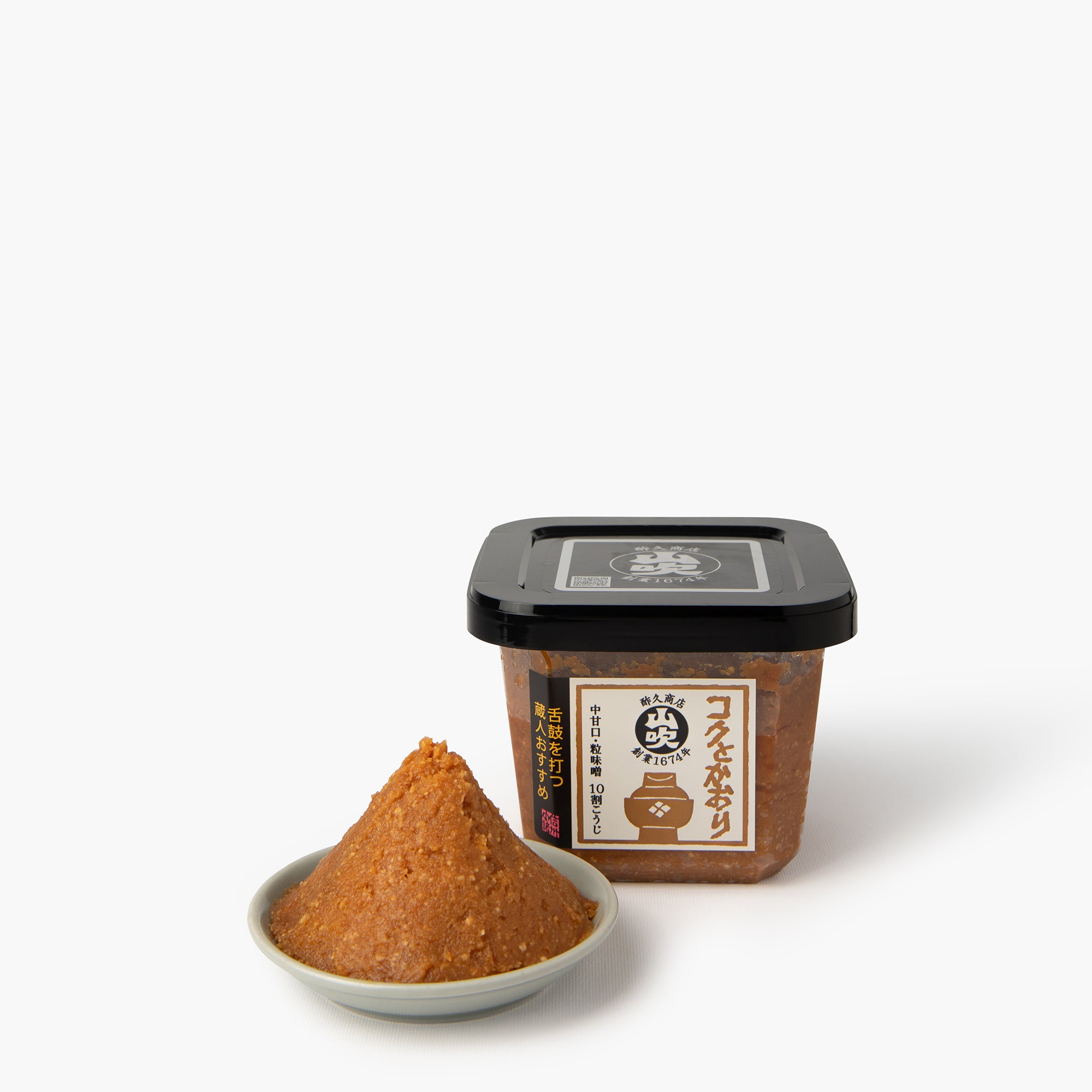
Rich brown miso ⋅ Yamabuki Miso ⋅ 500g
• Mild, deep flavor rich in umami• Ideal for soups, broths, marinades, or salad dressings.• Makes meat tender and juic• Contains 150% more koji than traditional...
Regular price 14.70 €Promotional price 14.70 € Regular priceUnit price 29.40 € by kg
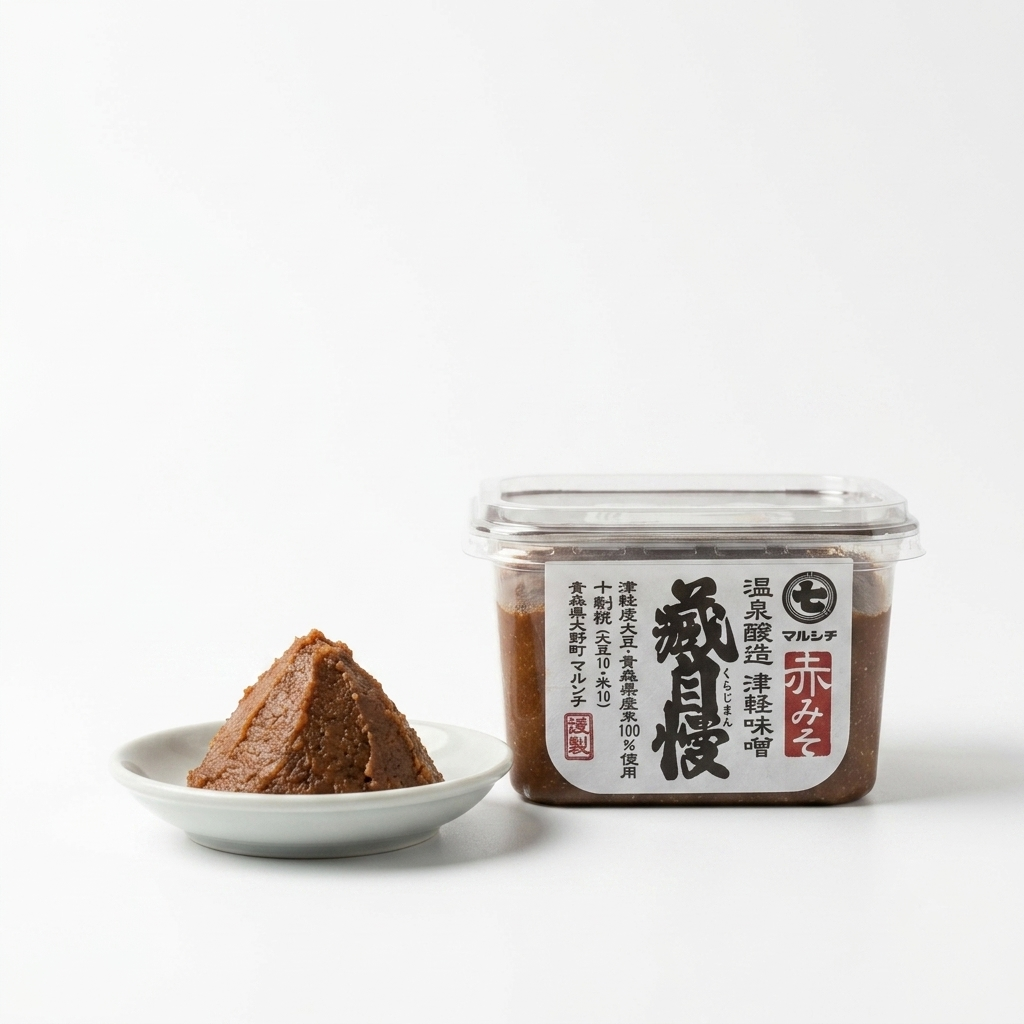
Aomori red miso ⋅ Marushichi ⋅ 400g
⋅ Artisanal production⋅ No additives⋅ Full-bodied taste⋅ Long fermentation develops umami⋅ Ideal for meat or fish dishesThis red miso is Marushichi's signature product. It ferments in...
Regular price 9.80 €Promotional price 9.80 € Regular priceUnit price 24.50 € by kg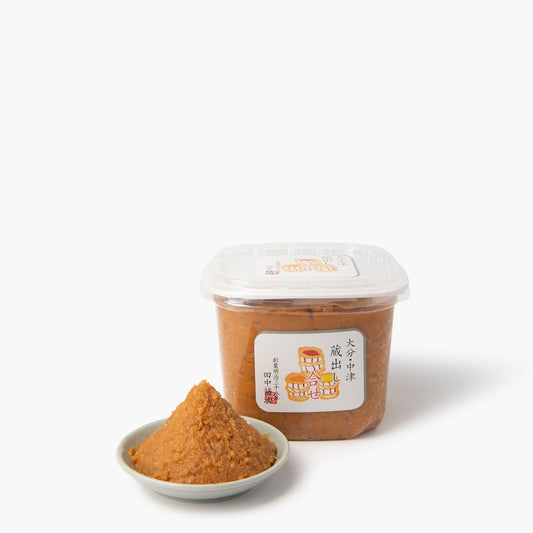
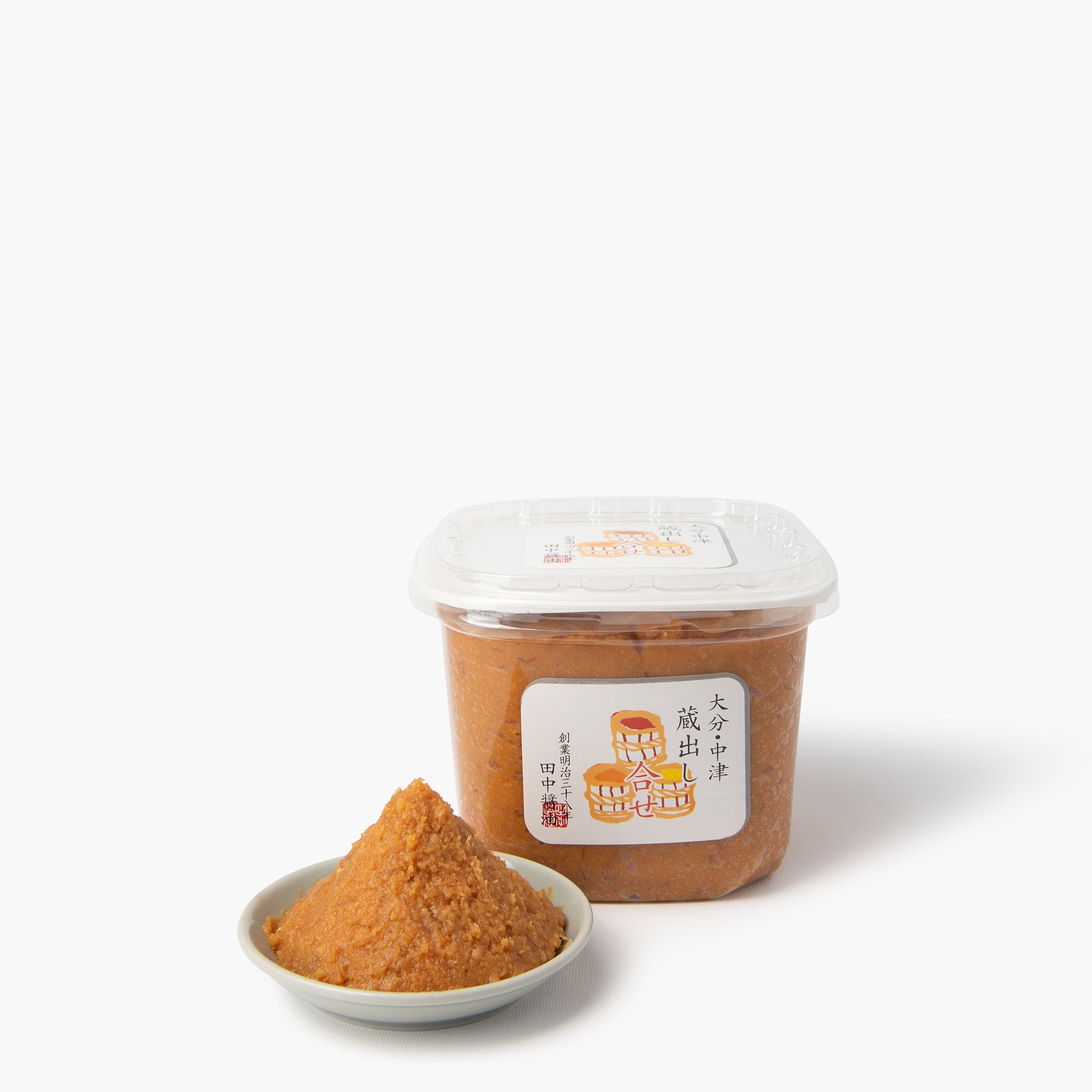
Awase rice and barley miso blend ⋅ Tanaka Shoyu ⋅ 1kg
• A blend of rice and barley miso (awase miso)• A balanced flavor combining sweetness and umami• Easy to incorporate• Made in Oita by Tanaka Shoyu•...
Regular price 11.30 €Promotional price 11.30 € Regular priceUnit price 11.30 € by kg

Sweet White Miso Enriched with Koji ⋅ Yamabuki Miso ⋅ 500g
• Natural sweetness and umami • Ideal for savory and sweet dishes alike!• Rustic texture, with small pieces of kojiA mild, umami-rich, sweet white miso made...
Regular price 20.80 €Promotional price 20.80 € Regular priceUnit price 41.60 € by kg
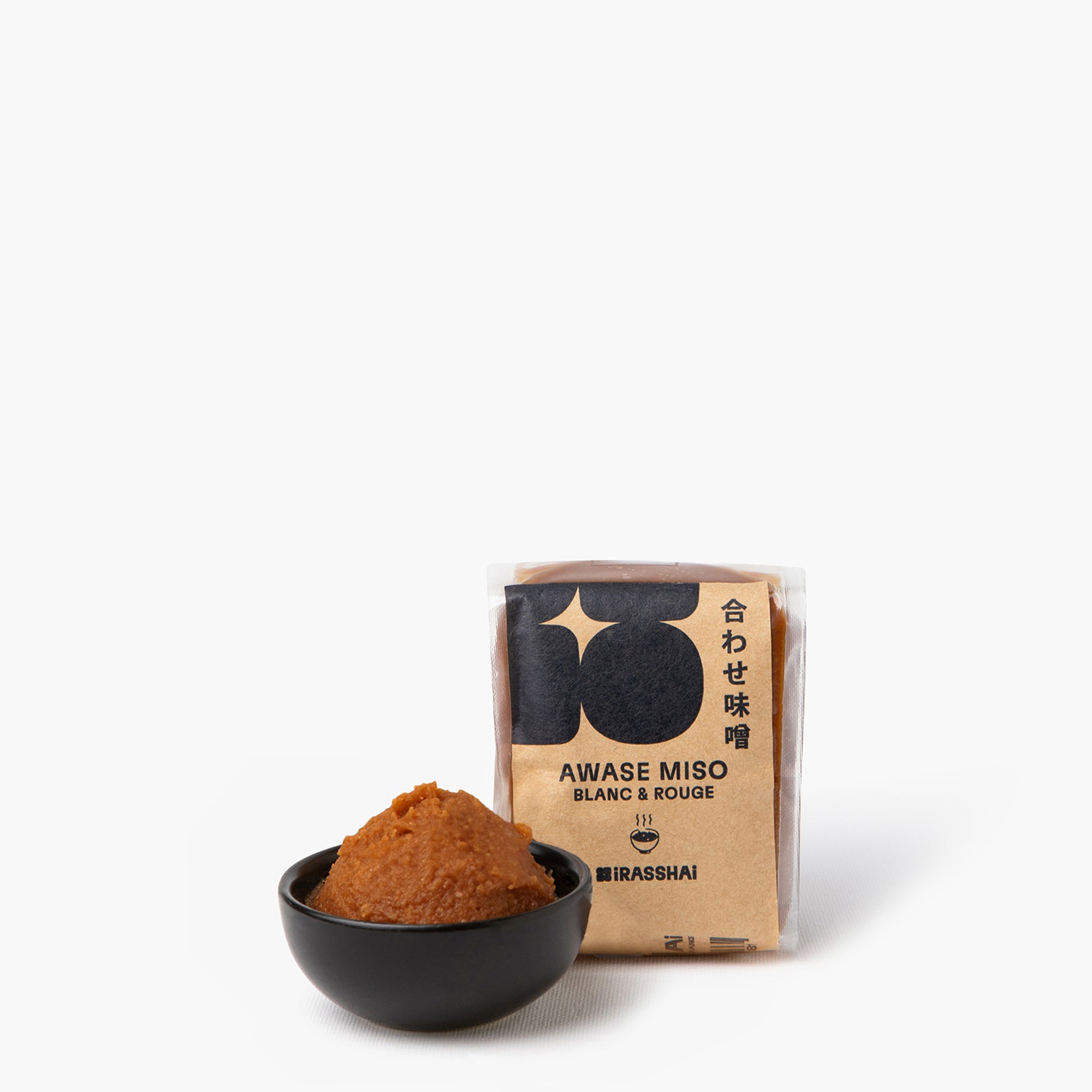
White & red awase miso ⋅ Kato Heitaro Shoten for iRASSHAi ⋅ 200g
Regular price 5.50 €Promotional price 5.50 € Regular priceUnit price 27.50 € by kg
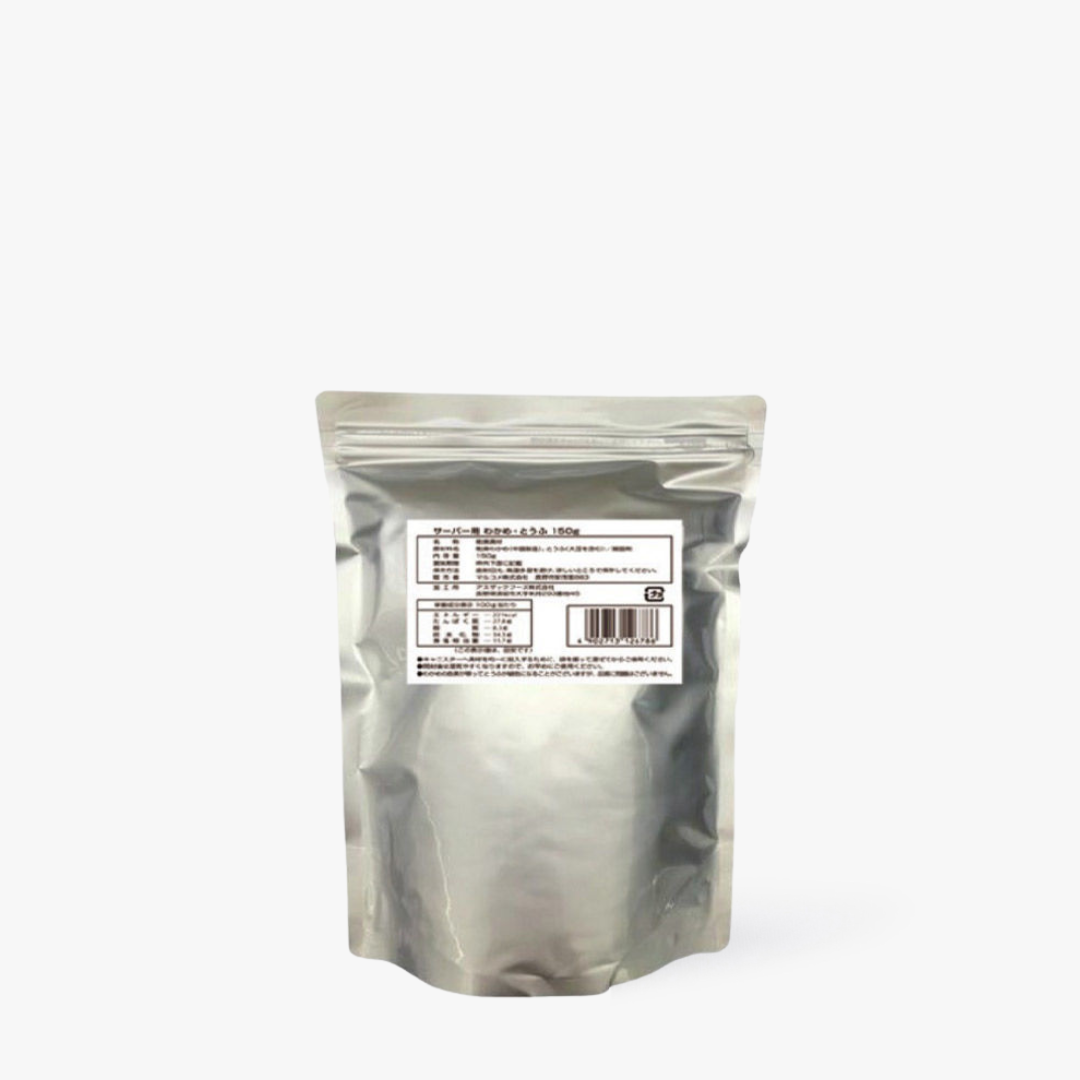
Dehydrated mix for wakame seaweed miso soup 150g ⋅ Marukome ⋅ 150g
A convenient blend of freeze-dried tofu and dried wakame for quickly preparing miso soup. Packaged in a resealable aluminum pouch, it offers a quick and easy...
Regular price 18.00 €Promotional price 18.00 € Regular priceUnit price 120.00 € by kg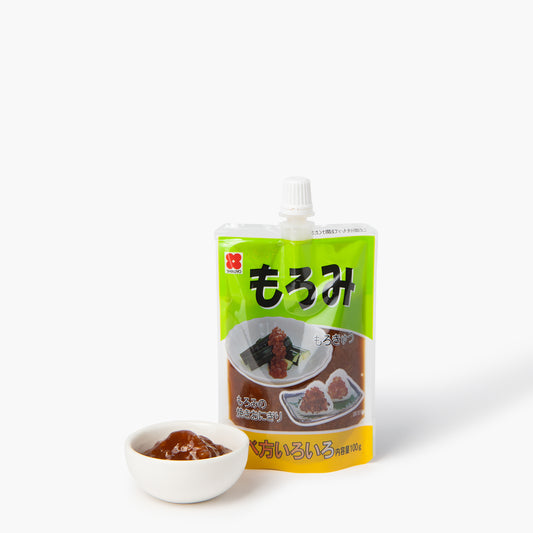
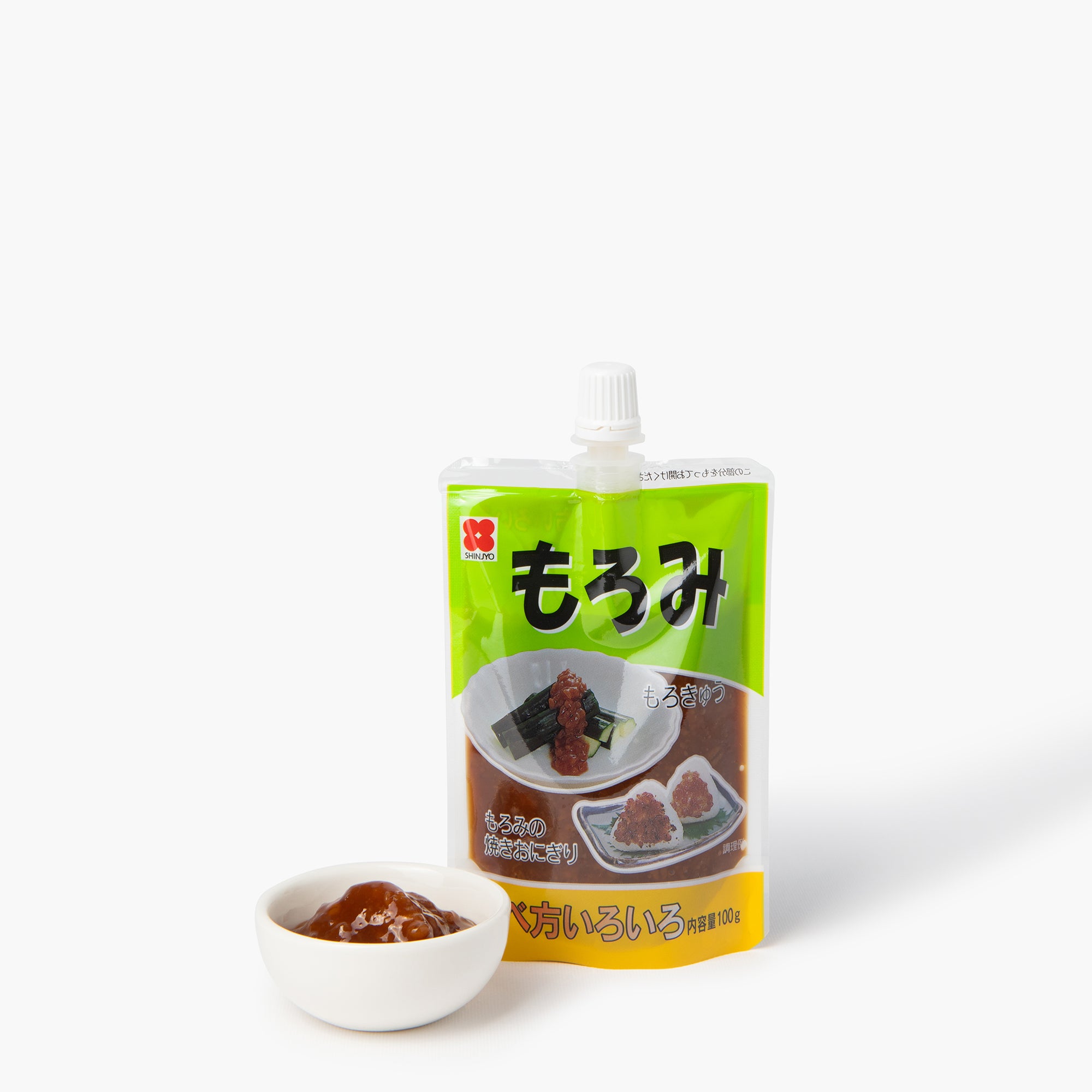
Barley miso with pieces ⋅ Shinjyo Miso ⋅ 100g
⋅ Ready-to-use condiment⋅ Can be used as a vegetable dip⋅ Perfect for grilled foods⋅ Pairs well with onigiri⋅ Resealable squeeze pouchThis barley miso condiment stands out...
Regular price 5.40 €Promotional price 5.40 € Regular priceUnit price 54.00 € by kg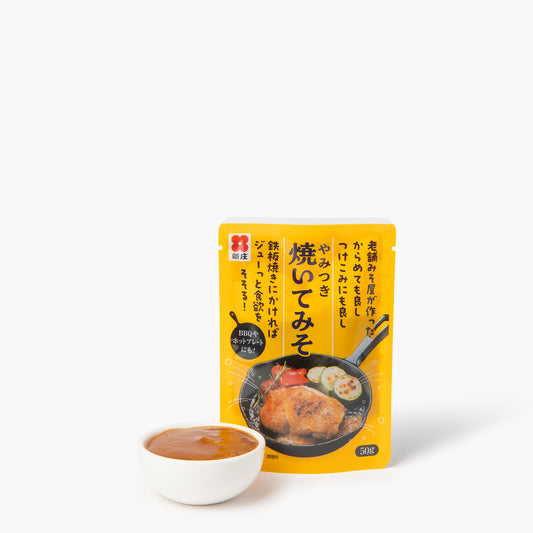
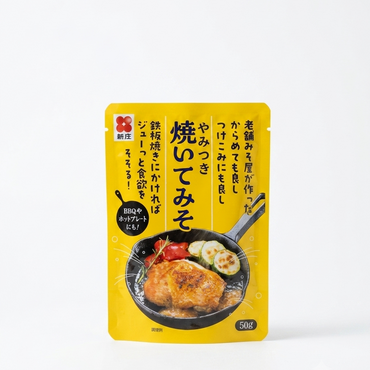
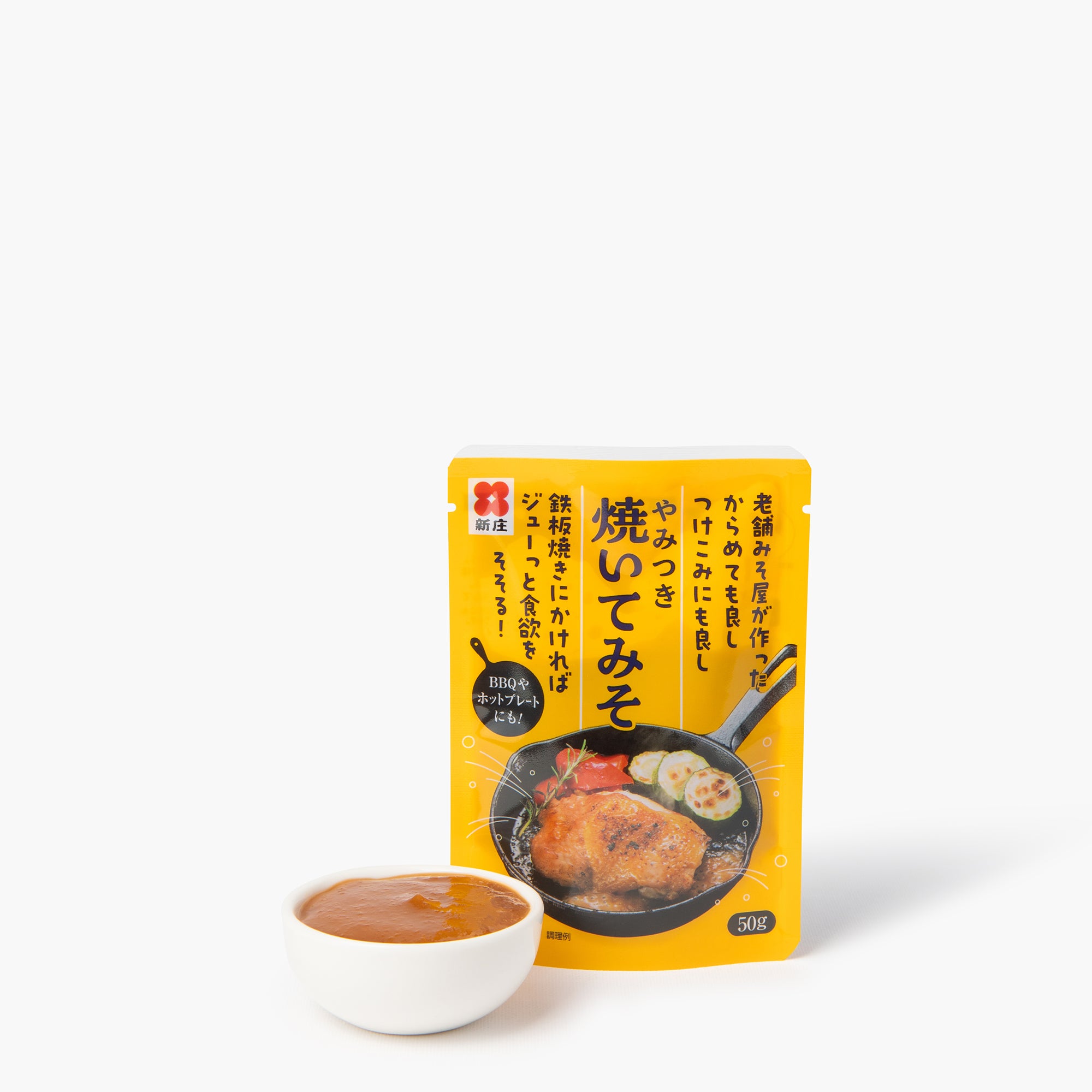
Miso seasoning for grilling ⋅ Shinjyo Miso ⋅ 50g
⋅ Ready-to-use condiment⋅ Sweet and savory, caramelizes during cooking⋅ Ideal for grilling or pan-frying meat, fish, or vegetablesA few spoonfuls of this miso condiment can transform...
Regular price 4.40 €Promotional price 4.40 € Regular priceUnit price 88.00 € by kg


Kaden Yamabubuki red miso large size ⋅ Yamabuki Miso ⋅ 10kg
Regular price 155.00 €Promotional price 155.00 € Regular priceUnit price 15.50 € by kg


Sweet white miso enriched with koji ⋅ Yamabuki Miso ⋅ 10kg
• Natural sweetness and umami • Ideal for savory dishes and desserts!• Smooth and creamy textureA white miso with a mild, umami-rich, sweet flavor, made with...
Regular price 290.00 €Promotional price 290.00 € Regular priceUnit price 29.00 € by kg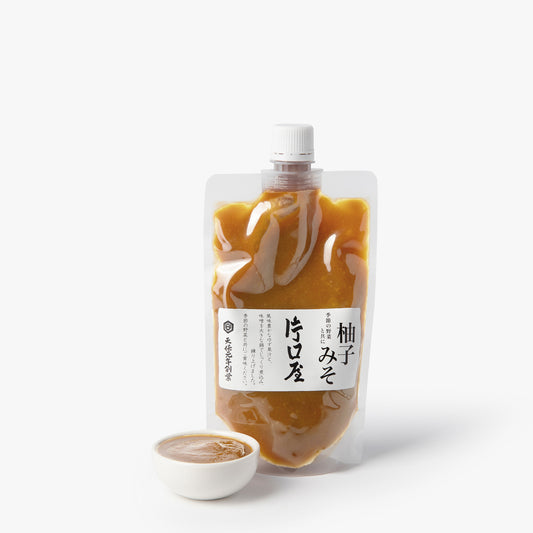
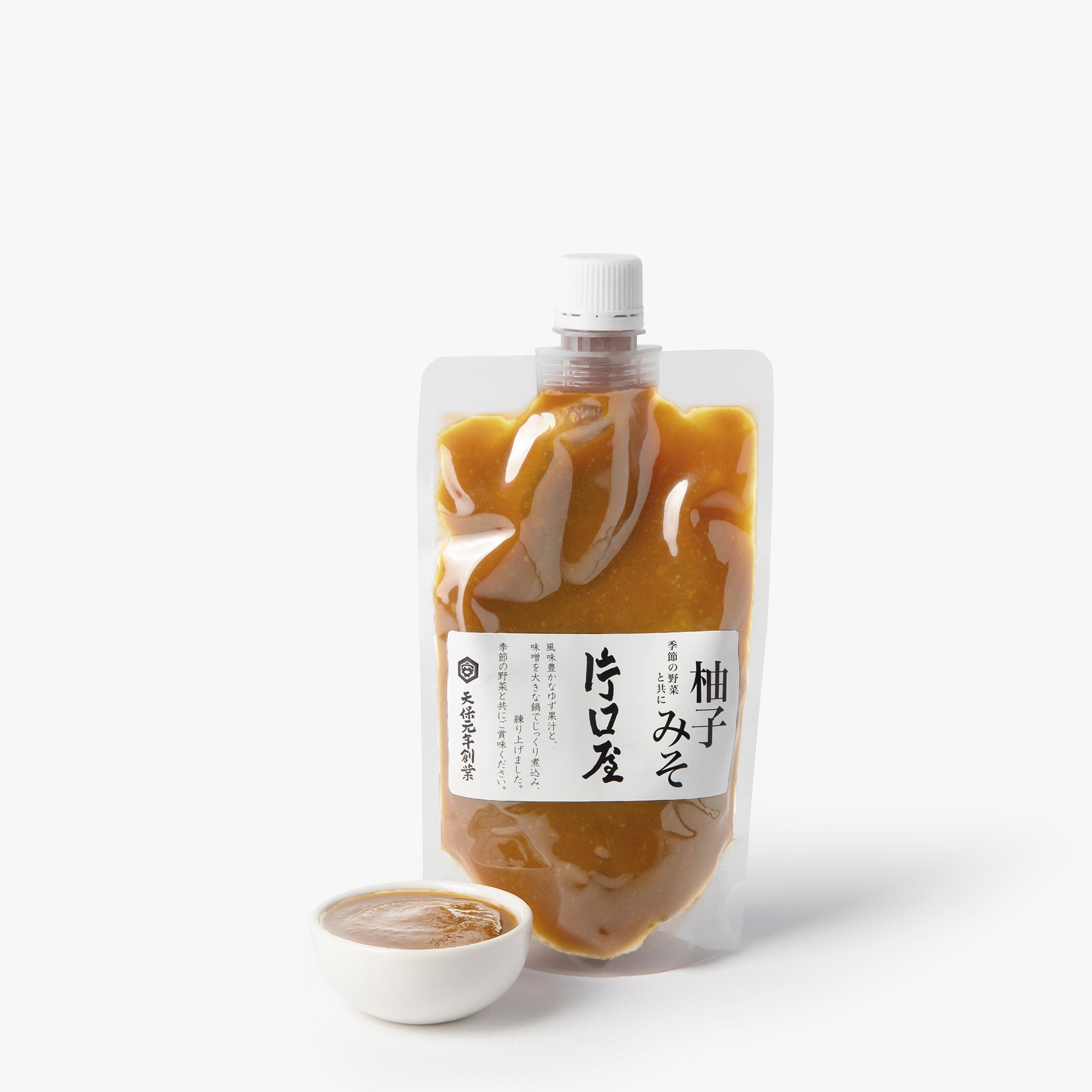
Yuzu miso ⋅ Kataguchiya ⋅ 300g
⋅ Fresh and umami flavor⋅ Ideal as a vegetable dip⋅ Perfect for grilled dishes⋅ Great for adding to onigiri⋅ Comes in a resealable pouchA condiment with...
Regular price 8.20 €Promotional price 8.20 € Regular priceUnit price 27.33 € by kg
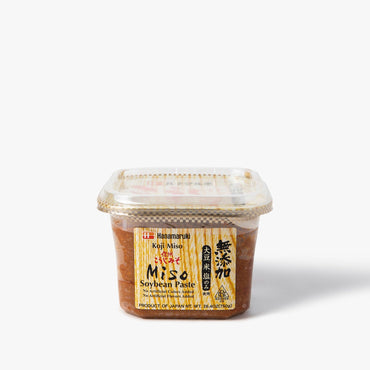

Koji miso ⋅ hanamaruki ⋅ 750g
⋅ Light texture⋅ Mild, slightly sweet flavor⋅ Perfect for soups⋅ Ideal for marinadesA white miso with a mild flavor and rich in umami, ideal for adding...
Regular price 8.40 €Promotional price 8.40 € Regular priceUnit price 11.20 € by kg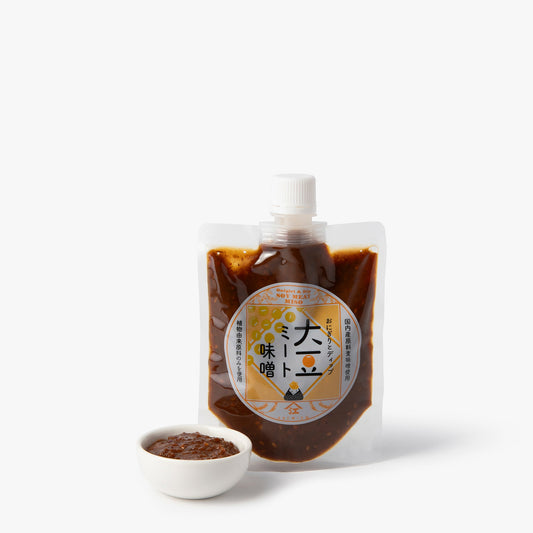
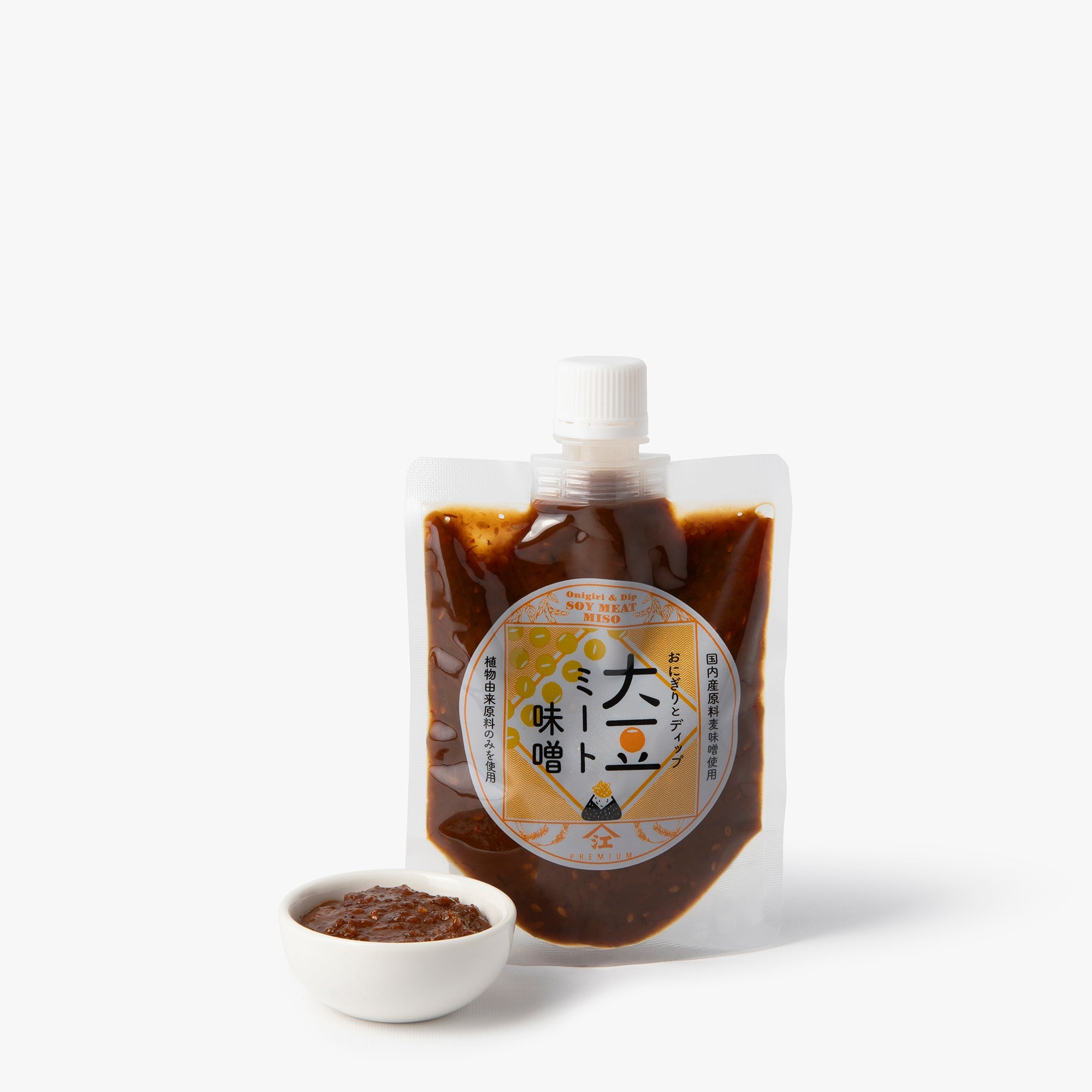
Barley miso condiment ⋅ Yamae Shokuhin ⋅ 180g
⋅ Sweet and umami flavor⋅ Can be used as a vegetable dip⋅ Perfect for grilled dishes⋅ Pairs well with onigiri⋅ Comes in a resealable pouchA condiment...
Regular price 8.20 €Promotional price 8.20 € Regular priceUnit price 45.56 € by kg

Ginjo Etchu rice white miso ⋅ Sugino Shoyu Miso ⋅ 750g
•A traditional miso from the Toyama region• A rich, rounded flavor with a balanced umami taste and subtle salty notes• Ideal for marinades, broths, miso soups,...
Regular price 15.00 €Promotional price 15.00 € Regular priceUnit price 20.00 € by kg

Kinzanji barley miso large format ⋅ Tsuru miso jozo ⋅ 1kg
Kinzanji miso, made with wheat, soybeans, ginger, and kombu, has a smooth, creamy texture and a rich umami flavor, making it perfect for serving with rice,...
Regular price 25.00 €Promotional price 25.00 € Regular priceUnit price 25.00 € by kgOur favorite miso recipes


Learn more about miso
How is miso paste made?
Miso paste is a traditional Japanese ingredient made from fermented soybeans.
Preparing the ingredients:
Soybeans: The soybeans are cleaned and soaked in water for several hours, usually overnight.
Kōji: Rice, barley, or soybeans inoculated with the Aspergillus oryzae mold, which is essential for fermentation.
Cooking the soybeans:
The soaked soybeans are steamed or boiled until tender.
Mixing with the kōji:
The cooked soybeans are cooled and then mixed with kōji and salt. The salt controls fermentation and prevents the growth of unwanted bacteria.
Fermentation:
The mixture is placed in barrels or vats to ferment. The duration ranges from a few months to several years, depending on the desired type of miso.
Maturation:
During fermentation, the miso develops its characteristic flavors. Temperature and humidity conditions are carefully controlled.
Aging:
After the fermentation period, the miso is often aged to allow the flavors to develop even further.
Packaging:
The mature miso is packaged and ready to use. The paste may be more or less smooth, and its color can range from white to dark red, with shades of brown in between.
What are the different types of miso?
Shiro miso (white miso): Short fermentation, mild flavor. Perfect for light soups and dressings.
Aka miso (red miso): Longer fermentation, stronger and saltier flavor. Ideal for rich dishes and robust sauces.
Mixed miso (awase miso): A blend of white and red miso, offering a balance of flavors.
Mugi Miso (barley miso): Mild flavor with notes of barley. Used for soups and marinades.
Kome Miso (rice miso): Made with soybeans and rice, with slower fermentation, offering a variety of flavors, from mild to saltier.
Shinshu Miso (yellow miso): A miso with an intermediate flavor, between white and red miso, highly versatile for all kinds of dishes.
Tofu miso (Tofu Miso): Mild and creamy, often used in vegetarian sauces or light dishes.How is miso paste used in Japanese cuisine?
Miso soup:
Traditional soup made with miso dissolved in dashi (fish broth) and often garnished with tofu, wakame seaweed, and vegetables.
Sauces and marinades:
Used as a base for thick sauces or marinades for meat, fish, and vegetables, often combined with mirin, sake, and sugar.
Ramen:
Broth base for ramen, adding depth of umami flavor.
Nabemono (simmered dishes):
Key ingredient in simmered dishes such as "miso nabe", where miso is dissolved in the broth to enrich the dish's flavor.
Dengaku:
Sweet miso sauce spread over grilled eggplant, tofu, or other vegetables before grilling them.
Yaki-miso:
Mixture of miso, sake, sugar, and other ingredients, grilled on a skewer or spatula.
Tsukemono (pickles):
Used to marinate vegetables to create flavorful pickles.
Vegetable seasoning:
Mixed into dressings or used as a dip for raw vegetables.
Desserts and pastries:
Incorporated into sweet recipes, such as cookies or cakes, to add a salty, umami note.
How should miso be stored to keep it fresh?
Refrigeration : Once opened, miso should always be stored in the refrigerator. It is best to store it in an airtight container to prevent it from absorbing odors and preserve its flavors.
Avoid moisture: Make sure the spoon or utensils used to serve the miso are dry. Moisture can accelerate fermentation and affect the quality of the miso.
Keep air out: Keep the miso well covered and try to minimize its exposure to air. You can also place plastic wrap directly on the surface of the miso before closing the container to prevent oxidation.
Use promptly: Although miso can last for several months in the refrigerator, it is best to use it within 3 to 6 months of opening to enjoy its full freshness.
Freezing (optional): If you are not going to use all the miso quickly, you can also freeze it. Simply divide it into small portions and store them in a freezer bag or an airtight container. Once frozen, it will keep for several months.How can you use miso in everyday cooking, other than in miso soup?
- As a marinade for meat and fish: Mix white miso (Shiro Miso) with a little honey and ginger to glaze a salmon fillet or chicken breasts.
- In salad sauces and dressings: A teaspoon of miso diluted in sesame oil and rice vinegar transforms a simple green salad into a gourmet dish.
- To elevate your starchy foods: Add a small spoonful of miso to the water used to cook your pasta, or mix it directly into mashed potatoes for a creamy, savory flavor without too much butter.
- In a sweet version (the Japanese "Salted Caramel"): Miso pairs wonderfully with dark chocolate or in salted butter caramel for your cookies and brownies.
Why is miso the best alternative to salt?
Table salt provides sodium but offers little flavor depth. Miso, on the other hand, delivers a complete sensory experience thanks to natural fermentation. Using miso to season your dishes can help reduce your intake of sodium chloride while increasing the aromatic complexity of your recipes.
At equal weight, miso contains approximately 30% to 50% less sodium than classic table salt. But that's not all:
- Natural probiotics: Unlike salt, miso is a living food that supports digestion.
- Rich in amino acids: It provides plant-based proteins from soy or barley.
- Low glycemic index: Perfect for a balanced diet.
What are the benefits of miso?
Miso is much more than a condiment: it is a "superfood" rooted in a thousand-year-old tradition. Its slow fermentation transforms simple ingredients into a nutritional goldmine.
- Supports your microbiome (Digestion): As an unpasteurized fermented food, miso is rich in probiotics (strains of Aspergillus oryzae). It strengthens the gut flora and aids digestion.
- Boosts the immune system: Regular consumption helps strengthen the body's natural barriers thanks to its wealth of active enzymes.
- Source of complete plant-based proteins: Made from soybeans, it contains all the essential amino acids, making it essential for vegetarian and vegan diets.
- Powerful antioxidant: The fermentation process produces antioxidants that combat cellular aging and oxidative stress.
- Rich in minerals: It provides zinc, manganese, and copper, which are essential for proper metabolic function.


