


Collection: Tofu & tofu coagulant
A staple of Japanese cuisine, tofu comes in many forms, from the silky and delicate kinugoshi to the firm and versatile momen. Naturally rich in protein and prized for its melt-in-your-mouth texture or its ability to hold its shape when cooked, it can be incorporated into a wide variety of dishes, from soups and stir-fries to marinades.
Here you’ll find a selection of authentic tofu varieties, as well as essential coagulants like nigari and magnesium chloride—must-haves for making your own homemade tofu. Whether you’re a fan of ready-to-eat tofu or looking to experience the art of making homemade tofu, this collection offers everything you need to bring out the best in this iconic ingredient.

-


Instant miso soup with 3 portions tofu ⋅ hanamaruki ⋅ 54g
⋅ A vegan miso soup ready in an instant⋅ Rich, deep flavors thanks to high-quality miso paste⋅ 3 servings⋅ Enjoy on its own or with rice⋅...
Usual price 3.80 €Promotional price 3.80 € Usual priceUnit price 70.37 € by kg

Silky tofu ⋅ j-basket ⋅ 300g
High in protein, its soft texture makes it ideal for soups and broths.
Usual price 2.40 €Promotional price 2.40 € Usual priceUnit price 8.00 € by kg

Firm tofu ⋅ morinaga ⋅ 307g
Made from soy milk, firm tofu is an excellent source of nutrients and protein and a healthy option for vegetarians. It has a firm, slightly dense...
Usual price 3.90 €Promotional price 3.90 € Usual priceUnit price 12.70 € by kg
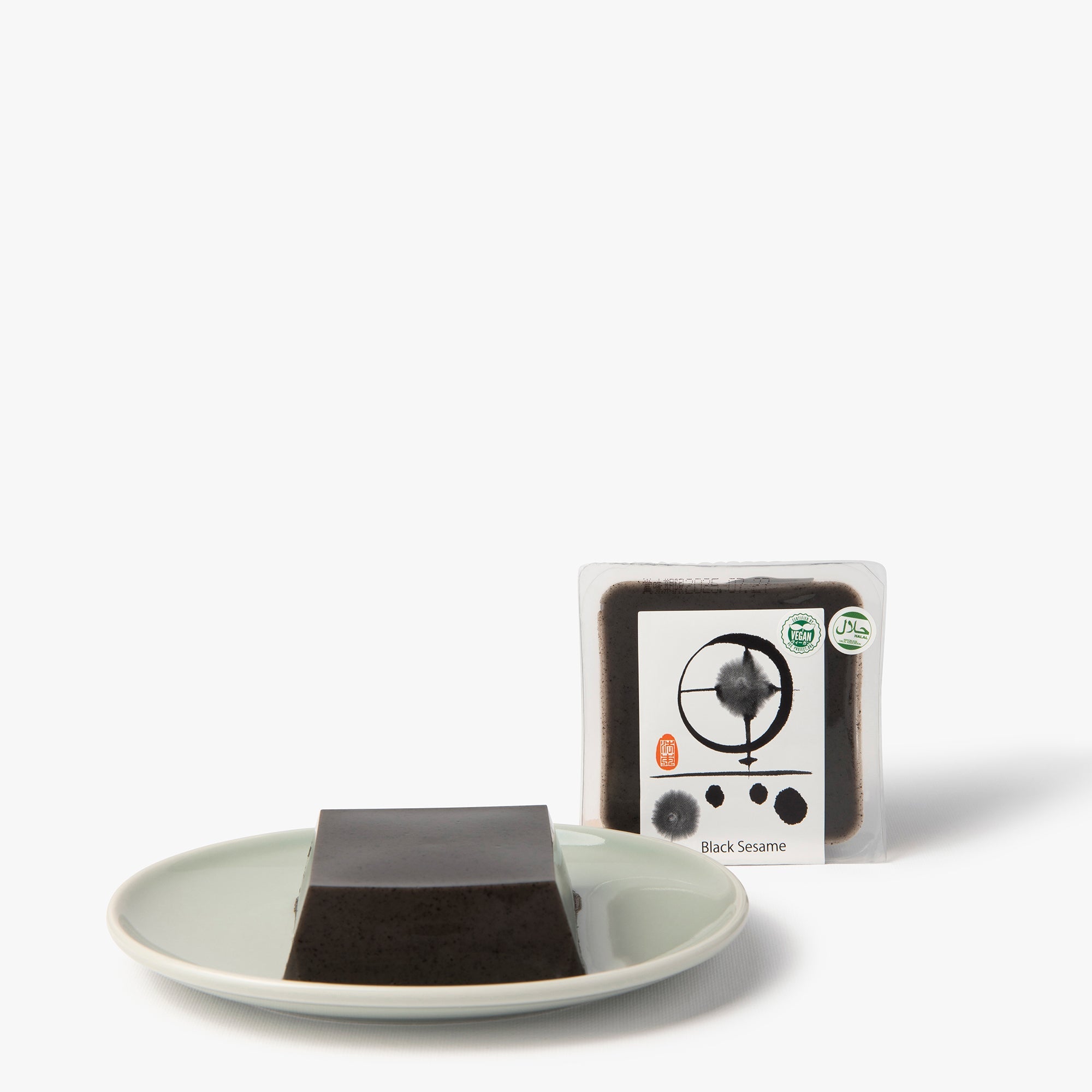
Black Sesame Tofu ⋅ Houmoto ⋅ 100g
⋅ Perfect for both sweet and savory dishes⋅ Rich black sesame flavor⋅ Enjoy it sweet with kuromitsu syrup or honey⋅ Enjoy it savory with soy sauce⋅...
Usual price 3.90 €Promotional price 3.90 € Usual priceUnit price 39.00 € by kg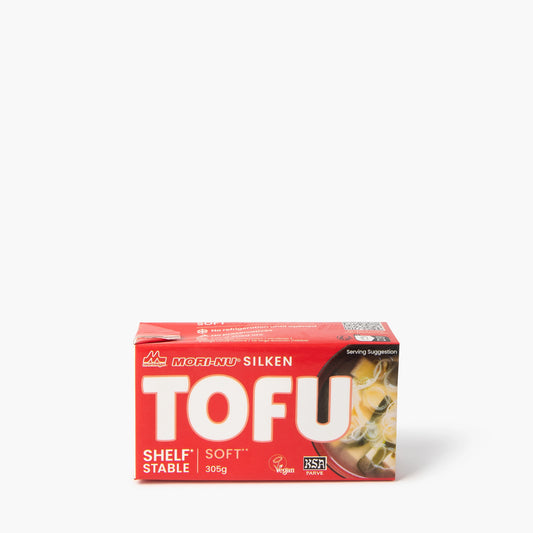
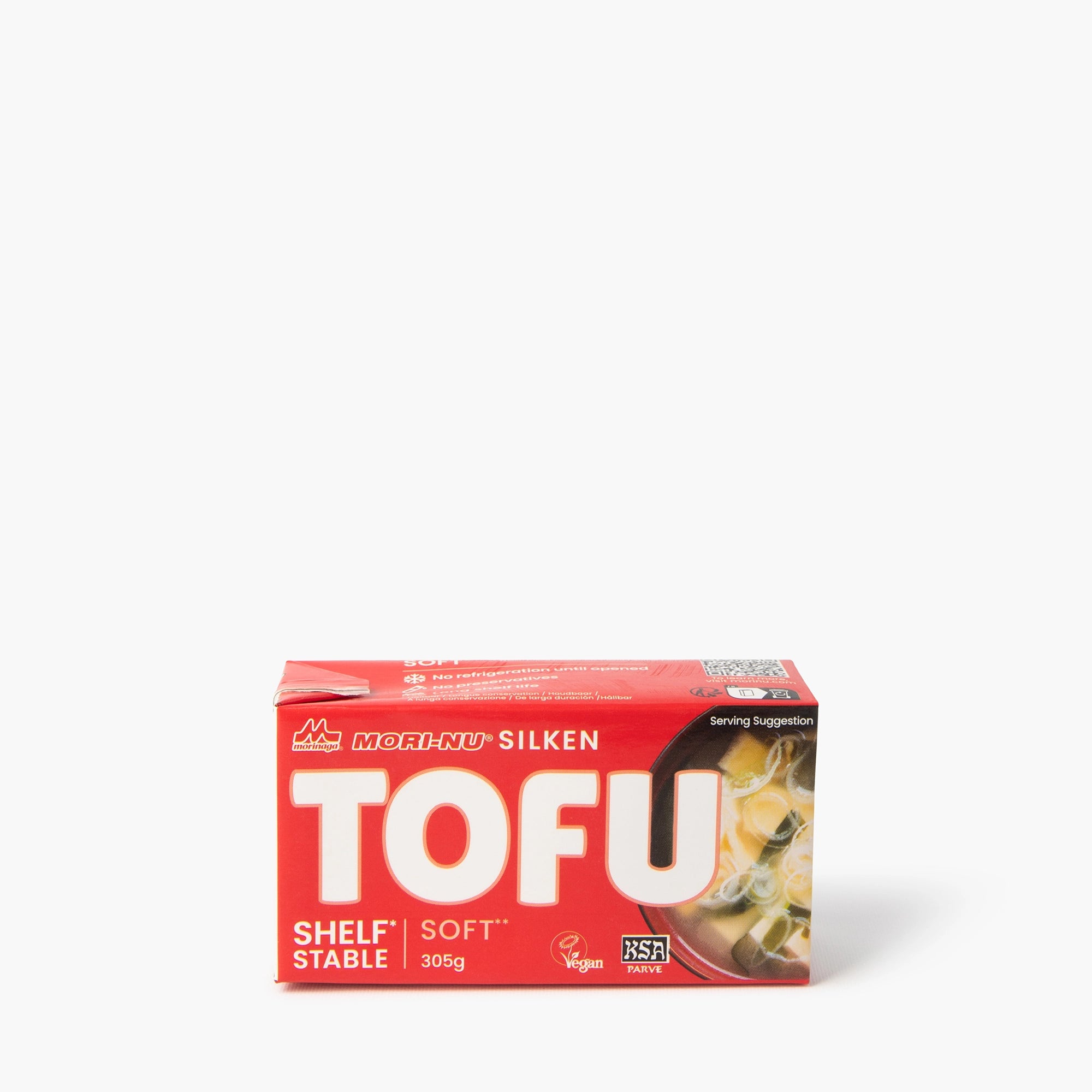
Silken Tofu ⋅ Morinaga ⋅ 305g
Made from soy milk, silken tofu is an excellent source of nutrients and protein and a healthy option for vegetarians. It has a silky, creamy texture...
Usual price 3.50 €Promotional price 3.50 € Usual priceUnit price 11.48 € by kg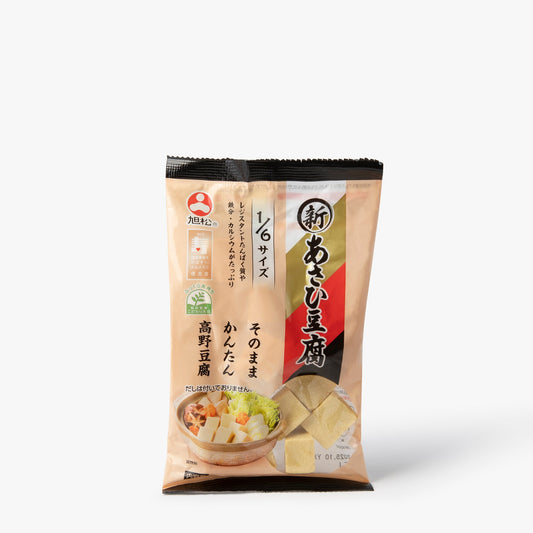
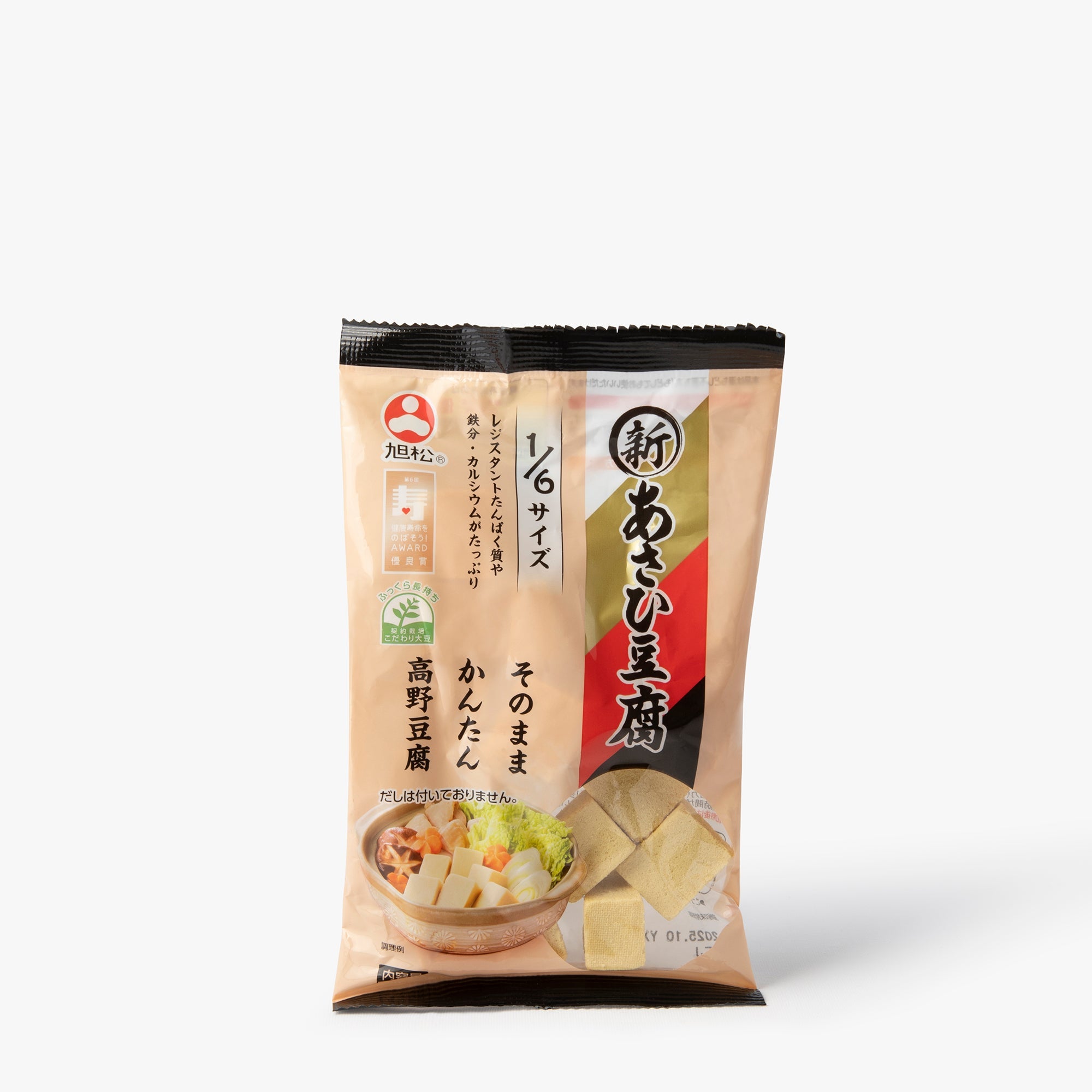
Dehydrated tofu in blocks ⋅ asahimatsu shokuhin ⋅ 49.5g
⋅ Long-shelf-life tofu⋅ Versatile in the kitchen: soups, stews, and oden recipes⋅ Ready to use—no rehydration requiredThis next-generation freeze-dried tofu, made from soybeans rich in oleic...
Usual price 2.50 €Promotional price 2.50 € Usual priceUnit price 50.51 € by kg

Extra-firm tofu ⋅ Morinaga ⋅ 308g
• Dense and firm texture, perfect for cooking.• Ideal for stir-fries, grilling, salads, or stews.• Easily adapts to Japanese, fusion, or vegetarian recipes.Morinaga Extra Firm Tofu...
Usual price 3.90 €Promotional price 3.90 € Usual priceUnit price 12.66 € by kg
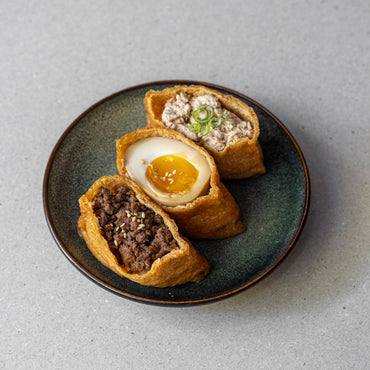
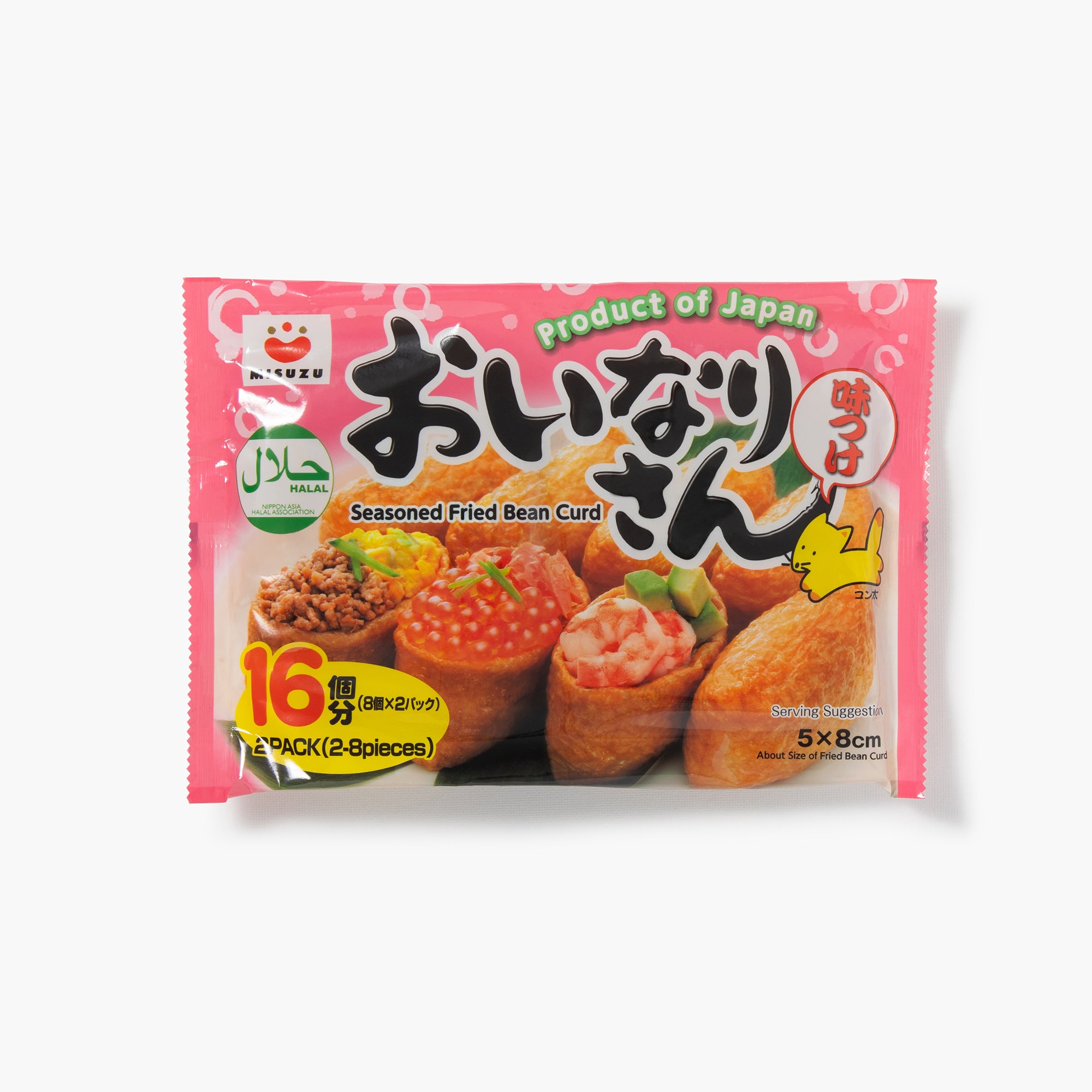
Marinated inari tofu pockets in soy sauce ⋅ Misuzu ⋅ 280g
Usual price 5.50 €Promotional price 5.50 € Usual priceUnit price by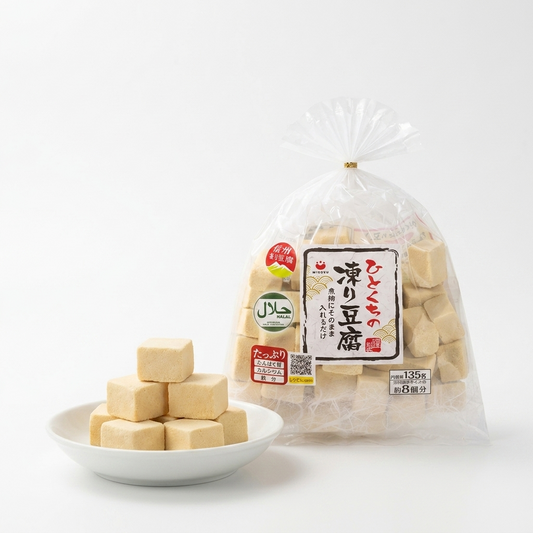
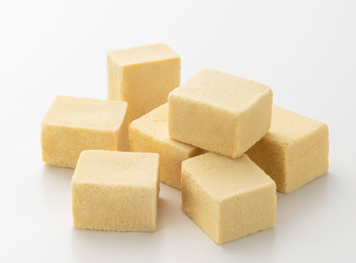
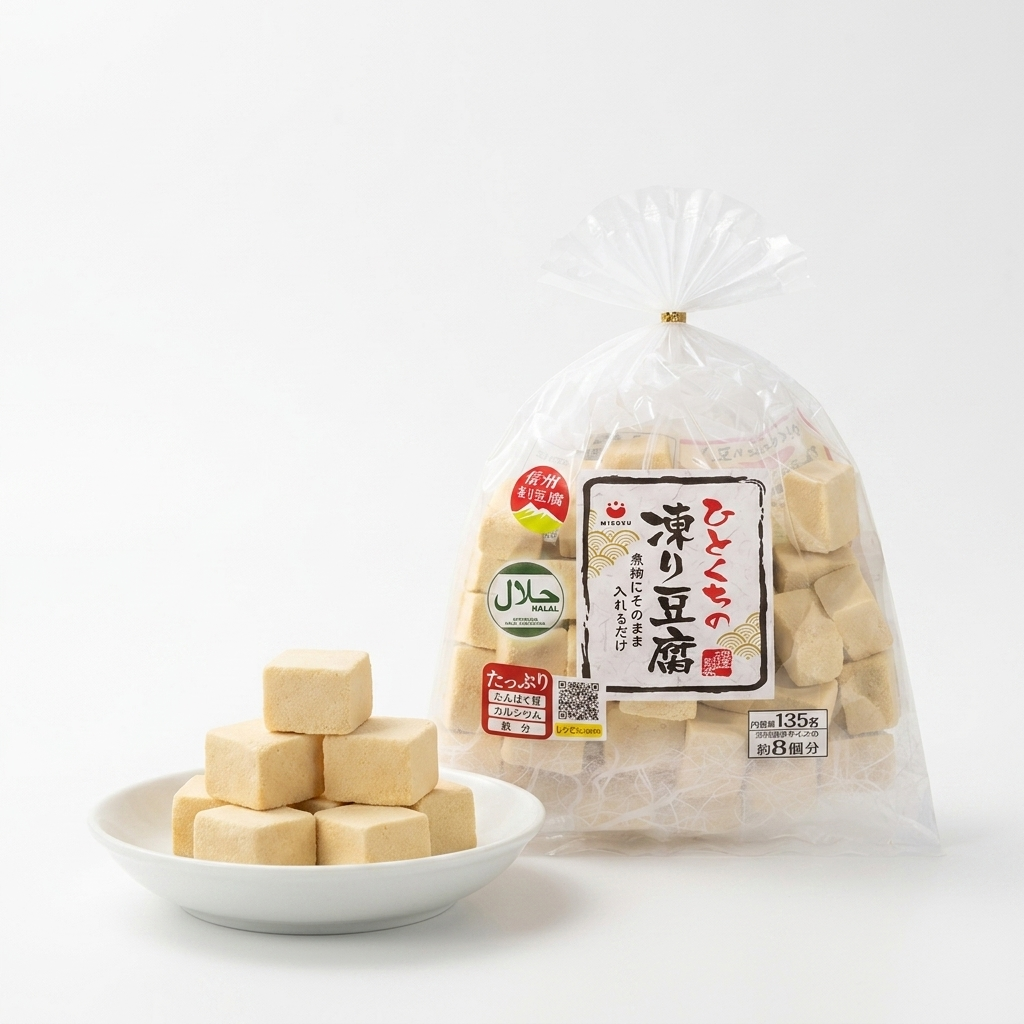
Dried Tofu Blocks ⋅ Misuzu ⋅ 135g
Usual price 5.20 €Promotional price 5.20 € Usual priceUnit price by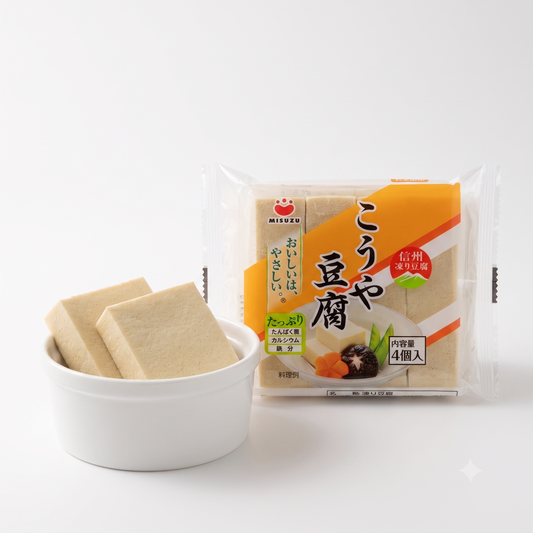
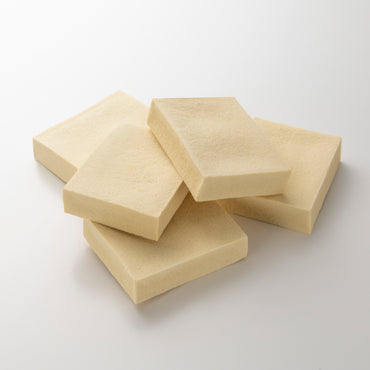
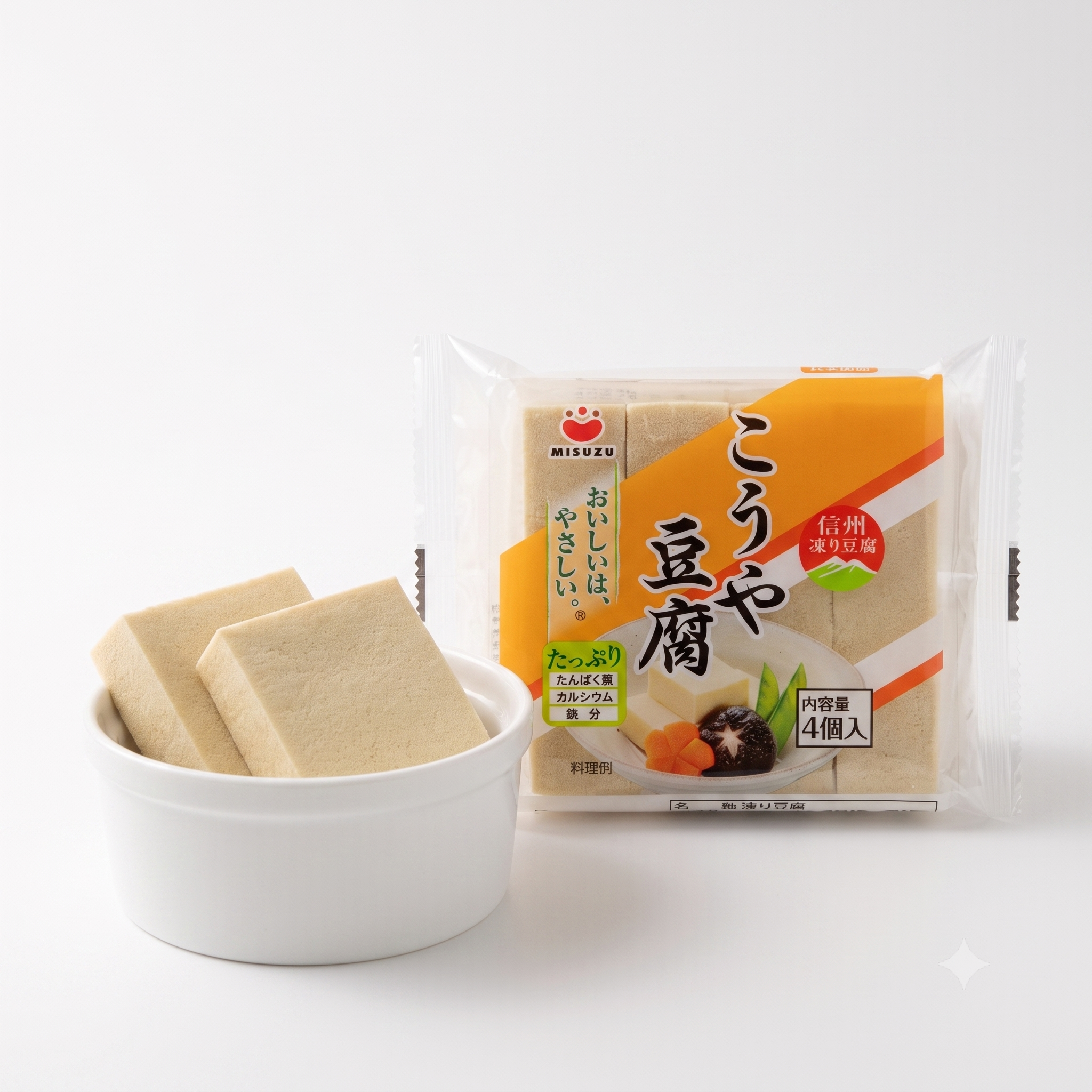
Dried tofu (4 pieces) ⋅ Misuzu ⋅ 68g
Usual price 3.45 €Promotional price 3.45 € Usual priceUnit price by
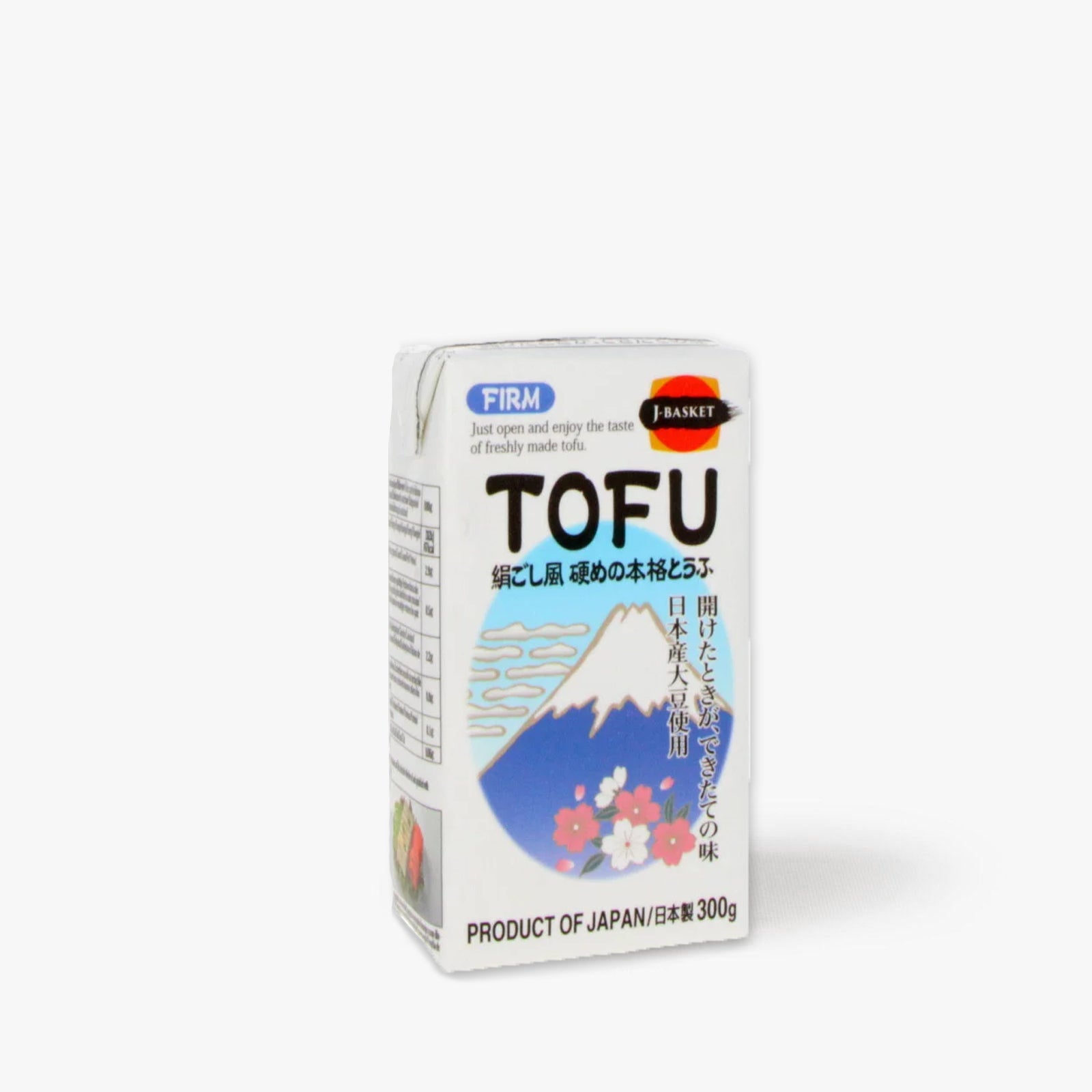
Tofu firm ⋅ j-basket ⋅ 300g
It is very versatile and can be marinated, pan-fried, or added as is to salads or noodle dishes.
Usual price 2.40 €Promotional price 2.40 € Usual priceUnit price 8.00 € by kg

Okara Soybean Pulp Powder ⋅ Asahimatsu Shokuhin ⋅ 120g
⋅ Dome-shaped like a plum blossom⋅ Not microwave-safe.⋅ Not dishwasher-safe.A dried soy pulp powder, rich in fiber, perfect for a balanced diet. Made from dried and...
Usual price 3.50 €Promotional price 3.50 € Usual priceUnit price 29.17 € by kg
Our favorite tofu recipes


Learn more about tofu
What is the difference between Japanese tofu and regular tofu?
Japanese tofu is often distinguished by its firmer or silkier texture, depending on the type of tofu. Firm tofu, used in dishes such as soups or grilled dishes, is denser and better able to retain its shape during cooking. Silken tofu, on the other hand, is softer and creamier, making it ideal for sauces, soups, or desserts.
By comparison, classic tofu, often produced in other regions, may have a more varied and less distinctive texture, depending on the manufacturing process and ingredients. Japanese tofu, made with high-quality soybeans and often using an artisanal approach, is also characterized by its milder, more natural flavor, as well as by the use of filtered water, which influences its taste and texture.
Japanese tofu is also often organic and may be richer in protein, calcium, and other nutrients. In terms of preparation, Japanese tofu is sometimes smoked or marinated for more flavorful dishes.
How do you prepare tofu?
Preparing Japanese tofu varies depending on its texture (firm, silken, smoked) and the type of dish you want to make. Here are some preparation methods for different types of Japanese tofu:
Firm tofu:
Drain: Start by thoroughly draining the tofu to remove excess water.
Pan-fry: Cut it into slices or cubes and fry it in a little oil until golden and crispy on the outside while remaining tender inside. It can be seasoned with soy sauce, ginger, or even miso for extra flavor.
Grill: You can also grill it for a slightly smoky flavor, serving it with sauces such as teriyaki.
Silken tofu:
In soups: Silken tofu is perfect for Japanese soups such as miso soup. Simply add it at the end of cooking so it can warm through and develop a soft, melt-in-the-mouth texture.
In sauces: You can also use it to make creamy sauces or replace cream in vegan recipes by blending it with other ingredients such as miso or soy milk.
Desserts: Mix silken tofu with sugar, soy milk, and flavorings to create desserts such as tofu cheesecake or mousses.
Smoked tofu:
As a starter or snack: Smoked tofu already has a rich flavor and can be enjoyed as is, sliced, with soy sauce, or on salads.
Side dish: You can add it to vegetable dishes, fried rice, or noodle-based dishes for a more pronounced flavor.
General tips:
Marinate: To add flavor, you can marinate your tofu in a mixture of soy sauce, ginger, garlic, or other seasonings for 15 to 30 minutes before cooking.
Frying: For a crispy texture, frying at high temperature is ideal.
Serving suggestions: Tofu pairs perfectly with fresh vegetables, rice, noodles, or stir-fried vegetable dishes.
Is tofu gluten-free?
Yes, Japanese tofu is generally gluten-free. It is mainly made from soybeans, water, and coagulant, which are naturally gluten-free ingredients. This makes it an ideal choice for people following a gluten-free diet.
However, it is important to check the labels of commercial products, as some tofu may be prepared with additions or condiments containing gluten, such as soy sauce (which may contain wheat). Be sure to buy organic tofu or tofu specifically labeled gluten-free if you follow a strict diet.
How should tofu be stored?
Japanese tofu should be stored in the refrigerator to maintain its freshness and texture. Here are some tips for storing it properly:
- Fresh tofu: Once opened, place it in an airtight container with fresh water to keep it moist. Change the water every day if you are not going to consume it immediately. It can be stored this way for approximately 3 to 5 days.
- Firm tofu: It can be kept in its original packaging, if still unopened, until the indicated use-by date.
- Block tofu: If you do not want to consume all the tofu at once, you can cut the block into pieces and store them in water, as mentioned above. Make sure to cover it well and keep it refrigerated.
- Frozen tofu: If you want to keep the tofu for longer, you can freeze it. Frozen tofu will change texture and become more elastic, making it ideal for stir-fries or soups. Thaw it before use and press it to remove excess water.
Which popular Japanese recipes use tofu?
- Miso Soup : A classic dish in which tofu, often cut into small cubes, is added to miso broth with seaweed and green onions. It is a staple of Japanese cuisine.
- Agedashi Tofu (Fried Tofu in Broth): Pieces of firm tofu are fried and served in a broth made with soy sauce, mirin, and dashi. This dish is often accompanied by grated radish and green onions.
- Hiyayakko (Cold Tofu): A simple and refreshing dish in which silken tofu is served cold with condiments such as grated ginger, green onions, soy sauce, and dried bonito flakes.
- Tofu no Dengaku (Grilled Tofu with Miso Sauce): Tofu is grilled or roasted, then coated with a sauce made from miso, sugar, and mirin. This sweet-and-savory dish is often served on skewers.
- Tofu Stir Fry (Stir-Fried Tofu): Firm tofu is stir-fried with vegetables and a soy-based sauce, often served with rice. It is a quick and flavorful dish.
- Mapo Tofu (Spicy Tofu): Although originally from China, this recipe is also popular in Japan. It consists of tofu simmered in a spicy sauce made with soybean paste, garlic, ginger, and ground pork.
- Tofu Katsu: Similar to tonkatsu, but made with tofu. The tofu is coated in breadcrumbs and fried, then served with rice and tonkatsu sauce.
Does tofu contain additives or preservatives?
Traditional Japanese tofu is often made from soybeans, coagulants such as nigari (magnesium chloride extracted from seawater) or calcium sulfate, and water. In most cases, it contains no additives or preservatives. However, some types of industrial or processed tofu may contain preservatives to extend their shelf life. Therefore, it is recommended to check the ingredients on the label if you are looking for tofu without additives. In addition, organic tofu is generally free from preservatives or chemicals because it follows strict production standards.
What is the difference between firm tofu and silken tofu?
Firm tofu and silken tofu differ in texture, production, and culinary uses. Firm tofu is pressed for longer, giving it a compact texture that is ideal for stir-fries, grilling, frying, or marinades. It holds up well during cooking and absorbs the flavors of sauces.
Silken tofu, on the other hand, has a soft and creamy texture, similar to custard. It is made without draining and contains more water. It is mainly used in soups (such as miso), desserts, or creamy sauces.
The choice between firm and silken tofu therefore depends on how you plan to use it: crisp and structured on one hand, soft and delicate on the other.Can tofu replace meat in terms of protein intake?
Yes, tofu can be an excellent substitute for meat in terms of protein intake, especially for vegetarians or vegans. Tofu is rich in plant-based protein and contains all the essential amino acids, making it a complete protein source. Depending on the variety, it may contain approximately 8 to 12 g of protein per 100 g serving.
However, although tofu can replace meat in many recipes, it is important to note that it has a lower saturated fat and iron content than some meats, which may require particular attention to overall nutritional intake, especially by combining tofu with other sources of iron or vitamin B12 in a vegan diet.


