


-
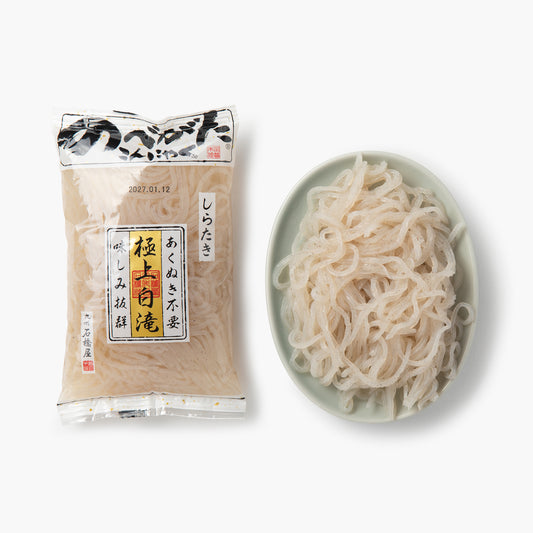
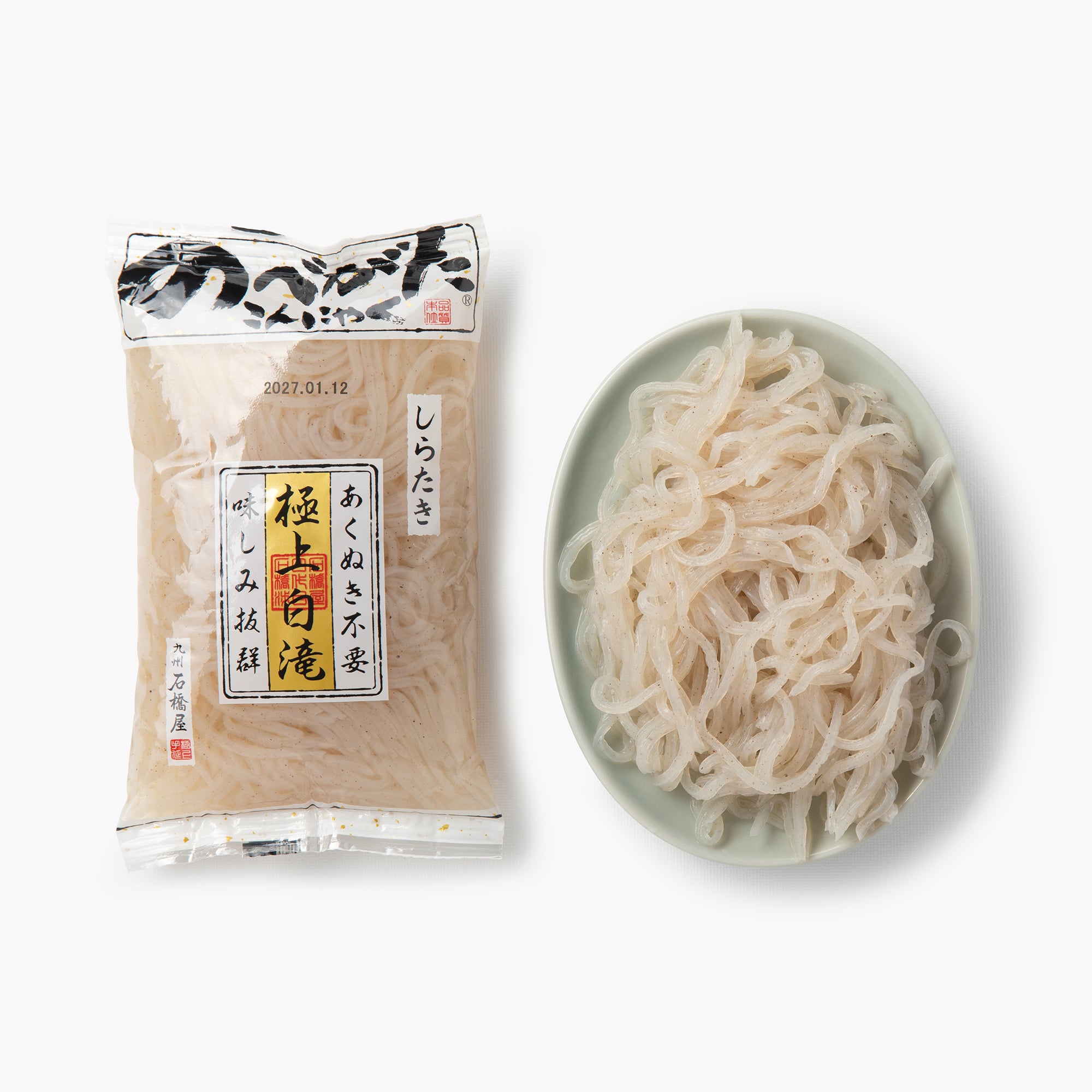
Shirataki konjac noodles ⋅ Ishibashiya ⋅ 150g
Artisanal konjac noodles, made from dried konjac roots and cooked using a traditional method that preserves the firm, chewy texture of the fibers. Ready to use—simply...
Regular price 3.50 €Promotional price 3.50 € Regular priceUnit price 23.33 € by kg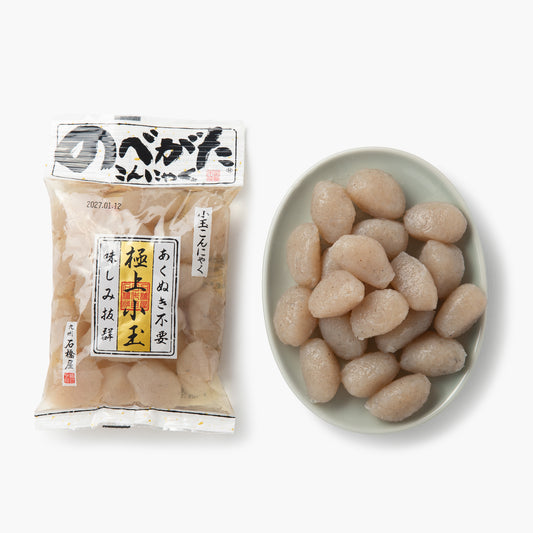
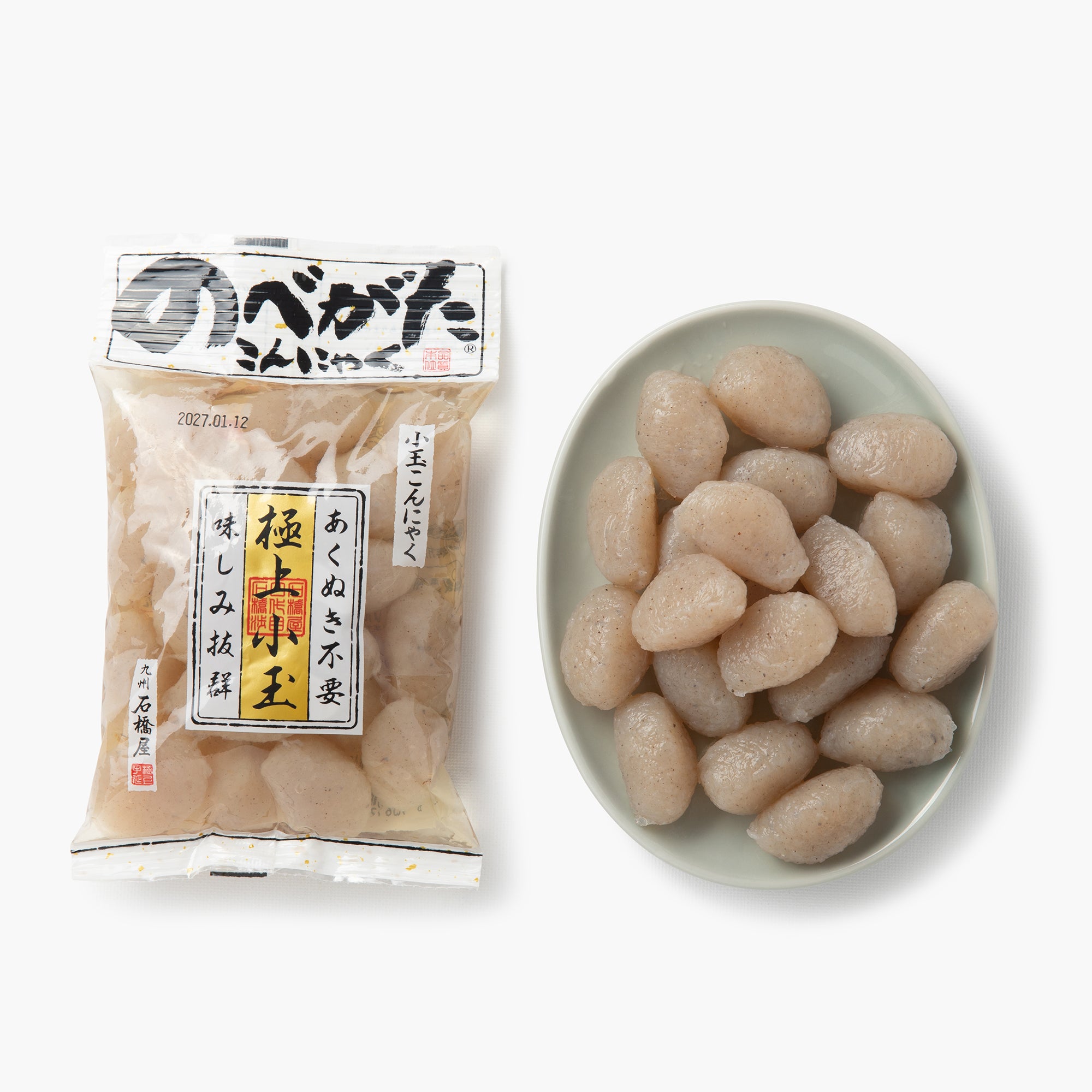
Konjac ball ⋅ Ishibashiya ⋅ 150g
These artisanal konjac balls are crafted using traditional methods, ensuring a texture that is both tender and crunchy. Ready to use after a quick rinse, they...
Regular price 3.50 €Promotional price 3.50 € Regular priceUnit price 23.33 € by kg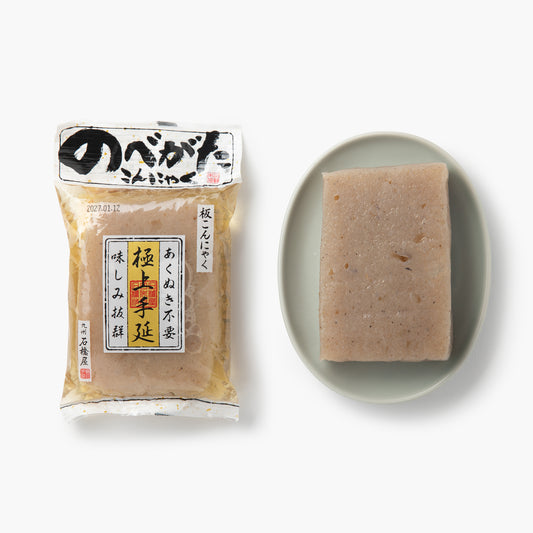
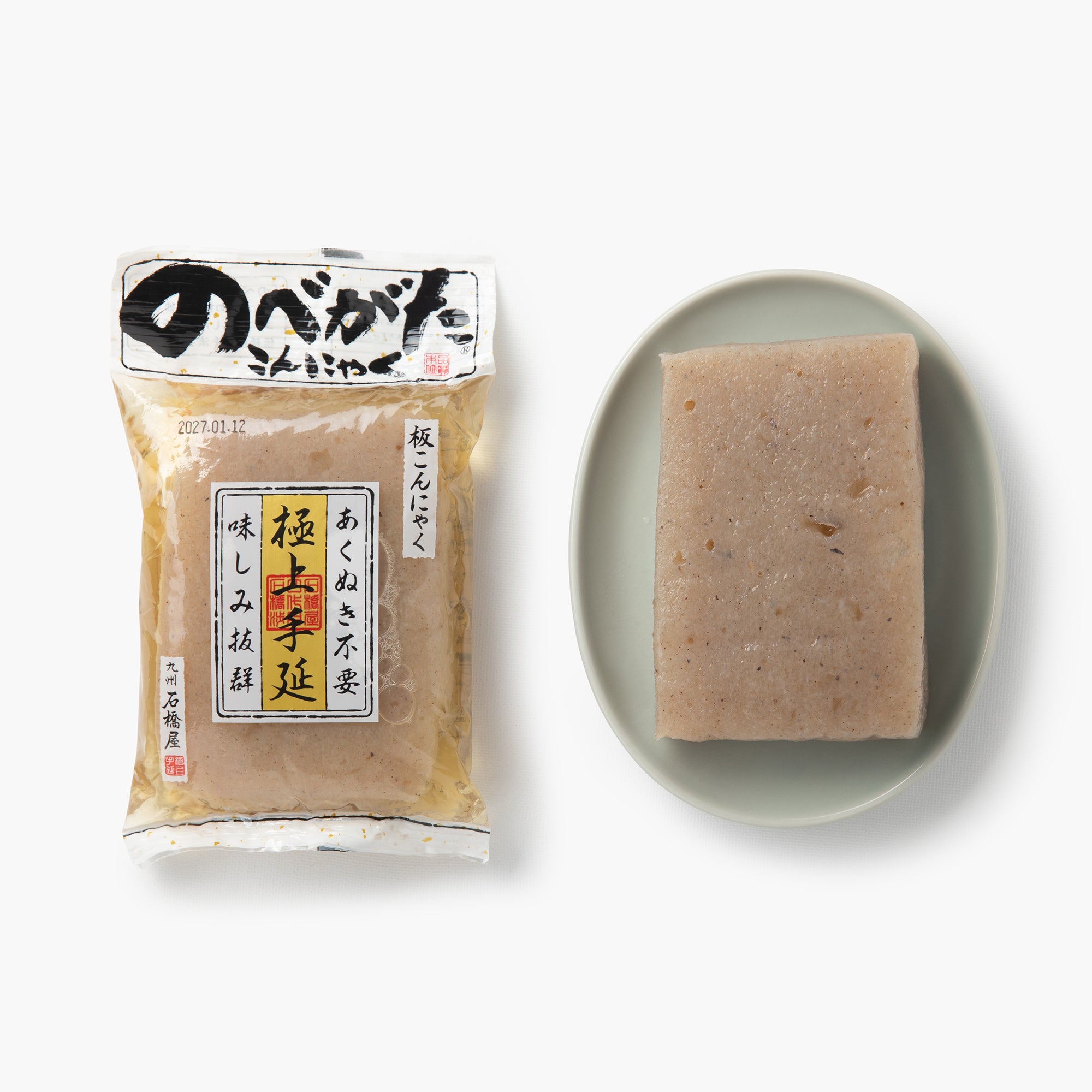
Konjac block ⋅ Ishibashiya ⋅ 180g
A block of artisanal konjac, made from konjac roots that are dried and then cooked using a traditional method to preserve the firm, springy texture of...
Regular price 3.50 €Promotional price 3.50 € Regular priceUnit price 19.44 € by kg

Large konjac block ⋅ Ishibashiya ⋅ 400g
A block of artisanal konjac, made from konjac roots that are dried and then cooked using a traditional method to preserve the firm, springy texture of...
Regular price 7.75 €Promotional price 7.75 € Regular priceUnit price 19.38 € by kg


Learn more about konjac noodles
How are konjac noodles made?
Konjac noodles, also called shirataki or konnyaku, are made from the konjac root, a plant native to the tropical and subtropical regions of East and Southeast Asia, particularly Vietnam, China, India, Indonesia, and Japan.
This root is ground into flour (or konjac powder), then mixed with water and a little calcium (often in the form of calcium hydroxide) to create a gelatinous dough.
This dough is then extruded or molded to create different shapes: vermicelli, tagliatelle, or even shapes resembling classic pasta or rice. The result is a Japanese product that is very low in calories, gluten-free, and sugar-free, often used in Japanese dishes, miso soups, tofu recipes, or stir-fried with soy or sesame sauces.
Do konjac noodles have a taste?
Their flavor is neutral, slightly earthy or briny if they are not rinsed properly, as they are preserved in calcium-rich storage water.
But that is precisely what makes them so interesting in Japanese cuisine: they absorb sauces, miso broths, soy sauce, and seasonings such as sesame, ginger, or dashi perfectly. Their slightly elastic texture is reminiscent of rice vermicelli or Asian translucent noodles.
Which sauce pairs perfectly with konjac noodles?
The classic Japanese dressing, ideal for accompanying konjac noodles, shirataki noodles, tofu salads, or cold dishes, is a light, tangy sauce rich in umami. It is made with simple and flavorful Japanese ingredients.
Ingredients:
- 3 tbsp soy sauce
- 2 tbsp Japanese rice vinegar
- 1 tbsp toasted sesame oil
- 1 tbsp neutral oil (rapeseed or sunflower)
- 1 tsp sugar (or agave syrup)
- 1 tsp white miso (optional but flavorful)
- 1 tsp sesame seeds
- (optional): 1 tsp grated ginger or a little pressed garlic
Preparation:
- Mix all the ingredients in a bowl or small shaker.
- Whisk well until the miso has dissolved (if using).
- Taste and adjust: add more sugar for sweetness or more vinegar for acidity.
What types of hot dishes can be prepared with konjac?
Konjac, especially shirataki noodles, can be used in many flavorful, low-calorie Japanese hot dishes. Thanks to its ability to absorb flavors, it is an excellent substitute for traditional pasta or noodles in classic or modern recipes.
1. Konjac sukiyaki (すき焼き)
A Japanese simmered dish with beef, mushrooms, tofu, konjac, and vegetables in a sweet-and-savory broth (soy sauce, mirin, sugar).
2. Yudofu with konjac
A dish of poached tofu and konjac in a dashi broth, served with soy sauce flavored with ginger or sesame. Light, warming, and nourishing.
3. Japanese-style stir-fried shirataki
Stir-fry konjac noodles with sesame oil, soy sauce, crisp vegetables, tofu, or white fish.
4. Miso soup enriched with konjac
Add cubes of konnyaku or shirataki noodles to miso soup with wakame, tofu, leeks, or daikon.
5. Yakisoba-style konjac
Use shirataki like stir-fried noodles with yakisoba sauce, cabbage, carrots, and strips of pork or chicken.
6. Nabe (鍋)
Konjac is often added to Japanese hot pots, such as chanko nabe or kimchi nabe, to add texture without making the dish heavy.


