


Collection: Yakisoba noodles
Yakisoba wheat noodles and ramen are very similar. "Yakisoba" designates the sautéed noodle dish with sauce and vegetables or meat. It’s a popular, inexpensive and comforting dish!

-
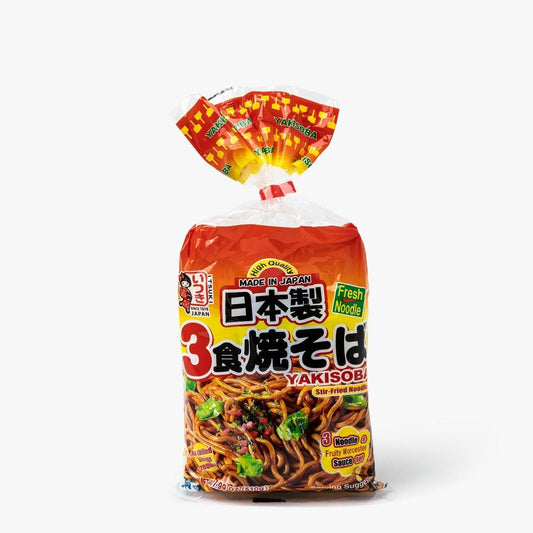

Precooked yakisoba noodles with sauce, 3 servings ⋅ Itsuki Foods ⋅ 510g
⋅ Immerse yourself in the atmosphere of Japanese street food stalls!⋅ Pre-cooked noodles ready in just a few minutes⋅ Served with a savory yakisoba sauce⋅ 3...
Regular price 5.60 €Promotional price 5.60 € Regular priceUnit price 10.98 € by kg

Precooked udon noodles with sauce, 3 servings ⋅ Itsuki Foods ⋅ 669g
⋅ Rich, umami flavor thanks to the soy sauce⋅ Can be stir-fried, served in broth, or eaten as is⋅ Quick to cook⋅ 3 servingsThese Japanese noodles...
Regular price 5.60 €Promotional price 5.60 € Regular priceUnit price 8.37 € by kg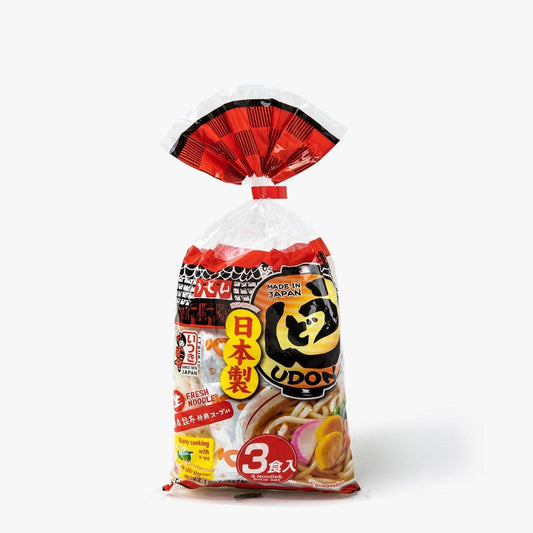

Precooked udon noodles with broth, 3 servings ⋅ Itsuki Foods ⋅ 627g
⋅ Served with a broth rich in umami⋅ Quick to cook⋅ 3 servings⋅ Easy to prepareThese noodles are made from wheat flour, giving them a firm...
Regular price 5.60 €Promotional price 5.60 € Regular priceUnit price 8.93 € by kg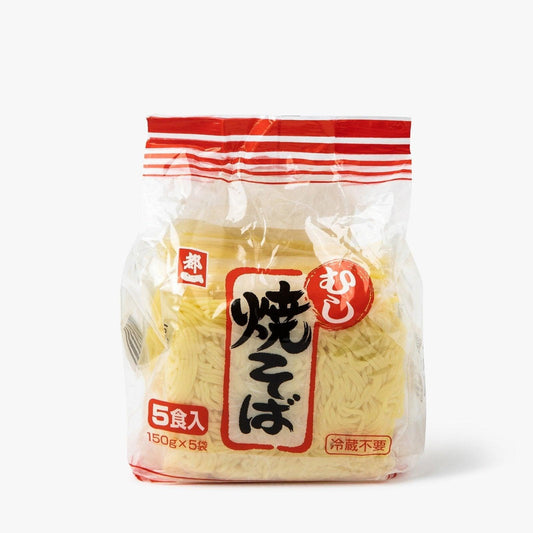
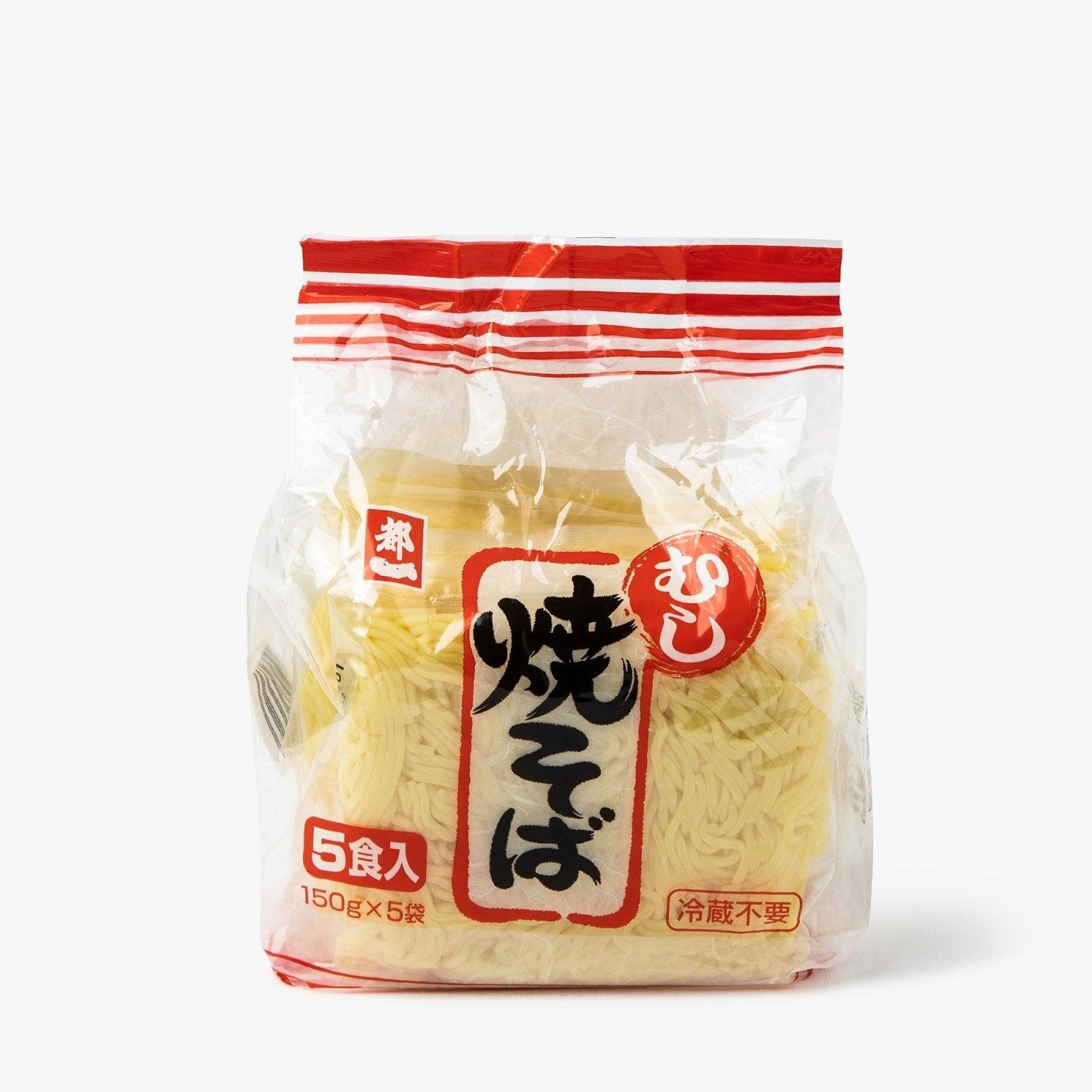
Precooked wheat yakisoba noodles, 5 servings ⋅ Miyakoichi ⋅ 750g
⋅ Pre-cooked noodles⋅ Stir-fry with yakisoba sauce and vegetables⋅ Perfect for a family meal⋅ 5 servingsA popular stir-fried noodle dish in Japan, perfect for fans of...
Regular price 6.50 €Promotional price 6.50 € Regular priceUnit price 8.67 € by kg


Pre-cooked yakisoba noodles with sauce, 2 servings ⋅ Otafuku ⋅ 370g
⋅ Precooked noodles⋅ Yakisoba sauce for an authentic Japanese street food experience⋅ 2 portions to share⋅ Quick cookingFried yakisoba wheat noodles with fresh vegetables and a...
Regular price 4.50 €Promotional price 4.50 € Regular priceUnit price 12.16 € by kg

Instant soba noodles with yakisoba sauce ⋅ Nissin ⋅ 90g
⋅ Convenient format for takeaway⋅ Savory and umami flavor thanks to the yakisoba sauce⋅ Ready in 3 minutes⋅ Wok⋅ styleAn instant version of yakisoba, a popular...
Regular price 2.90 €Promotional price 2.90 € Regular priceUnit price 32.22 € by kg

Instant soba noodles with yakitori sauce ⋅ Nissin ⋅ 89g
⋅ Convenient format for takeaway⋅ Sweet flavor⋅ Savory thanks to the yakitori sauce⋅ Ready in 3 minutes⋅ Wok⋅ styleAn instant version of yakisoba, a popular stir-fried...
Regular price 2.90 €Promotional price 2.90 € Regular priceUnit price 32.58 € by kg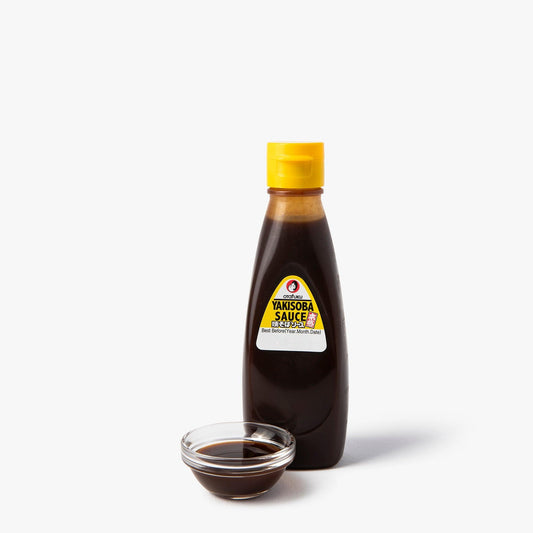
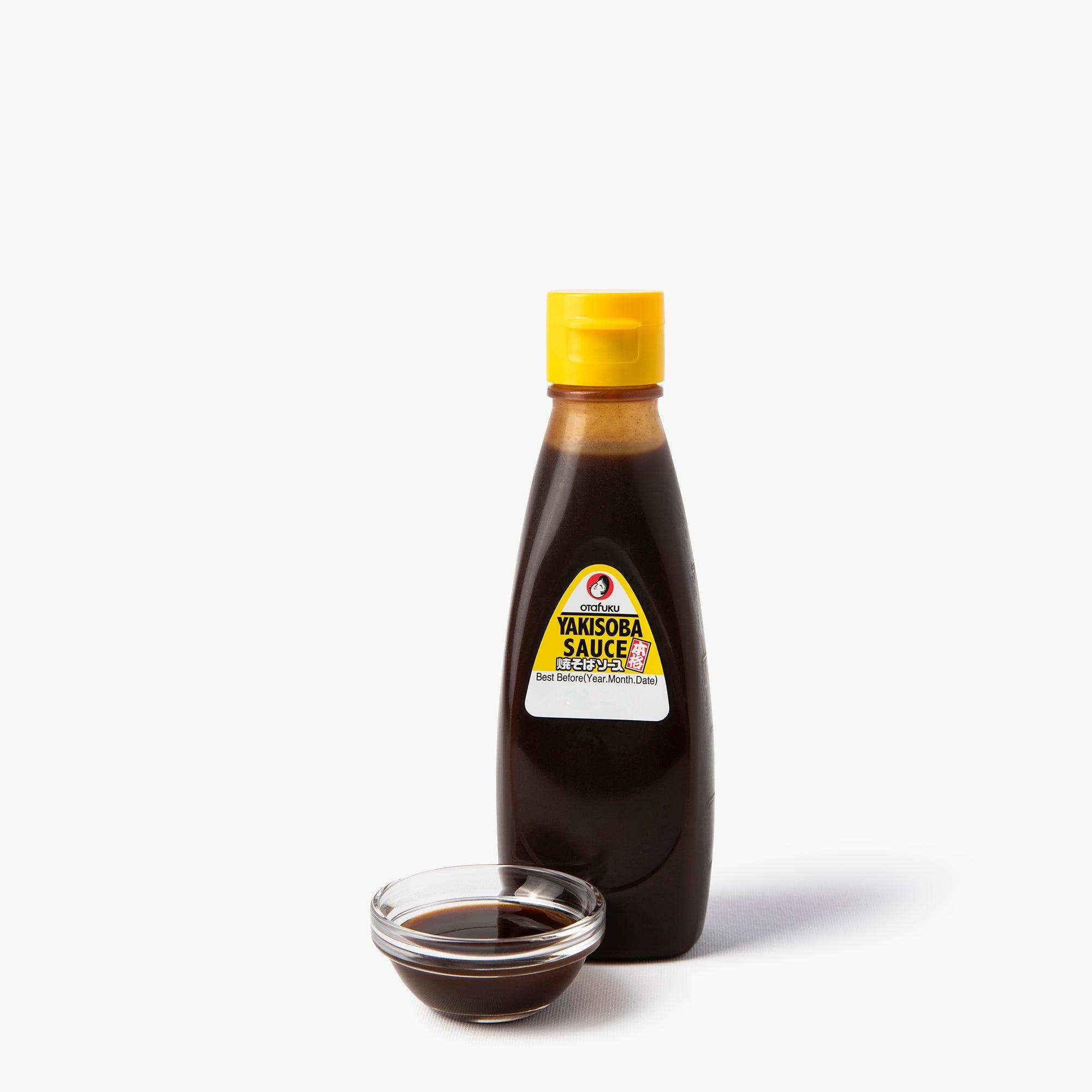
Thick yakisoba sauce ⋅ Otafuku ⋅ 300g
⋅ Rich, thick texture⋅ Perfect with yakisoba and other stir-fried noodles⋅ Sweet and savory flavor that pairs well with Asian cuisine⋅ Convenient bottle for pouring directly...
Regular price 6.40 €Promotional price 6.40 € Regular priceUnit price 21.33 € by kg
Learn more about yakisoba
Why are yakisoba so popular in Japan?
Yakisoba are popular in Japan for several reasons:
- Simplicity and speed: Yakisoba are easy and quick to prepare. They can be made with wheat noodles or instant noodles, and a simple seasoning based on soy sauce. This makes them a convenient Japanese dish for everyday meals or quick events.
- Street food: Yakisoba are commonly sold at Japanese festivals and by food trucks as a snack or street food. Their ease of preparation and delicious flavor make them ideal for quick consumption at festivals and outdoor events.
- Versatility: This dish can easily be customized according to personal preferences by adding vegetables, chicken, pork, beef, or even tofu for a vegetarian version. In addition, yakisoba pair well with sushi, salads, or rice, making them suitable for various types of meals.
- Unique flavor: The combination of soy sauce, oil, salt, and various seasonings, sometimes including a little curry or ajinomoto, gives yakisoba an irresistible sweet-and-savory flavor that appeals to all ages.
- Adaptable to different tastes: Thanks to the addition of various sauces, such as yakisoba sauce or even curry, it is easy to adjust the dish's flavor according to individual preferences, making it popular with everyone.
How to prepare homemade yakisoba?
To prepare homemade yakisoba, here is a simple and delicious recipe:
Ingredients:
- 300 g of wheat noodles (or ready-to-cook yakisoba noodles, ramen or instant noodles)
- 200 g of meat (chicken, pork, or beef) cut into thin slices (optional)
- 1/2 cabbage (or other vegetables such as bell peppers, carrots, or bean sprouts)
- 2 tbsp. of vegetable oil (for cooking)
- 2-3 tbsp. of yakisoba sauce (or a mixture of soy sauce, Worcestershire sauce and sugar)
- 1 tbsp. of salt (adjust to taste)
- 1 tbsp. of pepper (optional, for seasoning)
- Grated garlic or ginger (optional)
- Ajinomoto (optional, to add umami)
- Garnishes: chopped green onions, sesame seeds (optional)
Instructions:
- Cooking the noodles:
If using fresh wheat noodles or yakisoba noodles, place them in boiling water for 1-2 minutes, then drain well.
If using instant noodles, cook them according to the package instructions, then drain.
Preparing the vegetables and meat:
Cut the cabbage, carrots, and other vegetables into thin strips.
If using meat, cut it into thin slices.
- Cooking:
Heat the oil in a large frying pan or wok over medium-high heat.
Add the meat (if using) and cook until browned.
Add the vegetables (cabbage, carrots, etc.) and stir-fry for 2-3 minutes, until slightly tender but still crisp.
- Stir-frying the noodles:
Add the cooked noodles to the pan with the vegetables and meat. Mix well to warm them and coat them with the oil.
Pour in the yakisoba sauce (or your soy sauce and Worcestershire mixture) and stir-fry well so the noodles are evenly seasoned. Adjust the amount of sauce to taste.
Add salt and pepper to taste. You can also add a little grated ginger or garlic for extra flavor.
- Finishing and garnishing:
Serve the yakisoba on plates. Garnish with chopped green onions and sesame seeds for an extra touch.
Tips:
- You can also add cashews or mushrooms for more variety.
- If you like spicier yakisoba, add a touch of chili or curry.
- For a vegetarian version, replace the meat with tofu or add more vegetables.
What type of noodles should be used for yakisoba?
For yakisoba, the type of noodles used is essential for achieving an authentic texture and flavor.
- Fresh yakisoba noodles: These are wheat noodles specifically intended for preparing yakisoba. They are generally available at Asian grocery stores or shops specializing in Japanese cuisine. They are slightly thicker than ramen noodles and have a firm texture that works well for stir-frying.
- Ramen noodles: If you cannot find yakisoba noodles, you can use ramen noodles as a substitute. Be sure to cook them thoroughly before stir-frying them so they do not become too soft.
- Instant noodles: Some people use instant noodles (such as those from Nissin), which are already precooked. You will need to drain and separate them before adding them to the pan. Although they are thinner, they can also work well for quick yakisoba.
- Udon or soba noodles: Although not traditional, udon noodles (thicker) or soba noodles (made with buckwheat) can also be used, but their texture will differ from that of classic yakisoba. These noodles provide a unique flavor and can be adapted if you enjoy experimenting.
Tip:
Fresh yakisoba noodles are by far the best choice for an authentic dish. They hold up well when cooked in oil and absorb the sauce perfectly without becoming too sticky.
Whatever noodles you use, be sure to cook them properly and let them cool slightly before stir-frying them in the pan to achieve the best texture.
Are there yakisoba variations in other regions of Japan?
- Hiroshima Yakisoba :
In Hiroshima, yakisoba is often prepared with thicker noodles, and soba noodles may be added in some versions. The flavor is richer thanks to the use of a thicker, sweeter sauce. Sometimes, yakisoba is served with a fried egg on top, adding a creamy touch to the dish. - Osaka Yakisoba :
Yakisoba in Osaka, a city known for its street food specialties, is very popular and often served with fresh vegetables, particularly cabbage and bean sprouts. The sauce is often lighter, with a base of Worcestershire sauce and soy sauce, creating a balanced flavor. - Kyushu Yakisoba :
In the Kyushu region, particularly in Fukuoka, yakisoba is sometimes prepared with miso sauce or a spicier sauce, giving it a distinctive flavor. Chilies and chicken wings, or even seafood, are frequently added. - Okinawa Yakisoba :
Okinawan yakisoba is often made with wider noodles and may include seafood such as shrimp or fish. Another notable difference is the addition of bacon or pork belly, which gives it a distinctive smoky flavor. - Nagoya Yakisoba (Hitsumabushi yakisoba) :
This variation often includes a very sweet sauce made with red miso, which is highly popular in the Nagoya region. Some recipes also add sesame seeds and fried onions for a crunchy texture.
Other variations:
- Versions with chicken or beef are common throughout Japan.
- Takeout yakisoba (in bags or cups) is very popular, particularly in Japanese grocery stores, and is prepared with precooked noodles and a special sauce.
- Some recipes incorporate nuts or mushrooms for a more sophisticated touch.


