


Collection: Accessories for rice, Nabe and Rice Cooker
To obtain perfectly cooked rice and as good as in Japan, you need the right equipment: a cooker and a rice spoon made in Japan! The rice spoon (Shakushi in Japanese) has a shape that lightens rice and not flattening it, so that it does not stick to the spoon. As for the rice or steamed cooker, in addition to being a beautiful object in your kitchen, it allows precise control of the amount of water and cooking. You can also use it to cook other foods.

-
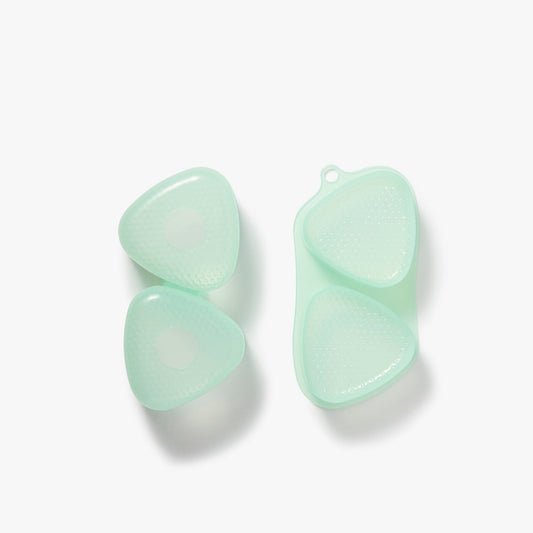
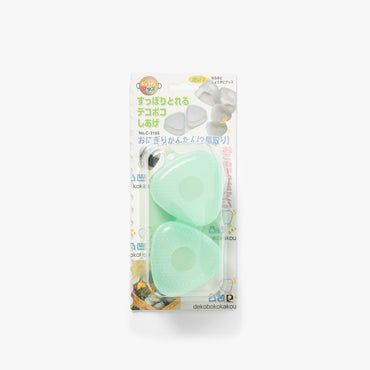
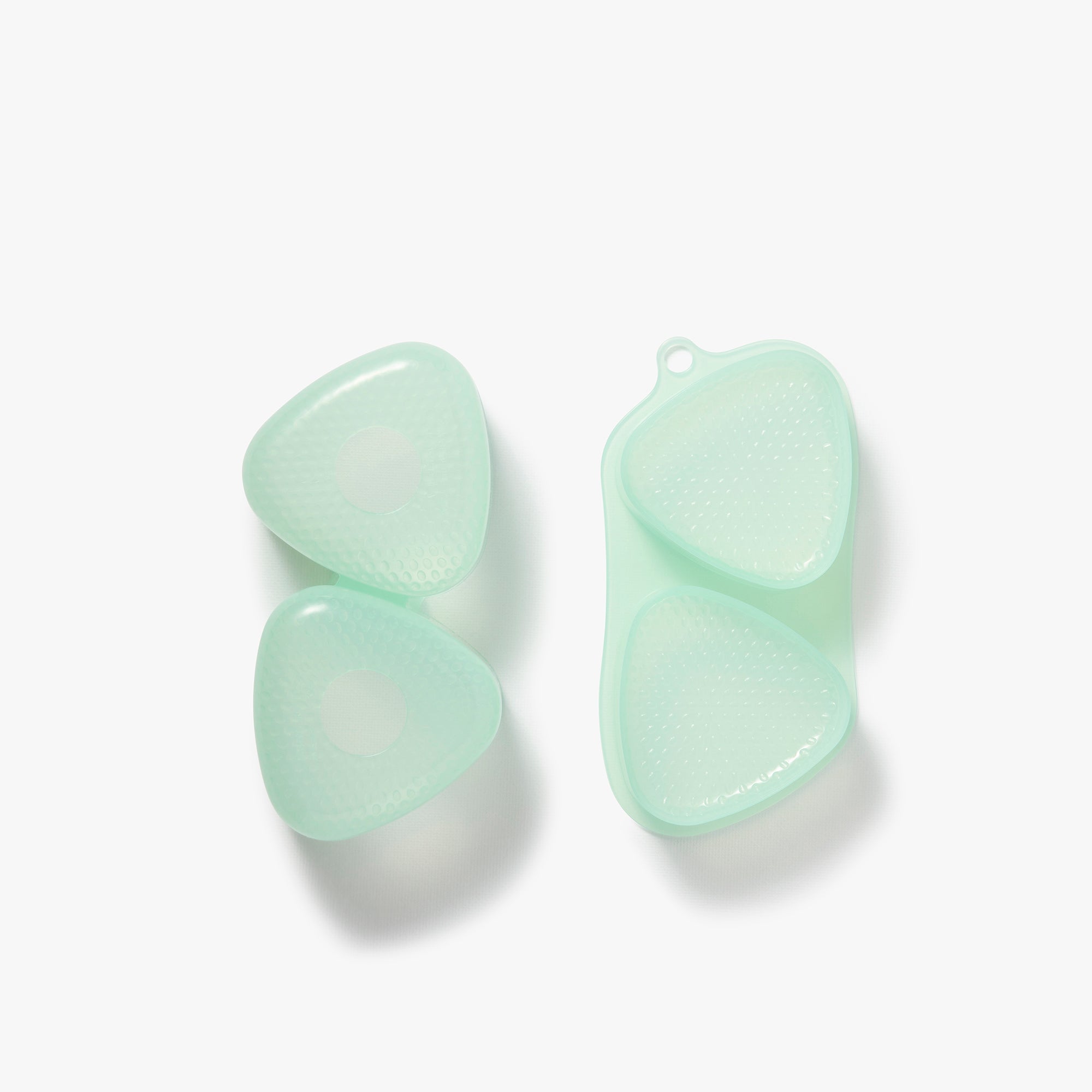
Onigiri molds ⋅ Pearl life
⋅ Homemade onigiri ready in seconds⋅ Clean, uniform triangular shape⋅ Easy to use, even for beginners⋅ Perfect for bento boxes, pic⋅ or quick mealsA set of...
Regular price 5.90 €Promotional price 5.90 € Regular priceUnit price by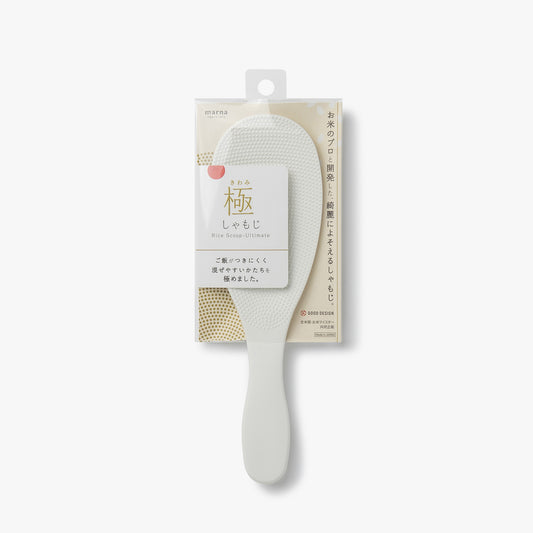
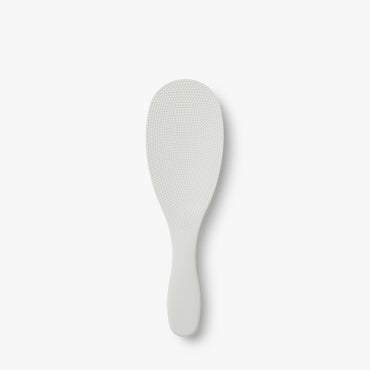
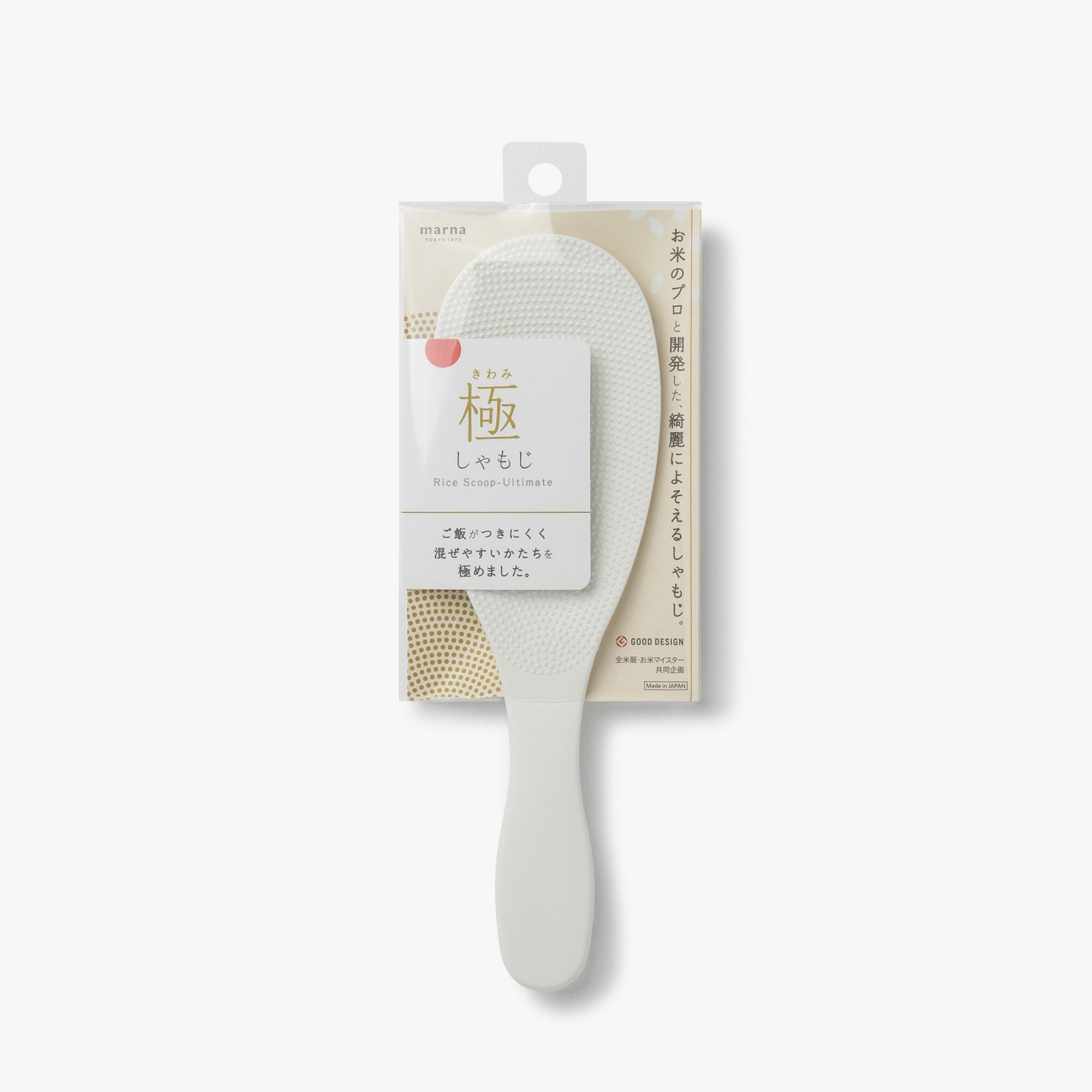
Rice spoon ⋅ Marna
⋅ Designed for precise rice serving⋅ Lightweight and comfortable to hold⋅ Practical for everyday useIn Japan, a bowl of rice contains 150 g of rice. Rice...
Regular price 6.90 €Promotional price 6.90 € Regular priceUnit price by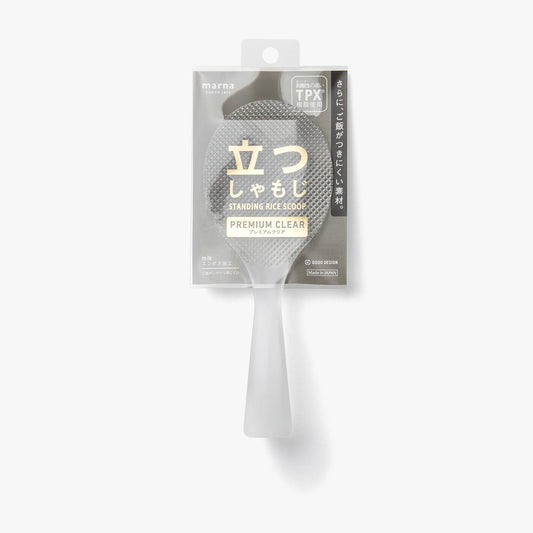
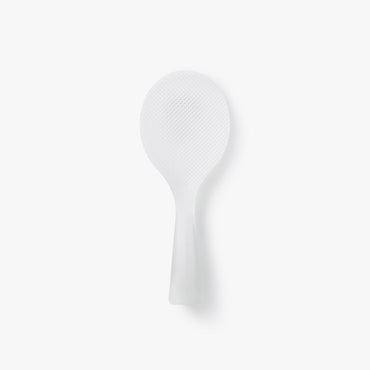
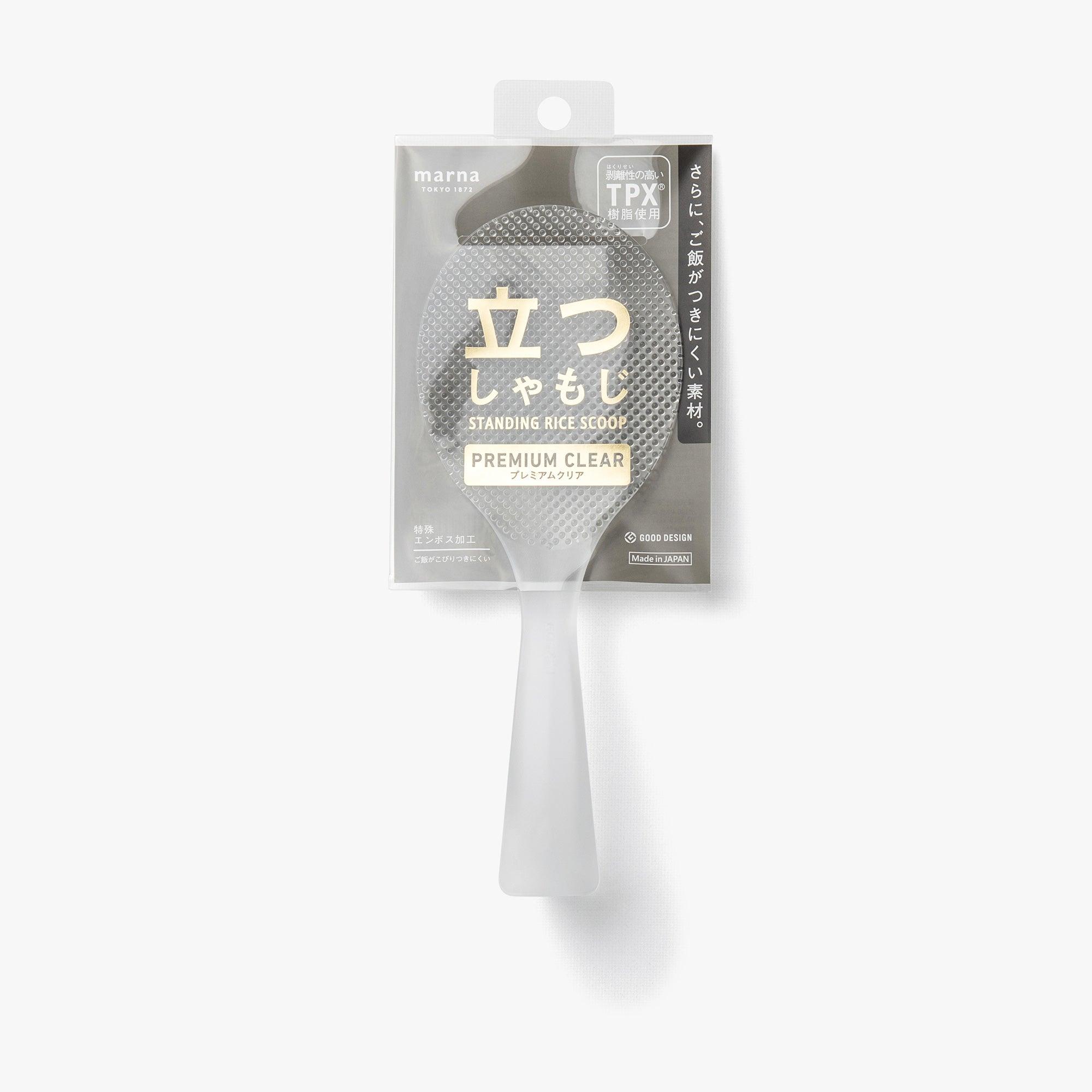
Self-standing rice spoon ⋅ Marna
⋅ Shape designed for precise rice serving⋅ Handle designed to stand upright⋅ Lightweight and comfortable to hold⋅ Practical for everyday useNo more searching for a place...
Regular price 12.50 €Promotional price 12.50 € Regular priceUnit price by


Sushi rolling mat ⋅ Sankido
⋅ An essential accessory for making maki⋅ Also ideal for tamagoyaki⋅ Made from natural bamboo⋅ Hand washing recommendedThe Makisu maki rolling mat by Sankido is an...
Regular price 8.50 €Promotional price 8.50 € Regular priceUnit price by


Maki rolling mat ⋅ Pearl life
⋅ Easily make perfectly rolled maki⋅ Natural bamboo—strong and flexible⋅ Versatile: tamagoyaki, rolled salads, light squeezing⋅ A must-have for Japanese cuisine enthusiastsThe Makisu is an indispensable...
Regular price 6.50 €Promotional price 6.50 € Regular priceUnit price by

Book Onigiri. Japanese Stuffed Rice Balls. (New Edition) ⋅ First
Discover Gili-Gili’s delicious Japanese-style stuffed rice balls! For a quick, balanced, convenient, and unique meal, nothing beats onigiri! These rice balls from Japan, filled with a...
Regular price 12.95 €Promotional price 12.95 € Regular priceUnit price by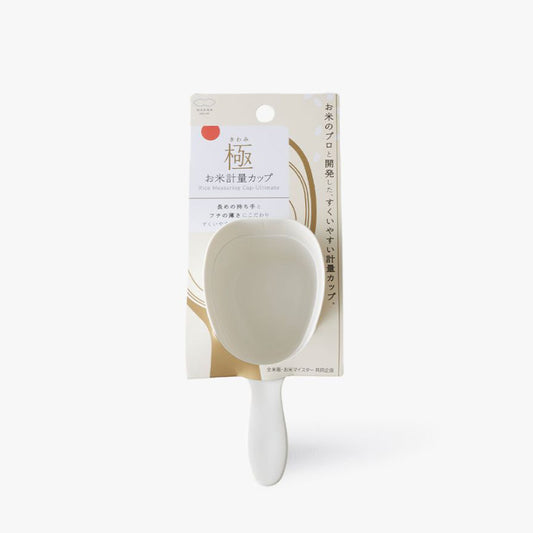

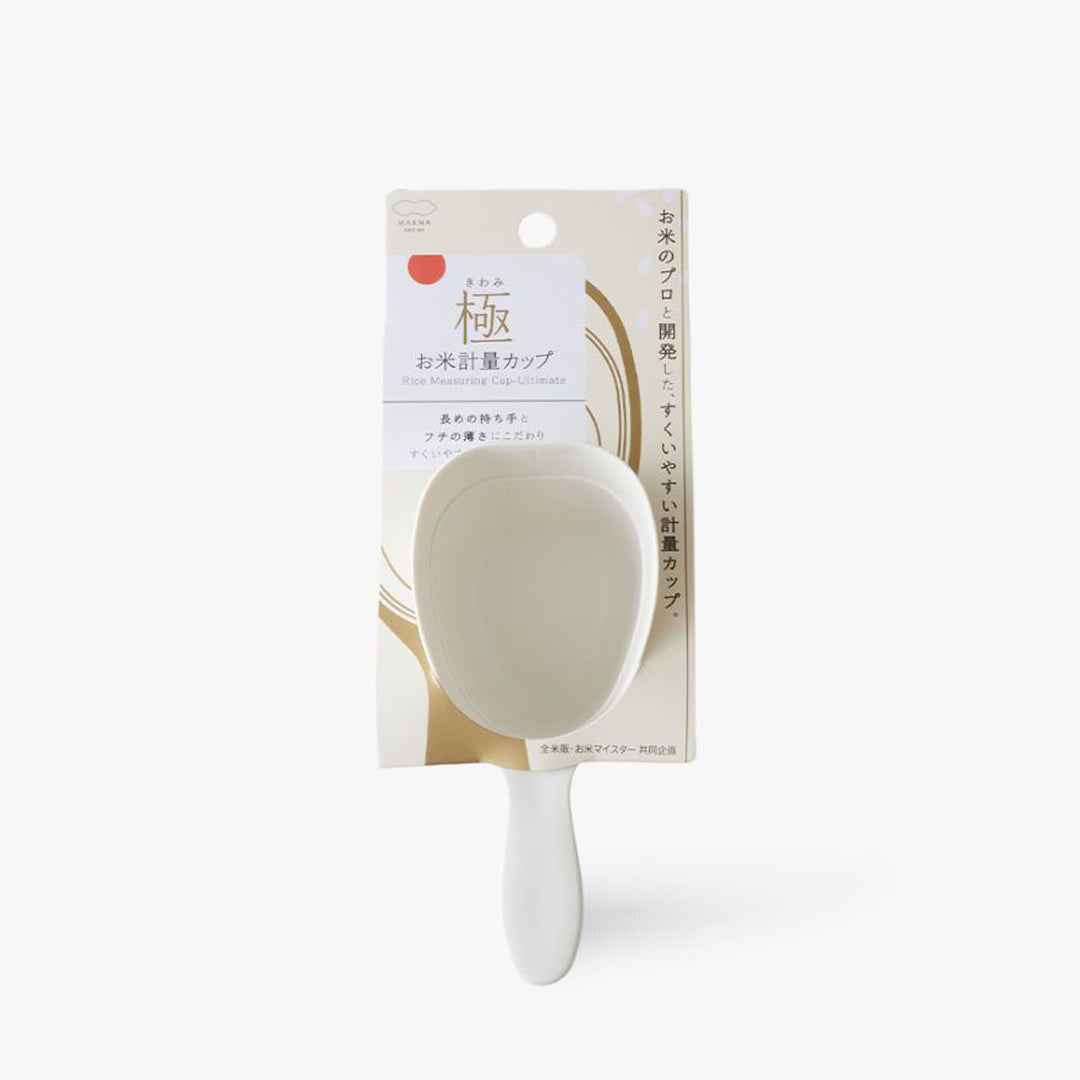
Rice measuring spoon ⋅ Marna
⋅ Developed by a rice expert⋅ Easy to grip⋅ Drains faster⋅ Dishwasher-safe⋅⋅ Heat-resistant up to 120°C⋅ CMeasuring spoon developed with a rice expert, it offers an...
Regular price 7.80 €Promotional price 7.80 € Regular priceUnit price by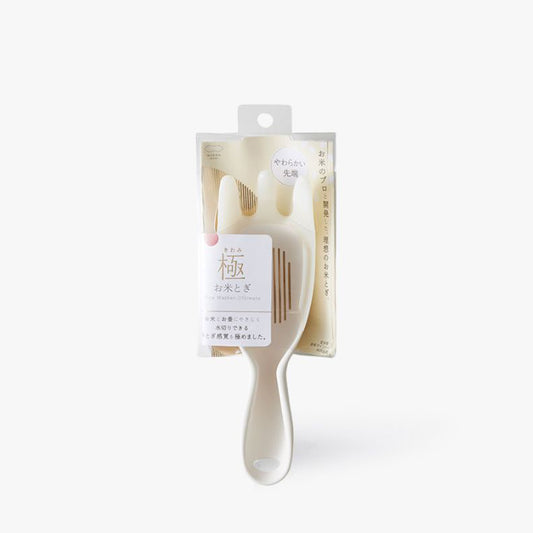

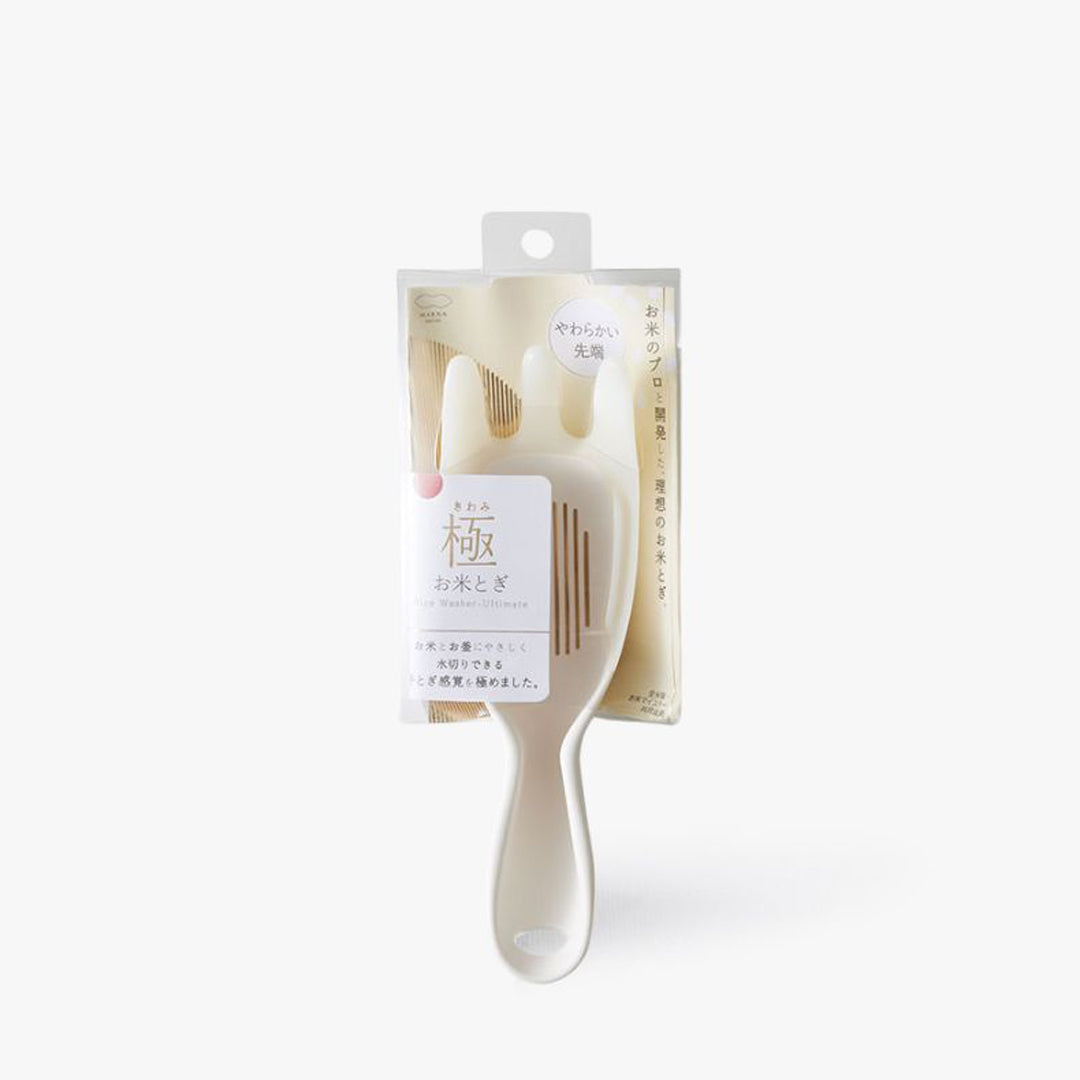
Rice-washing spatula ⋅ Marna
⋅ Developed by a rice expert⋅ Easy to handle⋅ Drains faster⋅ Dishwasher-safe⋅⋅ Heat-resistant up to 120⋅ CDeveloped in partnership with a rice expert, this spoon is...
Regular price 12.00 €Promotional price 12.00 € Regular priceUnit price by
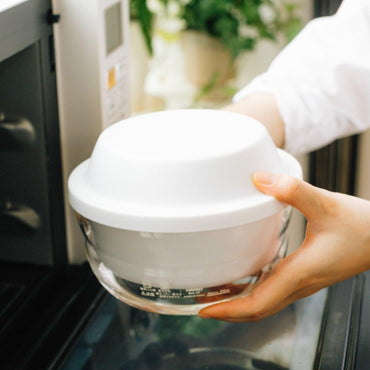

Glass steamer ⋅ Hario
⋅ Prepare light and flavorful steamed dishes in no time!⋅ Perfect for adding variety to your meals: vegetables, fish, or ravioli⋅ Designed specifically for the microwaveThis...
Regular price 26.00 €Promotional price 26.00 € Regular priceUnit price by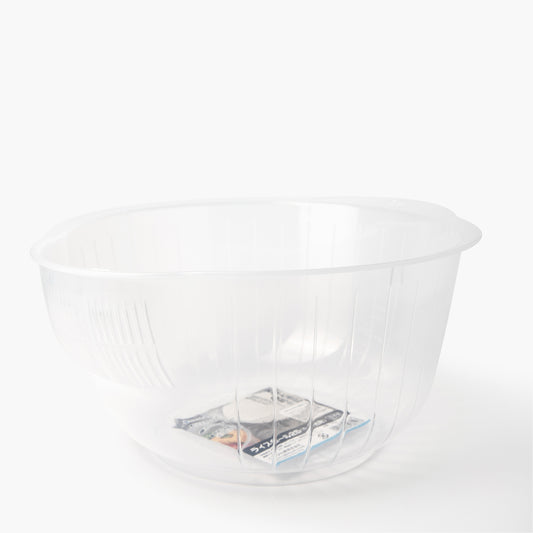
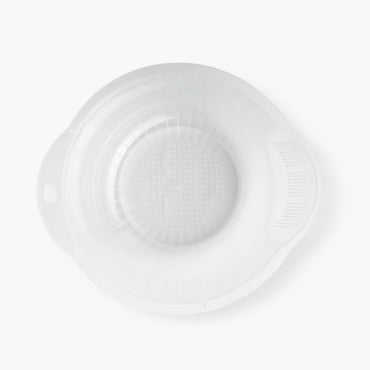
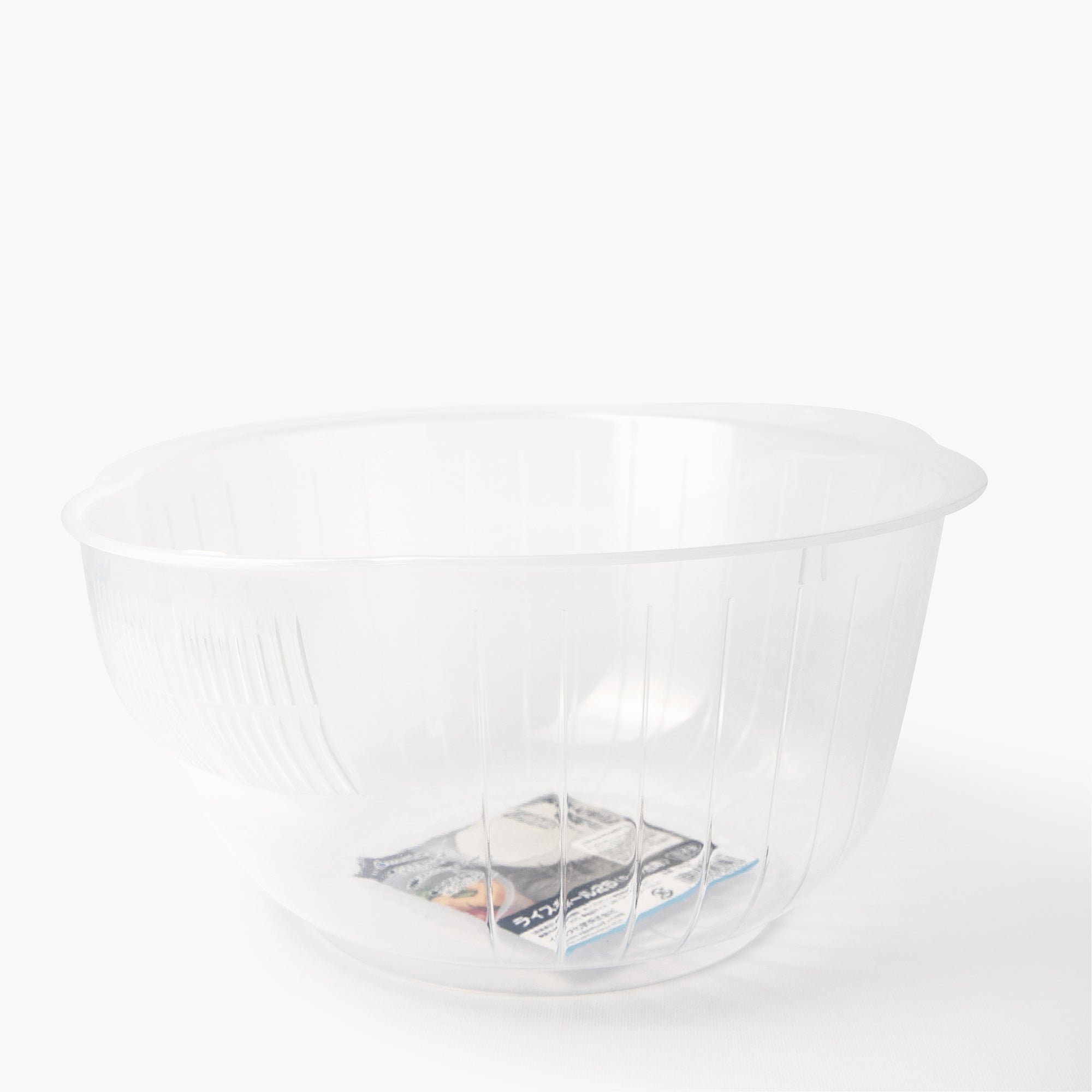
Rice bowl with strainer 25x12cm ⋅ Tokyo Design Studio
•Allows you to wash, rinse, and drain rice in a single step.•Sloped base and drainage holes for easy draining.•Versatile: wash vegetables, pasta, or seafood.•Makes kitchen tasks...
Regular price 10.00 €Promotional price 10.00 € Regular priceUnit price by


White nabe 250x215mm ⋅ Touga
⋅ For hearty stews to share⋅ Thick ceramic: gentle heat and excellent heat retention⋅ Perfect for sukiyaki, shabu-shabu, and other hot pot dishes⋅ Shabu-shabu and casual...
Regular price 78.00 €Promotional price 78.00 € Regular priceUnit price by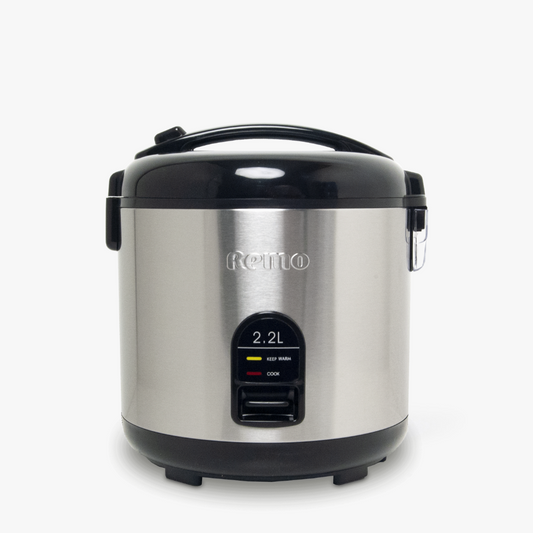
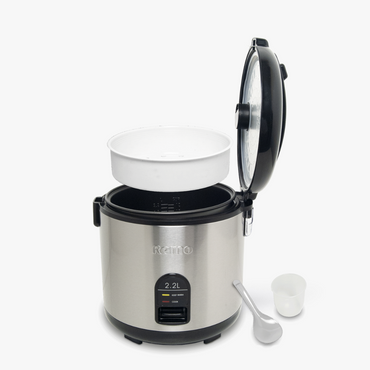
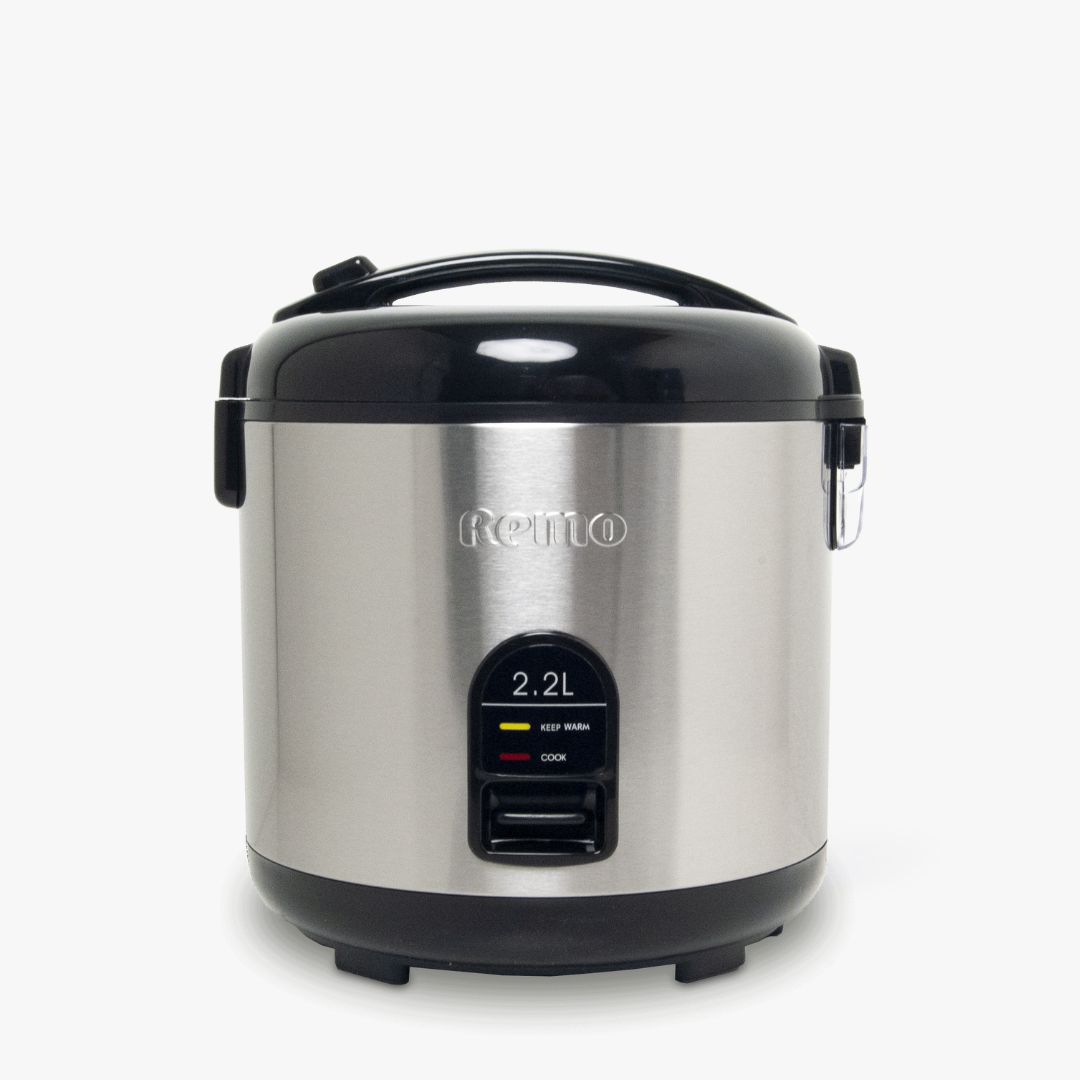
2.2L rice cooker ⋅ Remo
⋅ Removable inner pot ⋅ Non-stick coating for easy cleaning⋅ "Cook / Keep Warm" function to start cooking and keep food warmThe Remo rice cooker ensures...
Regular price 84.00 €Promotional price 84.00 € Regular priceUnit price by


Glass rice cooker ⋅ Hario
⋅ Fast and even cooking for perfectly fluffy rice⋅ Specially designed for the microwave⋅ Can also steam vegetables⋅ Pure glass that preserves flavors without retaining odors...
Regular price 42.00 €Promotional price 42.00 € Regular priceUnit price by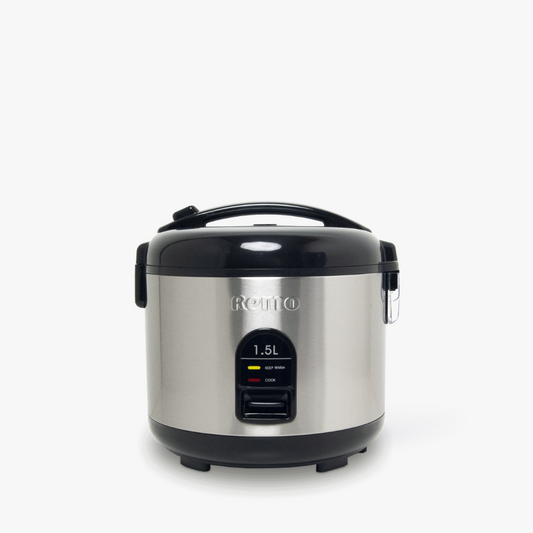

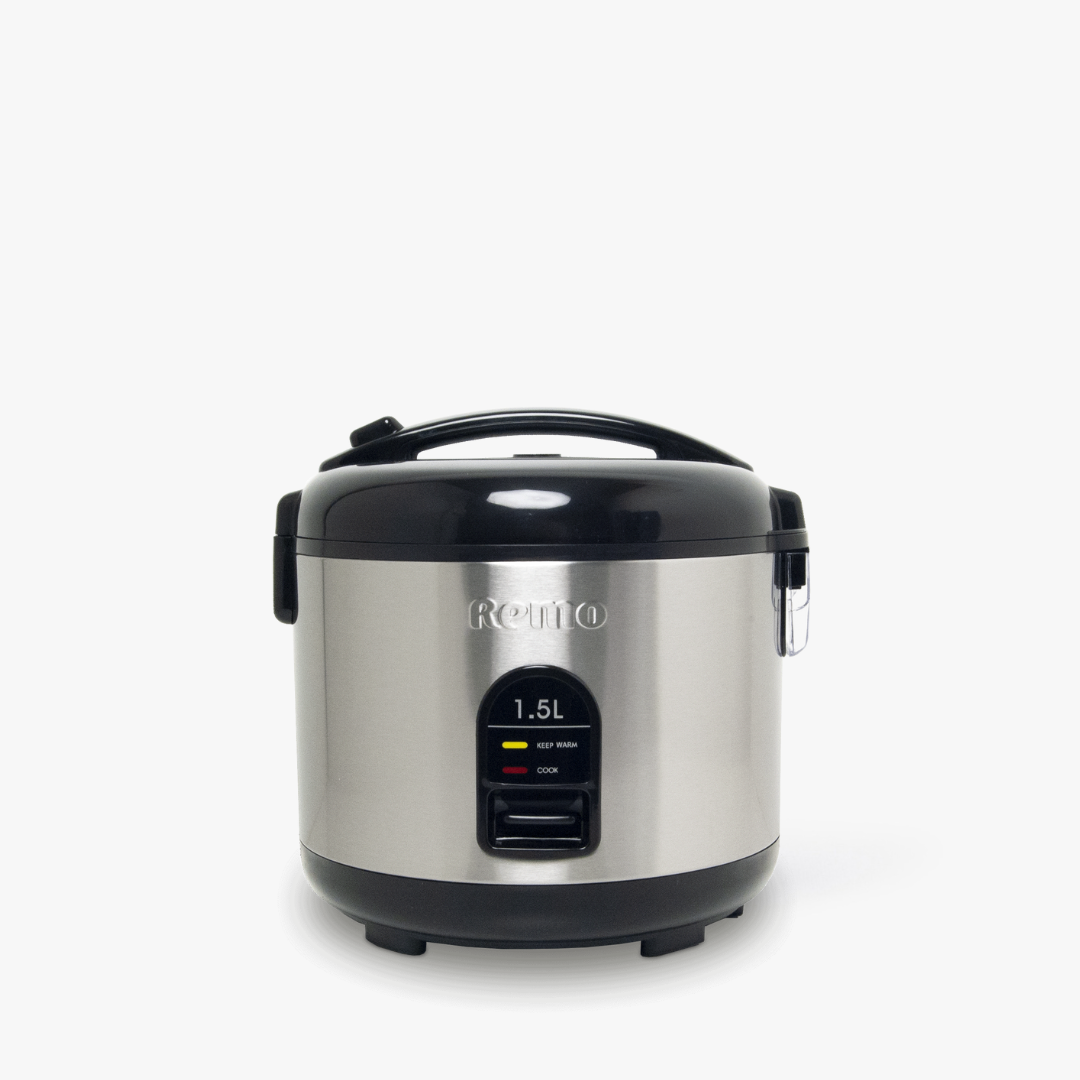
1.5L rice cooker ⋅ Remo
⋅ Removable inner pot ⋅ Nonstick coating for easy cleaning⋅ "Cook / Keep Warm" function to start cooking and keep food warmThe Remo rice cooker ensures...
Regular price 69.00 €Promotional price 69.00 € Regular priceUnit price by

Learn more about rice utensils
Should you wash rice before cooking it in a rice cooker?
Yes, it is strongly recommended to wash rice before cooking it in a rice cooker. Rinsing removes excess starch, which could make the rice too sticky or mushy after cooking.
Why wash rice?
- Washed rice cooks more evenly and remains slightly firm.
- Some grains may contain dust or residue.
- Rice absorbs water better for more even cooking.
How to wash rice properly?
- Place the rice in a bowl or directly in the rice cooker.
- Add cold water and gently stir with your hands.
- Drain and repeat the process 2 to 3 times, until the water is clearer.
My rice is too sticky or too dry in the rice cooker. How can I avoid this?
Here are a few tips for optimal Japanese rice cooking:
Rice too sticky?
- Slightly reduce the amount of water. A good rule of thumb is to add 1.1 parts water for 1 part rice (varies depending on the type of rice).
- Excess starch can make rice sticky. Rinse it 2 to 3 times until the water is almost clear.
- Some types of rice (such as Japanese rice) require soaking for a maximum of 30 minutes. If soaked for too long, it will absorb too much water even before cooking.
Rice too dry?
- Add slightly more water the next time you cook it.
- As soon as the rice cooker switches to "keep warm" mode, fluff the rice with a spatula to distribute the moisture evenly.
- Some Japanese rice cookers, such as those made of Iga-yaki ceramic or Iwachu cast iron, retain heat better and ensure more even cooking.
Can you cook anything other than rice in a rice cooker?
Yes, a rice cooker can cook much more than just rice! This versatile appliance lets you prepare a variety of dishes with gentle, even cooking.
What can you cook in a rice cooker?
- Grains: Quinoa, bulgur, millet, oats… by adjusting the amount of water.
- Steamed vegetables: Place a steamer basket above the rice or use the steam setting if your model has one.
- Soups and broths: Perfect for simmering a Japanese nabe, dashi, or soup.
- Meat & fish: Gentle cooking for chicken, salmon, or even poached eggs.
- Slow-cooked dishes: Japanese curry, stews, braised tofu… let them cook slowly without supervision.
- Desserts: Moist cakes, compotes, flans, or even homemade mochi made with glutinous rice.
How do you care for a Japanese ceramic pot?
To care for a Japanese ceramic pot (nabe), here are some essential tips:
- Avoid thermal shock: Do not place a hot pot on a cold surface or vice versa. This can cause cracks in the ceramic.
- Gentle cleaning: Wash the pot by hand, preferably with a soft sponge, without using abrasive products that could damage the surface. Avoid harsh chemical cleaners.
- Dry properly: After cleaning, dry the pot completely before storing it, as residual moisture can affect the ceramic.
- Use gentle utensils: When using the pot, choose wooden or plastic utensils to avoid scratching the inside.
- Prevent stains: If you cook foods that can stain, such as curry or soy sauce, clean the pot promptly after use to prevent stubborn stains.
How to properly measure the water for cooking Japanese-style rice?
- Classic proportions: Generally, the standard ratio for cooking rice is 1 volume of rice to 1.1 to 1.2 volumes of water. This may vary slightly depending on the type of rice (for example, for Japanese rice, 1.2 times the volume of rice is often used).
- Rinsing and soaking: After rinsing the rice with cold water to remove excess starch and soaking it for 30 to 60 minutes, you can drain it and measure the water added to the rice.
- Type of rice: If you are preparing Japanese rice (such as Koshihikari), use 1.1 to 1.2 volumes of water for each volume of rice, depending on the desired texture. For softer, stickier rice, use 1.2 times the volume of rice. For slightly firmer rice, 1.1 volumes of water may be sufficient
- Adjust according to your preferences: If you like moister rice, add a little more water (for example, 1.3 times the volume of rice). If you prefer firmer rice, slightly reduce the amount of water.
- Using a donabe: If you use a donabe, it is advisable to monitor the cooking over low heat and avoid opening the lid too often. This allows the steam to circulate effectively, ensuring even cooking and preventing excessive water evaporation.
Can rice be cooked in the microwave?
Yes, it is entirely possible to cook rice in the microwave, and it is a quick and convenient method. Here’s how:
- Rinse the rice: Wash the rice in cold water until the water runs clear to remove excess starch.
- Measure the water: Add approximately 1.2 parts water to 1 part rice (adjust according to the desired texture).
- Use a suitable container: Take a bowl or container with a microwave-safe lid. Otherwise, use plastic wrap with a few holes poked in it to allow steam to escape.
- Cooking: Heat at maximum power (approximately 700-800W) for 5 minutes. Then reduce to medium power (approximately 500W) and cook for another 10 minutes.
- Rest: Let the covered rice rest for 5 minutes so it can absorb the moisture and become more tender.


