


-


Matcha mochi ⋅ Seiki ⋅ 130g
⋅ Soft texture⋅ Individually wrapped⋅ Made with Uji matchaSoft-textured matcha-flavored mochi, individually packaged. Mochi is a traditional Japanese rice cake characterized by its soft, chewy texture....
Regular price 4.90 €Promotional price 4.90 € Regular priceUnit price 37.69 € by kg

Sakura mochi ⋅ Seiki ⋅ 130g
⋅ Soft texture⋅ Individually wrapped⋅ Sakura flavorSoft-textured sakura-flavored mochi, individually packaged. Mochi is a traditional Japanese rice cake characterized by its soft, chewy texture. Individually wrapped,...
Regular price 4.90 €Promotional price 4.90 € Regular priceUnit price 37.69 € by kg

Yuzu mochi ⋅ Seiki ⋅ 130g
⋅ Soft texture⋅ Individually wrapped⋅ Yuzu-flavoredSoft-textured yuzu-flavored mochi, individually packaged. Mochi is a traditional Japanese rice cake known for its soft, chewy texture. These mochi are...
Regular price 4.90 €Promotional price 4.90 € Regular priceUnit price 37.69 € by kg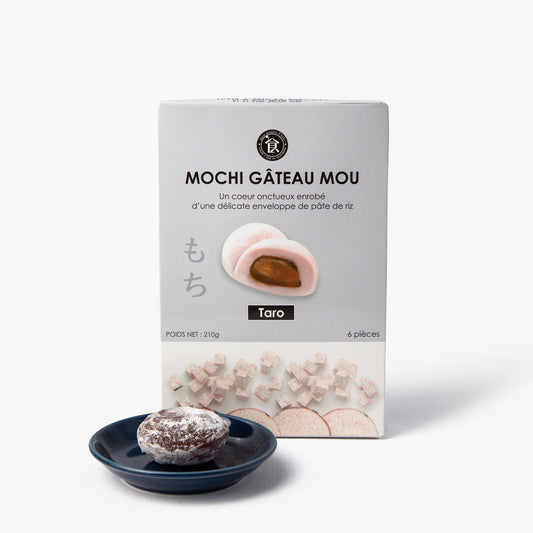
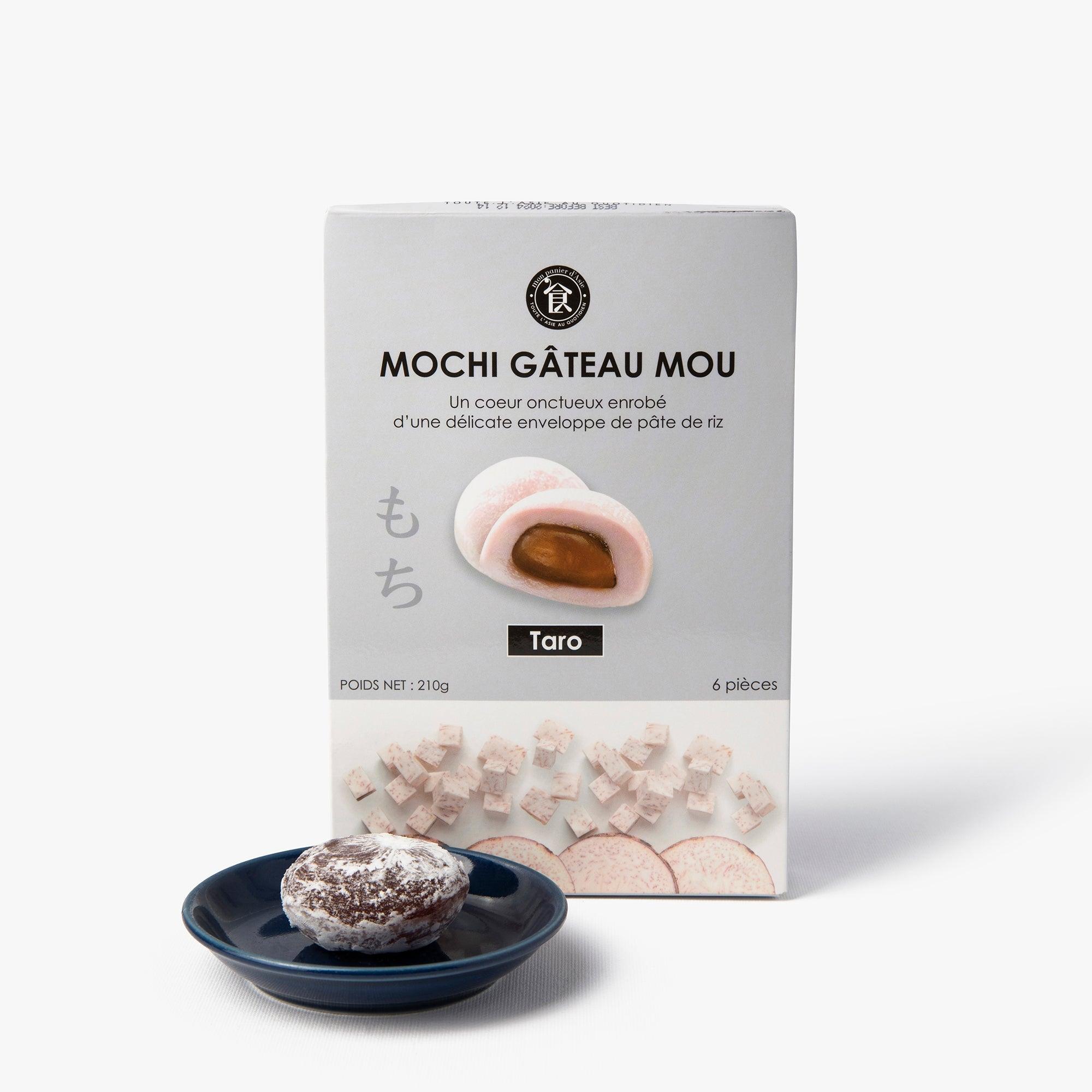
Taro-filled mochi ⋅ Mon panier d'asie ⋅ 210g
⋅ Taro-filled mochi⋅ Perfect as a snack, for afternoon tea, or a tea ceremony⋅ Soft, chewy texture⋅ Enjoy any time of dayTaro-filled mochi is a traditional...
Regular price 4.50 €Promotional price 4.50 € Regular priceUnit price 21.43 € by kg

Strawberry mochi ⋅ Seiki ⋅ 130g
⋅ Soft texture⋅ Individually wrapped⋅ Made with Fukui strawberriesSoft-textured strawberry-flavored mochi, individually packaged. Mochi is a traditional Japanese rice cake known for its soft, chewy texture....
Regular price 4.90 €Promotional price 4.90 € Regular priceUnit price 37.69 € by kg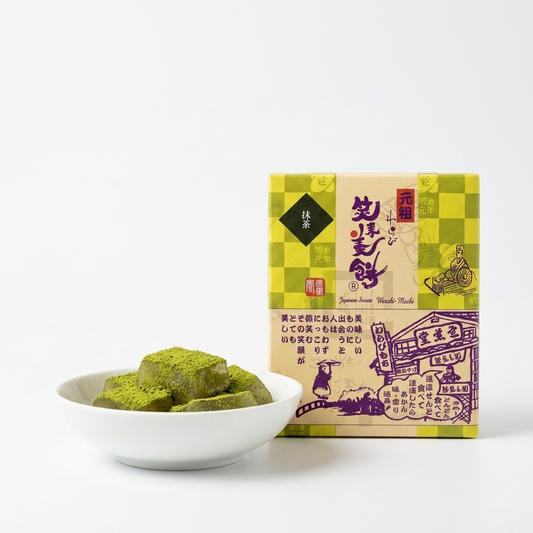
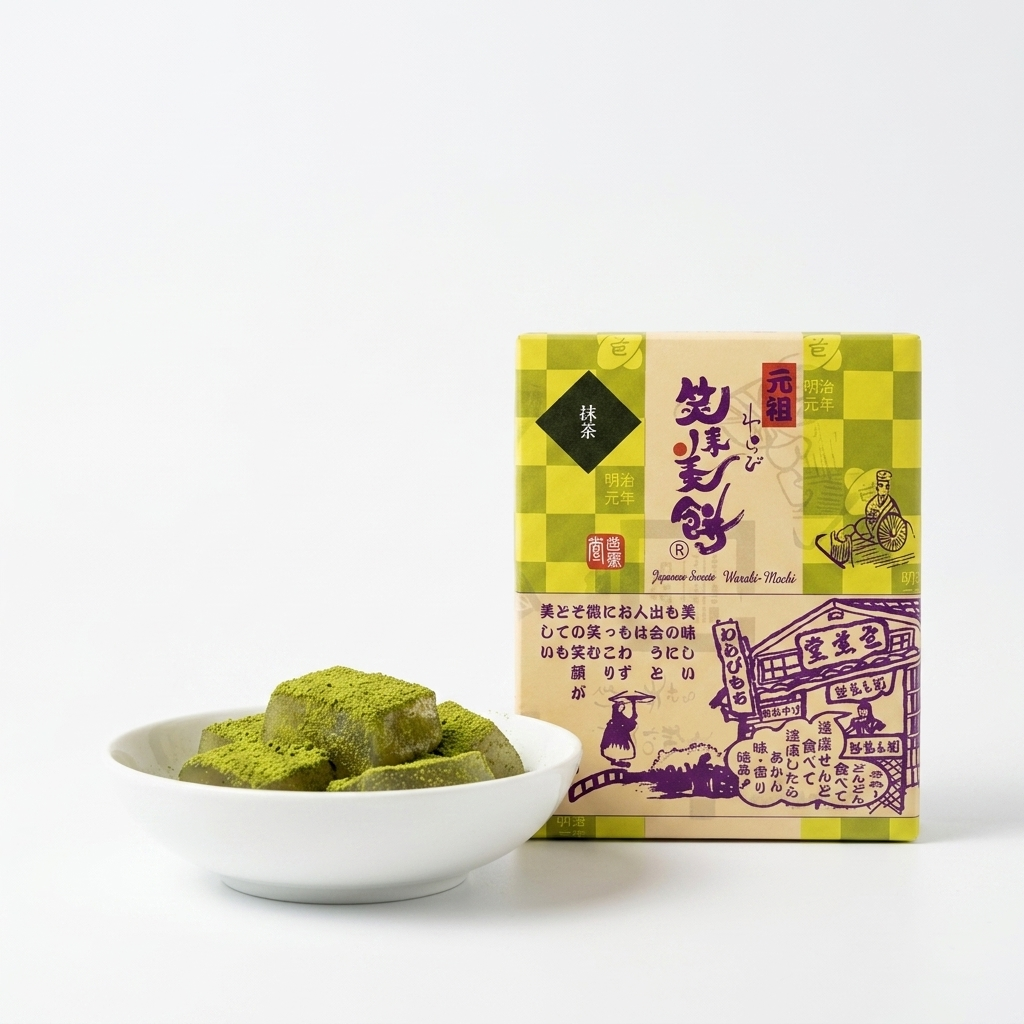
Warabi mochi with matcha and kinako ⋅ Bashodo ⋅ 200g
Regular price 16.65 €Promotional price 16.65 € Regular priceUnit price 83.25 € by kg

Warabi mochi with kuromitsu brown sugar syrup ⋅ Bashodo ⋅ 200g
Regular price 16.65 €Promotional price 16.65 € Regular priceUnit price 83.25 € by kg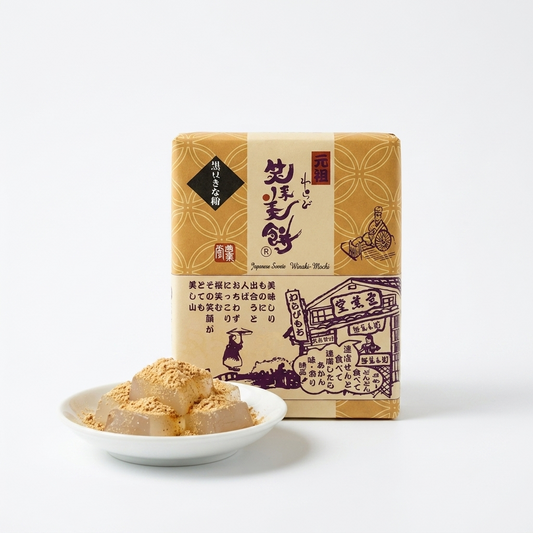
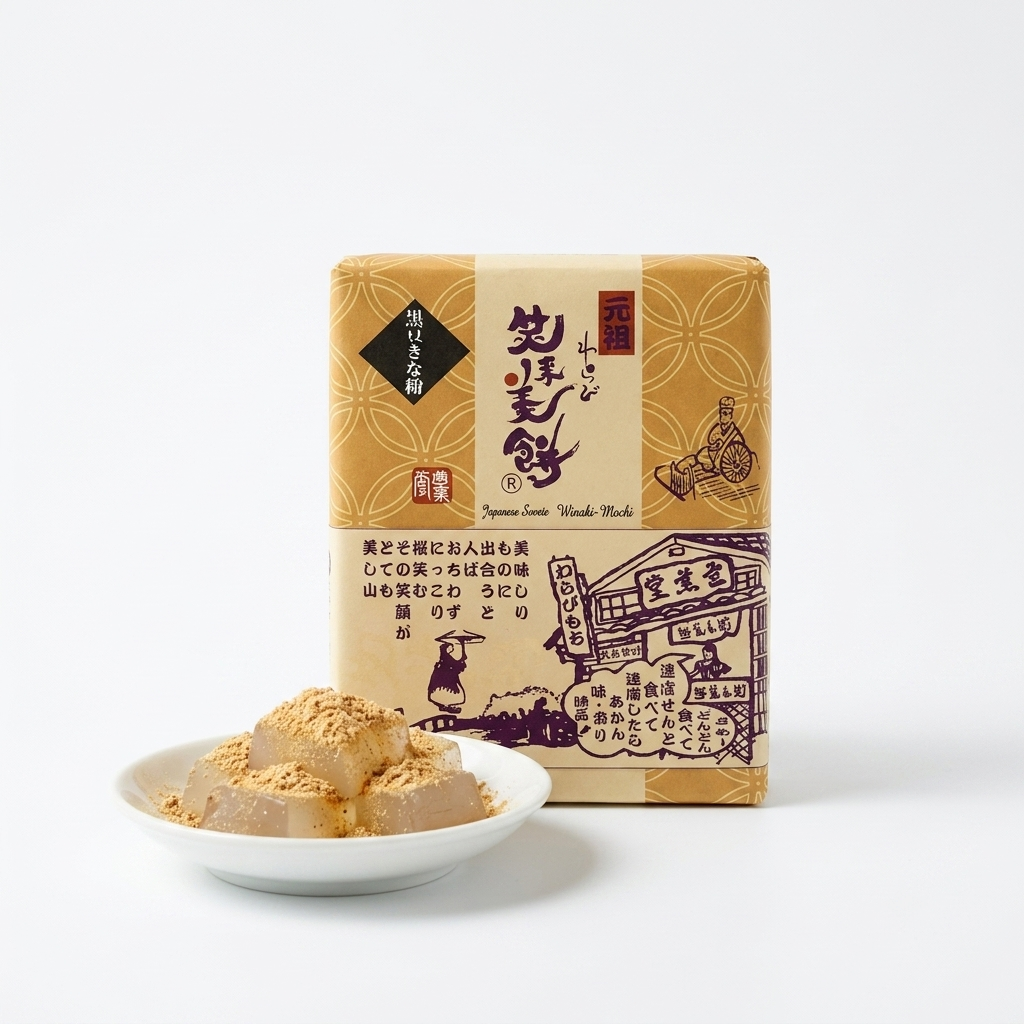
Warabi mochi with black kinako ⋅ Bashodo ⋅ 200g
Regular price 16.65 €Promotional price 16.65 € Regular priceUnit price 83.25 € by kg

Warabi mochi with cocoa and kinako ⋅ Bashodo ⋅ 200g
Regular price 16.65 €Promotional price 16.65 € Regular priceUnit price 83.25 € by kg

Mochi filled with azuki red bean ⋅ Mon panier d'asie ⋅ 210g
⋅ Traditional mochi⋅ Perfect as a snack, for afternoon tea, or a tea ceremony⋅ Chewy and melt-in-your-mouth texture⋅ Enjoy anytimeThese red bean mochi are the most...
Regular price 4.50 €Promotional price 4.50 € Regular priceUnit price 21.43 € by kg

Mochi filled with green tea ⋅ Mon panier d'asie ⋅ 210g
⋅ Perfect for an afternoon snack or a tea ceremony⋅ Soft and creamy texture⋅ Fresh green tea flavorThese green tea mochi combine a chewy, slightly floury...
Regular price 4.50 €Promotional price 4.50 € Regular priceUnit price 21.43 € by kg
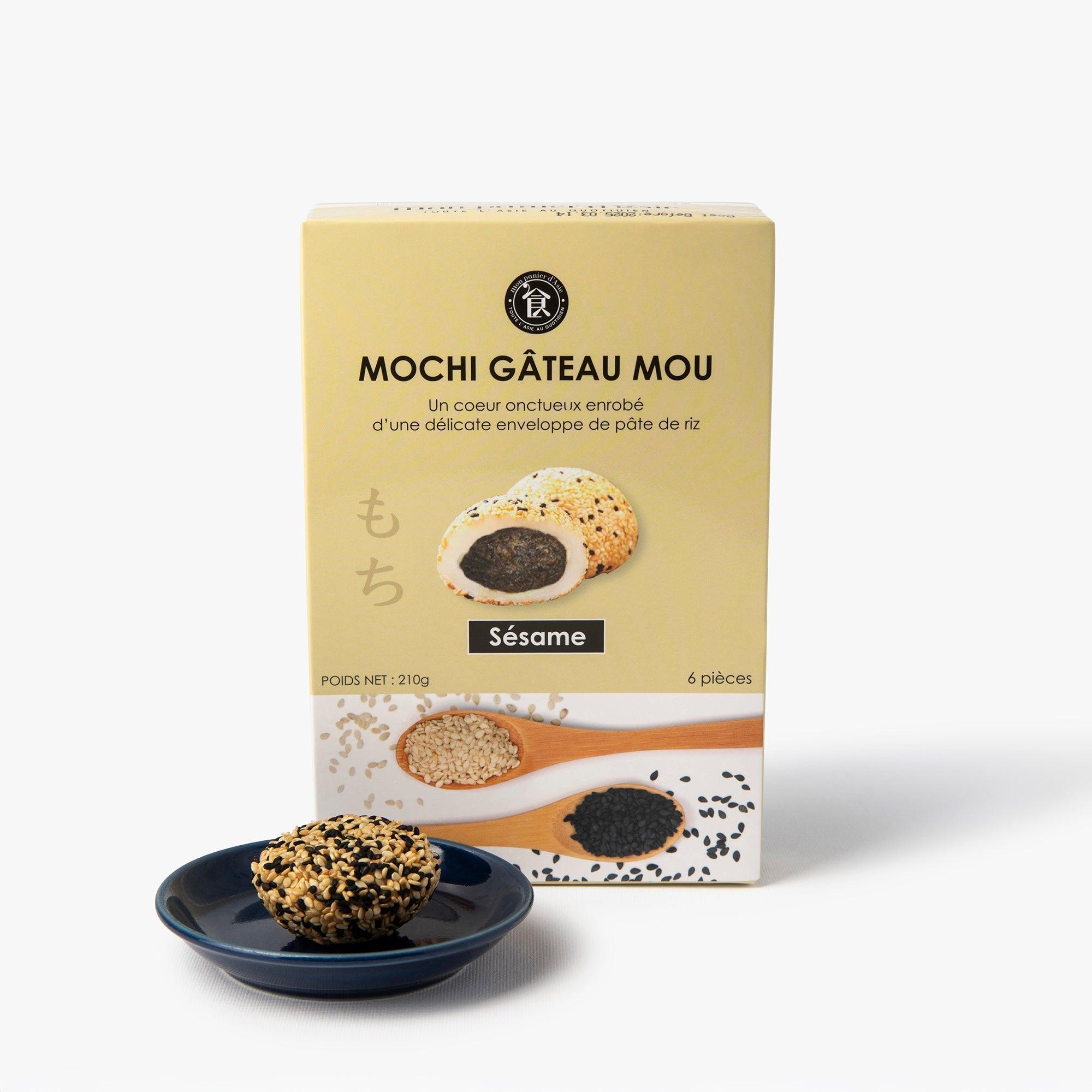
Mochi filled with black sesame ⋅ Mon panier d'asie ⋅ 210g
⋅ Black sesame mochi⋅ Perfect as a snack, for afternoon tea, or a tea ceremony⋅ A subtle blend of glutinous rice and the bitterness of black...
Regular price 4.50 €Promotional price 4.50 € Regular priceUnit price 21.43 € by kg

White peach mochi ⋅ Seiki ⋅ 130g
⋅ Soft texture⋅ Individually wrapped⋅ Made with Ehime peachesMochi with a soft texture and rich peach flavor. Packaged in individual pouches. Mochi is a traditional Japanese...
Regular price 4.90 €Promotional price 4.90 € Regular priceUnit price 37.69 € by kg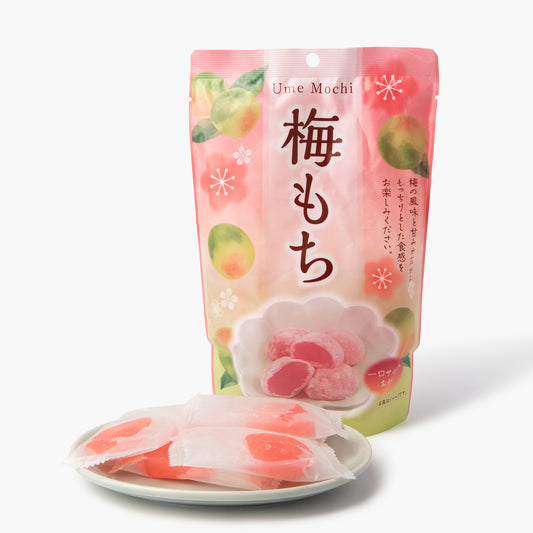
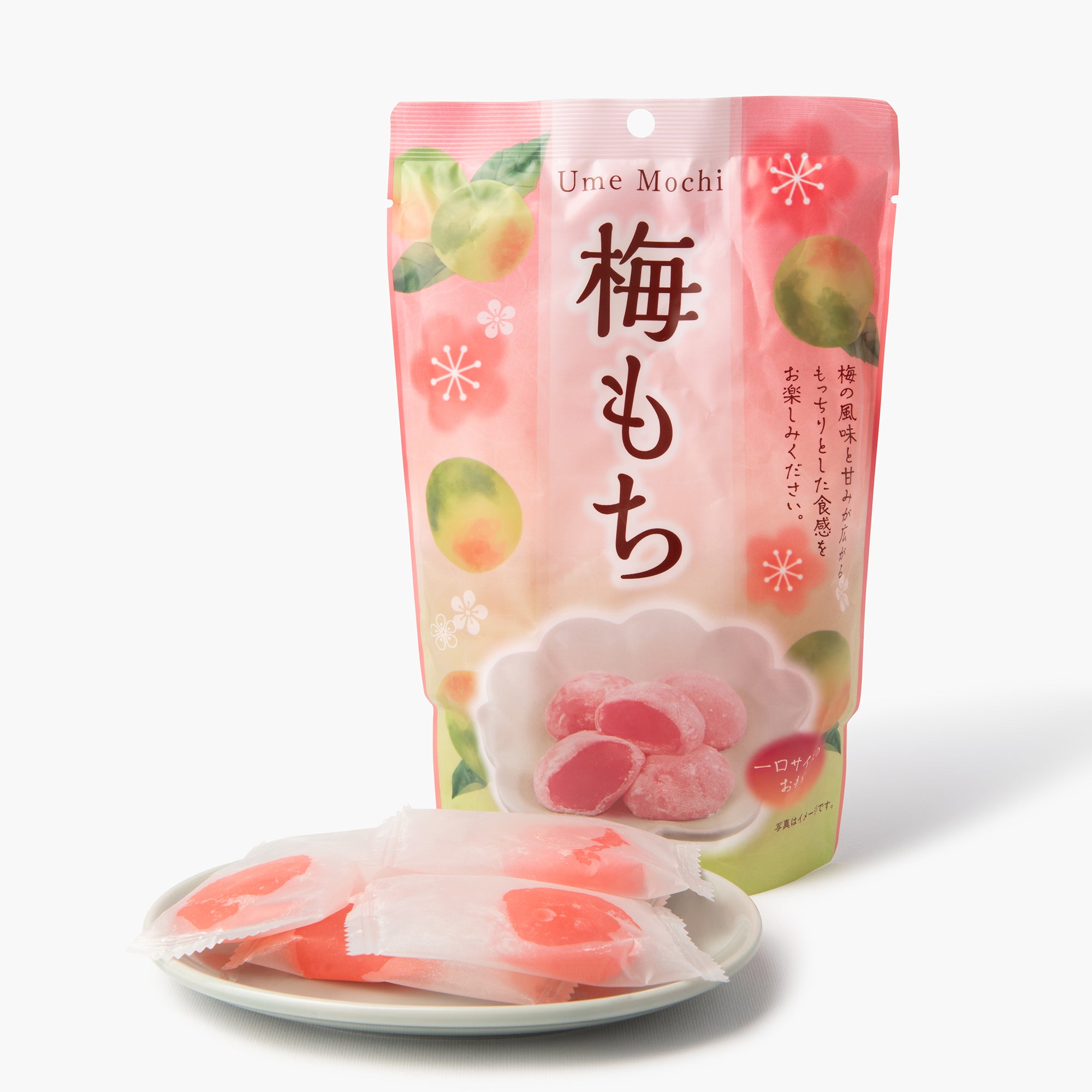
Japanese plum mochi ⋅ Seiki ⋅ 130g
⋅ Soft texture⋅ Individually wrapped⋅ Japanese ume plumSoft-textured mochis flavored with Japanese ume plum. Individually wrapped. Mochi is a traditional Japanese rice cake, known for its...
Regular price 6.00 €Promotional price 6.00 € Regular priceUnit price 46.15 € by kgFor your homemade mochi
-
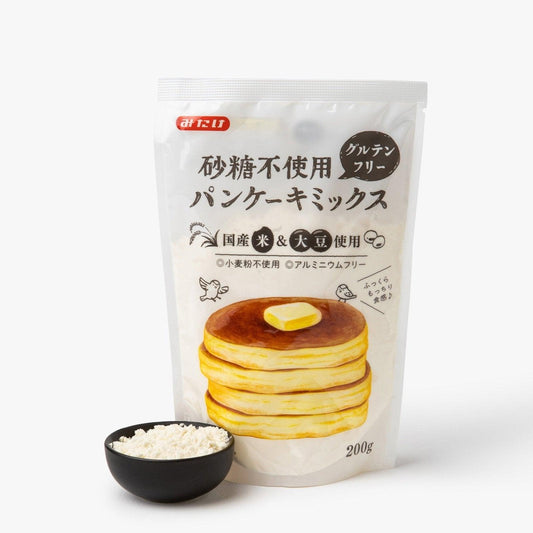


Soy flour pancake mix ⋅ Mitake Shokuhin ⋅ 200g
Regular price 4.95 €Promotional price 4.95 € Regular priceUnit price 24.75 € by kg

Roasted hojicha tea powder ⋅ Yamamasa Koyamaen ⋅ 100g
Regular price 12.70 €Promotional price 12.70 € Regular priceUnit price 127.00 € by kg

Kinako soybean flour ⋅ Kota shoten ⋅ 150g
Regular price 4.40 €Promotional price 4.40 € Regular priceUnit price 29.33 € by kg
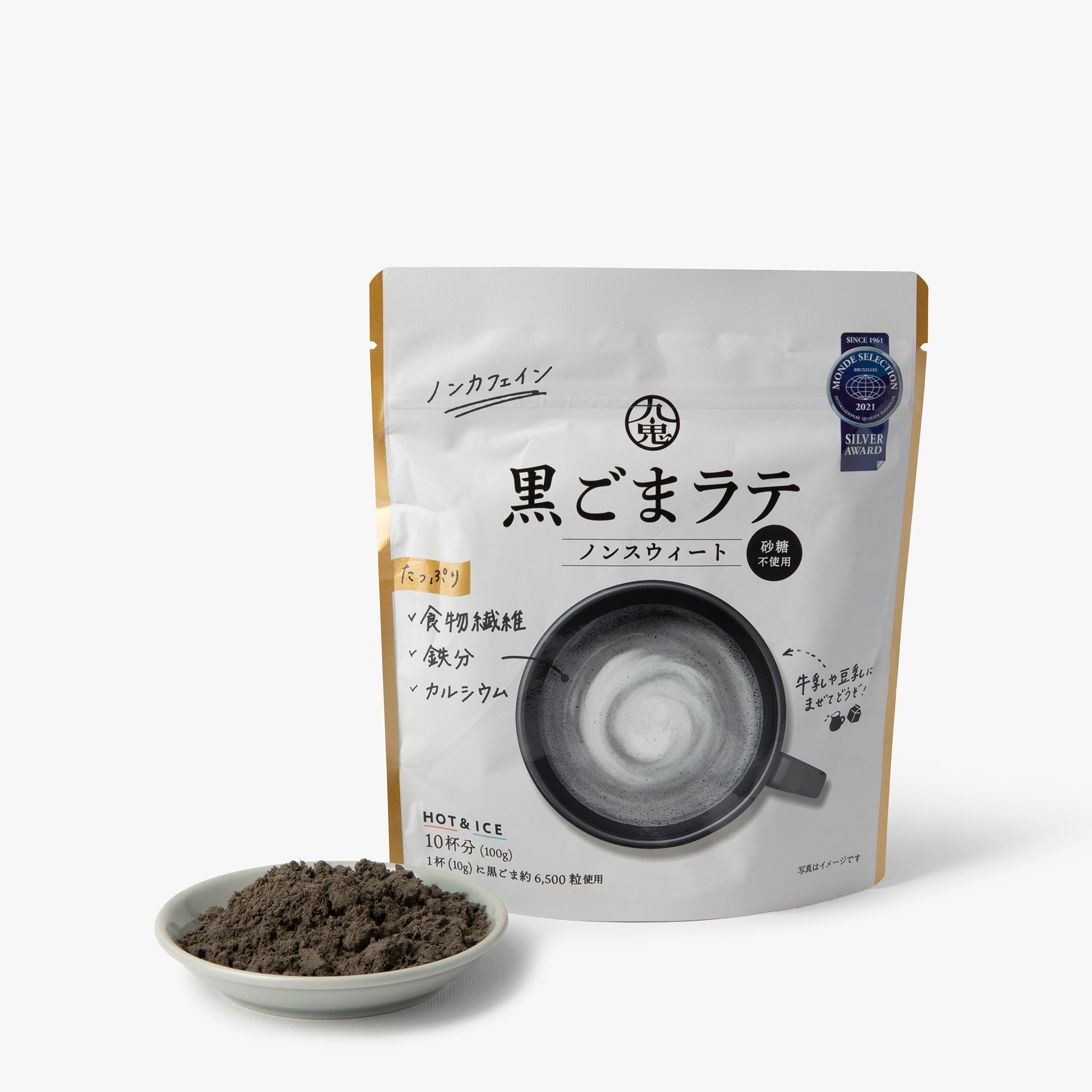
Unsweetened sesame latte mix ⋅ Kuki Sangyo ⋅ 100g
Regular price 7.90 €Promotional price 7.90 € Regular priceUnit price 79.00 € by kg

Kyozen culinary matcha from Uji, Kyoto ⋅ Yamamasa Koyamaen ⋅ 100g
Regular price 22.00 €Promotional price 22.00 € Regular priceUnit price 220.00 € by kg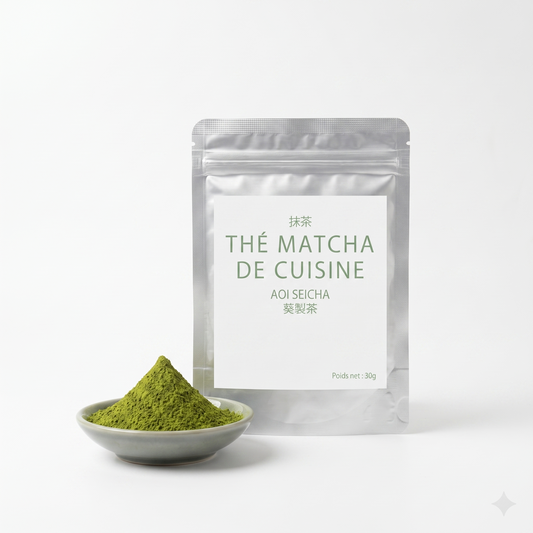

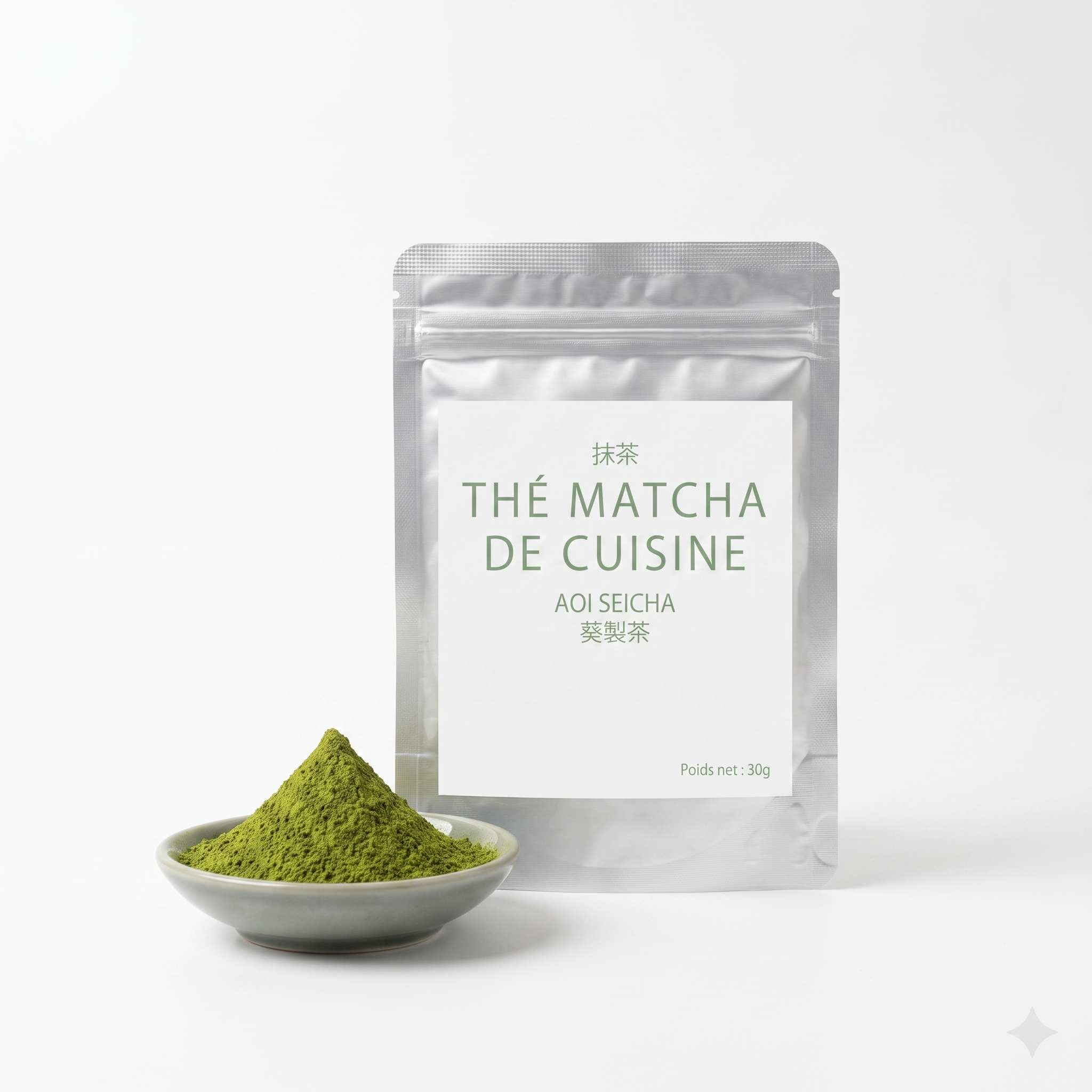
Culinary matcha tea in a sachet ⋅ Aoi Seicha ⋅ 30g
Regular price 7.80 €Promotional price 7.80 € Regular priceUnit price 260.00 € by kg

Intensely double-roasted hojicha tea powder ⋅ Yamamasa Koyamaen ⋅ 100g
Regular price 10.25 €Promotional price 10.25 € Regular priceUnit price 102.50 € by kg

Barley flour pancake mix ⋅ Maeda ⋅ 400g
Regular price 4.60 €Promotional price 4.60 € Regular priceUnit price 11.50 € by kgOur favorite mochi recipes


Learn more about mochi
Where do mochis come from?
Mochi originated in Japan more than a thousand years ago, where it was first used as an offering to deities in Shinto shrines. Made from glutinous rice that is steamed and then pounded for a long time until it becomes an elastic dough, mochi was considered a sacred food, symbolizing prosperity and longevity.
Over the centuries, mochi became a central part of Japanese celebrations, particularly during the New Year, when kagami mochi - two round mochi stacked on top of each other with a citrus fruit placed on top - is displayed as a good-luck charm. Today, these little treats are enjoyed throughout the year in various forms: filled with red bean paste (daifuku), served on grilled skewers (mitarashi dango), or transformed into mochi ice cream. Their unique texture and delicate flavor make them a staple of Japanese confectionery.
What are the different types of mochi?
There are many types of mochi, each with its own characteristics in terms of texture, flavor, and preparation method:
Daifuku Mochi: Soft mochi filled with a sweet filling, often anko (azuki red bean paste), but also black sesame, matcha, or cream.
Ice Cream Mochi: A modern version in which a thin layer of rice dough surrounds a scoop of ice cream in a variety of flavors (vanilla, matcha, chocolate, mango, etc.).
Kiri mochi / Kaku mochi: Mochi in blocks or squares, often grilled before being enjoyed with soy sauce or sugar.
Mitarashi Dango: Small mochi dumplings on skewers, coated in a sweet sauce made with soy sauce and sugar.
Yatsuhashi: Thin, triangular mochi dough, often flavored with cinnamon and filled with anko.
Kinako Mochi: Mochi sprinkled with kinako (roasted soybean flour) and lightly sweetened.
Sakura Mochi: Pink mochi flavored with cherry leaves, traditionally enjoyed in spring.
Warabi Mochi: A more gelatinous variety made from warabi fern and often coated in kinako.
What is the difference between daifuku mochi and other varieties?
Daifuku mochi stands out from other varieties of mochi thanks to its texture and filling. Unlike classic mochi, which can be plain or simply served with sauces, daifuku is always filled, generally with azuki red bean paste (anko), black sesame, matcha, or cream.
How are traditional mochi made?
Traditional mochi is made from glutinous rice (mochi gome), carefully soaked, steamed, and then patiently pounded until it becomes a smooth, elastic dough. This artisanal process, called "mochi-tsuki", is a ritual in Japan, particularly during New Year celebrations.
Here are the main steps involved in making it:
- Soaking the rice: The mochi gome is left in water for several hours, often overnight, to soften it.
- Steaming: The rice is then steamed until tender and sticky.
- Traditional pounding: In a large wooden mortar (usu), the rice is crushed with a heavy mallet (kine) until it forms a smooth, elastic dough. This is often done by two people: one person pounds while the other turns the dough between each strike.
- Shaping: The still-warm dough is stretched and cut into portions before being rolled into small balls or flattened into discs.
- Finishing: To prevent the mochi from sticking, it is often dusted with rice flour or kinako (roasted soybean flour).
How do you make a mochi ice cream recipe?
Here is a simple recipe for making homemade mochi ice cream, with a soft rice dough exterior and a melting ice cream center.
Ingredients (for approximately 6 mochi ice creams)
- 100 g glutinous rice flour (shiratamako or mochiko)
- 50 g sugar
- 150 ml water
- 100 g cornstarch (to prevent the dough from sticking)
- 6 small scoops of ice cream (vanilla, matcha, chocolate, strawberry, etc.)
Prepare the ice cream balls
- Form 6 small scoops of ice cream and place them on a baking sheet lined with parchment paper.
- Place them in the freezer for at least 1 hour so they become firm.
Prepare the mochi dough- In a bowl, mix the glutinous rice flour and sugar, then add the water, stirring well to prevent lumps.
- Microwave for 1 minute, stir, then microwave for another 30 seconds at medium power. Repeat until the dough becomes translucent and sticky (about 2 minutes in total). You can also cook it in a saucepan over low heat, stirring constantly.
Shape the mochi
- Generously dust a work surface with cornstarch.
- Roll out the dough into a thin layer (3-4 mm) and cut out 6 circles slightly larger than your scoops of ice cream.
- Let them cool slightly so you can handle the dough.
Assemble the mochi ice cream
- Place a scoop of ice cream in the center of a dough circle, then gently fold the edges over to fully enclose the ice cream.
- Pinch the dough to seal it and place the mochi in the freezer for 30 minutes before serving.
What drinks pair well with mochi?
Mochi, with their soft texture and variety of flavors, pair perfectly with several hot or cold beverages.
- Japanese green tea: Matcha with herbal notes balances the sweetness of sweet mochi. Light sencha or roasted hojicha pairs well with sesame or red bean flavors.
- Black tea or oolong: A slightly oxidized oolong or a mild black tea adds a refined touch to chocolate or fruit mochi.
- Flavored milk: Matcha milk, vanilla soy milk, or almond milk enhance the melt-in-the-mouth texture of mochi.
- Sweet sake: Umeshu (plum liqueur) or slightly sweet sake pair well with fruit- or chocolate-filled mochi.
- Cold beverages: An iced matcha latte, a black sesame milkshake, or even a bubble tea are excellent choices for a modern tasting experience.
Can you make a mochi cake?
Yes, it is entirely possible to make a mochi cake, and several variations exist depending on the desired textures and flavors.
- Japanese mochi cake (もちケーキ): Inspired by the traditional cake, it is made with glutinous rice flour, milk, sugar, and eggs to create a soft, slightly elastic texture.
- Butter mochi: Originally from Hawaii, this cake combines butter, coconut milk, and sugar with glutinous rice flour, resulting in a soft texture with slightly crisp edges.
- Mizu Shingen Mochi: Known as "raindrop cake," it is made with agar-agar and water, offering a unique, translucent texture.
- Filled mochi cake: A more indulgent version in which a layer of mochi dough covers a sweet filling such as cream, chocolate, or red beans.
Why are mochis so popular?
Mochi owe their popularity to a combination of tradition, diversity, and culinary innovation. Their unique texture, both elastic and soft, offers a sensory experience that intrigues and delights. They come in a multitude of flavors, ranging from classic red bean recipes to modern versions with matcha, black sesame, or fruit. The emergence of mochi ice cream, combining the softness of glutinous rice with creamy ice cream, has also contributed to their international success.
Rooted in Japanese culture, mochi play a central role during New Year celebrations and traditional ceremonies. Their growing accessibility, whether in Asian grocery stores or through delivery, makes it easy for everyone to enjoy them. Finally, the influence of social media, with videos highlighting their melt-in-the-mouth texture and refined appearance, has strengthened their appeal among a broad audience.

Your cart (0)
Spend 50.00 € to benefit from free delivery


