


Collection: Gyokuro green tea
This high quality tea is cultivated in the shade. Its flavor is rich, slightly sweet and Umami. Very strong in theine, it is recommended to taste it in small quantities and early during the day so as not to impact sleep. It is prepared with water ranging from 50 ° to 70 ° depending on the varieties. In Japan, tea leaves are tasted after infusion with soy sauce.

-
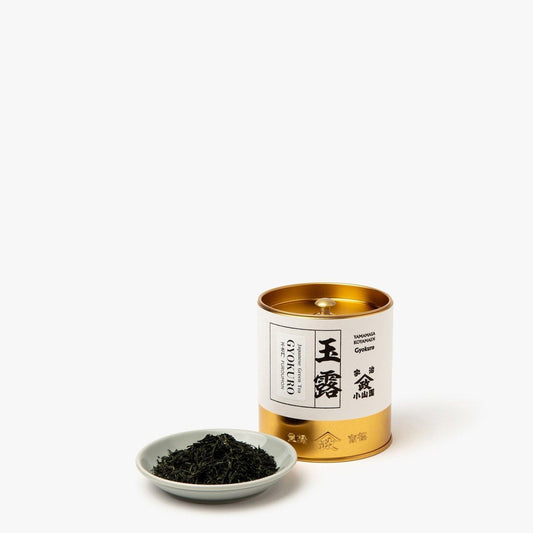

Loose-leaf Furumon Gyokuro tea from Uji, Kyoto ⋅ Yamamasa Koyamaen ⋅ 100g
⋅ Premium Gyokuro tea⋅ A refined, delicate, and umami-rich flavor that lies between sencha and matcha⋅ Tea plants grown in the shade to develop umami⋅ High...
Regular price 26.90 €Promotional price 26.90 € Regular priceUnit price 269.00 € by kg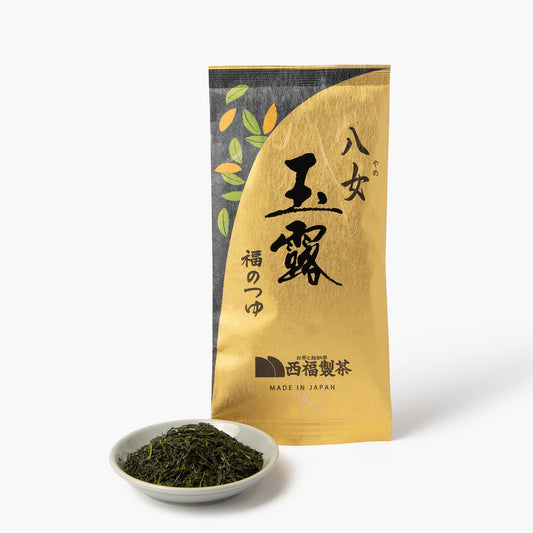
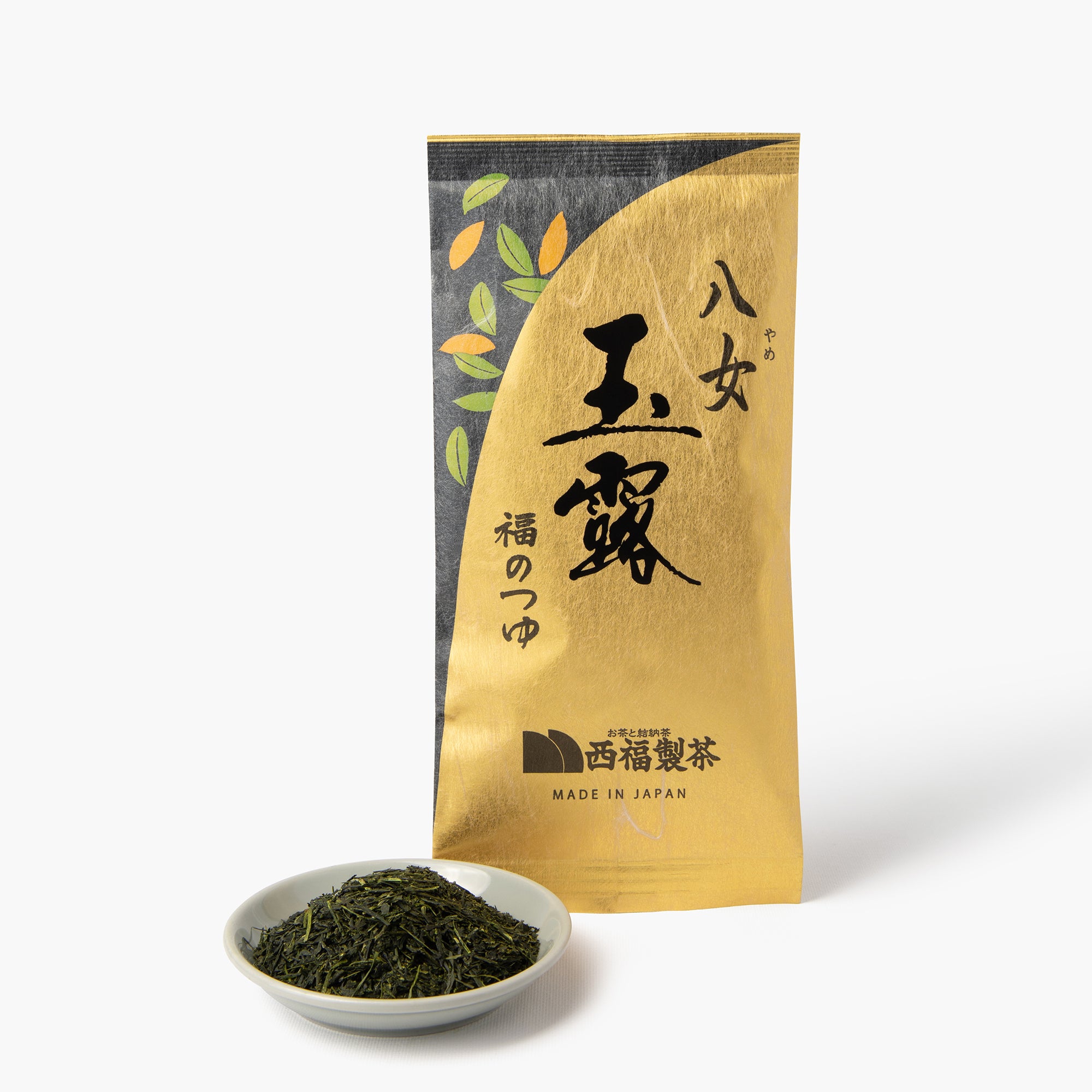
Loose-leaf Gyokuro tea ⋅ Nishifuku seicha ⋅ 90g
•Mild, rich, and deeply umami,•Enjoy hot or cold, depending on your preference and the season.• Perfect for a personal break, a tea ceremony, or paired with...
Regular price 16.35 €Promotional price 16.35 € Regular priceUnit price 181.67 € by kg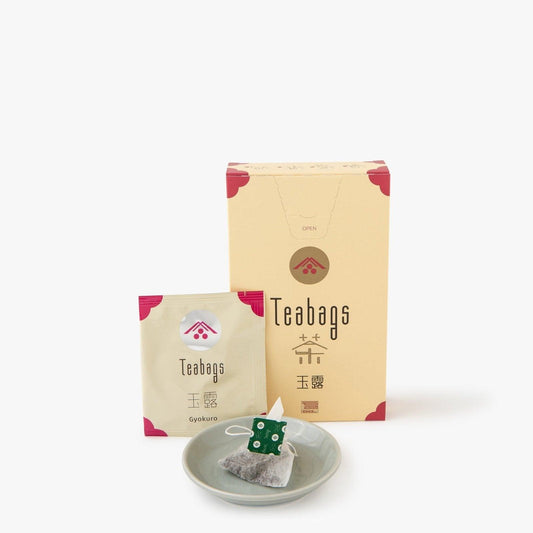

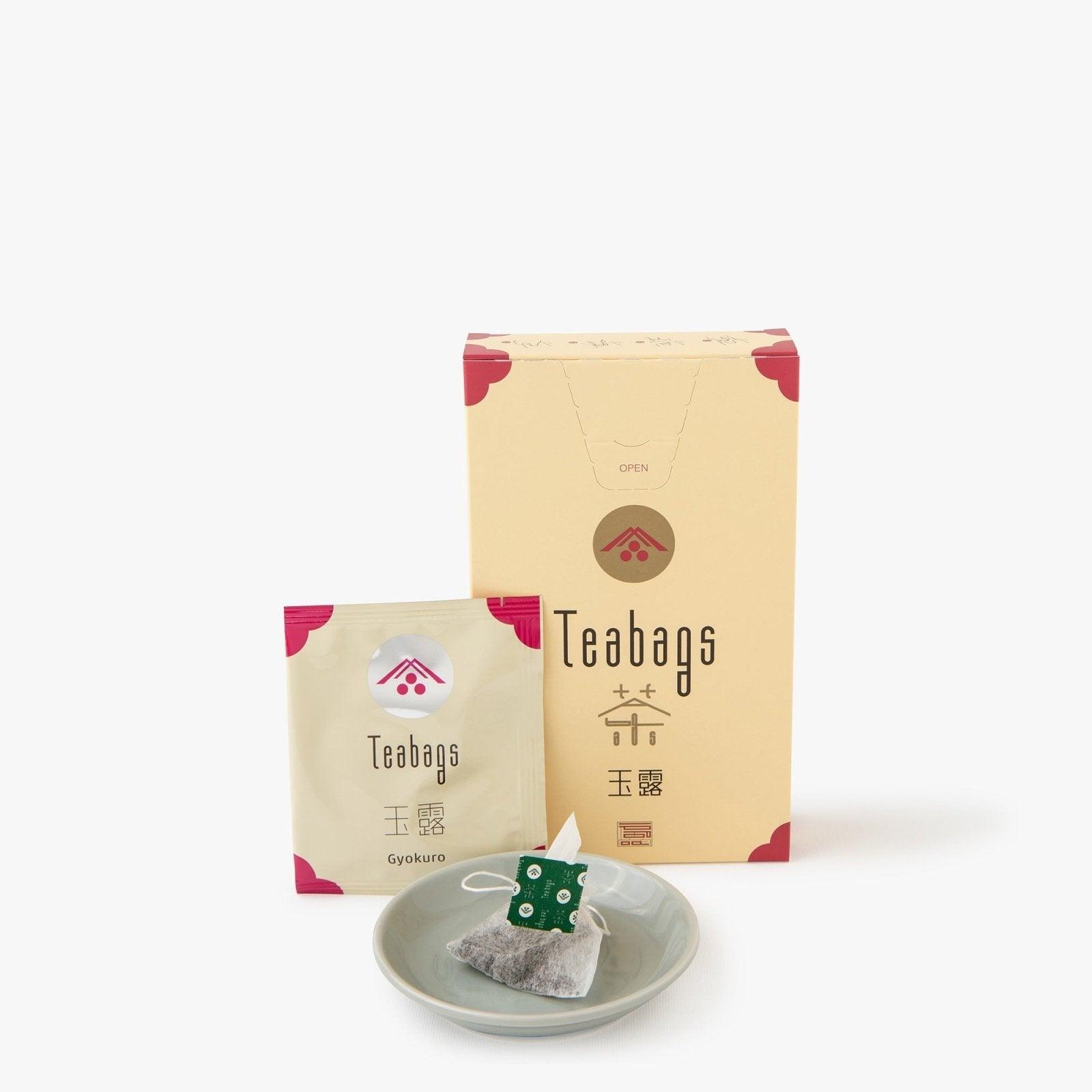
Gyokuro tea, 12 sachets ⋅ Ippodo Tea ⋅ 53g
⋅ Premium Gyokuro Tea⋅ Fresh, umami-rich flavor, somewhere between matcha and sencha⋅ 12 convenient tea bags⋅ Enjoy hot or coldGyokuro is considered one of the finest...
Regular price 16.40 €Promotional price 16.40 € Regular priceUnit price 309.43 € by kg

Gyokuro Tea 15 Tea Bags ⋅ Nishifuku Seicha ⋅ 45g
⋅ A rare tea, grown in the shade⋅ A premium green tea, somewhere between sencha and matcha⋅ Intense umami flavor⋅ Perfect for moments of relaxation⋅ 15...
Regular price 14.90 €Promotional price 14.90 € Regular priceUnit price 331.11 € by kg

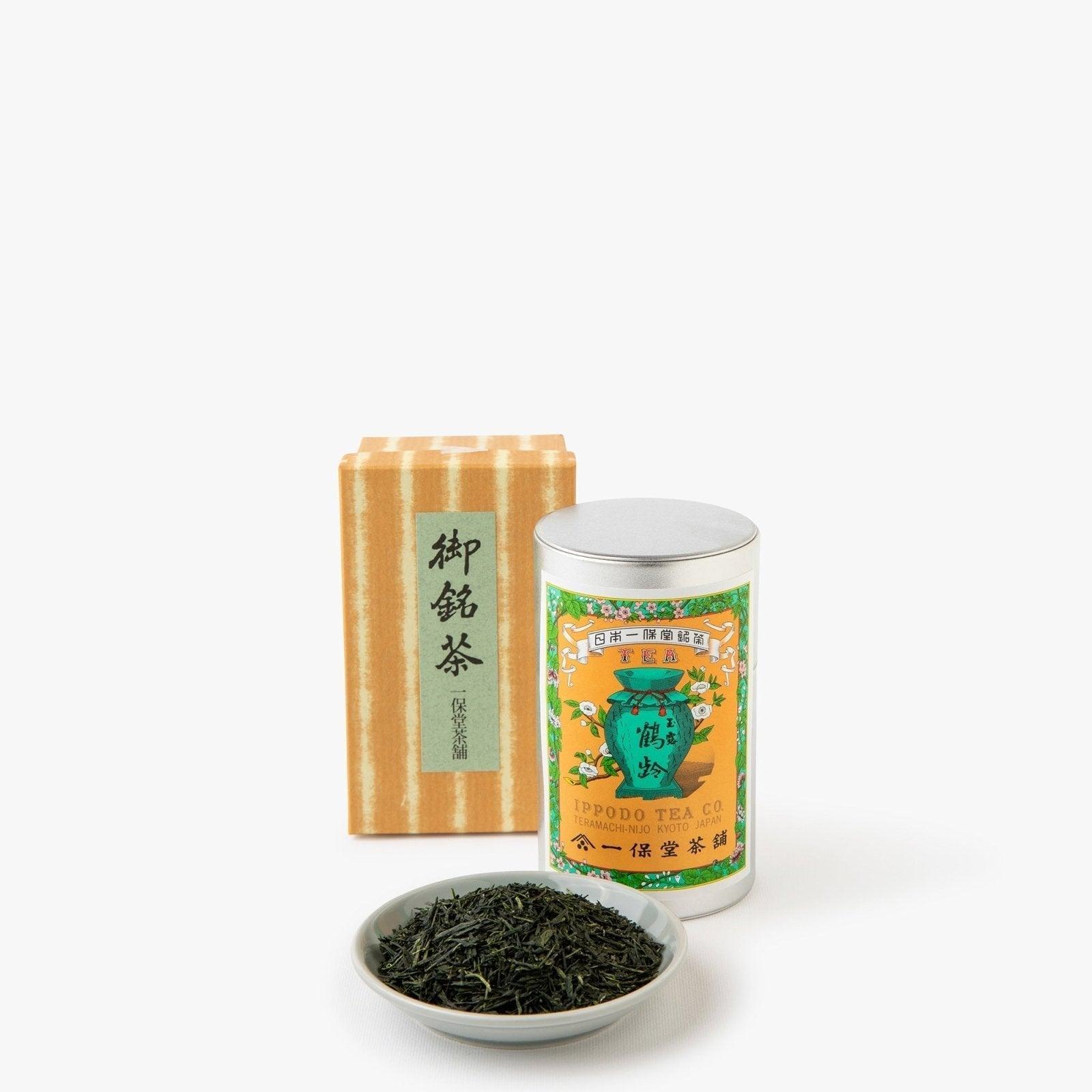
Loose-leaf Gyokuro Kakurei tea ⋅ Ippodo Tea ⋅ 80g
⋅ Premium Gyokuro tea⋅ Fresh, umami-rich aroma⋅ Hand-picked⋅ Flavor that lies between matcha and sencha⋅ Perfectly illustrates the complexity of Japanese green teasGyokuro Kakurei green tea...
Regular price 39.90 €Promotional price 39.90 € Regular priceUnit price 498.75 € by kg


Learn more about gyokuro tea
Why is Gyokuro considered an exceptional tea?
Gyokuro is an exceptional tea, grown in the shade for approximately three weeks before harvesting, which increases its chlorophyll and theanine content, giving it a smooth character and pronounced umami. Only the youngest and most tender leaves are hand-picked, quickly steamed, and rolled into fine needles.
Its velvety liquor offers a unique balance of sweetness, umami, and slight astringency, with rich and complex aromas. Representing a small portion of Japanese production, Gyokuro from renowned regions such as Uji, Yame, and Okabe is particularly sought after.
What is the difference between Gyokuro and other Japanese green teas such as Sencha or Matcha?
1. Cultivation method
- Gyokuro: Grown in the shade for approximately three weeks before harvesting (ôishita). This increases the concentration of chlorophyll and theanine, resulting in a more pronounced umami flavor.
- Sencha: Grown in full sunlight, which promotes the development of brighter flavors, with slight astringency and vegetal freshness.
- Matcha: Like Gyokuro, it is grown in the shade, but the leaves (called tencha) are then ground into a fine powder after being steamed and dried.
2. Appearance and preparation
- Gyokuro: The leaves are rolled into fine needles and steeped in hot water (generally at a low temperature, 50-60 °C).
- Sencha: The leaves are also rolled, but less finely than those of Gyokuro. It is steeped at a slightly higher temperature (70-80 °C).
- Matcha: It is a powder that is not steeped but whisked into hot water using a whisk (chasen) to create a frothy beverage.
3. Flavor and texture
- Gyokuro: Mild, round, and rich in umami, with a velvety texture and liquor that is often light green.
- Sencha: Brighter, fresher, and more astringent, with pronounced vegetal notes.
- Matcha: Intense and creamy, combining sweetness with slight bitterness. Its texture is thick because the powder is dissolved in the water.
4. Uses
- Gyokuro and Sencha: Enjoyed as steeped tea, perfect with light meals or during moments of relaxation.
- Matcha: Used in the tea ceremony, as well as in baking and cooking because of its powdered form.
How to properly prepare Gyokuro?
To fully appreciate Gyokuro, use soft, low-mineral water. Heat it to 50‑60 °C to avoid bitterness.
Use 5 g of leaves per 60 ml of water and steep for 2 minutes for the first infusion without stirring the leaves. Gyokuro can be reinfused 2 to 3 times, reducing the steeping time to 30‑45 seconds and using slightly hotter water (60‑65 °C).
Pour the tea slowly for a balanced taste and, if desired, enjoy the leaves with a little soy sauce or vinegar. For best results, use a Japanese teapot (kyusu) and avoid steeping for too long to preserve its sweetness and umami.
Can Gyokuro be cooked with or used for purposes other than infusion?
Yes, Gyokuro can be used in cooking and enjoyed in various ways.
Its leaves are tender and rich in umami, so they are perfectly edible.
- Seasoned: Mix them with a little soy sauce, sesame, or vinegar to make a flavorful side dish. Or add the crushed leaves to a sauce or vinaigrette.
- Added to dishes: Incorporate them into salads, omelets, or rice for a delicate touch.
- Broths and soups: The infused leaves themselves can enrich a clear broth or Japanese soup.
- Marinades: The concentrated infusion can serve as a base for marinating meat or fish.
Dessert preparation
Although Matcha is more common, Gyokuro can also be used to create original desserts such as ice cream, pastries, or jellies.
Innovative drinks
Use a cold infusion of Gyokuro to create drinks such as cocktails or smoothies.
What are the health benefits of Gyokuro?
Gyokuro is rich in nutrients and antioxidants, offering numerous health benefits:
- Antioxidants: protect cells, slow aging, and reduce the risk of chronic diseases.
- L-theanine: promotes relaxation, reduces stress, and improves concentration and sleep.
- Gentle caffeine: provides prolonged stimulation without jitters.
- Detox: thanks to chlorophyll, helps eliminate toxins and supports liver health.
- Metabolism and weight: stimulates fat burning and metabolism.
- Heart: reduces bad cholesterol and improves circulation and blood pressure.
- Immunity: strengthens natural defenses thanks to polyphenols and vitamins.
- Digestion: helps with digestion and reduces bloating after meals.
How to choose a quality Gyokuro?
- Harvest: Gyokuro is a shaded tea, meaning that the plants are covered for approximately three weeks before harvesting to increase their chlorophyll and L-theanine content. A superior-quality Gyokuro will have been grown under optimal shading conditions.
- Leaf appearance: The leaves should be dark green and glossy. They should be long, uniform, and slightly curled, which is a sign of a good harvest. Avoid teas with broken or discolored leaves.
- Aroma: A good Gyokuro has a soft, fresh, almost sweet fragrance, with notes of fresh grass. It may also have a slight marine aroma (umami).
- Flavor: The quality of Gyokuro is distinguished by its sweetness, richness in umami, and low bitterness. The taste should be delicate and rounded, with a soft sensation on the palate.
High-quality Gyokuro is a premium product and can be relatively expensive. Lower prices may indicate inferior quality or a blend with other types of tea.


