


Collection: Japanese infusions
If Japan is renowned for the quality of its teas, there are also delicious infusions, including Sobacha and Mugicha. In Japanese, "Soba" means buckwheat and "cha" means tea. Sobacha is an infusion of roasted buckwheat seeds. Without theine, it is rich in antioxidants and can be tasted hot or cold. After drinking it, buckwheat grains can be incorporated into sweet preparation or soup. "Mugi" designates barley. Mugicha is an infusion of roasted barley grains. Popular with children (because it does not contain a tea), it is tasted hot or cold depending on the seasons. It can be a good alternative to coffee because, the more you let it infuse, the more the taste and the color get closer.

-


Tartary buckwheat sobacha infusion 10 sachets ⋅ Nikkoku Seifun ⋅ 60g
⋅ 10 easy-to-brew tea bags⋅ Contains no theine or caffeine⋅ Aroma reminiscent of toasted grains⋅ Can be brewed hot or cold⋅ Japanese buckwheat is richer in...
Regular price 8.70 €Promotional price 8.70 € Regular priceUnit price 145.00 € by kg

Loose sobacha roasted buckwheat infusion ⋅ Naraya ⋅ 120g
⋅ Rich buckwheat flavor⋅ Caffeine- and theine-free infusion⋅ Rich in antioxidants⋅ Can be brewed hot or cold⋅ Can also be sprinkled on saladsAn infusion of roasted...
Regular price 8.00 €Promotional price 8.00 € Regular priceUnit price 66.67 € by kg

Mugicha Barley Tea 20 Sachets ⋅ Kawahara Seifun ⋅ 200g
⋅ Caffeine-free⋅ Just as good hot or cold⋅ Perfect for summer⋅ Great with a meal⋅ Rich, toasty flavorMugicha is a roasted barley tea with a flavor...
Regular price 10.30 €Promotional price 10.30 € Regular priceUnit price 51.50 € by kg

Sobacha roasted buckwheat infusion 10 tea bags ⋅ Naraya ⋅ 80g
⋅ Rich buckwheat flavor⋅ Caffeine- and theine-free infusion⋅ Rich in antioxidants⋅ Can be brewed hot or cold⋅ Convenient format in ready-to-brew tea bagsAn infusion made from...
Regular price 8.90 €Promotional price 8.90 € Regular priceUnit price 111.25 € by kg

Loose sobacha roasted buckwheat infusion ⋅ Naraya ⋅ 360g
⋅ Rich buckwheat flavor⋅ Caffeine- and theine-free infusion⋅ Rich in antioxidants⋅ Can be enjoyed hot or cold⋅ Can also be sprinkled on saladsAn infusion of roasted...
Regular price 18.70 €Promotional price 18.70 € Regular priceUnit price 51.94 € by kg

Biwacha Japanese loquat leaf infusion, 7 sachets ⋅ Totsukawa Farm ⋅ 14g
⋅ Slightly fruity aroma with woody notes⋅ Rich in antioxidants⋅ Slightly bitter, without astringency⋅ Contains no theine or caffeine⋅ Can be enjoyed hot or coldMade with...
Regular price 7.70 €Promotional price 7.70 € Regular priceUnit price 550.00 € by kg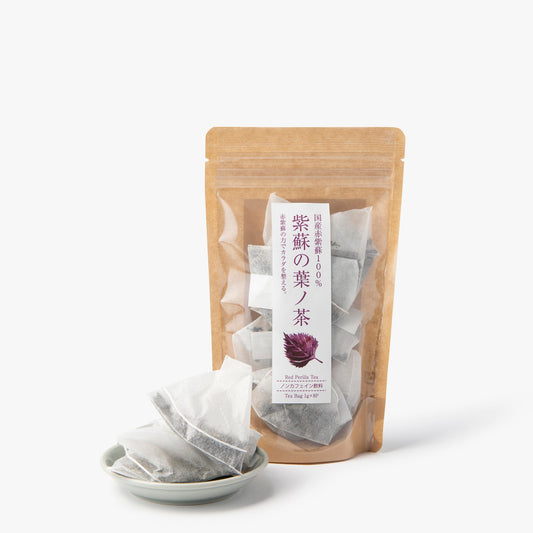
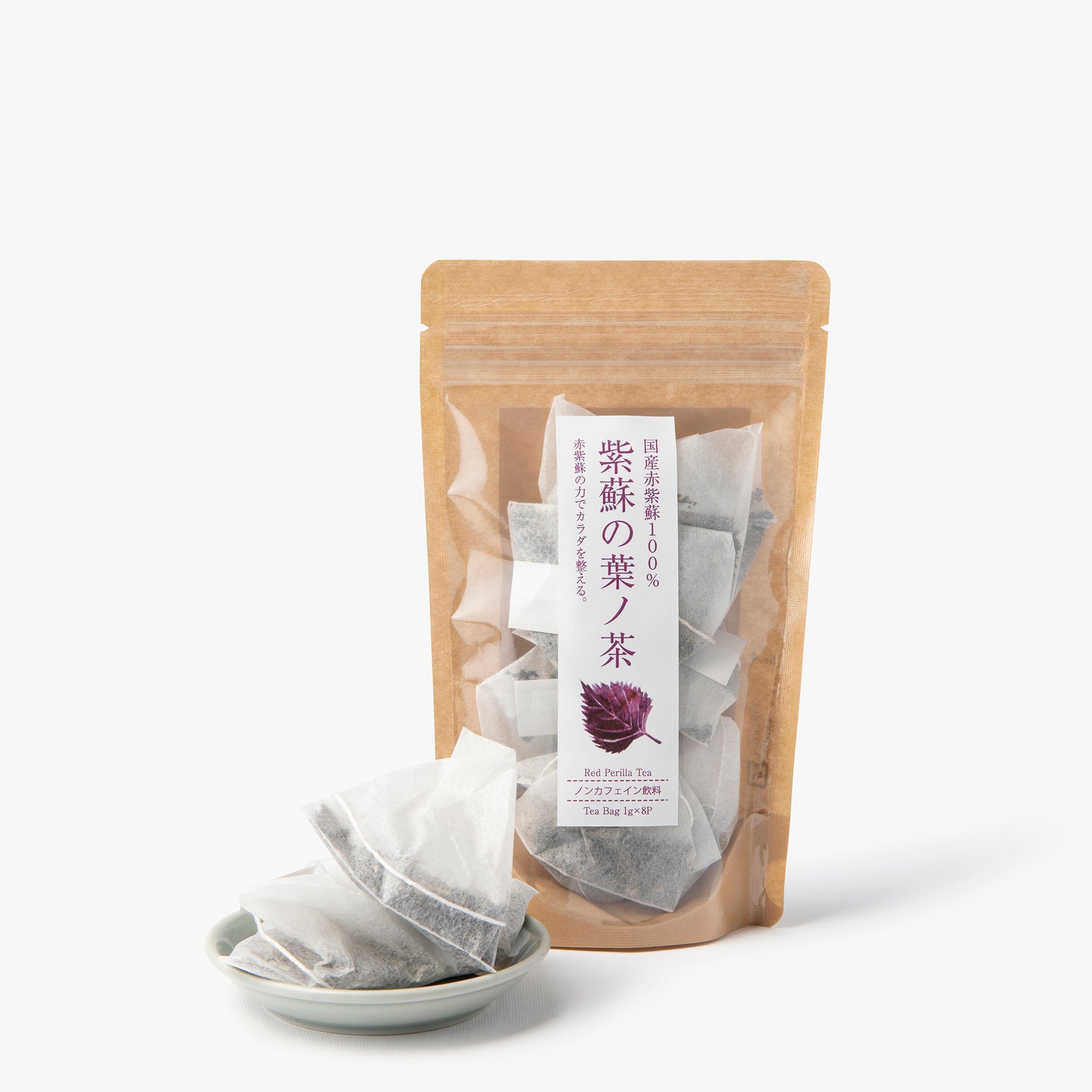
Shiso tea, 8 sachets ⋅ Senchasou ⋅ 8g
⋅ Purple shiso tea⋅ Numerous health benefits⋅ An alternative to verbena and linden⋅ Caffeine-free⋅ Light, herbal, and unique aromaA refreshing red perilla infusion. Shiso is known...
Regular price 9.30 €Promotional price 9.30 € Regular priceUnit price 1,162.50 € by kg

Black rice infusion 10 sachets ⋅ Nanohana ⋅ 50g
⋅ Made with Toyama rice⋅ 10 easy-to-brew tea bags⋅ Caffeine-free⋅ Rich in antioxidants⋅ Enjoy hot or iced!⋅ Makes a perfect giftDiscover a unique and comforting infusion...
Regular price 15.40 €Promotional price 15.40 € Regular priceUnit price 308.00 € by kg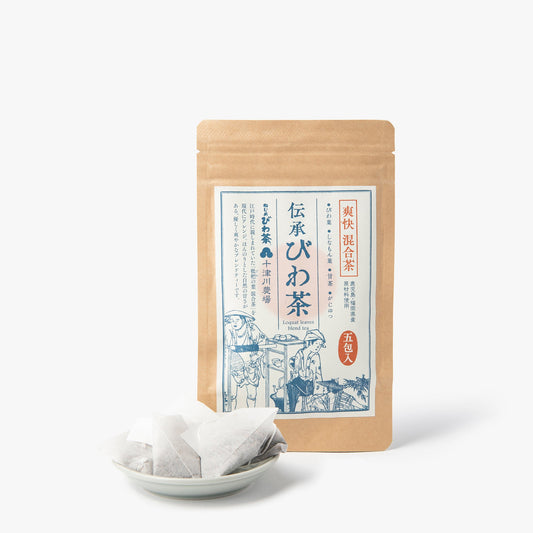
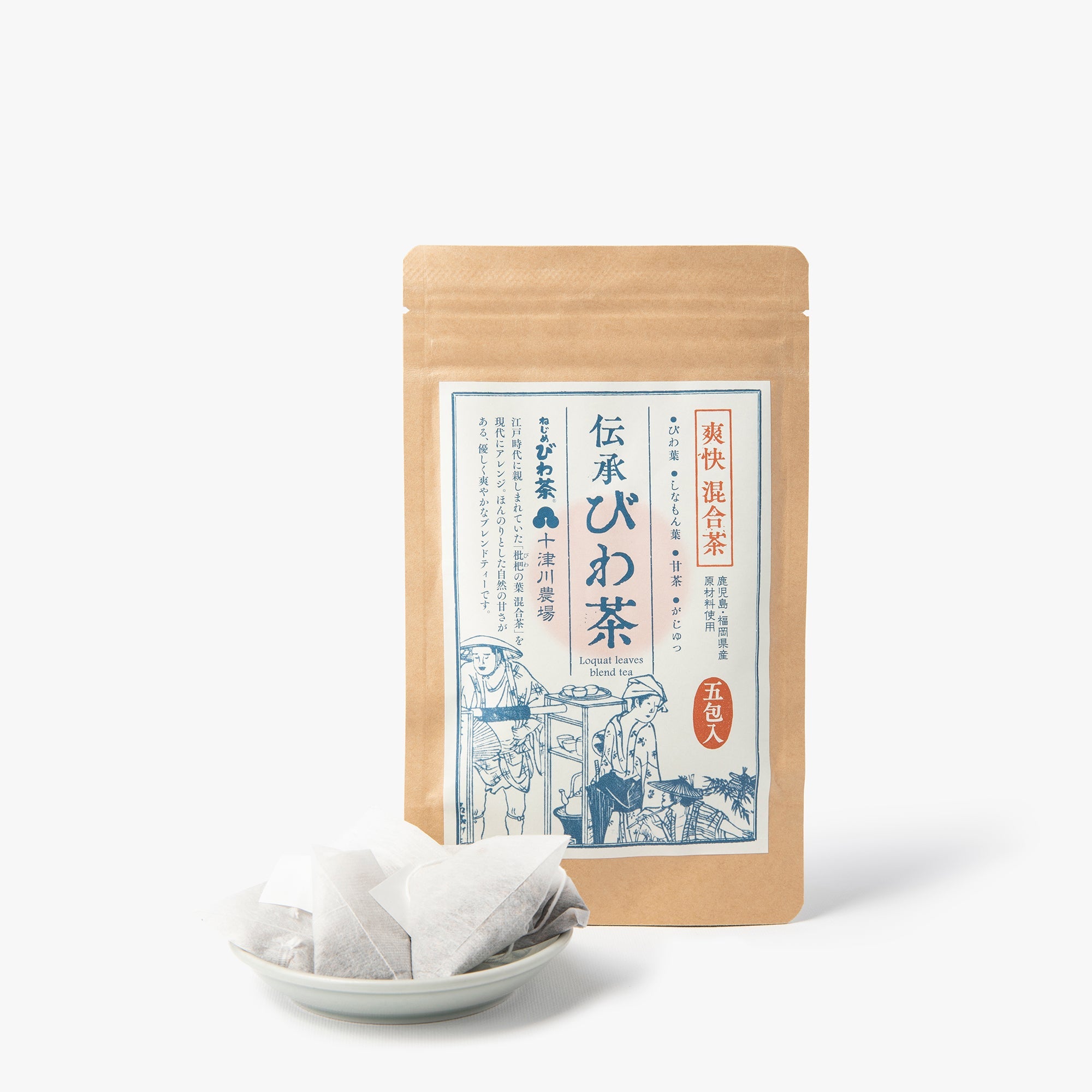
Traditional Japanese loquat leaf infusion ⋅ Totsukawa Farm ⋅ 13g
⋅ Rich, spicy, and smoky aroma⋅ Deep umami flavor⋅ Numerous health benefits⋅ Infusion of Japanese medlar, hydrangea, turmeric, and cinnamon⋅ Caffeine-freeAn infusion with a deep, smoky...
Regular price 7.50 €Promotional price 7.50 € Regular priceUnit price 576.92 € by kg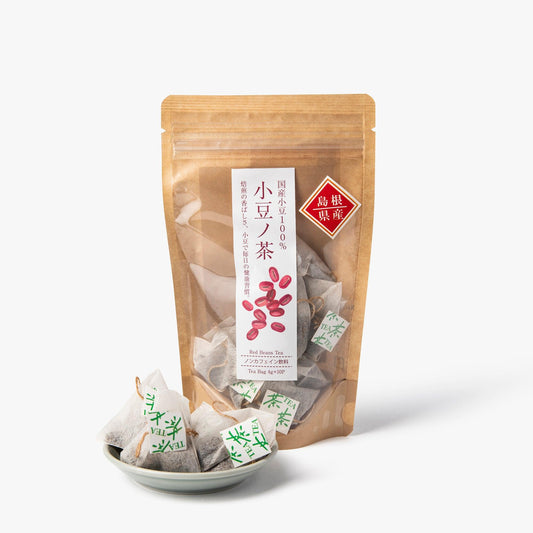
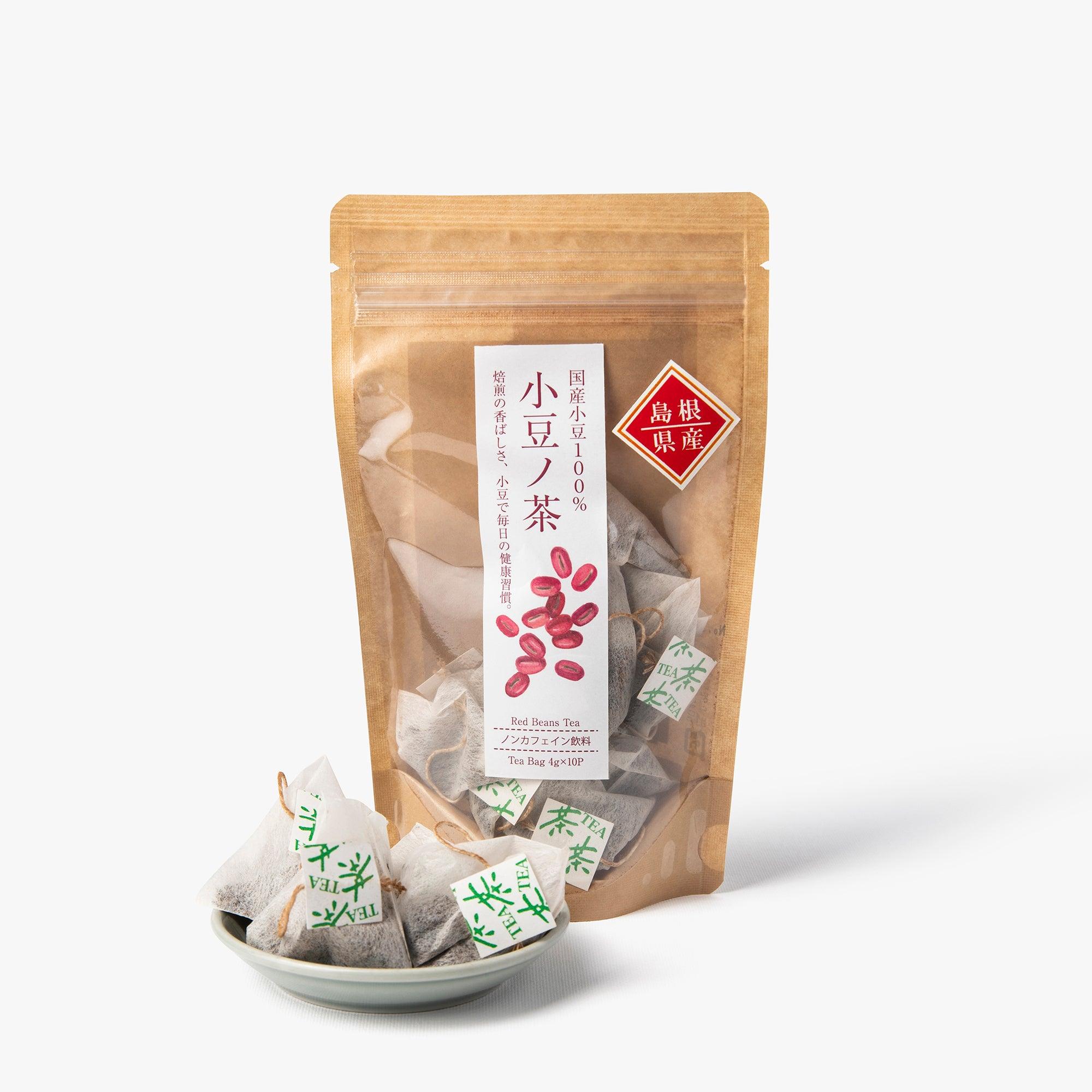
Azuki bean tea, 10 sachets ⋅ Senchasou ⋅ 32g
⋅ Original azuki bean tea⋅ A rich, slightly roasted flavor⋅ Pairs perfectly with daifuku mochi!⋅ Also suitable for savory dishes like soupsAn azuki red bean tea...
Regular price 9.30 €Promotional price 9.30 € Regular priceUnit price 290.63 € by kg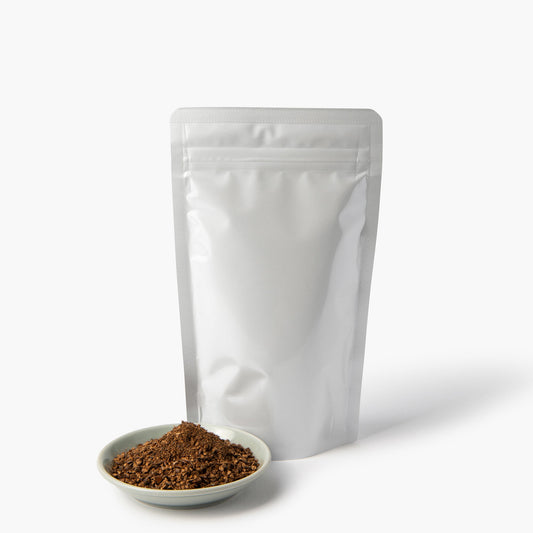
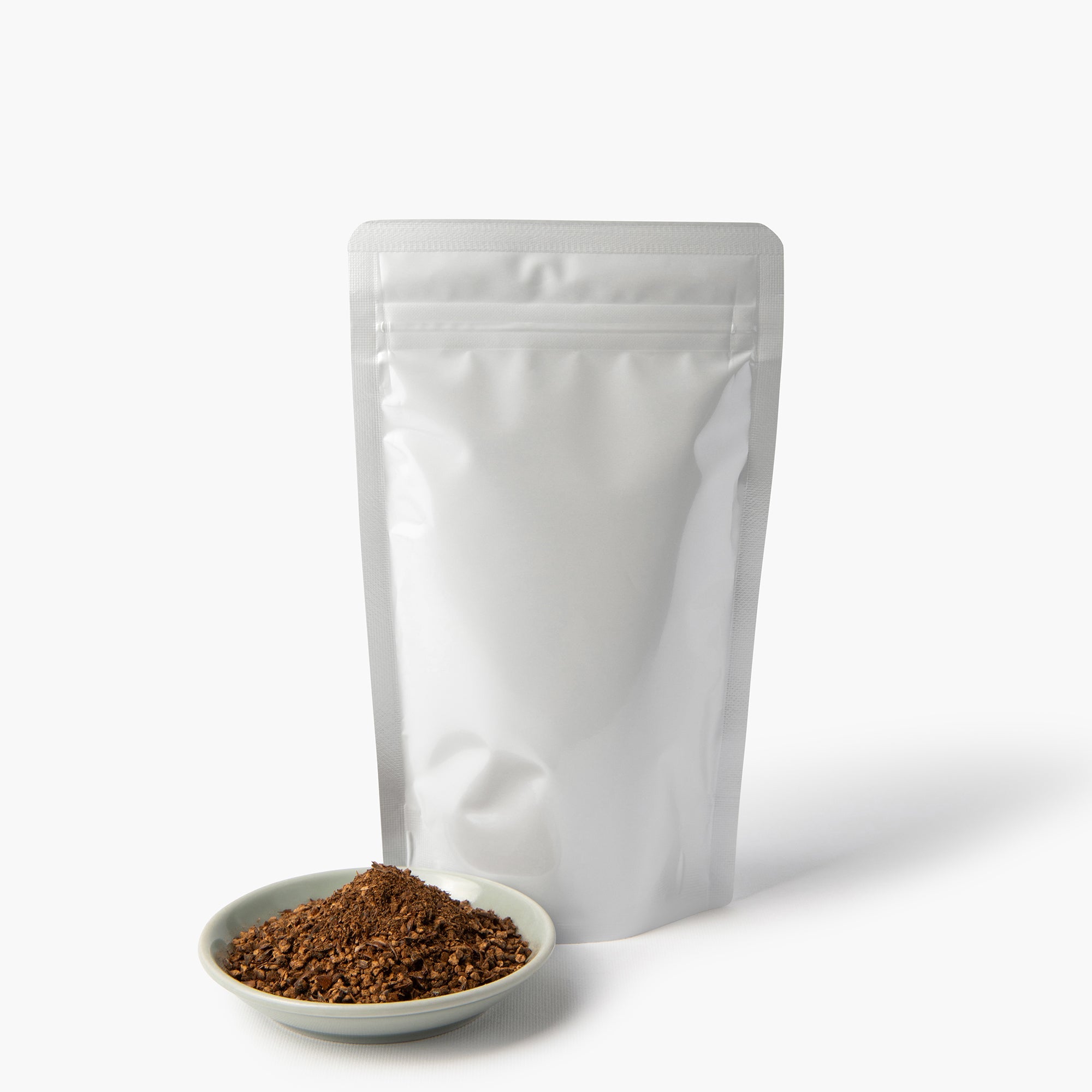
Loose-leaf mugicha barley infusion ⋅ Sasaki seicha ⋅ 100g
⋅ Light, subtly roasted flavor⋅ An alternative to conventional herbal teas⋅ Can be enjoyed cold for a refreshing drink⋅ Caffeine-free⋅ Suitable for the whole familySasaki Seicha's...
Regular price 7.20 €Promotional price 7.20 € Regular priceUnit price 72.00 € by kg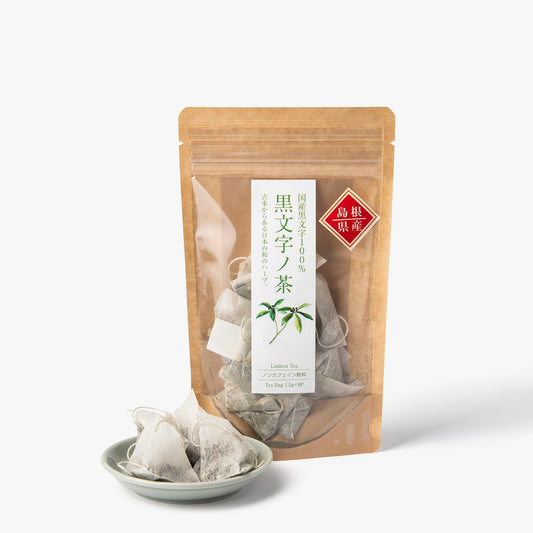
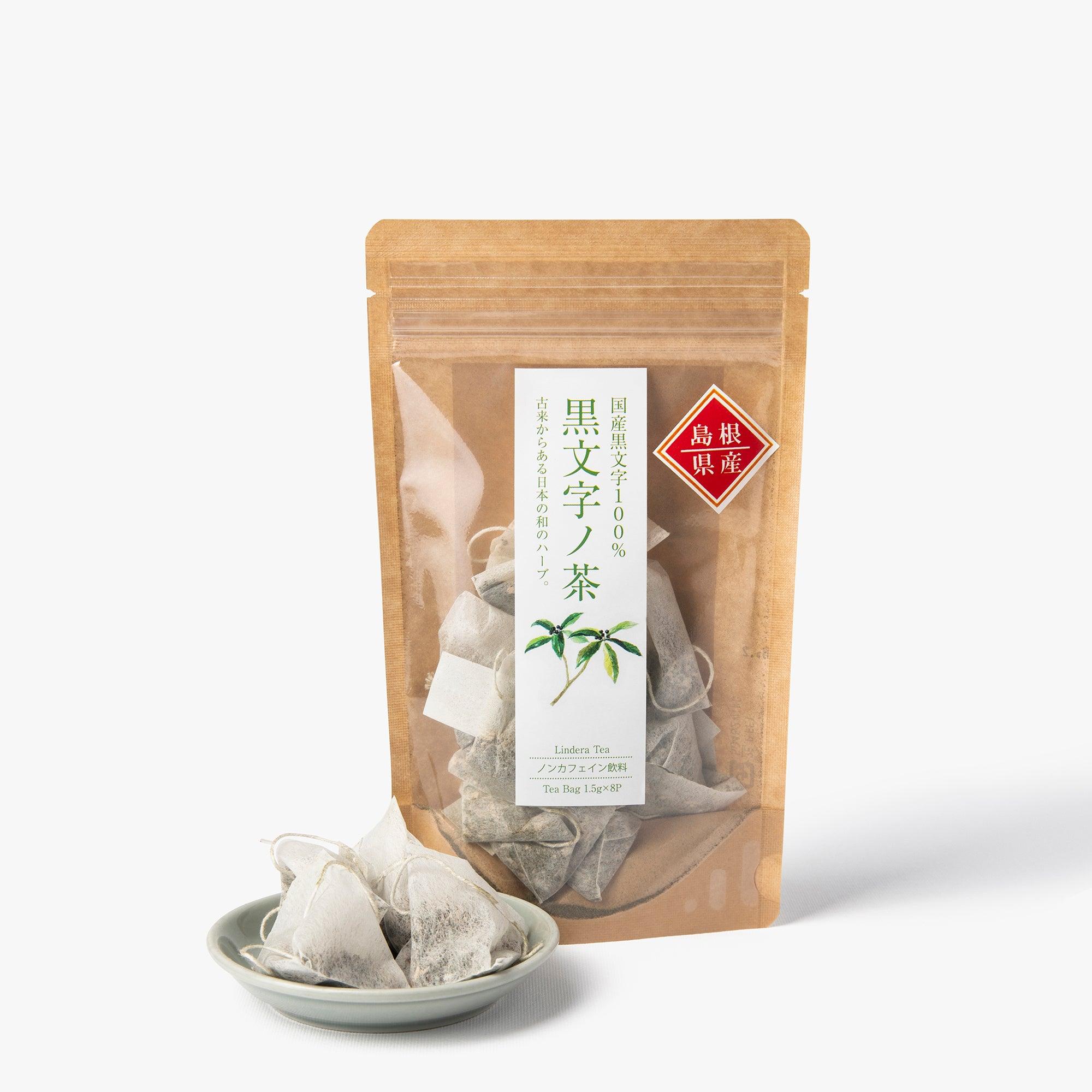
Lindera tea, 8 sachets ⋅ Senchasou ⋅ 12g
⋅ Rich aroma⋅ Floral, woody, and slightly spicy notes⋅ Caffeine- and theine-free⋅ Premium Japanese herbal tea⋅ It’s the same plant as Timut pepper!An infusion of Lindera...
Regular price 9.30 €Promotional price 9.30 € Regular priceUnit price 775.00 € by kg

Black soybean infusion 15 tea bags ⋅ Odogaki ⋅ 120g
⋅ Black soybean tea⋅ High in fiber⋅ Numerous health benefits⋅ A comforting, full-bodied flavor⋅ Perfect for the end of the day (no theine or caffeine)An infusion...
Regular price 12.90 €Promotional price 12.90 € Regular priceUnit price 107.50 € by kg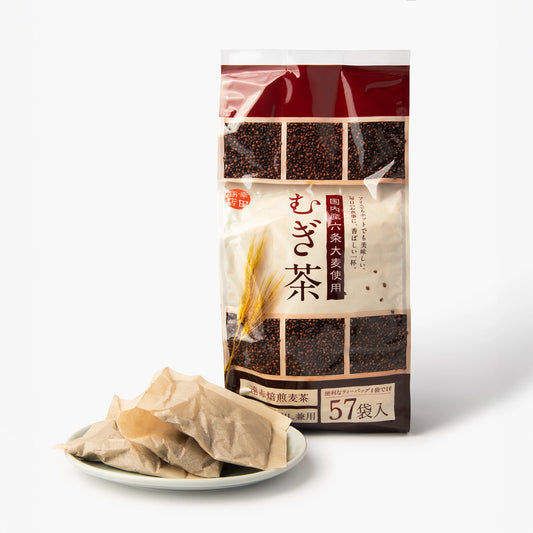
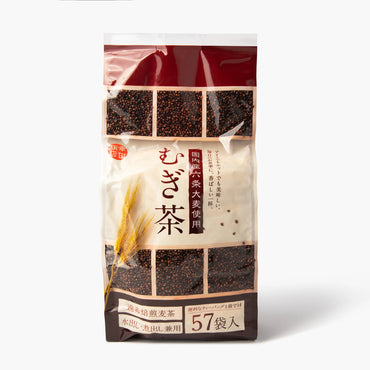
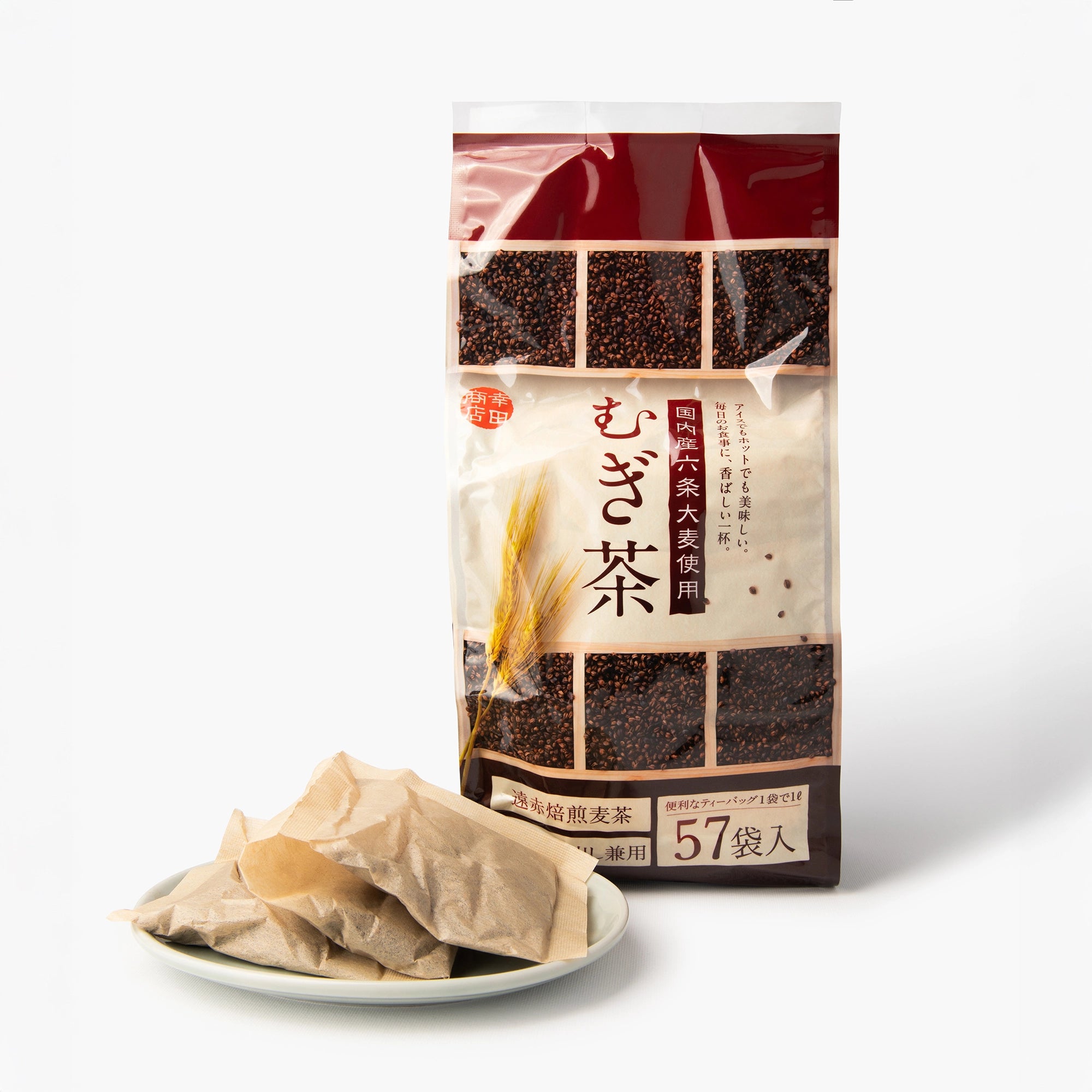
Mugicha barley infusion ⋅ 57 tea bags ⋅ Kota Shoten ⋅ 456g
⋅ Roasted Barley Tea⋅ Contains no theine or caffeine⋅ Rich, grainy aroma with a slight bitterness⋅ Serve hot or coldA Japanese infusion made from roasted barley...
Regular price 9.50 €Promotional price 9.50 € Regular priceUnit price 20.83 € by kg

Sobacha buckwheat infusion ⋅ Naraya ⋅ 1kg
An infusion of roasted buckwheat seeds with grilled perfumes. Gluten -free, buckwheat offers many beneficial health effects. It is rich in rutin, a flavonoid with powerful...
Regular price 46.00 €Promotional price 46.00 € Regular priceUnit price 46.00 € by kg

Biwacha Japanese loquat leaf infusion ⋅ Totsukawa Farm ⋅ 250g
Made with Japanese neflier leaves harvested in the Kagoshima prefecture, this infusion (naturally without caffeine or theine), is obtained following a patented manufacturing process consisting in...
Regular price 26.00 €Promotional price 26.00 € Regular priceUnit price 104.00 € by kg

Biwacha loquat leaf tea, 300 sachets ⋅ Totsukawa Farm ⋅ 600g
Made with Japanese Néfliers sheets harvested in the Kagoshima prefecture, this infusion (naturally without theine or caffeine), is obtained by following a patented manufacturing process which...
Regular price 110.00 €Promotional price 110.00 € Regular priceUnit price 183.33 € by kg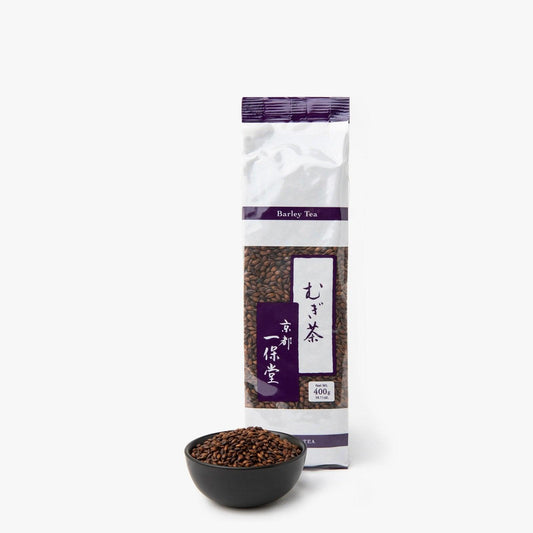

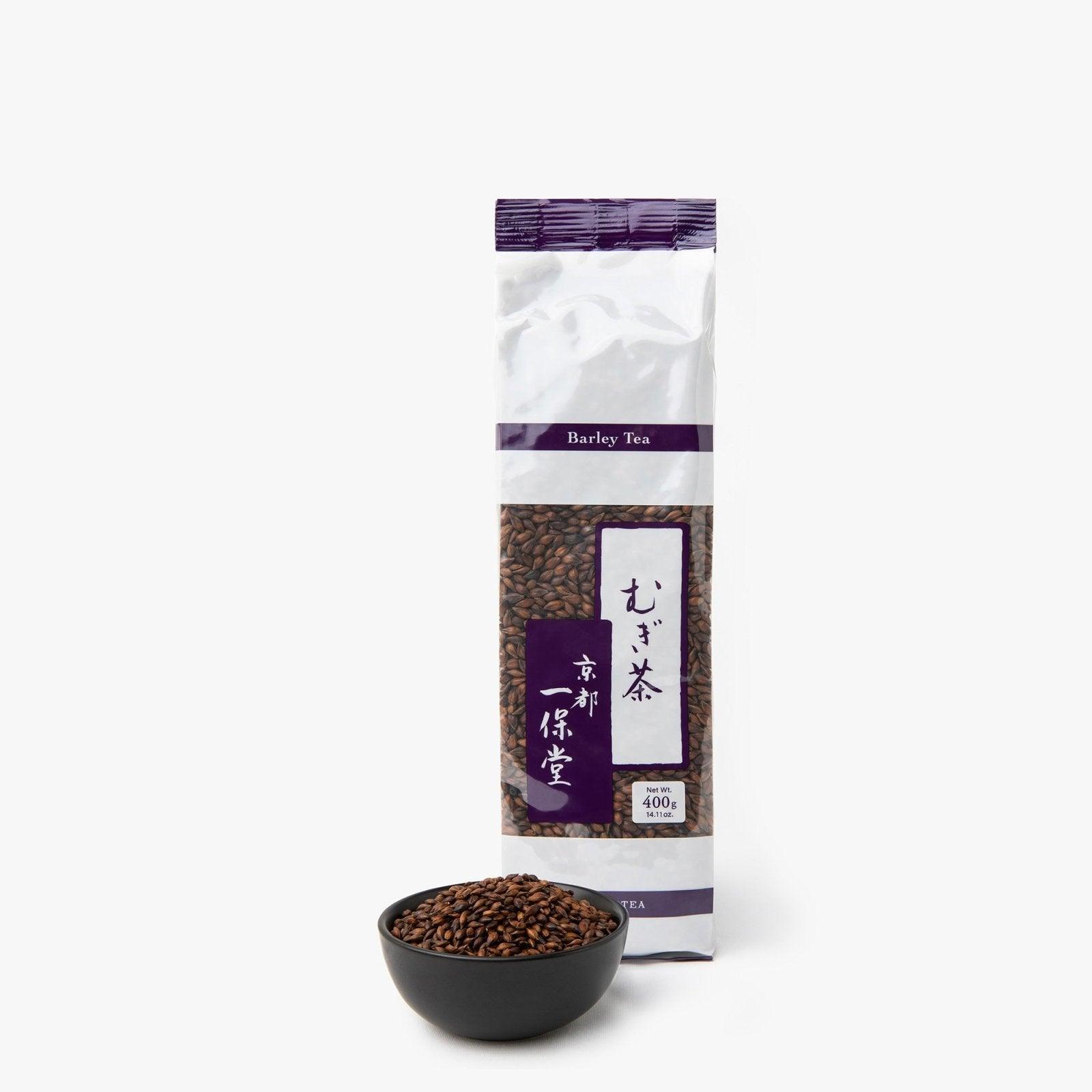
Loose-leaf mugicha barley infusion ⋅ Ippodo Tea ⋅ 407g
⋅ Roasted grain aroma⋅ Rich in antioxidants⋅ An alternative to sobacha⋅ Contains no theine or caffeine⋅ Can be enjoyed hot or coldThis infusion is made from...
Regular price 11.90 €Promotional price 11.90 € Regular priceUnit price 29.24 € by kg

Momiji maple leaf infusion 7 sachets ⋅ Momiji Kaede ⋅ 7g
⋅ Roasted flavor⋅ Maple leaf herbal tea⋅ Artisanal cultivation⋅ Soothing anti-⋅ stress⋅ Pairs well with meals and dessertsAn infusion with a delicately roasted flavor, made from...
Regular price 9.90 €Promotional price 9.90 € Regular priceUnit price 1,414.29 € by kg
Learn more about Japanese infusions
What are the most popular Japanese infusions?
The most popular Japanese infusions are varied and offer unique flavors, often caffeine-free, suited to different times of day:
Mugicha: An infusion of roasted barley, appreciated for its mild, toasted flavor. It is often served cold in summer for its refreshing properties.
Sobacha: An infusion made from roasted buckwheat seeds, known for its nutty notes and digestive benefits.
Kombucha: An infusion of kelp (kombu seaweed), slightly salty, often served as a comforting beverage and different from kombucha as a fermented tea!
Yomogi-cha: An infusion of Japanese mugwort, renowned for its detoxifying properties and herbal flavor.
Kukicha: Although made from tea stems, it is sometimes considered an infusion because of its low caffeine content.
What is mugicha?
Mugicha, or roasted barley infusion, stands out for its unique flavor with toasty and nutty notes. Completely caffeine-free, it is suitable for everyone and can be enjoyed at any time of day. Very popular in Japan, it is often served cold in summer for its refreshing and hydrating properties. In addition to being delicious, Mugicha is valued for its digestive benefits and antioxidants, making this infusion a healthy and comforting drink.
What is sobacha?
Sobacha (そば茶) is an infusion made from roasted buckwheat seeds, highly appreciated in Japan for its nutty and slightly roasted flavor, as well as its health benefits.
Despite what its name might suggest, sobacha is not technically a tea, as it contains no theine. It is made from hulled buckwheat seeds, which are lightly roasted before being infused in hot water.
It is often enjoyed hot or cold, depending on the season, and can be drunk throughout the day, including in the evening, thanks to its lack of caffeine.
Sobacha offers notes of:
- Roasted and toasted flavors, reminiscent of light coffee or genmaicha (green tea with puffed rice).
- Subtly sweet flavors, with a taste reminiscent of hazelnuts or almonds.
- Round and smooth flavors, without bitterness.
Sobacha is appreciated for its many health benefits:
- Rich in antioxidants: Contains rutin, a flavonoid that promotes blood circulation.
- Good for digestion: Its high fiber content helps regulate bowel movements.
- Caffeine-free: It can be enjoyed at any time of day.
- Low in calories: Ideal for a light and comforting drink.
What is the ideal steeping time for each type of Japanese infusion?
Mugicha: Steep for 2 to 4 hours in cold water or for 3 to 5 minutes in boiling water for a hot version
Sobacha : Steep for 5 to 7 minutes in hot water to release its nutty aromas.
Kombucha : Steep for 2 to 3 minutes in hot water, without exceeding 80 °C to preserve its subtle flavors.
Yomogi-cha : Steep for 3 to 5 minutes in hot water to achieve a balanced herbal taste.
Kukicha : Steep for 1 to 2 minutes in hot water at approximately 70-80 °C to avoid bitterness.
Do Japanese infusions require specific equipment like tea?
No, Japanese infusions do not necessarily require specific equipment, which makes them easy to prepare. However, certain tools can enhance the experience and ensure optimal infusion:
- A teapot (kyusu): Traditionally used for Japanese teas, it is also suitable for infusions such as Mugicha or Sobacha, especially for properly filtering the ingredients.
- An infuser or fine-mesh strainer: Ideal for retaining the seeds, leaves, or barley pieces after infusion.
- A carafe or bottle: Practical for preparing cold infusions, such as Mugicha, directly in water in the refrigerator.
- Quality water: Using filtered or soft water is recommended to preserve the delicate flavors of the infusions.
What are the health benefits of Japanese infusions?
Japanese infusions offer numerous health benefits thanks to their natural ingredients and unique properties. Here are some key benefits:
- Improved digestion: Infusions such as Mugicha and Sobacha help promote good digestion, reducing bloating and soothing the stomach.
- Antioxidant properties: Many Japanese infusions, such as Mugicha and Sobacha, are rich in antioxidants, which help neutralize free radicals and protect the body's cells from premature aging.
- Hydration: These infusions, especially when consumed cold, are excellent sources of hydration throughout the day, without the caffeine found in traditional teas.
- Rest and relaxation: Yomogi-cha and Kukicha infusions have soothing properties that can reduce stress and promote relaxation, thanks to their low caffeine content and calming effect.
- Detoxifying properties: Certain infusions, such as Yomogi-cha, made from mugwort, have detoxifying effects, helping to cleanse the body of toxins and stimulate metabolism.
- Immune support: Seaweed-based infusions, such as Kombucha, strengthen the immune system thanks to the minerals and vitamins they contain, particularly calcium, magnesium, and iodine.
Which Japanese infusions are associated with the seasons or ceremonies?
Some Japanese infusions are closely linked to the seasons and ceremonies, reflecting the harmony of nature in Japanese culture. Here are a few examples:
- Mugicha :
Traditionally consumed during summer, particularly for its ability to cool and hydrate the body on hot days. Mugicha is often served at summer festivals in Japan, such as Obon. - Sakura-cha :
This infusion is associated with spring, especially during hanami, the cherry blossom festival. It is made from dried cherry blossoms, symbolizing the ephemeral beauty of nature. - Hōjicha :
Although it is not strictly an infusion, Hōjicha is popular during the cooler months, particularly in autumn and winter, for its comforting taste and soothing properties. - Kombucha :
Often served during traditional Japanese ceremonies such as purification rites and New Year celebrations, Kombucha is appreciated for its purifying properties and its connection with the sea. - Yomogi-cha :
Associated with the tanabata festival (the Star Festival) and sometimes used in purification ceremonies, this infusion is also linked to spring, as it is often prepared during this season for its purifying properties. - Sobacha :
Although consumed year-round, sobacha is particularly popular during autumn, a season that coincides with the buckwheat harvest. It is also used in certain health and wellness ceremonies.


