


Collection: Japanese soy sauces


-
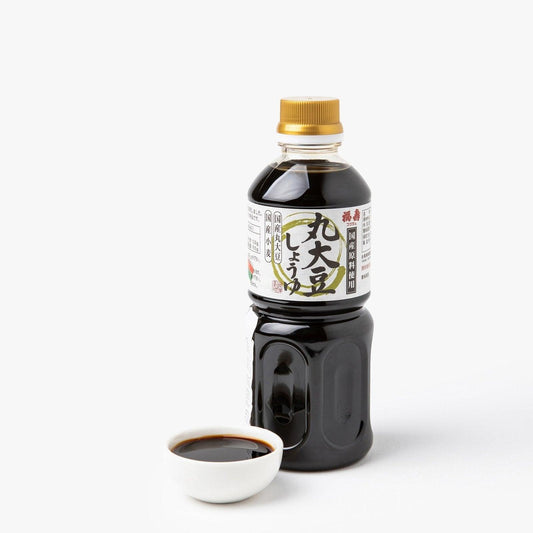
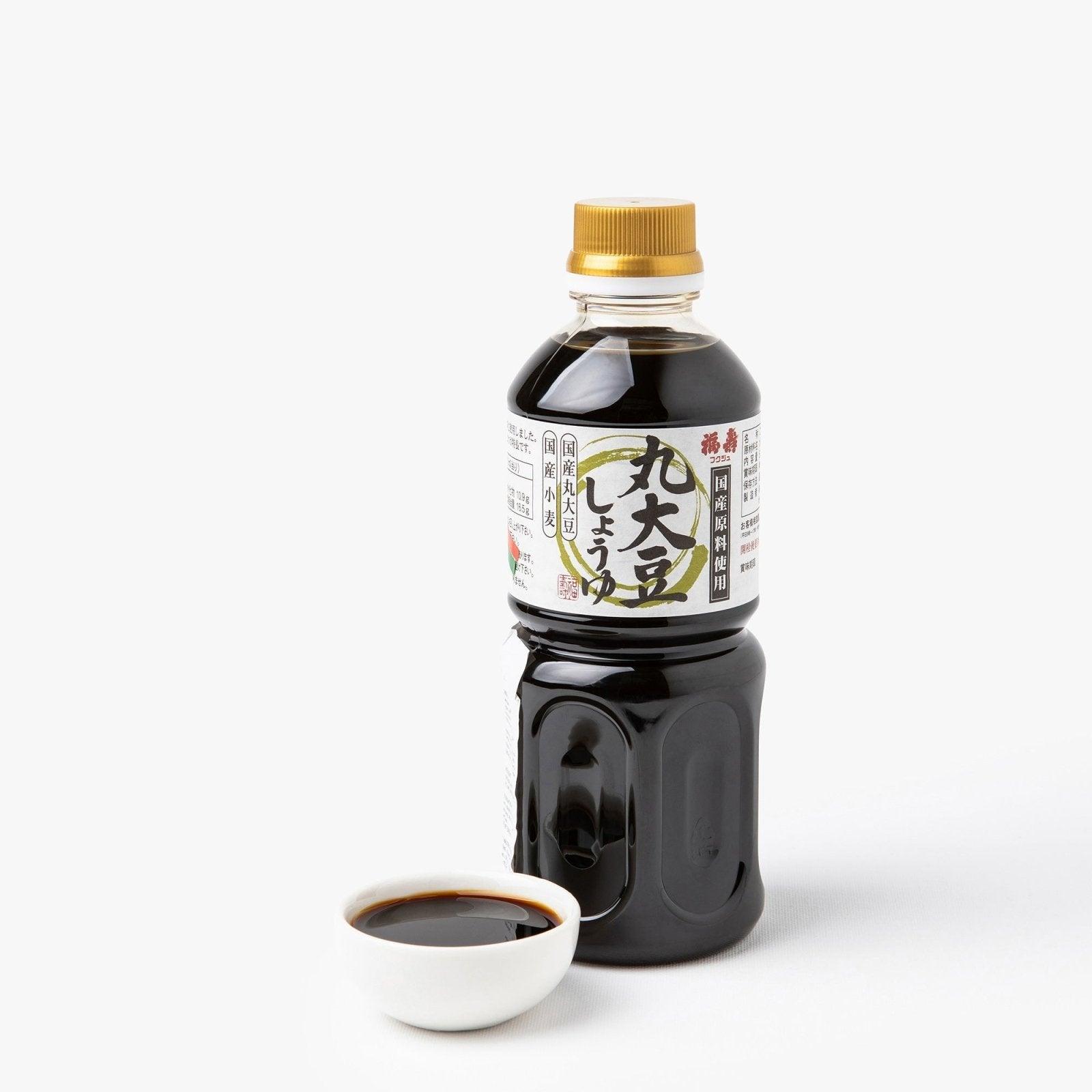
Artisanal Balanced Soy Sauce ⋅ Asarisasuke Shoten ⋅ 500ml
⋅ Perfect for everyday use⋅ Convenient 500ml size⋅ Ideal for marinades⋅ Lightly saltedThis artisanal soy sauce is produced using a traditional fermentation method to deliver a...
Regular price 6.30 €Promotional price 6.30 € Regular priceUnit price 12.60 € by l

Smoked Tatsuno Soy Sauce ⋅ Suehiro Soy Sauce ⋅ 100ml
⋅ Beechwood-smoked⋅ Intense smoky flavor⋅ Perfect for marinades and with all types of meat⋅ HandcraftedThis smoked soy sauce is produced by a Japanese family-owned company that...
Regular price 8.00 €Promotional price 8.00 € Regular priceUnit price 80.00 € by l

Double-Fermented Intense Tatsuno Soy Sauce ⋅ Suehiro Soy Sauce ⋅ 100ml
⋅ Double fermentation⋅ Rich flavor and deep color⋅ Aged for over 1 year⋅ HandcraftedThis premium sauce is produced by a Japanese family-owned company that has specialized...
Regular price 7.30 €Promotional price 7.30 € Regular priceUnit price 73.00 € by l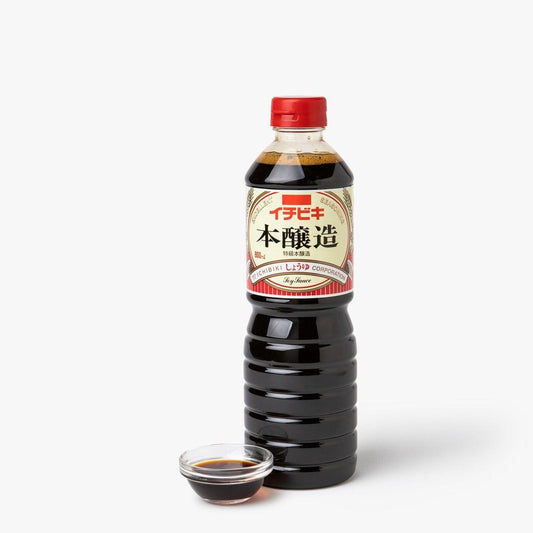
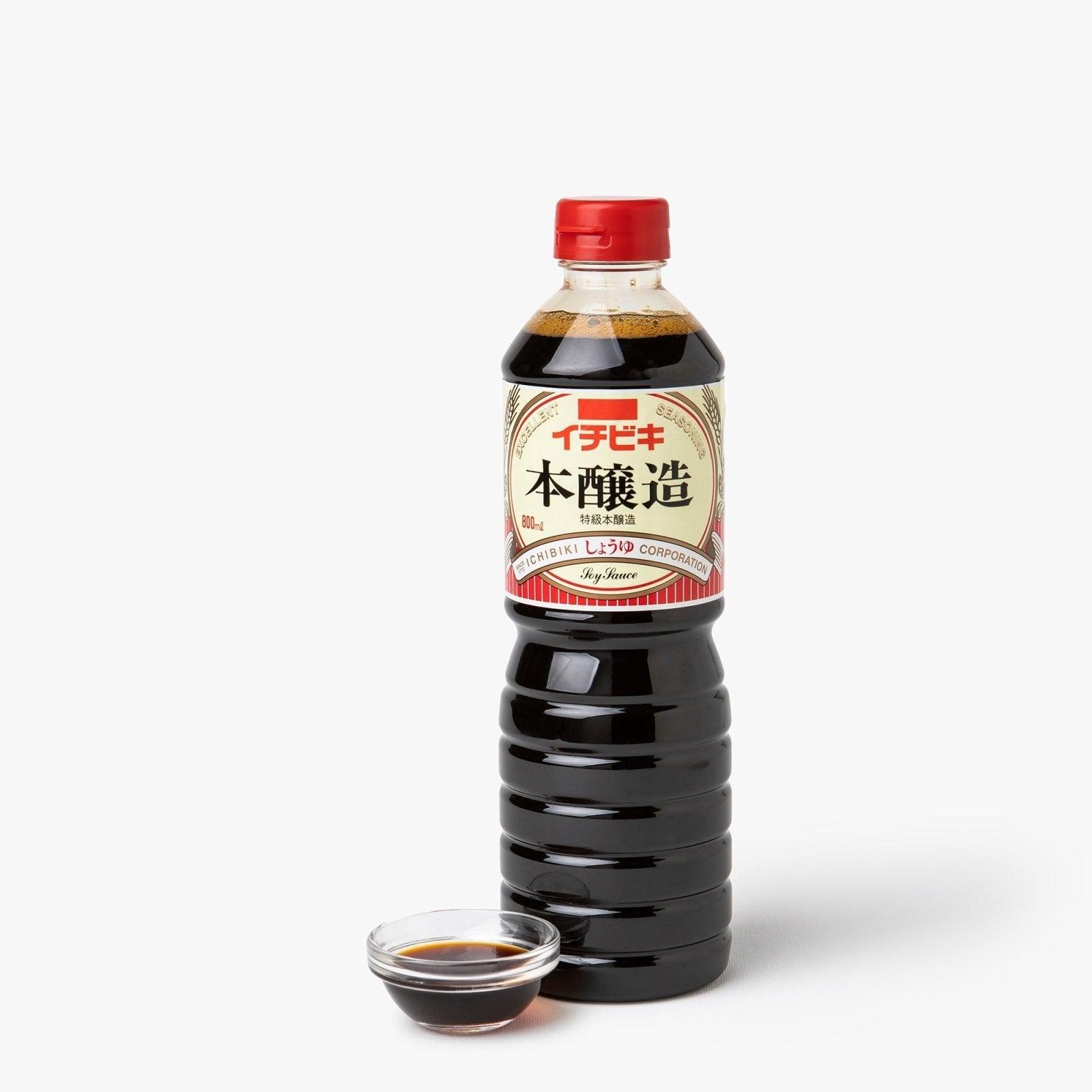
Balanced soy sauce ⋅ Ichibiki ⋅ 750ml
⋅ Very well-balanced⋅ A staple of Japanese cuisine, perfect for any dish⋅ Perfect with noodles and in marinades⋅ Great value for moneyThis soy sauce is made...
Regular price 6.60 €Promotional price 6.60 € Regular priceUnit price 8.80 € by l

Smoked soy sauce ⋅ Yugeta Shoyu ⋅ 210ml
⋅ Soy sauce smoked with cherry and beech wood⋅ Smoky flavor, intense wood-fired flavor⋅ Kioke sauce: aged for 1 year in cedar barrels⋅ Double-walled vacuum-sealed bottle...
Regular price 11.60 €Promotional price 11.60 € Regular priceUnit price 55.24 € by l

Double-fermented rich soy sauce ⋅ Kayanoya ⋅ 300ml
⋅ Double-fermented⋅ Intense, deep umami⋅ Thick texture⋅ Perfect for stir-fries, marinades, and saucesThis double-fermented soy sauce is made from high-quality soybeans, wheat, and water, and aged...
Regular price 12.45 €Promotional price 12.45 € Regular priceUnit price 41.50 € by l

Sweet soy sauce ⋅ Goto Shoyu ⋅ 100ml
⋅ Sweet soy sauce⋅ Caramelizes marinades⋅ Perfect for brushing on dango or mochi⋅ No additivesThis rich, full-bodied soy sauce is made from soybeans and wheat grown...
Regular price 5.60 €Promotional price 5.60 € Regular priceUnit price 56.00 € by l

Intense gluten-free tamari soy sauce ⋅ Ichibiki ⋅ 500ml
⋅ Rich Tamari Soy Sauce⋅ Gluten-free⋅ Great with noodles and tempura⋅ Good value for moneyThis sauce is made from high-quality soybeans and sea salt, and contains...
Regular price 6.90 €Promotional price 6.90 € Regular priceUnit price 13.80 € by l

Light Tatsuno Soy Sauce ⋅ Suehiro Soy Sauce ⋅ 500ml
⋅ Light soy sauce⋅ Aged for over 1 year⋅ Ideal for sushi or tempura⋅ HandcraftedThis premium soy sauce is produced by a Japanese family-owned company that...
Regular price 8.50 €Promotional price 8.50 € Regular priceUnit price 17.00 € by l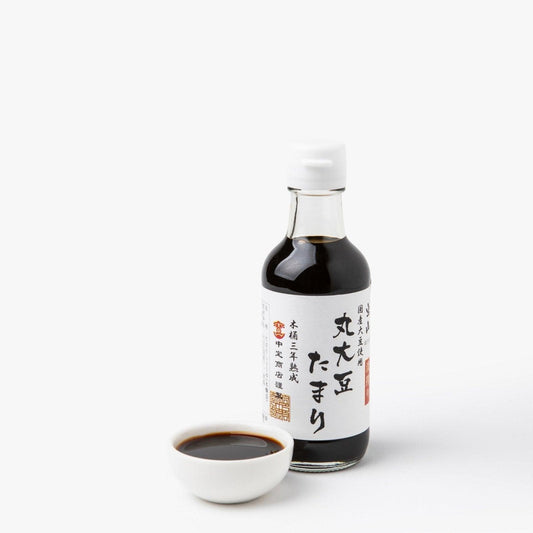
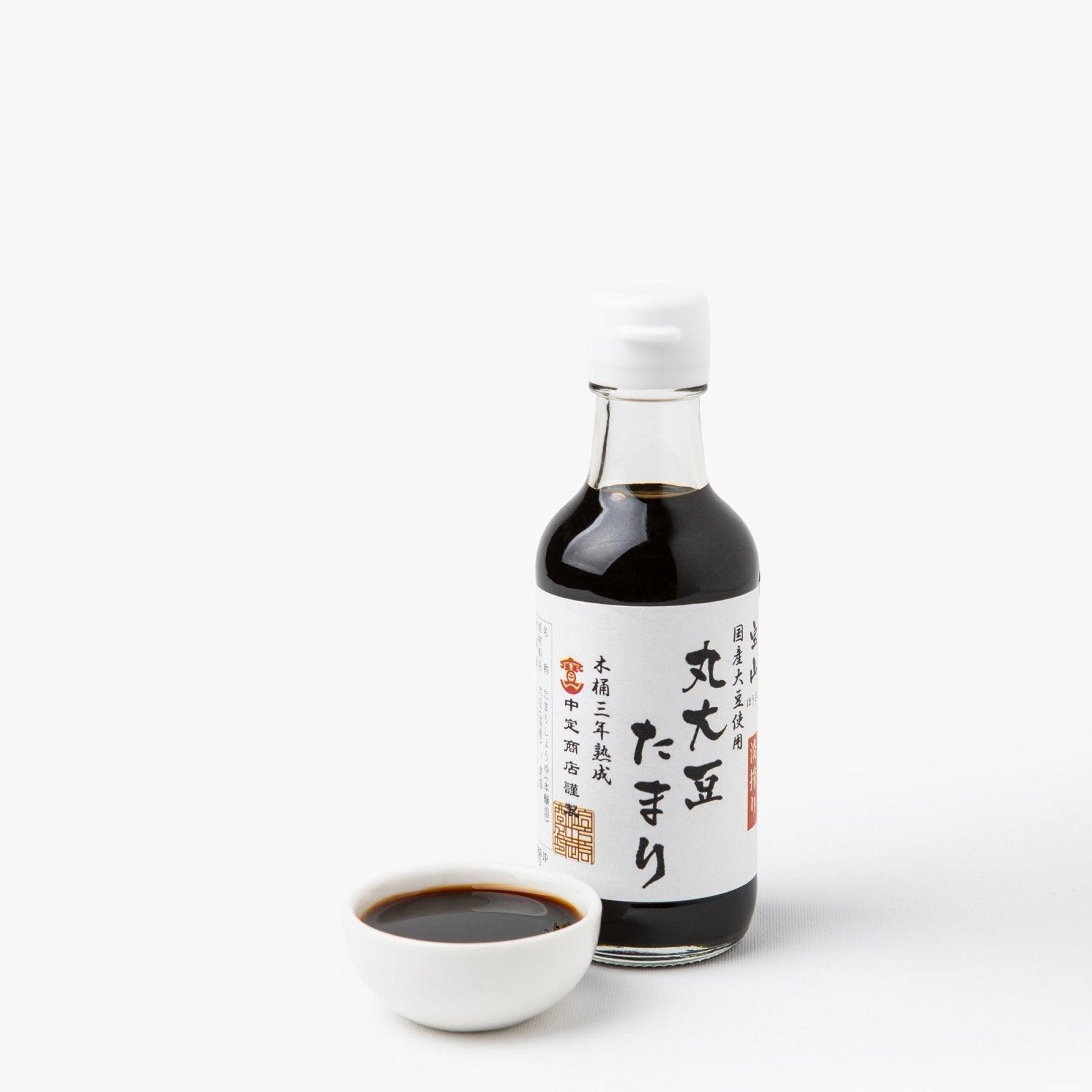
Light Gluten-Free Tamari Soy Sauce ⋅ Nakasada Shoten ⋅ 200ml
⋅ Gluten-free⋅ Aged for 3 years in cedar barrels⋅ Intense umami⋅ Enhances stews and grilled dishesThis exceptional tamari is crafted using traditional, artisanal methods. It is...
Regular price 7.80 €Promotional price 7.80 € Regular priceUnit price 39.00 € by l

Light Tatsuno Soy Sauce ⋅ Suehiro Soy Sauce ⋅ 100ml
⋅ Premium soy sauce⋅ Aged for over 1 year⋅ Perfect for seasoning any type of dish⋅ HandcraftedThis premium soy sauce is produced by a Japanese family-owned...
Regular price 7.30 €Promotional price 7.30 € Regular priceUnit price 73.00 € by l

Vegan soy sauce with dashi ⋅ Kamada Shoyu ⋅ 200g
⋅ Dashi-infused soy sauce⋅ Intense umami⋅ Vegetarian⋅ Easy to use⋅ Perfect in miso soupA light and versatile sauce infused with Kombu seaweed and carefully selected dried...
Regular price 7.20 €Promotional price 7.20 € Regular priceUnit price 36.00 € by kg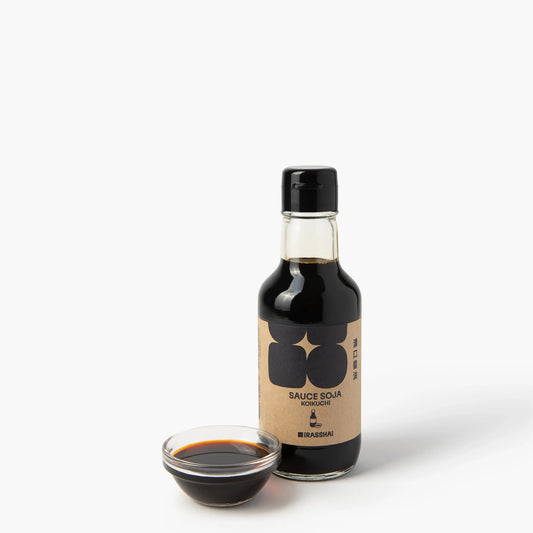
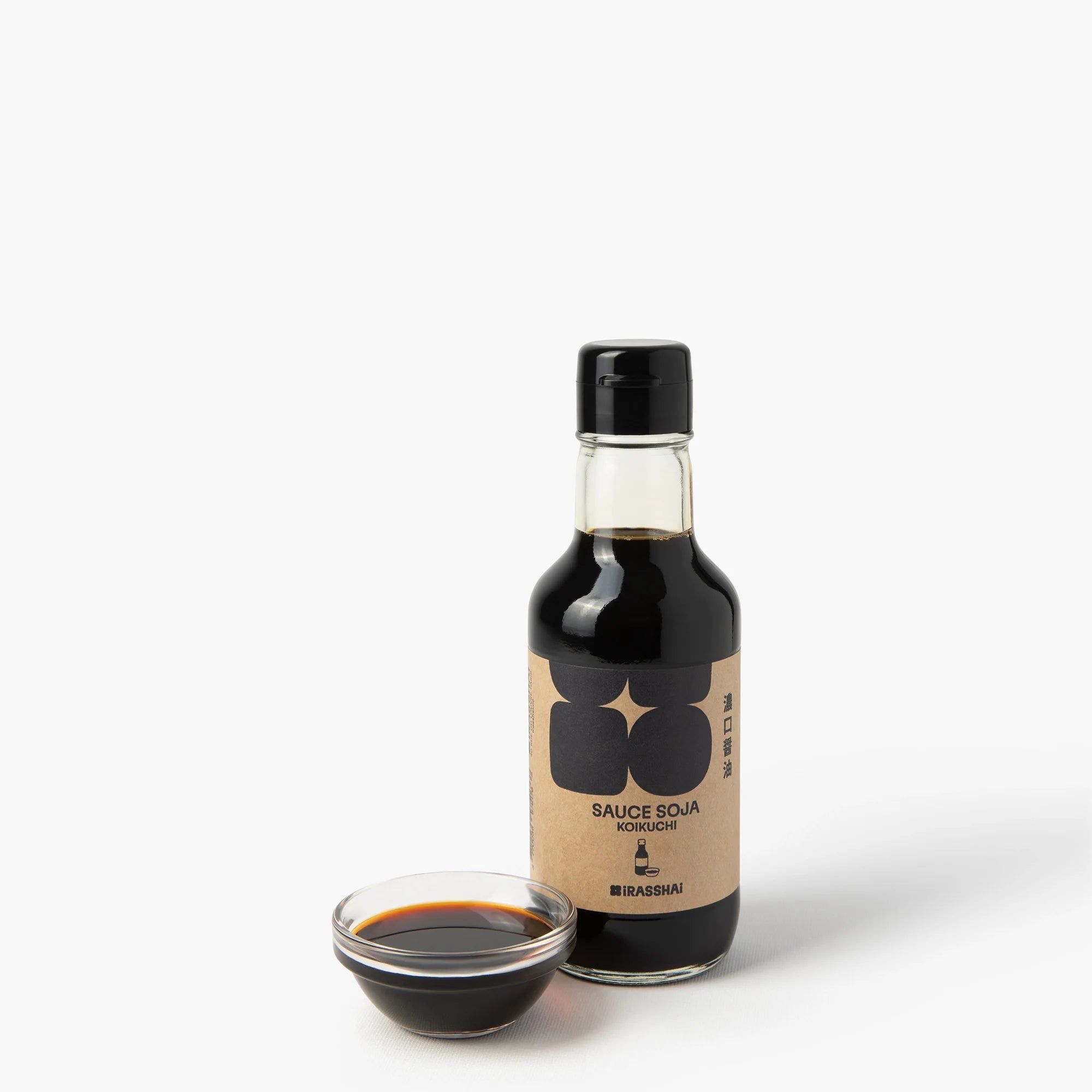
Balanced Soy Sauce ⋅ Sakae Shoyu Brewery for iRASSHAi ⋅ 200ml
⋅ Handcrafted and naturally fermented⋅ A rich, umami flavor⋅ Versatile⋅ Delicious in marinades or as a seasoningIts natural fermentation in solid cypress barrels, using the kioke...
Regular price 7.80 €Promotional price 7.80 € Regular priceUnit price 39.00 € by l

Sweet soy sauce for mitarashi dango ⋅ Goto Shoyu ⋅ 100ml
⋅ Thick sweet soy sauce⋅ Caramelizes marinades⋅ Perfect for brushing on dango or mochi⋅ Pairs well with both savory and sweet dishesThis sweet, thick soy sauce...
Regular price 5.60 €Promotional price 5.60 € Regular priceUnit price 56.00 € by l

Premium Double-Fermented Intense Soy Sauce ⋅ Kajita Shoten ⋅ 150ml
⋅ Double fermentation⋅ Premium soy sauce⋅ Made using the kioke method in cedar barrels⋅ Deep, intensely umami flavorPremium soy sauce produced through a natural fermentation process...
Regular price 13.80 €Promotional price 13.80 € Regular priceUnit price 92.00 € by l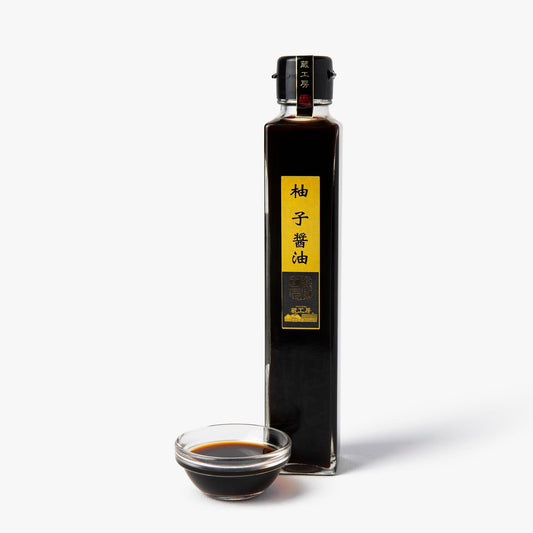
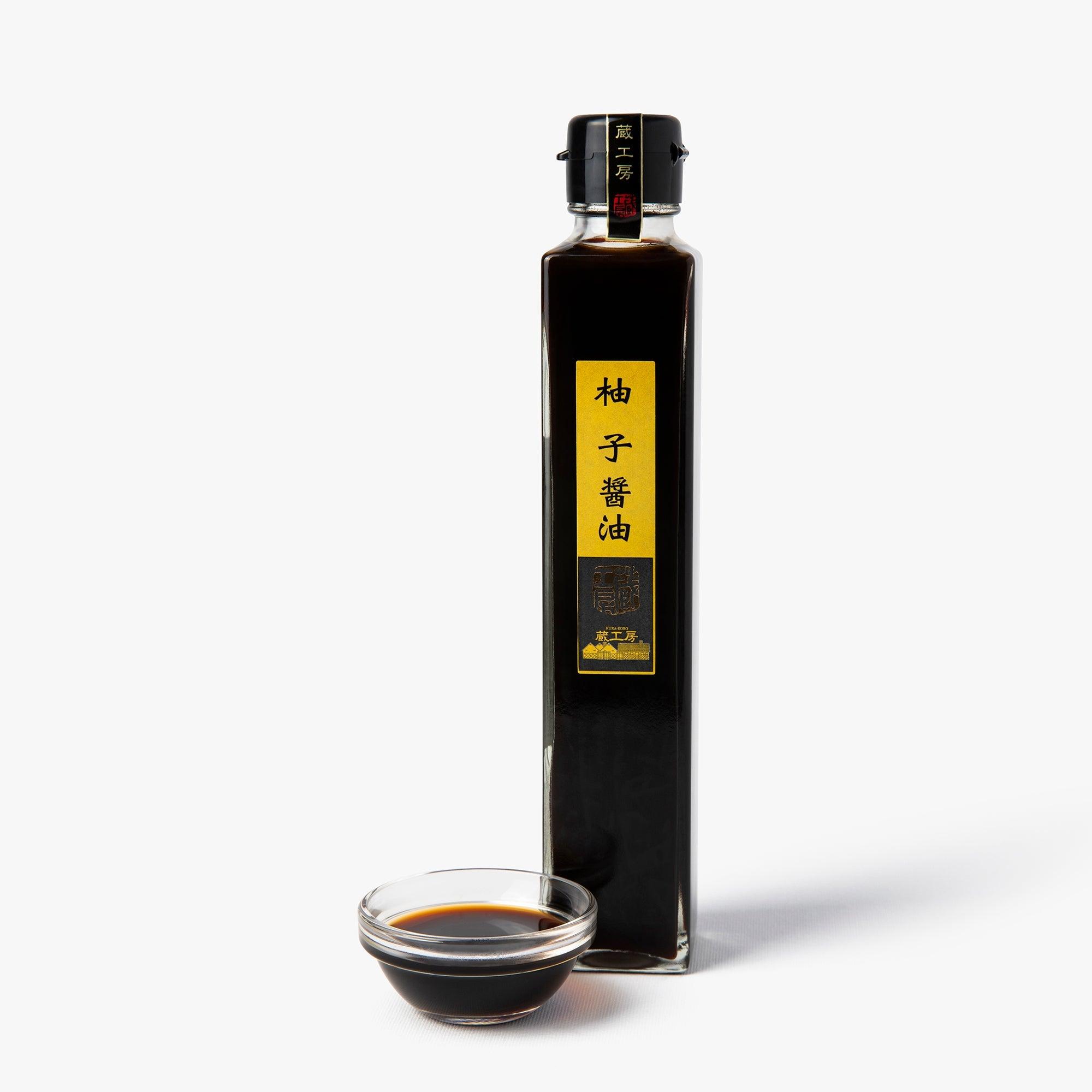
Yuzu soy sauce ⋅ Nitanta ⋅ 200ml
⋅ A rich and complex soy sauce with a slight tang thanks to its yuzu flavor⋅ Ideal for fish, in salad dressings, or to add a...
Regular price 11.90 €Promotional price 11.90 € Regular priceUnit price 59.50 € by l


Soybean Soy Sauce ⋅ Naogen ⋅ 20ml
⋅ A unique soy sauce made from whole soybeans⋅ Easy to carry⋅ An excellent alternative to salt for any type of dish⋅ Perfect on grilled vegetables...
Regular price 7.60 €Promotional price 7.60 € Regular priceUnit price 380.00 € by l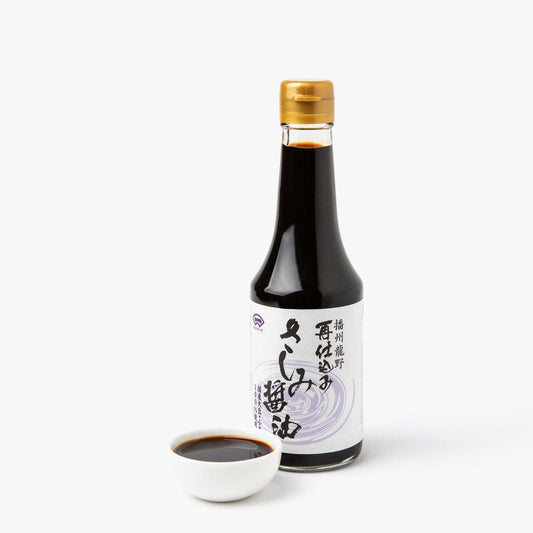
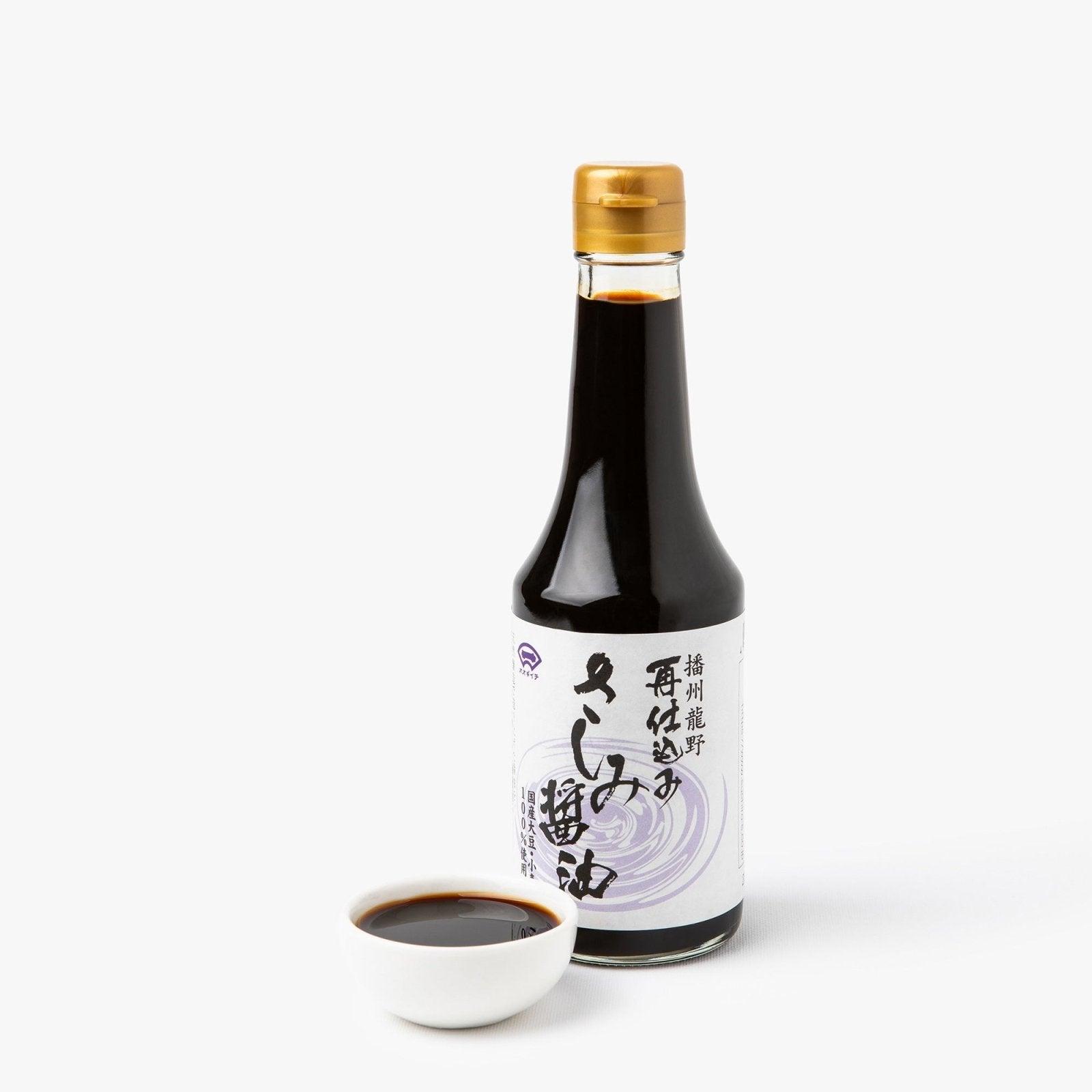
Light Double-Fermented Soy Sauce ⋅ Suehiro Soy Sauce ⋅ 300ml
⋅ Double-fermented⋅ Perfect for sashimi and seafood⋅ Mild and umami-rich⋅ HandcraftedThis double-fermented soy sauce is produced by a Japanese family-owned company that has specialized in soy...
Regular price 9.80 €Promotional price 9.80 € Regular priceUnit price 32.67 € by l

Soy sauce infused with kombu seaweed ⋅ Fuji Shokuhin ⋅ 200ml
⋅ Soy sauce infused with kombu seaweed⋅ Fermented in cypress barrels⋅ Unique, mild, perfect for re⋅ enhancing the umami of a dish⋅ Add a few drops...
Regular price 8.50 €Promotional price 8.50 € Regular priceUnit price 42.50 € by l

Reduced-Salt Light Soy Sauce ⋅ Choko Shoyu ⋅ 300ml
⋅ Light, reduced-sodium soy sauce⋅ Aged for two years⋅ Complex flavor profile⋅ Thick texture⋅ Perfect with sashimi or vegetablesThis soy sauce is made from soybeans and...
Regular price 6.35 €Promotional price 6.35 € Regular priceUnit price 21.17 € by l
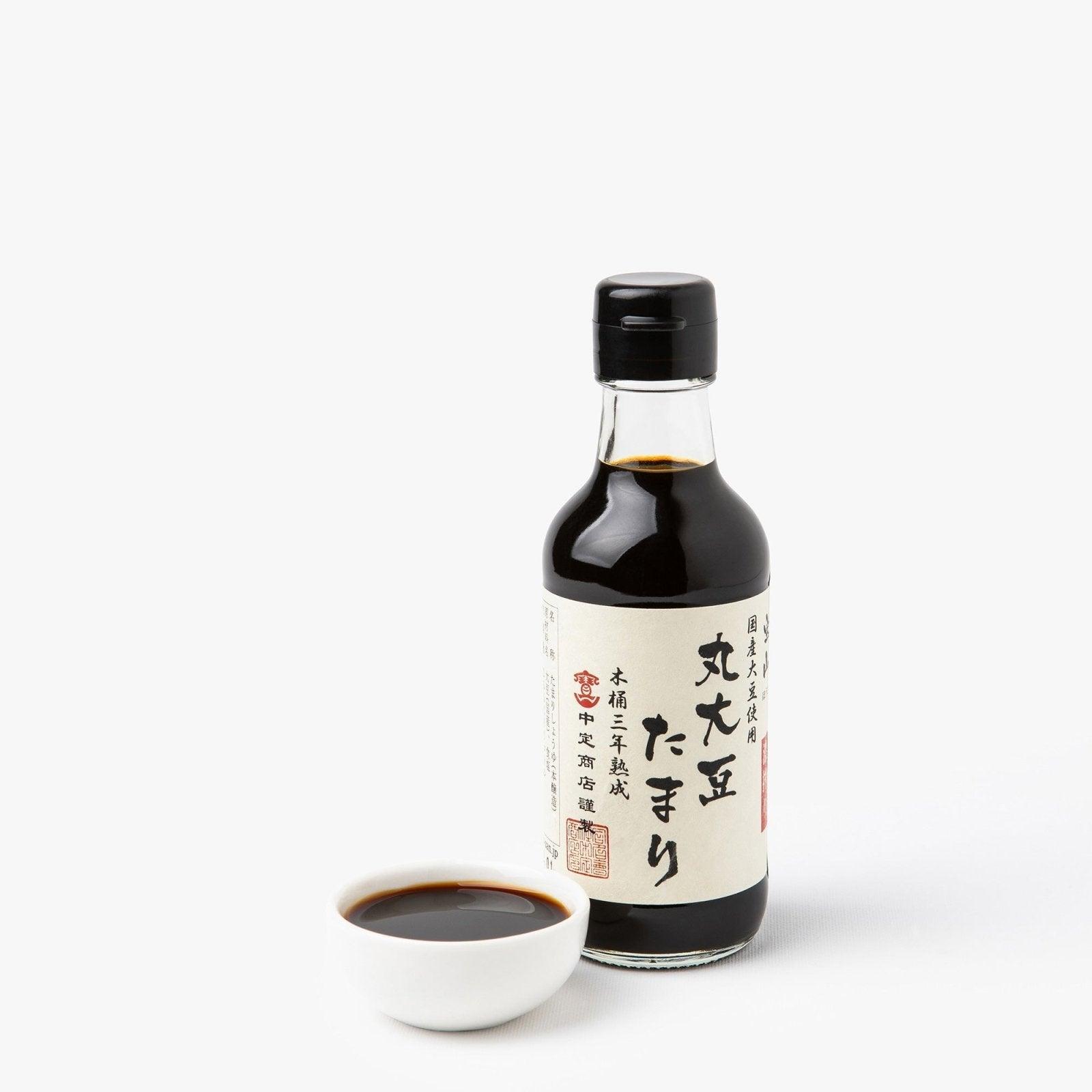
Intense Gluten-Free Tamari Soy Sauce ⋅ Nakasada Shoten ⋅ 200ml
⋅ Gluten-free⋅ Aged for 3 years in cedar barrels⋅ Intense umami⋅ Use in marinades or for caramelizing⋅ A few drops to replace salt in brothProduced using...
Regular price 9.80 €Promotional price 9.80 € Regular priceUnit price 49.00 € by l

Unpasteurized intense soy sauce ⋅ Asarisasuke Shoten ⋅ 200ml
⋅ Premium soy sauce⋅ Artisanal product⋅ Naturally fermented⋅ Ingredients from Akita⋅ Intense and complex flavorA premium soy sauce with a flavor that is both mild and...
Regular price 6.85 €Promotional price 6.85 € Regular priceUnit price 34.25 € by l

Balanced soy sauce ⋅ Yamasa ⋅ 1L
⋅ Versatile soy sauce⋅ Convenient 1L size⋅ Rich umami flavor, balanced aroma⋅ A salt alternative for your dishes, sauces, and marinades⋅ Pairs well with all types...
Regular price 8.80 €Promotional price 8.80 € Regular priceUnit price 8.80 € by l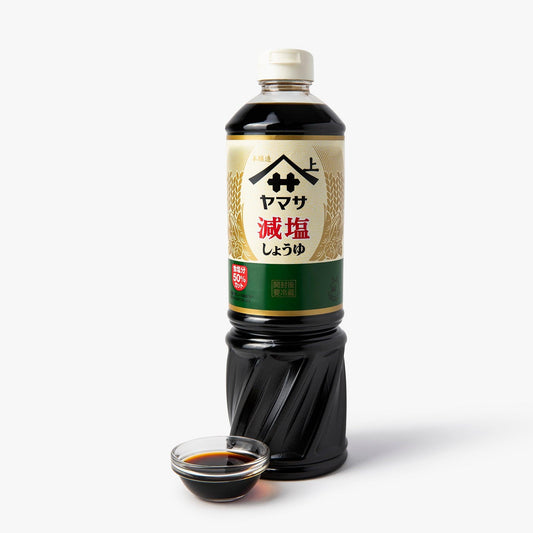
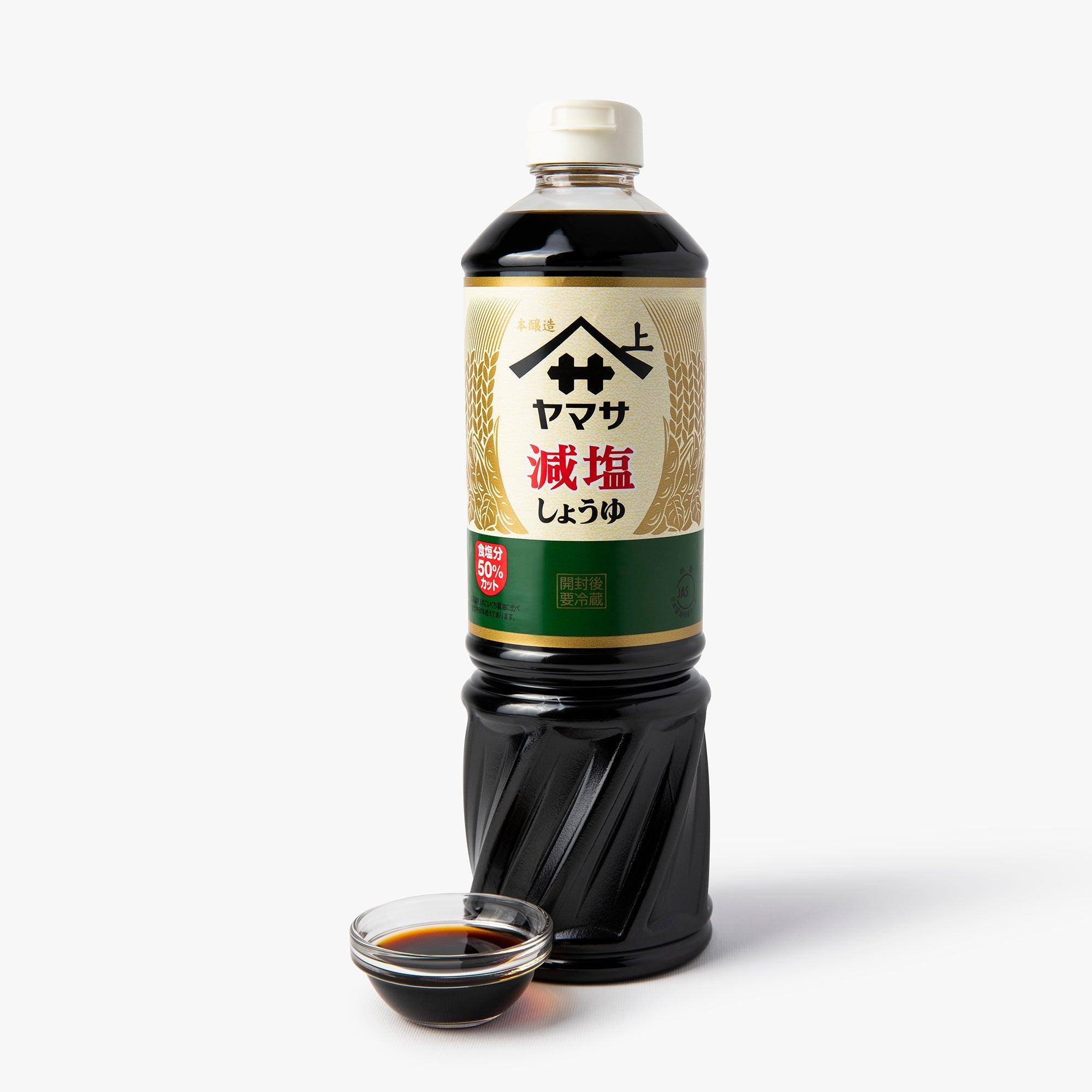
Balanced reduced-salt soy sauce ⋅ Yamasa ⋅ 1L
⋅ Versatile soy sauce⋅ Convenient 1L size⋅ Rich umami flavor, balanced and complex aroma⋅ Reduced-sodium soy sauceLow-sodium soy sauce, made from carefully selected soybeans, water, wheat,...
Regular price 10.50 €Promotional price 10.50 € Regular priceUnit price 10.50 € by l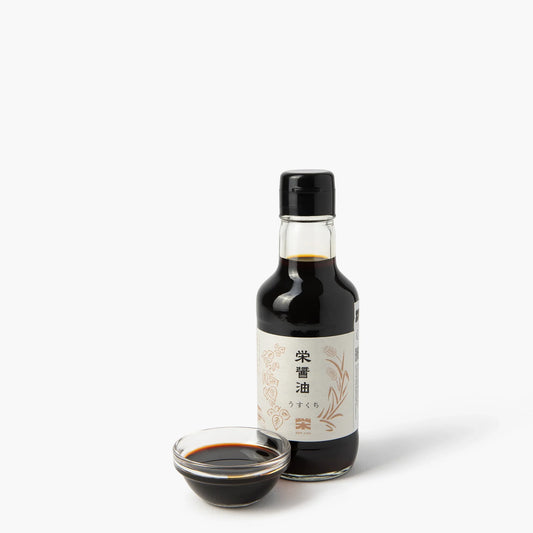
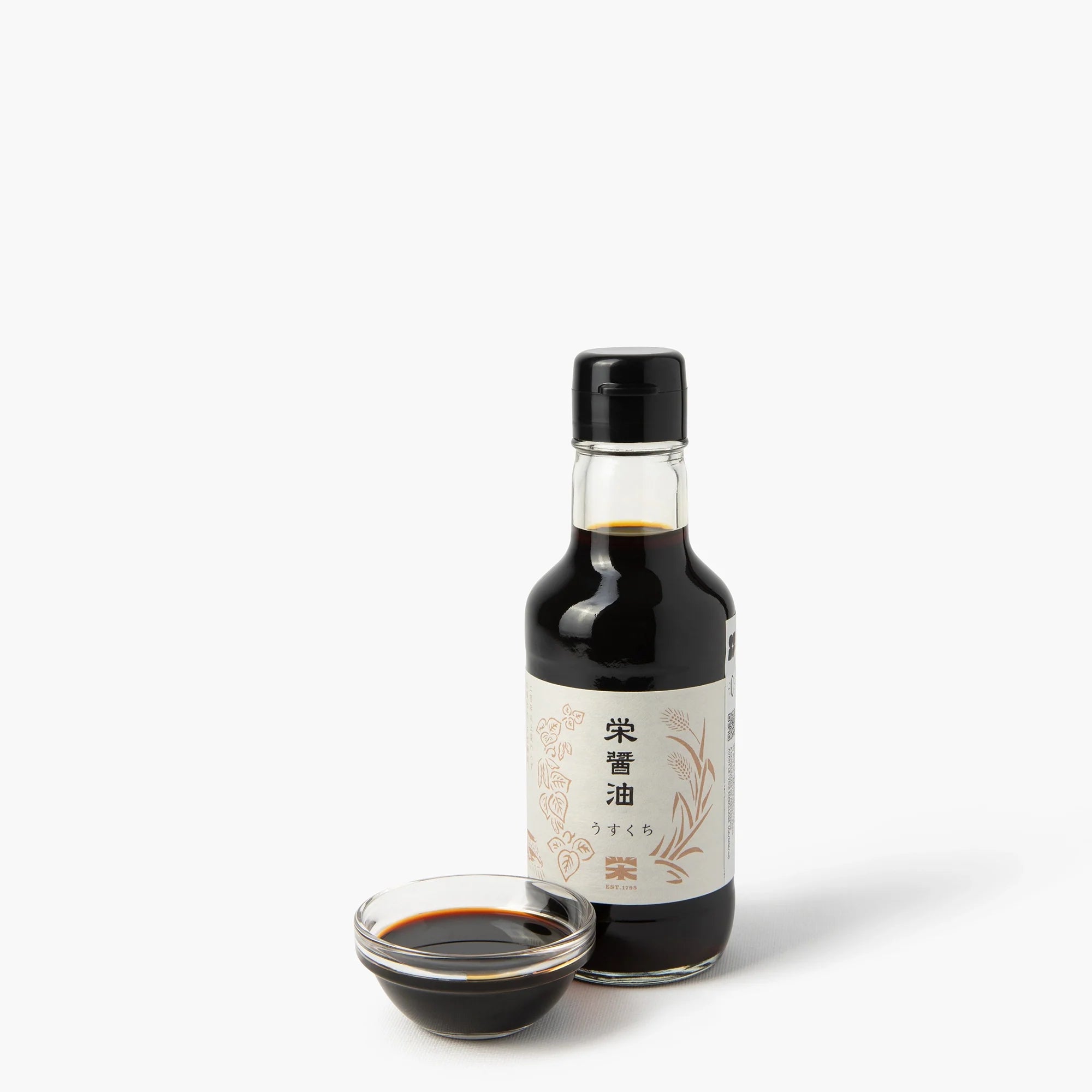
Light Soy Sauce ⋅ Sakae Shoyu Brewery ⋅ 200ml
•Made with soybeans, wheat, salt, and spring water •Delicate, mild, and refreshing flavor.•Perfect for steamed vegetables, carpaccio, and sashimiA light soy sauce made using the kioke...
Regular price 6.70 €Promotional price 6.70 € Regular priceUnit price 33.50 € by l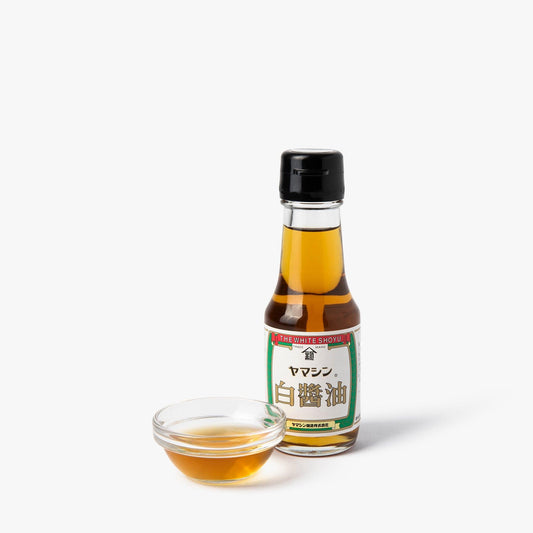
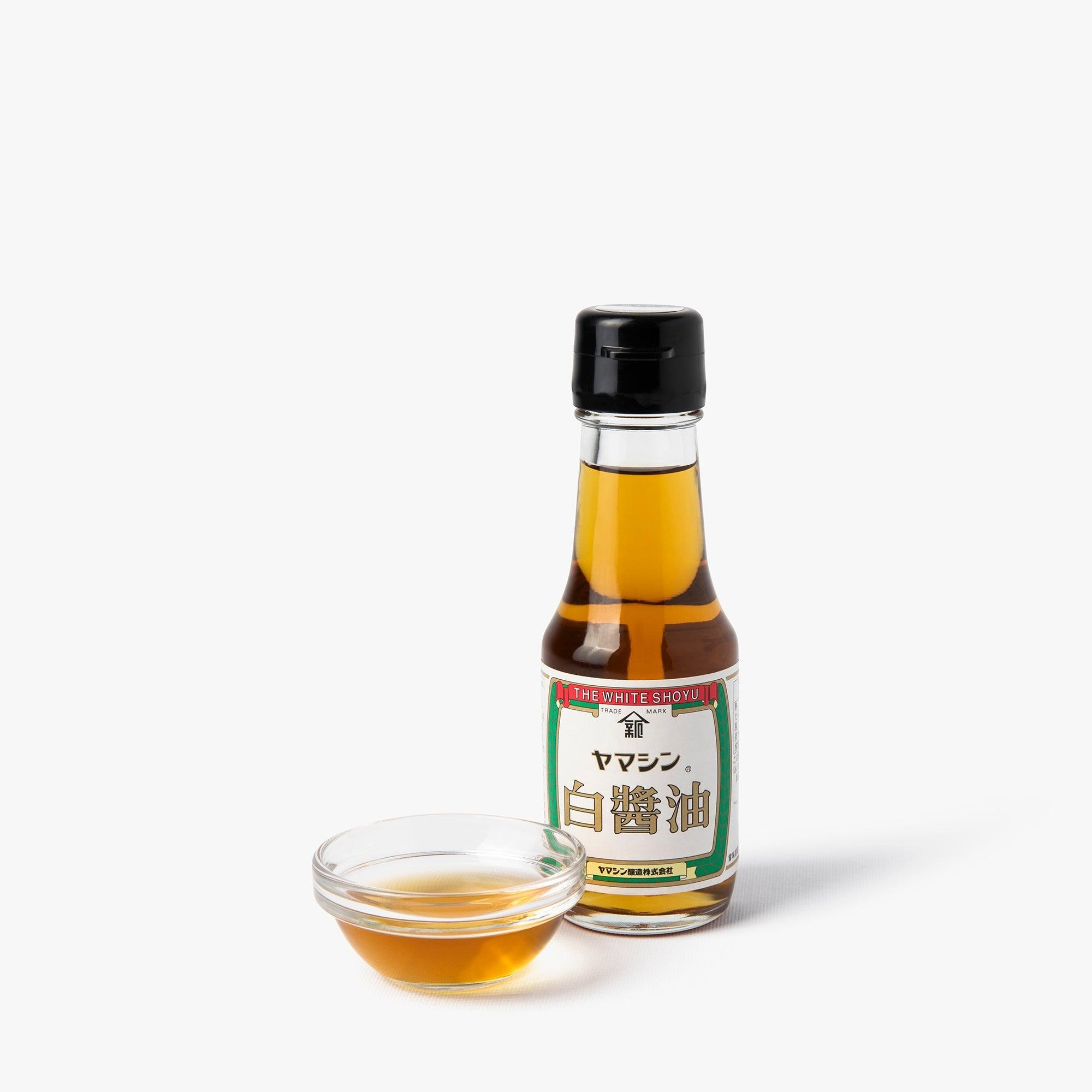
Light soy sauce fermented in cypress barrels ⋅ Yamashin Shiroshoyu ⋅ 100ml
⋅ Light soy sauce⋅ Pale in color, with a slight amber hue⋅ Sweeter than traditional soy sauce⋅ Perfect for salad dressings⋅ Brings out the best in...
Regular price 7.90 €Promotional price 7.90 € Regular priceUnit price 79.00 € by l
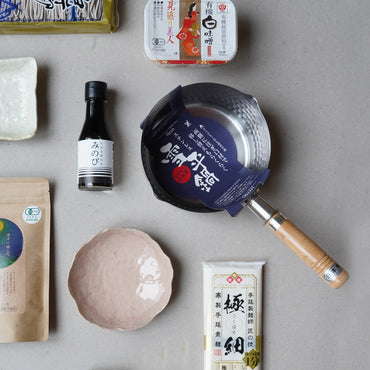
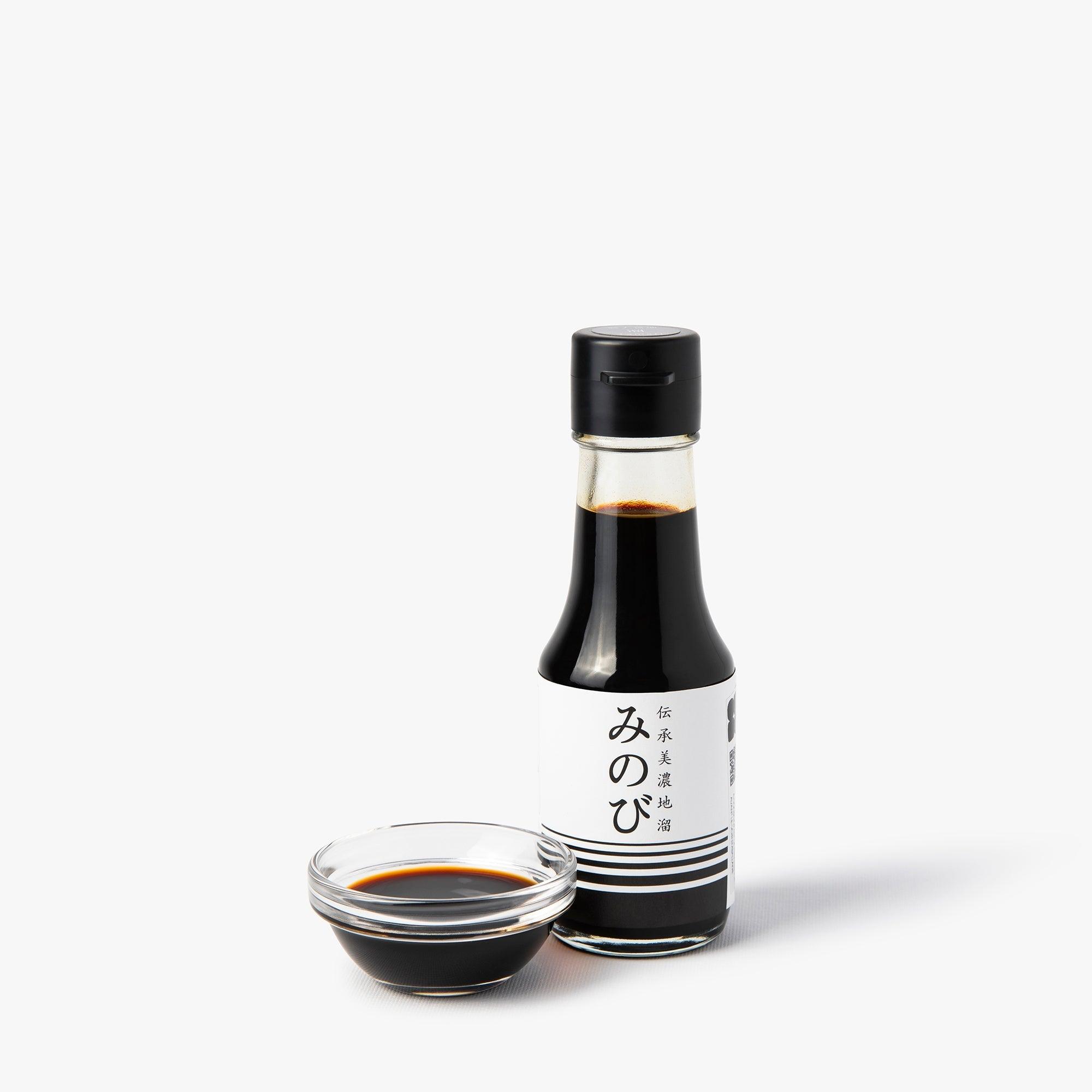
Intense Minobi tamari soy sauce fermented in cypress barrels ⋅ Tamariya ⋅ 100ml
⋅ Aged for two years in cypress barrels⋅ High intensity⋅ Mild acidity⋅ Unique and complex production processAged for two years in wooden barrels, its flavor is...
Regular price 8.70 €Promotional price 8.70 € Regular priceUnit price 87.00 € by l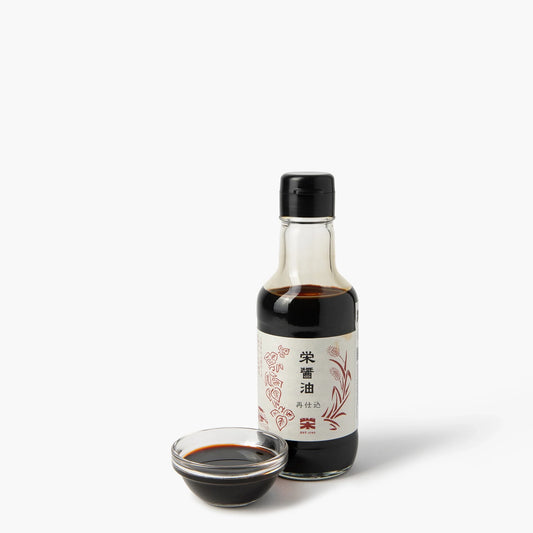
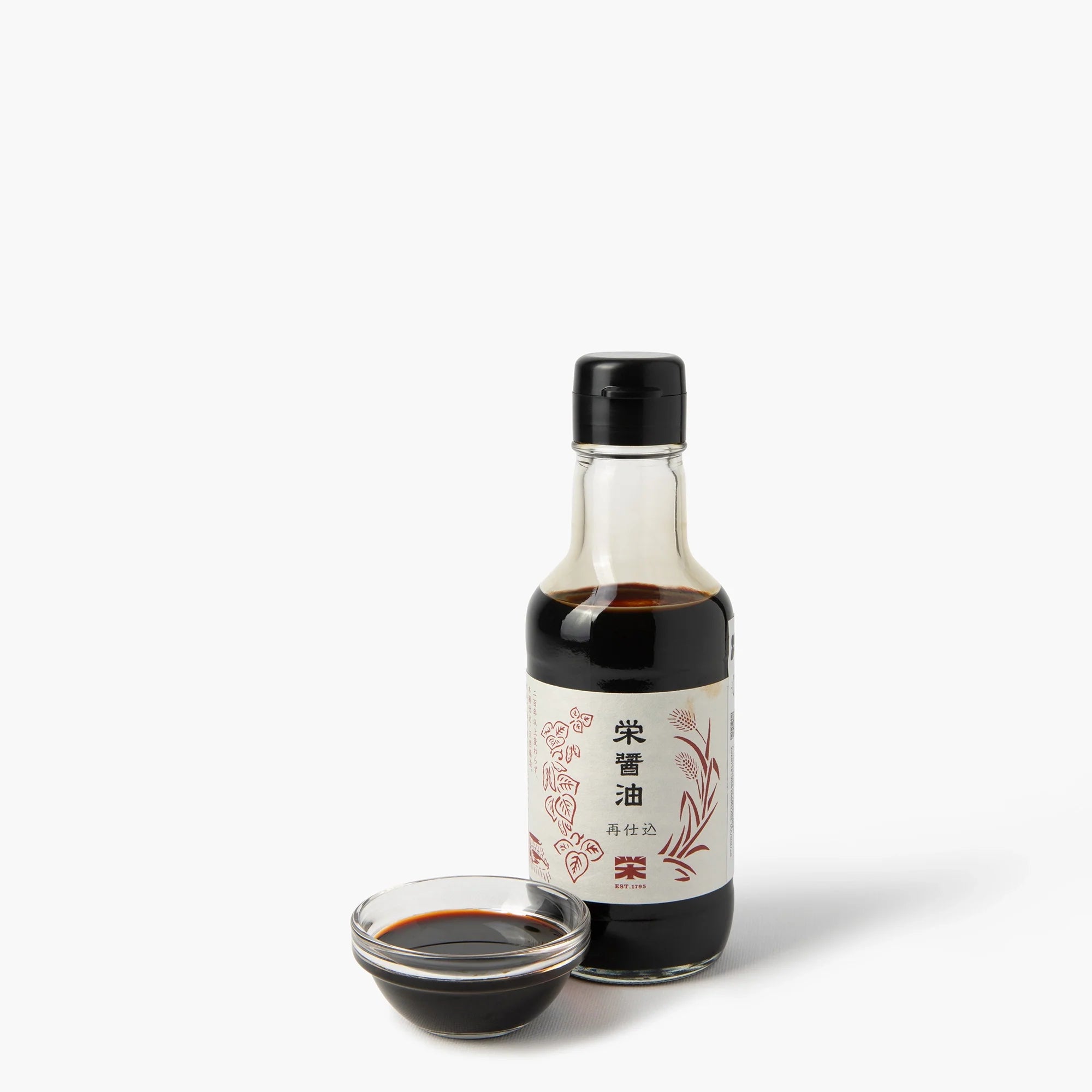
Double-Fermented Soy Sauce ⋅ Sakae Shoyu Brewery ⋅ 200ml
• Made in cypress barrels using the Kioke method• Intense, rounded flavor rich in umami• Ideal for enhancing meats, grilled vegetables, and brothsA double-fermented soy sauce...
Regular price 6.80 €Promotional price 6.80 € Regular priceUnit price 34.00 € by l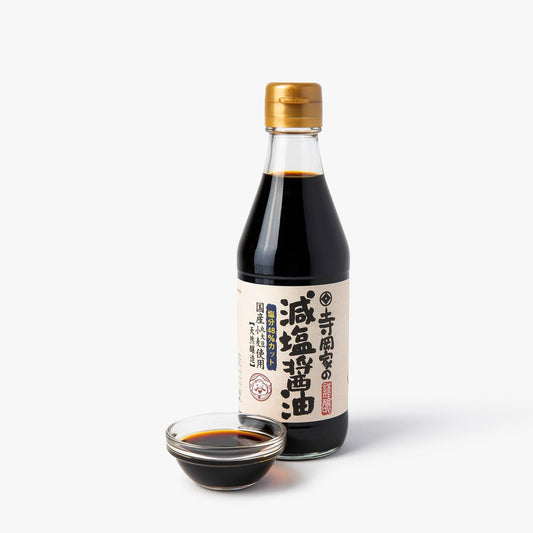
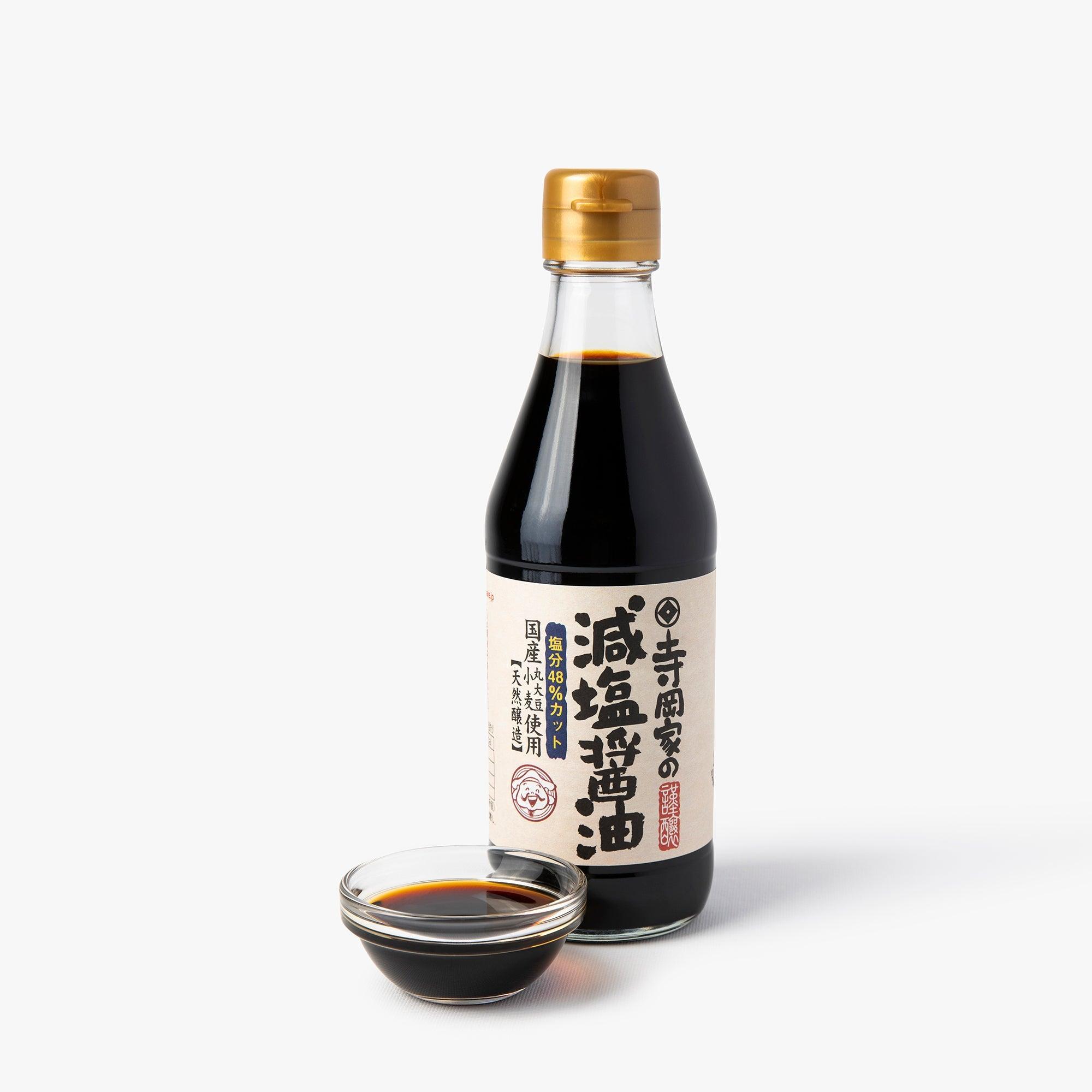
Intense reduced-salt soy sauce ⋅ Teraokake ⋅ 300ml
⋅ Rich, umami-packed soy sauce⋅ Half as salty as other soy sauces⋅ Perfect for seasoning vegetables, broths, marinades, and any other dishThis premium-quality artisanal soy sauce...
Regular price 7.55 €Promotional price 7.55 € Regular priceUnit price 25.17 € by l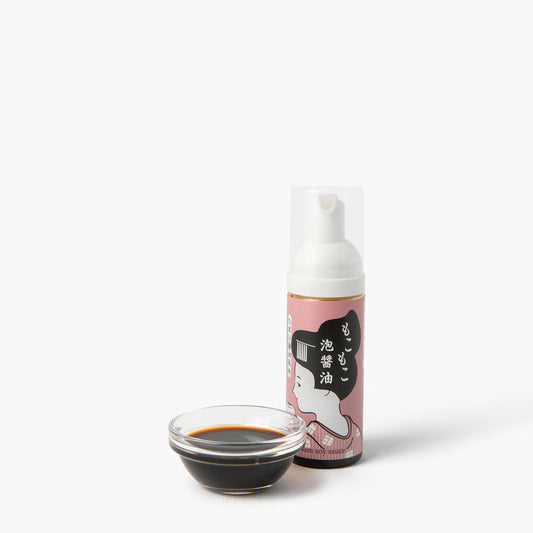
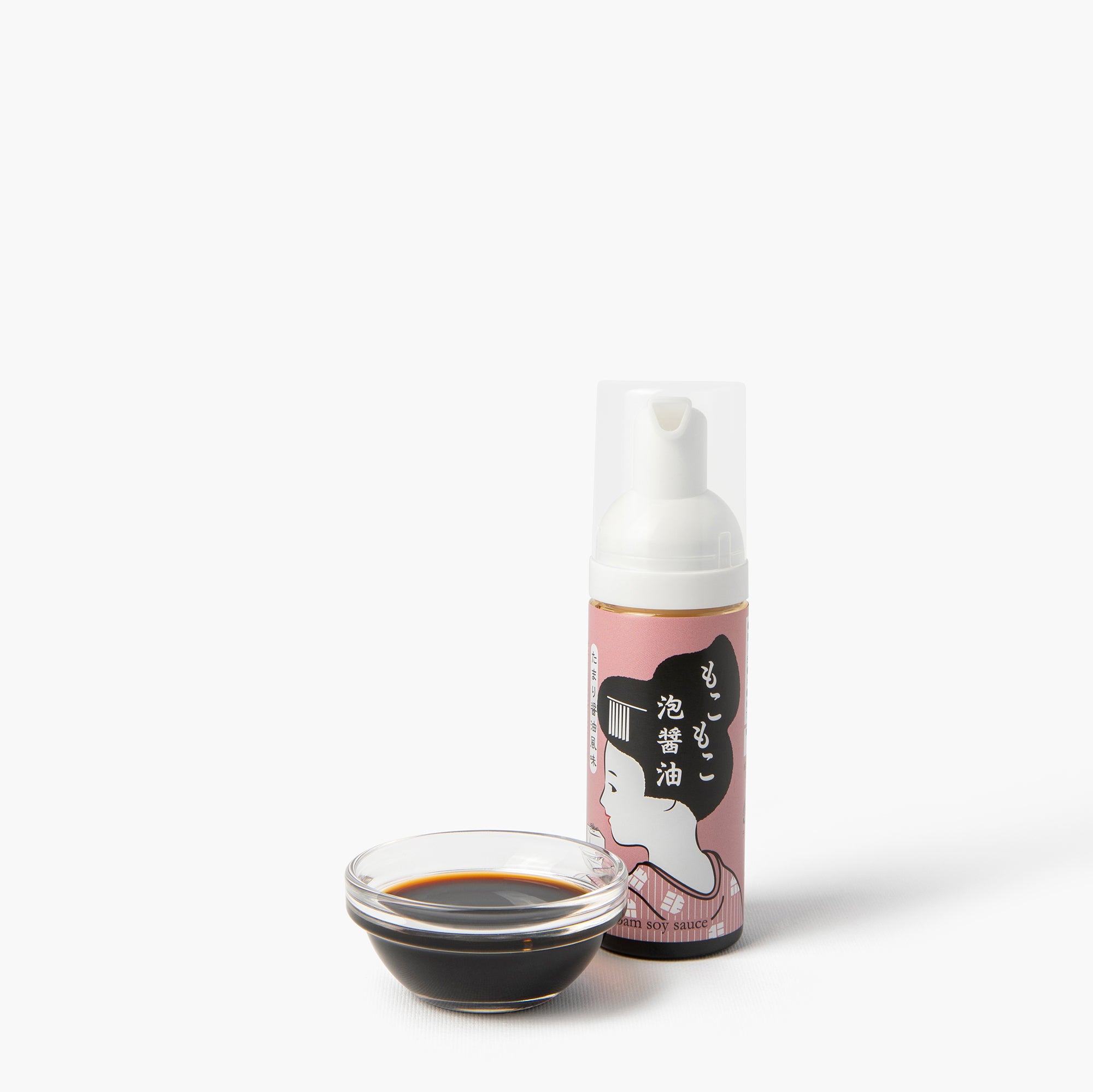
Soy sauce foam ⋅ Yamakawa Brewery ⋅ 50ml
⋅ Foamed soy sauce⋅ Innovative texture⋅ Perfect for replacing an emulsion⋅ Ideal for kids⋅ Perfect for seasoning sushiFor a change from classic liquid soy sauce, try...
Regular price 8.45 €Promotional price 8.45 € Regular priceUnit price 169.00 € by l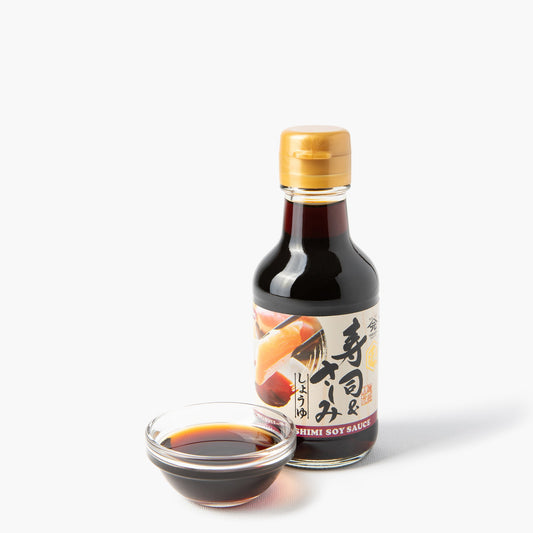
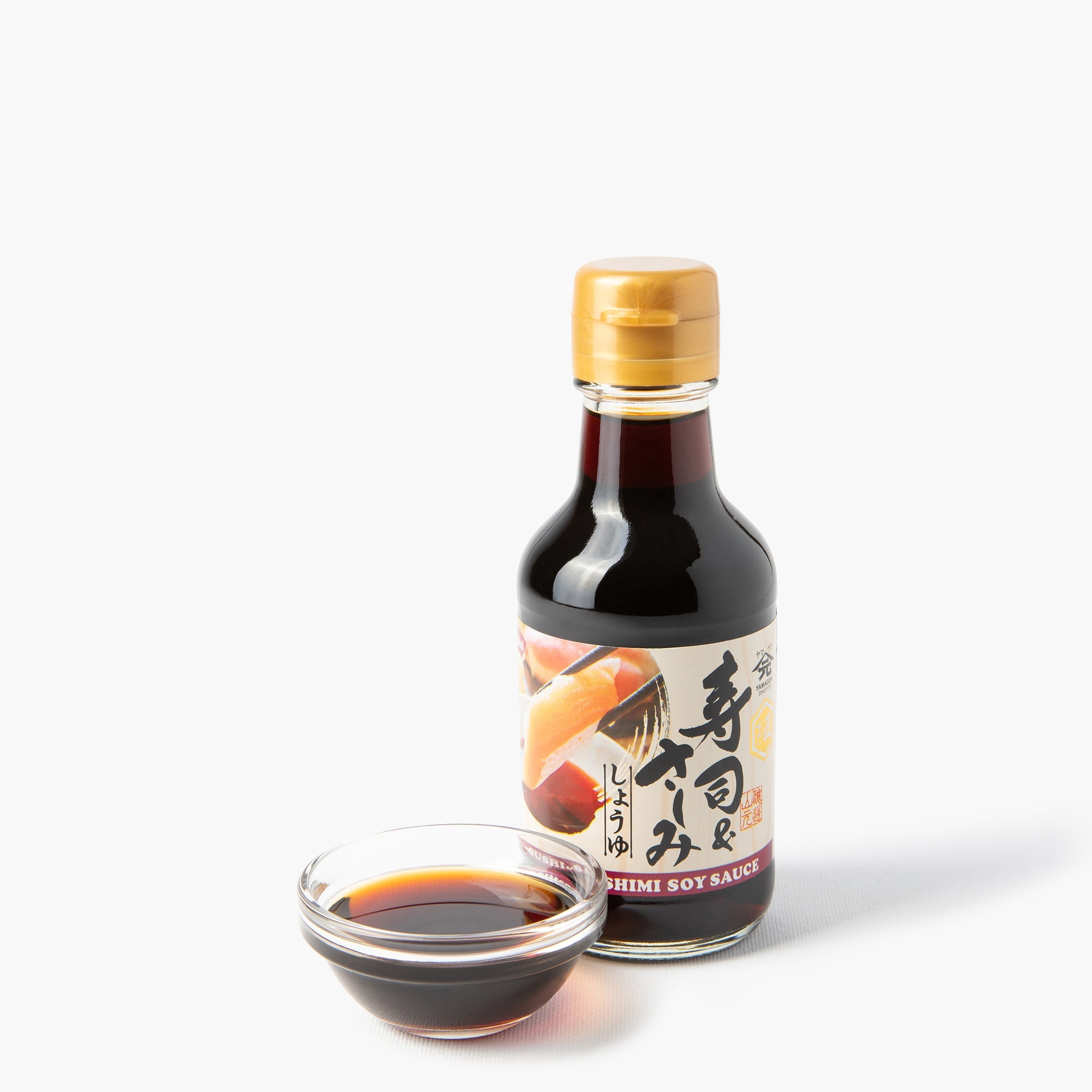
Light sweet soy sauce ⋅ Yamagen Jozo ⋅ 150ml
⋅ Soy sauce for sashimi & sushi⋅ Light & balanced flavor with a thick texture⋅ Pairs well with rice and wasabi⋅ Rich umami flavor without being...
Regular price 6.60 €Promotional price 6.60 € Regular priceUnit price 44.00 € by l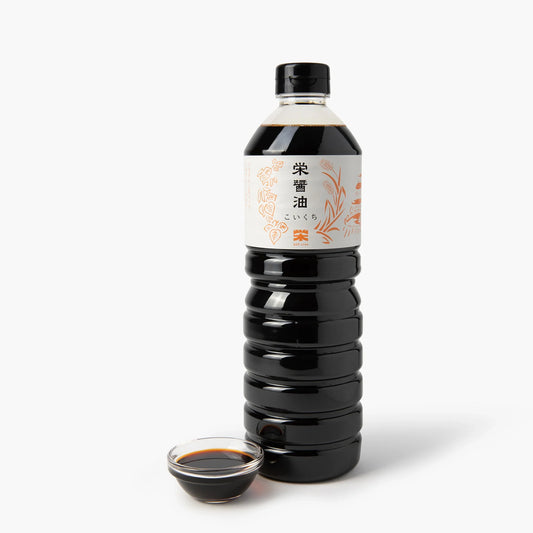
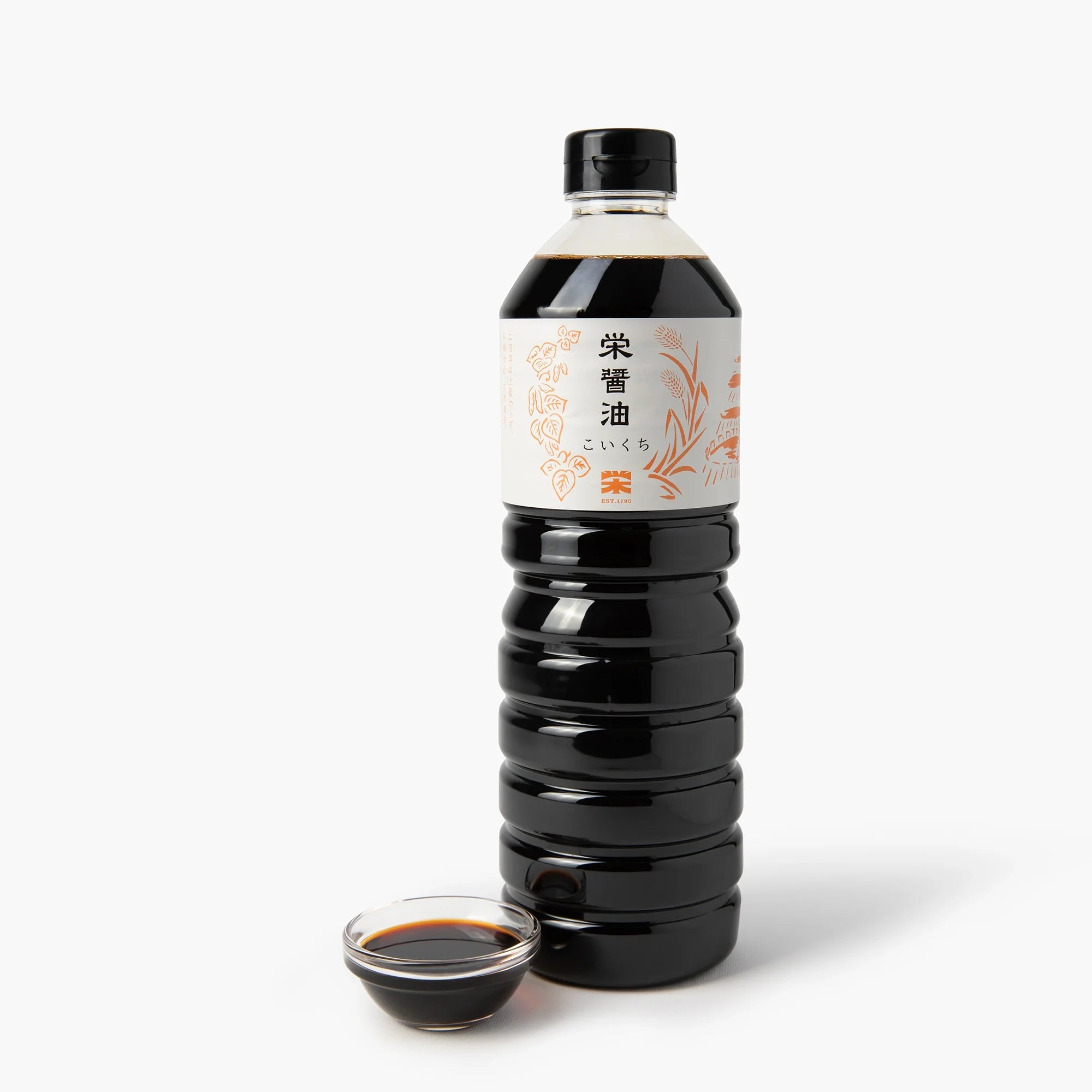
Balanced Soy Sauce ⋅ Sakae Shoyu Brewery ⋅ 1L
⋅ Balanced artisanal soy sauce⋅ Ideal for marinades, sauces, sashimi, or stir-fries.⋅ Perfect for everyday use or professional cooking.A classic soy sauce made using the Kioke...
Regular price 15.15 €Promotional price 15.15 € Regular priceUnit price 15.15 € by l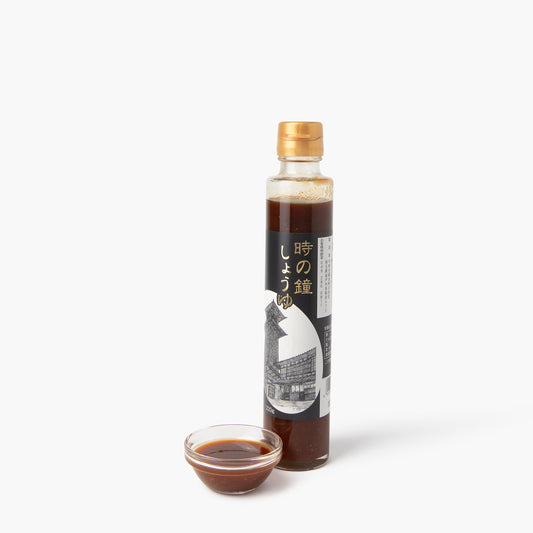
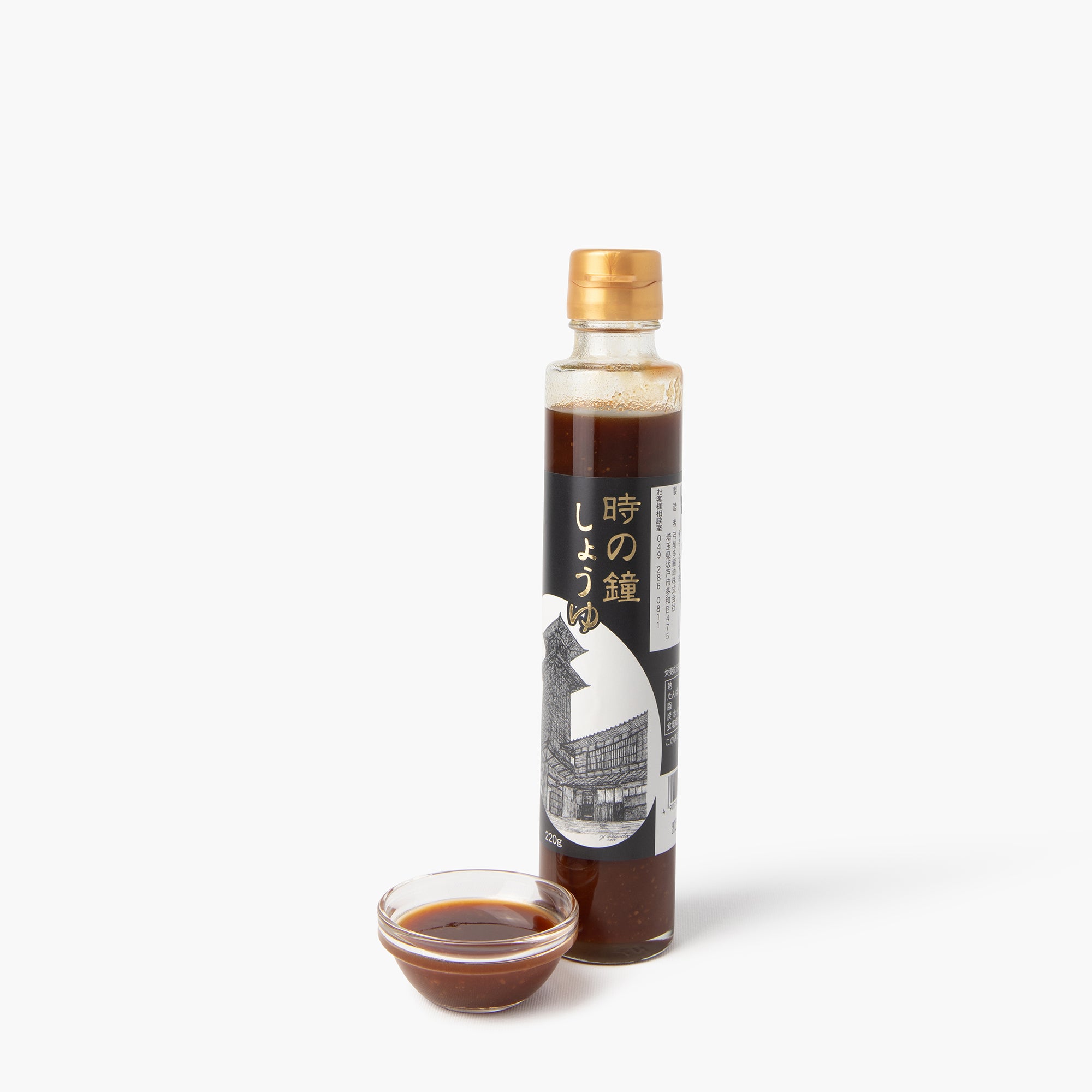
Toki no Kane sweet potato soy sauce ⋅ Yugeta Shoyu ⋅ 220g
⋅ Naturally sweet soy sauce⋅ Thick and creamy texture⋅ Handcrafted, fermented in cedar barrels⋅ No additivesThis soy sauce gets its unique character from an unexpected ingredient:...
Regular price 9.90 €Promotional price 9.90 € Regular priceUnit price 45.00 € by kg

Rice tamari soy sauce ⋅ Teraokake ⋅ 300ml
⋅ Gluten-free⋅ Versatile, well-balanced flavor⋅ Traditionally brewed and naturally fermentedThis tamari soy sauce is made in Hiroshima using local ingredients, with no added wheat. This makes...
Regular price 6.15 €Promotional price 6.15 € Regular priceUnit price 20.50 € by l
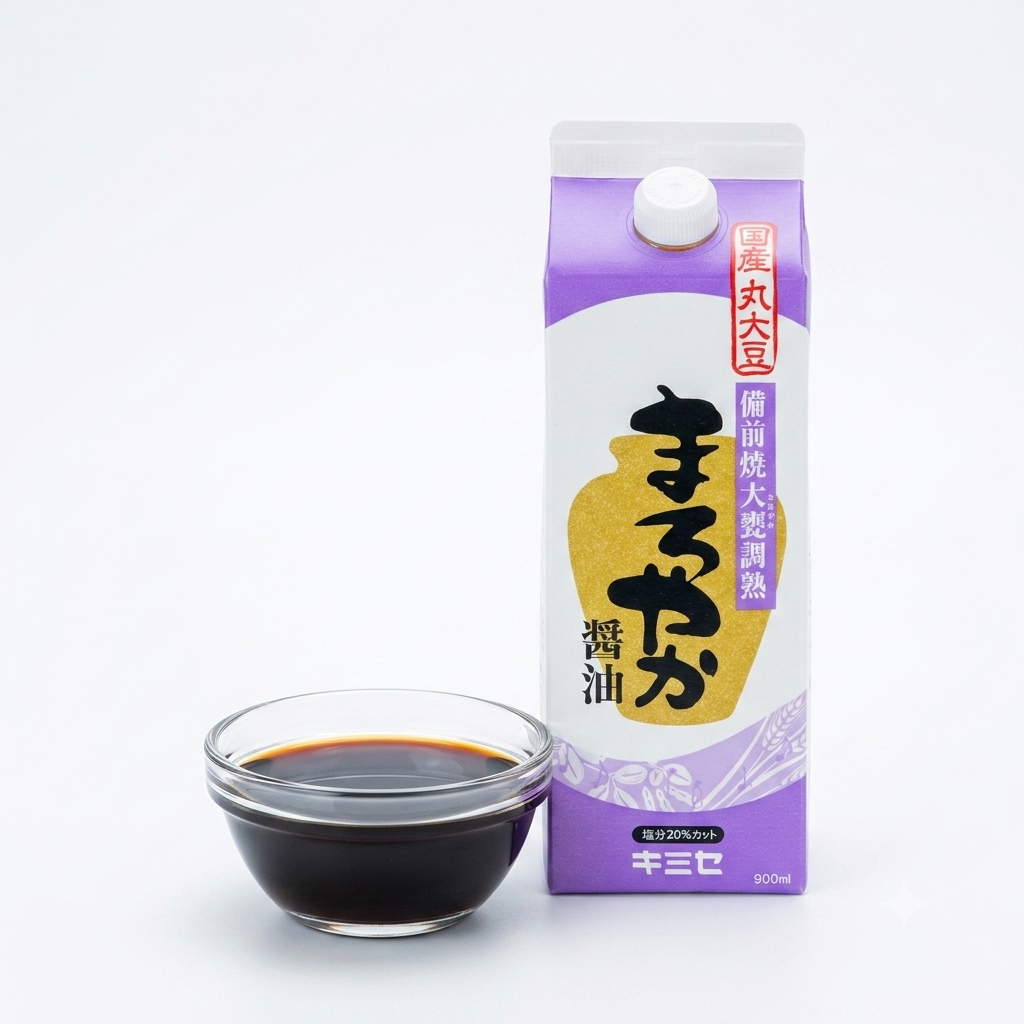
Balanced soy sauce ⋅ Kimise Shoyu ⋅ 500g
⋅ Mild and slightly sweet notes⋅ 5-grain soy sauce⋅ Traditionally brewed⋅ Ideal for stews and grilled fishThis artisanal soy sauce is made using a unique production...
Regular price 5.45 €Promotional price 5.45 € Regular priceUnit price 10.90 € by kg
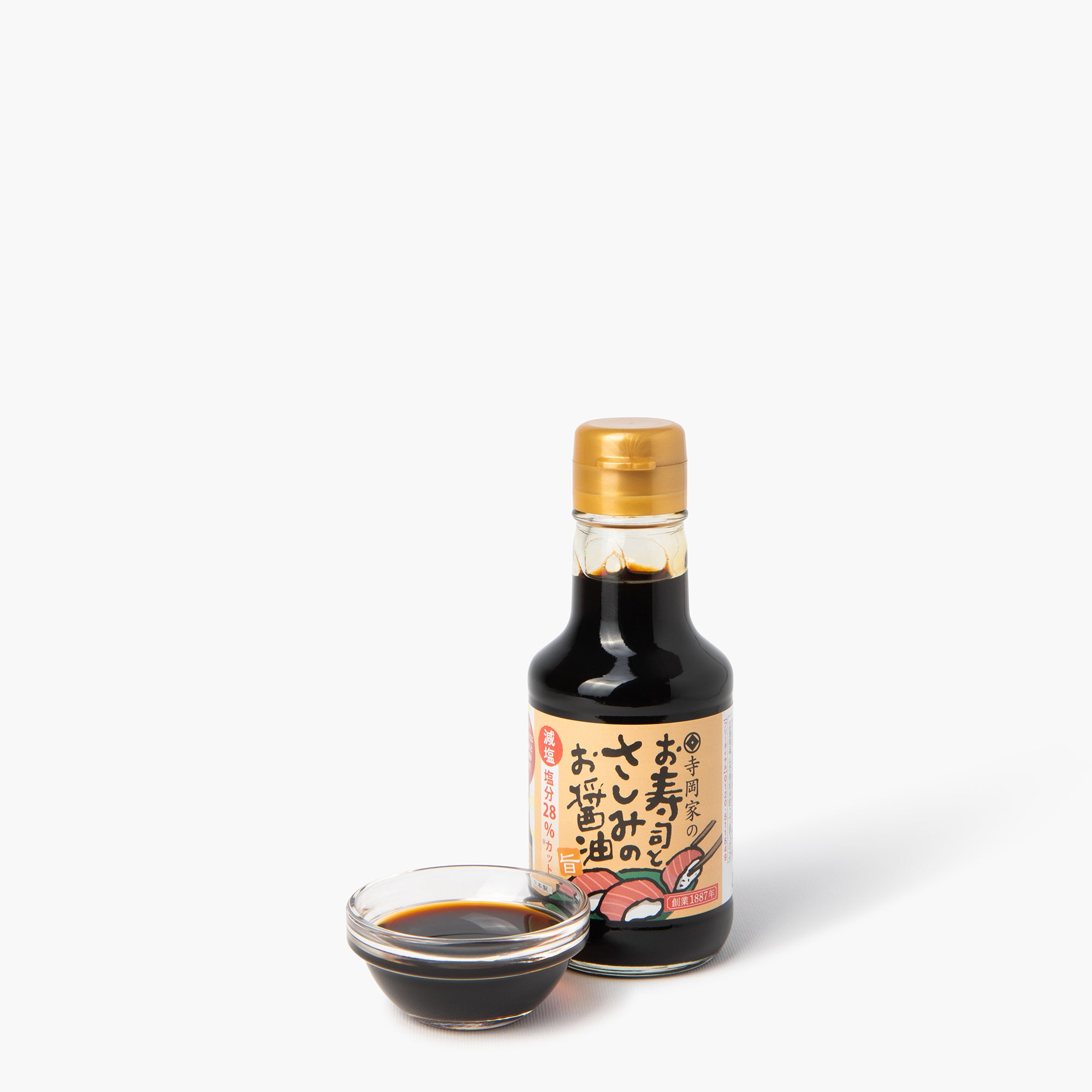
Soy sauce for sashimi ⋅ Teraokake ⋅ 150ml
⋅ Mild, slightly sweet notes⋅ Deep umami from shiitake mushrooms⋅ Traditional brewing and natural fermentation⋅ Perfect for serving with raw fishThis soy sauce for sushi and...
Regular price 4.45 €Promotional price 4.45 € Regular priceUnit price 29.67 € by l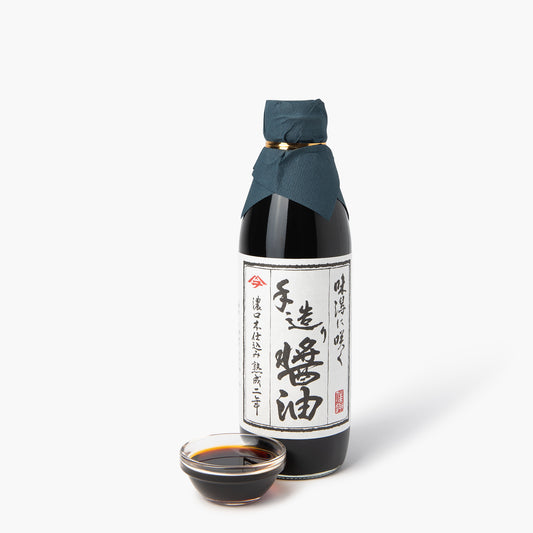
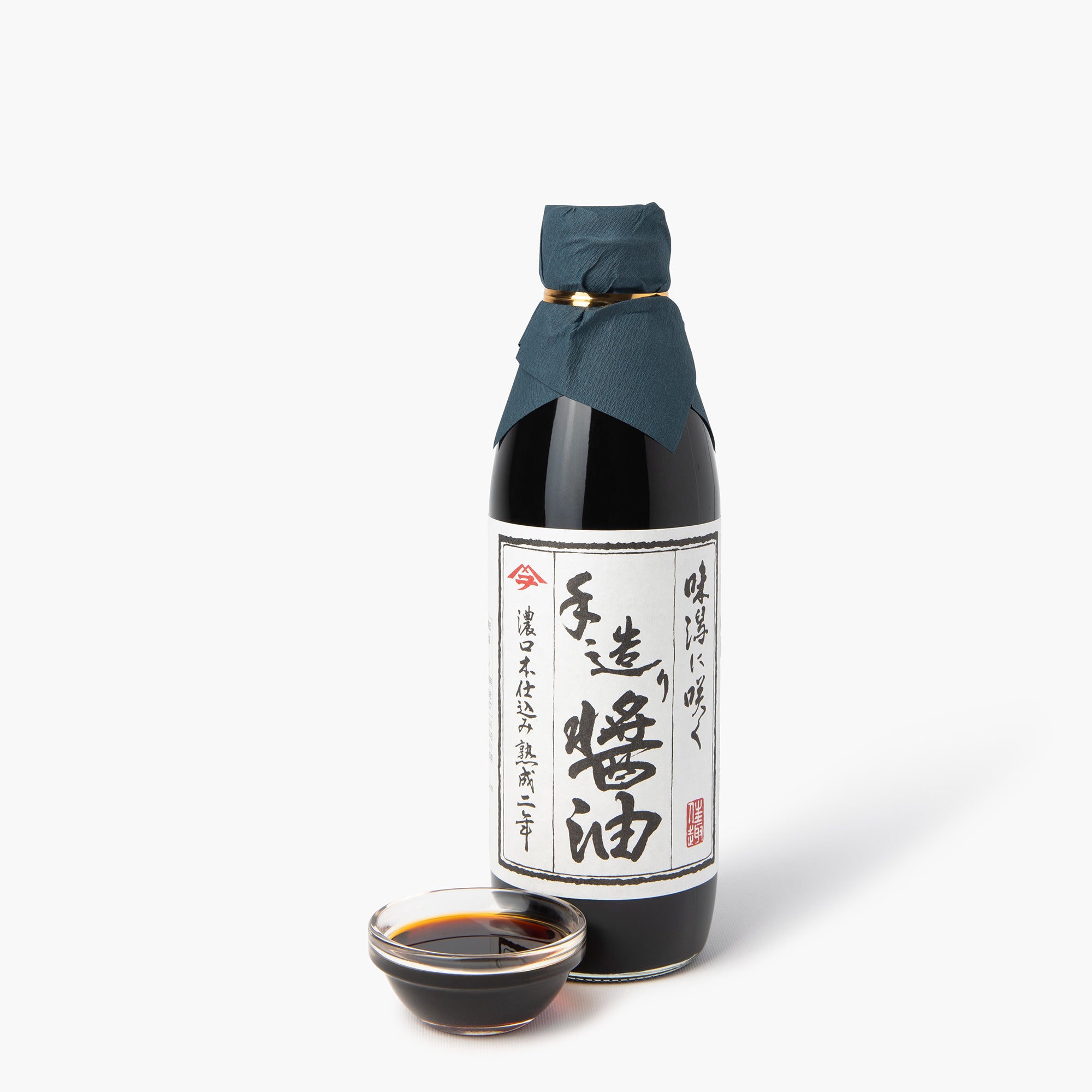
Intense soy sauce aged for 2 years ⋅ Okamoto Shoyu ⋅ 500ml
⋅ Two years of maturation⋅ Intense, deep umami⋅ Thick texture⋅ Perfect for marinades or at the end of cookingThis soy sauce is made using the honjikomi...
Regular price 17.70 €Promotional price 17.70 € Regular priceUnit price 35.40 € by l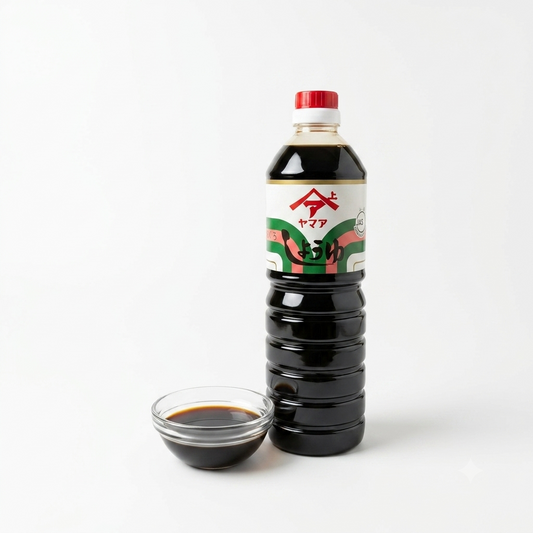
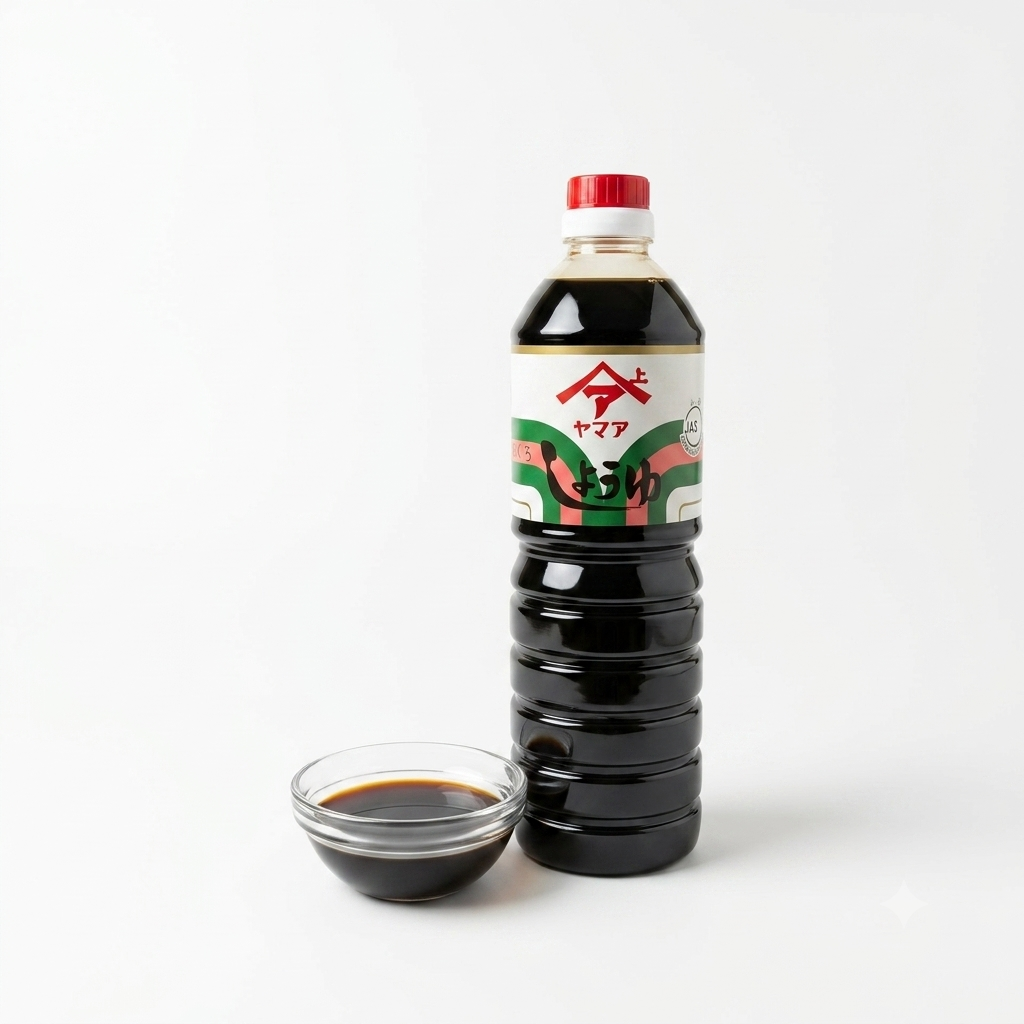
Sweet soy sauce ⋅ Matsuai Shokuhin ⋅ 1L
• Mild notes & intense umami• Perfect for everyday use• Ideal as a seasoning, dip, or for stewsThis soy sauce is typical of the island of...
Regular price 9.50 €Promotional price 9.50 € Regular priceUnit price 9.50 € by l

Sweet soy sauce ⋅ Hama Shoyu ⋅ 100ml
Regular price 13.35 €Promotional price 13.35 € Regular priceUnit price 133.50 € by lOur favorite recipes made with soy sauce


Learn more about Japanese soy sauce
What are the different types of soy sauce?
The main types of soy sauce include:
- Shoyu: Classic Japanese soy sauce, often divided into usukuchi (light) and koikuchi (dark).
- Tamari: A thicker soy sauce, often gluten-free.
- Saishikomi: Double-fermented soy sauce with a rich, complex flavor.
- Shiro: Light soy sauce, used to preserve the color of ingredients in dishes.
What is the difference between Japanese and Chinese soy sauce?
Japanese soy sauce (shoyu) is generally milder, slightly sweeter, and lighter in flavor than Chinese soy sauce, which can be saltier and more robust. Japanese soy sauce is often made with a blend of wheat and soybeans, while Chinese soy sauce uses less wheat, giving it a thicker texture and more pronounced flavor.
What is the difference between soy sauce and sweet soy sauce?
Salted soy sauce and sweet soy sauce share a common base, but they differ significantly in their composition, taste, and culinary uses.
Salted soy sauce is the most traditional form. It is made by fermenting soybeans, wheat, water, and salt. Its flavor is characterized by saltiness and umami, with more or less pronounced notes depending on its origin and fermentation time. It is mainly used as a table seasoning or as a cooking base, particularly to enhance dishes, marinate ingredients, or accompany sushi and sashimi.
Sweet soy sauce, on the other hand, is a variation enhanced with the addition of sugar, mirin, syrup, or other sweeteners. This addition softens the salty character and provides a rounder, more balanced flavor. Its texture is often more syrupy and glossy, making it ideal for coating, glazing, or caramelizing foods. It is frequently used in preparations such as teriyaki sauces, yakitori, and certain simmered dishes.
In short, salted soy sauce highlights umami and saltiness to season and enhance dishes, while sweet soy sauce brings sweetness, depth, and indulgence, creating a subtle balance between sweet and salty.
How is soy sauce made?
Soy sauce is made by fermenting soybeans and wheat with water, salt, and fermentation cultures (koji). The fermentation process can last several months, or even years for certain artisanal sauces. The sauce is then pressed, filtered, pasteurized, and bottled.
Which soy sauce should you choose for sushi?
For sushi, it is best to use a light soy sauce or usukuchi, which enhances the flavor of the fish without overpowering it. Tamari can also be used, especially by those looking for a gluten-free option.
How to use soy sauce in Japanese cuisine?
Soy sauce is a versatile ingredient in Japanese cuisine. It is used to season soups, sauces, marinades, and dressings, and as a condiment. For example, it is essential in dishes such as teriyaki, where it adds umami depth, or in dipping sauces like the one for gyoza.
Can soy sauce be replaced with another ingredient?
Yes, soy sauce can be replaced with alternatives such as coconut aminos (for a soy-free and gluten-free option) or tamari for those looking for gluten-free soy sauce. Diluted miso can also replace soy sauce in some recipes, offering a similar umami flavor.
How should soy sauce be stored?
Soy sauce should be stored in a cool, dark place, such as a cupboard. Once opened, it is recommended to store it in the refrigerator to preserve its freshness and flavor for longer.
How long does a bottle of soy sauce last?
The shelf life of an unopened bottle of soy sauce is generally 2 to 3 years. Once opened, it keeps well in the refrigerator for 6 months to a year without losing its quality, although it is recommended to use it within 6 months for optimal flavor.


