


Collection: Liqueurs - umeshu

-
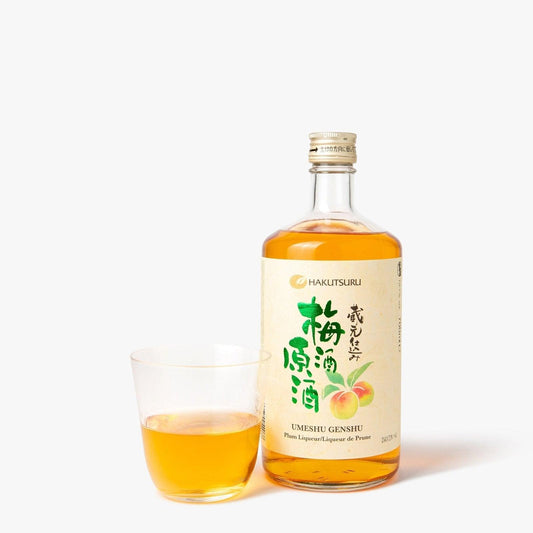

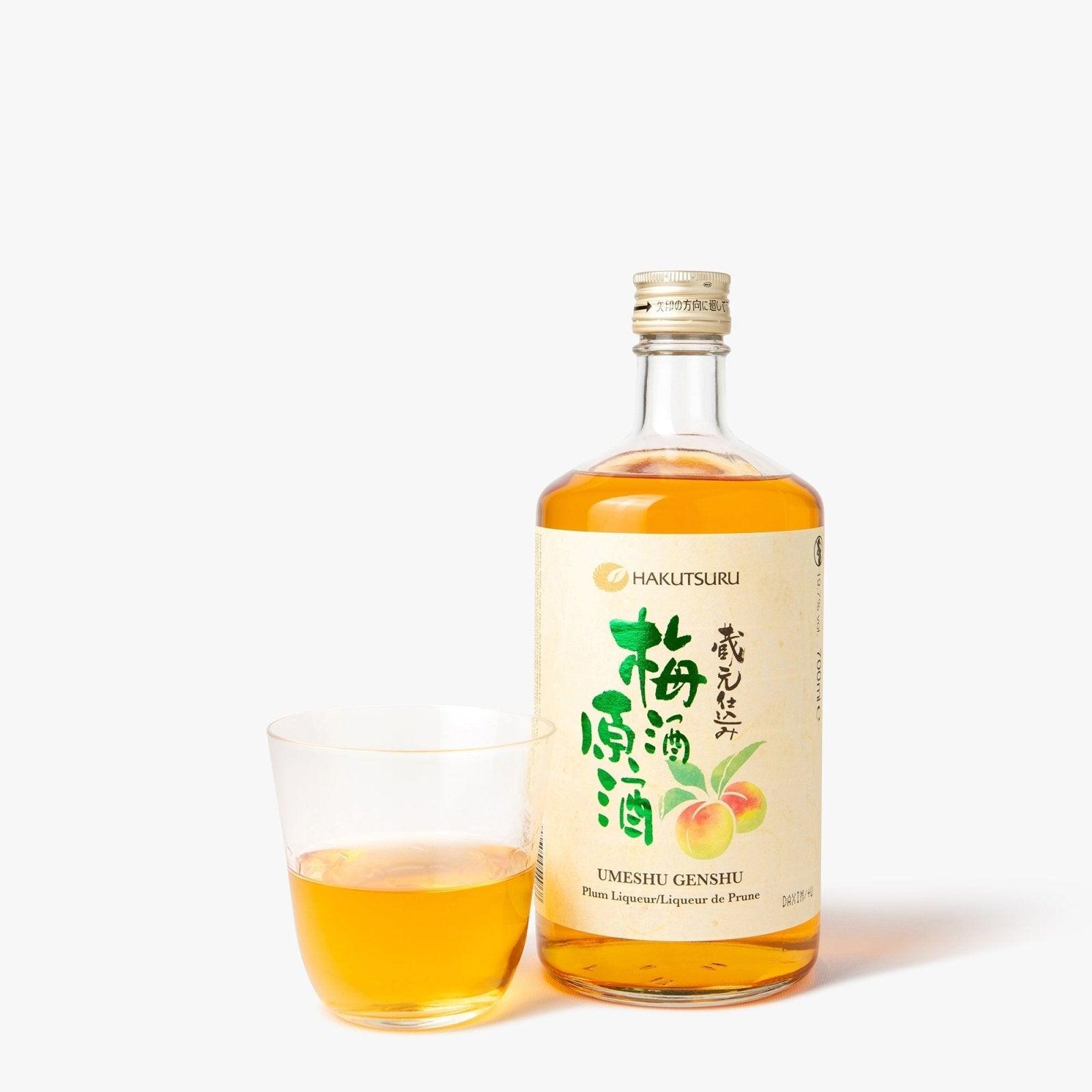
Genshu umeshu plum liqueur ⋅ 19.7% ⋅ 700ml
⋅ Made by Hakutsuru, renowned for its traditional expertise⋅ Flavors reminiscent of honey and almond⋅ Ideal as an aperitif or paired with dessertsThis umeshu, a plum...
Regular price 25.00 €Promotional price 25.00 € Regular priceUnit price 35.71 € by l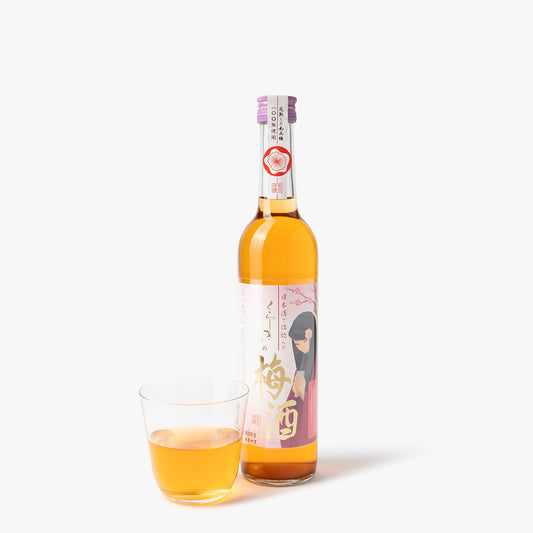
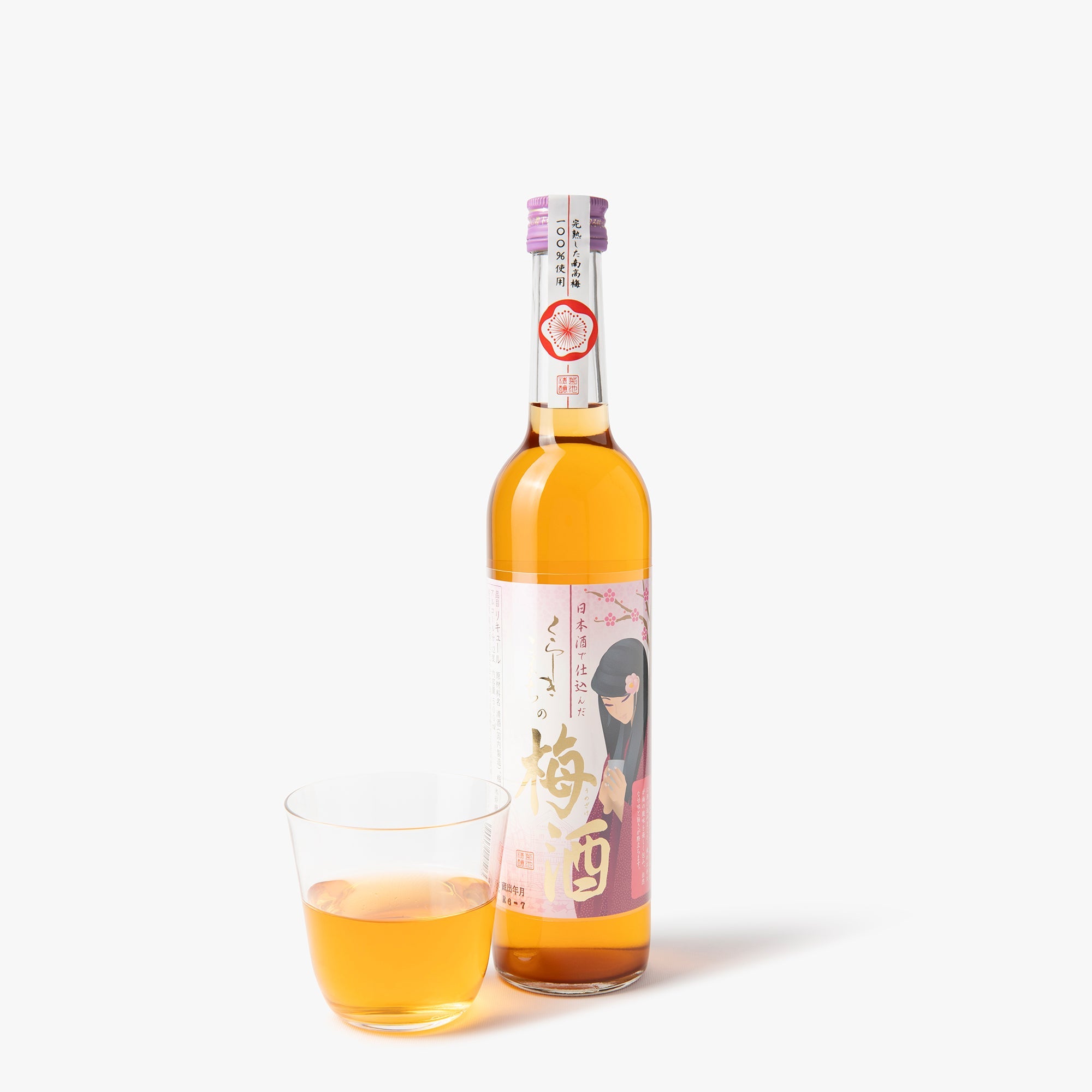
Kurashikikomachi plum liqueur Umeshu ⋅ 12% ⋅ 500ml
⋅ Artisanal plum liqueur⋅ Steeped in a local sake from the Okayama region called "Sanzen"⋅ Balanced flavors between the sake and the tartness of the plum⋅...
Regular price 18.00 €Promotional price 18.00 € Regular priceUnit price 36.00 € by l

Plum liqueur umeshu with fruit ⋅ 14.3% ⋅ 180g
•Made with the finest Japanese plums, •Deep, natural flavor.•Rich texture•Enjoy neat, in a cocktail, or over vanilla ice cream.A sweet umeshu plum liqueur with a slight...
Regular price 7.80 €Promotional price 7.80 € Regular priceUnit price 43.33 € by kg

Nihonshu Shikomi no Umeshu plum liqueur ⋅ 10% ⋅ 720ml
⋅ 100% artisanal plum liqueur⋅ Fruity, smooth, and pleasant flavor⋅ Macerated in sake⋅ Best enjoyed neat, on the rocks, or in a cocktail⋅ Pairs perfectly with...
Regular price 29.00 €Promotional price 29.00 € Regular priceUnit price 40.28 € by l

Nakano umeshu plum liqueur ⋅ 14% ⋅ 180ml
⋅ Made in the Kishu region, famous for its plums⋅ Sun-ripened plums steeped in alcohol and sugar⋅ Sweet and fruity flavor⋅ Enjoy neat, on the rocks,...
Regular price 7.80 €Promotional price 7.80 € Regular priceUnit price 43.33 € by l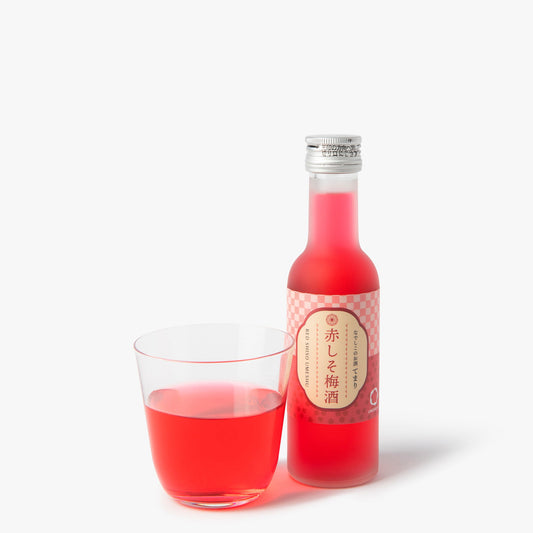
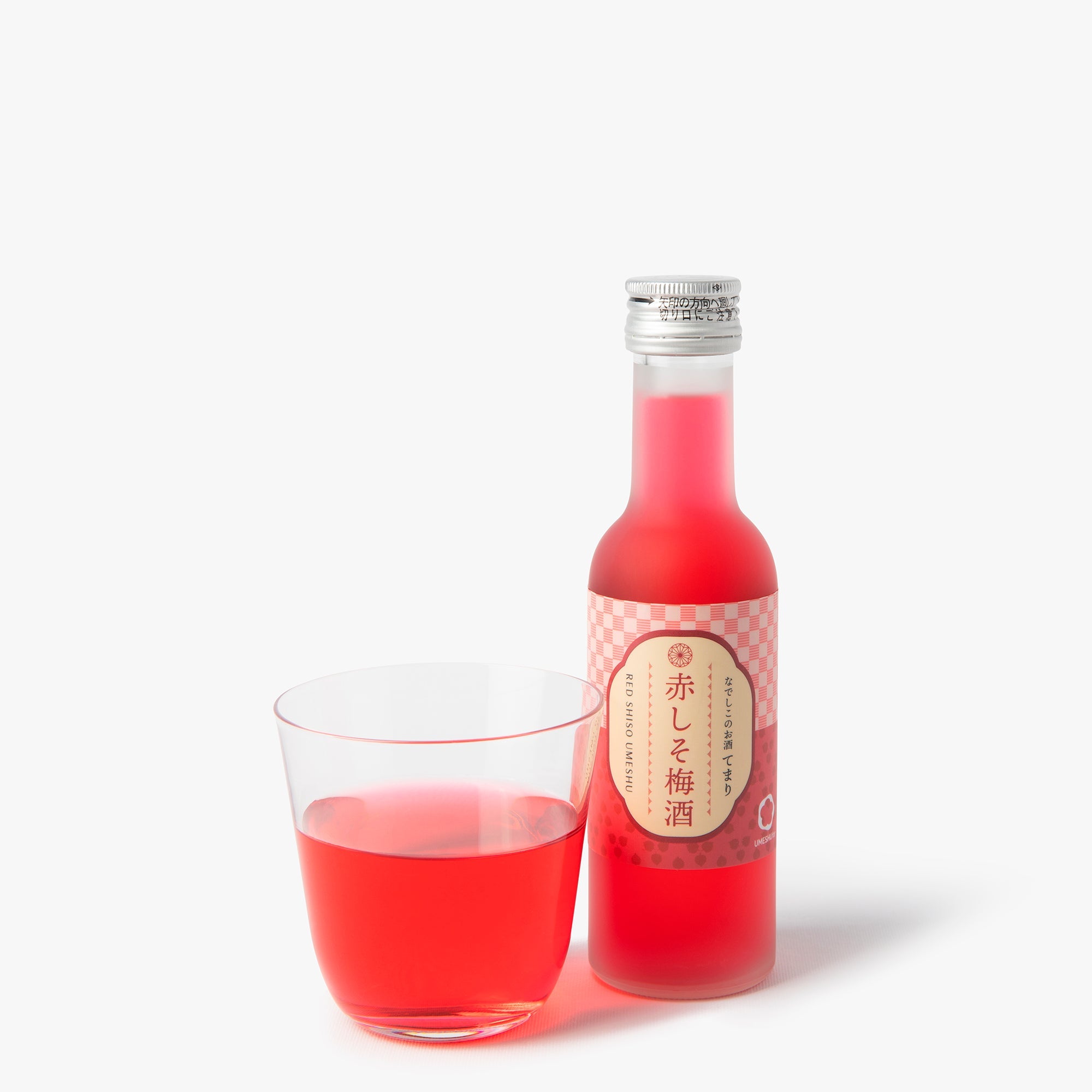
Nakano yukari red shiso umeshu plum liqueur ⋅ 12% ⋅ 180ml
⋅ Made with Nanko plums from the Wakayama region⋅ Flavored with red shiso, a Japanese aromatic herb⋅ Perfect as an aperitif, with a meal, or in...
Regular price 7.80 €Promotional price 7.80 € Regular priceUnit price 43.33 € by l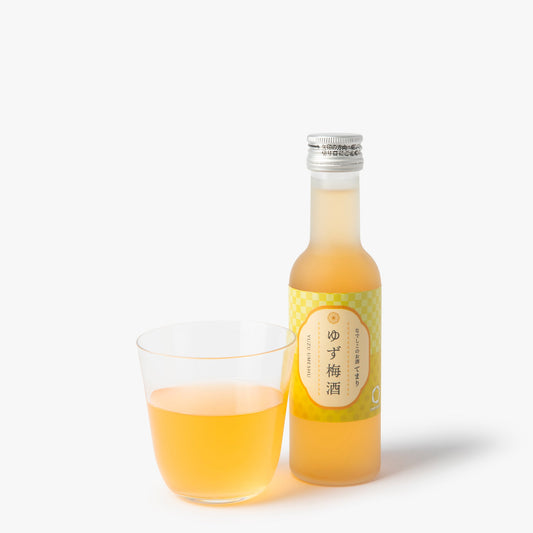
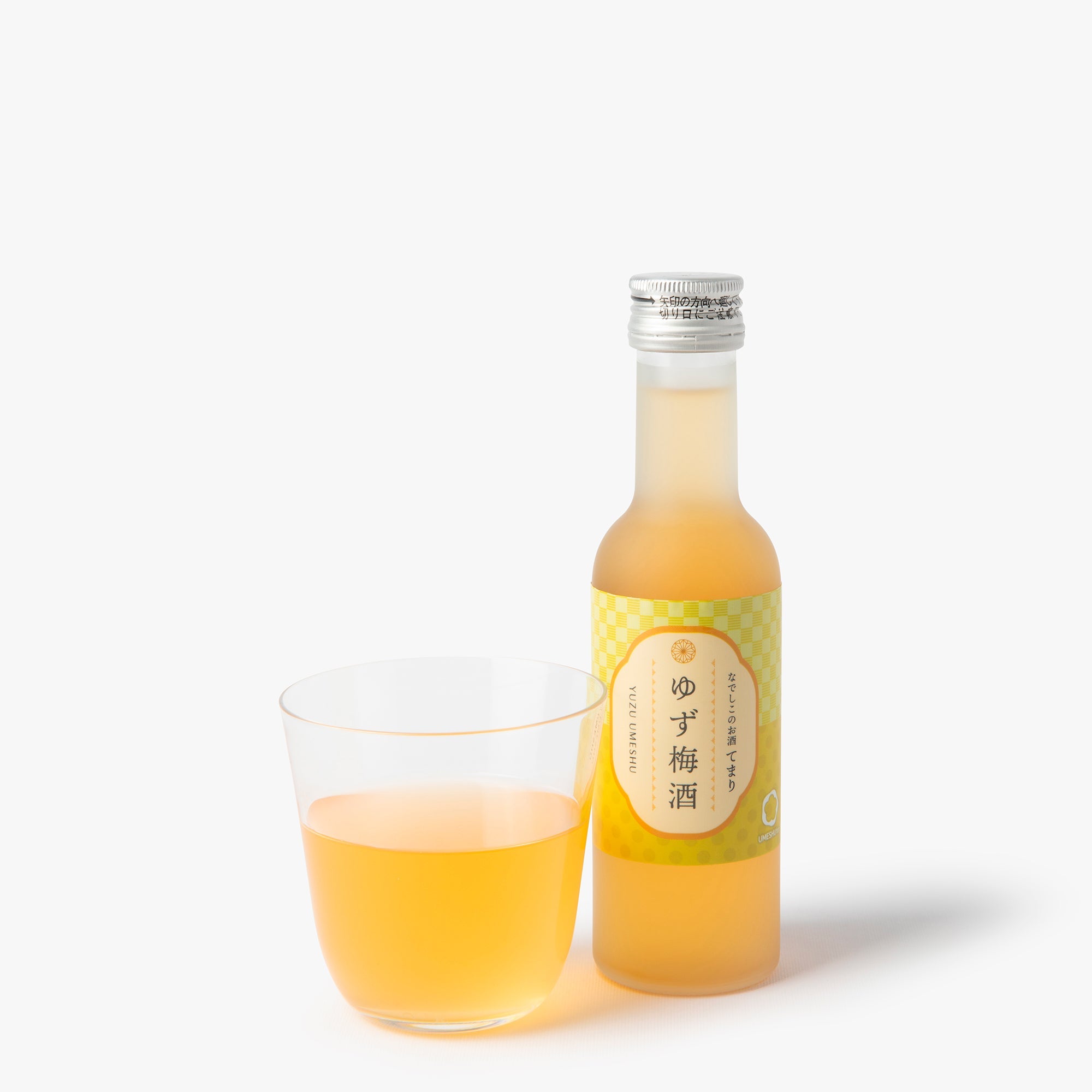
Nakano yuzu umeshu plum liqueur ⋅ 12% ⋅ 180ml
⋅ A blend of umeshu and Japanese yuzu⋅ Fruity and tangy flavors⋅ Plums macerated with sugar, alcohol, and yuzu juice⋅ Enjoy neat, on the rocks, or...
Regular price 7.80 €Promotional price 7.80 € Regular priceUnit price 43.33 € by l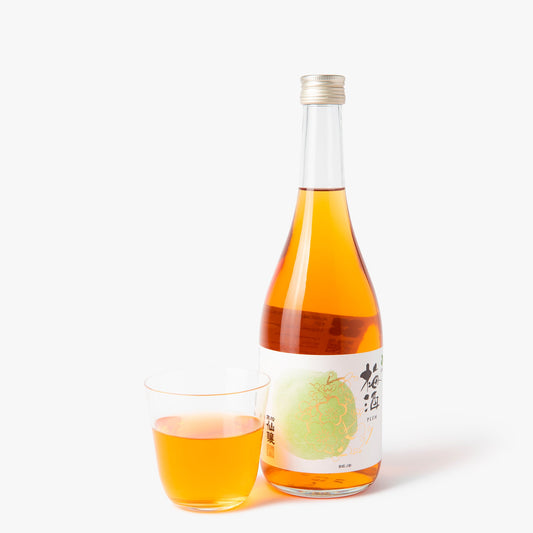
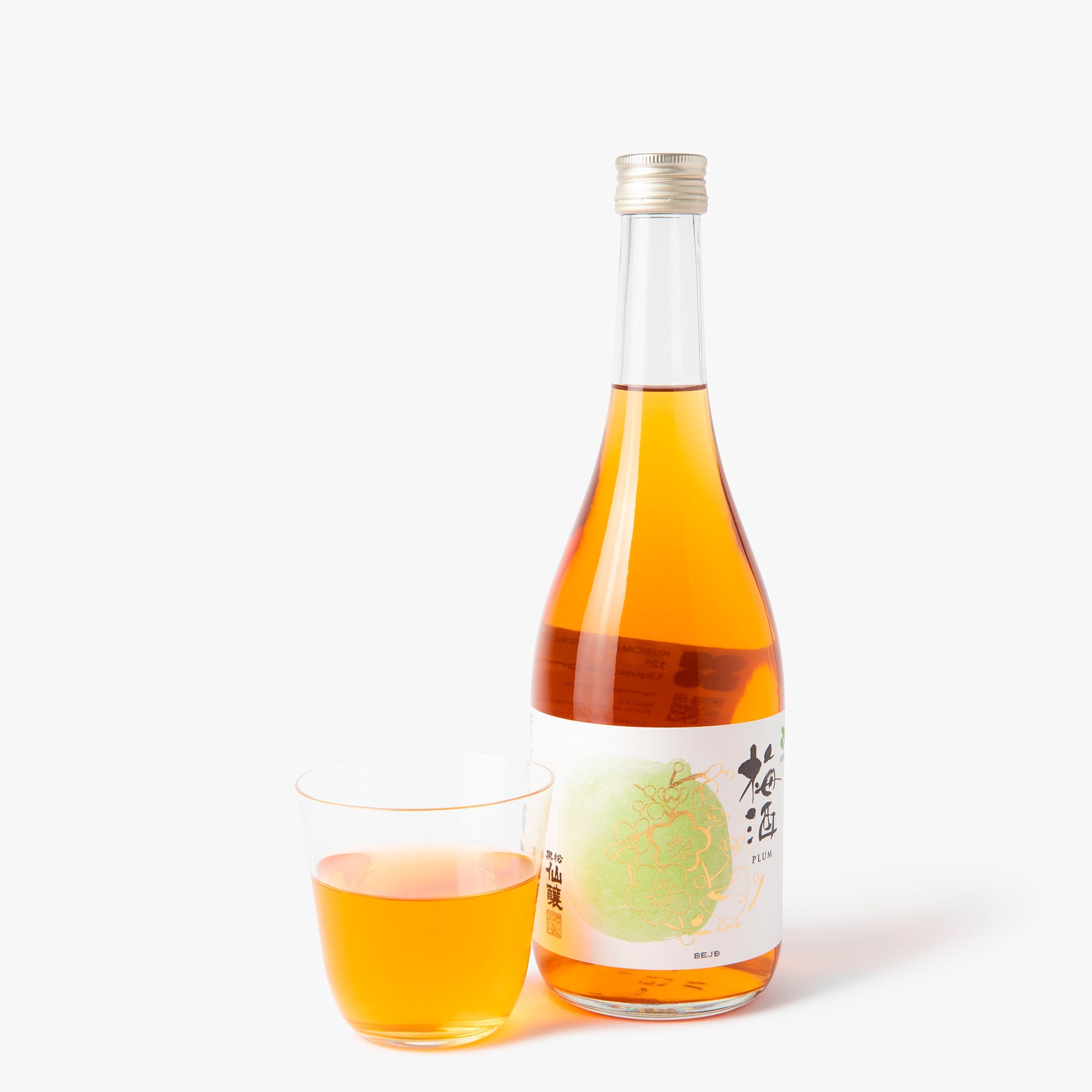
Kuromatsu Senjo Umeshu plum liqueur ⋅ 12% ⋅ 720ml
⋅ Made from fresh green plums from Minami-⋅ Shinchu⋅ Sake base for a smooth, refined sweetness⋅ Best served chilled, on the rocks, or with sparkling water⋅...
Regular price 26.00 €Promotional price 26.00 € Regular priceUnit price 36.11 € by l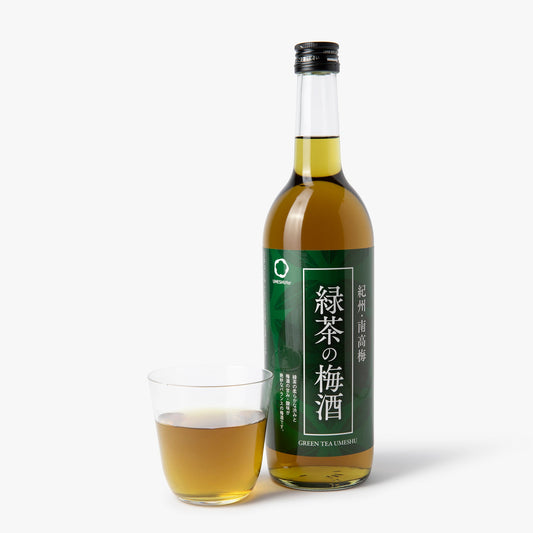
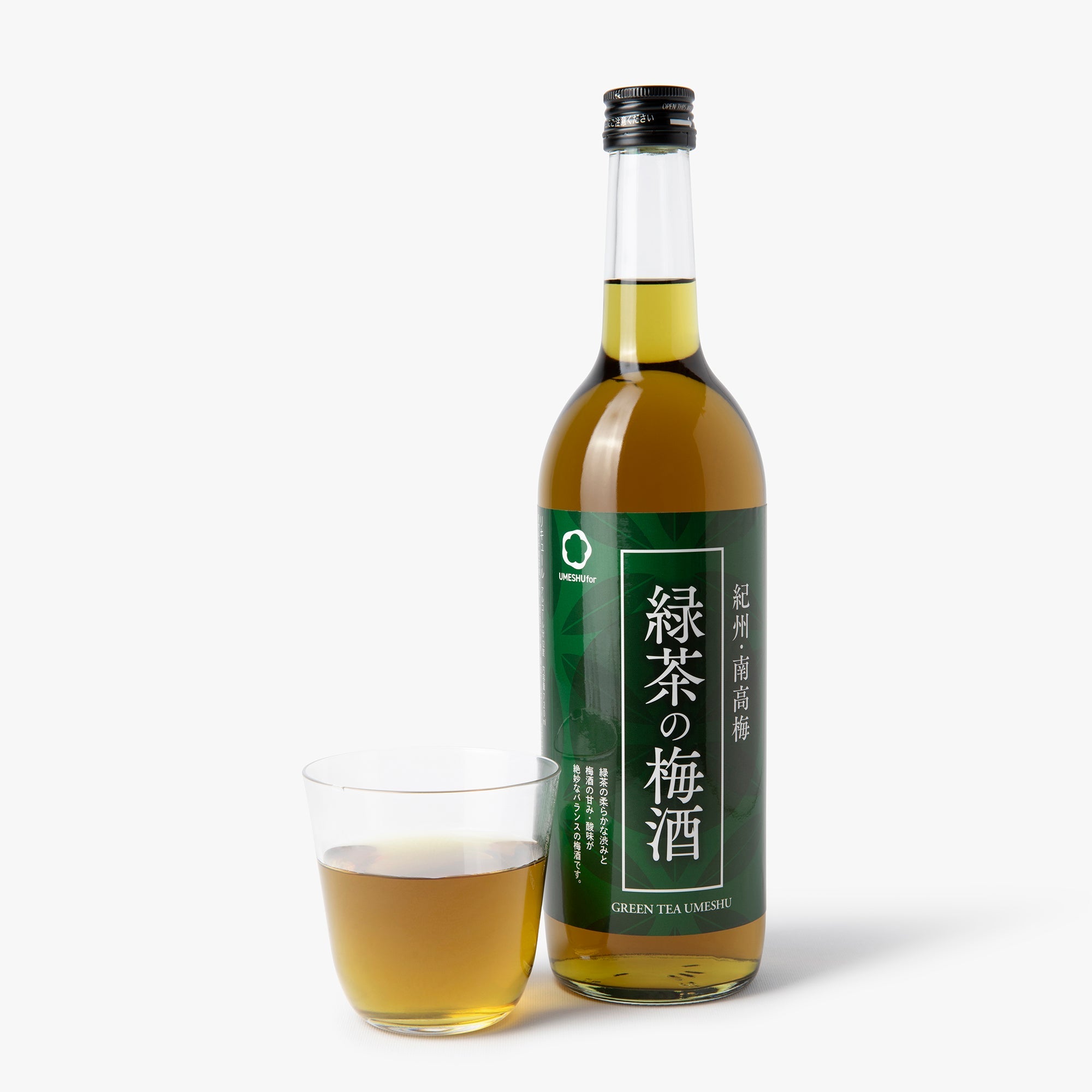
Umeshu Ryokucha Nakano green tea plum liqueur ⋅ 12% ⋅ 720ml
⋅ A blend of Wakayama plums and Uji green tea⋅ Sweet and slightly bitter flavor⋅ Ideal neat, on the rocks, or in a cocktail⋅ Perfect as...
Regular price 21.00 €Promotional price 21.00 € Regular priceUnit price 29.17 € by l

Nigori Umeshu Plum Liqueur ⋅ 9.5% ⋅ 700ml
•Made exclusively with premium-quality ume plums.•Velvety texture •No artificial flavors or colors.•Enjoy neat, mixed with soda, lemonade, or in a cocktail.A nigori plum liqueur with a...
Regular price 22.00 €Promotional price 22.00 € Regular priceUnit price 31.43 € by lLearn more about umeshu
How is umeshu made?
Umeshu (梅酒) is a traditional Japanese liqueur made from ume plums, known for their tart, fruity flavor. Here are the main steps in its production:
1. Selecting the ingredients
Umeshu is made from three essential ingredients:
- Ume plums: Japanese plums harvested while still green or slightly yellow. They are not eaten raw because of their acidity.
- Alcohol: generally neutral shochu (or 35% distilled alcohol), although some also use sake or a neutral spirit such as vodka.
- Sugar: often kōrizatō (rock sugar), which dissolves slowly and allows the flavors to be extracted gradually.
2. Maceration
The plums are washed, dried, and sometimes lightly pricked to encourage infusion. They are placed in a large airtight container with the sugar and alcohol, alternating the layers.
3. Maturation period
The mixture rests for at least 6 months, ideally 1 to 2 years. During this period, the plums release their aromas and natural sugars, gradually enriching the alcohol.
4. Filtration and bottling
Once maceration is complete, the umeshu is filtered to remove the fruit and any sediment. It is then bottled and can continue to age, developing more complex flavors.
Variations and serving suggestions
Umeshu can be enjoyed neat, over ice ("on the rocks"), diluted with water or soda, or even used in cocktails. Some producers add honey or herbs to create flavored versions.
It is appreciated for its balance of sweetness and acidity, making it perfect as an aperitif or alongside light Japanese dishes.
What is the origin of umeshu?
Umeshu is a traditional Japanese liqueur that originated in the Wakayama region of Japan, renowned for its ume plums. This product is made by macerating plums in a blend of shochu or sake with sugar. The first mention of this drink dates back more than 1,000 years, and over time it has become one of Japan's favorite beverages, appreciated for its sweet, slightly tart flavor.
The plums used, often the nanko variety, are harvested while they are still green and macerated in alcohol, producing a liqueur with fruity notes. Umeshu is now recognized worldwide and appears on many lists of essential Japanese drinks.
What cocktails can be made with umeshu?
Umeshu, with its fruity sweetness and distinctive plum flavor, is the perfect ingredient for creative cocktails. Here are some ideas for making the most of this Japanese liqueur:
- Umeshu Tonic: Mix umeshu with sparkling water or tonic water for a light and refreshing drink. Add a few plums or a slice of yuzu to enhance the fruity and tangy notes.
- Umeshu Sour: This cocktail combines umeshu, fresh lemon juice, and a little sugar syrup to balance the acidity. An excellent choice for those who enjoy a cocktail that is both sweet and slightly tangy.
- Umeshu Spritz: Mix umeshu with sparkling wine or sparkling water, and add a slice of orange for a citrusy touch. This light cocktail is ideal for aperitifs.
- Umeshu and Shochu: For a stronger cocktail, mix umeshu with shochu (Japanese distilled spirit) for a spirited experience with lovely depth of flavor.
How should umeshu be stored?
To preserve umeshu, it is essential to follow a few simple rules to maintain its fruity notes and quality. Here are some tips:
- Storage at room temperature: As long as the bottle of umeshu is unopened, you can store it at room temperature in a cool, dark place, away from direct light and heat. This helps preserve the liqueur’s aromas and maturity.
- Refrigeration after opening: Once the bottle has been opened, it is recommended to store the umeshu in the refrigerator to prolong its freshness. Although umeshu keeps for quite a long time, the cooler temperature will slow its oxidation.
- Consume within a year: Although umeshu can be kept for several months after opening, it is advisable to consume it within a year to fully enjoy its rich fruit notes, such as plum and yuzu.
- Fermentation and aging: Some types of umeshu, especially those that have been aged for a long time, can be enjoyed over time, but it is important to check the liqueur’s quality before consumption to avoid any loss of flavor or maturity.
What is the difference between umeshu and other Japanese liqueurs?
Umeshu stands out from other Japanese liqueurs because of its unique base of ume plums, which gives it a sweet, fruity, and slightly tart flavor.
- Umeshu and Sake: Sake is an alcoholic beverage made from fermented rice, while umeshu is a fruit liqueur made by macerating plums in alcohol, often shochu or sake. Sake offers a drier, umami flavor, whereas umeshu is soft and sweet, with fruity notes.
- Umeshu and Shochu: Shochu is a distilled liqueur (generally made from rice, sweet potatoes, or wheat) with a higher alcohol content, while umeshu is a sweet beverage made by maceration, often with a lower alcohol content, and has a softer, fruitier flavor.
- Umeshu and Awamori: Awamori, another distilled Japanese liqueur, comes mainly from Okinawa and is made from rice. It has a more robust and less sweet flavor than umeshu, which stands out for its sweetness from the macerated plums.
- Umeshu and Yuzushu: Yuzu liqueur is also a fruit-based alcoholic beverage, but it uses yuzu, a Japanese citrus fruit, for its tart and aromatic notes. Compared with umeshu, which has a softer and sweeter flavor, yuzu liqueur is tarter and slightly bitter.
Why is umeshu considered a symbol of longevity?
Umeshu is considered a symbol of longevity in Japan for several cultural and traditional reasons related to ume plums and their purported beneficial properties.
- Ume plums and health: In Japanese culture, ume plums are renowned for their medicinal properties. They are often associated with beneficial effects on digestion and the detoxification of the body. In traditional medicine, ume plums are believed to help eliminate toxins, regulate acidity, and strengthen the digestive system. These health benefits contribute to the notion of longevity.
- Symbolic role in Japanese culture: Ume plums are also a symbol of prosperity and resilience in Japanese culture, as they are often among the first flowers to bloom in spring. This symbolizes renewal, vitality, and the ability to overcome difficulties - qualities closely associated with a long and healthy life.
- The use of umeshu in celebrations: Umeshu is traditionally consumed during various celebrations, such as birthdays and New Year festivities, occasions when people wish one another longevity and lasting health. This association reinforces its role as a symbol of a long life.
What is the difference between aging and maceration of an alcoholic beverage?
Maceration consists of infusing solid ingredients (fruit, plants, spices) in an alcoholic liquid to extract their aromas, colors, and sometimes active compounds.
- The liquid used may be neutral alcohol, wine, or another spirit.
- This process can last from a few hours to several months, depending on the desired aromatic intensity.
Maturation: how flavor evolves over time
Maturation, also known as aging, refers to the resting period of an alcohol, often in a wooden barrel (mainly oak), to enhance its flavor and complexity.
- Through contact with the wood, the alcohol absorbs tannins and aromatic compounds that give it woody, vanilla, or spicy notes.
- Maturation can last from a few months to several decades, depending on the alcohol.


