

A
ABURAAGE (油揚げ): fried tofu cut into thin rectangular or square slices. It can be stuffed or added to dishes as desired.
AGAR-AGAR (kanten): a natural gelling agent extracted from red algae. Widely used in Japanese and Asian cuisine, it is used to make jellies, desserts, and plant-based dishes. Unlike animal gelatin, it provides a firmer texture and sets at room temperature.
AJITSUKE TAMAGO 味付け卵: These are brown-colored hard-boiled eggs that have been marinated in soy sauce, mirin, and/or sake and sugar for at least 24 hours to fully bring out the flavors of the marinade. They’re mainly found in ramen, but they also make wonderful snacks!
AMAZAKE 甘酒: a traditional Japanese beverage that is slightly sweet and contains little to no alcohol, made by fermenting rice. It is produced using kōji (Aspergillus oryzae) or sake lees. Rich in enzymes, B vitamins, and amino acids, it is valued for its energy-boosting and digestive benefits.
ANKO 餡子: a sweet red bean paste mainly used to make desserts. To make it at home, boil the beans, mash them, then add sugar and salt. The secret is to keep stirring constantly!
AONORI (Aonori): dried seaweed that has been flaked and is used as a garnish on various Japanese dishes. Not to be confused with nori, which is darker in color and has a milder flavor.
ARAME: an edible brown seaweed belonging to the Laminaria family. Native to the coastal waters of Japan and Korea, it is often dried and cut into thin strips before being rehydrated for use in cooking. It has a mild, slightly sweet flavor, making it ideal for salads, soups, or stir-fries.
AWAMORI: a traditional alcoholic beverage from the island of Okinawa, Japan. Distilled from rice, it is known for its high alcohol content, typically ranging from 30% to 43%. Unlike sake, which is fermented, awamori is distilled, giving it a more robust and sometimes slightly sweet flavor.
B
CHOPSTICKS 箸 (hashi): used in Japanese cuisine to pick up and eat food. Made of wood, bamboo, plastic, or metal, Japanese chopsticks are generally thinner than those used in other Asian cultures. They are an essential utensil for most meals, particularly for eating rice, sushi, noodles, or vegetables. The word "hachi" also refers to chopsticks specifically designed to be used with one hand.
BANCHA 番茶: a mid-grade Japanese green tea, typically harvested after the first tea harvest of the year. Bancha has a milder flavor that is less grassy and less astringent than young teas. It is often consumed daily in Japan and is appreciated for its light, refreshing taste, as well as its digestive benefits. It is also more affordable, making it a popular choice for everyday meals.
BENISHOGA (Red Ginger): ginger pickled in apricot vinegar and used as a condiment. Its bright red color and tangy flavor are highly prized for enhancing the taste of dishes. It is commonly found in yakisoba, okonomiyaki, and takoyaki.
BENTO 弁当: a complete, individual meal packed in a box. Very common in Japan, this lunchbox accompanies Japanese people throughout their lives and typically consists of carbohydrates, fresh vegetables, and protein, and may include a dessert—such as fruit—to ensure a balanced meal.
C
CHAWANMUSHI 茶碗蒸し: a savory Japanese egg custard steamed in a bowl (chawan). Its texture is smooth and silky, similar to a flan or custard. It is flavored with dashi, soy sauce, and mirin, and topped with ingredients such as shrimp, chicken, shiitake mushrooms, or kamaboko (fish paste).
CHASEN 茶筅: a traditional bamboo whisk used to prepare matcha (powdered green tea) as part of the Japanese tea ceremony. It is used to mix matcha with hot water to create a frothy, smooth texture. It is made from several strands of finely cut bamboo
CHIRASHI-ZUSHI ちらし寿司: a type of sushi in which vinegar-seasoned rice is served in a bowl or on a plate and topped with an assortment of ingredients such as raw fish, shrimp, eggs, pickled vegetables, and seaweed. There are several regional styles, including Edomae chirashi, with sashimi arranged harmoniously, and Gomoku chirashi, where the ingredients are mixed into the rice.
RICECOOKER 炊飯器 (suihanki): The rice cooker is a simple and convenient appliance that allows you to cook rice to perfection without supervision. Simply rinse the rice, add it to the pot with the right amount of water, and start the cooking cycle. Thanks to its heating and absorption system, it guarantees fluffy, evenly cooked rice. Some models even keep the rice warm after cooking.
CURRY カレー: Originally from India, kare raisu first appeared in Japan in the 1960s. This curry is inexpensive, easy to prepare, and very comforting. It’s suitable for all diets because it can be made with meat or vegetables. It is sold commercially in the form of tablets to be dissolved in water. You can also prepare your own spice blend and make a roux.
D
DAIFUKU 大福: This pastry is made of mochi, a sticky rice dough, and is traditionally filled with anko, a sweet red bean paste, and/or fruit. Considered a symbol of "good fortune" in Japan, it is eaten on New Year's Day or during tea ceremonies.
DAIKON 大根: Harvested and eaten mainly in the fall, this large white radish has a slightly spicy and sweet flavor. Its freshness helps balance out rich dishes such as tempura.
DASHI 出汁: A key ingredient in Japanese cuisine, this broth is traditionally made from kombu seaweed and katsuobushi, or dried bonito. It is known for its intense umami flavor and serves as the base for many dishes.
DENGAKU 田楽: A Japanese dish made by grilling ingredients such as tofu, eggplant, konjac, or yams, then coating them with a sweet miso sauce. This dish dates back to medieval times and takes its name from a ritual agricultural dance. The sauce, often made with red or white miso, mirin, and sugar, imparts a rich, slightly caramelized umami flavor.
DONBURI 丼: This traditional Japanese dish, made with rice and various toppings, is very popular because it is hearty, simple, and quick to prepare. What sets it apart is that the rice and ingredients are all served in the same bowl, unlike typical Japanese culinary practices where white rice is served separately, as are the other foods that accompany it.
DORAYAKI どら焼き: a Japanese pastry consisting of two soft pancakes, usually filled with anko, a sweet red bean paste. Its round shape resembles a gong (dora in Japanese), hence its name. There are variations with other fillings such as matcha cream, chocolate, or chestnut paste.
E
EBI 海老 or エビ: means "shrimp" in Japanese. In Japanese cuisine, it refers to various shrimp-based dishes, such as ebi tempura (deep-fried shrimp), ebi nigiri (shrimp on vinegared rice), or ebi furai (breaded and fried shrimp). Depending on the recipe, shrimp can be served raw, grilled, boiled, or marinated.
EDAMAME 枝豆: These green soybeans are harvested before they ripen and are served in their pods as an appetizer, paired with a cold beer! They are high in protein and iron, and their taste is similar to that of green peas.
ENOKI えのき: A Japanese mushroom with long, slender stems and small white caps. It has a crisp texture and a mild flavor. Used in soups, salads, stir-fries, or nabe, it absorbs flavors well. Enoki mushrooms are rich in nutrients such as vitamins and antioxidants.
F
KARAAGE FLOUR (Karaage yô katakuriko): ideal for making karaage fried chicken with a crispy, slightly grainy texture, while keeping the meat tender and juicy on the inside. It is made from wheat flour, potato starch, salt, and baking soda. It may be flavored with ginger or garlic powder.
OKONOMIYAKI FLOUR お好み焼き用小麦粉 (Okonomiyaki yô komugiko): perfect for making thick, hearty pancakes known as okonomiyaki. It is made from wheat flour, potato starch, and other ingredients that give the batter a light texture.
TEMPURA FLOUR: 天ぷら粉 (Tempura ko) This mixture of wheat flour, starch, and sometimes baking soda is a key ingredient for making crispy, light tempura.
RICE FLOUR 米粉 (komeko): used in both sweet and savory dishes, but it is primarily used for pasta, bread, or as a substitute for wheat flour in gluten-free recipes. It is also used in the preparation of okonomiyaki (Japanese pancakes) or tempura.
RICE FLOUR FOR MOCHI 白玉粉 (shiratamako): Made from glutinous rice, this flour is primarily used to make traditional Japanese sweets such as daifuku and mochi.
BUCKWHEAT FLOUR 蕎麦粉 (sobako): This gluten-free flour is traditionally used in Japanese cuisine to make soba noodles. Its distinctive, nutty flavor adds a lot of depth to dishes. It has a grayish, almost brown color.
SOYBEAN FLOUR 黄粉 (kinako): a fine powder made by grinding roasted soybeans. It has a mild, slightly nutty flavor and is commonly used in Japanese cuisine, particularly in desserts. Kinako is often sprinkled on pastries such as mochi or dango, and can be mixed into hot or cold beverages, such as soy milk.
POTATO STARCH 片栗粉 (katakuriko): commonly used in Japanese cuisine. It is used to thicken sauces, as a coating for fried foods (such as tempura), or to create light batters. Its fine, light texture gives dishes a silky consistency while remaining neutral in flavor. It is also used in Japanese desserts, such as neri-kiri and mochi.
WARABI MOCHI STARCH わらび粉 (warabiko): This is an essential ingredient in making warabi mochi dough, a dessert made from warabi starch, which comes from a type of fern. The result is a dessert with a gelatinous texture, traditionally topped with kinako, roasted soybean flour, and kuromitsu, a brown sugar syrup.
FURIKAKE ふりかけ: This seasoning comes in powder form and is often made from seaweed, sesame seeds, and dried fish. In Japanese, "furikake" means "to sprinkle," as it is sprinkled over white rice to add flavor.
G
GENMAICHA 玄米茶: This tea has a very distinctive flavor, thanks to notes of roasted brown rice combined with the freshness of green tea. The result is a rich, slightly sweet tea that is just as delicious hot as it is cold.
GOBÔ ごぼう: the Japanese name for burdock root, a root vegetable commonly used in Japanese cuisine. In addition to its flavor, gobo is also valued for its health benefits, as it is rich in fiber, minerals, and antioxidants.
GOHAN ご飯: refers to cooked rice, an essential staple in Japanese cuisine. It can be eaten plain or served as a side dish with various meals. The word "gohan" can also refer to a full meal, including rice with side dishes and main courses.
GYOKURO 玉露: This highly refined shade-grown tea has a subtle, mellow flavor that will appeal to those who do not care for the bitterness of green tea. It is considered one of the most prestigious teas in Japan due to its cultivation and meticulous preparation away from direct sunlight.
GYOZA 餃子: a type of dumpling of Chinese origin that is popular in Japanese cuisine. It is usually made of thin dough, stuffed with ground meat (often pork) and vegetables (such as cabbage, garlic, and ginger), then folded into a half-moon shape. Gyoza are often pan-fried using a cooking method called "yaki" (grilled). They are often served with a soy sauce dipping sauce lightly seasoned with vinegar.
GYÛDON 牛丼: a traditional Japanese dish consisting of thinly sliced beef and white rice. The meat is cooked in a sweet-and-salty sauce made with soy sauce, sugar, mirin, and dashi, along with caramelized onions. The dish is served over a bowl of hot rice.
H
WHITE BEANS (shiroingen mame): Larger than red beans and oval in shape, they are mainly used in confectionery to make shiroan paste.
AZUKI BEANS (azuki): Coming in second only to soybeans on the list of the Japanese people’s favorite legumes, azuki beans are mainly processed into anko paste and used to make desserts.
HIJIKI ヒジキ: A dark brown, almost black seaweed, hijiki is rich in iron, calcium, and vitamins. Often served as a side dish, hijiki is a common ingredient in many Japanese dishes .
HIYAMUGI 冷や麦: Japanese wheat noodles similar to soba (buckwheat noodles) but made from wheat flour. They are thicker than somen, another type of thin noodle. Hiyamugi is traditionally eaten cold during the summer months, often served with a soy-based sauce called tsuyu and accompanied by various toppings such as green onions, seaweed, or sesame seeds.
HIYAYAKKO 冷奴: a simple and refreshing Japanese dish made with cold tofu. The tofu, usually silken tofu, is served in a bowl or on a plate and topped with various condiments such as chopped green onions, grated ginger, seaweed, katsuobushi (dried bonito flakes), or shoyu (soy sauce).
HOJICHA ほうじ茶: Roasting this green tea gives it a rich, indulgent flavor with notes of toast. Its low caffeine content makes it perfect for enjoying at any time of day.
SESAME OIL ごま油 (goma abura): Used in many recipes, this highly aromatic oil is made from roasted sesame seeds. There is a spicy version called rayu, which originated in China.
RICE BRAN OIL: 米油 (kome abura) is rich in antioxidants, fiber, and vitamin E. This golden-colored rice bran oil has a mild, light flavor and a smooth texture.
I
INARI SUSHI 稲荷寿司: a type of sushi characterized by vinegared rice wrapped in a pocket of marinated fried tofu called aburaage. This tofu pouch is lightly sweetened and simmered in a sauce made from soy sauce, sugar, and mirin, giving it a slightly sweet and salty flavor. It is also popular as an offering at temples in Japan.
ITAME stir-fry: a Japanese stir-fry dish made with various ingredients, typically served with julienned ginger and seasoned with soy sauce.
IZAKAYA 居酒屋: a Japanese bar where you can enjoy a drink while sampling a variety of simple yet tasty dishes. The atmosphere is relaxed and friendly, and customers come here after work to unwind. Izakayas often serve small portions of dishes such as yakitori skewers, sushi, tempura, salads, and other typical Japanese snacks.
J
JABARA: Although it resembles a lemon, the jabara is larger and juicier. Cultivated in Japan for only about thirty years, it is used for its juice and zest, or ground into powder to season fish and salads.
JAGABATAA (Potato with Butter): Originating in the Hokkaido region, this dish consists of a potato stuffed with butter. It is mainly eaten as an appetizer and can be served with cheese or seafood.
JAGAIMO ジャガイモ: the Japanese word for potato. It is widely used in Japanese cuisine, particularly in dishes such as korokke (croquettes), nimono (simmered dishes), salads, and jagaimo no miso soup (potato miso soup).
K
KABOCHA squash: This squash is characterized by its dark green skin with white stripes and its orange flesh. It has a slightly sweet taste reminiscent of chestnuts. Unlike French pumpkins, its skin is edible. It is mainly eaten in the fall, in both savory and sweet dishes.
KAESHI かえし: a sauce made from mirin, soy sauce, sugar, and sometimes dashi. It is often added to noodle broth to add depth and umami.
KAKIGOORI かき氷: typically enjoyed in the summer, this shaved ice is served with syrup in a wide variety of flavors. From green tea to strawberry to sesame, there’s something for everyone!
KARAAGE 唐揚げ: This Japanese frying technique most commonly refers to fried chicken, a very popular and inexpensive dish in Japan.
KATSUDON カツ丼: a traditional Japanese dish consisting of rice topped with crispy tonkatsu and served with a mixture of soft-boiled eggs and onions. It is often eaten by students in the evening before an exam because the word "katsu" in Japanese means "to succeed" or "to win."
KATSUOBUSHI 鰹節: These shavings of dried bonito (a fish related to tuna) are used in dashi broth but also as a seasoning. Very thin and light, they seem to move on the plate and can be quite surprising the first time you see them!
KIMPIRA 金平: a traditional Japanese side dish served with rice and made primarily of carrots and burdock root. These are finely cut into sticks, stir-fried in soy sauce and sugar, and then sprinkled with white sesame seeds.
KINOKO キノコ: refers to mushrooms in Japanese. It is used to describe various types of edible mushrooms that are commonly used in Japanese cuisine. Among the most popular varieties are shiitake, enoki, maitake, and shimeji. They are often used in soups, broths, stir-fries, or as a topping for rice and noodle dishes.
KISHIMEN きしめん: flat, wide noodles similar to tagliatelle, typical of the Nagoya region in Japan. Made from wheat flour, they have a smooth texture and a slightly firm bite, making them ideal for soups or stir-fries.
KISSATEN 喫茶店: a traditional Japanese coffee shop, often seen as a place to relax and enjoy a drink—such as coffee, tea, or juice—sometimes accompanied by light snacks or pastries. Kissaten are popular for their calm, retro atmosphere, with interiors that often evoke the 1950s and 1960s.
KOJI: a ferment made from steamed rice that is inoculated with a mold that converts starch into simple sugars, amino acids, and other beneficial compounds. It is used for its complex and subtle umami flavor and its notes of sourdough and chestnut.
KOMBU 昆布: This seaweed comes in the form of a large, thick brown sheet with a slightly firm texture and a delicate umami flavor, enriching dishes with subtle, briny notes of the sea.
KONJAC 蒟蒻 (konnyaku): This root vegetable, nicknamed the "devil's tongue" because of its distinctive shape, is typically enjoyed as a paste or in vermicelli form. In addition to being high in fiber and very low in calories, it works well in many recipes.
KONPEITO コンペイトウ: a traditional Japanese confectionery shaped like small, colorful, crystallized stars. It is made from sugar. It is known for its crunchy texture and sweet taste, and is often eaten during festivals or religious events.
KOROKKE コロッケ: a Japanese dish inspired by French croquettes. It consists of a breaded and fried patty, typically made from mashed potatoes mixed with ground meat (often pork or beef) or vegetables. The mixture is coated in breadcrumbs and then fried until golden and crispy on the outside, while remaining soft on the inside.
KUKICHA 茎茶: a type of Japanese tea made from the stems, side shoots, and sometimes the branches of the tea plant, rather than the leaves. It has a mild, slightly herbaceous flavor with a hint of nuttiness. It is often less astringent than other green teas such as sencha and is valued for its digestive benefits. Kukicha is also rich in minerals and antioxidants, making it a healthy choice for tea lovers.
KUROMITSU 黒蜜: a thick, dark syrup made from unrefined cane sugar and molasses.
KUZUKO Kuzu Flour: a fine white powder made from the roots of the kuzu plant. It can be used to bind sauces, thicken soups and desserts, and give certain dishes a soft, chewy texture.
M
MAKI 巻: Similar to sushi, makizushi consists of vinegared rice wrapped in nori seaweed and filled with various ingredients in the center.
MAKISU 巻き簾: This Japanese kitchen utensil, which can be translated as “rolling mat,” consists of a bamboo mat bound with cotton string, featuring a smoother, flatter side designed for making maki.
MANJU 饅頭: This dome-shaped, steamed pastry is very popular in Japan. Traditionally filled with red bean paste, its dough is made from water, sugar, starch, and rice, wheat, or buckwheat flour.
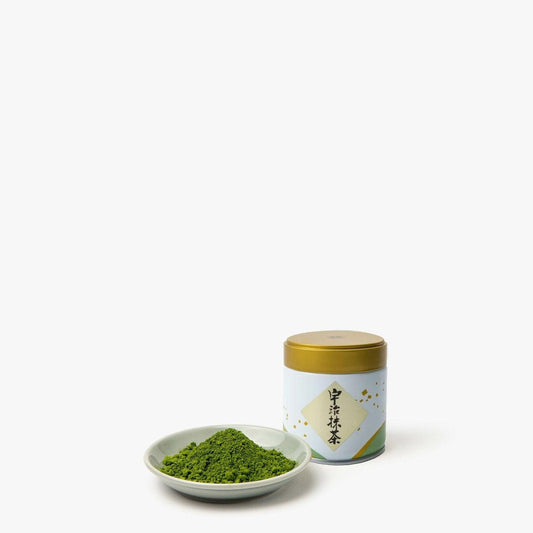
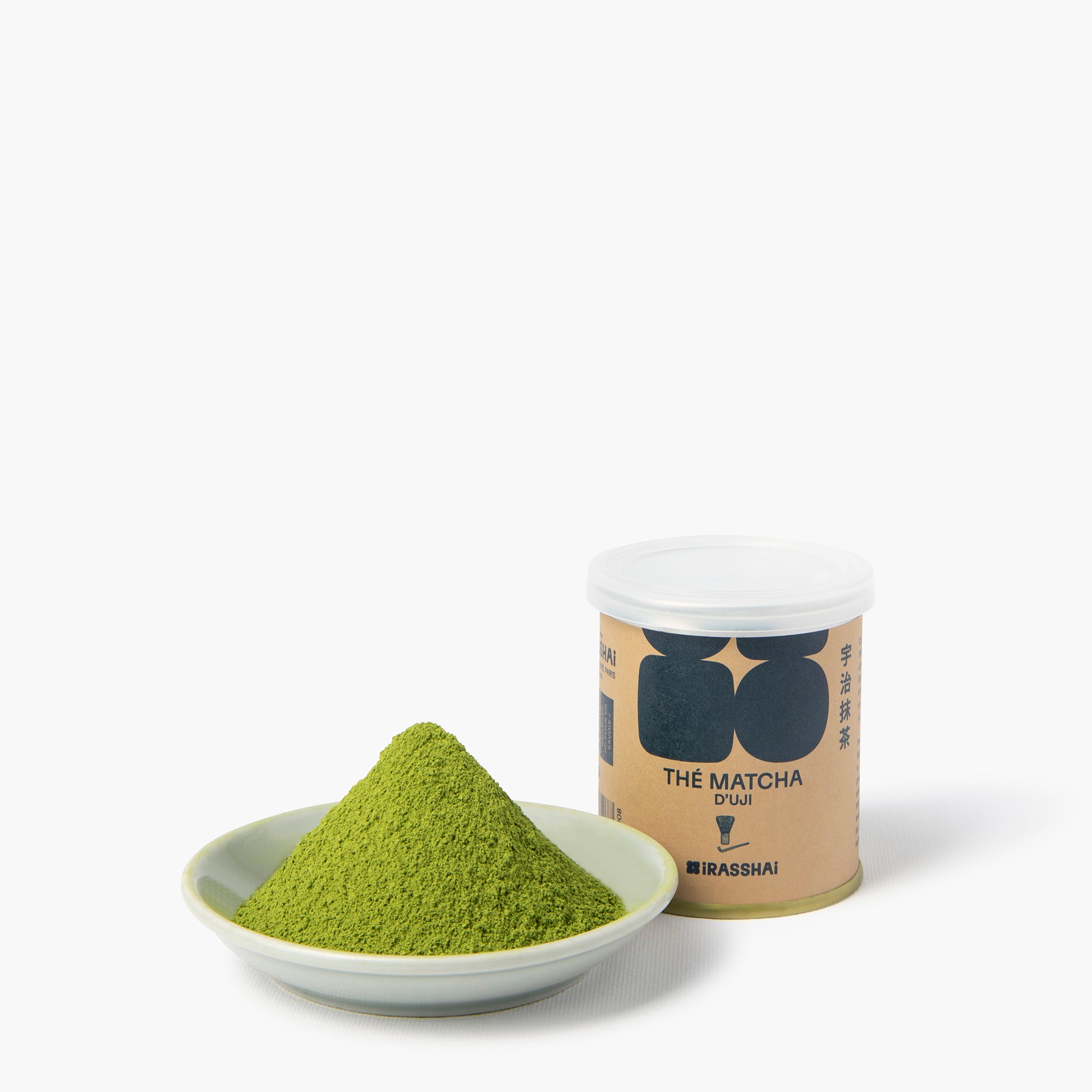
MATCHA 抹茶: In Japan, this finely ground green tea powder is traditionally used in the tea ceremony. It is grown in the shade to preserve its freshness and allow it to develop a beautiful green color and an intense umami flavor. It is prized for its high antioxidant content and theine, which stimulates the body and mind without causing jitters.
MENTAIKO 明太子: a Japanese specialty made from Alaska pollock or cod roe, marinated in a spicy sauce. Originating in Fukuoka, it is known for its melt-in-your-mouth texture and bold flavor, making it perfect as a topping for rice, onigiri, or pasta.
MIKAN みかん: This is a citrus fruit native to Japan, also known as the satsuma mandarin. Seedless and smaller than an orange, it has a sweet taste with slightly tart notes.
MIRIN 味醂: Used in cooking, this sweet, sticky rice wine adds a touch of sweetness to sauces, stews, seasonings, and marinades, and gives dishes a nice sheen.
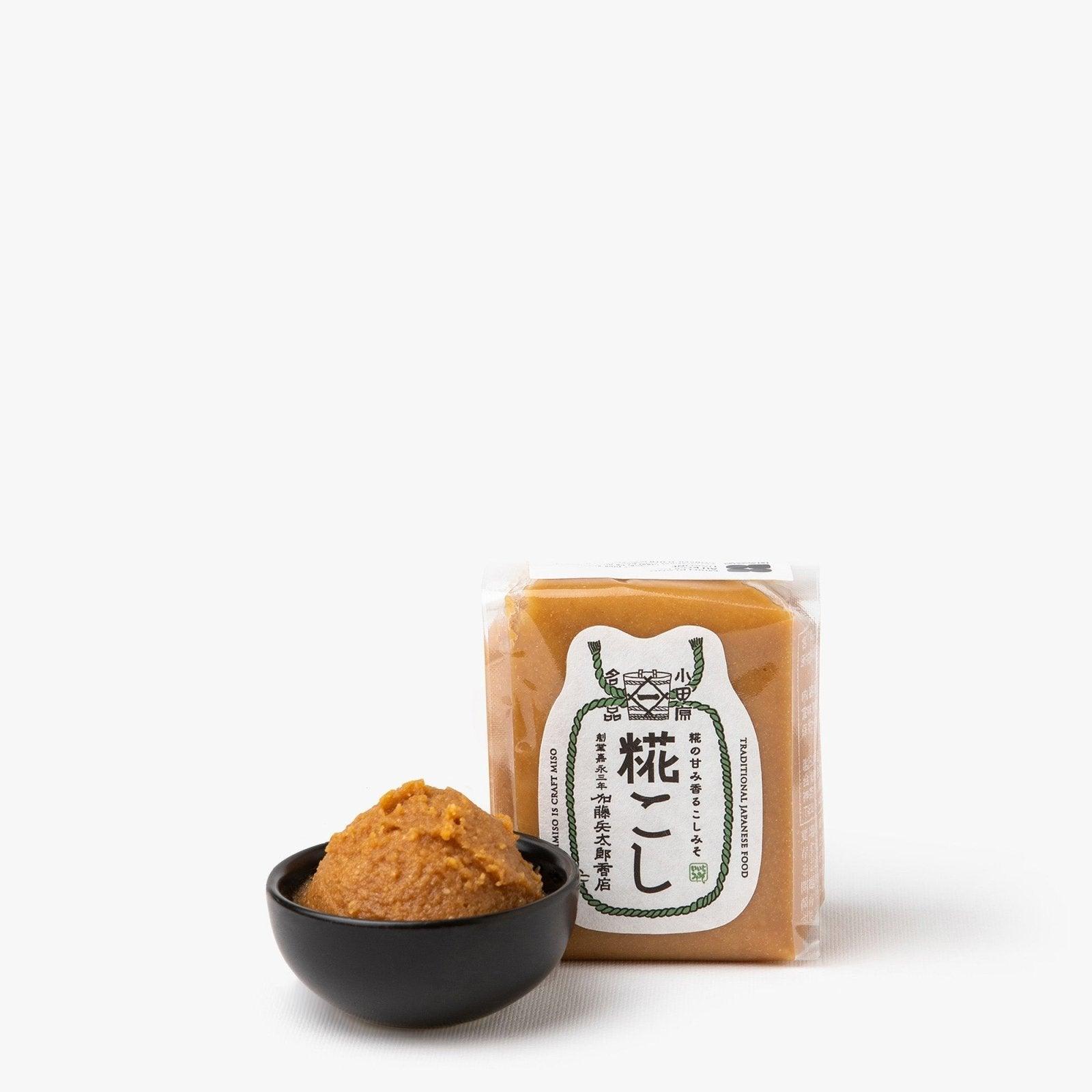
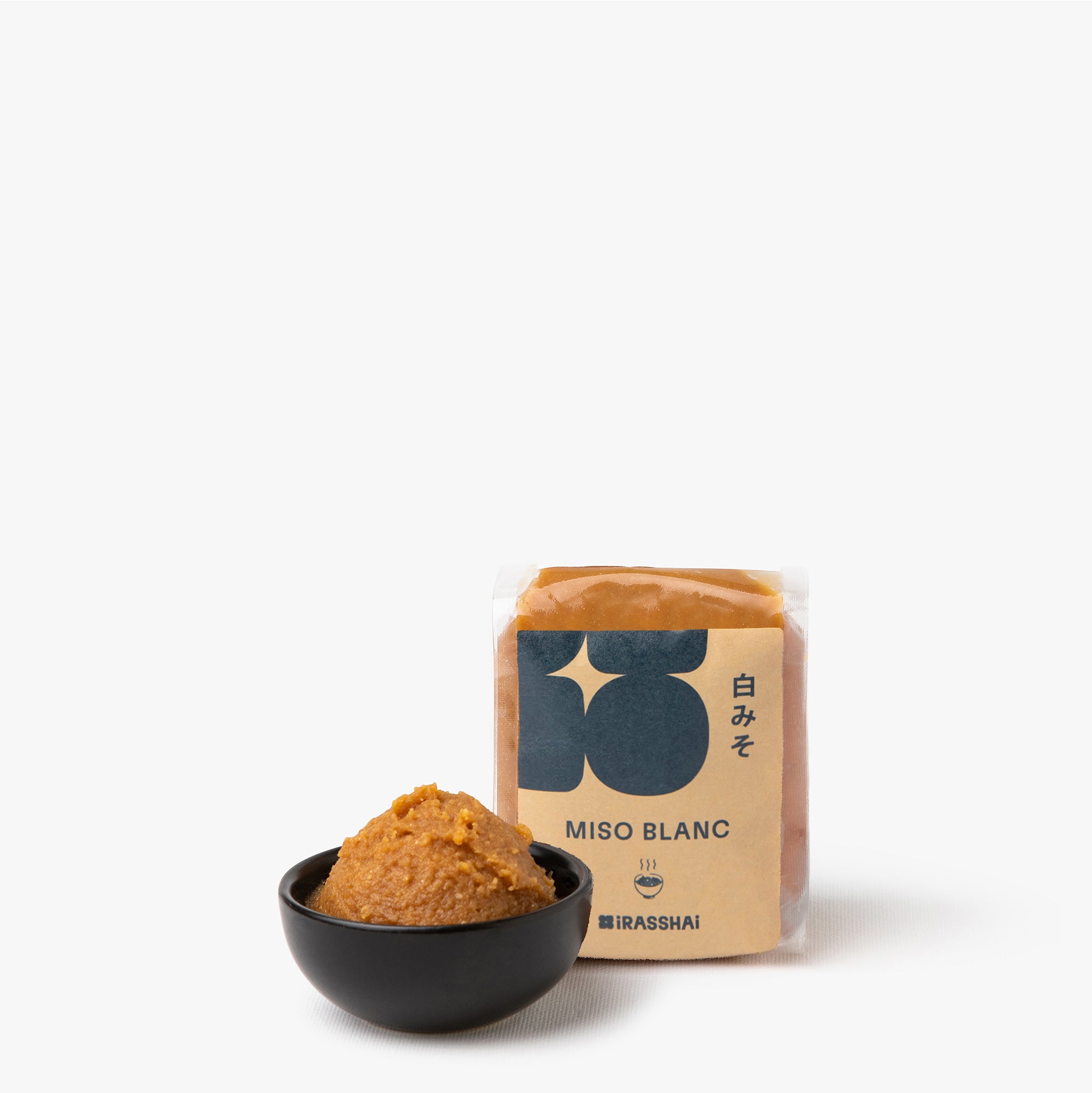
MISO 味噌: Originally from China, miso paste is made by fermenting soybeans, rice, or barley with koji. A staple of Japanese cuisine, it is used daily in soups, sauces, and condiments.
WHITE MISO 白味噌 (shiromiso): Very creamy and less salty than average, white miso is used in both savory and sweet dishes. Its light color comes from its short fermentation period, which sometimes lasts only two weeks.
BLACK MISO (kuromiso): The longer miso ferments, the darker its color and the more intense its flavor—this is true of black miso. Made solely from soybeans, it has a thick texture and a strong flavor.
RED MISO (Akamiso): Twice as salty as white miso, akamiso is made from barley or rice. It is the most commonly used variety in Japan.
MITARASHI DANGO 御手洗団子: Often served on skewers, these steamed glutinous rice balls are glazed with sweet-and-salty mitarashi sauce.
MITSUBA 三つ葉: a native plant often called “Japanese parsley,” which is eaten both cooked and raw. Compared to the parsley we’re used to eating in France, mitsuba has a milder flavor and a more refreshing taste.
MOCHI もち: Unlike its usage in France, the term "mochi" does not refer to the round, filled Japanese pastry, but more generally to glutinous rice dough. Its shape and method of preparation—grilled or boiled—vary by region and tradition.
KARASHI MUSTARD 辛子: Ocher in color, its flavor is similar to European mustard, but it is slightly spicier.
MUGICHA 麦茶: In Japan, this roasted barley tea is enjoyed by people of all ages. In the summer, it replaces water in restaurants, where it is served chilled. Its roasted notes are reminiscent of maple syrup.
MUSHIMONO 蒸物: This term refers to a steaming method and, by extension, the dishes prepared using this method. This cooking method allows foods to retain their nutritional value and, in particular, reduces fat content.
N
NABEMONO Hot Pot: To enjoy these traditional Japanese winter dishes, diners gather around a large pot filled with flavored broth, into which they dip ingredients to cook them and bring out their flavor.
NAMA 生: means raw or fresh. It is commonly used to refer to foods or products that are uncooked or unprocessed, such as in nama sushi (生寿司) to refer to sushi made with raw fish, or nama chocolate (生チョコレート) for fresh chocolates, which are often creamier and uncooked. The word can also refer to fresh products, such as in the case of nama beer (生ビール), meaning draft beer.
NATTO: This dish made from fermented soybeans is very popular in Japan. It has a strong flavor and a very sticky texture. It is said to be very good for your health because it is rich in protein and nutrients.
NEGI 葱: Not to be confused with its cousin, chives, the spring onion does not form a bulb but simply has a slight swelling at the base of each stem. It is more similar to an onion, and its subtle, delicate flavor is very useful for gently enhancing dishes.
NIKUJAGA 肉じゃが: This traditional Japanese dish is similar to a stew, made with meat, potatoes, and onions simmered in a broth of soy sauce, mirin, sake, and sugar.
NIMONO (煮物): refers to a type of dish simmered in a broth made with soy sauce, sake or mirin, dashi, and sugar.
NISHIKI TAMAGO 錦玉子: a traditional Japanese dessert served on New Year’s Day made from boiled eggs. The yolks and whites, representing gold and silver respectively, are separated, steamed, and usually arranged to form a spiral or yellow and white checkerboard pattern, symbolizing wealth and good fortune.
NORI 海苔: Primarily used to wrap maki rolls, this dark green to black seaweed with a crisp texture can be enjoyed seasoned or as a condiment to flavor rice, in the form of furikake. It is also popular as a snack, toasted and salted.
NUKAZUKE (rice bran pickles ): This preservation technique involves fermenting vegetables in rice bran, salt, and water. The flavor of nukazuke can range from tangy to sour. The texture is crisp and pleasant.
O
OCHAZUKE お茶漬け: This traditional Japanese dish involves pouring green tea over cooked rice. It is very popular among the Japanese for its simplicity and affordability.
ODEN おでん: a traditional Japanese dish often eaten during the winter. It is a stew made with various ingredients slowly simmered in a broth made from dashi (fish stock) and soy sauce. Typical ingredients in oden include fish cakes (chikuwa), hard-boiled eggs, lotus root, daikon (Japanese radish), fried tofu (aburaage), and sometimes konjac.
OHITASHI お浸し: Served either cold or hot, this side dish is prepared using the hitasu method, which involves soaking blanched vegetables—most commonly spinach—in a seasoned broth. It is served with a drizzle of soy sauce and katsuobushi.
OKASHI お菓子: refers to Japanese sweets and pastries, whether traditional (wagashi) or modern (yogashi). Wagashi, often made from glutinous rice, red beans, or agar-agar, are served with tea, while yogashi are inspired by Western sweets. Whether sweet or slightly savory, okashi play an important role in Japanese culture, particularly during festivals and ceremonies.
OKONOMIYAKI お好み焼き: Similar to a thick savory pancake, this Japanese dish originated in the city of Osaka. The batter is made with flour, eggs, cabbage, and your choice of protein. For the finishing touch, simply add tonkatsu sauce, mayonnaise, dried bonito flakes, and aonori seaweed.
OMURICE オムライス: A fusion of Western and Japanese cuisine that emerged during the Meiji era, this dish consists of a thin omelet wrapped around fried rice, all seasoned with ketchup.
ONIGIRI おにぎり: This triangular rice ball is made of rice and is usually wrapped in nori seaweed and filled with various ingredients, such as tuna with mayonnaise, umeboshi, and kombu seaweed... It’s a healthy snack that can be eaten lightly toasted or at room temperature.
OROSHI: refers to the process of grating various foods, specifically daikon radish, ginger, and wasabi. The resulting paste can be served as a condiment with many Japanese dishes.
OTOSHI BUTA( otoshibuta): a small round lid with a long, rectangular handle traditionally used in Japan for simmering food. It is smaller than the pot so that it comes into contact with the food.
P
PANKO パン粉: Light and crispy Japanese breadcrumbs used for breading. Unlike other types of breadcrumbs, panko is made from crustless white bread, which is dried and then ground into coarse crumbs.
SANSHO PEPPER 山椒 : It’s called pepper, but it’s actually a berry with a lemony, woody aroma. What makes it unique is that it numbs the tongue if you eat too much of it! So use it sparingly.
R
RAMEN ラーメン: These wheat noodles, which originated in China and were introduced to Japan during the Meiji era, are most often served in a broth of the same name. Long and thin, they have a wavy shape.
RAMUNE ラムネ: an iconic Japanese carbonated drink, often associated with summer festivals (matsuri). Sold in a glass bottle sealed with a glass marble, it comes in several flavors, the most classic being lemon.
RENKON (lotus root): Considered a symbol of good luck in Japan, this lotus root is sliced into thin rounds and served as a side dish. It is characterized by its distinctive holes, crisp texture, and slightly sweet flavor.
WHITE RICE 白米 (hakumai): This is the most widely consumed variety in Japan. The rice is 100% polished, removing its outer layer, the bran.
BROWN RICE (genmai): Brown rice is more nutrient-dense than white rice and is both highly nutritious and filling. It is low in gluten, high in fiber, and easy to digest.
BLACK BROWN RICE (kurogenmai): This rice often turns a deep purple color after cooking. It has a firm texture and a nutty flavor.
RED BROWN RICE (akagenmai): This long-grain rice variety is highly nutritious and may even help lower cholesterol levels. Red rice is often served alongside white rice, but it is also delicious on its own.
RYOKUCHA 緑茶: refers to Japanese green tea, which is unoxidized to preserve its freshness and aroma. There are several types, such as sencha, matcha, and gyokuro, each with its own specific characteristics in terms of taste and cultivation methods.
S
SAKÉ 酒: made by fermenting rice, this alcoholic beverage is emblematic of Japan (the same term is used to refer to alcoholic beverages in general). Its alcohol content ranges from 14% to 17% and it can be enjoyed chilled, at room temperature, or hot. Kanpai!
COOKING SAKE (料理酒): Not to be confused with the alcoholic beverage! It is an essential ingredient in Japanese cuisine. Often used alongside mirin in recipes, it enhances the flavors of sauces, stews, seasonings, and marinades.
SANDO: A Japanesesandwich made with shokupan, a softer bread than white sandwich bread, traditionally filled with breaded pork, raw vegetables, and tonkatsu sauce. There is also a sweet version, the fruit sando, filled with whipped cream and fresh fruit.
SASHIMI 刺し身: these thin slices of raw fish and shellfish are enjoyed simply with soy sauce. Sashimi is considered an art form in Japan, requiring meticulous and aesthetically pleasing preparation.
SATÔ (sugar ): This term generally refers to the sugar used in cooking, often in the form of white crystals. It is commonly used in the preparation of traditional Japanese desserts (wagashi) or to balance flavors in sauces and marinades.
PONZU SAUCE ポン酢醤油 (ponzu shôyu): It is made by simmering mirin, rice vinegar, katsuobushi flakes, and kombu seaweed. The juice of one or more citrus fruits, such as yuzu, sudachi, or lemon, is added.
SOY SAUCE (shôyu): Found in every Japanese pantry, soy sauce—shôyu—is made from soybeans, wheat, water, and salt. Its salty taste is particularly effective at adding umami flavor to dishes.
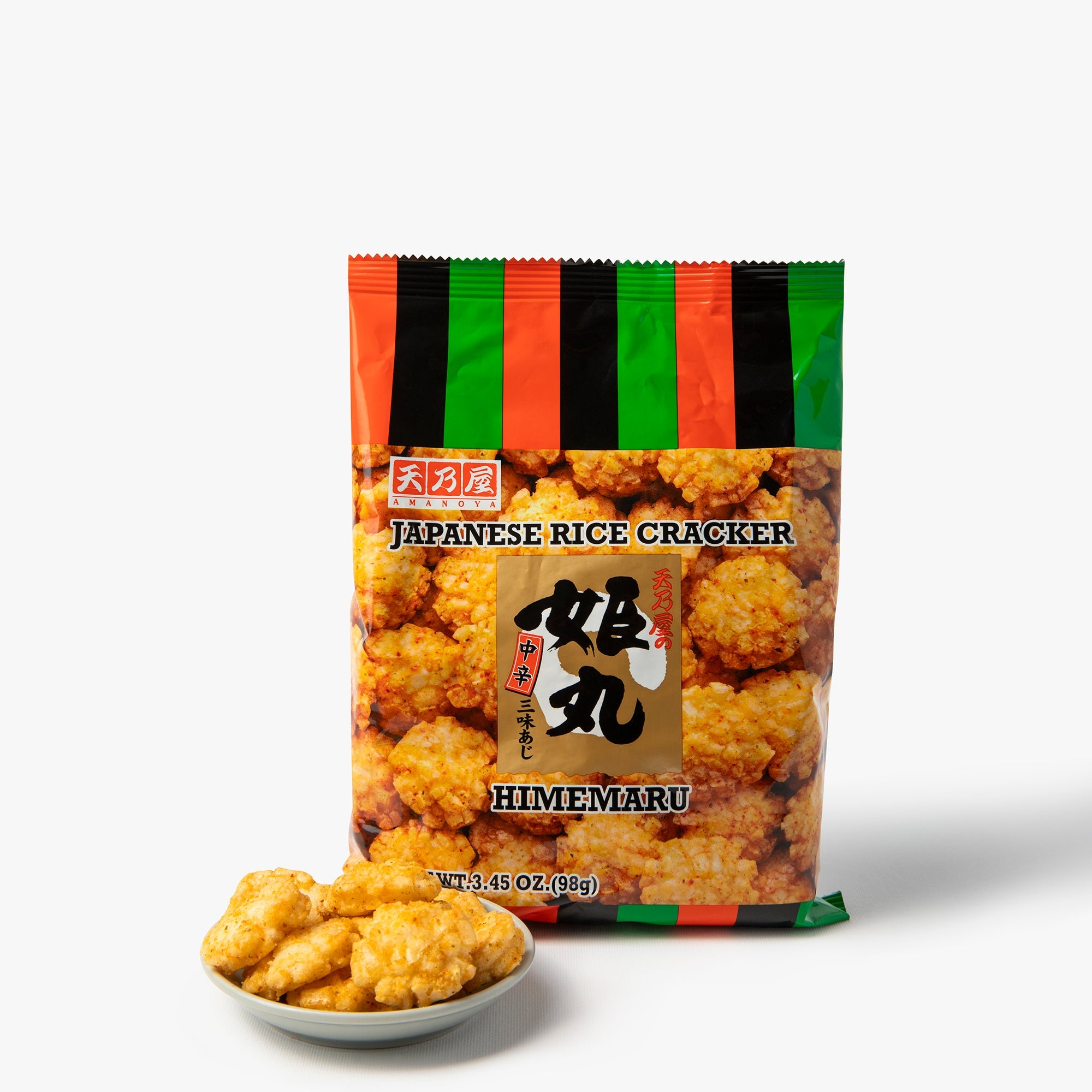
SENBEI 煎餅: These rice crackers are very popular in Japan and make wonderful snacks! They come in toasted, fried, savory, or sweet varieties.
SENCHA 煎茶: Fresh and invigorating, this green tea is perfect for starting your day off right. It is rich in antioxidants and has a grassy flavor. It is often used in wedding ceremonies in Japan, where guests receive packets of sencha as a token of gratitude.
SENGIRI KYABETSU (shredded cabbage ): Cabbage is another staple ingredient in Japanese cuisine! Cut into thin strips, its fresh flavor and crisp texture make it a perfect addition to a wide variety of dishes.
SESAME (goma): an oilseed plant grown for its seeds, which are a favorite among the Japanese. Whether whole, toasted, ground, or in the form of paste or oil, it is enjoyed in all its forms.
SHICHIMI 七味: This blend of seven spices (which can be translated as “seven flavors”) typically consists of red chili pepper (ichimi), golden sesame seeds, sansho pepper, shiso, nori seaweed, citrus peel, ginger, and poppy seeds. Slightly spicy and very aromatic, it is used to enhance soups, noodle dishes, bowls of cooked rice…
SHIITAKE (椎茸 ): an edible mushroom native to Japan, widely used in Japanese and Asian cuisine. Shiitake can be eaten fresh or dried, and is a staple ingredient in many dishes such as soups (like miso soup), stir-fries, broths, and stews. Dried shiitake mushrooms are also used to make dashi, a broth essential in Japanese cuisine.
SHIMEJI しめじ: a type of Japanese mushroom. They have a mild, umami flavor and a slightly crunchy texture. Shimeji mushrooms are prized for their ability to absorb the flavors of other ingredients and for being rich in protein, fiber, and vitamins.
SHIO 塩: means "salt" in Japanese. In Japanese cuisine, it is used as a basic seasoning to enhance the flavors of dishes, whether in marinades, broths, or as a garnish on foods such as vegetables or grilled fish.
SHISO (Perilla ): Used as a seasoning, this aromatic herb is known for its antibacterial and antiseptic properties. Its freshness and flavor are highly prized in Japanese cuisine and are reminiscent of mint, anise, and cloves.
SHOCHU 焼酎: a Japanese distilled alcoholic beverage, generally stronger than sake. It is made from various ingredients such as sweet potatoes, grains, rice, or St. John's wort. Shochu has a distinctive taste that depends on the ingredients used, and it can be enjoyed neat, on the rocks, or diluted with hot or cold water.
SHUNGIKU 春菊: also known as edible chrysanthemum or spring chrysanthemum, is a variety of chrysanthemum grown for its edible leaves. This green vegetable is widely used in Japanese cuisine, particularly in dishes such as soups, tempura, salads, or as a side dish for nabe (Japanese hot pot).
SOBA そば: These thin, gray buckwheat noodles are eaten simply: served hot or cold, then dipped in tsuyu sauce. They are mostly gluten-free but are sometimes mixed with wheat flour.
SOBACHA そば茶: This roasted buckwheat tea can be enjoyed either hot or cold. Its delicate, almost sweet, nutty flavor is very pleasant.
SOYBEANS: These are the most popular beans in Japan. They are enjoyed as roasted bean powder (kinako) in sweet dishes, fermented when made into natto or tofu, and used in sauces throughout Japanese cuisine.
SOMEN: These thin, long, white wheat noodles are typically enjoyed in salads during the summer. Although not widely known outside of Japan, they are very quick and easy to prepare.
OKINAWA BROWN SUGAR 沖縄黒糖 (Okinawa kokutô): Native to the Okinawa archipelago, it is considered one of the most natural and purest sugars in the world. It has notes of caramel, licorice, and hazelnut.
SUDACHI: Similar to a small, tart lime, the sudachi is very refreshing and juicy, and it gently enhances both savory and sweet dishes.
SUKIYAKI すき焼き: a traditional Japanese dish made with meat, usually beef, cooked in a pan with vegetables, tofu, mushrooms, noodles, sugar, soy sauce, and mirin. The dish is cooked in a sweet-and-salty broth, often prepared at the table, allowing diners to cook the ingredients themselves according to their preferences. It is often served with a raw egg in which the cooked ingredients are dipped, adding a creamy texture.
SUNOMONO 酢の物: This term refers to salads made of thinly sliced raw vegetables marinated in vinegar, which are traditionally served as a side dish with the main course. It is also a salad of cucumber and wakame marinated in sesame.
SURIBACHI すりばち: a Japanese grooved ceramic mortar used to grind ingredients with a surikogi, or pestle.
SUSHI 寿司: a traditional Japanese dish consisting of vinegared rice topped with neta, which usually refers to raw fish and seafood.
T
TAIYAKI たい焼き: a Japanese fish-shaped pastry, a symbol of good luck and prosperity. Crispy on the outside and soft on the inside, it is traditionally filled with sweet red bean paste (anko), but is also available with chocolate, cream, or even cheese. Originating in the Meiji era, it remains a staple at festivals and street stalls in Japan.
TAKANA 高菜: Also known as aso takana, this Japanese leafy vegetable belongs to the brown mustard family. Its seeds are pickled in wine vinegar and salt, and release a tangy flavor when chewed, with slightly bitter notes.
TAKOYAKI たこ焼き: This dish, made from grilled octopus shaped into balls, is very popular on the streets of Japan. Round and golden in appearance, they are crispy on the outside and tender on the inside, and are usually served with takoyaki sauce, mayonnaise, and shavings of dried bonito and aonori.
TAKUAN (沢庵 ): a Japanese pickled vegetable made from daikon radish that is first dried and then fermented with rice bran, salt, and sugar. It is recognizable by its yellow color and its slightly sweet and tangy flavor.
TAMAGO 卵: Eggs are an integral part of Japanese cuisine and are constantly being prepared in new ways to offer a variety of flavors and textures. Examples include ajitsuke tamago, tamagoyaki, and omurice.
TATAKI たたき: a Japanese cooking technique that involves quickly searing fish or meat over high heat, then plunging it into ice water to stop the cooking process. The result: a slightly charred exterior and a melt-in-your-mouth interior.
TEMPURA 天ぷら: a deep-fried dish of Portuguese origin that was introduced to Japan during the Edo period. This dish consists of crispy fritters made from a variety of seafood, vegetables, or meat, coated in a batter made from flour, egg, and water.
TEPPANYAKI 鉄板焼: a Japanese cooking method in which ingredients are prepared on a heated cast-iron griddle (teppan). This style of cooking typically features meats such as beef, chicken, or seafood, as well as vegetables and sometimes noodles, all cooked quickly on the griddle. Teppanyaki is often associated with a culinary show, particularly in restaurants where chefs prepare and cook dishes in front of customers, performing impressive moves with their utensils.
TERIYAKI 照り焼き: refers to dishes cooked in a sauce of the same name made from soy sauce, mirin, sake, and sugar. However, it is more commonly used as a glaze for meat or fish, giving them a glossy, appetizing appearance!
TOFU 豆腐: a white, soft, and mild-smelling paste made by curdling soy milk. There are different varieties, including firm momen tofu and creamier kinu tofu. It can be enjoyed in various ways: marinated, fried, grilled with sesame seeds…
TOGARASHI 唐辛子: a Japanese term for chili pepper. It generally refers to varieties of chili peppers used in Japanese cuisine, particularly in shichimi togarashi. It is often used to season soups, ramen, and meat dishes.
TONKATSU: This traditional Japanese dish consists of pork coated in panko breadcrumbs, served with a sauce of the same name, and accompanied by rice or shredded cabbage.
TONKOTSU 豚骨: refers to a rich, creamy broth made from pork bones that have been simmered for a long time, used primarily in tonkotsu ramen. Originating in Kyushu, this broth is prized for its velvety texture and deep flavor.
TSUKEMONO 漬物: Often referred to as Japanese pickles, these marinated vegetables have a sweet-and-sour flavor and a crisp texture, and are rich in nutrients and probiotics. They are served as a side dish with rice and add a refreshing touch.
TSUYU つゆ: a broth base made from dashi, soy sauce, sugar, and mirin, used in many Japanese dishes. It is also called mentsuyu when used with noodles.
U
UDON うどん: Very popular in Japan, these thick, white noodles have a chewy, elastic texture and are made from wheat flour and salted water.
UMEBOSHI 梅干し: These orange-brown or even red plums stand out from other varieties due to their very tart and salty taste. When pickled, they are said to offer various health benefits: they are believed to aid digestion, help combat fatigue, and eliminate toxins from the body.
UMESHU 梅酒: an alcoholic beverage aged for several months or even years, made from ume plums, sugar, and neutral alcohol. It is enjoyed as a digestif but also in cocktails to add a fruity, sweet, and slightly tart flavor.
UNAGI 鰻: a Japanese term for eel, which is prepared very simply in Japan—grilled on a bed of rice.
USUKUCHI SHOYU (light soy sauce ): This light-colored soy sauce is saltier and has a milder flavor than regular soy sauce.
V
SAKÉ MARC VINEGAR 酒粕酢 (sakekasusu): Clear and golden in color, it has a mild, tangy flavor with subtle notes of rice and sake.
RICE VINEGAR 米酢 (komezu): Very mild, this vinegar—known as kome su—is sweeter than traditional vinegars and is made by fermenting rice.
BLACK RICE VINEGAR 黒酢 (kurozu): Made from brown or black rice, it has a more pronounced flavor than white rice vinegar. It is commonly used to enhance dishes with its slightly tart and sweet notes.
W
WAFU (Japanese-style): refers to a style or method that is traditionally Japanese. In cooking, wafu refers to dishes, seasonings, or techniques that follow Japanese culinary traditions.
WAGASHI 和菓子: These traditional Japanese sweets (“wa” means Japan and “gashi” means cake) are very refined and vary with the seasons. The main ingredients used to make them are anko and shiro-an pastes.
WAKAME 若芽: This leafy green seaweed is an excellent source of fiber and protein. Its tender yet crunchy texture is highly prized in soups and salads.
WASABI: This root vegetable is grated to produce a green paste with an intense flavor that stings the nose like mustard.
WHISKY: With only a century of history, Japanese whisky is renowned for its smoothness and fruity flavor, which sets it apart from Scotch whisky with its rich and complex malty aromas.
Y
YAKI 焼き: a Japanese term indicating that a dish is grilled, such as yakisoba, yakitori, or yakizakana, which refers to grilled fish.
YAKISOBA 焼きそば: Japanese stir-fried noodles seasoned with a savory sauce, often served with vegetables, meat, or seafood. A popular dish at festivals (matsuri), they are garnished with pickled ginger (beni shoga) and powdered seaweed (aonori).
YAKITORI 焼き鳥: Yakitori are delicious chicken skewers grilled over charcoal, a staple of izakayas and festivals in Japan. Their popularity dates back to the Edo period, but it was after World War II, with the rise of street food stalls, that they became a signature dish.
YOKAN 羊羹: a traditional Japanese confection made from red bean paste (anko), agar-agar, and sugar. It comes in the form of a compact, gelatinous block that can be sliced. There are several varieties, including neri yokan (firmer) and mizu yokan (lighter and higher in water content, often eaten in the summer).
YUZU 柚: A hybrid of lemon and mandarin, yuzu’s freshness and subtle tartness make it the perfect addition to many dishes.
YUZU KOSHO 柚子胡椒: This paste is made from finely chopped green yuzu and chili peppers and is used like mustard. Its bold flavors will add a kick to your dishes while bringing a very pleasant touch of freshness.
Z
ZARU SOBA ざる蕎麦: refers to a bamboo strainer on which cold buckwheat noodles are traditionally served, dipped in tsuyu sauce. It’s a very popular Japanese dish during the summer!
ZOSUI: a traditional soup made with rice, eggs, and fresh vegetables, all simmered in a broth seasoned with soy sauce or miso. You can vary the protein or substitute noodles for the rice.