


Collection: Japanese curry
Born in India, the Japanese curry - or "Kare reason" as the Japanese call it - is very popular because cheap and very easy to prepare. Students and nostalgic gourmets appeal as much. Less spicy than the Indian version, its thick and subtly sweet sauce makes it the comforting family dish par excellence. There are as many recipes as cooks that prepare it. It is bought in the form of a cube broth ready to be diluted where you prepare your own curry redhead. It is simply tasted with rice and sometimes noodles.
Discover our selection of curry to warm or cook for the most motivated!

-
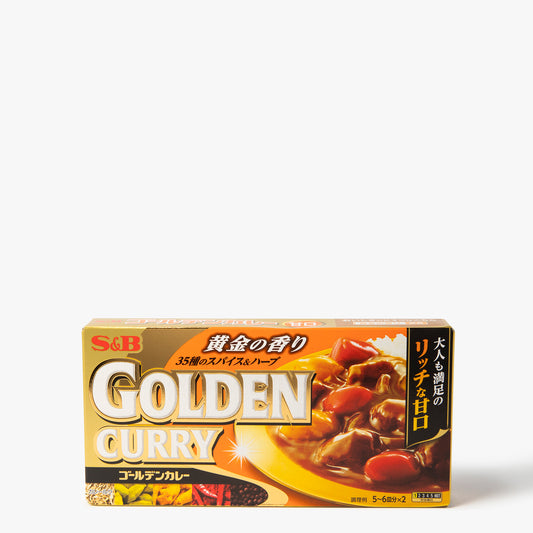
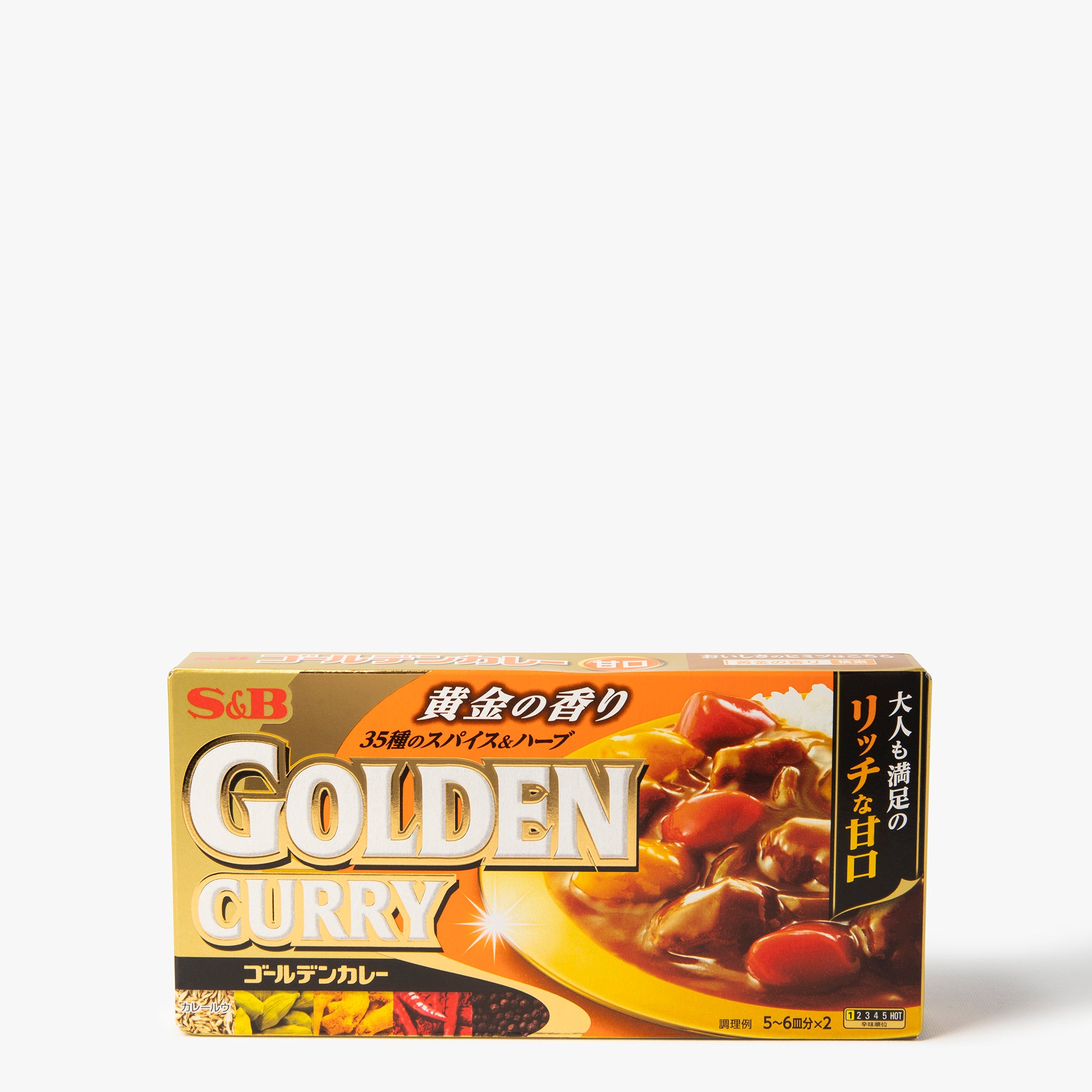
Mild Golden Curry roux ⋅ S&B ⋅ 198g
⋅ Spicy curry roux, in blocks⋅ Creamy, thick texture, perfect for coating⋅ Perfect with meat, vegetables, and rice⋅ Also ideal as a seasoning for soups and...
Regular price 4.60 €Promotional price 4.60 € Regular priceUnit price 23.23 € by kg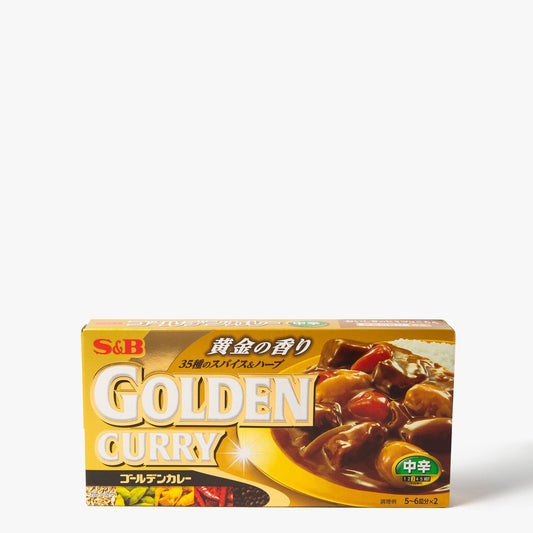
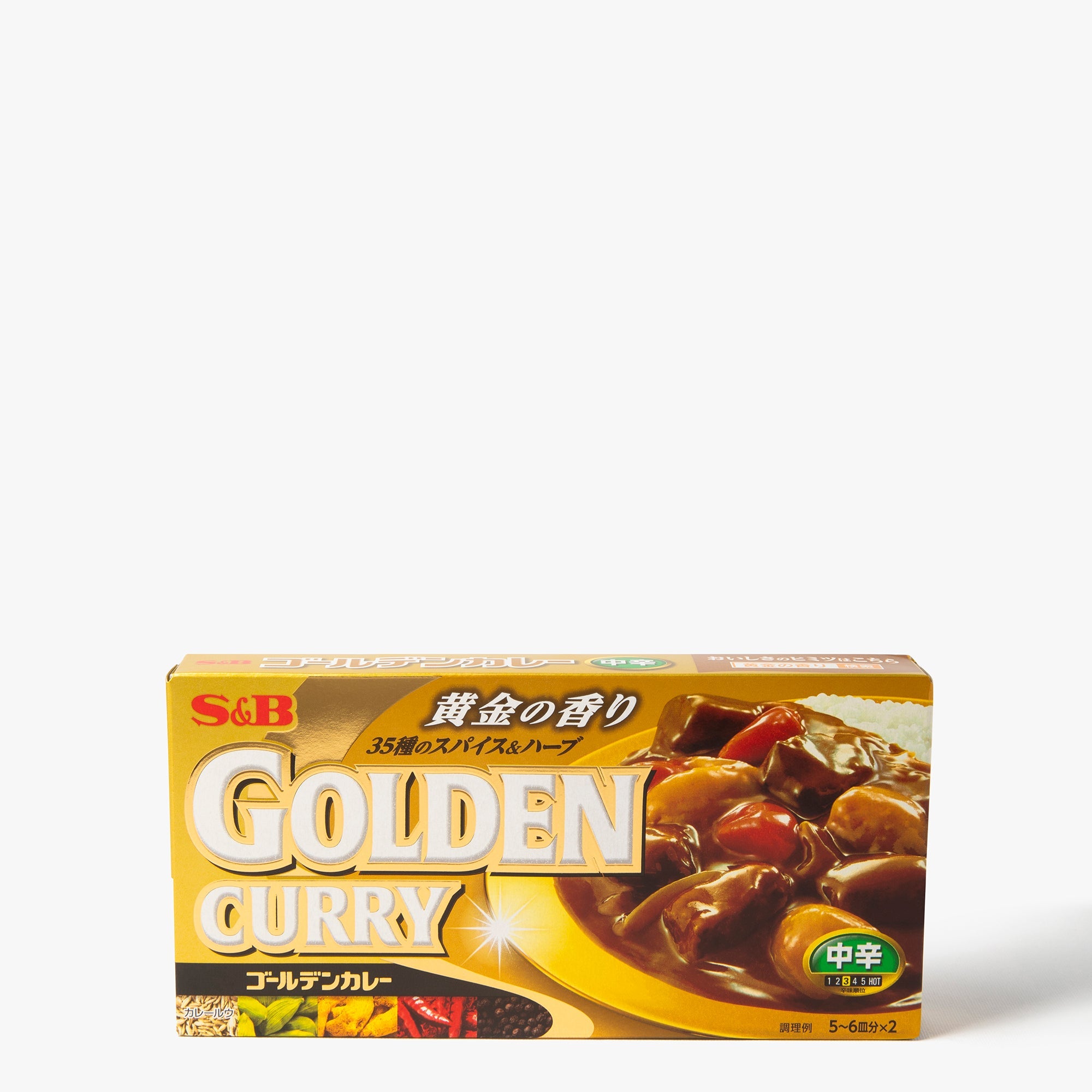
Spicy Golden Curry roux ⋅ S&B ⋅ 198g
⋅ Spicy curry roux, in blocks⋅ Creamy, thick texture, perfect for coating⋅ Perfect with meat, vegetables, and rice⋅ Also ideal as a seasoning for soups and...
Regular price 4.60 €Promotional price 4.60 € Regular priceUnit price 23.23 € by kg

Spicy mushroom curry ⋅ Ohsawa ⋅ 210g
⋅ Spicy curry, made with mushrooms and tender vegetables⋅ Natural ingredients, no preservatives⋅ Ready in minutes⋅ Perfect with rice, bread, or pasta for a complete mealA...
Regular price 5.50 €Promotional price 5.50 € Regular priceUnit price 26.19 € by kg

Mild vegetarian curry ⋅ Ohsawa ⋅ 210g
⋅ Creamy, mild curry packed with vegetables⋅ Well-balanced flavor with slightly sweet and spicy notes⋅ Perfect for those who enjoy mild yet flavorful curries⋅ Ready in...
Regular price 5.35 €Promotional price 5.35 € Regular priceUnit price 25.48 € by kg

Spicy vegetarian curry ⋅ Ohsawa ⋅ 210g
⋅ Spicy curry, packed with vegetables⋅ Spicy and slightly sweet flavor⋅ Ready in 2 minutes⋅ Enjoy with rice, noodles, vegetables, or as a sauceA spicy curry...
Regular price 5.40 €Promotional price 5.40 € Regular priceUnit price 25.71 € by kg

Spicy root vegetable curry ⋅ Ohsawa ⋅ 210g
⋅ Spicy vegetarian curry with authentic root vegetables⋅ Crispy texture and balanced flavors—mild yet spicy⋅ Quick and easy to prepare⋅ Perfect with rice or noodles for...
Regular price 5.35 €Promotional price 5.35 € Regular priceUnit price 25.48 € by kg

Mild curry roux ⋅ Ohsawa ⋅ 160g
⋅ Mild and aromatic curry paste⋅ Perfect for making curries, meat marinades, or grilled vegetables⋅ A staple of Japanese cuisineThis curry paste is a blend of...
Regular price 9.50 €Promotional price 9.50 € Regular priceUnit price 59.38 € by kg

Extra-spicy Golden Curry roux ⋅ S&B ⋅ 198g
⋅ Very spicy curry roux, in blocks⋅ Creamy, thick texture, perfect for coating⋅ Perfect with meat, vegetables, and rice⋅ Also ideal as a seasoning for soups...
Regular price 4.60 €Promotional price 4.60 € Regular priceUnit price 23.23 € by kg

Japanese curry with 3 beans and mild vegetables ⋅ Miyajima Shoyu ⋅ 180g
⋅ Vegetarian curry with 3 types of beans and mild vegetables⋅ Rich, mild, and slightly spicy flavor⋅ Serve with rice or noodles⋅ Ready in just a...
Regular price 6.15 €Promotional price 6.15 € Regular priceUnit price 34.17 € by kg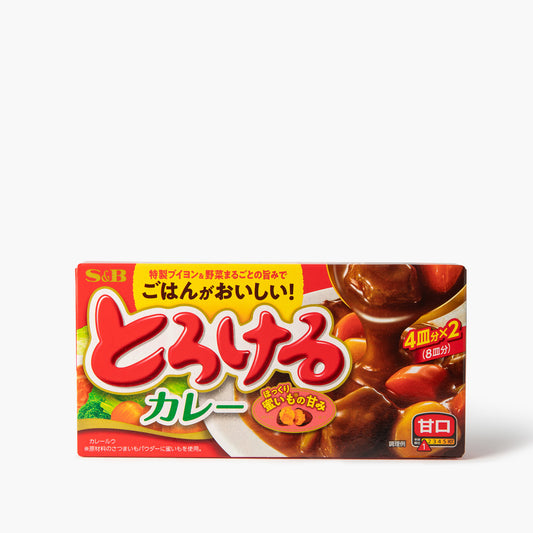
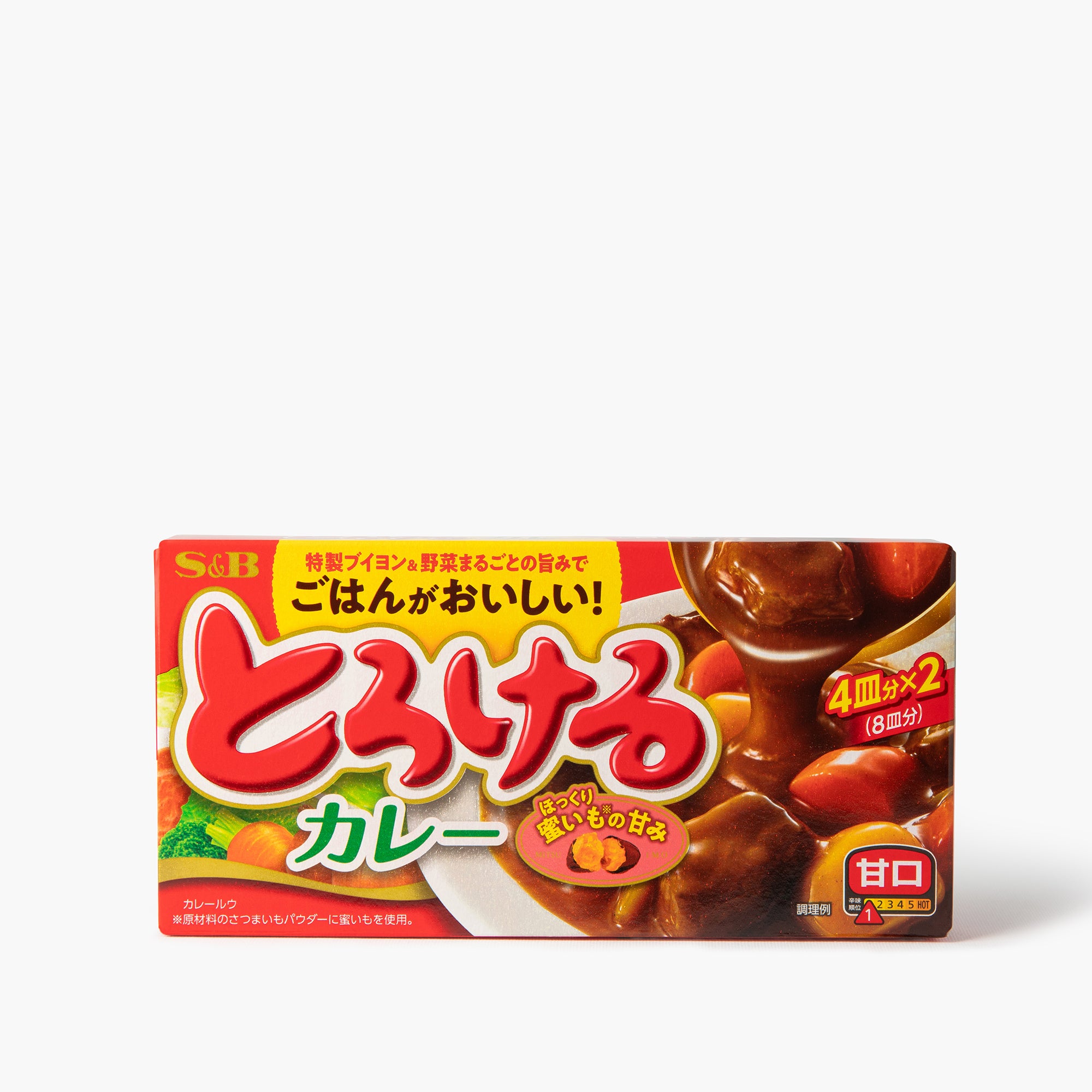
Mild Torokeru curry sauce ⋅ S&B ⋅ 144g
⋅ Quick and easy to prepare⋅ Perfect for meats, vegetables, and noodles⋅ You can use just one cube to enhance a broth or sauceA spicy Japanese...
Regular price 4.10 €Promotional price 4.10 € Regular priceUnit price 28.47 € by kg

Hot Torokeru curry sauce ⋅ S&B ⋅ 144g
⋅ Balanced flavor with umami notes,⋅ Durable and easy to clean,⋅ Artisanal product made by Kobayashi FarmA thick sauce in blocks offering a deep umami flavor...
Regular price 3.80 €Promotional price 3.80 € Regular priceUnit price 26.39 € by kg

Premium shojin curry with mild vegetables ⋅ Hasutani Kunie ⋅ 200g
⋅ Mild vegan curry inspired by Buddhist shojin cuisine⋅ Made with simmered vegetables, with no additives or preservatives⋅ Created by Kunie Hasutani, a leading figure in...
Regular price 12.00 €Promotional price 12.00 € Regular priceUnit price 60.00 € by kg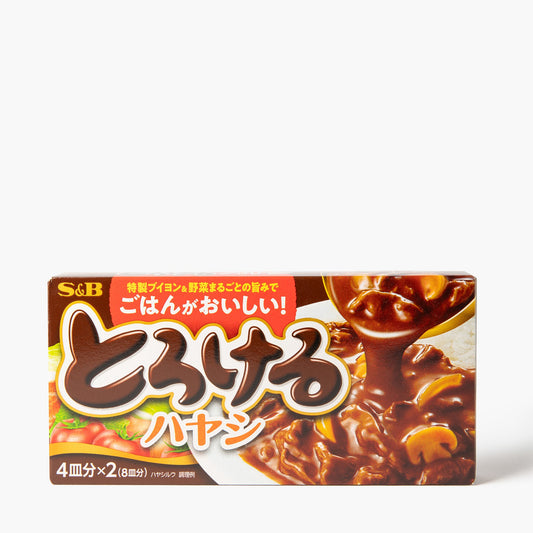
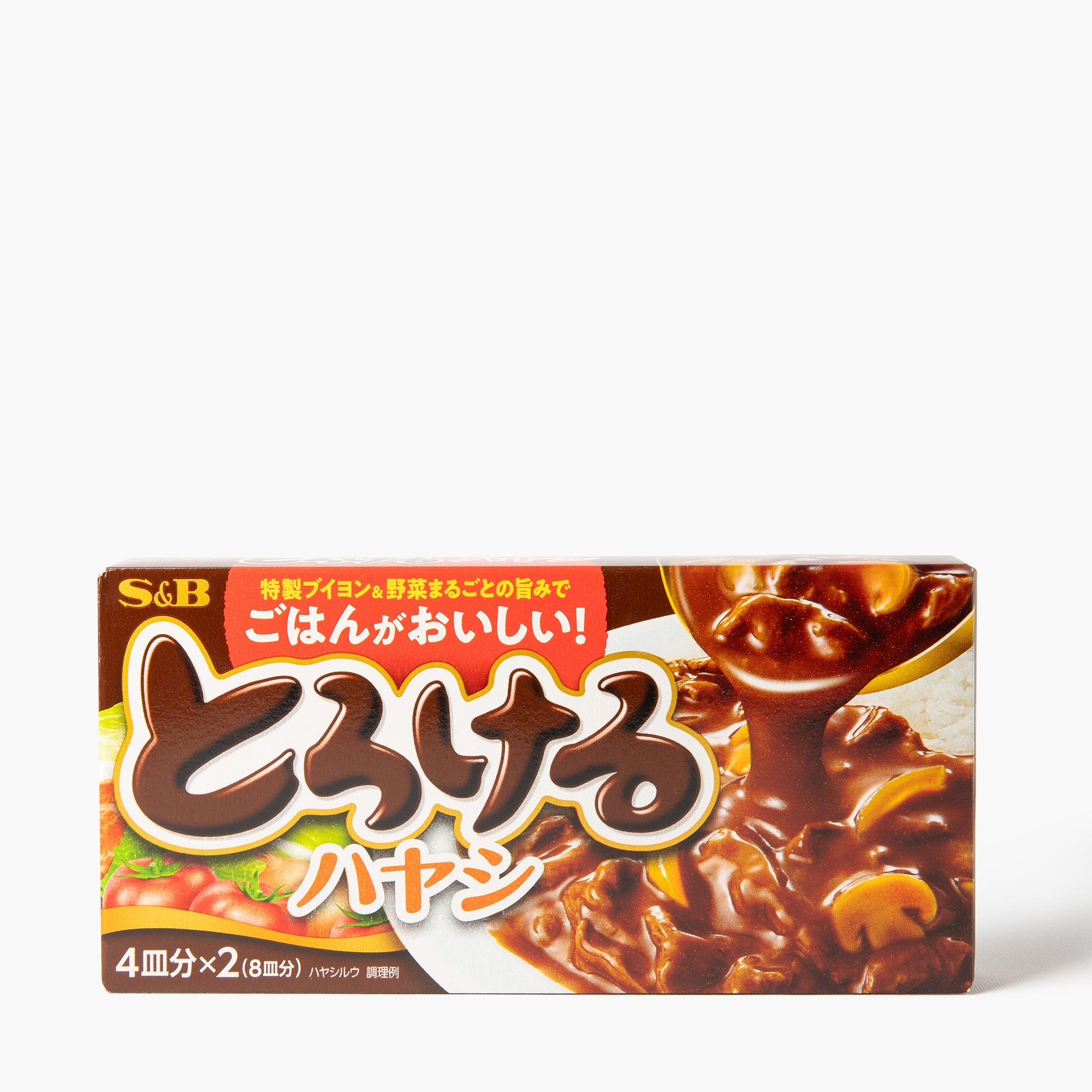
Hayashi sauce roux ⋅ S&B ⋅ 140g
⋅ Quick and easy to prepare⋅ Deep, rich umami flavor⋅ Perfect for meat dishes, stews, stir-fries, and vegetables⋅ Just one cube is enough to enhance a...
Regular price 5.10 €Promotional price 5.10 € Regular priceUnit price 36.43 € by kg
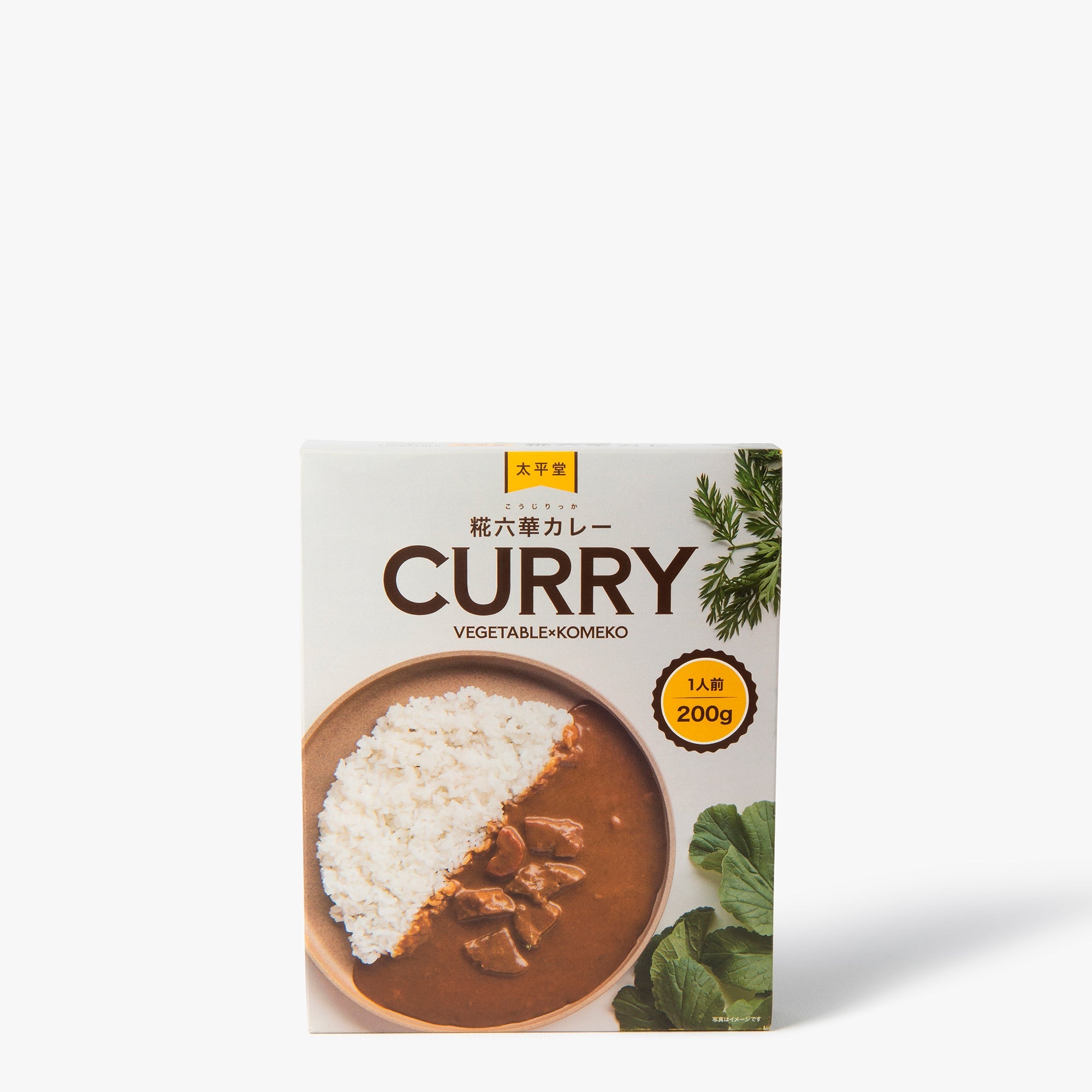
Doburoku and sweet koji curry ⋅ Taiheido ⋅ 200g
⋅ Artisanal curry made with Niigata rice flour⋅ Gluten-free⋅ Made with doburoku (unfiltered sake) and spicy koji⋅ Inspired by Niigata traditions, featuring local vegetablesA unique gluten-free...
Regular price 10.50 €Promotional price 10.50 € Regular priceUnit price 52.50 € by kg

Mild vegetable curry ⋅ Nishiki Shokuhin ⋅ 100g
⋅ Perfect for children⋅ Contains 60g of vegetables per pouch⋅ Contains no chili peppers or strong spices⋅ Ideal as a side dish with rice, an omelet,...
Regular price 4.90 €Promotional price 4.90 € Regular priceUnit price 49.00 € by kg
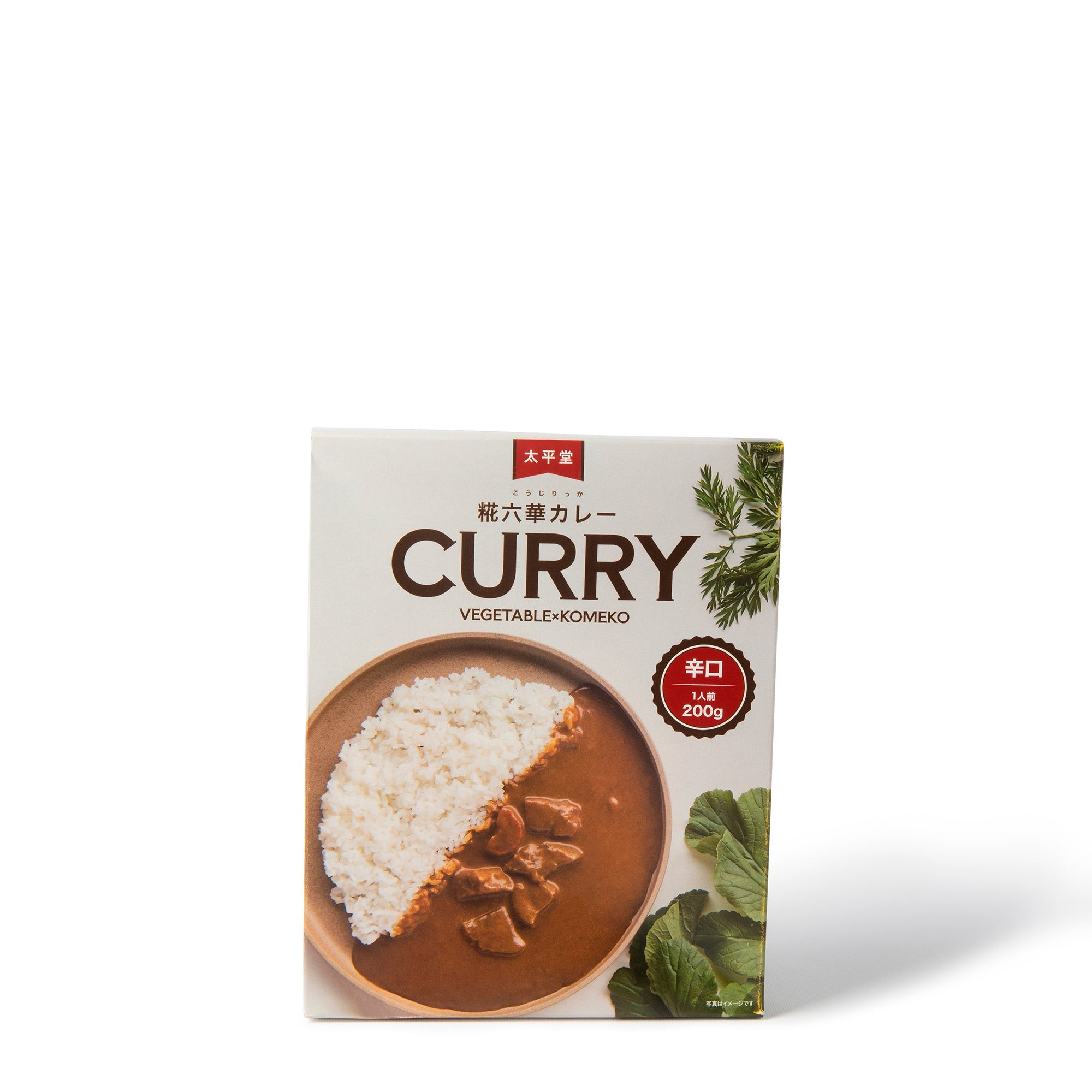
Doburoku and spicy koji curry ⋅ Taiheidô ⋅ 200g
⋅ Artisanal curry made with Niigata rice flour⋅ Gluten-free⋅ Made with doburoku (unfiltered sake) and spicy koji⋅ Inspired by Niigata traditions, featuring local vegetablesA unique gluten-free...
Regular price 10.50 €Promotional price 10.50 € Regular priceUnit price 52.50 € by kg

Vegetable curry ⋅ Nishiki Shokuhin ⋅ 180g
⋅ Made with vegetable purée⋅ Mildly spiced⋅ Contains none of the major allergens⋅ Perfect for people with dietary restrictions⋅ Ideal as a side dish with rice,...
Regular price 6.30 €Promotional price 6.30 € Regular priceUnit price 35.00 € by kgJapanese curry
What is the recipe for traditional Japanese curry?
Preparation time:
- Preparation: 15 minutes
- Cooking: 45 minutes
Ingredients:
- 500g of meat (beef, chicken, or pork)
- 2 chopped onions
- 2 carrots, sliced into rounds
- 2 potatoes, cut into cubes
- 800ml of stock (vegetable or chicken)
- 2 tablespoons of oil
- 1 box of Japanese curry roux
- 1 tablespoon of soy sauce
- Salt and pepper to taste
- Japanese rice to serve
Preparation:
- In a large pot, sauté the onions in the oil. Add the carrots and potatoes, then the meat. Brown everything.
- Pour in the stock and simmer for 30 minutes, until the vegetables are tender and the meat is cooked.
- Add the Japanese curry roux directly to the pot and mix well until the sauce thickens. Cook for another 10 to 15 minutes.
- Add the soy sauce, salt, and pepper. Serve with Japanese rice.Preparation time:
What makes Japanese curry special?
Japanese curry, called "kare" (カレー), is a unique and popular version of curry distinguished by several characteristics:
- Mildness and flavor: Japanese curry is generally milder and less spicy than Indian or Thai curries. It has a sweet flavor due to the addition of apples, honey, or sugar.
- Roux: The base of Japanese curry is called "roux", a mixture of flour and fat to which spices are added to create a thick, smooth consistency.
- Main ingredients: The main ingredients are vegetables (potatoes, carrots, onions) and meat (beef, chicken, or pork). The ingredients are cut into relatively large pieces.
- Preparation: The vegetables and meat are often sautéed, then simmered in water or broth with the roux until everything is tender and the sauce is thick.
- Served with rice: Japanese curry is almost always served with white rice, called "kare raisu" (カレーライス). The rice absorbs the thick sauce, offering a combination of textures and flavors.
Japanese curry is a comforting, family-friendly dish that can be prepared in just a few minutes and is at the heart of Japanese cuisine, both in restaurants and at home!
Why is curry so popular in Japan?
Japanese curry has become a staple dish due to its unique taste and simple preparation. Introduced to Japan in the 19th century by the British, it was quickly adapted to Japanese cuisine by replacing strong spices with milder flavors. Today, Japanese curry comes in several varieties, including vegetables, meat (such as chicken, pork, or beef), and sometimes even apples or ginger to add sweetness and complexity.
This dish is often served with rice, a perfect accompaniment that softens the spicy flavors. Easy to prepare, it is also very popular in France, where more and more people are adopting it. The curry roux, often purchased as a paste or broth, makes preparation easier, and the cooking time is relatively short, often between 30 and 40 minutes. Japanese curry is therefore a versatile dish that can be adapted to suit many tastes and offers a multitude of variations to satisfy every palate, whether they enjoy spicy dishes or not.
What are the best side dishes for Japanese curry?
- Japanese rice: As mentioned earlier, Koshihikari rice, a short-grain Japanese rice, is the most commonly served with curry. Its slightly sticky texture allows it to absorb the sauce perfectly.
- Japanese omelet (Tamagoyaki): A soft, slightly sweet omelet, often served in slices, can add a gentle note to balance the curry's spicy flavors. It is a classic side dish, particularly popular in Japanese restaurants.
- Japanese pickles (Tsukemono): These pickled vegetables, often flavored with ginger or soy, add freshness and lightness that balance the richness of the curry. They are also used to complement curry soup with a contrast of textures.
- Noodles Udon or Soba: Although rice is the traditional accompaniment, some prefer Japanese noodles such as Udon (thicker) or Soba (made from buckwheat). They also absorb the curry sauce and add an extra dimension to the dishes.
- Stir-fried vegetables: Stir-fried carrots, onions, or peppers can add color and texture to the dish. They are also rich in flavor and add a sweet, slightly caramelized touch.
- Meat: Although Japanese curry often contains meat (chicken, beef, or pork), grilled meats or meat cutlets such as tonkatsu (breaded pork) or chicken katsu (breaded chicken) are perfect options to serve with curry. These products can be served separately or added to the curry for even greater richness.
- Soy sauce or something spicy: For fans of spicy dishes, a dash of soy sauce or a little chili served on the side can further enhance the flavors of Japanese curry.
How can you thicken a Japanese curry that is too runny?
If your Japanese curry is too runny, there are several simple ways to thicken it while preserving the dish's flavor and texture. Here are some popular methods:
- Use curry roux: The most common way to thicken Japanese curry is to add curry roux (often in blocks or paste form). Roux is made from flour and fat (usually oil or butter) and helps thicken the curry while adding richness to the sauce. If you used a premade roux such as S&B, add a little more to reach the desired consistency.
- Reduce the curry : If your curry is too runny, you can also let it simmer over low heat so that some of the water evaporates. This will concentrate the flavors and naturally thicken the sauce. Be careful not to overcook the vegetables or meat.
- Add potatoes: Potatoes are often used in Japanese curry recipes. They contain starch, which makes them useful for thickening the sauce. You can add diced potatoes and let them cook in the curry. They will partially break down and thicken the sauce.
- Miso paste: A small amount of miso paste can also thicken the curry and add a touch of umami flavor. Mix it with a little stock or water to incorporate it into your curry without affecting its consistency.
- Add soy sauce or rich stock: Sometimes, a small amount of soy sauce or stock (such as beef or chicken stock) can also help thicken the curry and intensify its flavor.
Cook Japanese curry


