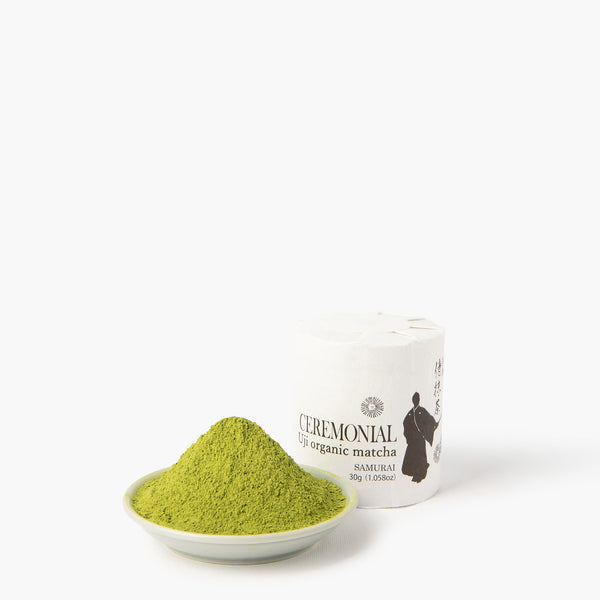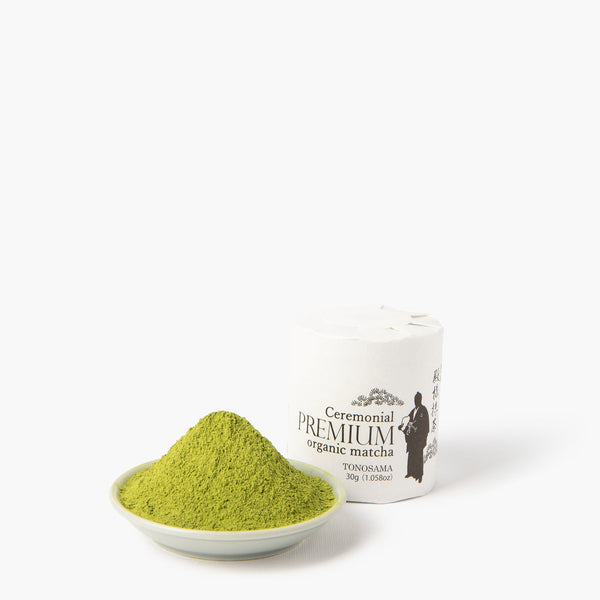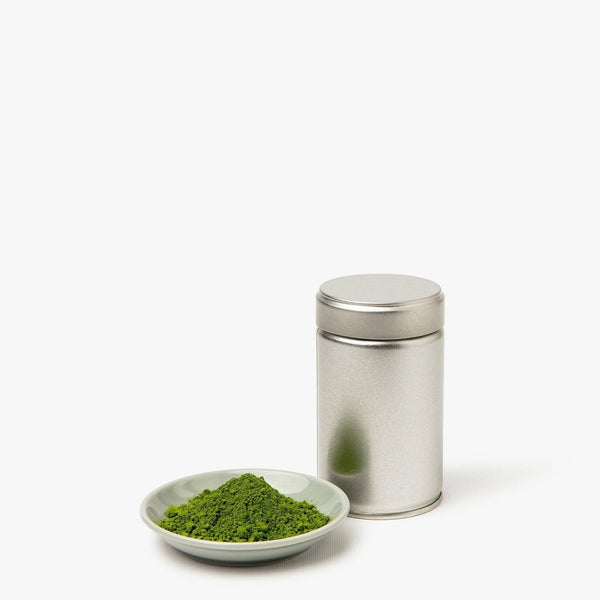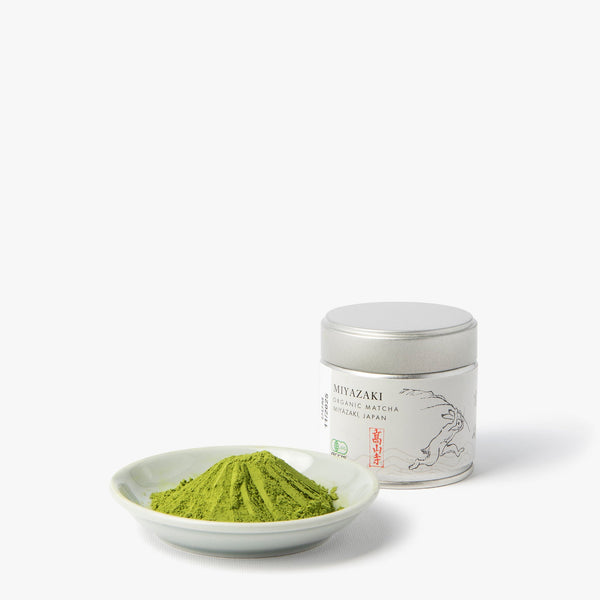
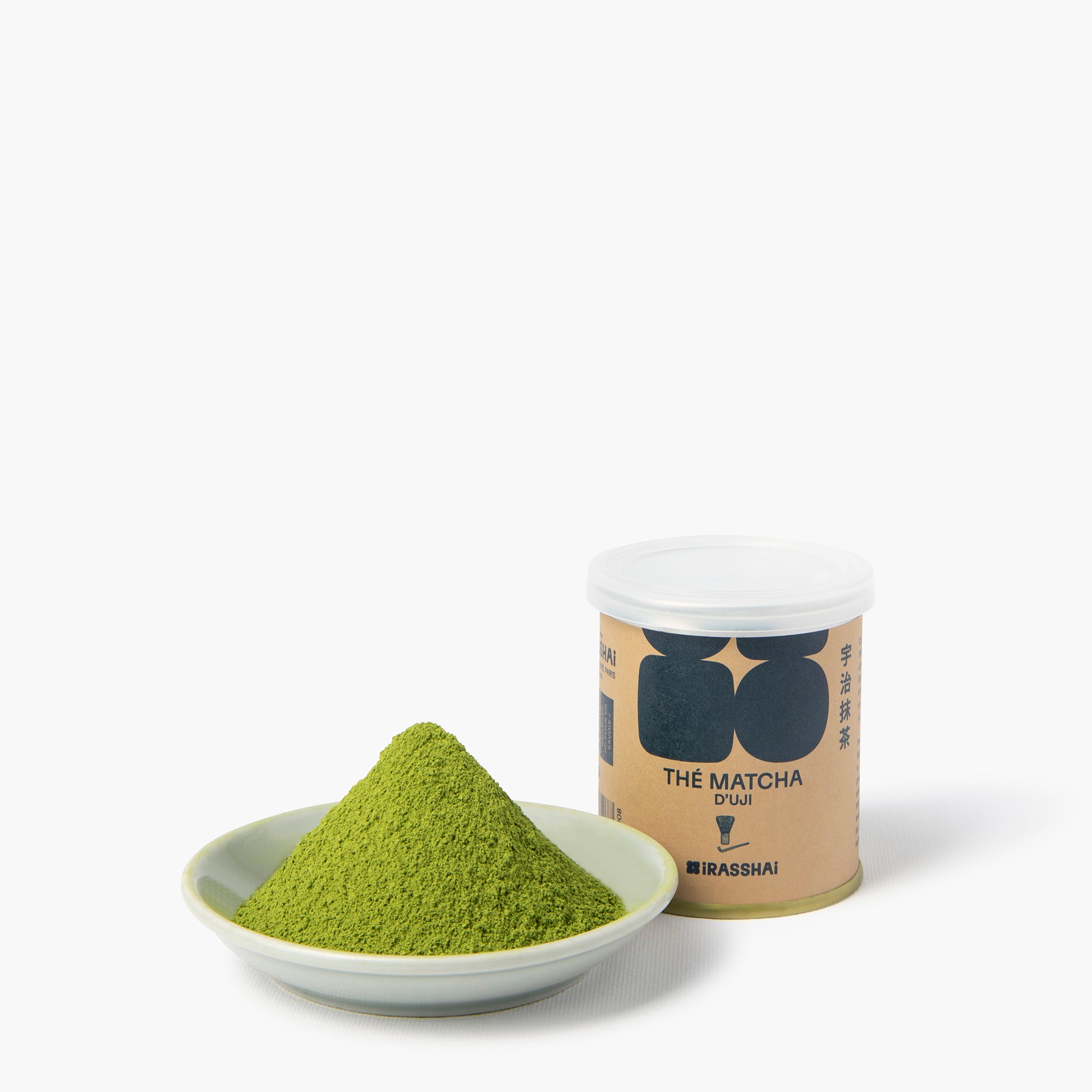


The tea ceremony, known as chanoyu 茶の湯 (“hot tea water”) or sadō 茶道 (“the way of tea”), is much more than just a simple tasting experience. It is a codified ritual that combines aesthetics, philosophy, and spirituality. Every gesture is performed with precision, with an emphasis on harmony and respect. This practice aims to create a moment suspended in time, where the host and guests share a contemplative experience, free from all material distractions.
More than just a social gathering, the tea ceremony embodies the profound values of Japanese culture. It reflects a quest for simplicity, fleeting beauty, and introspection, inspired by Zen Buddhism. The goal is to achieve a state of tranquility, to refocus on the present moment, and to honor nature and human relationships.
Table of Contents:
- The History of Japanese Tea
- The Fundamental Principles of Sen no Rikyū
- Rules and guidelines to follow
- The utensils used
- The Tea Ceremony Procedure
- The Different Types of Ceremonies
The History of Japanese Tea
The history of tea in Japan dates back to the 9th century, when Japanese Buddhist monks returning from China introduced the practice of drinking powdered tea (matcha). At that time, tea was primarily a precious beverage, reserved for the elite and temples, where it was used to aid meditation and help maintain alertness during long hours of prayer.
It wasn’t until the 12th century that matcha began to gain wider popularity, thanks to the monk Eisai (1141–1215), the founder of Rinzai Zen Buddhism in Japan. Convinced of tea’s benefits for the body and mind, he promoted it among the samurai and the imperial court. He also wrote the Kissa Yōjōki (“Treatise on the Health Benefits of Tea”), in which he extolled its medicinal virtues and its role in mental clarity, essential to the practice of Zen.
However, it was in the 16th century that the tea ceremony, as we know it today, was truly codified by Sen no Rikyū (1522–1591). This tea master revolutionized the art of chanoyu by establishing fundamental principles that endure to this day: harmony (wa), respect (kei), purity (sei), and serenity (jaku). Influenced by Zen philosophy, he advocated a minimalist approach, rejecting the pomp of the court in favor of simplicity, authenticity, and the beauty of imperfect things. His tea pavilions were designed with a spirit of simplicity, highlighting raw and natural materials.
Sen no Rikyū’s influence was so profound that it left a lasting mark on Japanese aesthetics, extending far beyond the tea ceremony. Even today, his teachings are passed down through the major tea schools and continue to inspire those who practice this ancient art, seeking harmony between tradition and spirituality.
The Fundamental Principles of Sen no Rikyū
Wa (和): Harmony
Harmony is essential between the host, the guests, the utensils, and the surroundings. Each element must blend into a coherent whole, creating a soothing atmosphere. The layout of the tea room (chashitsu), the arrangement of objects, and the choice of tea are all designed to foster this harmony.
Kei (敬): Respect
Respect is shown toward the participants, the objects, and nature. Every gesture expresses gratitude, whether it is handling utensils with care or greeting guests with kindness. Respect is also extended to raw materials, such as tea and water, which are valued for their purity.
Sei (清): Purity
Purity, symbolized by the rituals of cleaning the utensils before preparing tea, is not only physical but also spiritual. It invites participants to let go of negative thoughts and prepare themselves mentally to receive the tea with an open and relaxed mind.
Jaku (寡): Serenity
Ultimately, serenity is the culmination of the tea ceremony. By following the rituals and adopting a contemplative mindset, participants achieve a deep sense of peace. This inner calm extends beyond the ceremony and influences one’s way of life.

Rules and guidelines to follow
The Japanese tea ceremony is not just a simple ritual: it is an immersion in a world of calm, beauty, and respect. Every gesture has meaning; every silence tells a story. Stepping into a tea house means leaving the hustle and bustle of daily life behind and treating yourself to a moment outside of time.
Imagine a space where only the murmur of rippling water can be heard, where every movement is performed with complete focus. Here, silence is not empty; it is filled with presence. It allows you to fully appreciate the texture of a bowl in your hands, the subtle aroma of matcha, the warmth of a sip of tea that warms the soul. It is a form of meditation in motion, an invitation to slow down and savor the moment.
In the tea ceremony, nothing is left to chance. The host performs precise movements, marked by fluidity and elegance: purifying the utensils, pouring the water delicately, and whisking the matcha until a perfect foam forms.
The chasen, a whisk carved from a single piece of bamboo, is handled with dexterity. To mix the matcha, the host makes a swift "M"- or "W"-shaped motion—never in a circle—to aerate the mixture and create a fine, even foam. About forty strokes of the whisk are enough to achieve the ideal texture: light and silky.
The guests, too, have a specific role to play. When the bowl is presented to them, they receive it with both hands as a sign of respect. Before drinking, they follow a strict ritual:
Hold the bowl with both hands and raise it slightly as a sign of gratitude to the host.
Turn it twice clockwise to avoid drinking from the front side, which is considered the most beautiful and revered.
Drink it in three or four sips, savoring every moment.
Gently wipe the rim with your fingers before returning the bowl to the host.
Every object has a soul, a story. The hand-crafted chawan, the carefully carved chasen, the lacquered natsume… These utensils are much more than mere tools: they reflect a deep respect for nature and artisanal craftsmanship. To handle them with care, to admire them, to pass them on with care—is to participate in a ritual where aesthetics and spirituality become one.
In this way, the tea ceremony becomes a true dance, in which every movement is a tribute to the beauty of the present moment.

The utensils used
The Chawan (茶碗) is an essential tea bowl in the Japanese tea ceremony, designed for preparing and enjoying matcha. Its size, shape, and texture influence the sensory experience by affecting how it feels in the hand, the temperature of the tea, and the overall aesthetic. Depending on the season, wider bowls are preferred in summer to help the tea cool, and deeper bowls in winter to retain heat.

White and Blue Matcha Bowl - €27
The Chasen (茶筅) is a bamboo whisk carved from a single piece of bamboo, specially designed to mix matcha powder with hot water. Thanks to its many strands, it creates a smooth emulsion and a light foam, bringing out the tea’s aromas. Proper care is essential: after use, it should be rinsed with clean water and air-dried to prevent warping.

80-bristle bamboo chasen - $14.50€
The Chashaku (茶杓) is a hand-curved bamboo spoon used to measure matcha powder precisely. Its minimalist design, refined by generations of artisans, ensures a standardized measurement, typically equivalent to a single serving for a traditional preparation (approximately 1.5 g of tea per spoon).

Chashaku Matcha Scoop - €7.50
The Natsume (棗) is an elegant lacquered box used to store matcha before it is prepared. It is particularly used in the usucha (薄茶) ceremony, where a lighter tea is prepared. Its name, meaning “jujube,” comes from its shape, which resembles the fruit of the same name. The interior is often coated with a special lacquer to preserve the tea’s freshness and aroma.
The Hishaku (柄杓) is a bamboo ladle used to scoop and pour hot water from the kama (釜), the iron kettle. Its long handle and sleek design allow for precise pouring, which is essential for controlling the water temperature—a key factor in extracting the flavors of matcha.
The kama (釜) is a traditional iron kettle used to heat water over a specific fire pit, often a cast-iron brazier called a furo (風炉) in the summer or a sunken hearth (ro, 炉) in the winter. The kama plays a central role in the tea ceremony; its design and material influence the purity and smoothness of the water.
The Fukusa (袱紗) is a square piece of fine silk, handled with precision by the host during the ceremony. Its primary purpose is to purify certain utensils, such as the natsume or the chashaku, before they are used. Its folding and handling follow a strict protocol, reflecting the elegance and respect for the traditional gestures of sadō, the Way of Tea.
The Tea Ceremony Procedure
Preparations before the ceremony :
- Preparing the Chashitsu (Tea Room): The host meticulously cleans the tea room, ensuring that every item is in its proper place and that the atmosphere is conducive to serenity
. - Arrangement of the Tokonoma (Decorative Alcove): A calligraphy piece or painting is selected to reflect the spirit of the ceremony, accompanied by a simple floral arrangement (chabana)
. - Selecting and Preparing Utensils: Every utensil, from the bowl to the whisk, is carefully chosen based on the season and the occasion
.
Guest Reception
Arrival and Purification: Guests walk through a garden (roji), symbolizing the passage into a sacred space, and purify themselves by rinsing their hands and mouths at a fountain (tsukubai)
Entering the Chashitsu: They bow as they pass through a small door, symbolizing humility, and take their seats in silence.
Charcoal Ritual (Sumi-demae)
The host takes his seat and lights the coals in the brazier with almost choreographed precision. The fire is arranged in a specific order to ensure consistent heat.
Kaiseki Service (Light Meal)
A light meal is served, consisting of several small dishes, designed to prepare the guests’ palates for the tea tasting. The meal follows a specific structure: soup, rice, and several small side dishes (grilled fish, marinated vegetables, tofu, etc.). Each bite is designed to awaken the palate without weighing it down, thus preparing it for the matcha tasting.
Pause and Contemplation
After the meal, there is a break. Guests may step outside to enjoy the garden while the host prepares the room for the serving of strong tea (koicha).
Preparing and Serving Strong Tea (Koicha)
- Cleaning the Utensils (Chakin Shibori): The host cleans each utensil with precise movements, symbolizing purification
. - Preparing Koicha: A generous amount of matcha is placed in the bowl and mixed with a small amount of hot water to achieve a thick consistency
. - -styleKoicha Tasting: The bowl is passed among the guests, with each person taking a sip and wiping the rim before passing it to the next person, thereby strengthening community bonds
.
Preparing and Serving Light Tea (Usucha)
- Preparing Usucha: After serving koicha, the host prepares a lighter tea using less matcha and more water, resulting in a milder flavor
. - Individual Service: Each guest receives their own bowl of usucha, which they sip in silence, savoring the moment
.
Closing of the Ceremony
- Final Cleanup: The host cleans up and puts away the utensils, marking the official end of the ceremony
- Guests Depart: The guests bid farewell to the host and leave the room in silence, carrying with them the serenity of the experience.

The Different Types of Ceremonies
1. Chaji (茶事): The Complete Tea Ceremony
Chaji is the most elaborate and traditional form of the tea ceremony. Lasting up to four hours, it follows a precise protocol, including a refined kaiseki meal, a bowl of thick tea (koicha), and a bowl of light tea (usucha). This ceremony is a true immersion in the art of tea, requiring great skill on the part of the host.
2. Chakai (茶会): A More Informal Tea Ceremony
Less formal than the chaji, the chakai ceremony is a casual gathering where guests enjoy light tea accompanied by Japanese sweets (wagashi). Shorter and more accessible, it emphasizes the joy of sharing and discovering the tea ritual without the strict formalities of traditional protocol.
3. Shōgo Chaji (正午茶事): The Noon Tea Ceremony
This ceremony takes place around noon and follows the format of a chaji, but with a special focus on the kaiseki meal. The atmosphere is more intimate and centered on the seasonality of the ingredients, reflecting the idea of communion with nature through tea and fine dining.
4. Akatsuki-no-Chaji (暁の茶事): The Dawn Tea Ceremony
Rare and shrouded in mystery, the akatsuki-no-chaji takes place at dawn, symbolizing a new beginning and a deep connection with nature. Guests arrive as night gives way to day, and the host prepares a thick tea in an atmosphere of silence and contemplation.
5. Yobanashi Chaji (Night-Time Tea Ceremony): The Night-Time Tea Ceremony
In contrast to the dawn ceremony, the yobanashi chaji is held after dark. The atmosphere is subdued, often lit by candlelight, creating an intimate setting conducive to meditation. This ceremony is particularly popular in winter, when the warmth of the tea contrasts with the cold outside.
6. Kagetsu (花月): The Advanced Practice
More than just a ceremony, kagetsu is a form of training in which several participants take turns playing the roles of host and guests. This practice, often used in tea schools, helps participants refine their movements and gain a deeper understanding of the ritual’s subtleties.
7. Sencha-dō (煎茶道): The Sencha Tea Ceremony
Unlike ceremonies centered on matcha, sencha-dō celebrates brewed green tea (sencha). Inspired by Chinese scholars, this ritual emphasizes a minimalist aesthetic and the enjoyment of tea in a more accessible form, while adhering to precise, codified movements.