


Collection: Shiokôji & Other Koji Products
Koji is at the heart of Japanese fermentation. This traditional ingredient, used to make miso, sake, and soy sauce, brings out the full richness of umami flavor and enhances culinary dishes.
In this selection, discover shiokôji, a fermented seasoning made from koji, salt, and water—perfect for tenderizing meat, enhancing vegetables, or adding a unique depth of flavor to your dishes. You’ll also find other koji-fermented condiments, perfect for experimenting with Japanese cuisine at home.
A burst of flavor and goodness to add a whole new dimension to your everyday recipes!

-
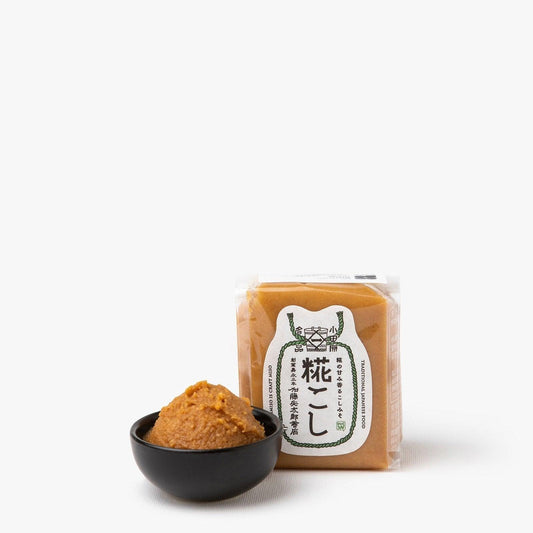
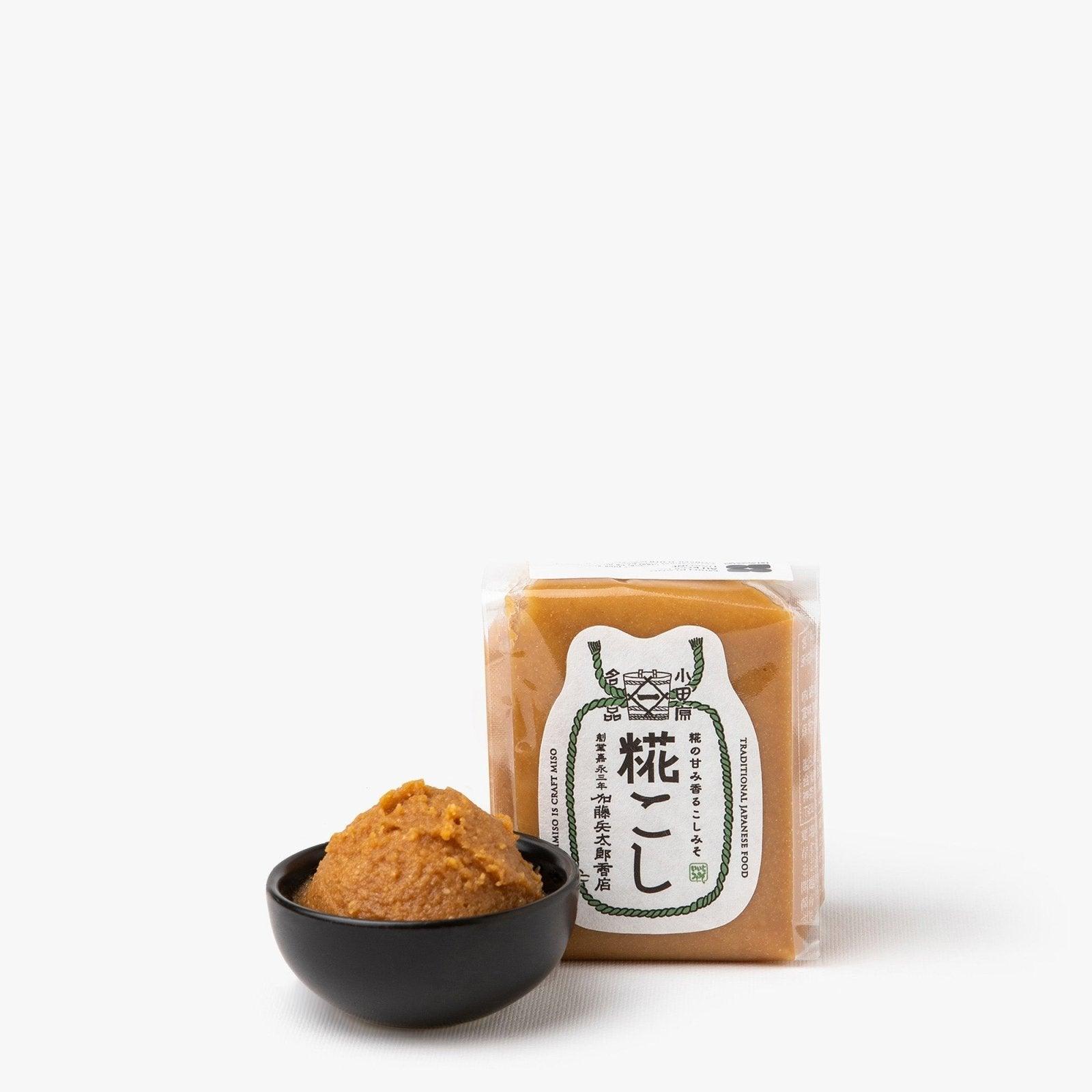
Hakone white koji miso ⋅ Kato Heitaro shoten ⋅ 200g
⋅ Entirely handmade⋅ Small-scale producer⋅ Premium⋅ Perfect for marinades⋅ Miso made in wooden barrelsThe addition of koji gives this miso a mild, sweet flavor that children...
Regular price 5.50 €Promotional price 5.50 € Regular priceUnit price 27.50 € by kg

White Koji Miso ⋅ Kono Vinegar Miso Manufacturing Factory ⋅ 400g
⋅ Handcrafted⋅ Aged for 1 year⋅ No artificial enzymes added⋅ Mild flavor and thick texture⋅ Perfect for marinadesThis miso is made in winter using the Tennen...
Regular price 12.70 €Promotional price 12.70 € Regular priceUnit price 31.75 € by kg

Yuzu and Koji Ponzu Sauce ⋅ Kono Vinegar Miso Manufacturing Factory ⋅ 145ml
⋅ Ponzu sauce made with yuzu juice and koji⋅ Perfect for salad dressings⋅ Can be used as a marinade⋅ Pairs wonderfully with fish and vegetablesThis artisanal...
Regular price 8.30 €Promotional price 8.30 € Regular priceUnit price 57.24 € by l

Carrot and koji dressing ⋅ Kono Vinegar Miso Manufacturing Factory ⋅ 145ml
⋅ Ready-to-use vinaigrette⋅ Delicately flavored with fermented carrots⋅ Made with koji, rich in antioxidants and prebiotics⋅ Umami flavor, slightly sweet⋅ Delicious in salads or as a...
Regular price 7.30 €Promotional price 7.30 € Regular priceUnit price 50.34 € by l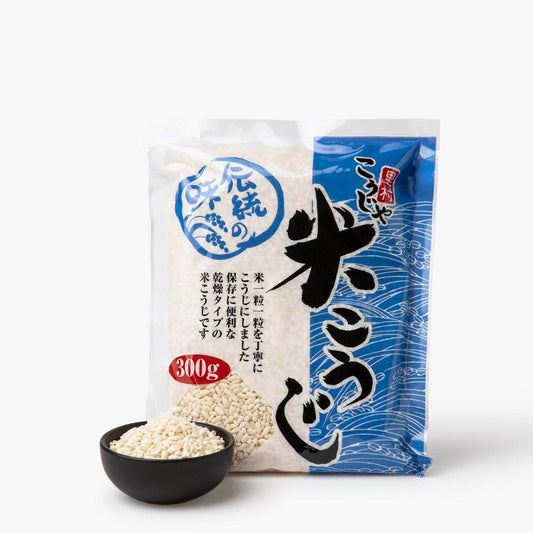
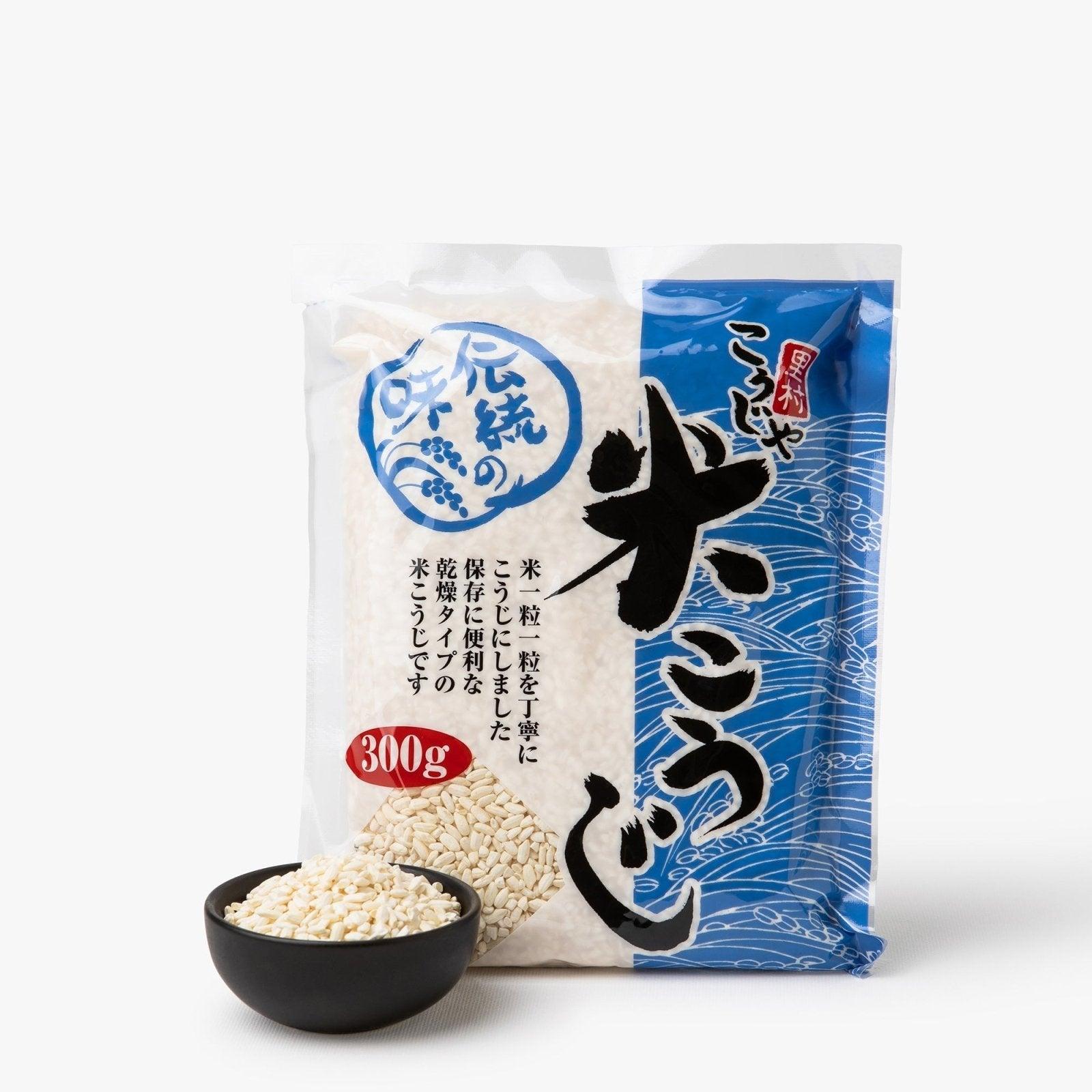
Koji rice ferment ⋅ Kohsei Foods ⋅ 300g
⋅ Essential for making soy sauce, miso, or amazake⋅ Natural seasoning⋅ No additives⋅ Perfect for marinades⋅ Adds a mild, intensely umami flavor to dishesA artisanal product...
Regular price 6.10 €Promotional price 6.10 € Regular priceUnit price 20.33 € by kg

Fermented shiokoji seasoning ⋅ Tsukemoto ⋅ 100g
⋅ Salt substitute⋅ Rich, umami flavor⋅ Ideal for marinades⋅ Tenderizes meat⋅ Rich in mineralsMade from fermented rice and salt, this authentic and flavorful product has been...
Regular price 5.60 €Promotional price 5.60 € Regular priceUnit price 56.00 € by kg

Fermented shiokoji seasoning ⋅ Yoshiichi ⋅ 180g
⋅ Made with sake rice from Ishikawa, for a delicate flavor⋅ Tenderizes meat and enhances the flavor of fish and vegetables⋅ Ideal for marinades, salad dressings,...
Regular price 6.90 €Promotional price 6.90 € Regular priceUnit price 38.33 € by kg

White miso enriched with koji ⋅ Yamabuki Miso ⋅ 500g
• Mild and naturally umami-rich Goput • Perfect for miso soups, sauces, broths, and marinades.• Transforms every dish into an authentic Japanese experience.A white miso enriched...
Regular price 14.70 €Promotional price 14.70 € Regular priceUnit price 29.40 € by kg
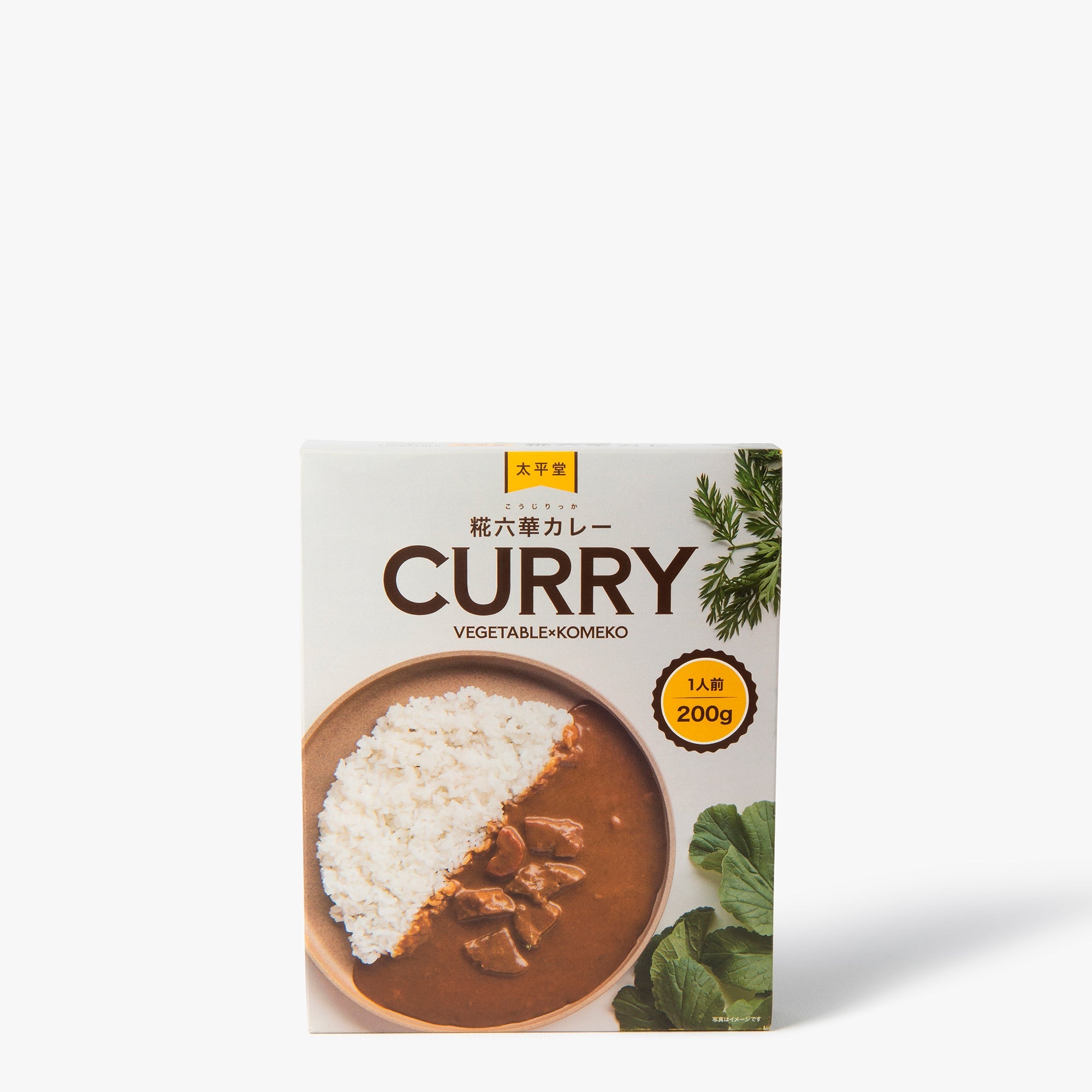
Doburoku and sweet koji curry ⋅ Taiheido ⋅ 200g
⋅ Artisanal curry made with Niigata rice flour⋅ Gluten-free⋅ Made with doburoku (unfiltered sake) and spicy koji⋅ Inspired by Niigata traditions, featuring local vegetablesA unique gluten-free...
Regular price 10.50 €Promotional price 10.50 € Regular priceUnit price 52.50 € by kg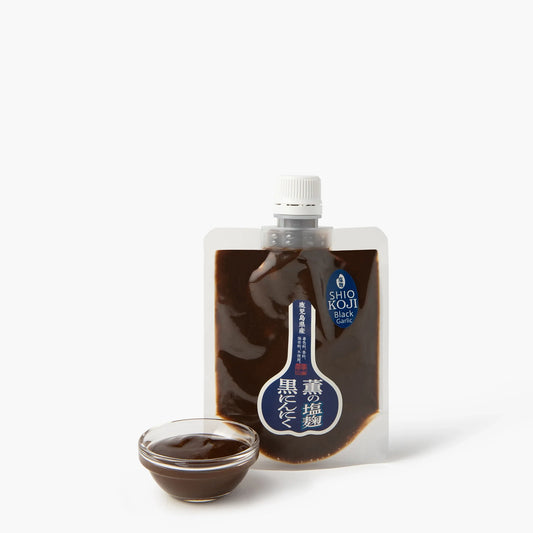
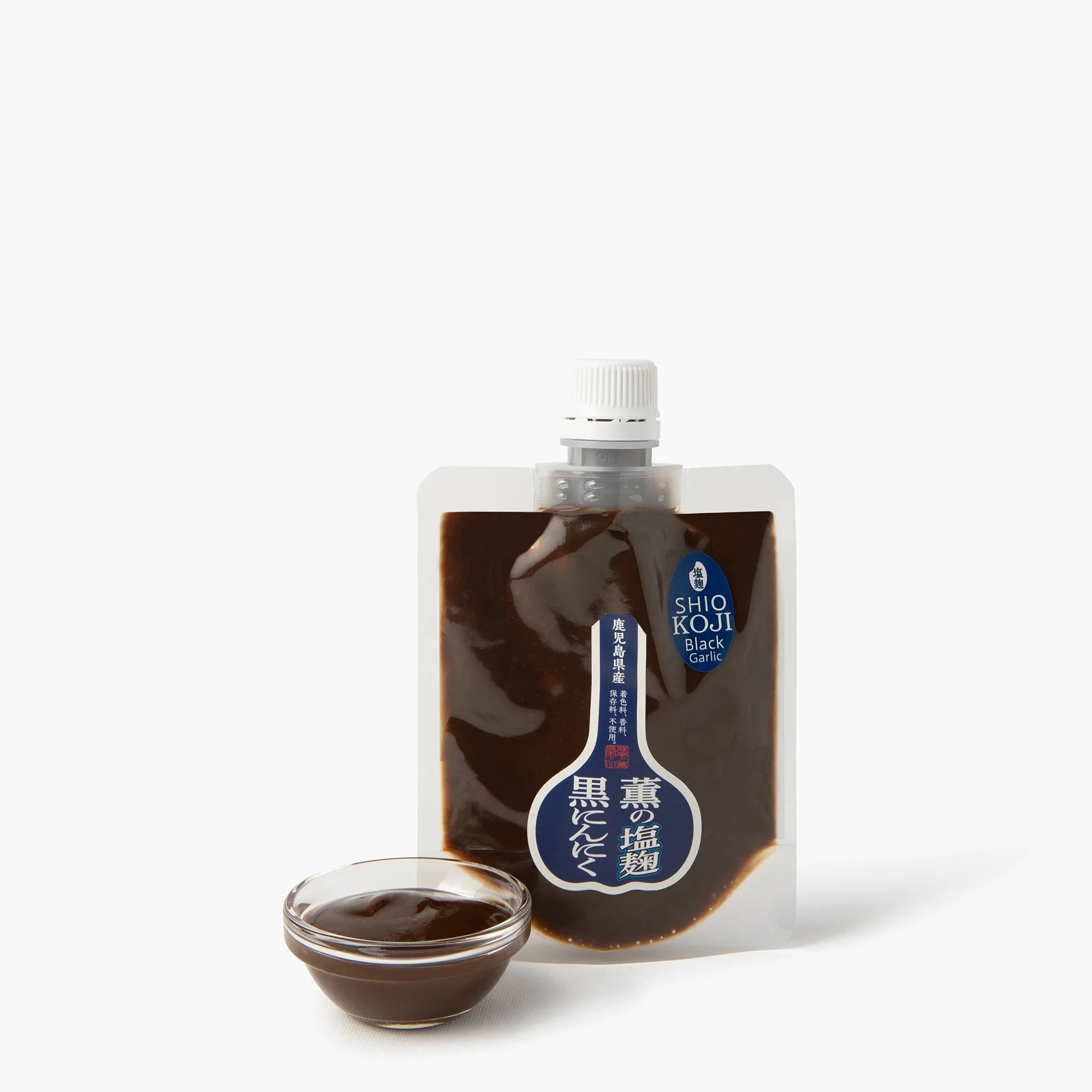
Black garlic shio koji ⋅ Kaori no kuroninniku ⋅ 100g
• Seasoning combining shio koji and Kagoshima black garlic• Black garlic produced through slow, low-temperature aging: tender texture, mild and sweet flavor.• Rich in antioxidants• Adds...
Regular price 8.90 €Promotional price 8.90 € Regular priceUnit price 89.00 € by kg

Garlic shio koji ⋅ Kaori no kuroninniku ⋅ 150g
• Rich, natural flavors that enhance meat, fish, and vegetables.• Ideal for marinades, sauces, and stir-fries.• Can be used as a base for salad dressings: mix...
Regular price 10.65 €Promotional price 10.65 € Regular priceUnit price 71.00 € by kg

Sweet White Miso Enriched with Koji ⋅ Yamabuki Miso ⋅ 500g
• Natural sweetness and umami • Ideal for savory and sweet dishes alike!• Rustic texture, with small pieces of kojiA mild, umami-rich, sweet white miso made...
Regular price 20.80 €Promotional price 20.80 € Regular priceUnit price 41.60 € by kg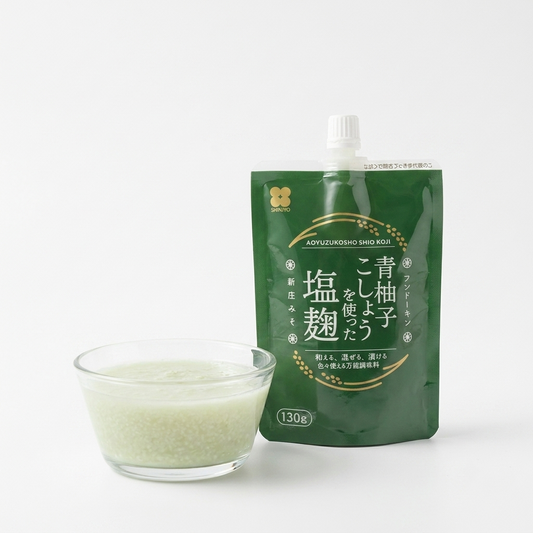
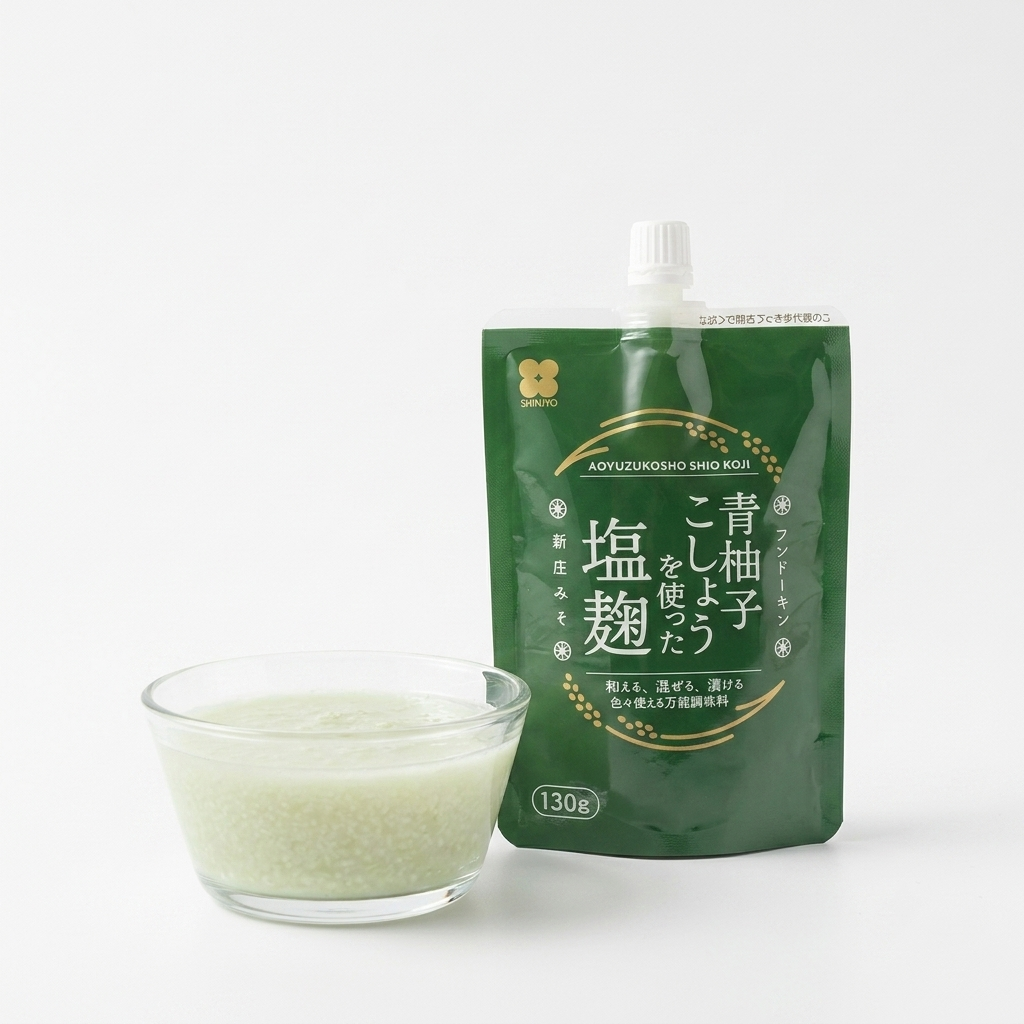
Yuzu kosho shio koji ⋅ Shinjyo Miso ⋅ 130g
• Ready to use, spicy and aromatic• Rich, natural flavors that enhance meat, fish, and vegetables.• Ideal for marinades, sauces, and stir-fries.⋅ Resealable pouchShio kôji is...
Regular price 7.95 €Promotional price 7.95 € Regular priceUnit price 61.15 € by kg

Concentrated liquid white dashi with koji ⋅ Fujijin Shoyu ⋅ 500ml
Regular price 10.00 €Promotional price 10.00 € Regular priceUnit price 20.00 € by l

Yellow koji spores ⋅ Genkoji ⋅ 15g
Regular price 9.65 €Promotional price 9.65 € Regular priceUnit price 643.33 € by kg


Sweet white miso enriched with koji ⋅ Yamabuki Miso ⋅ 10kg
• Natural sweetness and umami • Ideal for savory dishes and desserts!• Smooth and creamy textureA white miso with a mild, umami-rich, sweet flavor, made with...
Regular price 290.00 €Promotional price 290.00 € Regular priceUnit price 29.00 € by kg
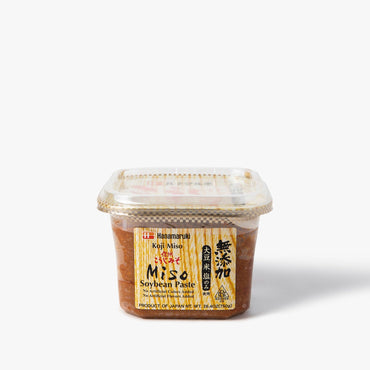

Koji miso ⋅ hanamaruki ⋅ 750g
⋅ Light texture⋅ Mild, slightly sweet flavor⋅ Perfect for soups⋅ Ideal for marinadesA white miso with a mild flavor and rich in umami, ideal for adding...
Regular price 8.40 €Promotional price 8.40 € Regular priceUnit price 11.20 € by kg

Fermented amazake rice seasoning enriched with koji ⋅ Yoshiichi ⋅ 180g
⋅ Sweet and naturally sweet amazake⋅ Made with Gohyakumangoku rice from Ishikawa, renowned for its sake⋅ Enriched with koji⋅ Ideal for sauces, marinades, desserts, or condimentsAn...
Regular price 6.60 €Promotional price 6.60 € Regular priceUnit price 36.67 € by kg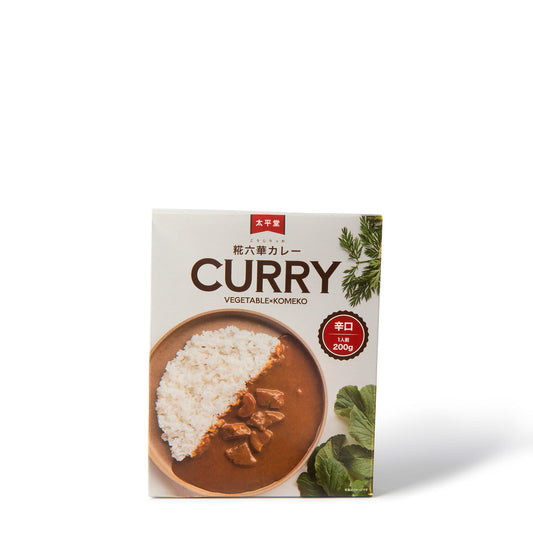
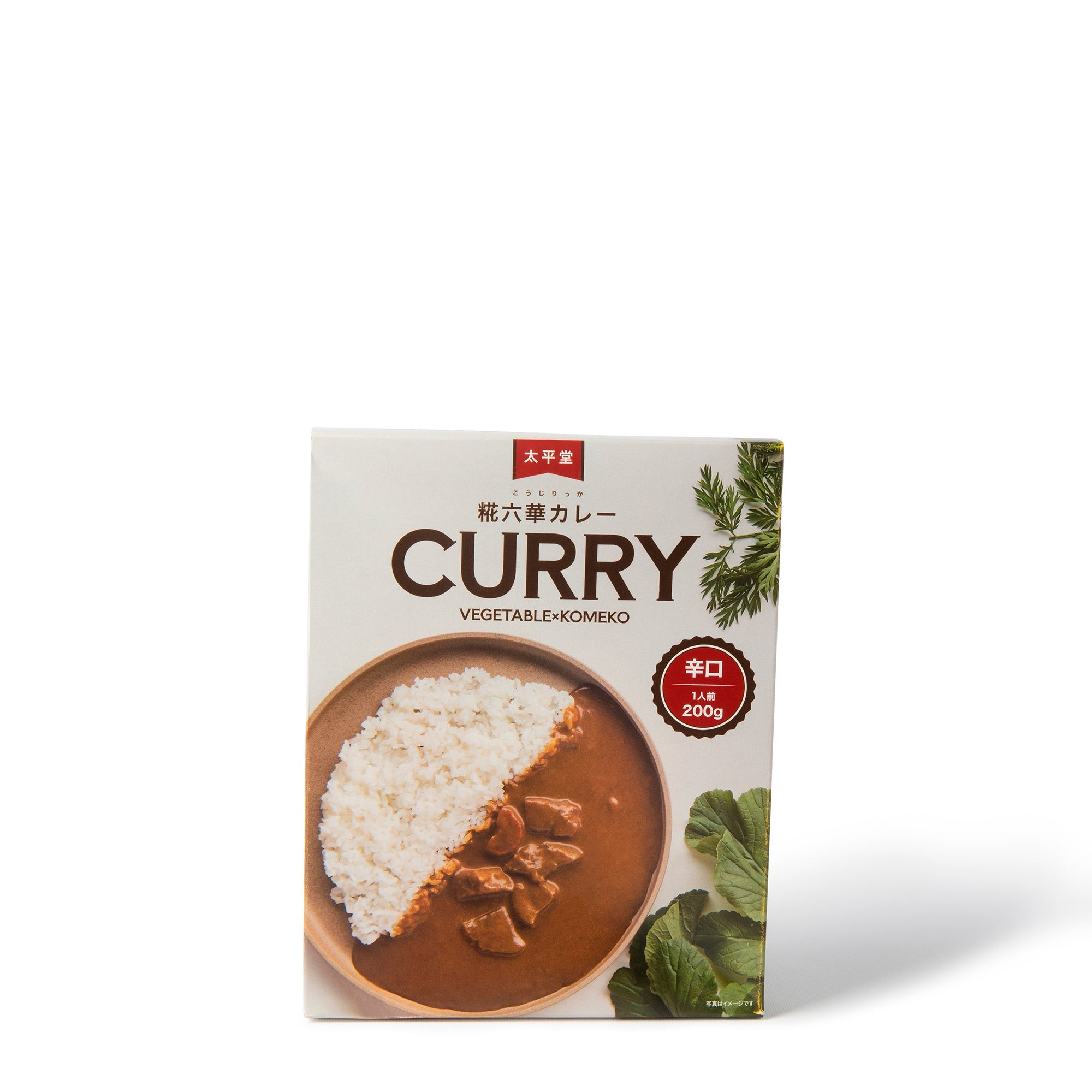
Doburoku and spicy koji curry ⋅ Taiheidô ⋅ 200g
⋅ Artisanal curry made with Niigata rice flour⋅ Gluten-free⋅ Made with doburoku (unfiltered sake) and spicy koji⋅ Inspired by Niigata traditions, featuring local vegetablesA unique gluten-free...
Regular price 10.50 €Promotional price 10.50 € Regular priceUnit price 52.50 € by kg
Learn more about kôji
How is koji made?
Koji is made by inoculating rice, soybeans, or other grains with a fungus called Aspergillus oryzae. This fermentation process generally lasts between 24 and 48 hours in a controlled environment with precise temperature and humidity levels. During this time, the enzymes produced by the fungus break down starch into sugars and proteins into amino acids, thereby developing umami. Koji is then used to produce miso, sake, shio koji, and other Japanese condiments.
Why is koji considered the “miracle ferment” of Japanese cuisine?
Koji is often called the “miracle ferment” because it plays an essential role in Japanese cuisine by transforming food through its powerful enzymes.
It breaks down starch into natural sugars, proteins into amino acids, and fats into fatty acids, revealing deep, umami-rich flavors.
Thanks to this action, it is used to produce miso, sake, shoyu, amazake, and shio koji, which enhance many dishes. Its ability to provide gentle, natural fermentation also improves the texture and digestibility of food, making it a key ingredient in Japanese cuisine.
What are the health benefits of koji?
Koji offers several health benefits, notably thanks to its natural enzymes, which aid digestion and improve the absorption of nutrients. It contributes to better absorption of proteins, carbohydrates, and fats, while providing probiotics that benefit the gut microbiome.
Rich in amino acids and B vitamins, it promotes intestinal balance, strengthens the immune system, and has antioxidant properties.
Shio koji, used as a marinade, also helps tenderize meat and fish, making them easier to digest. Finally, its natural fermentation makes it a living food with numerous benefits, ideal for a balanced diet.
What is the difference between koji and shio koji?
Koji and shio koji are both made through fermentation, but they have different uses and compositions.
Koji is rice (or another grain) inoculated with the fungus Aspergillus oryzae, used as a base to ferment products such as miso, sake, or amazake. It is rich in enzymes that break down proteins and starch, thereby releasing intense umami flavors.
Shio koji, on the other hand, is a mixture of koji, salt, and water, fermented for several days. It is used as a natural seasoning or marinade, adding sweetness and umami to dishes while helping to tenderize meat and fish. Easier to use every day, it often replaces salt or soy sauce in Japanese cuisine.
How are they used in Japanese cuisine?
Using shiokoji:
- Marinade: It tenderizes meat, fish, and even vegetables (a few hours are enough).
- Seasoning: It replaces salt or soy sauce in soups, sauces, and dressings.
- Cooking: Added at the end of cooking, it brings depth of flavor to stews and stir-fries.
Using koji:
- Making miso, amazake, or sake: An essential base for these fermented products.
- Japanese pickles (tsukemono): Mixed with vegetables, it enables gentle fermentation.
- Preparing shio koji and shoyu koji: Transformed into seasonings to enhance dishes.
How is shio koji different from soy sauce or miso?
Shio koji, soy sauce, and miso are three iconic fermented condiments in Japanese cuisine, but they differ in their ingredients, fermentation processes, and uses.
Ingredients:
- Shio koji: Rice fermented with salt and water.
- Soy sauce: Soybeans fermented with wheat, salt, and water.
- Miso: A fermented paste made from soybeans, koji (rice, barley, or soybeans), and salt.
Texture & flavor:
- Shio koji: Slightly thick liquid with a sweet-salty taste and subtle umami.
- Soy sauce: Dark, salty liquid with a more pronounced depth of flavor.
- Miso: Thick paste with a more pronounced umami richness.
Uses in cooking:
- Shio koji: An excellent marinade that tenderizes meat and fish and can replace salt.
- Soy sauce: A versatile seasoning for sauces, soups, and stir-fries.
- Miso: Used in soups, sauces, and simmered dishes.
Can you make homemade koji?
The main steps:
- Rinse and cook rice (or another grain such as barley or soybeans).
- Inoculate with Aspergillus oryzae, a fungus specific to Japanese fermentation.
- Incubate at approximately 30-35°C with good humidity for 36 to 48 hours.
- Stir regularly to prevent overheating and ensure an even distribution of the fungus.
- The koji is ready when it gives off a sweet smell and is covered with a fine white fuzz.
Tips:
- A fermenter or homemade proofing chamber helps maintain a stable temperature.
- It is essential to use a high-quality koji starter for good growth.
- Once ready, the koji can be used to make shio koji, miso, amazake, sake, and many other Japanese fermented products.


