



Collection: Japanese alcohols
Japan is renowned for its refined and diversified alcohols. If the best known is the sake, made from fermented rice, there are many others! Japan offers a very wide range of alcohol. Explore our carefully elaborate selection to guide you in the discovery, among which you will find Japanese whiskey, Shochu, Umeshu, Japanese Gin and many others.


-
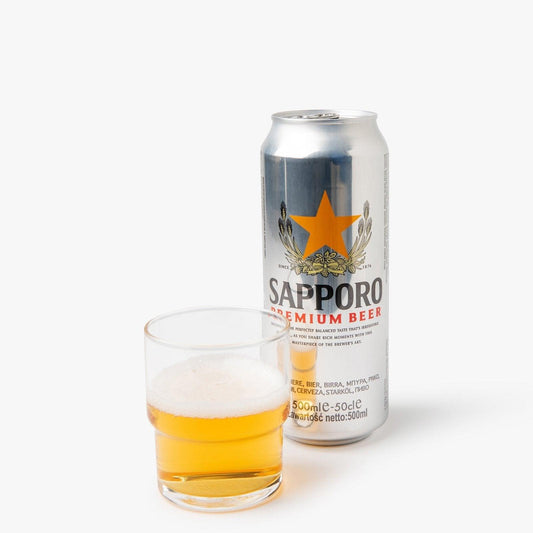

Sapporo Beer ⋅ Sapporo Breweries ⋅ 500 ml
⋅ Crisp, smooth, and refreshing taste⋅ Perfect for any occasion, from aperitifs to meals⋅ Best enjoyed ice-coldSapporo Beer is an iconic Japanese pale lager, carefully brewed...
Usual price 2.80 €Promotional price 2.80 € Usual priceUnit price 5.60 € by l

To drink your Japanese alcohols, in Japanese glasses!
-
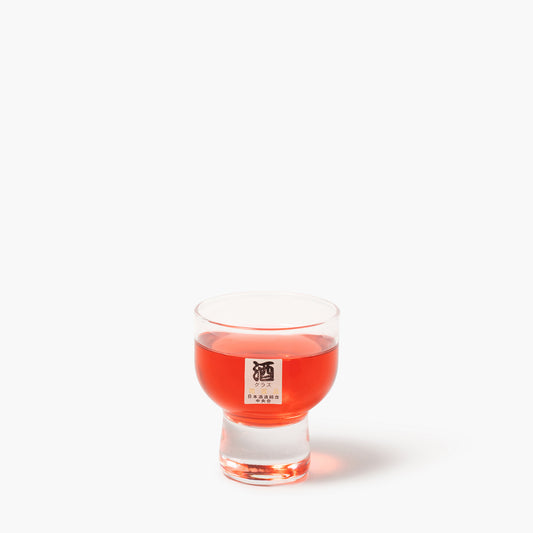
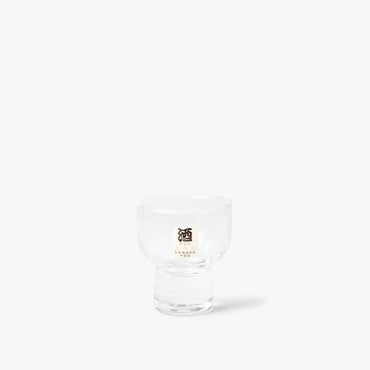
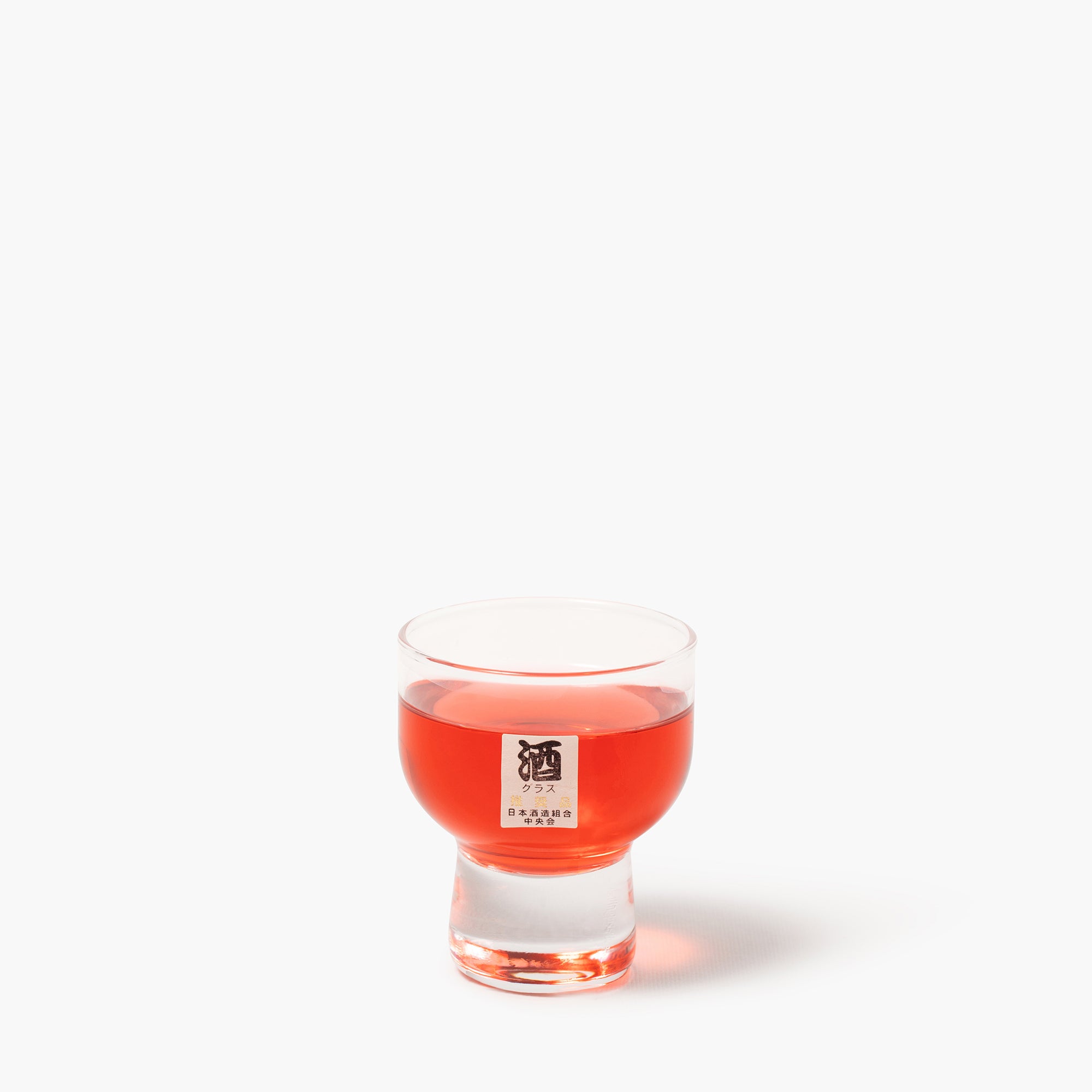
Small sake glass, 70 ml ⋅ TOYO-SASAKI GLASS
TOYO-SASAKI GLASSUsual price 4.60 €Promotional price 4.60 € Usual priceUnit price by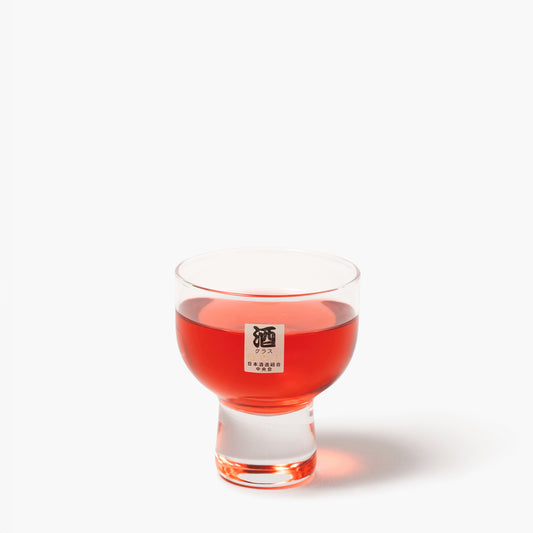
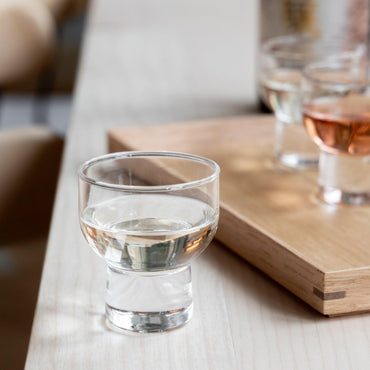
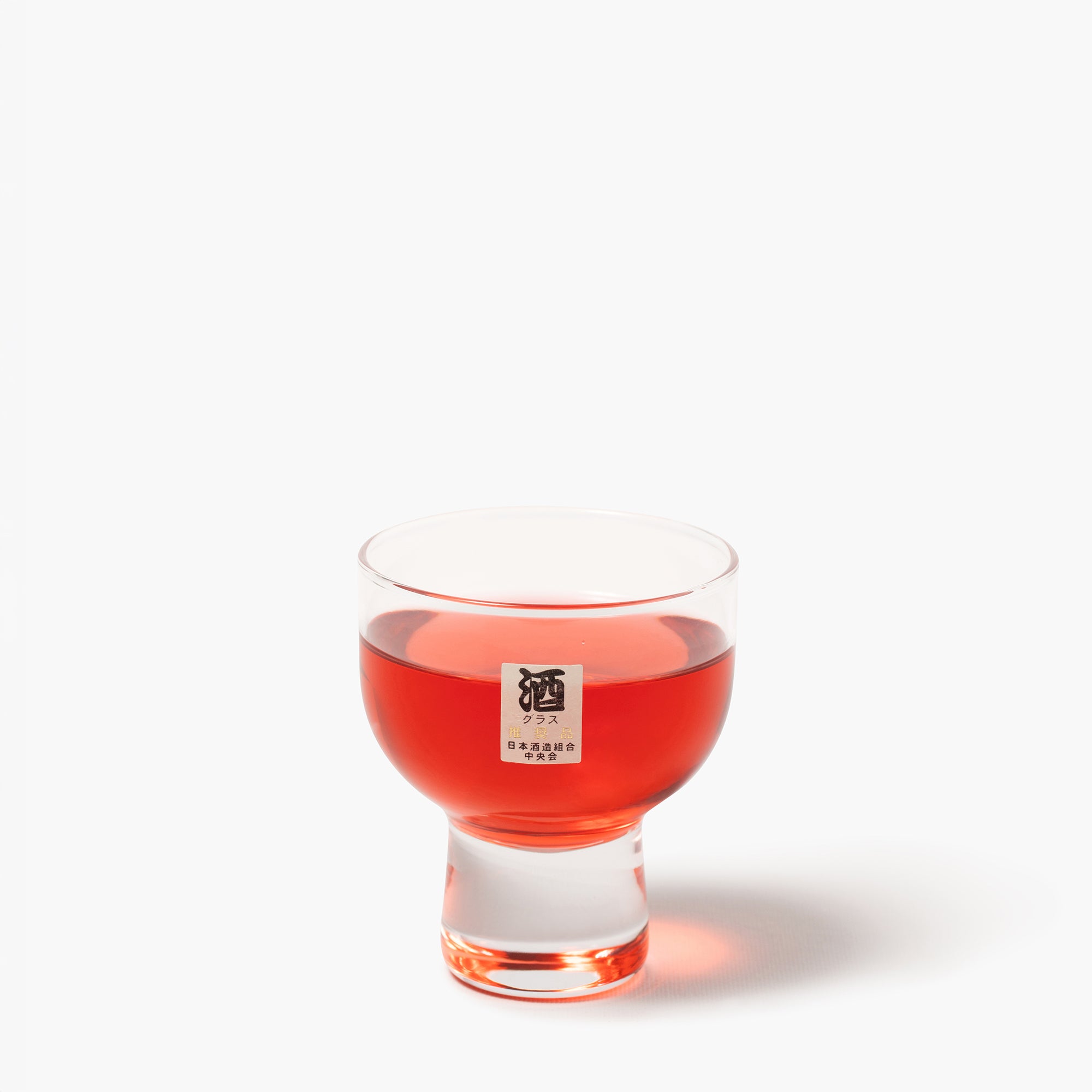
Large sake glass, 125 ml ⋅ TOYO-SASAKI GLASS
TOYO-SASAKI GLASSUsual price 6.20 €Promotional price 6.20 € Usual priceUnit price by


430ml beer glass ⋅ Kinto
KintoUsual price 9.50 €Promotional price 9.50 € Usual priceUnit price by
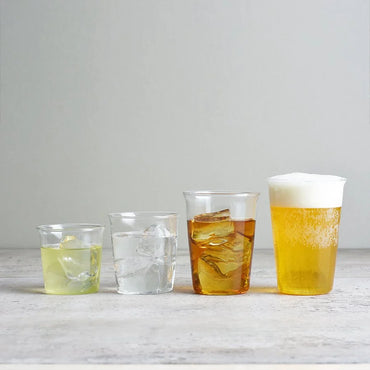

Water glass ⋅ 350 ml ⋅ Kinto
KintoUsual price 7.50 €Promotional price 7.50 € Usual priceUnit price by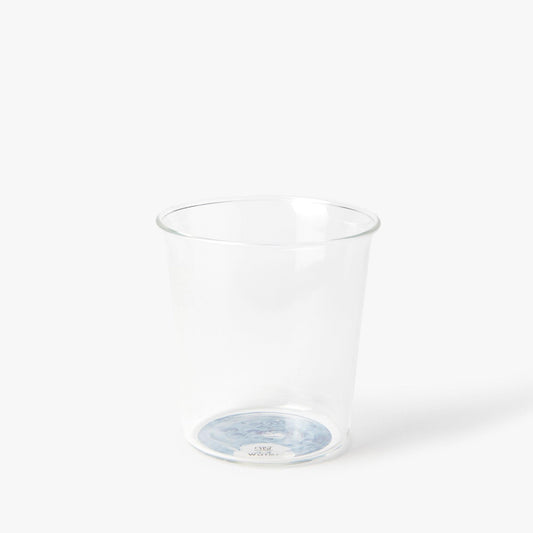

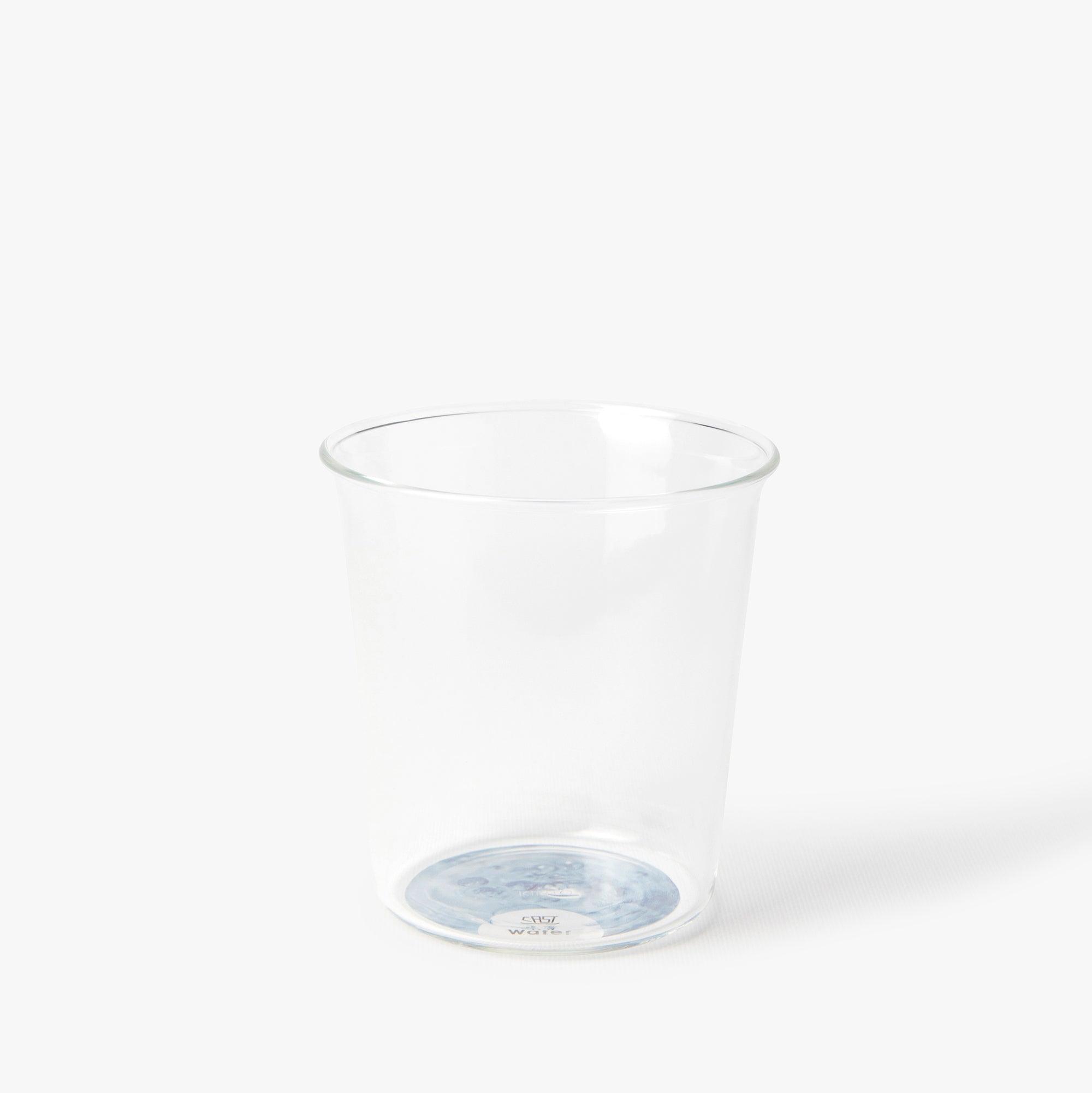
Water glass ⋅ 250 ml ⋅ Kinto
KintoUsual price 6.90 €Promotional price 6.90 € Usual priceUnit price by
Our Japanese cocktail recipes


Learn more about Japanese alcohols
What are the main types of Japanese alcohols?
The main types of Japanese alcohols include:
- Sake : Fermented alcohol based on rice, often consumed hot or cold.
- Shochu : Spirits distilled from various ingredients such as barley, sweet potato or rice.
- Umeshu : Soft liquor based on Japanese plums (UME) macerated in alcohol and sugar.
- Awamori : Specific Okinawa spirits, distilled from Thai rice.
- Japanese whiskey : Inspired by Scottish whiskey, it is renowned for its finesse and complexity.
These alcohols offer a rich diversity of flavors and aromas, reflecting the variety of ingredients and production methods used in Japan.
What is the difference between sake and shochu?
The sake and the shockhu are two emblematic Japanese alcohols, but they have notable differences. The sake is obtained by fermentation of rice, water and koji (a mold used to transform starch into sugar). It is generally softer and rounder in the mouth. Shochu, on the other hand, is produced by distillation of a fermented base from rice, barley, sweet potato or other cereals. It offers a more varied palette of flavors and can be drier or more fruity depending on the ingredients used.
How are Japanese alcohols traditionally consumed?
Traditionally, Japanese alcohols are consumed in different ways:
- Sake : Served hot or cold, depending on the season and the type of sake. Saké is often consumed in small bowls called "Ochoko".
- Shochu : Can be drunk pure, diluted with hot or cold water, or served on ice. It is also popular in cocktail.
- Umeshu : Generally consumed on ice or with sparkling water.
- Japanese whiskey : Pure tasted, with ice, or lying with water.
These drinks are often accompanied by Japanese dishes, allowing a harmonious tasting.
What is the degree of rice polishing in the sake?
THE Rice polishing degree in the sake, called "Seimai Buai", refers to the percentage of the outer layer of the rice grain which was removed before fermentation. The more polished the rice, the higher the quality of the sake. For example, a sake with a 50% polishing means that 50% of the grain has been removed. High quality sakes like the Daiginjo Generally have a polishing of 50% or more, offering more refined and delicate flavors.
How to choose a sake according to my dishes?
To choose a sake according to your dishes, consider these conventional agreements:
- Sashimi or seafood : Favors a light and dry sake, like a Junmai Or Ginjo.
- Tempura or fried dishes : A richer sake like a Honjozo will balance the fat texture well.
- Spicy dishes : A slightly sweet sake like a Nigori (Saké not filtered) will soften the spices.
- Desserts : Opts for a sweet, rather fruity sake, even a plum liqueur Umeshu.
What is the ideal temperature to serve the sake?
The ideal temperature to serve the sake depends on its type:
- Premium sake (Daiginjo, Ginjo) : Served fresh, between 10-15 ° C, to preserve its delicate aromas.
- More classic sake (Junmai, Honjozo) : Can be served slightly warmed (30-40 ° C) to accentuate the Umami flavors.
- Hot sake : Between 40-55 ° C, for simpler sakes, often consumed in winter.
What are the different raw materials used to make Shochu?
The Shochu is made from various raw materials, each type offering separate flavors:
- Barley (Mugi Shochu) : Soft and light, often preferred by beginners.
- Sweet potato (Imo Shochu) : Rich and earthy aromas, more full -bodied.
- Rice (Kome Shochu) : Soft and subtle, often compared to sake.
- Buckwheat (Sobacha Shochu) : Slightly hazelnut flavor, unique and aromatic.
- Brown sugar (Kokuto Shochu) : Sweet and caramelized flavor, from Okinawa.
What are the Japanese dishes that go well with the alcohols?
Japanese dishes go perfectly with different alcohols:
- Sake : Sashimi, Sushi, Tempura, Yakitori.
- Shochu : Grilled dishes, ramen, sukiyaki, izakaya snacks (small bar dishes).
- Umeshu : Sweet and savory dishes, light desserts.
- Japanese whiskey : Grilled meats, dark chocolate, cheese.
What are the traditions associated with alcohol consumption in Japan?
Alcohol consumption in Japan is surrounded by many traditions:
- Kanpai : The traditional Japanese toast, often made by lifting its glass before drinking.
- Filling of glasses : The Japanese always fill the glass of their neighbor, never theirs, as a sign of respect.
- Drinking in moderation : Even during festive meetings, it is fashionable not to get drunk excessively.
L’abus d’alcool est dangereux pour la santé, à consommer avec modération. La commande d’alcool est réservée aux personnes majeures, conformément à la législation en vigueur dans votre pays.


