Among the countless condiments found around the world, one ingredient stands out as a staple in cuisines worldwide: soy sauce.
Originating in Asia, this brownish sauce—made by fermenting soybeans and wheat —is much more than just a seasoning; it’s a cornerstone of Asian and Japanese cuisine! If you’re a fan of Japanese cuisine, you’re probably wondering about soy sauce! How do you choose it? How do you use it? Follow this guide so that it holds no more secrets for you.

Table of Contents
What is soy sauce?
The Different Types of Soy Sauce
How do you choose soy sauce?
How do you use soy sauce?
What can I use instead of soy sauce?
The Health Benefits of Soy Sauce
Discover the sauces recommended by iRASSHAi
A few recipes featuring soy sauce
What is soy sauce?
Soy sauce, also known as shôyu (しょうゆ) in Japan, is a staple in Japanese pantries. It is made from soybeans, wheat, water, and salt, and is used daily to season dishes.
The traditional production method involves mixing soybeans and wheat, to which yeast or a starter culture is added. This mixture ferments until a liquid with an amber hue is obtained, ranging from brown to reddish in color, with varying intensity.
Originally used in East Asian cuisine, soy sauce has gained popularity worldwide and has become an essential ingredient in many cuisines around the globe. Low in fat and salt, it enhances the flavor of any dish. Once opened, it can be stored in the refrigerator for months.
The Different Types of Soy Sauce
- Dark soy sauce: smooth with salty and umami flavors, it’s perfect for cooking. Its dark color comes from a longer fermentation period, which also gives it more flavor
. - Lightsoy sauce: thin in consistency and lower in sodium, it has a milder flavor and is perfect for dipping ingredients in.
- Sweet soy sauce: this variety, so popular in France, doesn’t even exist in Japan! That’s right! It’s made exclusively for export, to cater to Western tastes. Sweet soy sauce is thicker and darker, and contains added sugar. It is often served in popular restaurants as an accompaniment to sushi to meet the demand of French restaurateurs. In France today, it sells just as well as the savory version. However, there is a soy sauce in Japan that is similar to sweet soy sauce: the sauce for mitarashi dango, made with soy sauce, mirin, and sugar. It is used exclusively for dango.
How do you choose soy sauce?
The choice of soy sauce will depend on how you plan to use it and your personal preferences. However, there are still a few things to keep in mind when choosing a high-quality soy sauce:
Origin
Depending on the country of origin, sauces can have different characteristics.
In Japan, soy sauce is called shôyu. It is the most common type and the most widely exported. Dark soy sauce is the most common variety; it is slightly sweet and is used in most dishes. Light soy sauce is saltier and thinner than dark soy sauce.
There are also more unique soy sauces, flavored with yuzu, sake, ginger...!
In China, soy sauce is called jiàng yóu (酱油). It contains less wheat than Japanese soy sauce. Soy sauces are generally categorized as "dark" or "light." The Chinese most often use light soy sauce to season dishes. Dark soy sauce is thicker and slightly sweeter than light soy sauce. It is possible to mix the two sauces in the same recipe.
In Korea, soy sauce is called ganjang (간장). There are two different types:
The most common is dark soy sauce, which is used in saucy dishes and meat marinades.The soy sauce for soups , called guk-gangjang (국간장), made with less wheat, is a byproduct of the production of doenjang (Korean fermented soybean paste) and is used to season soups or vegetable banchan (small side dishes). This sauce is lighter in color and saltier.
In Thailand, soy sauce is called sii-íu (ซอสถั่วเหลือง). There are two types of soy sauce: white and black. White soy sauce is the most commonly used. It is also sometimes called “light” and can be recognized by its white cap. Black soy sauce is much less salty than white soy sauce; it is used in cooking and adds color to dishes.
The composition
Choose natural ingredients with no additives or flavor enhancers for a higher-quality soy sauce! The salt and protein content are also listed on the label and can be a deciding factor. The protein content is a sign of quality.
Fermentation
The longer it is fermented, the stronger the flavor will be. High-quality soy sauces are often fermented for a longer period, which intensifies their flavor. The fermentation time is usually indicated on the packaging. Natural (non-industrial) fermentation is also preferable: low-end soy sauces are not produced through fermentation but through a chemical hydrolysis process that takes only two or three days, resulting in a sauce with a much less rich flavor. If the bottle doesn’t say “naturally fermented,” it’s likely a chemically produced soy sauce.
Salt content
Japanese sauces tend to be much less salty than Chinese ones. As a general rule, dark soy sauce is saltier. However, you can also find low-sodium soy sauces on the market.
The taste
Whether salty, mildly salty, slightly sweet, thin, thick, or flavored, soy sauce will never cease to amaze you! There’s a wide variety of soy sauces to suit every taste!
How do you use soy sauce?
The darker, thicker variety is preferred for cooking, while light soy sauce, which is thinner and saltier, is often chosen for dipping sauces.
In Japan, you never put soy sauce on rice! Not even when eating sushi. In fact, the Japanese flip the sushi over so that only the piece of fish comes into contact with the sauce, but never the rice. Soy sauce is also perfect for stir-frying vegetables in a wok, flavoring noodle dishes, or dressing a salad with sesame oil.
What can I use instead of soy sauce?
Tamari (or gluten-free soy sauce): Tamari is typically made without wheat and is therefore suitable for people with gluten intolerance. It has a stronger flavor and a darker color than regular soy sauce.

Tsuyu sauce: It is mainly made from soy sauce, mirin, dried bonito, and kombu seaweed. Tsuyu sauce is very versatile; it is most often used as a dipping sauce for soba and udon noodle dishes, but it can also be diluted with a little water to dip tempura in.

Ponzu sauce: It is similar to tsuyu sauce. It is typically made with soy sauce, lemon or citrus juice (such as yuzu), rice vinegar, and dried bonito. Some types of ponzu may also contain mirin and seaweed. Its fresh, tangy flavor makes it a delicious accompaniment to many Japanese dishes.

The Health Benefits of Soy Sauce
Soy sauce is often recommended as a healthy alternative to salt. It offers numerous health benefits: it is a source of protein, iron, magnesium, and vitamins. The fermentation process in soy sauce produces antioxidants that may help protect cells from oxidative damage. It also contains essential amino acids that are important for health. However, excessive consumption of soy sauce can contribute to an increased sodium intake. We recommend, as with any condiment, using it in moderation. Soy sauce contains soy and wheat. These ingredients pose a risk of allergies for some people and are not suitable for those with gluten intolerance. We recommend checking labels before use. Opt for high-quality, traditionally made soy sauces, which may offer more benefits than cheaper versions that may contain unwanted additives.
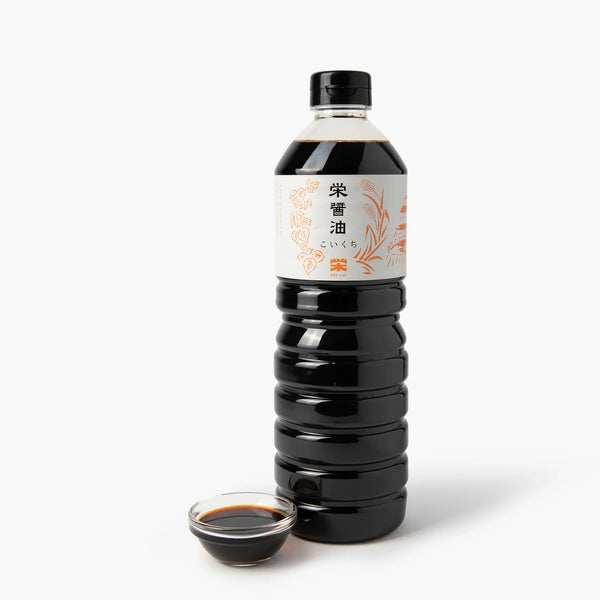
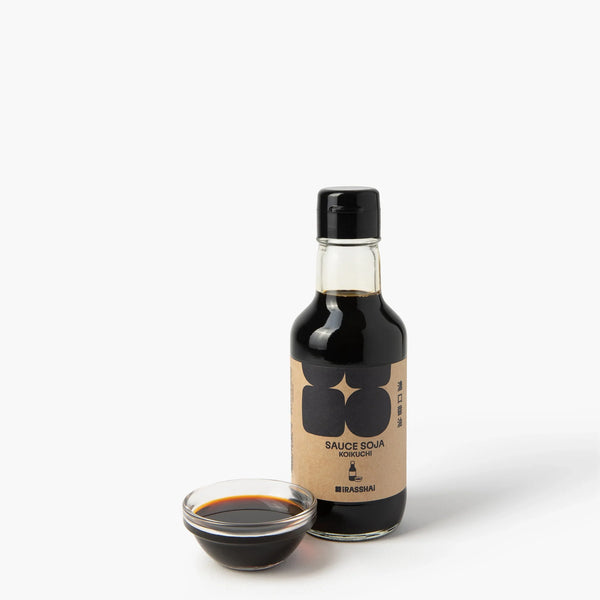
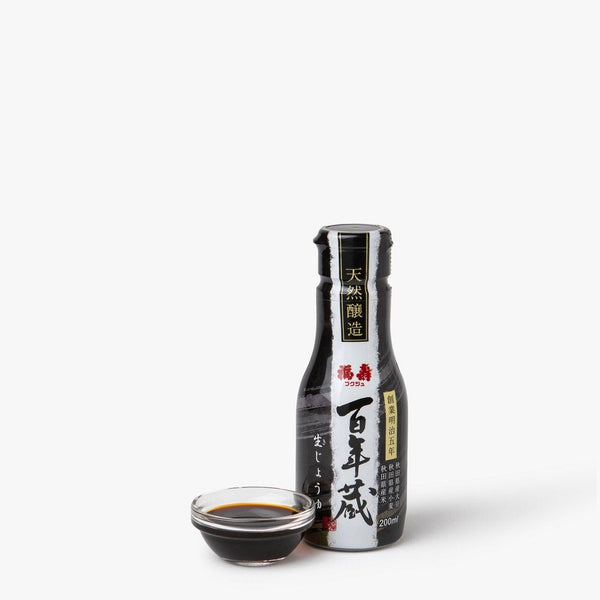
There’s a soy sauce for every taste! Discover the sauces recommended by iRASSHAi:


Here are a few recipes featuring soy sauce:
-Sautéed carrots with sesame seeds
-Hijiki with carrots, konjac, and tofu
-Sunomono with cucumbers and seaweed