



Collection: Japanese sake
Explore the elegance and diversity of Japanese sake, ancestral drink very present in Japanese culture, thanks to our exclusive selection. With more than 400 aromatic components, twice as much as in wine, sake is a drink with exceptional complexity and finesse.
Amateur, first time or curious, discover our three selections: tasting, discovery and curiosity. Each has its varieties, its subtle flavors and its traditions which make sake a millennial art.

Par type de saké :


-


Saké Kisaki Blanc 65 Junmai Genshu ⋅ 17% ⋅ 720ml
⋅ Dry sake with high acidity⋅ Pairs well with any type of dish⋅ 65% polished⋅ Made from Gohyaku Mangoku rice⋅ Best enjoyed either chilled or warmThis...
Usual price 28.50 €Promotional price 28.50 € Usual priceUnit price 39.58 € by l


Pour servir votre saké
-
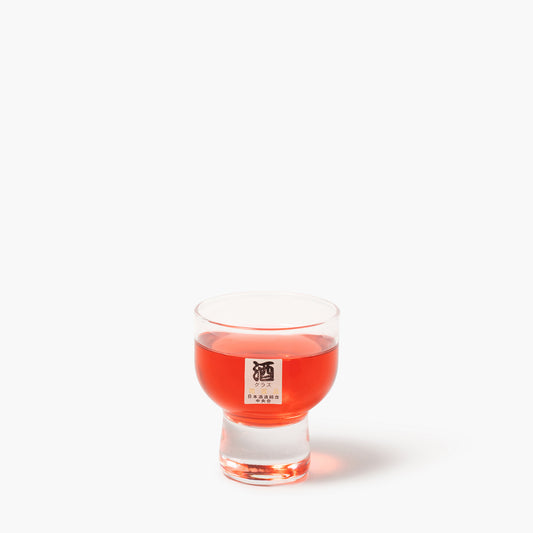
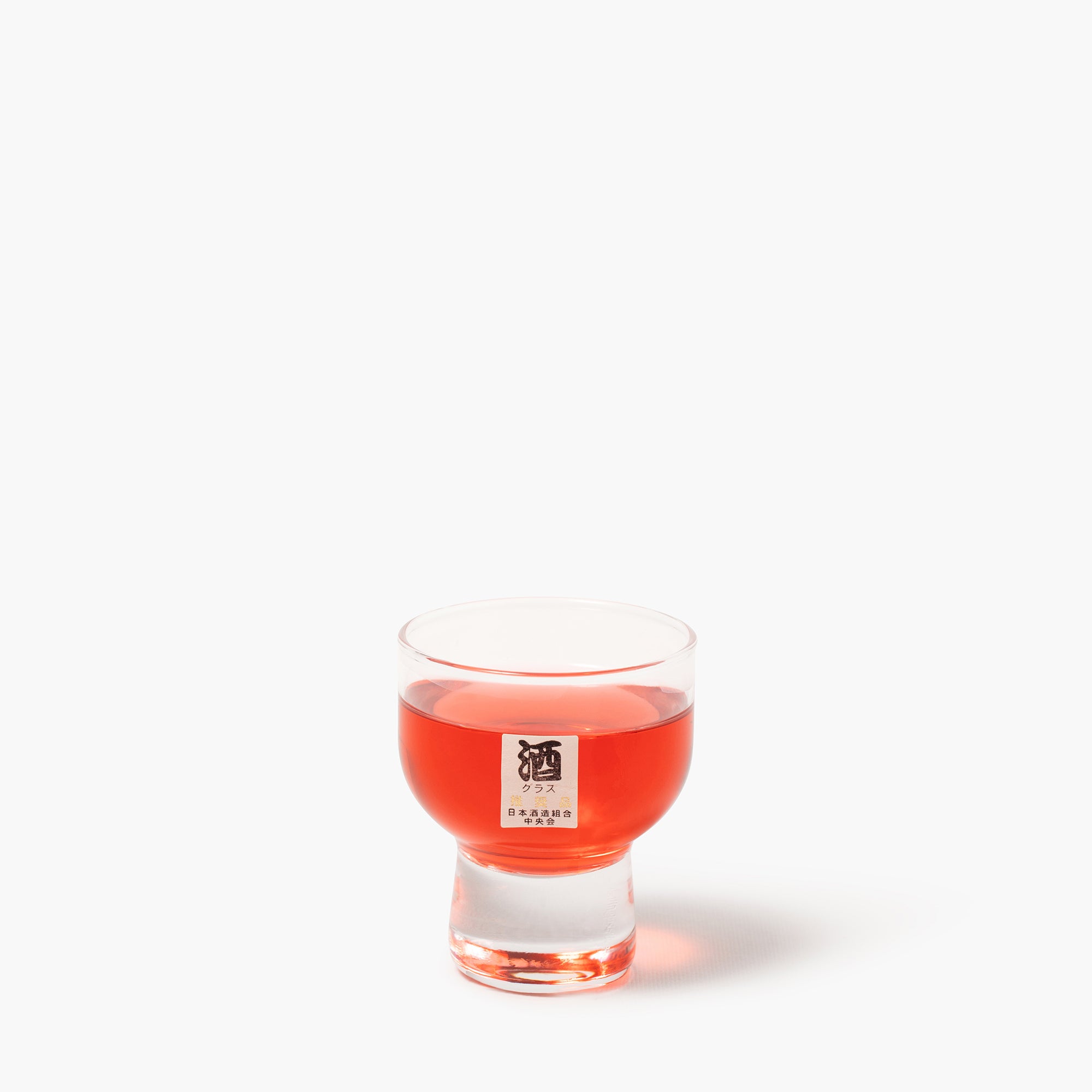
Small sake glass, 70 ml ⋅ TOYO-SASAKI GLASS
Usual price 4.60 €Promotional price 4.60 € Usual priceUnit price by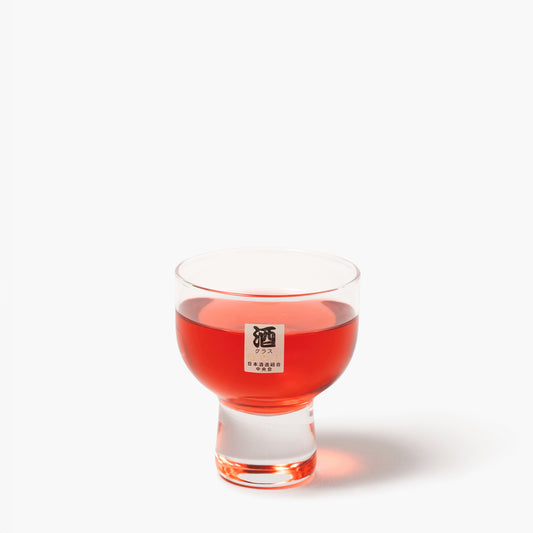
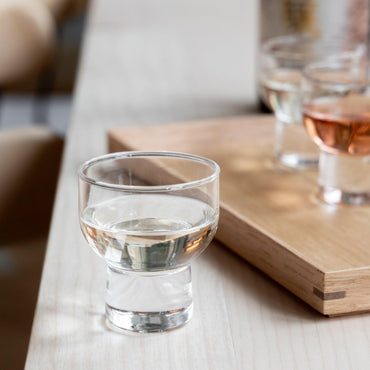
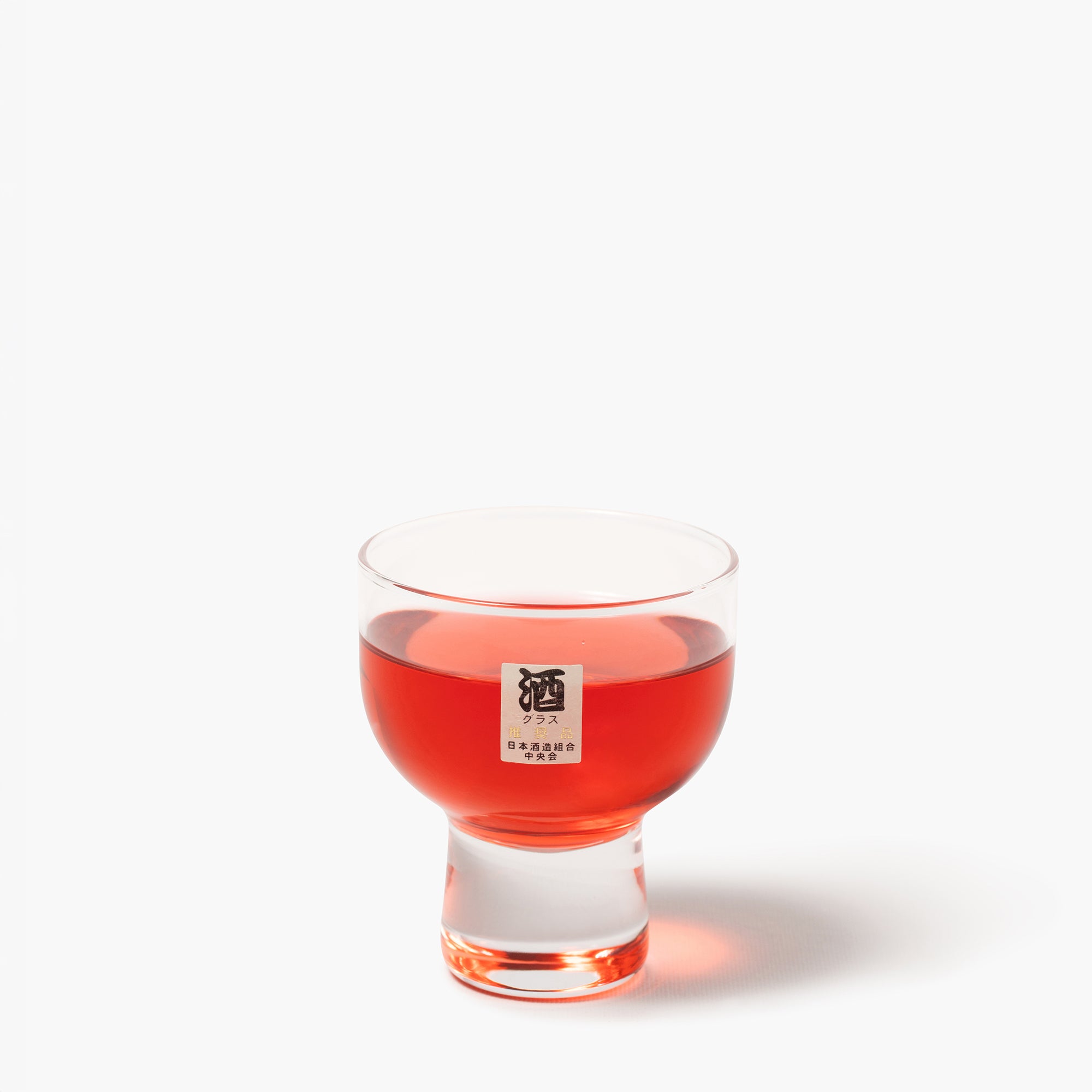
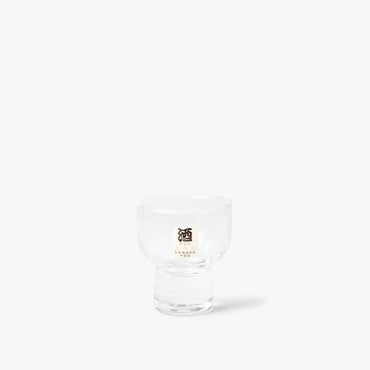
Large sake glass, 125 ml ⋅ TOYO-SASAKI GLASS
Usual price 6.20 €Promotional price 6.20 € Usual priceUnit price by


Midnight Blue Sake Set ⋅ Emro Aziatica
Usual price 34.00 €Promotional price 34.00 € Usual priceUnit price by

Pichet à Saké White Ceramic Service 108 × 90mm ⋅ Touga
Usual price 20.00 €Promotional price 20.00 € Usual priceUnit price by

Pichet in Saké Service Aizuki Ø 80mm ⋅ Touga
Usual price 22.00 €Promotional price 22.00 € Usual priceUnit price by
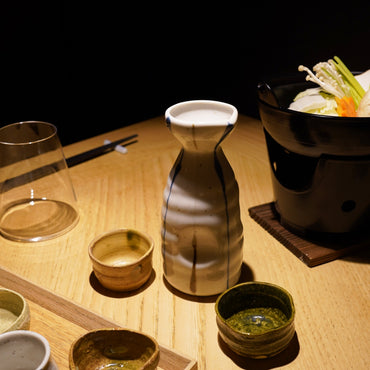

Service at Saké Blanc Wusud ⋅ Sopha
Usual price 48.00 €Promotional price 48.00 € Usual priceUnit price by


Book: Tea and Sake ⋅ Massin Charles Editions
Usual price 25.90 €Promotional price 25.90 € Usual priceUnit price by
Learn more about the sake
What is sake?
THE sake is a traditional Japanese alcoholic drink made from fermented rice. Unlike popular belief, sake is not a rice wine, but rather a fermented drink that is between beer and wine in its manufacturing process. The sake alcohol content generally varies between 15 % and 20 %. The sake is appreciated for its great diversity of flavors, ranging from dry to dry, and for its delicate aromas which depend on the type of rice used and the degree of polishing of the grain.
What is the difference between sake and wine?
The main difference between the sake and the wine lies in their raw materials and manufacturing process. The wine is made by fermentation of the grapes, while the sake is produced from rice, water, yeast, and a fungus called koji. Wine fermentation is a simple process where grape sugar is transformed into alcohol by yeasts, while sake requires double fermentation: first, koji converts the starch of sugar rice, then yeast transforms this Alcohol sugar. In addition, sake has a higher alcohol content than wine, and its flavors are often more subtle and less tannic.
How to keep the sake once the bottle is open?
To keep the sake once the bottle is open, here are some tips to follow to preserve its quality and aromas:
1. Refrigeration:
- Once opened, the Saké bottle must be kept in the refrigerator. The cold slows oxidation and helps maintain the flavors of the sake. Depending on the quality of the sake, it can be kept cold between 15 days and a month.
2. Use an airtight cap:
- If the bottle has no hermetic cap, it is advisable to use a silicone cap or a cap specially designed for wine. This limits exposure to air.
3. Quick consumption:
- The open sake must ideally be consumed in the days that follow, but it can be kept up to two weeks in the refrigerator. Some high quality sakes can even keep their taste for several weeks if they are well closed and refrigerated.
4. Storage sheltered from light:
- Light can alter the quality of the sake. Keep the bottle in a dark place or use an opaque blanket for the bottle if it is in the refrigerator.
5. Position of the bottle:
- If possible, keep the bottle standing. This minimizes the surface of sake exposed to air and reduces the risk of oxidation.
By following these tips, you can extend the life of your sake and appreciate its flavors at best!How is the sake made?
There Manufacture of sake is a complex and delicate process that begins with the selection of rice, called Shuzo Kotekimai, specially cultivated for sake. The rice is first polished to remove the outer layers from the grain, then washed, soaked and steamed. Then, part of the cooked rice is mixed with koji, a fungus that breaks down the sugar starch. This step is followed by fermentation, where additional cooked rice, water and yeast are added to produce alcohol. After several stages of fermentation, the mixture is in a hurry to extract the sake, which is then pasteurized, aged and bottled.
What are the different types of sake?
THE sake There are several types, classified mainly depending on the degree of rice polishing and the production method. The main types of sake are:
- Junmai : Pure sake without adding alcohol. It highlights the taste of rice and terroir, with rich and deep flavors. Consumed at different temperatures.
- Honjozo : Sake with a little added alcohol to enhance the aromas and lightness. It is often drier and easy to drink, ideal for beginners.
- Ginjo and Daiginjo : High quality sake with 60 % polished rice (ginjo) or 50 % (Daiginjo), creating an elegant sake with subtle floral aromas. Daiginjo is even more refined and often served fresh.
- Nigori : Non -filtered, creamy and soft sake, with a rich texture and rice particles. It is popular for dessert or with spicy dishes.
- Sparkling Sake : Effervescent, light and fruity sake, perfect for festive occasions or light dishes.
- FUTSU SHU : Standard table sake, often less refined and more economical, consumed commonly in Japan.
- Nama Saké : Non -pasteurized sake, with a fresh and fruity aromatic profile, requiring cooling preservation.
- Koshu : Aged sake, with deep and complex nuts of nuts, honey, caramel and spices, often served with robust dishes.
Each type has specific characteristics, and their choice depends on personal preferences or opportunities.
What is the difference between the drinking sake and the kitchen sake?
1. Sake to drink (酒, "nihonshu")
- Quality : The drinking sake is a high quality product, made to be tasted pure, cold, lukewarm or hot, depending on the preferences.
- Production process : This sake is produced from polished rice (most often polished at 30% or more) and contains delicate aromas which are appreciated during tasting. The fermentation process is more refined to create complex flavors.
- Flavor and texture : He has a more subtle and nuanced taste profile. Depending on the type of sake (Junmai, Ginjo, Daiginjo, etc.), it can have floral, fruity or earthy aromas, and a silky texture.
- Use : It is intended to be consumed as a meal accompaniment or tasted alone. Quality sake is often served during ceremonies or for special occasions.
2. Cooking sake (料理酒, "Ryōrishu")
- Quality : The kitchen sake is of lower quality, used mainly to cook. It is often more expensive than cooking wine or kitchen alcohol in general, but its flavor is not designed to be tasted.
- Production process : The rice used for the kitchen sake is often less finely polite and it contains more salt and additives to lend itself to cooking. This sake is sometimes enriched with distilled alcohol, sugar and salt.
- Flavor and texture : This sake has a more pronounced taste of alcoholic "brutality" and salt, which can enhance the flavors of the dishes, but it does not have the finesse of the sake to drink.
- Use : The kitchen sake is used to add depth to sauces, marinades, simmered dishes, and to soften the meat or fish. It is also used to remove the smell of certain ingredients, such as fish or meat, and to balance the flavors of the dishes.
What is the difference between Junmai and Daiginjo?
The difference between the Junmai and the Daiginjo Resides mainly in the degree of polishing of rice and the purity of sake. THE Junmai is a pure rice sake without adding alcohol, offering richer and more pronounced flavors. THE Daiginjo, as for him, is a very refined sake where rice is 50 % or less polished, which gives it lighter, floral and fruity aromas. Daiginjo may or not contain added alcohol, but it is generally considered more delicate and sophisticated than junmai.
What is the difference between modern, traditional and nature sakes?
Modern, traditional and nature sakes are three distinct categories that differentiate themselves through their production methods, their ingredients and often their flavors. Here is an overview of each type:
1. Traditional sake:
- Traditional sakes are produced according to ancestral methods that date back to hundreds of years. They are mainly made from rice, water, yeast and koji (malted rice). They do not contain any adding of distilled alcohol. They tend to be rich, complex and often more full in flavors. They have a more sustained acidity because the emphasis is on fermentation. Their aromatic profile is more expressive on yeast, rice and water quality notes.
2. Modern sake:
- Modern sakes may include variations in relation to traditional production methods. They can contain added alcohol additions (brewing alcohol) to adjust the flavor profile and the texture of the sake. These sakes can be lighter and softer in comparison with traditional sakes. They are often more accessible to beginners due to their softer and smoother flavor profile. They are very often compared to white wines because of their aromatic profile which is very often more fruity and more floral. These are sakes that are more expressive on the nose compared to Moderns.
3. Nature sake:
- Sakés qualified as "natural" are distinguished by their low degree of polishing of rice, thus retaining a larger amount of material. They are also characterized by the lack of addition of yeast (or kobo) during fermentation. Producers rather favor natural fermentation, leaving the native yeasts present in the air perform the fermentation process. This approach promotes the development of unique and authentic flavors, resulting from the interaction between local yeasts and natural components of rice.
It is interesting to taste sakes of each of these types in order to understand the aromatic complexity of this alcohol and to allow you to know which one best suits you.Which sake to choose to accompany a dish?
The choice of sake To accompany a dish depends on the type of dish and the flavors you want to highlight. For light dishes such as sashimis or seafood, a Ginjo Or Daiginjo With subtle and delicate aromas will be perfect. For richer and tasty dishes, such as grilled meats or simmered dishes, a Junmai Or Honjozo More full -bodied will bring a good complementarity. The sake can also be served hot or cold, depending on the type and the dish, to better exhale its aromas.
How to taste the sake?
There Saké tasting is an art that depends on the type of sake and the service temperature. The sake can be tasted cold, at room temperature or hot, depending on its characteristics. Light and fruity sakes, such as Ginjo and the Daiginjo, generally taste cold to preserve their delicate aromas. More robust sakes, such as the Junmai and the Honjozo, can be heated slightly to exhale their flavors. It is recommended to serve the sake in small glasses called ochoko, to better appreciate its shades.
What glasses to use for sake?
THE sake Traditionally tasted in small glasses called ochoko or in named ceramic cuts Sakazuki. THE ochoko are small and allow you to slowly sip the sake while enjoying its aromas. For more refined sakes like the Daiginjo, some prefer to use white wine glasses to better concentrate the aromas and appreciate the complexity of the sake. The choice of glass can vary depending on the type of sake and the opportunity, but the main thing is to choose a container that respects the tradition while highlighting the characteristics of the sake.
Can we warm the sake?
Yes, it is possible to Reheat the sake, but it depends on the type of sake. Sakes like the Junmai and the Honjozo Can be heated gently to exhale their rich and deep flavors. The sake is generally heated to a temperature ranging from 40 ° C to 55 ° C. To warm the sake, it is advisable to use a double boiler to avoid overheating and altering your aromas. More refined sakes like the Daiginjo or the Ginjo However, are better appreciated cold or at room temperature to keep their delicate aromas.
Look for recipes for food and sake chord
L’abus d’alcool est dangereux pour la santé, à consommer avec modération. La commande d’alcool est réservée aux personnes majeures, conformément à la législation en vigueur dans votre pays.


