


-

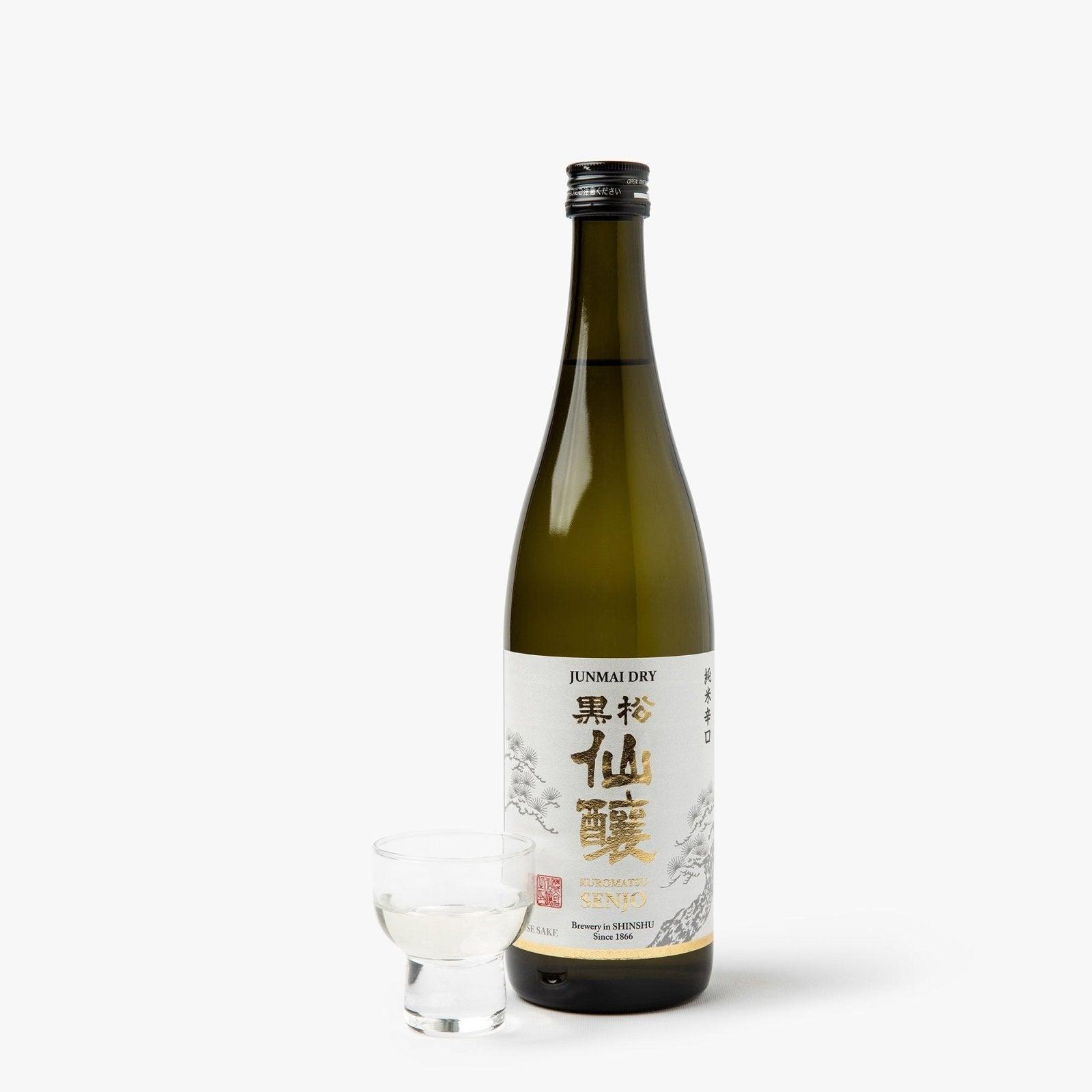
Kuromatsu Senjo junmai Dry sake ⋅ 16% ⋅ 720ml
⋅ A clean, distinctive profile, perfect with raw fish or an oden dish⋅ Dry and rounded, with a hint of forest floor⋅ and a dry, short...
Regular price 21.00 €Promotional price 21.00 € Regular priceUnit price 29.17 € by l
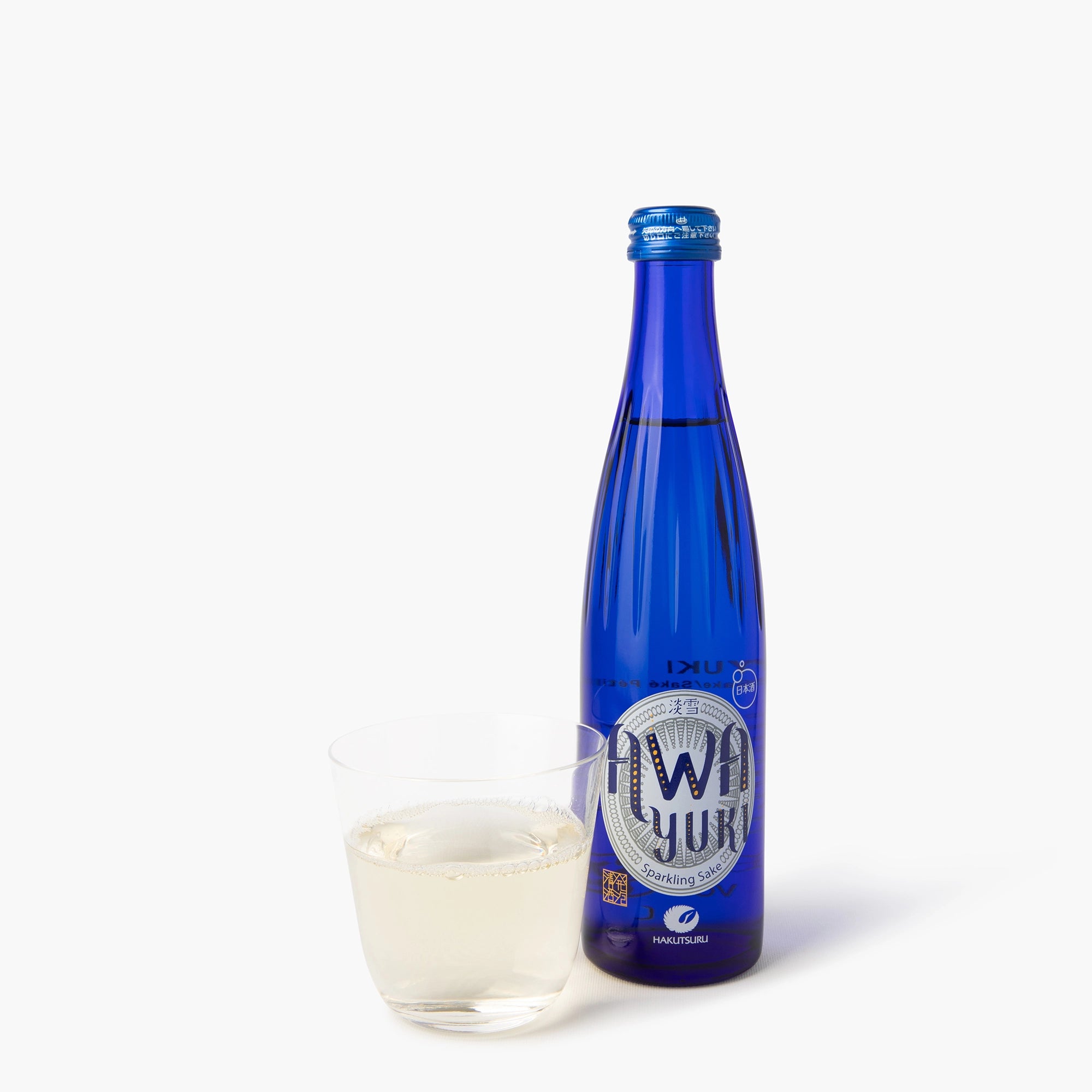
Awayuki sparkling junmai sake ⋅ 5.5% ⋅ 300ml
⋅ Refreshing sparkling sake⋅ Soft profile with naturally fruity notes⋅ Ideal chilled on its own or in a cocktail⋅ Pairs well with cheeses, creamy dishes, and...
Regular price 13.00 €Promotional price 13.00 € Regular priceUnit price 43.33 € by l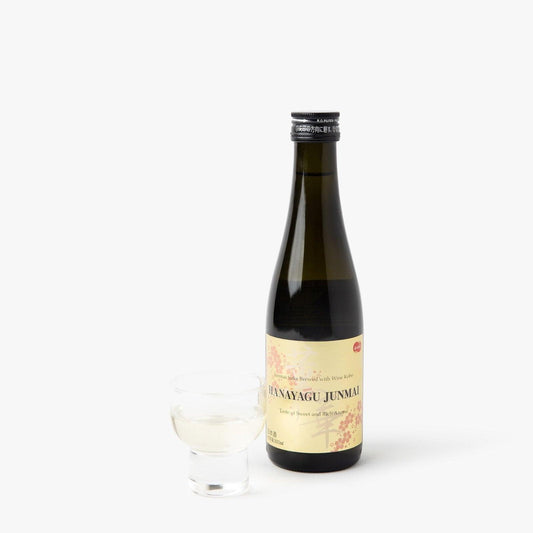

Kaori Hanayagu junmai sake ⋅ 12% ⋅ 300ml
⋅ Made with wine yeast for floral aromas⋅ Perfect balance between the sweetness of the rice and a light acidity⋅ 70% polished⋅ Pairs equally well with...
Regular price 8.50 €Promotional price 8.50 € Regular priceUnit price 28.33 € by l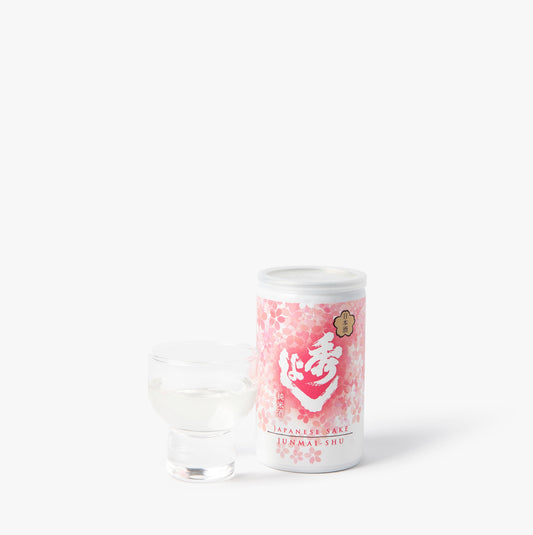
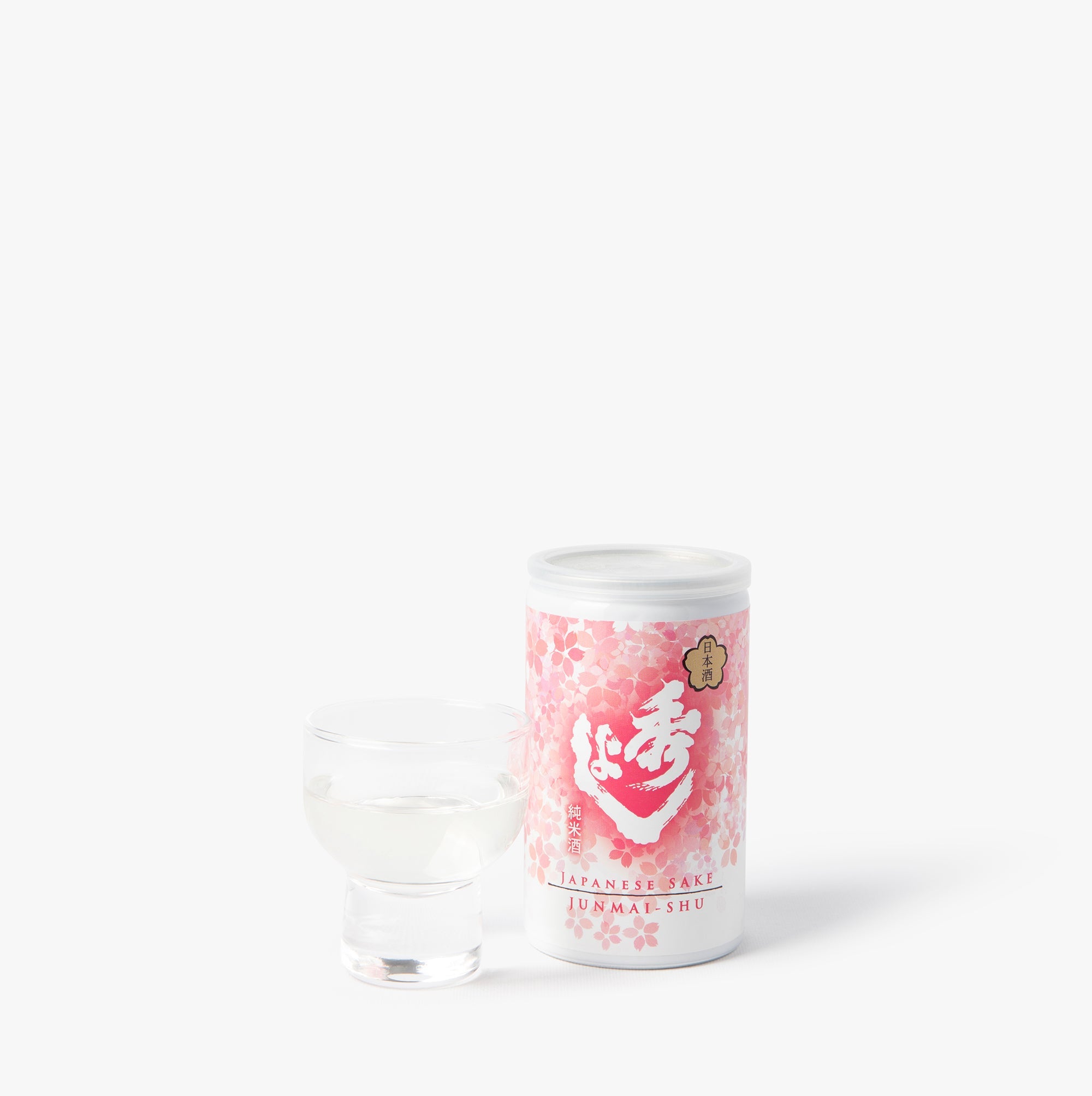
Hideyoshi Hanami Mankai No.2 junmai sake in a can ⋅ 14% ⋅ 180ml
⋅ Junmai Sake⋅ Convenient can size for trying it out⋅ Best enjoyed chilled or warmed⋅ Award-winning at the Kura Master competition⋅ Available in 3 packaging variationsThis...
Regular price 5.80 €Promotional price 5.80 € Regular priceUnit price 32.22 € by l

Sasara Tsuki junmai sake ⋅ 10.5% ⋅ 300ml
⋅ Perfect for discovering sake⋅ Gentle aroma ideal for a first tasting⋅ Multi-award-winning sake⋅ Fresh and light aroma⋅ Convenient small formatSasara Tsuki Junmai is a sake...
Regular price 10.00 €Promotional price 10.00 € Regular priceUnit price 33.33 € by l

Kuromatsu Senjo Muroka Junmai Genshu sake ⋅ 16% ⋅ 720ml
⋅ Distinct cereal flavor with a hint of sweet grape⋅ Best enjoyed chilled, at room temperature, or warm, depending on preference⋅ Delicate bouquet with apple aromas⋅...
Regular price 32.30 €Promotional price 32.30 € Regular priceUnit price 44.86 € by l

Kisaki Blanc 65 junmai genshu sake ⋅ 17% ⋅ 720ml
⋅ Dry sake with high acidity⋅ Pairs well with any type of dish⋅ 65% polished⋅ Made from Gohyaku Mangoku rice⋅ Best enjoyed either chilled or warmThis...
Regular price 28.50 €Promotional price 28.50 € Regular priceUnit price 39.58 € by l

Oga Namahaga junmai sake in a can ⋅ 14% ⋅ 180ml
⋅ Convenient to take on the go⋅ Designed with a Namahage motif, a traditional figure from Oga⋅ Classic sake⋅ Small can, perfect for trying sakeThis sake,...
Regular price 7.50 €Promotional price 7.50 € Regular priceUnit price 41.67 € by l

Hideyoshi Hanami Koraku No. 3 Junmai sake in a can ⋅ 14% ⋅ 180ml
⋅ Junmai Sake⋅ Convenient can format for trying it out⋅ Best enjoyed chilled or warmed⋅ Award-winning at the Kura Master competition⋅ Available in 3 packaging variationsThis...
Regular price 7.50 €Promotional price 7.50 € Regular priceUnit price 41.67 € by l

Kuro Obi Dodo junmai sake ⋅ 15% ⋅ 720ml
⋅ Traditional Yamahai method⋅ Premium rice varieties: Yamadanishiki and Kinmon Nishiki⋅ Versatile serving options: enjoy it chilled or warm!⋅ Ideal with umami-rich dishes such as seafood...
Regular price 39.00 €Promotional price 39.00 € Regular priceUnit price 54.17 € by l

Cokun junmai sake ⋅ 8% ⋅ 500ml
⋅ Natural pink color thanks to a special yeast⋅ Delicate, fruity flavors⋅ Unique brewing method for added complexity⋅ Awarded at the 2015 Wine Glass Good Sake...
Regular price 22.00 €Promotional price 22.00 € Regular priceUnit price 44.00 € by l

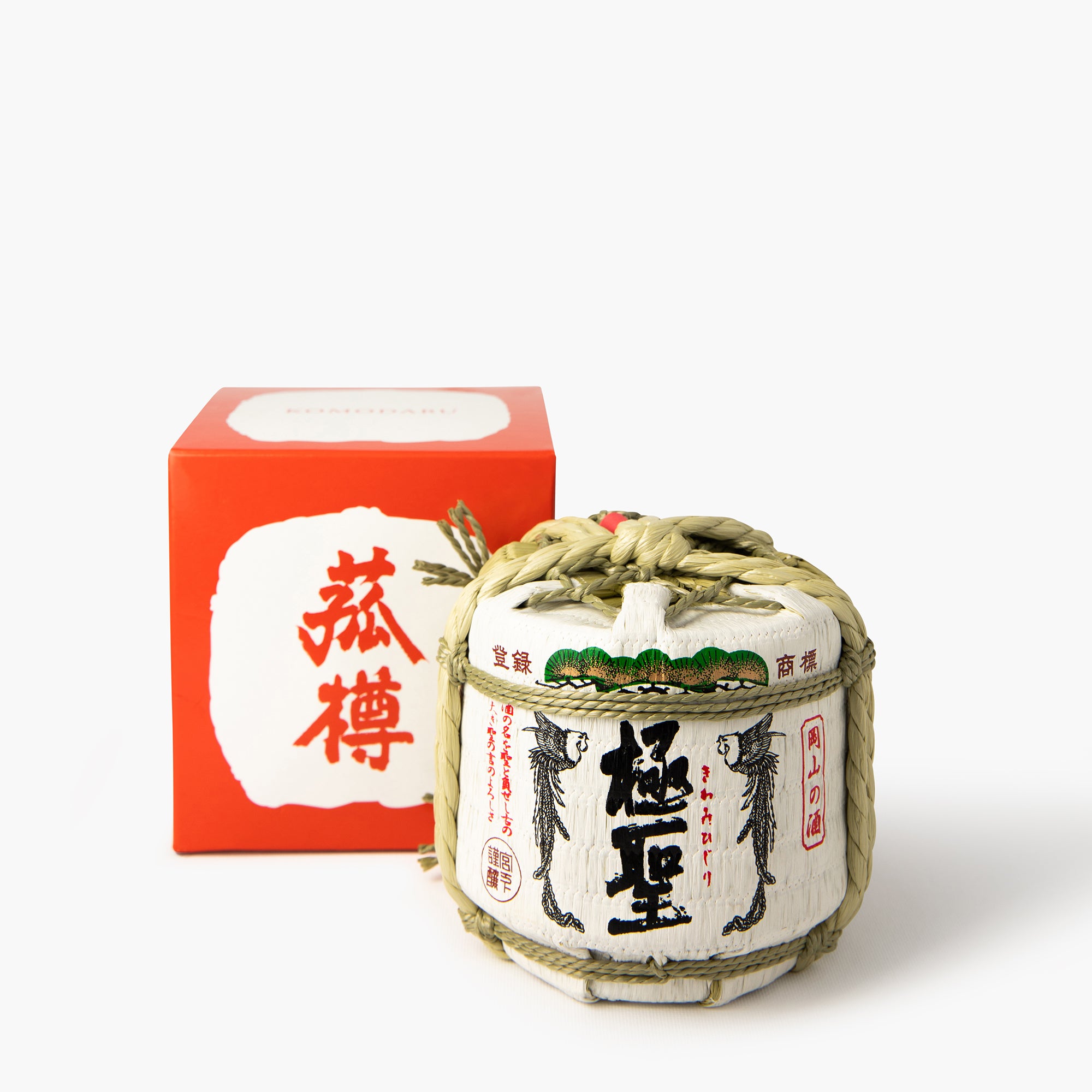
Gokusei Omachi Junmai sake in a small barrel ⋅ 15.5% ⋅ 300ml
A junmai sake with a mild, fruity flavor reminiscent of apples. It is made exclusively from Omachi rice from Okayama Prefecture, the parent rice of the...
Regular price 56.00 €Promotional price 56.00 € Regular priceUnit price 186.67 € by l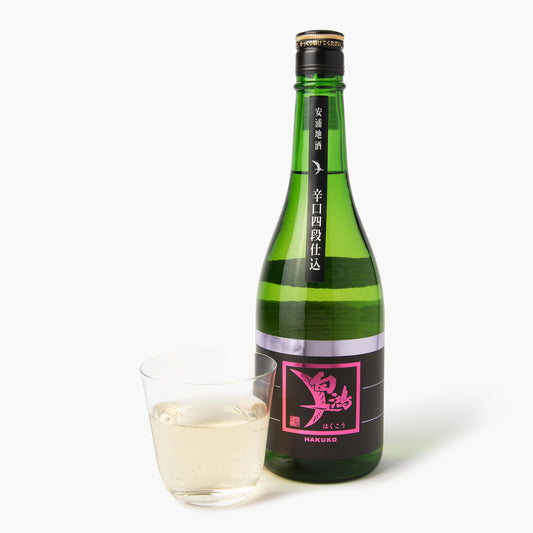
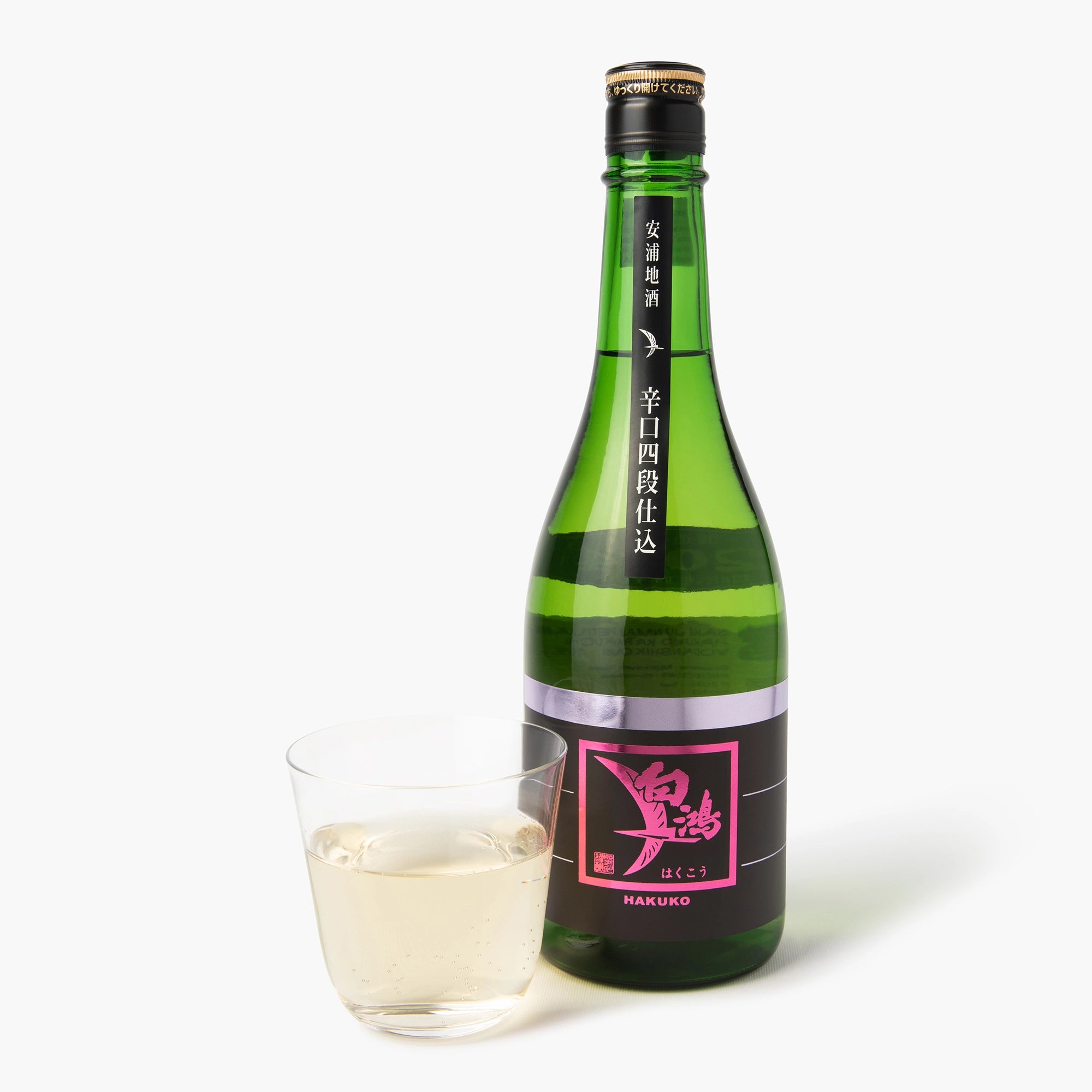
Junmai sake Hakuko Karakuchi Yodanshikomi ⋅ 16% ⋅ 720ml
• A balance between crisp acidity and an airy sweetness.• Notes of grapes• Best served chilled or at room temperatureThis junmai sake stands out for its...
Regular price 36.00 €Promotional price 36.00 € Regular priceUnit price 50.00 € by l

Tokachi Blue junmai sake ⋅ 15% ⋅ 720ml
⋅ A blend of local rice varieties: Suisei, Ginpu, and Kitashizuku, polished to 70%⋅ Pure water from the Daisetsuzan mountain range⋅ Fresh blueberry aromas and umami,...
Regular price 28.00 €Promotional price 28.00 € Regular priceUnit price 38.89 € by l

Junmai Fukukomachi Karakuchi Sake ⋅ 15% ⋅ 300ml
•Delicious served hot or chilled.•Pairs perfectly with meat, fried foods, and okonomiyaki.A junmai sake with a fresh, lively, and dry flavor, made from Menkoina rice and...
Regular price 8.80 €Promotional price 8.80 € Regular priceUnit price 29.33 € by l

Kagura clear junmai sake ⋅ 13% ⋅ 720ml
⋅ Junmai sake⋅ Fruity and indulgent profile⋅ Polished to 65%⋅ Made with Iwai rice⋅ Perfect with fishKagura sake is a Junmai made from 65% polished "Iwai"...
Regular price 56.00 €Promotional price 56.00 € Regular priceUnit price 77.78 € by lLearn more about junmai sake
How is junmai sake made?
Junmai sake is a traditional Japanese sake made only from rice, water, kōji (a natural ferment), and sometimes selected yeasts. No alcohol may be added, ensuring a pure product that faithfully reflects the brewery’s (shuzo) expertise.
It all begins with polishing the rice: to qualify as junmai, the grain must be polished to remove at least 30% of its outer layer. This percentage can vary, and some junmai use highly polished rice, approaching ginjo or daiginjo, which affects the quality and aromas.
The rice is then washed, soaked, steamed, and part of it is inoculated with kōji to convert the starch into fermentable sugars. This mixture is then placed in a tank with water, steamed rice, and yeasts. The multiple parallel fermentation process, specific to sake, produces a rich and complex mash.
After fermentation, the sake is pressed, filtered, sometimes pasteurized (except in the case of junmai nama), and then bottled. Some junmai are aged to become koshu, or bottled undiluted and called genshu, offering higher alcohol content and greater intensity.
The result is a sake that is often richer on the palate, with deep aromas and pronounced acidity, ideal for pairing with dishes featuring complex flavors. Each region, prefecture, and rice variety (such as Omachi or Yamada Nishiki) gives the final product a unique character.Junmai, ginjo, daiginjo: what should you really look for on a label?
When choosing a Japanese sake, it is essential to read the label carefully to understand the nature of the product. The terms junmai, ginjo, and daiginjo provide key information about the sake’s composition, production method, and level of quality.
1. Junmai (純米) means that the sake is made exclusively from rice, water, and kōji, with no added alcohol. This type of sake generally offers a rich flavor, noticeable acidity, and a more expressive palate. It is suited to those looking for a pure sake rooted in Japanese tradition.
2. Ginjo / Daiginjo indicate the degree to which the rice has been polished (seimaibuai):
- Ginjo: the rice is polished to at least 60%. The sake is fruitier, with delicate floral aromas.
- Daiginjo: the rice is polished to at least 50%, resulting in an even more refined and delicate expression.
If the label says Junmai Daiginjo, this means it is a premium sake with no added alcohol, made using highly polished rice for great finesse on the palate.
3. Origin and brewery (shuzo): Pay attention to the prefecture, the brewery, and the variety of rice used (such as Yamada Nishiki or Omachi, grown in Japan). These factors directly influence the product’s quality, aromatic notes, and style.
4. Special terms to look out for:
- Tokubetsu: indicates a “special” character, often associated with a rare variety of rice or more extensive polishing.
- Nama: unpasteurized sake, fresher and more vibrant.
- Genshu: undiluted sake, with a higher alcohol strength.
- Kimoto / Yamahai : traditional fermentation methods that produce more complex and full-bodied sakes.
- Koshu: aged sake, with notes of dried fruit and spices.
In summary, to choose a sake from a product list, read the label carefully: look for the junmai designation, the degree of polishing, the brewery, the region, and any special characteristics such as nama, genshu, or tokubetsu. This will help you select a sake suited to your preferences, whether you are looking for a sparkling, rich, or fruity style.
Why choose junmai sake over another type of sake?
Choosing a junmai sake (純米酒) means opting for a pure Japanese sake made without the addition of distilled alcohol. This type of sake contains only three ingredients: rice, water, and kōji (a natural fermentation starter). This intentional minimalism offers a more authentic expression of the terroir and the brewer’s expertise (shuzo).
Junmai sakes are often known for their rich palate, deep flavor, and well-structured acidity, making them ideal for pairing with a wide range of cuisines. Unlike lighter sakes such as ginjo or daiginjo, junmai emphasizes more grain-forward or umami-rich aromas, highlighting the rice variety used (such as Yamada Nishiki or Omachi) and the production region.
Choosing a junmai also means supporting traditional brewing methods, sometimes rooted in older techniques such as kimoto or yamahai, which produce more complex sakes, with notes of ripe fruit, nuts, or mushrooms depending on the sake.
Whether tokubetsu, genshu, koshu (vintage), or nama (unpasteurized), junmai offers a range of styles to suit every taste while guaranteeing excellent quality.Which Japanese regions are best for junmai sake?
Junmai sake is produced throughout Japan, but certain regions and prefectures are particularly renowned for the quality of their sake, thanks to the purity of their water, the richness of their terroir, and their mastery of brewing (shuzo).
- Hyogo - This is the birthplace of the famous Yamada Nishiki, considered the finest variety of sake rice. The region produces powerful, elegant junmai, often used for junmai ginjo and daiginjo.
- Niigata - Known for its harsh winters and mountain meltwater, Niigata produces dry, delicate junmai sake of great purity. Perfect for those seeking a restrained, balanced style.
- Okayama - This prefecture is home to the rare Omachi rice, with its ancient grains and rich flavors. Junmai sake made from Omachi offers a round palate, complex aromas, and beautiful acidity.
- Hiroshima - Thanks to its soft, low-mineral water, Hiroshima produces sake with a smooth, aromatic profile, sometimes with more pronounced fruity notes. Ideal for expressive junmai ginjo.
- Akita, Yamagata, Fukushima - These northern regions stand out for their artisanal sake, often made using traditional methods such as kimoto or yamahai, resulting in rich, complex, distinctive junmai.
- Each region offers different styles: round, dry, sparkling, rich, or even aged (koshu). Your favorite junmai will depend on your tastes, but these areas are essential for any list of exceptional sake.
What pairs well with junmai sake?
Junmai sake, thanks to its natural richness, full palate, and slight acidity, pairs wonderfully with many dishes. With no added alcohol, it preserves pure rice and umami aromas, making it an ideal choice for a wide range of gastronomic pairings.
- Japanese cuisine: it pairs perfectly with traditional dishes such as grilled fish, vinegared rice, dishes made with soy, miso, or dashi, as well as tsukemono. Junmai are often better suited than lighter sake to cooked dishes.
- Western cuisine: thanks to its roundness, a junmai can be a delightful surprise with white meats, richly flavored vegetarian dishes (mushrooms, eggplant, cheeses), or even spicy foods. Aged junmai (koshu) reveals its full potential with sauced dishes, or even for dessert with dark chocolate.
- Serving temperature: one of junmai's strengths is its versatility. Served chilled, at room temperature, or warmed, it reveals different facets, allowing it to be adapted to the season or the texture of the dish. More powerful styles such as kimoto, yamahai, or genshu are well suited to rich or fermented dishes.

Your cart (0)
Spend 50.00 € to benefit from free delivery


