


-


Shirakawago Sasanigori junmai ginjo nigori sake ⋅ 15% ⋅ 300ml
⋅ Junmai Ginjo Nigori Sake⋅ 60% polished⋅ Made with Hidahomare rice⋅ Lactic notes from fermentation, typical of lightly filtered sakes⋅ Pairs perfectly with Japanese dishesSasara Tsuki...
Regular price 16.00 €Promotional price 16.00 € Regular priceUnit price 53.33 € by l

Kiseki no Osake junmai ginjo sake ⋅ 15.5% ⋅ 300ml
⋅ Omachi rice from Okayama, grown without pesticides or fertilizers⋅ Crafted by Kikuchi Higashi, a renowned master brewer⋅ 45% milled rice for a delicate flavor and...
Regular price 15.50 €Promotional price 15.50 € Regular priceUnit price 51.67 € by l

Dassai 45 Junmai Daiginjo sake ⋅ 16% ⋅ 720ml
⋅ Fruity and approachable profile⋅ Polished to 55%⋅ A great alternative to white wine⋅ Best served chilled⋅ Pairs well with cheese, salads, or fishThis Junmai Daiginjo...
Regular price 38.00 €Promotional price 38.00 € Regular priceUnit price 52.78 € by l

Dassai 39 Junmai Daiginjo sake ⋅ 16% ⋅ 720ml
⋅ Junmai daiginjo sake⋅ Polished to 61%⋅ Naturally fruity and indulgent⋅ Perfect as a substitute for white wine⋅ Pairs wonderfully with shellfish, fish and vegetablesThis Dassai...
Regular price 52.00 €Promotional price 52.00 € Regular priceUnit price 72.22 € by l

Dassai 45 Junmai Daiginjo Sake ⋅ Dassai ⋅ 300ml
⋅ 45% polished Junmai Daiginjo⋅ No added alcohol⋅ Premium sake with a complex and rich profile⋅ A lovely alternative to mineral white wines⋅ Pairs well with...
Regular price 19.00 €Promotional price 19.00 € Regular priceUnit price 63.33 € by l

Kiseki no Osake junmai ginjo sake ⋅ 15.5% ⋅ 720ml
⋅ "Omachi" rice from Okayama, grown without fertilizers or pesticides⋅ Crafted by Kikuchi Higashi, a renowned master brewer⋅ 45% polished rice for a smooth texture and...
Regular price 35.50 €Promotional price 35.50 € Regular priceUnit price 49.31 € by l

Kuromatsu Senjo Junmai Ginjo sake ⋅ 16% ⋅ 720ml
⋅ Round and fruity, floral and umami flavors⋅ Serve chilled⋅ Made with 50% polished Shinshu Kinhon Nishiki rice⋅ Rich aromas thanks to Ginjo yeast⋅ A light...
Regular price 39.00 €Promotional price 39.00 € Regular priceUnit price 54.17 € by l

Kisaki Blanc 50 junmai daiginjo genshu sake ⋅ 15% ⋅ 720ml
⋅ A rich, naturally sweet and tangy flavor⋅ 50% polished⋅ An excellent alternative to white wine⋅ Pairs perfectly with fish and seafood⋅ Best served either chilled...
Regular price 38.00 €Promotional price 38.00 € Regular priceUnit price 52.78 € by l

Taiten Shiragiku junmai daiginjo sake ⋅ 16.9% ⋅ 720ml
⋅ Sake aged at low temperature for 1 year⋅ Fruity notes⋅ Omachi rice variety⋅ 50% polished⋅ Sake awarded a gold medal at the 2025 Kura Master...
Regular price 46.00 €Promotional price 46.00 € Regular priceUnit price 63.89 € by l

Junmai Ginjo Fukukomachi Sake ⋅ 15% ⋅ 300ml
⋅ A century-old brewery in Akita with 400 years of tradition and expertise⋅ brewing⋅ 40% polished Yamada Nishiki rice⋅ Exotic flavors of mango, papaya, and candied...
Regular price 13.80 €Promotional price 13.80 € Regular priceUnit price 46.00 € by l


Dassai 23 Junmai Daiginjo sake ⋅ 16% ⋅ 720ml
⋅ Premium junmai daiginjo sake⋅ Polished to 77%⋅ Made from Yamada⋅ Nishiki⋅ Complex aromatic profile with fruity notes⋅ Perfect at the end of a meal!This Dassai...
Regular price 90.00 €Promotional price 90.00 € Regular priceUnit price 125.00 € by l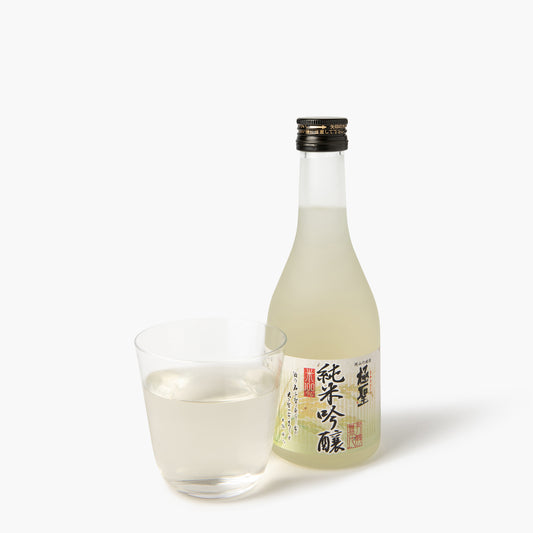

Kiwamihijiri Junmai Ginjo Sake ⋅ 15.5% ⋅ 300ml
•Mild, fruity profile•Pairs perfectly with sashimi, grilled fish, and white meat.•HandcraftedA junmai sake with a mild, fruity flavor reminiscent of apples. It is made exclusively from...
Regular price 13.80 €Promotional price 13.80 € Regular priceUnit price 46.00 € by l

Kubota Manjyu junmai daiginjo sake ⋅ 15.6% ⋅ 720ml
⋅ Daiginjo sake⋅ Naturally floral and fruity aroma⋅ 65% polishing⋅ Beautiful body⋅ Pairs wonderfully with fresh and acidic dishesKubota Manjyu is a highly sought-after, premium daiginjo...
Regular price 86.00 €Promotional price 86.00 € Regular priceUnit price 119.44 € by l

Kisaki Pink junmai daiginjo genshu sake ⋅ 11% ⋅ 720ml
⋅ Premium sake⋅ Made from Yamada⋅ Nishiki⋅ 50% polished⋅ Mild and naturally sweet profile⋅ Ideal with dessertKisaki 50 Pink is a premium sake made from locally...
Regular price 50.00 €Promotional price 50.00 € Regular priceUnit price 69.44 € by l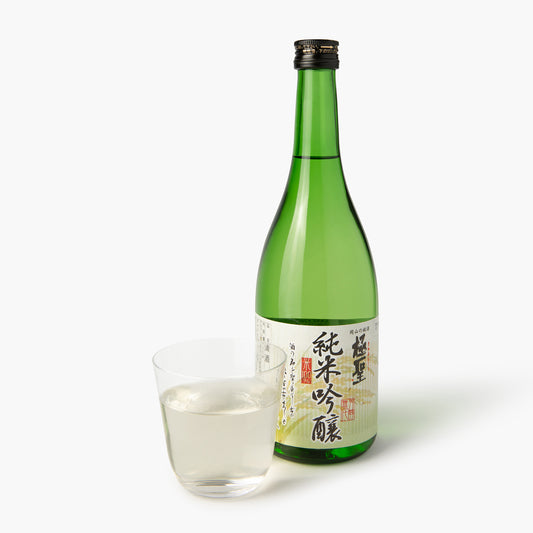

Kiwamihijiri Junmai Ginjo Sake ⋅ 15.5% ⋅ 720ml
• Sake with notes of white fruit• Made with Omachi rice from Okayama• Crafted under the supervision of master brewers• Perfect with salmon or tuna sashimi,...
Regular price 28.85 €Promotional price 28.85 € Regular priceUnit price 40.07 € by l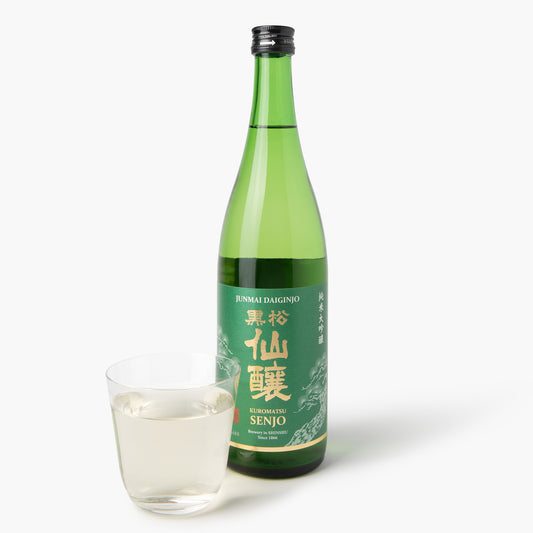
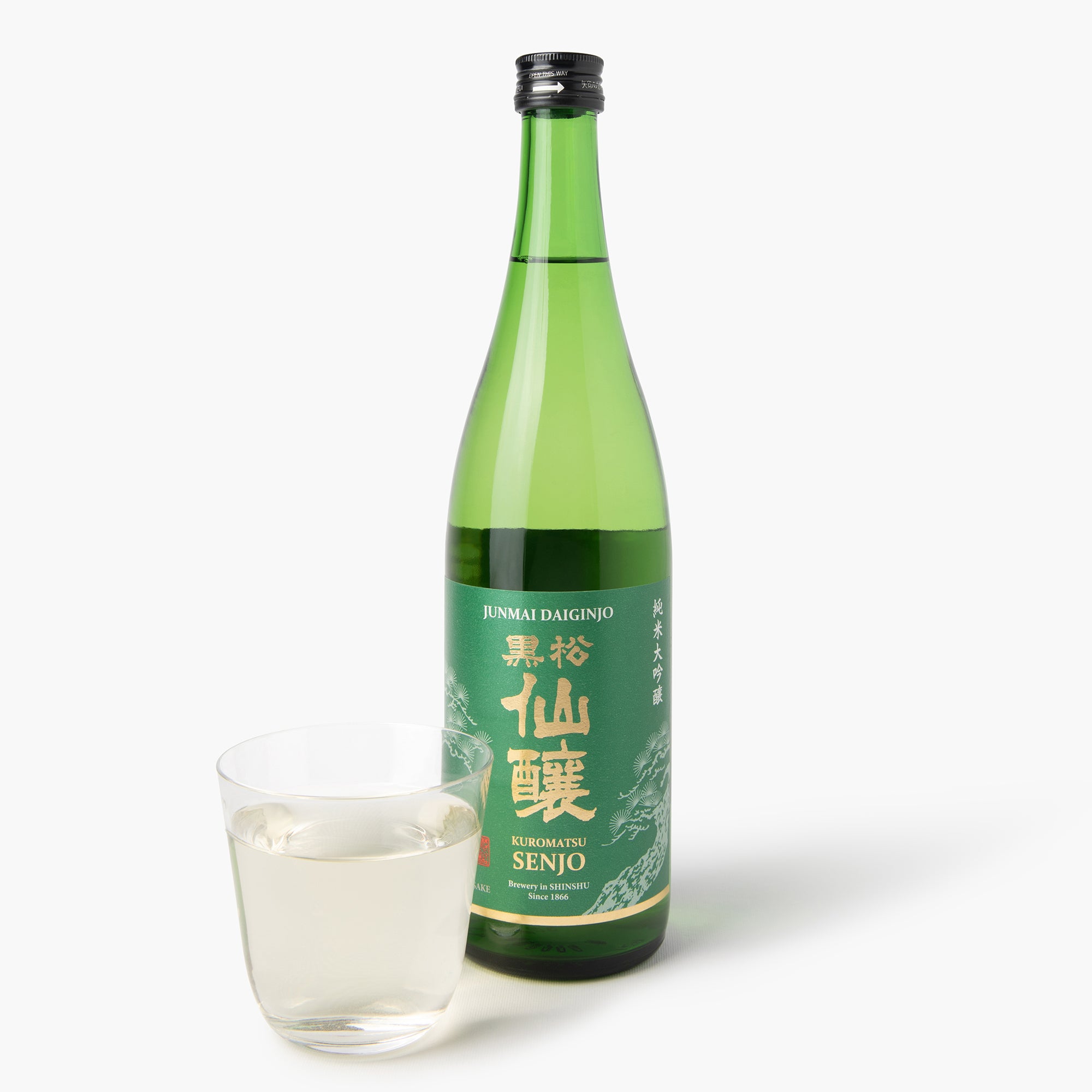
Kuromatsu Senjo Junmai Daiginjo sake ⋅ Kuromatsu Senjo ⋅ 720ml
Regular price 30.20 €Promotional price 30.20 € Regular priceUnit price 41.94 € by l

Fukukomachi junmai daiginjo sake ⋅ 15.5% ⋅ 720ml
⋅ A century-old brewery in Akita with 400 years of tradition and expertise⋅ brewing⋅ 40% polished Yamada Nishiki rice⋅ Exotic flavors of mango, papaya, and candied...
Regular price 60.00 €Promotional price 60.00 € Regular priceUnit price 83.33 € by l

Junmai Daiginjo Fukukomachi Sake ⋅ 15% ⋅ 180ml
⋅ A perfect balance of umami and acidity for a refined tasting experience⋅ Ideal for those new to sake⋅ Pairs easily with a wide variety of...
Regular price 19.50 €Promotional price 19.50 € Regular priceUnit price 108.33 € by l

Dassai 39 Junmai Daiginjo Sake ⋅ Dassai ⋅ 300ml
⋅ 39% polished Junmai Daiginjo⋅ No added alcohol⋅ Premium, very refined sake⋅ A lovely alternative to mineral white wines⋅ Pairs well with fish, seafood, and vegetablesThis...
Regular price 36.00 €Promotional price 36.00 € Regular priceUnit price 120.00 € by l
Learn more about junmai daiginjo and junmai ginjo sake
What does "Junmai" mean in sake?
The term "Junmai" in sake refers to a pure sake made only from rice, water, and kōji, with no added alcohol. This means that the sake is made traditionally, preserving all the authenticity of the rice's natural flavors. This type of sake is often appreciated for its rich mouthfeel and balance, with notes of fruit or melon, depending on the style and polishing of the rice.
What is the difference between Junmai Daiginjo and Junmai Ginjo?
The main difference between a Junmai Daiginjo and a Junmai Ginjo lies in the polishing of the rice. For a Junmai Daiginjo, the rice is polished to 50% or less of its original weight, while for a Junmai Ginjo, it is polished to 60% or less. This polishing process removes the outer layers of the rice, which may contain impurities and less refined flavors, revealing purer, fruitier aromas.
As a result, Junmai Daiginjo offers subtler, more complex aromas, with a silkier texture and a delicate palate, while Junmai Ginjo has fruitier, fresher notes, often perceived as more approachable. Both types of sake, particularly Junmai Daiginjo, are renowned for their quality and ability to provide a refined tasting experience, but Junmai Daiginjo is considered the more prestigious of the two.
At what temperature should a Junmai Daiginjo or Ginjo be served?
A Junmai Daiginjo or Junmai Ginjo should be served chilled, generally between 8°C and 12°C, to preserve its delicate aromas and silky texture. At this temperature, fruity and floral notes, such as melon and fresh fruit, are fully revealed. It can also be served slightly colder, at around 6°C, for an even livelier and more refreshing tasting experience.
These sakes are often enjoyed chilled to appreciate the quality of their aromas, but they can also be warmed slightly to around 15°C if you prefer a rounder, smoother sensation on the palate. However, it is best to serve them chilled to appreciate their subtlety and balance.
Which dishes pair well with these types of sake?
Junmai Daiginjo and Junmai Ginjo pair wonderfully with delicate, refined dishes that highlight their subtle aromas and elegant texture. Here are a few pairing suggestions:
- Sashimi and sushi : The fruity, fresh notes of these sakes pair perfectly with raw fish, such as salmon, tuna, or sea bass.
- White fish: Dishes made with delicate fish, such as halibut or sole, complement the sake’s sweetness and finesse.
- White meats : Roasted or grilled chicken can be paired with a Junmai Ginjo for a subtle contrast between the tenderness of the meat and the sake’s balance.
- Fine cheeses: Soft cheeses such as brie or camembert also pair well with Junmai Daiginjo, whose fruity aromas balance the richness of the cheese.
- Vegetarian dishes: Steamed or grilled vegetables, such as asparagus or shiitake mushrooms, reveal the complexity of the sake’s flavors.
How long can an opened bottle be kept?
Once opened, a bottle of Junmai Daiginjo or Junmai Ginjo can be kept for approximately 1 to 2 weeks if stored properly. It is essential to keep it refrigerated to preserve its freshness and delicate aromas. The cool temperature slows oxidation, helping maintain the sake’s balance and quality while preserving its fruity notes and well-balanced palate.
However, as the sake ages after opening, its flavors may become less distinct, and it may lose some of its elegance. To fully enjoy the sake’s quality, it is recommended to consume it soon after opening.
Are they suitable for beginners who are new to sake?
Junmai Daiginjo and Junmai Ginjo are often considered ideal for beginners to sake because of their smooth texture, fruity aromas, and balanced palate. Their finesse and lightness make the tasting experience enjoyable, even for those who are not yet accustomed to stronger or more bitter sake.
Their floral notes, often of melon, fresh fruit, or citrus, are approachable and pleasant, offering a more subtle and less intense flavor profile than other types of sake. In addition, serving them chilled or slightly chilled enhances their refreshing character, which can be particularly appealing to novices.
Although they are considered premium sake, their quality and smoothness make them an excellent choice for those who want to discover sake in all its complexity without being overwhelmed by overly strong flavors. This makes them perfect options for beginners seeking a refined first experience.

Your cart (0)
Spend 50.00 € to benefit from free delivery


