Table of Contents
Introduction - What is sake?
Ingredients and the manufacturing process
The manufacturing steps
Differences between sake and other fermented beverages (wine, beer, cider, etc.)
Types of Sake
- Junmai: Pure sake with no added alcohol
- Honjozo: Sake with a small amount of added alcohol
- Ginjo and Daiginjo: High-quality sake made from rice polished to a very high degree
- Nigori: Unfiltered sake with a creamy texture
- Sparkling Sake: Sparkling sake
- How to Enjoy Sake
- Suggestions for pairing food with sake for each style
- How to Choose Sake
- Conclusion
Introduction - What is sake?
Sake is a Japanese alcoholic beverage made by fermenting rice. Contrary to popular belief, it is neither a spirit nor a wine, but a unique beverage with over 400 aromatic components (twice as many as in wine!).
Sake is a beverage of exceptional complexity and finesse, with an alcohol content ranging from 14% to 20%. Made from polished rice, water, yeast, and koji (a fungus that converts the starch in rice into sugar), this beverage is then fermented.
Sake is an ancient beverage with a history in Japan dating back more than 2,000 years. The production of sake has its roots in Shintoism. Initially produced using traditional methods, sake quickly became a central part of Japanese culture, associated with religious rituals, celebrations, and social events. More sophisticated brewing methods were developed during the Heian period (794–1185), when sake production began to take shape. Over the centuries, this beverage has evolved into an iconic product, both in Japan and internationally.
Ingredients and the manufacturing process
The Japanese saying "Saké wa shikuyō de yaru" (酒は四喜四用でやる) highlights the four essential elements of sake production:
- Rice (米, kome): The rice used to make sake is a special, large-grain variety selected for its ability to facilitate optimal fermentation.
- Water (水, mizu): Water, which makes up about 80% of sake, plays a crucial role and must be of exceptional purity, as it influences the taste of the sake. This is why regions with high-quality water sources are often renowned for their sake.
- Koji (麹, koji): A microscopic fungus (Aspergillus oryzae) that converts the starch in rice into fermentable sugars, a process unique to sake.
- Yeast (酵母, kōbo): Yeast is responsible for fermentation, converting sugar into alcohol and complex flavors.
But in Japan, there is also a saying : "Saké wa mizu to kome to hito de yaru" (酒は水と米と人でやる) , which translates to "To make sake, you need water, rice, and people."
Indeed, every brewery and every fine sake requires a toji (杜氏): the brewer. The toji possesses extensive training and expertise in every stage of the sake production process, ranging from ingredient selection to fermentation and quality control. He is responsible for selecting the rice, water, and koji, and it is he who monitors fermentation conditions—including temperature and humidity—and makes real-time adjustments to ensure optimal fermentation.
The manufacturing steps
Rice polishing (seimai buai) & its preparation
It all begins with rice polishing, or seimai buai, which involves removing the outer layers of the grain to retain only the starch-rich core. The more the rice is polished, the sweeter and more delicate the sake will be; conversely, the less the rice is polished, the more aromatic the sake will be. The polishing ratio is a key indicator of aroma intensity: a sake with a high polishing ratio, such as Daiginjo (50% or higher), offers more subtle flavors because it is produced using only the core of the rice grain. Depending on the brewery and the desired result, this step can take anywhere from a few days to several weeks!
Be aware that the polishing ratio can be confusing:
For example, when it is stated that a sake is 70% polished, this means that 70% of the rice grain remains, implying that 30% of the grain was removed during the polishing process.
The rice is then washed several times to remove polishing residues, dust, and other unwanted particles. It is then soaked for a specific period of time to achieve a very precise moisture content based on the desired results.
Once soaked, the rice is steamed. This step is essential for breaking down the rice grains so that the koji can penetrate them.
Fermentation
Sake production relies on a unique fermentation process that takes place in several stages over a period of 20 to 30 days. The toji mixes spring water, steamed rice, koji, and yeast in a fermentation tank. This is followed by several days of mixing and careful monitoring on his part to activate and control the fermentation.
Sake is often described as undergoing double fermentation, or multiple parallel fermentation, because the koji first converts the starch in the rice into sugar, and then the yeast ferments that sugar into alcohol—and these two steps occur simultaneously. This method produces a sake rich in flavor, balancing sweetness and acidity.
Filtration and pasteurization
After fermentation, the sake is filtered to remove solid residues and improve its clarity. It may then be pasteurized to stabilize the product and extend its shelf life.
However, certain types of sake, such as nama-zake, are not pasteurized, resulting in a fresher, livelier taste.
The sake is ready—all that's left is to bottle and label it!

Differences between sake and other fermented beverages (wine, beer, cider, etc.)
Sake differs from other fermented beverages, such as wine and beer, primarily in its fermentation process. Unlike wine, where grape sugars are already present, or beer, where malt is extracted from grain, sake simultaneously combines saccharification (the conversion of starch into sugar) and alcoholic fermentation. Furthermore, the alcohol content of sake is naturally higher than that of beer and wine, ranging from 14% to 16% without distillation.
Types of Sake

Junmai: Pure sake with no added alcohol
Junmaisake is made exclusively from rice, water, koji, and yeast, with no added distilled alcohol. This type of sake highlights the authentic taste of the rice and the terroir, often featuring richer and more pronounced flavors. It is appreciated for its rustic character and deep aromas. Junmai can be enjoyed at various temperatures, depending on the desired flavor profile.
Our sommelier’s recommendation for trying Junmai sake:

Honjozo: Sake with a small amount of alcohol added
Honjozo is a sake to which a small amount of distilled alcohol is added during the brewing process, not to increase the alcohol content, but to enhance the aromas and create a lighter mouthfeel. Honjozo is often drier and easier to drink, making it an excellent choice for those new to sake. It is frequently served slightly chilled or warmed.
Ginjo and Daiginjo: High-quality sake made from rice polished to a very high degree
Ginjo and Daiginjosakes are considered premium sakes, made from rice that has been polished to at least 60% (Ginjo) or 50% (Daiginjo), removing the outer layers of the grain to retain only the pure starch. The result is an elegant sake with subtle floral and fruity aromas and a smooth, silky texture. Daiginjo, which is even more refined, is typically served chilled to fully appreciate its delicate aromas.
Our sommelier’s recommendations for enjoying Finjo and Daiginjo sake:


In summary:

Nigori: Unfiltered sake with a creamy texture
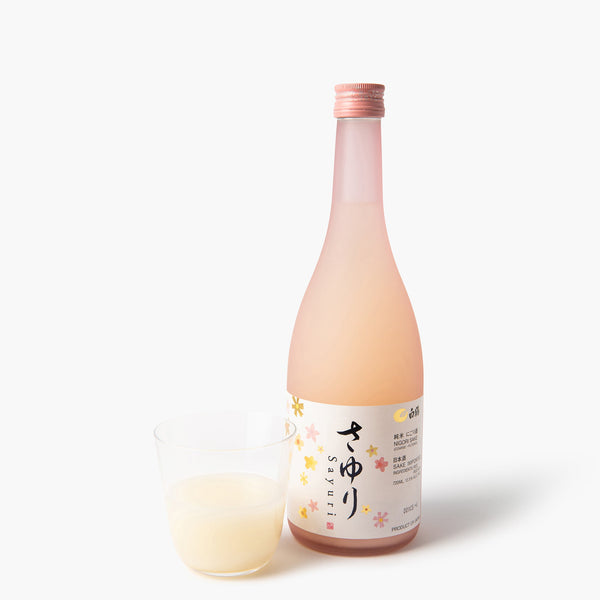
Nigori is an unfiltered sake, which gives it a cloudy appearance and a slightly creamy texture. It still contains rice particles, which provide a richer mouthfeel and often a pronounced sweetness. Nigori is popular as a dessert sake or paired with spicy dishes thanks to its sweetness and unique texture.
Our sommelier’s recommendation for trying Nigori sake:

Sanko Hinokuchi Sake - 20% - 200 mL (€7.90)

Sparkling Sake: Sparkling sake
Sparkling Sake is a sparkling sake characterized by its lightness and bubbles, perfect for festive occasions or as an accompaniment to light dishes such as sushi or salads. This type of sake is often sweet, with fruity notes that make it refreshing and accessible to those who aren’t used to traditional sake.
Our sommelier’s recommendation for trying sparkling sake:

Awayuki Sparkling Junmai Sake - 0% - 300 mL (€11)
Futsu shu : : Table sake without a designation
Considered the "table" sake or "standard" sake, futsū-shu is the most commonly consumed type of sake in Japan (accounting for 70% of production). It is generally produced with a higher alcohol content and less care in the selection of ingredients, making it an economical option. Unlike more refined sakes (such as ginjo or daiginjo), the rice used for futsū-shu is often less polished, and additives may be included to adjust the taste and flavor profile. It is appreciated for its simplicity and ease of drinking.
Nama sake: Unpasteurized sake
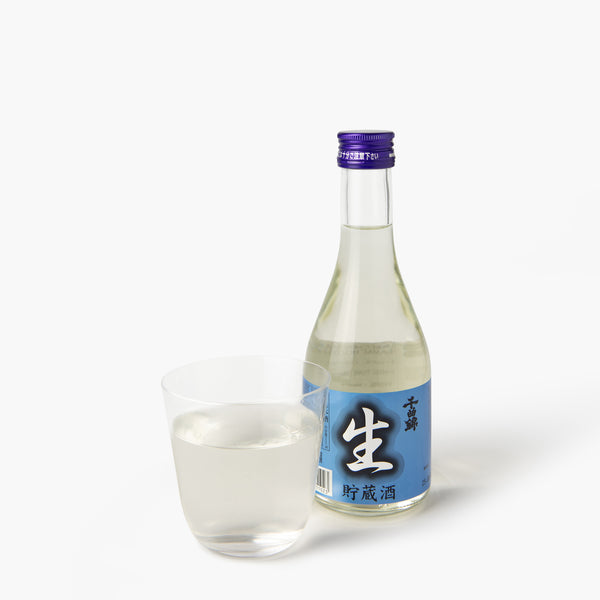
Nama-zake is an unpasteurized sake, which makes it a unique choice with an intense flavor. Most sakes undergo two stages of pasteurization to stabilize the flavor and prevent secondary fermentation, but nama-zake undergoes none of this. This gives it a fresher flavor profile, often with fruity and floral notes, and a slightly sparkling texture. It is more sensitive to temperature changes and must be kept cool to preserve its qualities.
Koshu: Aged Sake
This aged sake, known as koshu (古酒, literally “aged sake”), is often appreciated for its deeper flavors and complexity. It is recognizable by its beautiful amber color, which is almost reminiscent of cognac. Aging accentuates the aromas of nuts, honey, caramel, and spices, bringing it closer to the flavor profile of spirits. It is often served with hearty dishes to balance its intense flavor.
The tradition of aging sake was curtailed during the Meiji era (1868–1912) due to a tax policy implemented by the Japanese government, which imposed a tax based on production rather than sales. This tax imposed charges on sake at the time of production, rather than at the time of sale. This meant that producers had to pay taxes immediately after producing the sake, whether they sold it right away or decided to store it for extended aging.
To avoid having to bear these costs, many brewers have reduced or even stopped aging their sake. Producing and storing sake for years had become a significant investment, and, for economic reasons, it was more profitable to produce sake intended to be consumed quickly. This regulation marked a turning point, favoring the production of “fresh” or young sake, which remains the norm today.
Although this tradition of aged sake had thus been pushed into the background, interest in koshu has resurfaced in recent years, with a growing number of producers bringing aged sake back into the spotlight to meet a growing demand for new and complex taste experiences.
How to Enjoy Sake
Tasting sake has similarities to wine tasting, but there are certain aspects that make it a unique experience.
Different serving temperatures
Sake can be enjoyed at different temperatures, each of which highlights different aspects of its flavor profile:
- Chilled (around 5–10 °C): Sake served chilled, such as Ginjo and Daiginjo, often reveals floral and fruity aromas. The flavors are generally lighter and more refreshing, making it an ideal choice for hot days or to pair with light dishes.
- Room temperature (approximately 15–20°C): At room temperature, sake reveals greater complexity and depth. The aromas become richer, making this particularly suitable for Junmai and Honjozo sakes, allowing you to discover umami and grain notes.
- Warm (about 40–55°C): Heartier sakes, such as certain Junmai and Honjozo varieties, can be enjoyed warm. The heat softens the acidity and brings out the flavors, making the sake velvety and comforting—ideal during the colder months.
Types of glasses used for wine tasting
The choice of glass can also influence the sake-tasting experience. Here are a few options:
- O-Choko: A small traditional ceramic or glass cup used to serve hot or room-temperature sake. Its design allows you to fully appreciate the aromas.
- Guinomi: Similar to the o-choko, but wider, it is often used for chilled sake.
- Wine glass: Increasingly used for sake, the tulip-shaped white wine glass is also suitable for tasting chilled sake, as it concentrates the aromas. It is perfect for floral and fruity sakes.
- Sake glassware: Hand-blown glass or ceramic cups, often decorative, can also be used for an elegant presentation.
Tasting steps
Note: Examine the color and clarity of the sake. Young sakes are often clear and colorless, while koshu (aged sakes) may have a golden or even amber hue. Unfiltered sakes, such as nigori, are opaque and white.
Nose: Gently bring the glass to your nose to detect the aromas. Sake can have aromas of fruit (apple, melon, banana), flowers, or more complex nuances such as cooked rice, nuts, or even lactic notes in aged styles.
Taste: Take a small sip and let the sake coat your palate. Sake often has a smoother, more velvety texture than wine, due to its lack of tannins.
Finish: Note the lingering flavors. Some sakes have a long finish with soft, sweet notes, while others may have a pronounced umami finish, almost salty.

Suggestions for pairing food with sake for each style
Pairing sake with food can enhance the dining experience. Such pairings can be found on the menus of bistronomic and fine-dining restaurants, even those that do not specialize in Japanese cuisine.
If you'd like to try pairing food with sake, here are a few suggestions based on the different types of sake:
- Junmai :
- Dishes: Sashimi, grilled meat, stews.
- Serving suggestions: The rich, umami-filled flavors pair well with fresh sashimi and grilled meats.
- Honjozo :
- Dishes: Tempura, sushi, light Japanese cuisine.
- Serving suggestions: Its lightness and floral notes pair perfectly with light dishes such as sushi or tempura.
- : Ginjo and Daiginjo
- Dishes: Fine dining, seafood, chicken dishes.
- Serving suggestions: These delicate sakes pair well with seafood dishes, sushi, or white meats, highlighting their subtle flavors.
- Nigori :
- Dishes: Desserts, spicy dishes, Asian cuisine.
- Serving suggestions: The smoothness and creamy texture of Nigori pair well with fruit-based desserts or spicy dishes.
- : Sparkling Sake
- Dishes: Appetizers, light meals, fusion cuisine.
- Serving suggestions: This sparkling sake is perfect with appetizers, salads, or even fusion dishes, adding a festive touch.

Sake as an aperitif
- Recommended sake type : , Sparkling Sake
- Pairing: Sparkling sake is perfect for kicking off an evening. Its lightness and refreshing bubbles make it an excellent choice for whetting the appetite before a meal.
Awayuki Sparkling Junmai Sake - 0% - 300 mL (€11)
Sake for a formal meal
- Recommended sake : , Daiginjo
- Pairing: Daiginjo, with its high polishing ratio and refined aromas, is perfect for pairing with gourmet dishes at formal dinners. It complements the delicate flavors of the dishes without overpowering them.
Sake for a celebration
- Recommended sake : , Junmai Ginjo
- Pairing: At celebrations, a Junmai Ginjo is a festive choice that adds a touch of elegance. It can be served chilled or at room temperature, bringing a lovely complexity to the toasts.
For anyone curious to discover :
Kuromatsu Senjo Junmai Sake - 16% - 720 mL (€21.00)
For a white wine lover: 
Kuromatsu Senjo Junmai Ginjo Sake - 16% - 720 mL
How to Choose Sake
Choosing a sake can seem complicated given the wide variety of types and styles available. Indeed, sake has gained recognition in the culinary world, becoming a staple on wine lists and menus at many restaurants. More and more chefs are incorporating sake into their food-and-wine pairings, highlighting its versatility and ability to complement a wide variety of dishes, not just Japanese cuisine. Restaurants are exploring creative pairings, combining sake with diverse cuisines, ranging from Mediterranean to modern fusion dishes. Sake is also gaining more prominence at wine shops, in wine competitions, and even in our own pantries!
With more and more options available, here are some tips and factors to consider to help you make the right choice:
Price: The price of sake can vary considerably depending on quality, production method, and rarity. For your first purchase, it’s advisable to start with options in the mid-price range so you can explore different styles without spending too much. For special occasions or gifts, premium and ultra-premium sakes, though more expensive, offer an exceptional tasting experience.
Why is sake more expensive in France than in Japan?
Just as French wine is more expensive abroad, importing sake involves various import costs (customs duties, shipping costs, taxes, etc.). These costs are added to the final price of the product, making sake more expensive for French consumers.
Occasion: The choice of sake should also be suited to the occasion. For an aperitif, a light, effervescent sake like Sparkling Sake can be ideal. For a formal meal, opting for a refined Daiginjo or a Junmai Ginjo can enhance the dining experience. Also consider pairing it with the dishes being served.
Style: Sake styles range from light and refreshing to rich and complex. Ginjo and Daiginjo sakes, for example, are known for their delicate, fruity aromas, while Junmai and Honjozo sakes often offer more umami-rich and earthy flavors. It’s helpful to consider your personal taste preferences before making a choice.
Conclusion
Sake, Japan’s iconic beverage, offers a richness and diversity well worth exploring. From its traditional production methods to its role in temples and global cuisine, sake provides a unique experience that blends culture, history, and culinary delight.
To find out which sake is right for you, there’s nothing better than exploring the different types of sake and letting yourself be surprised by the richness of this beverage! Whether you’re a beginner or a connoisseur, every sake tasting can—just like wine—open the door to new discoveries and enriching sensory experiences. Don’t hesitate to visit breweries, participate in tastings, or experiment with food-sake pairings to deepen your understanding and appreciation of sake.
The world of sake is vast and ever-changing—remember that every bottle offers a unique flavor profile!