


-


Hideyoshi Hanabi honjozo sake in a can ⋅ 14% ⋅ 180ml
⋅ Honjozo sake⋅ Convenient can format for trying it out⋅ Mild and refreshing when served chilled, umami-rich when served warm⋅ Packaging that guarantees the sake’s freshnessThis...
Regular price 6.50 €Promotional price 6.50 € Regular priceUnit price 36.11 € by l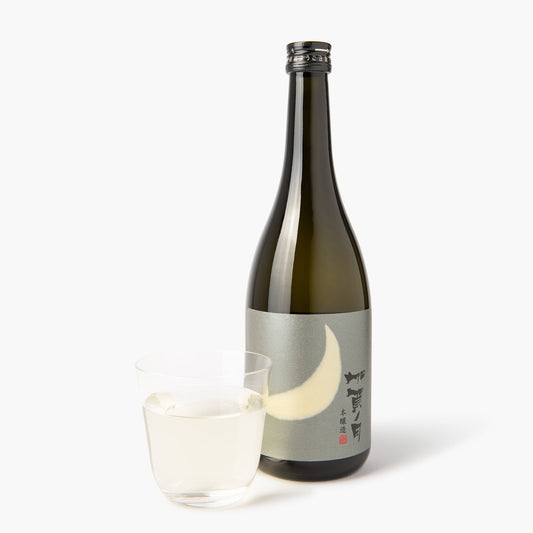
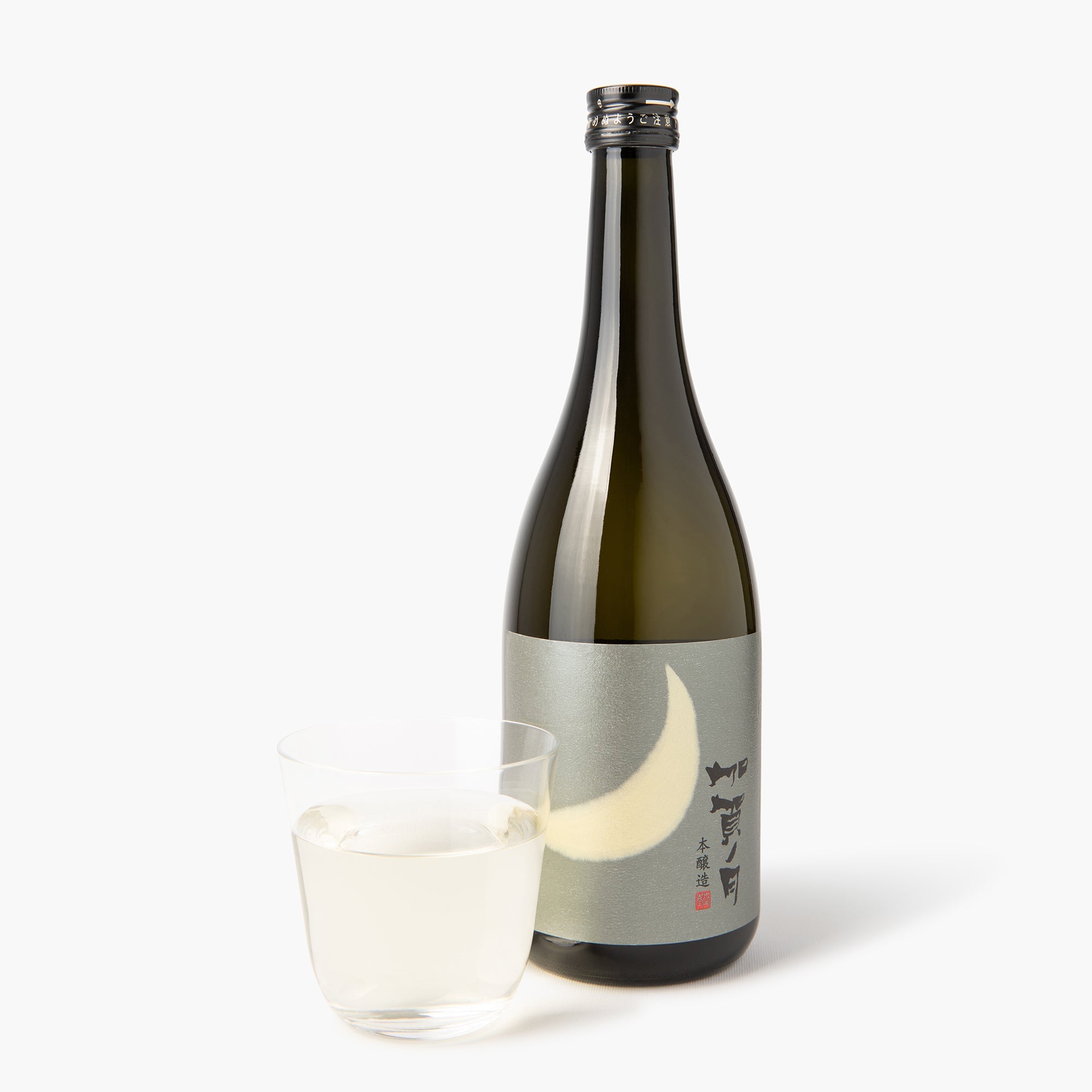
Kaga no Tsuki Mikazuki honjozo sake ⋅ 16% ⋅ 720ml
•A versatile sake, delicious served at room temperature or warmed.•Pure rice flavor•Winner of the Grand Gold Award (National Hot Sake Contest 2018).With its deep, clean taste,...
Regular price 19.95 €Promotional price 19.95 € Regular priceUnit price 27.71 € by l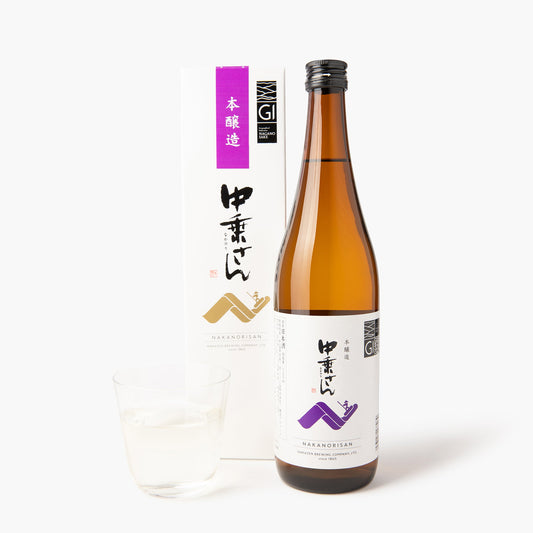
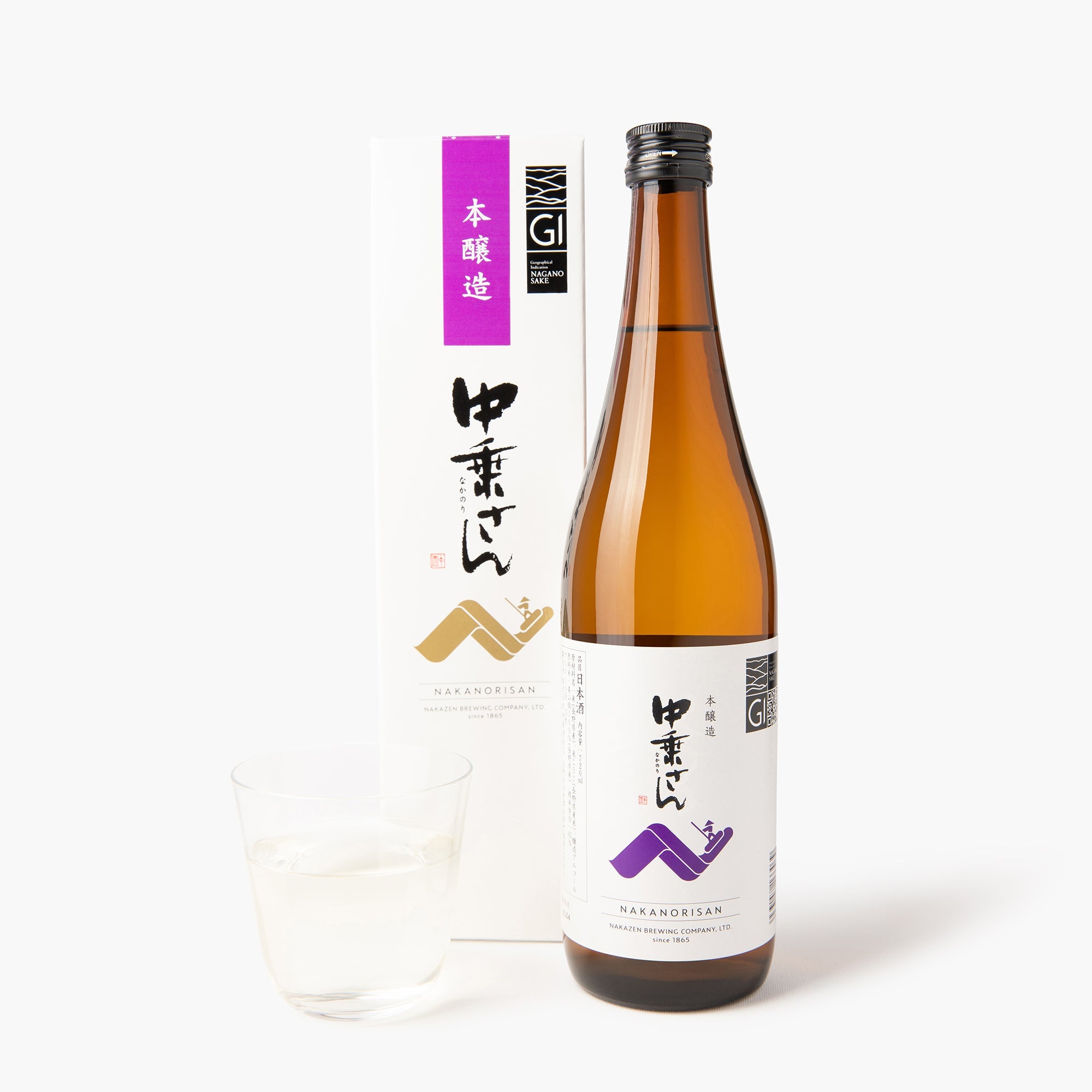
Nakanori-san Honjozo Sake ⋅ 16% ⋅ 720ml
•Rich, dry flavor•Versatile: can be enjoyed chilled, at room temperature, or warmed.•Certified Nagano GI, guaranteeing origin and quality.A Honjozo sake with a rich, dry flavor, made...
Regular price 21.80 €Promotional price 21.80 € Regular priceUnit price 30.28 € by l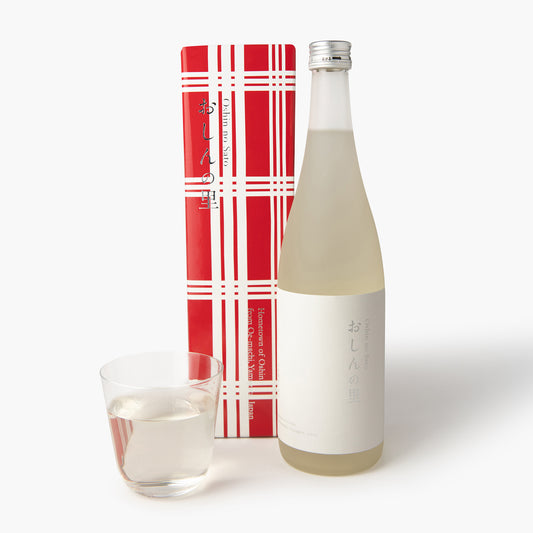
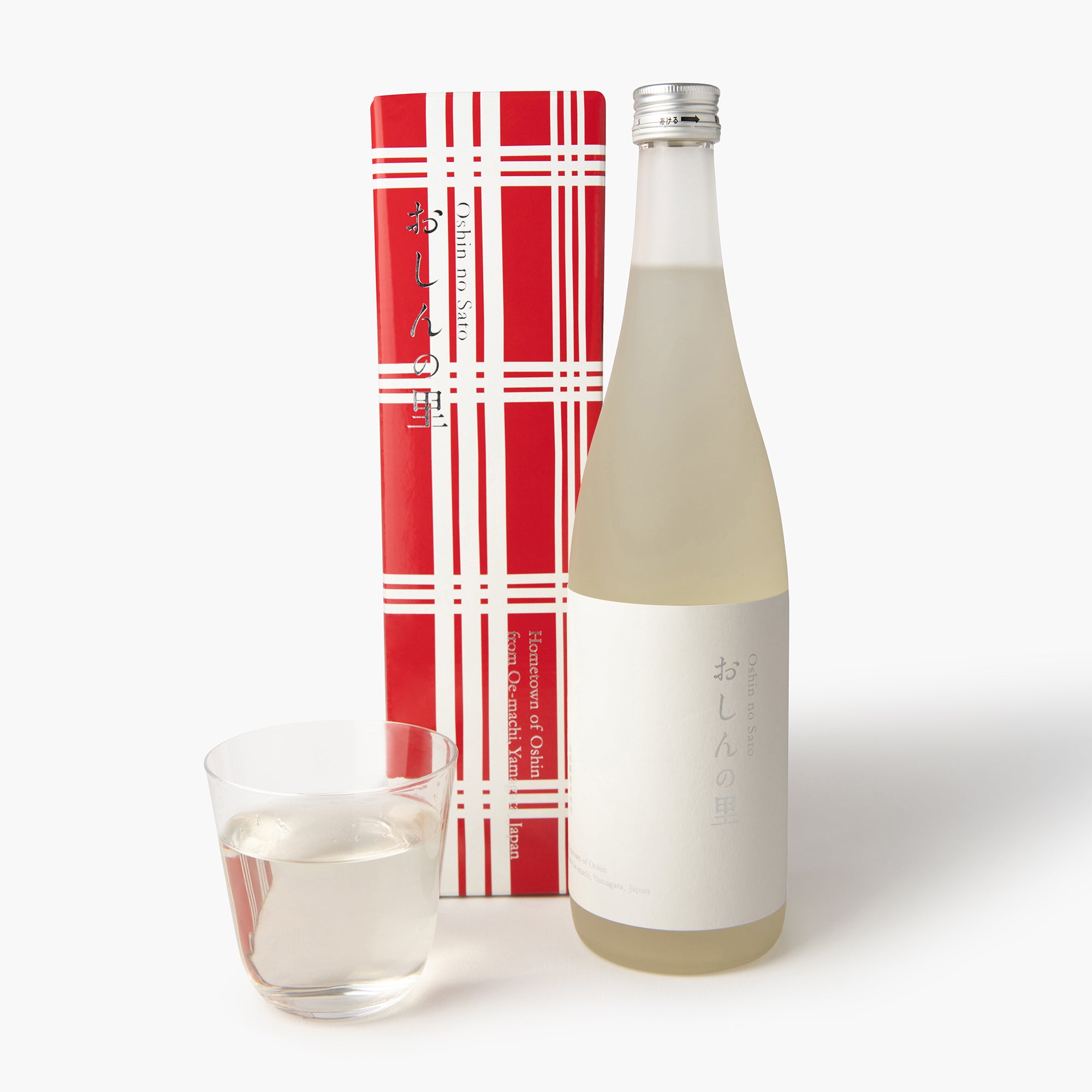
Honjozo sake Oshin no Sato ⋅ 15% ⋅ 720ml
⋅ Made with Haenuki rice⋅ Yamagata⋅ Profile: semi-⋅ Dry with umami and floral notes⋅ Ideal with white fish sashimi or tempura⋅ A Honjozo sakeA Honjozo sake...
Regular price 27.50 €Promotional price 27.50 € Regular priceUnit price 38.19 € by l


Learn more about honjozo sake
What is a Honjozo sake?
Honjozo sake is a type of Japanese sake distinguished by the addition of distilled alcohol during its production. This process gives the sake a lighter, cleaner taste while preserving subtle aromas. The rice used for Honjozo is often polished to about 70% of its original size, placing it between Junmai and Ginjo sake in terms of polishing.
The notes of this sake are generally softer, with balanced flavors that pair well with Japanese dishes, such as sashimi, grilled foods, or light sauces. Often originating from regions such as Hiroshima, Honjozo is appreciated for its easy drinkability and affordable price compared with more complex sakes such as Daiginjo.
What is the difference between Honjozo sake and Junmai sake?
The main difference between Honjozo sake and Junmai sake lies in the addition of distilled alcohol. Honjozo sake contains a small amount of alcohol added during the brewing process, making it lighter, drier, and cleaner on the palate. It often has more subtle aromas and a balanced taste, making it perfect for everyday drinking or pairing with simpler dishes.
By contrast, Junmai sake is made only with rice, water, and koji (rice mold used for fermentation), without any added alcohol. This gives it a richer, fuller taste, often sweeter and more full-bodied than Honjozo. Junmai sakes are often more powerful, with more pronounced flavors and stronger rice notes.
What dishes pair well with Honjozo sake?
Honjozo sake pairs perfectly with a wide variety of Japanese and Western dishes, thanks to its light mouthfeel and dry notes. It goes wonderfully with grilled dishes, fish in sauce, fried dishes such as tempura, and yakitori. Its freshness and balance make it an excellent choice for foods rich in umami or slightly salty, such as soy sauce, a ginger or lemon marinade.
It can also be enjoyed with simpler dishes such as soba noodles, classic sushi, or even recipes featuring white meat. Honjozo pairs well with dishes where the alcohol should not dominate, but rather highlight the natural flavors. Served slightly chilled or at room temperature, it reveals its full aromatic quality without overpowering the meal.
Can Honjozo sake be used in Japanese cooking recipes?
Yes, Honjozo sake can absolutely be used in Japanese cuisine. Thanks to its light profile, dry notes, and subtle aromas, it is ideal for enhancing flavors without overpowering dishes. It is often used in recipes for slow-cooked meats, sauces (such as teriyaki sauce), or to flavor broths and stir-fried dishes.
Adding it helps tenderize meat, reduce strong fish odors, and add a rounded mouthfeel. Less expensive than premium sakes such as Ginjo or Daiginjo, Honjozo is an excellent product to incorporate into everyday cooking. It is particularly popular in Japanese households for its versatility, consistent quality, and good value for money.
Is there a difference between a classic Honjozo and a Tokubetsu Honjozo?
Yes, there is a significant difference between a classic Honjozo and a Tokubetsu Honjozo, although both belong to the same category of sakes with added alcohol.
Standard Honjozo is a sake whose rice has been polished to at least 70%, meaning that at least 30% of the grain has been removed. It is appreciated for its light mouthfeel, dry notes, and easy drinkability, and is often served warm or chilled.
Tokubetsu Honjozo ("tokubetsu" means special in Japanese) indicates particular attention to the quality of the rice, the degree of polishing (often above 60%), or a specific brewing method. For example, it may be made with a premium rice variety such as Omachi or Gohyakumangoku, or in a renowned region such as Hiroshima or Akita.
How long can an opened bottle of Honjozo sake be kept?
Once opened, a bottle of Honjozo sake can be kept for approximately 1 to 2 weeks in the refrigerator, provided it is properly resealed. Thanks to the moderate addition of alcohol during its production, this type of sake is slightly more resistant to oxidation than Junmai.
However, its aromas and flavors on the palate will be more vibrant in the first few days. For optimal enjoyment, it is recommended to consume it quickly, especially if you are looking for fresh flavors, a balanced nose, and a beautiful finish.


