


-


Shirakawago Sasanigori junmai ginjo nigori sake ⋅ 15% ⋅ 300ml
⋅ Junmai Ginjo Nigori Sake⋅ 60% polished⋅ Made with Hidahomare rice⋅ Lactic notes from fermentation, typical of lightly filtered sakes⋅ Pairs perfectly with Japanese dishesSasara Tsuki...
Regular price 16.00 €Promotional price 16.00 € Regular priceUnit price 53.33 € by l

Nugudamaru nigori sake in a can ⋅ 17% ⋅ 180ml
⋅ Convenient to take on the go⋅ Enjoy hot or cold⋅ Mild, lightly filtered sake⋅ Small can, perfect for trying sake for the first time⋅ Perfect...
Regular price 6.50 €Promotional price 6.50 € Regular priceUnit price 36.11 € by l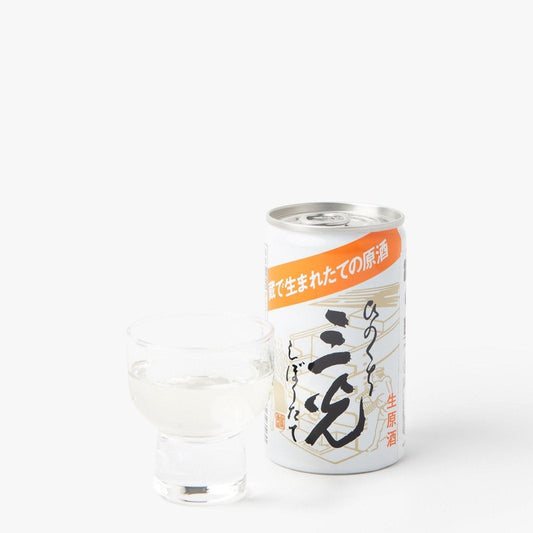

Sanko Hinokuchi nama sake ⋅ 20% ⋅ 200ml
⋅ Rich and balanced profile, dry finish, and lovely fruity complexity⋅ Unpasteurized "Nama genshu" sake⋅ Aluminum can⋅ Small size, perfect for trying sakeThis unpasteurized sake is...
Regular price 7.90 €Promotional price 7.90 € Regular priceUnit price 39.50 € by l

Nigori Umeshu Plum Liqueur ⋅ 9.5% ⋅ 700ml
•Made exclusively with premium-quality ume plums.•Velvety texture •No artificial flavors or colors.•Enjoy neat, mixed with soda, lemonade, or in a cocktail.A nigori plum liqueur with a...
Regular price 22.00 €Promotional price 22.00 € Regular priceUnit price 31.43 € by l

Kiwamihijiri Nigori Honjozo Sake ⋅ 15.5% ⋅ 300ml
•Thick texture •Fruity aromas reminiscent of a ginjō•Delicious served cold or hot.•Pairs well with beef carpaccio, stews, and tempura.A rich-tasting nigori honjozo sake, made from Akebono...
Regular price 13.00 €Promotional price 13.00 € Regular priceUnit price 43.33 € by l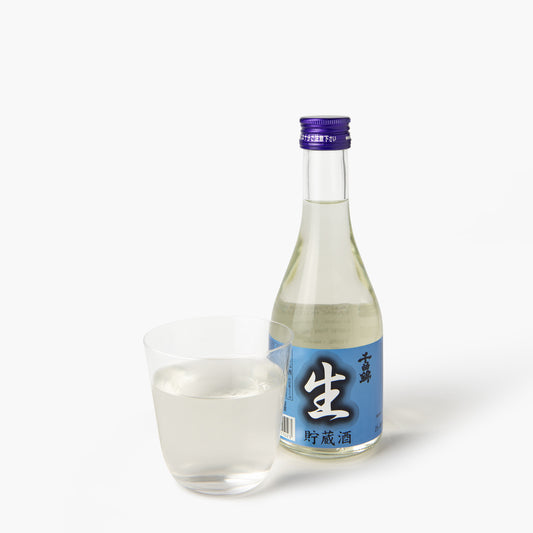
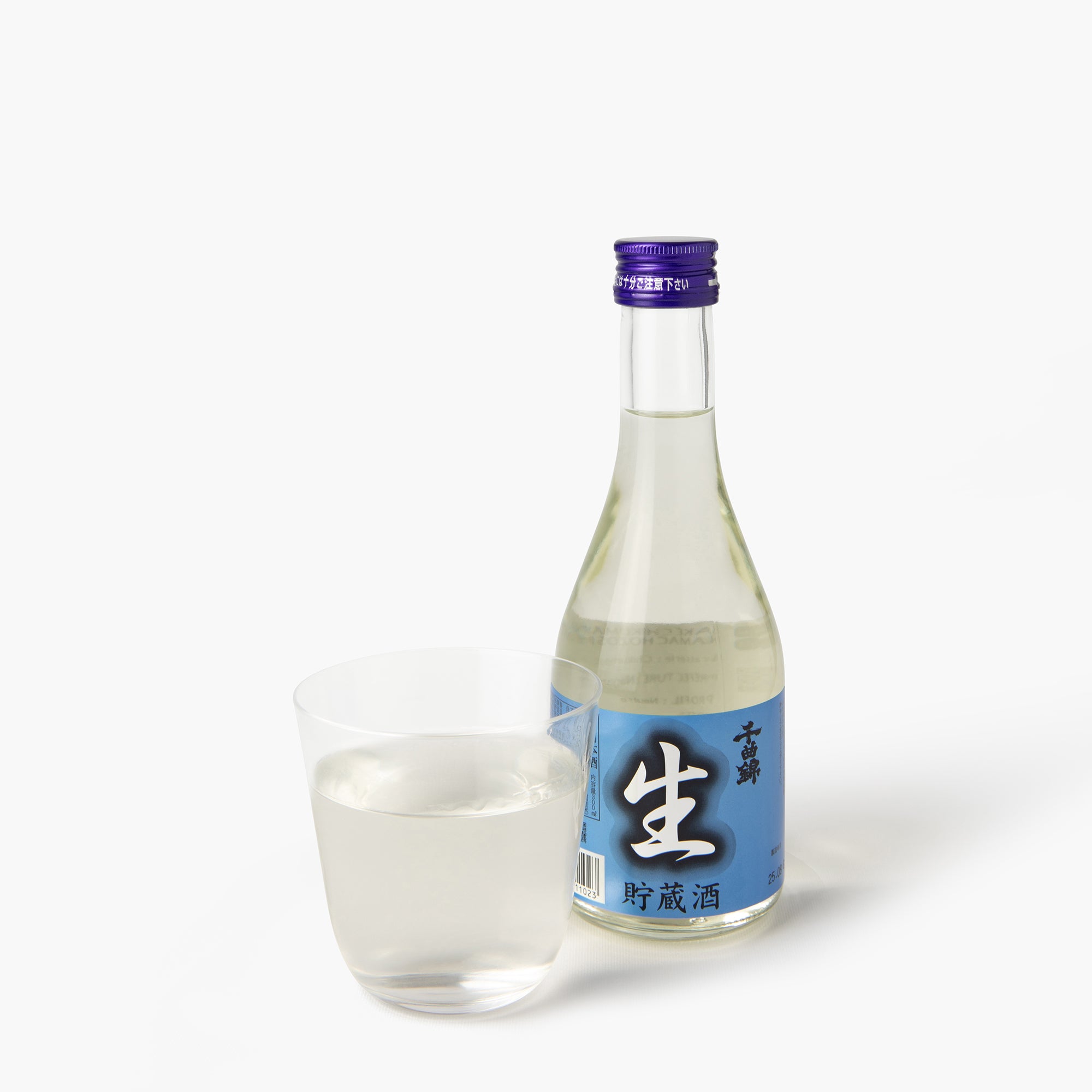
Chikumannishiki Namachozoshu Sake ⋅ 13% ⋅ 300ml
• Fresh, light flavor with low alcohol content.• Pasteurized only once, at bottling• Pairs equally well with Japanese dishes and Western cuisine A fresh, low-alcohol sake...
Regular price 10.20 €Promotional price 10.20 € Regular priceUnit price 34.00 € by l

Sayuri nigori sake ⋅ 12.5% ⋅ 720ml
• Authentic Japanese sake, smooth and approachable• Shake before serving • Ideal for cocktails.Made by Hakutsuru, Sayuri is a nigori, a type of sake with a...
Regular price 29.00 €Promotional price 29.00 € Regular priceUnit price 40.28 € by l

Nigori Momoshu Peach Liqueur ⋅ 5.5% ⋅ 700ml
•Made exclusively with high-quality peaches.•Velvety texture and natural sweetness thanks to the added peach puree.•No artificial flavors or colors.A peach liqueur with a velvety texture and...
Regular price 22.00 €Promotional price 22.00 € Regular priceUnit price 31.43 € by l

Kiwamihijiri Nigori Honjozo Sake ⋅ 15.5% ⋅ 720ml
• Nigori sake with a fruity taste reminiscent of a ginjo• Versatile: enjoy it hot or cold.• Pairs with beef carpaccio, simmered dishes, and tempura.• Made...
Regular price 24.15 €Promotional price 24.15 € Regular priceUnit price 33.54 € by l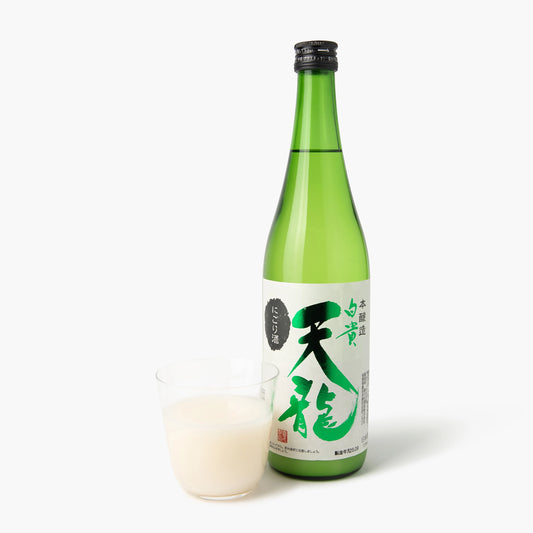
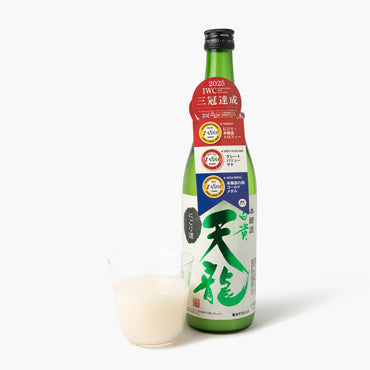
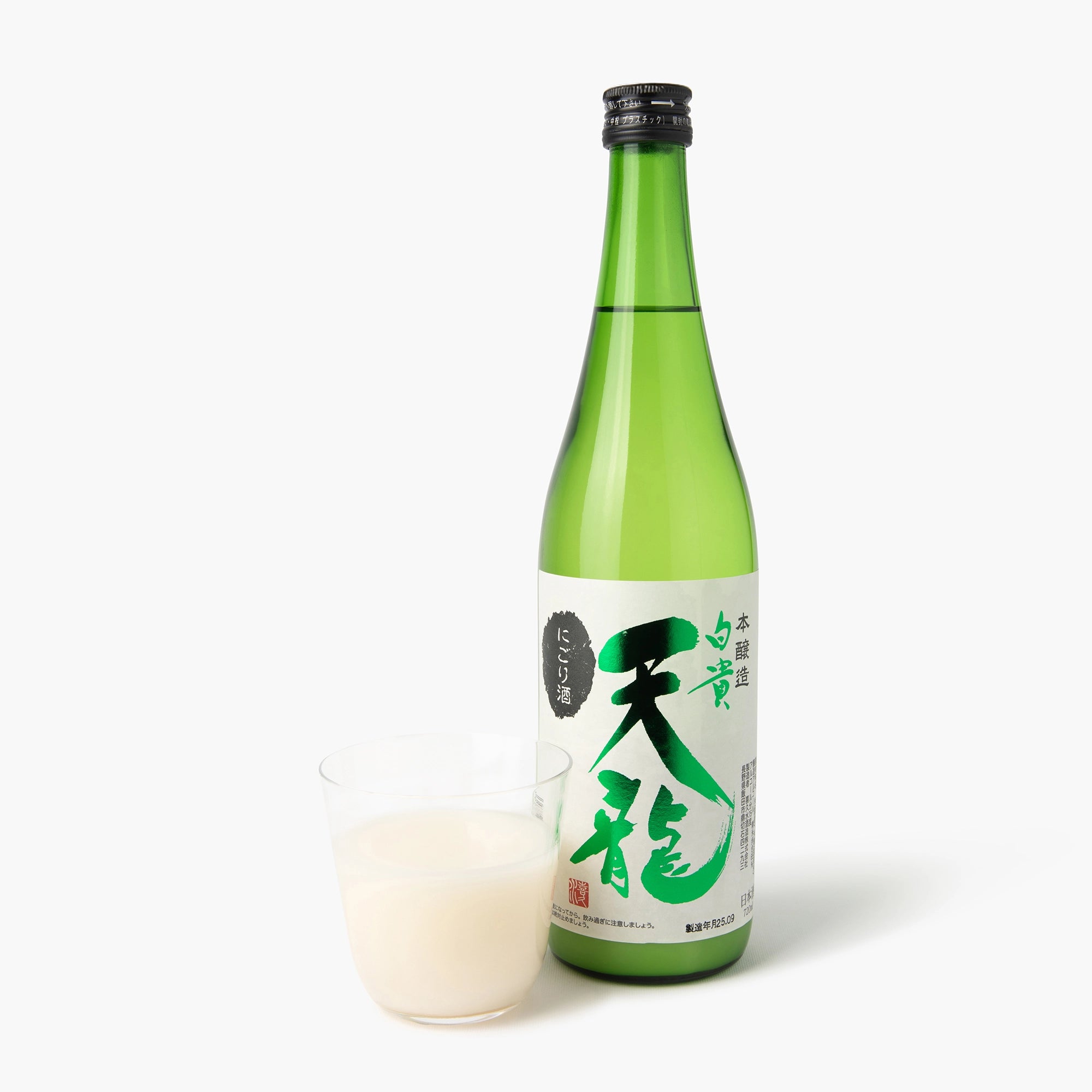
Shiroyuki Tenryu Nigori Honjozo ⋅ 15% ⋅ 720ml
• Soft notes of cooked rice and white flowers• Pairs with cheeses, fried foods, and desserts• Award-winning sakéThis nigori honjozo saké stands out with its delicate...
Regular price 29.00 €Promotional price 29.00 € Regular priceUnit price 40.28 € by l

Kenjin nigori sake ⋅ 15% ⋅ 720ml
• Fruity aromas, slightly dry• Pairs well with raw white fish, cheese, and fried foods• Unfiltered sake, pasteurized once• Serve very chilledNigori is an unfiltered sake....
Regular price 37.00 €Promotional price 37.00 € Regular priceUnit price 51.39 € by l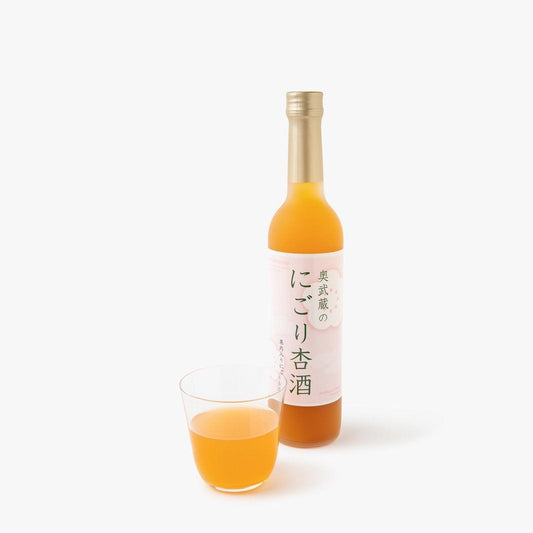
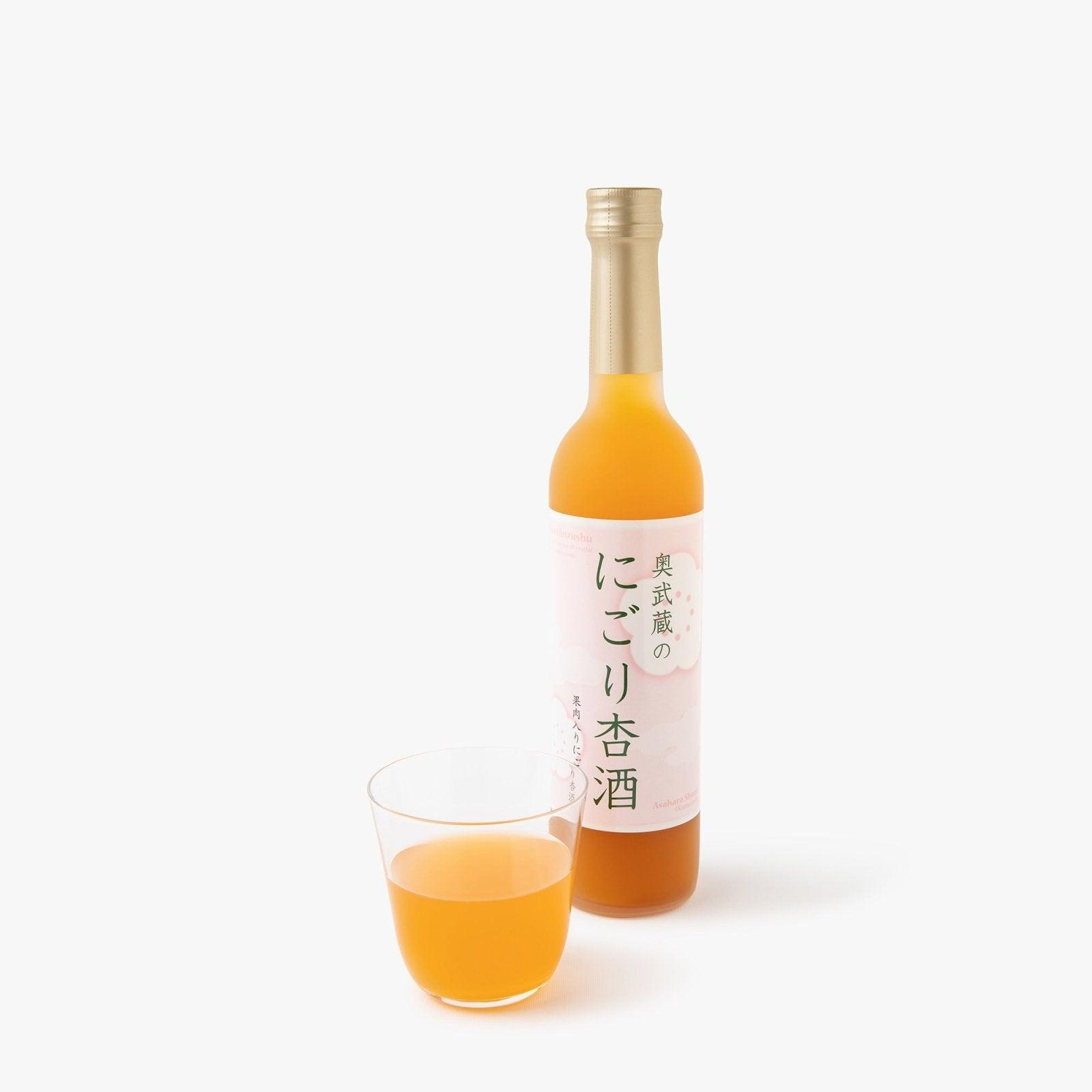
Okumusahi no Nigori apricot liqueur anzushu ⋅ 12.5% ⋅ 500ml
⋅ Apricot liqueur⋅ Thick and velvety texture⋅ Macerated in alcohol for 6 months⋅ Enjoy chilled, in cocktails with dried fruit or dark chocolateThis Nigori anzushu is...
Regular price 38.00 €Promotional price 38.00 € Regular priceUnit price 76.00 € by l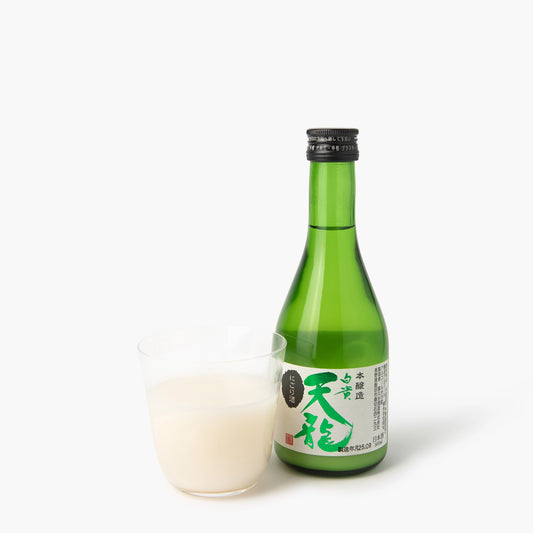
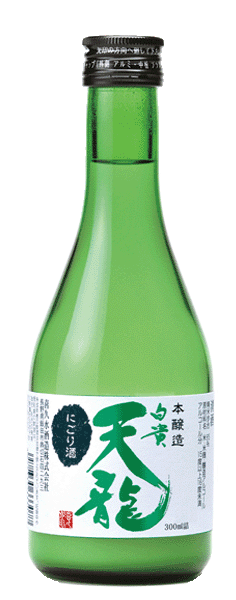
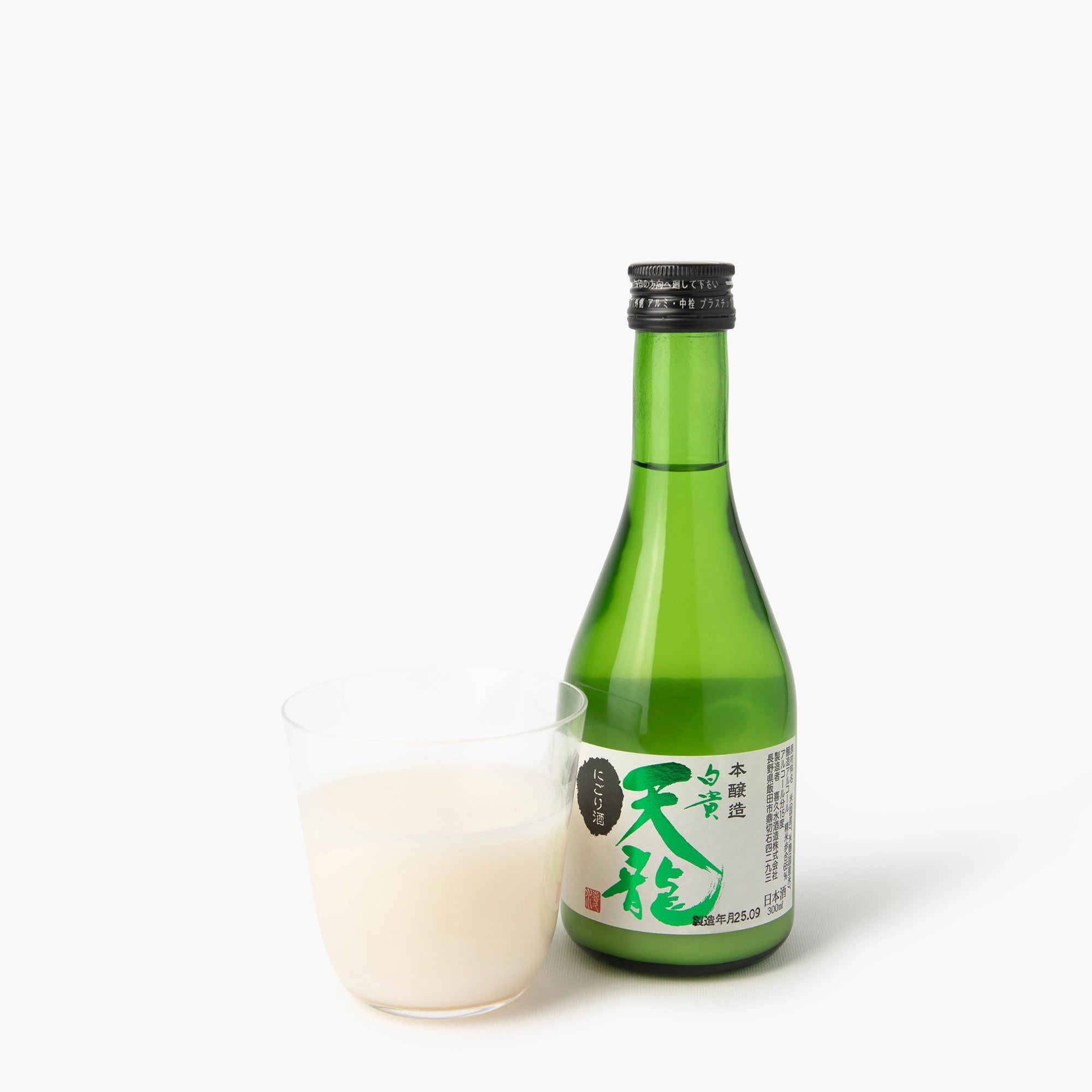
Shiroyuki Tenryu Nigori Honjozo ⋅ 15% ⋅ 300ml
•Rich and dry flavor, crafted with Miyama Nishiki rice and pure water from Mount Kiso Ontake.•Versatile: enjoy chilled, at room temperature, or warmed.•Certified Nagano GI, guaranteeing...
Regular price 11.40 €Promotional price 11.40 € Regular priceUnit price 38.00 € by l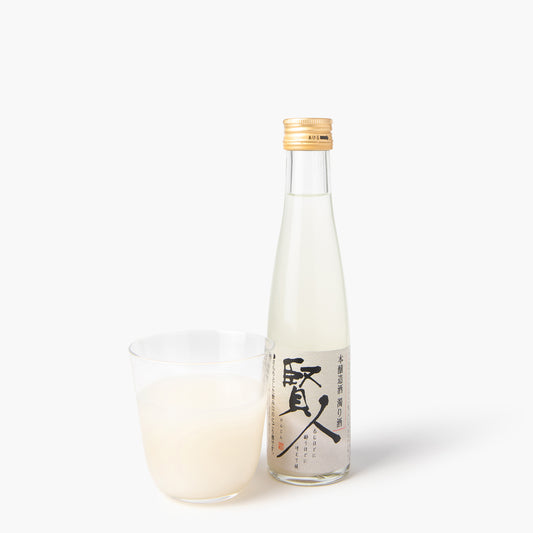
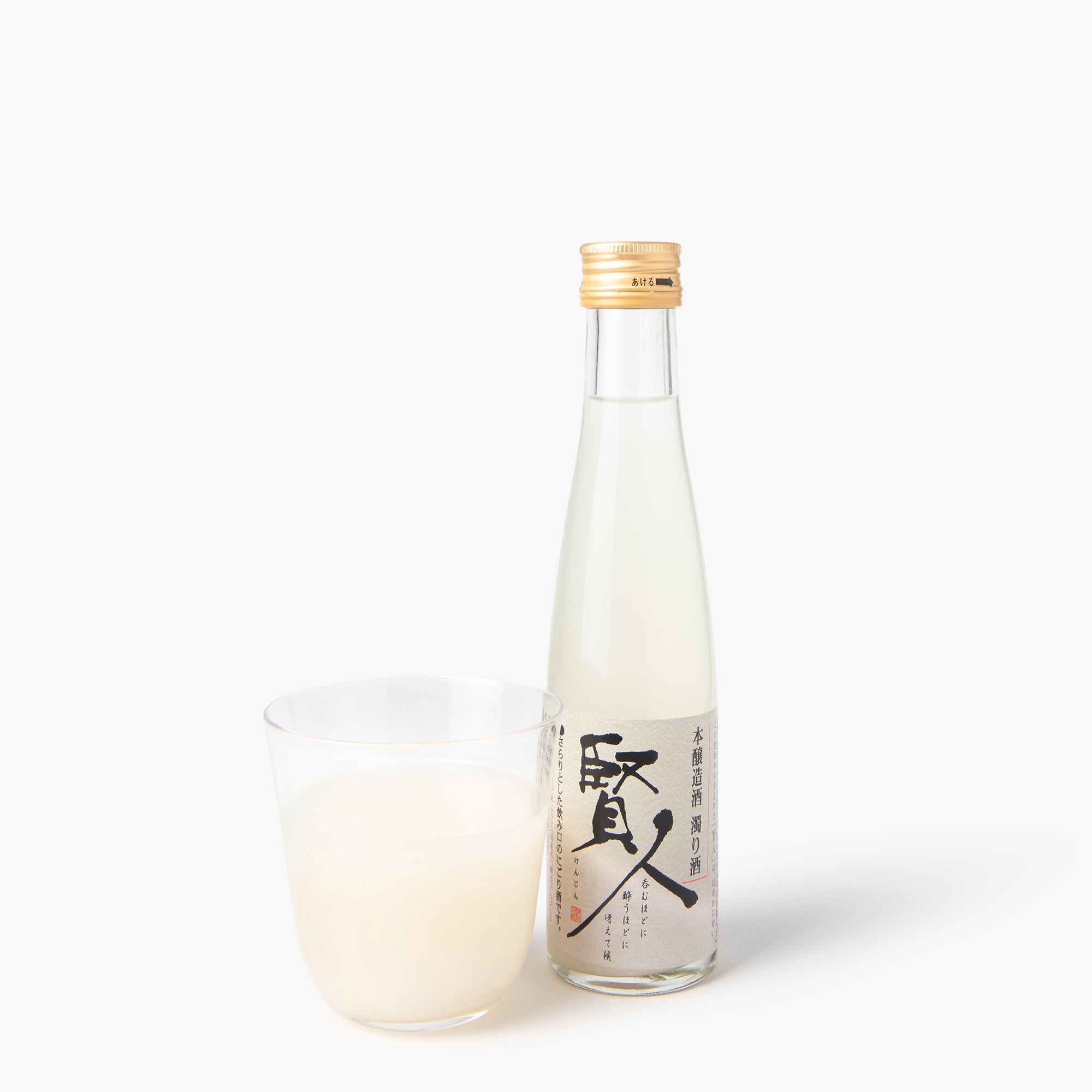
Kenjin nigori sake ⋅ 15% ⋅ 180ml
• Fruity aromas, slightly dry• Pairs well with raw white fish, cheese, and fried foods• Unfiltered sake, pasteurized once• Serve very chilledA nigori is an unfiltered...
Regular price 12.95 €Promotional price 12.95 € Regular priceUnit price 71.94 € by lLearn more about Nama and Nigori sake
What is the difference between Nama sake and Nigori sake?
Nama sake is unpasteurized sake that retains all its freshness, fruity aromas, and a slight acidity, with a lively mouthfeel. It must be kept refrigerated.
Nigori sake, on the other hand, is a cloudy sake because it is only partially filtered: it retains some of the rice and koji, giving it a smooth, creamy texture, pronounced sweetness, and milky or coconut notes.
One focuses on freshness (Nama), while the other emphasizes a rich texture (Nigori).What is the legend surrounding the birth of unfiltered sake?
According to legend, unfiltered sake (nigori-zake) is said to be one of the oldest forms of sake, dating back long before modern pressing techniques. At the time, rice, water, and koji were simply left to ferment in jars, and the drink was consumed as is, thick, cloudy, and lively.
It is said that this rustic sake was offered to Shinto deities as a sacred drink because it represented the original purity of natural fermentation. Nigori’s cloudy appearance thus became a symbol of generosity, fertility, and connection with the gods. A drink that brings together ancient traditions and sensory pleasure.
What are the regional traditions surrounding Nigori in Japan?
In Japan, Nigori-zake is often associated with winter celebrations or agricultural events, particularly in rural regions where it is still made using traditional methods. In Nara Prefecture, the birthplace of sake, Nigori is enjoyed during New Year celebrations to bring good luck and prosperity.
In some areas of Tohoku or Gifu, it is shared during harvest festivals, where its rich texture symbolizes abundance. In Hiroshima, it is often served with local dishes featuring oysters or citrus sauce (ponzu), as its sweetness balances the brininess and acidity.
This cloudy, generous, and expressive sake remains a convivial drink, often shared with family or neighbors in honor of ancient agricultural and spiritual traditions.
Which dishes pair with nama and nigori sake?
Nama and Nigori sake stand out for their freshness and intensity: Nama (unpasteurized) offers bright, fruity and tangy notes, while Nigori (cloudy) appeals with its smooth texture and milky sweetness.
Nama-zake pairs perfectly with fresh dishes such as sashimi, seaweed salads, or fish tartare. Its vibrancy enhances lightly vinegared or lemony dishes, and it is surprisingly delicious with fresh cheeses.
Nigori-zake, sweeter and richer, is a natural match for fruit-based desserts, mochis, and spicy dishes such as karaage, Japanese curries, or Korean cuisine. Its sweetness softens spicy or salty flavors for a balanced and indulgent tasting experience.
What is the ideal temperature for serving these sakes?
Nama and Nigori sake fully reveal their fruity aromas and delicate texture when served at the right temperature.
Nama-zake, unpasteurized and often livelier and more aromatic, is best enjoyed chilled, between 8 and 12°C. This temperature helps preserve its natural freshness, acidity, and floral or fruity notes.
Nigori-zake, softer and more textured, is ideally enjoyed well chilled, between 6 and 10°C, to highlight its milky sweetness and velvety mouthfeel. If served too warm, it may lose its balance and become too heavy.
Tip: remember to gently shake the Nigori bottle before serving to even out the texture!

Your cart (0)
Spend 50.00 € to benefit from free delivery


