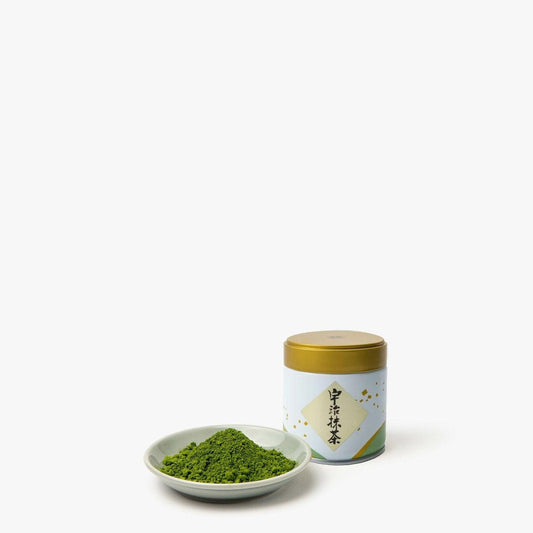
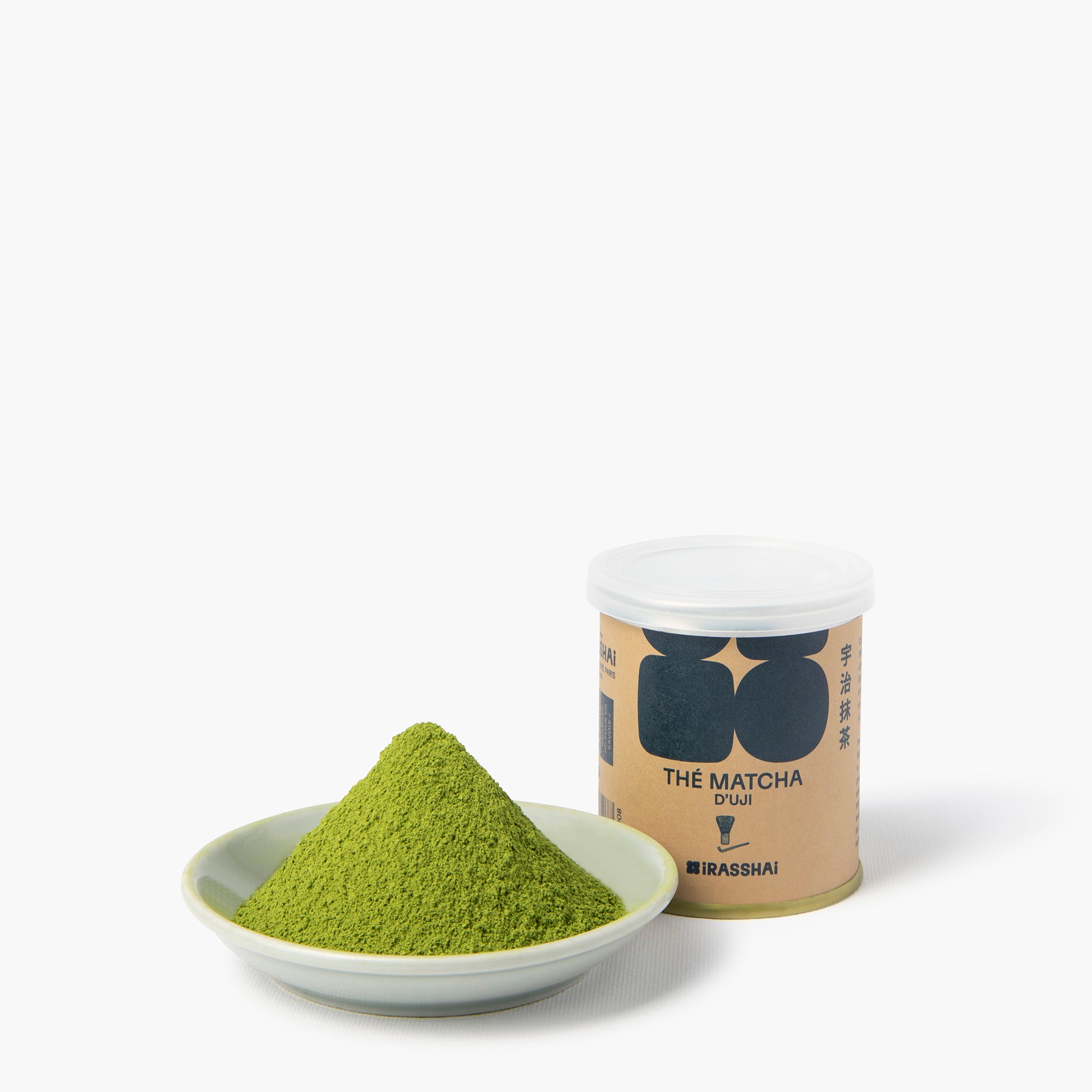


Matcha, a finely ground green tea powder, is becoming increasingly popular around the world, not only for its health benefits but also for its rich flavor and wide range of culinary uses. However, with such a varied and sometimes complex selection available, it can be difficult to know which matcha to choose. Whether you’re a passionate enthusiast or a curious beginner, it’s essential to understand the differences between the types of matcha so you can make the best choice based on your preferences and needs.
Table of Contents
- Manufacturing steps
- The different grades of matcha
- The color of matcha
- The origin of matcha
- Storage Tips
- Conclusion
Manufacturing steps
1. Selecting the leaves
The matcha production process begins with the selection of tea leaves. To produce high-quality matcha, only the young shoots are picked. These leaves, known as "tencha," are those that have been shielded from direct sunlight for several weeks prior to harvest, with the aim of increasing chlorophyll and starch production while reducing the presence of tannins. This technique, known as shading, gives matcha its vibrant green color and mild flavor.
The leaves used to produce matcha are also sorted by quality. The best leaves are harvested in the spring, during the first harvest (shincha), when the tea is at its peak in terms of aroma and nutrients. This early harvest yields tenderer, sweeter leaves, ideal for premium matcha. Subsequent harvests, taken later in the year, yield less tender, lower-quality leaves, often used for matcha intended for culinary purposes.
2. The sheet processing procedure
Once harvested, matcha leaves undergo a delicate processing to preserve their properties. After harvesting, the leaves are steamed to stop oxidation and retain their vibrant green color. This step is crucial because it keeps the chlorophyll intact and prevents the leaves from oxidizing, which would result in a more astringent taste. After steaming, the leaves are dried and sorted to ensure only the best are retained.
The tea leaves are then stripped of their stems and veins. This process ensures that only the most tender part of the leaf—rich in antioxidants and nutrients—is retained. The resulting leaves are called tencha, and they serve as the base for making matcha. It is these tencha leaves that are then ground to produce the fine, precious powder known as matcha.
3. Stone-grinding
Grinding tencha leaves is a key step in the production of matcha. Unlike other types of tea, matcha is ground into a powder using stone mills, a long and meticulous process. Stone grinding produces an extremely fine powder with a smooth, silky texture. This traditional method is preferred for preserving the quality of the aromas and nutrients, as it generates less heat than modern mechanical methods, thereby preventing the degradation of sensitive molecules such as antioxidants and polyphenols.
Stone grinding also gives matcha its silky texture and extremely fine powder, which dissolves easily in water. High-quality matcha, such as that used in tea ceremonies, is ground more slowly and finely, while lower-quality matcha may be ground more quickly and less uniformly.
Matcha’s popularity is skyrocketing around the world, but its production remains a delicate and time-consuming art. To achieve a powder of unparalleled fineness, tencha leaves are traditionally ground using a stone mill, a slow process that preserves the full richness of the aromas and nutrients. Faced with ever-increasing demand, producers must make a choice: limit their sales or speed up the process by using machines instead of stone mills. While these modern methods allow for increased production, they also alter the texture and intensity of the matcha, raising a crucial question: speed or quality?
4. The harvest season and its impact on flavor
The harvest season is one of the most influential factors in matcha quality. Leaves harvested in the spring, during the first picking, are more tender and have a higher nutrient content, giving the matcha a mild flavor and a pronounced umami taste. This first harvest yields premium-quality matcha, with a bright green color and a rich flavor profile featuring sweet and umami notes.
Late harvests, in summer or fall, yield leaves that are less tender and more bitter, which are used to make lower-quality matcha, often intended for culinary use. These matcha varieties are generally more affordable, but their flavor is more astringent and less complex.
The different grades of matcha
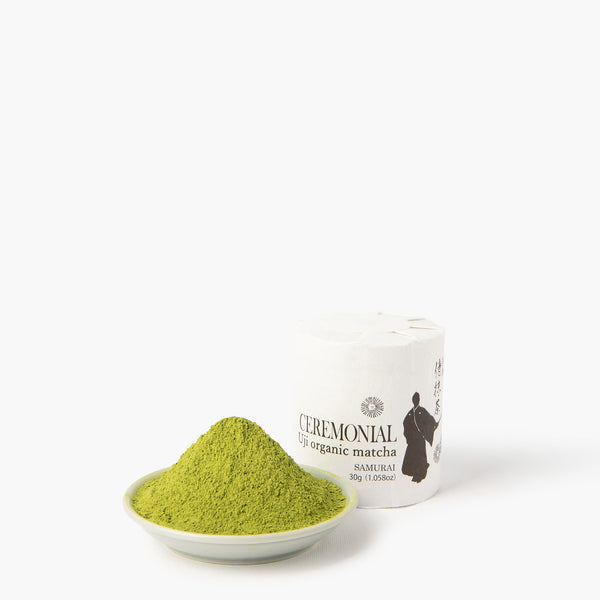
- Ceremonial matcha: Ceremonial matcha is the very essence of Japanese green tea, a luxury product reserved for tea ceremonies. Prepared with great care, it can be enjoyed in two ways: as koicha, a thick and intense matcha prepared with plenty of powder and a little water, ideal for a concentrated tasting experience during ceremonies, or as usucha, a lighter and airier matcha, perfect for moments of relaxation. Its delicate flavor and silky texture make this matcha a true work of art to be savored slowly.

Sayaka no Mukashi Ceremonial Matcha Tea ⋅ Ippodo Tea ⋅ 40g, €42.90
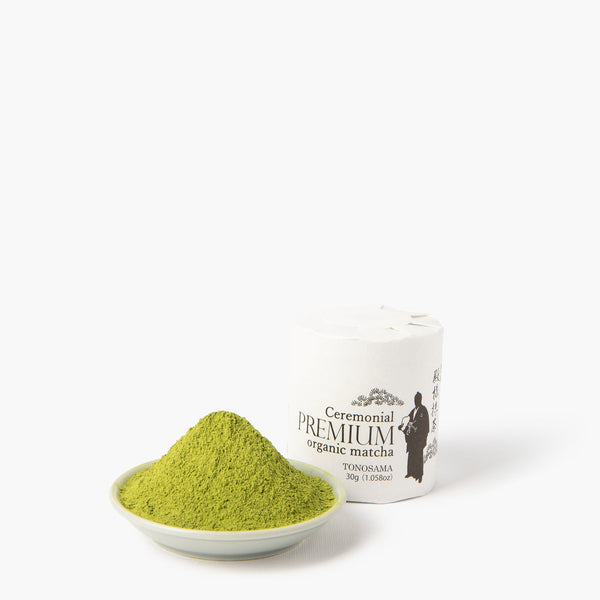
- Premium Matcha: Premium matcha offers uncompromising quality—a matcha that combines elegance and versatility. Although not intended for formal ceremonies, it offers a rich, subtly umami flavor and a vibrant green color. It is made from leaves that are slightly older than those used for ceremonial matcha, yet still of the highest quality. This matcha is perfect for enthusiasts seeking a more refined taste experience than that of classic matcha, while remaining versatile enough to be used in a wide range of recipes, from beverages to desserts.
- Cooking matcha: More accessible, cooking matcha is a true ally for culinary creators. This matcha is designed primarily for culinary use thanks to its ability to blend seamlessly with other ingredients, whether for a comforting matcha latte, a splash of color in a smoothie, or even to add a unique twist to your baked goods. Subtypes include matcha café, perfect for hot or iced beverages, and matcha blending, which integrates beautifully into your sweet creations. Produced from older leaves, with a more robust and slightly more bitter flavor, it is generally grown with less or no shading, resulting in a duller color and a less sweet flavor profile. It is often ground using industrial machines rather than stone mills, for a higher yield.
 Matcha Cooking Tea - Yamamasa Koyamaen - 100g, €15.20

Matcha Cooking Tea - Aoi Seicha - 30g, €6.50
- Classic Matcha: Classic matcha is the perfect choice for those who want to enjoy matcha every day without breaking the bank. While less refined than its premium or ceremonial counterparts, it’s still an excellent way to incorporate the magic of matcha into your daily routine. Grown from slightly more mature leaves, sometimes with a higher proportion of stems and veins, the grinding process is sometimes mechanized to speed up production, which can result in a slightly coarser powder and a more vegetal taste. With its simpler, more balanced flavor, it’s perfect for moments of relaxation or for those trying matcha for the first time.


Miyazaki Classic Matcha Tea - Rokubei Tea - 30g, €24.50
The color of matcha
The color of matcha is one of the most telling indicators of its quality. Good matcha should be a vibrant green, a sign that it has been carefully cultivated and harvested. This intense color comes from the chlorophyll found in young leaves, especially those grown in the shade. The more vibrant the color, the richer the matcha is generally in antioxidants and nutrients.
On the other hand, matcha with a duller or yellowish color may indicate that it was not grown as well or that it has gone stale. Color is therefore an excellent indicator of your matcha’s freshness and quality before you taste it.
However, it is important not to rely solely on this factor: some manufacturers add food coloring to give lower-quality matcha an artificially intense green color. Texture, aroma, and taste remain essential criteria for choosing the right matcha.
The origin of matcha
The origin of matcha plays a crucial role in its quality, taste, and unique characteristics. Uji matcha, which comes from the Uji region near Kyoto, is recognized worldwide as one of the finest and most prestigious varieties. This region is considered the birthplace of matcha, and its terroir, combined with traditional cultivation methods, gives it exceptional qualities. The leaves are grown in the shade for several weeks before harvest, allowing for maximum concentration of nutrients and flavors. Uji matcha is often used in traditional Japanese ceremonies due to its delicacy, subtle umami, and silky texture. Because of its complex and refined flavor, it is also highly prized by connoisseurs seeking an authentic experience.
Matcha from Nishio (in the Aichi region) and Kagoshima (in southern Japan) are also well-known, although they may offer slightly different flavor profiles. Matcha from Nishio, for example, tends to be milder and sweeter, while that from Kagoshima may have more herbaceous aromas and sea-like notes.
Outside of Japan, China and South Korea also produce matcha, although the quality can vary considerably.
Chinese matcha is often more affordable, but it is generally considered less refined than its Japanese counterpart. Its flavor can be more grassy and less complex, sometimes with earthy or hay-like notes. However, certain regions such as Anhui and Zhejiang produce high-quality matcha, particularly for culinary use. It is often used in beverages like matcha lattes or in baking, but is rarely preferred for pure tasting.
As for Korean matcha, although less well-known, it is gaining popularity. Already a producer of excellent green teas, Korea uses techniques similar to those in Japan to cultivate its matcha, particularly on Jeju Island, where the volcanic soil provides ideal conditions. Quality can vary, but some Korean producers offer interesting matcha varieties with a slightly milder, more vegetal flavor.
However, for a pure tasting experience, Japanese matcha remains the undisputed standard due to its subtle flavors and complex aromas.
Storage Tips
Since matcha is a very delicate tea powder, it must be stored carefully to preserve its freshness and flavor. Ideally, matcha should be kept in an airtight container, away from light, heat, and moisture. To preserve its vibrant color and health benefits, it is recommended to store it in a cool place, especially if you won’t be using it right away. When stored properly, matcha can stay fresh for several months.
However, once opened, it’s best to use it within two to three months to fully enjoy its flavor and nutritional benefits. By taking good care of your matcha, you’ll be able to savor its rich flavor and reap its health benefits.
Conclusion
Choosing the right matcha is primarily a matter of taste, quality, and intended use. Whether you’re looking for ceremonial matcha for an authentic experience, premium matcha for its perfect balance, or culinary matcha to enhance your recipes, each variety has its own unique characteristics. By considering factors such as color, origin, and production method, you can select a matcha that meets your expectations. Finally, proper storage will ensure the freshness and benefits of this precious green powder. All that’s left is to enjoy it!