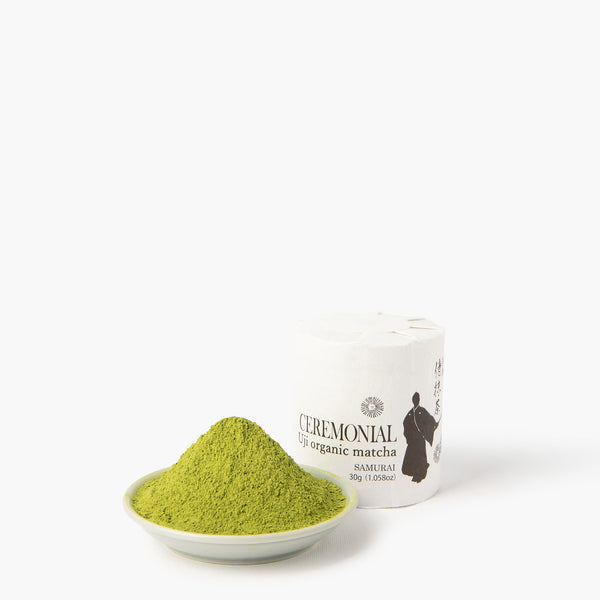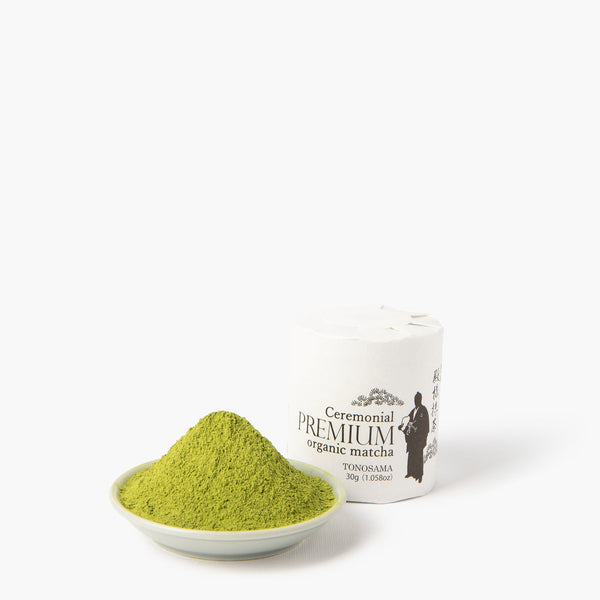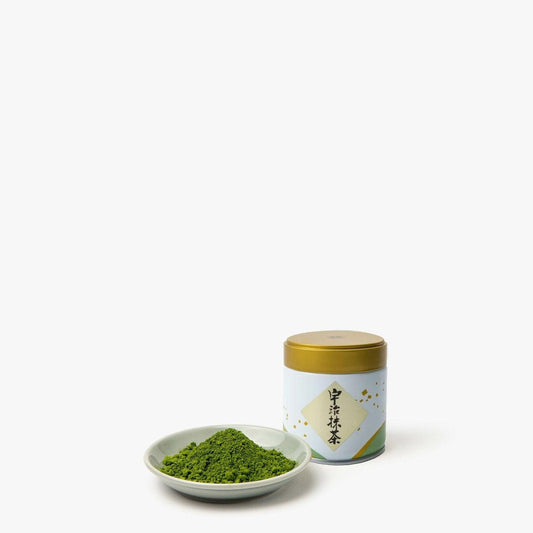
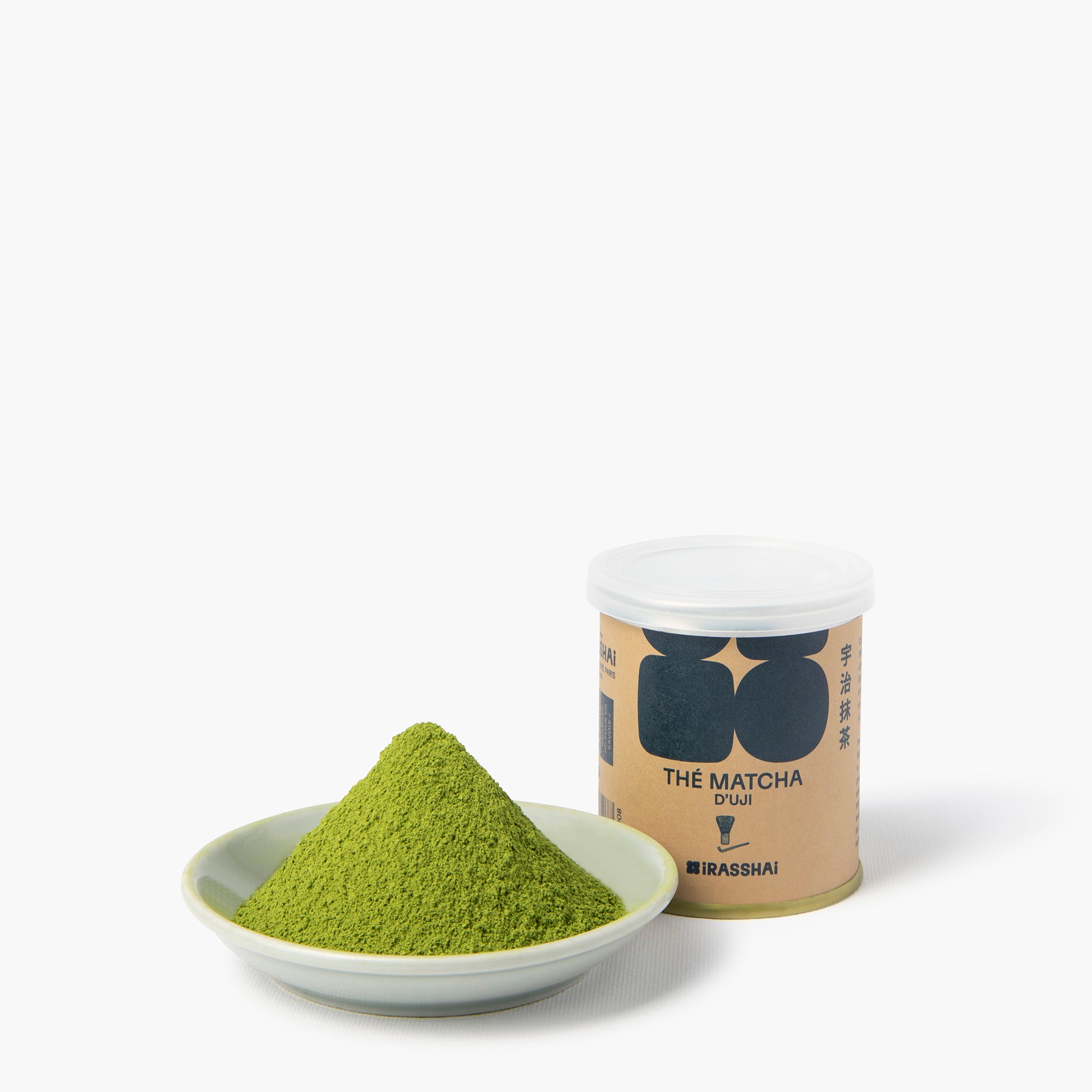


At iRASSHAi, we know just how much people love matcha —whether it’s for your daily rituals, your baked goods, or your moments of relaxation. It’s a product we select with care, and you may have noticed that it can sometimes be hard to find. Here’s why.
Soaring global demand, a strained supply
Over the past few months, global demand for matcha has skyrocketed, with interest more than tripling, particularly outside of Japan. In Europe and France, matcha is everywhere: in coffee shops, bakeries, cosmetics brands... and in your homes, whether you’re a fan of Japanese cuisine or a matcha latte lover.
However, Japanese production, which is primarily driven by small family farms, does not have the capacity to keep up with such a pace. As a result, purchase prices from our producers have doubled in just one year.
At iRASSHAi, we have always chosen to limit the impact of this price increase on our retail prices by absorbing part of the costs. However, in order to continue offering you exceptional matcha, we are now forced to adjust our prices by a few euros.
Despite our best efforts, we are only able to meet about 20% of actual demand, both in-store and online. Supply remains very tight.
A product that is rare by nature
We offer only the highest-quality matcha, grown in Japan using traditional methods: seasonal farming practices, careful selection of leaves, extended aging, and slow grinding using a stone mill.
It is this traditional grinding process that gives matcha its exceptionally fine texture and well-balanced flavor. But it is time-consuming: it takes about an hour to produce 30 to 40 grams of powder. This craftsmanship is difficult to industrialize without compromising quality. On a large scale, faster machines would be used, but this often results in powders that are coarser, more bitter, and less well-balanced.
One production a year, and not a single one more
The leaves used for matcha are harvested only once a year, in the spring. After harvesting, the leaves are cured for several weeks before being ground into powder. Once that batch is sold out… you have to wait until the following year.
Unlike other teas that are available year-round, matcha cannot be produced “on demand” or continuously. Volumes are set in advance, and once our producers’ stocks are depleted, it is simply no longer possible to obtain any until the next season.
A tradition in danger
Most Japanese tea houses are family-run businesses, some of which have been in operation for over a century. However, Japan is an aging society. Many of these businesses have no successors, or the younger generations are choosing different career paths.
This phenomenon undermines not only the transmission of traditional skills but also the ability to maintain consistent production. In some cases, an entire region disappears due to a lack of successors.
Global demand is skyrocketing
Paradoxically, while traditional matcha consumption is declining in Japan, demand is skyrocketing internationally. In Europe and France, matcha is everywhere: in coffee shops, bakeries, cosmetics brands… and in your homes, whether you’re a fan of Japanese cuisine or a matcha latte lover.
Demand currently far outstrips supply, especially for high-quality artisanal matcha. As a result, supplies sell out quickly—sometimes within a few hours.
What we're implementing at iRASSHAi
- An email alert to let you know as soon as a product is back in stock
- We maintain constant communication with our suppliers to ensure regular restocking
- A gradual diversification of our partnerships, without compromising on quality
Since matcha reached the height of its popularity, we have added 19 new products to our selection, sourced from 11 different producers, all of which meet our strict quality and price standards.
Good news: our selection is constantly expanding, with over thirty varieties of matcha—from premium blends to those suited for cooking—so that everyone can find the matcha that’s right for them.
How to make sure you don't miss your next matcha:
- Enable stock alerts on the product page for the matcha in question
- Subscribe to our newsletter
- Follow us on Instagram or TikTok for behind-the-scenes glimpses and new arrivals
- And above all: feel free to email us at hello@irasshai.co for a personalized recommendation .
Some resources for further reading:
- Le Monde – Matcha, Now Too Popular, Faces a Shortage
- The Times – Gen Z’s demand for matcha is outpacing supply
- The Japan Times – Japan Struggles to Cope with a World Short on Matcha
- "We're no longer accepting orders": Japan is swept up in matcha tea mania, with prices soaring 198%
Thank you for your understanding and your continued support!
The iRASSHAi Team