


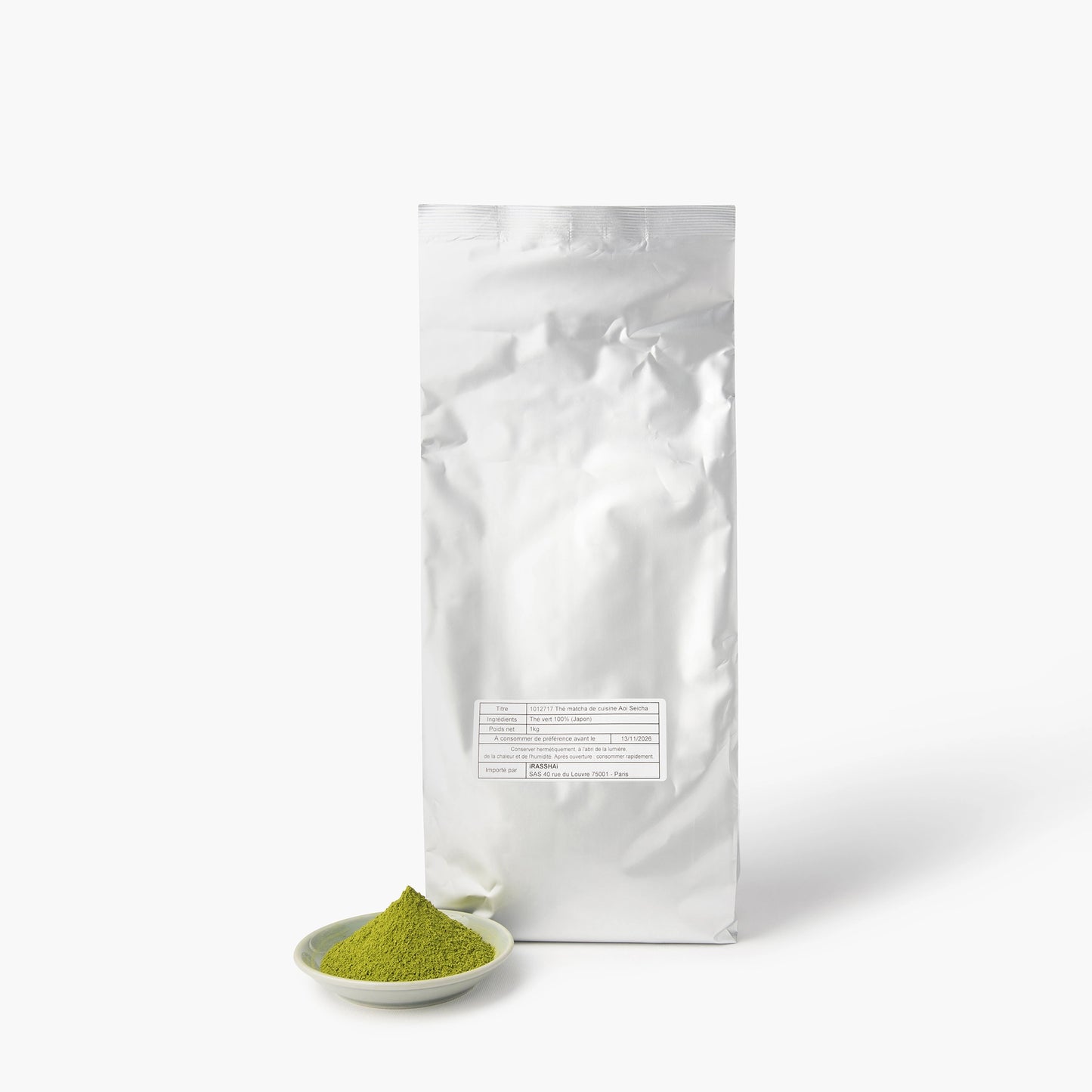
Culinary matcha tea ⋅ Aoi Seicha ⋅ 1kg
Marque : Aoi Seicha
⋅ Rich in antioxidants
⋅ Balanced bitterness, perfect in lattes or desserts
This powdered matcha is made from premium-quality tea leaves grown in Japan. It has a herbal, slightly bitter flavor, with a fine, smooth texture. When prepared traditionally, its foam is light and creamy, making it ideal for preparing matcha tea or a matcha latte. It can also be used as a cooking ingredient. Matcha is particularly rich in antioxidants, catechins, and vitamins (A, C, K), while also being an excellent source of natural caffeine that can improve concentration and gently boost energy. In addition, its high l-theanine content promotes relaxation and reduces stress, making it the perfect choice to accompany your moments of relaxation and well-being.
SKU:1012717

Free shipping
Payment methods*from €50 for pickup points in France; from €85 for home delivery in France; from €90 for home delivery in Europe
Our recipes with matcha

Tiramisu au matcha 🍵

Madeleines matcha

Mille crêpes au matcha ☁️

Roulé au matcha !


Thé matcha d'Uji ⋅ Yamamasa Koyamaen pour iRASSHAi ⋅ 30g

Liqueur de prune au thé vert Umeshu Ryokucha Nakano ⋅ 12% ⋅ 720ml

Thé matcha d'Uji ⋅ Yamamasa Koyamaen pour iRASSHAi ⋅ 30g

Sucre blanc semoule ⋅ Mitsui Seito ⋅ 1kg


Thé matcha de cuisine Kyozen d'Uji de Kyoto ⋅ Yamamasa Koyamaen ⋅ 100g

Thé matcha de cuisine ⋅ Aoi Seicha ⋅ 30g
Thé matcha d'Uji ⋅ Yamamasa Koyamaen pour iRASSHAi ⋅ 30g

Thé matcha de cuisine Kyozen d'Uji de Kyoto ⋅ Yamamasa Koyamaen ⋅ 100g

Thé matcha de cuisine Kyozen d'Uji de Kyoto ⋅ Yamamasa Koyamaen ⋅ 1kg
Thé matcha de cuisine ⋅ Aoi Seicha ⋅ 30g
Accessories for preparing your matcha
-
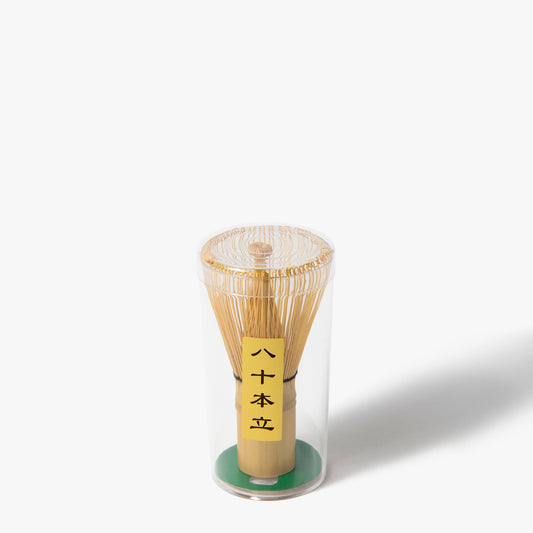

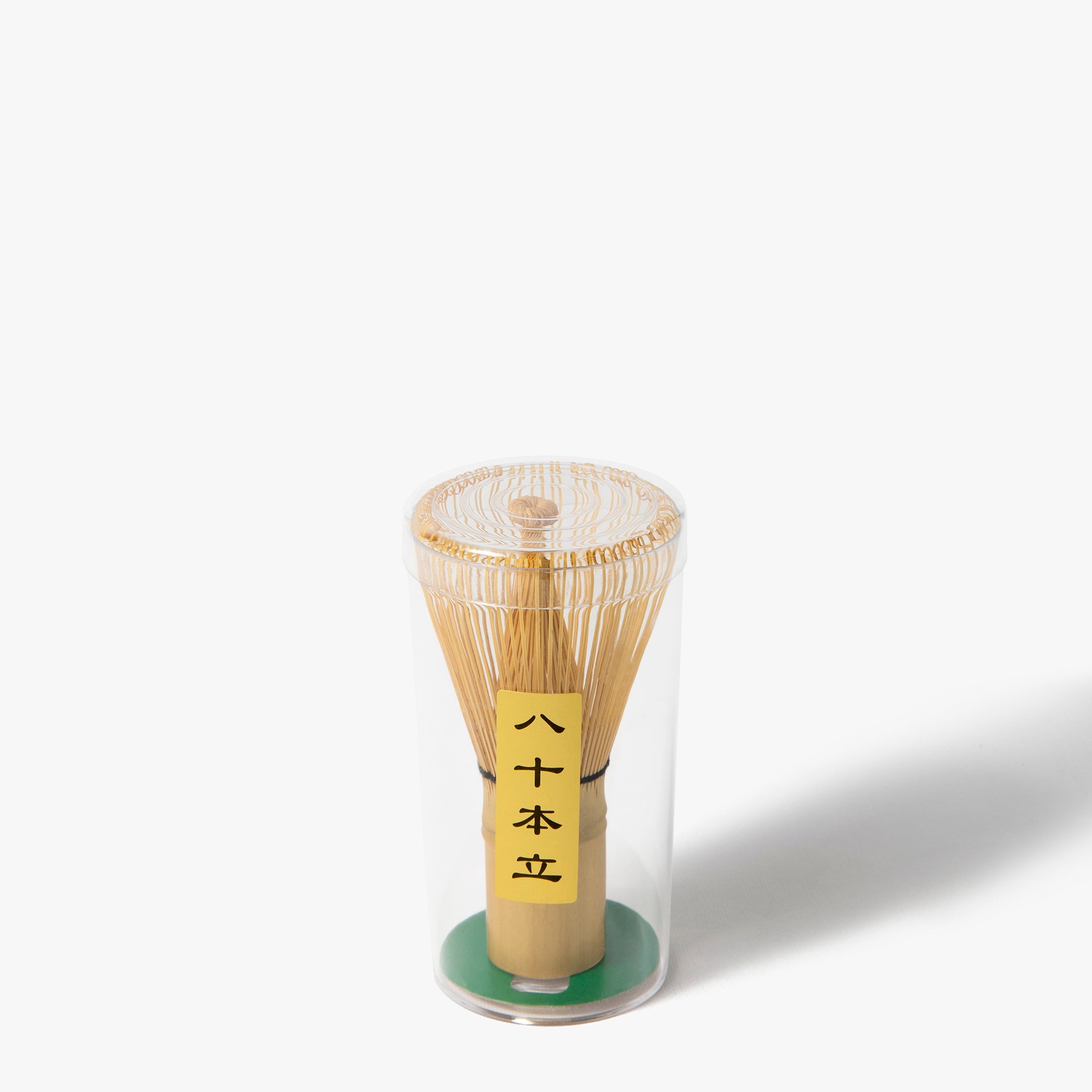
Bamboo matcha whisk chasen 80 prongs ⋅ Emro Aziatica
Regular price 16.00 €Promotional price 16.00 € Regular priceUnit price by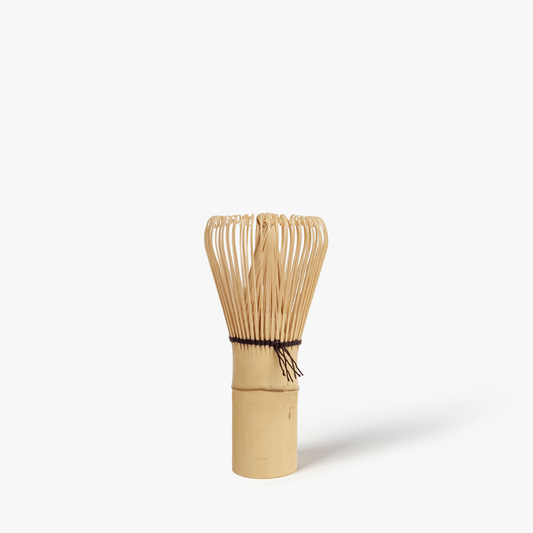
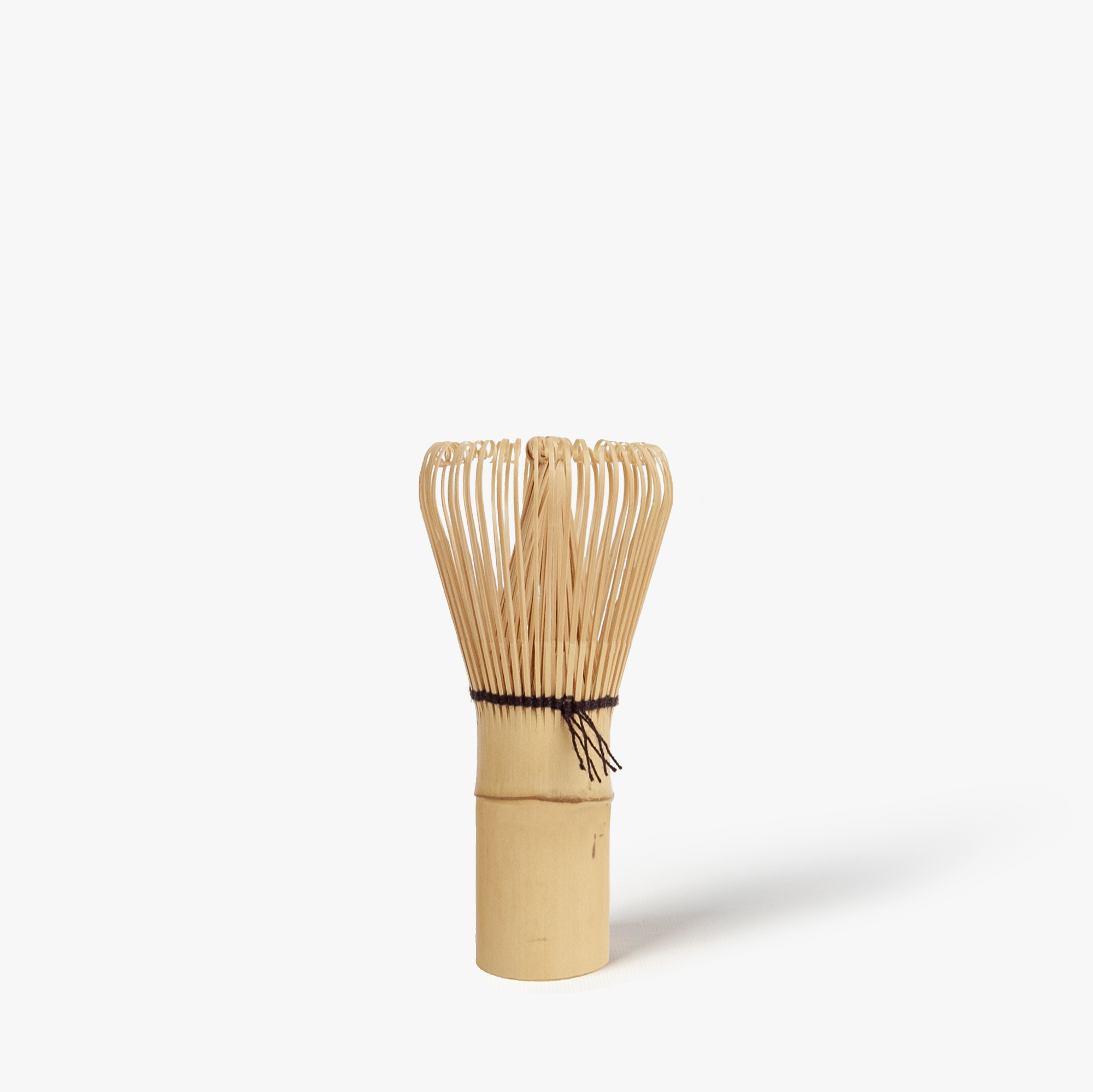
Small bamboo matcha whisk chasen 48 prongs ⋅ Emro Aziatica
Regular price 14.50 €Promotional price 14.50 € Regular priceUnit price by
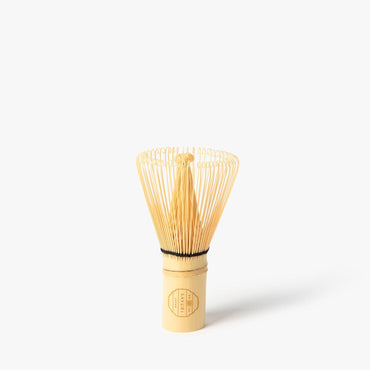
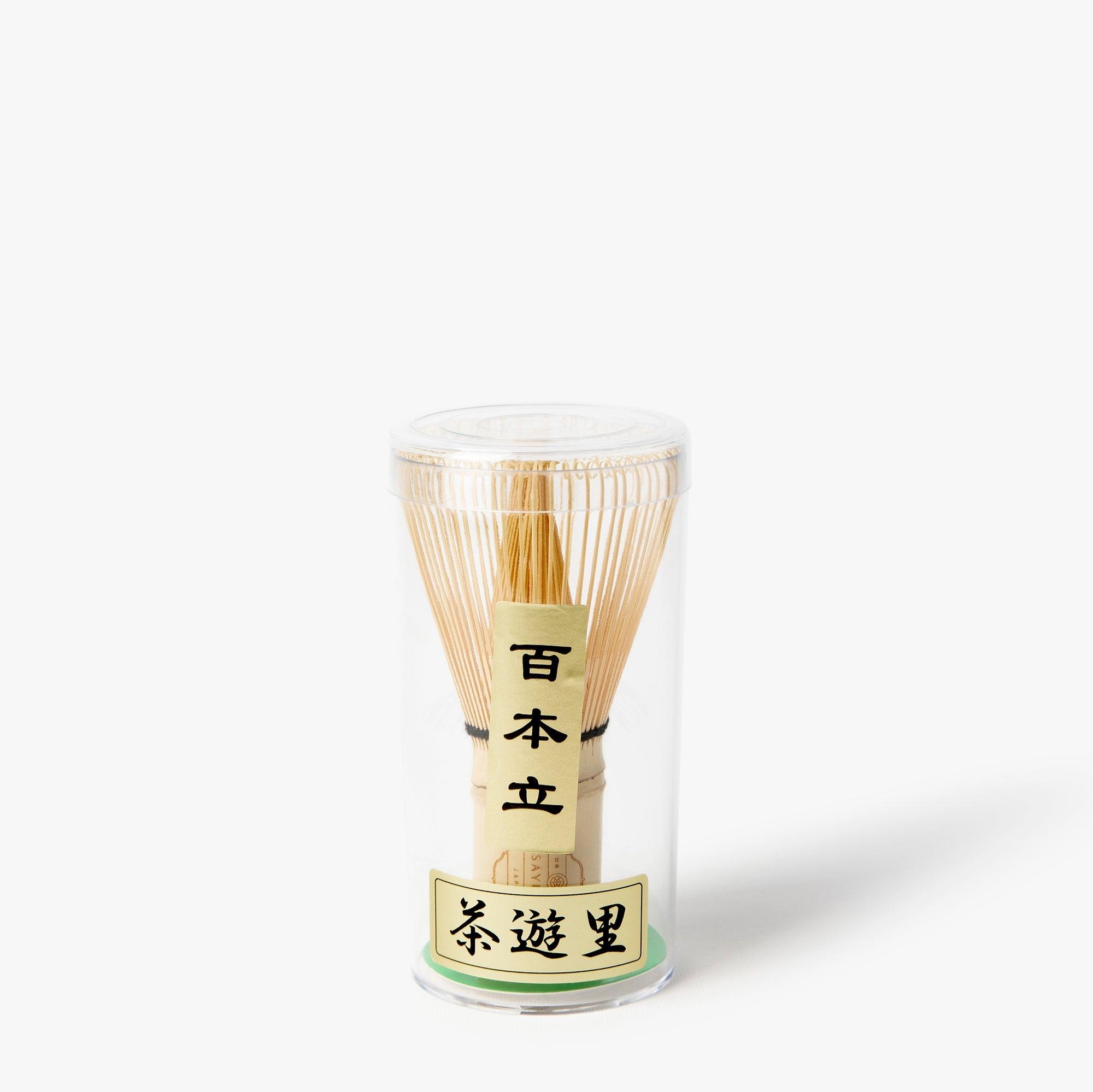
100-prong bamboo matcha chasen whisk ⋅ Sayuri
Regular price 19.00 €Promotional price 19.00 € Regular priceUnit price by
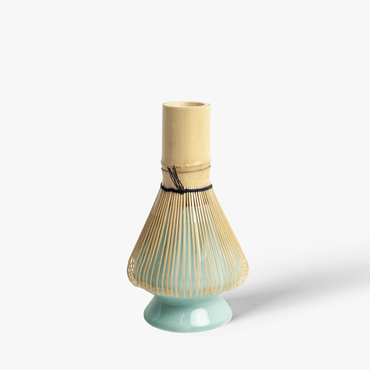
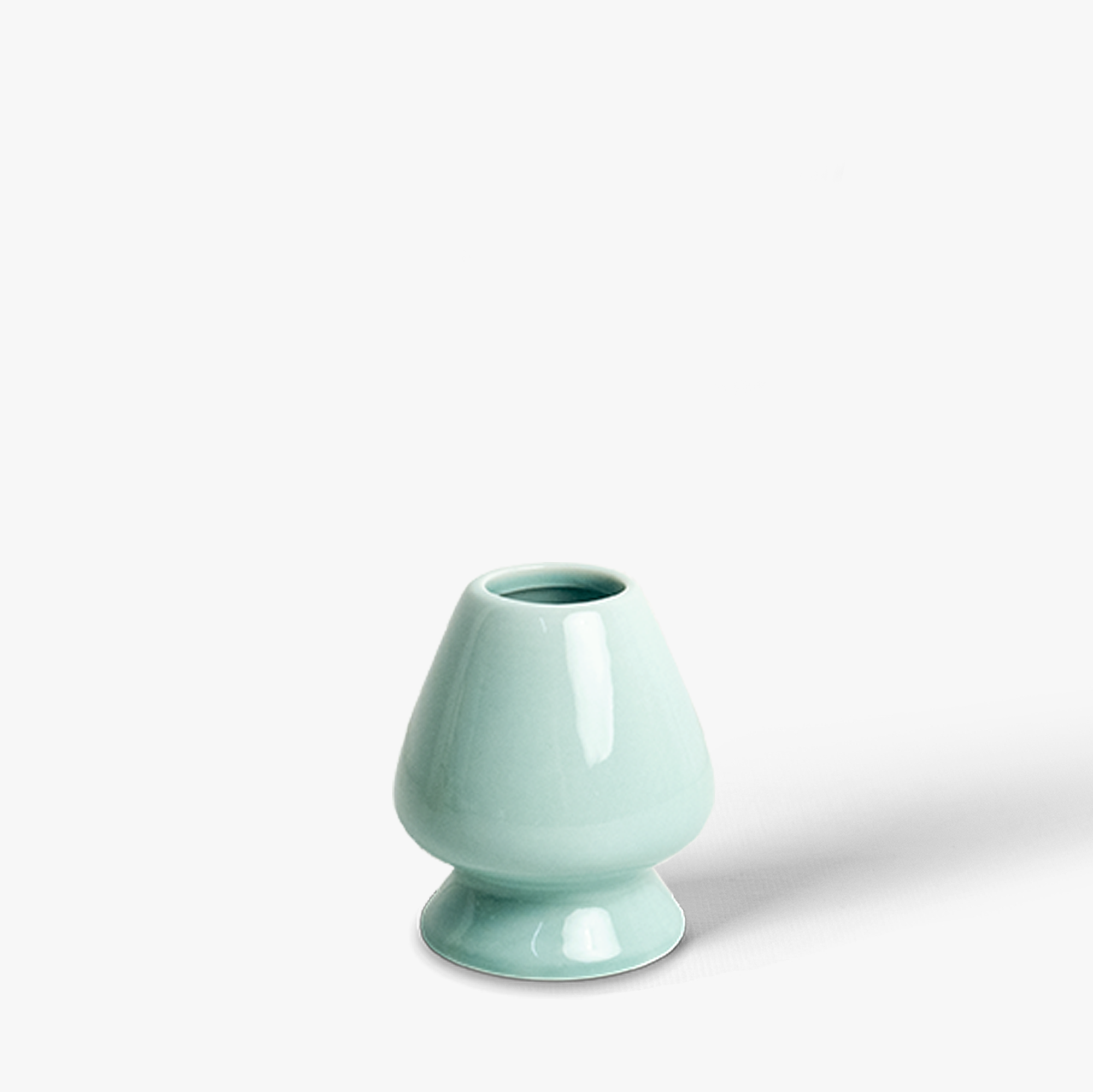
Midnight blue matcha whisk chasen-naoshi holder ⋅ Emro Aziatica
Regular price 8.50 €Promotional price 8.50 € Regular priceUnit price by


Matcha tea set with a sieve and spatula ⋅ Yamamasa Koyamaen
Regular price 12.80 €Promotional price 12.80 € Regular priceUnit price by
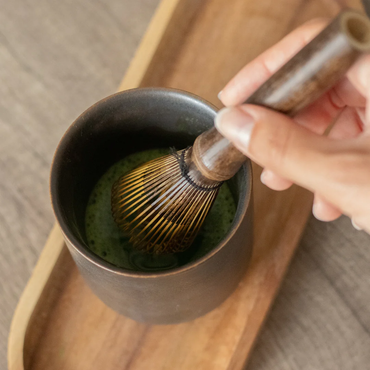

Long bamboo chasen matcha whisk, 32 prongs ⋅ Anatae
Regular price 26.00 €Promotional price 26.00 € Regular priceUnit price by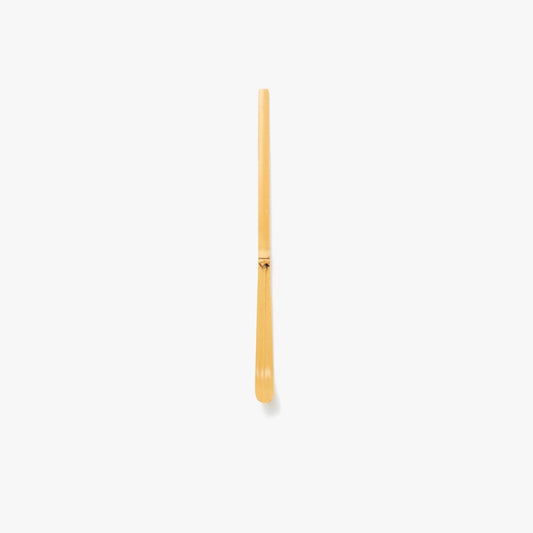
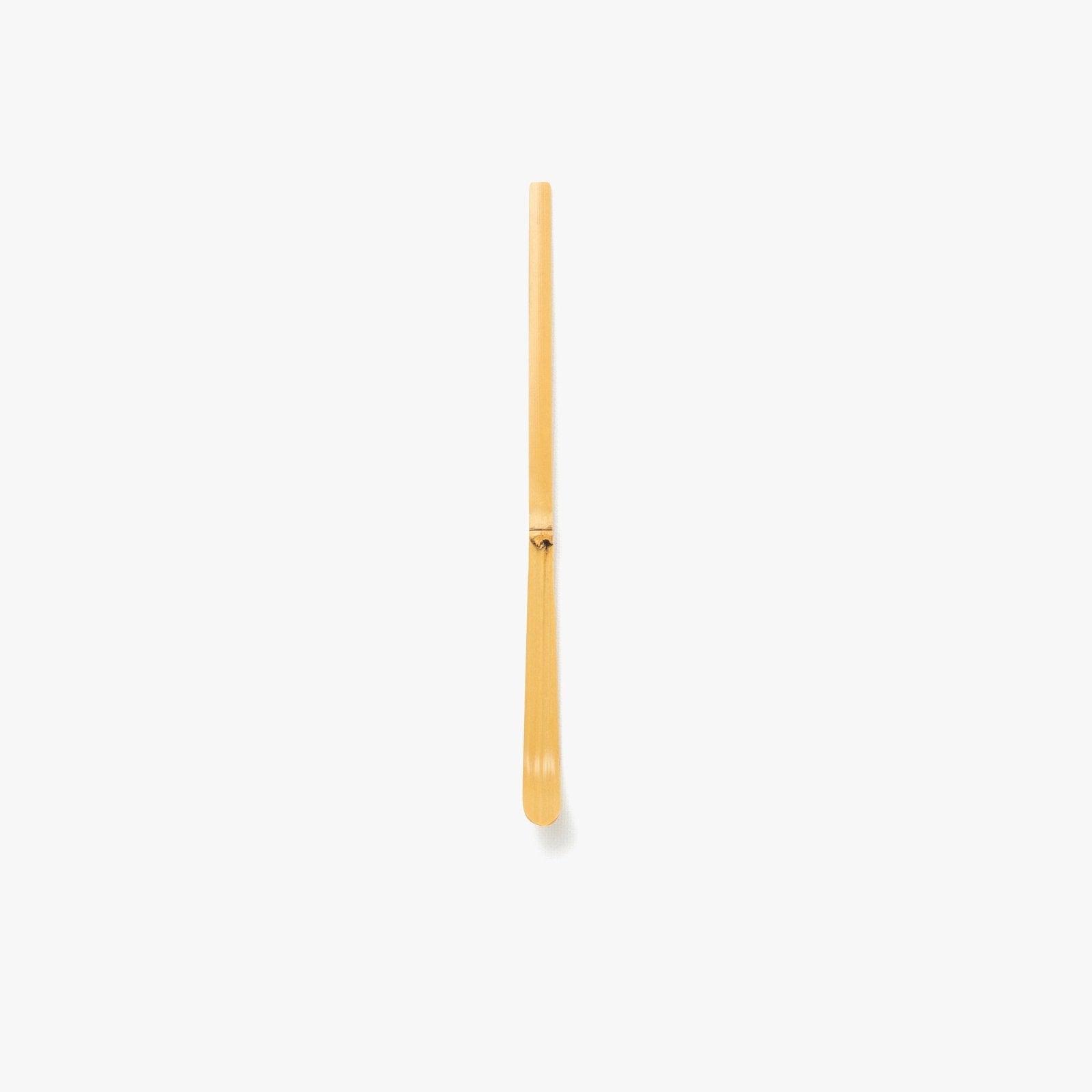
Matcha chashaku spatula ⋅ Yamamasa Koyamaen
Regular price 10.70 €Promotional price 10.70 € Regular priceUnit price by
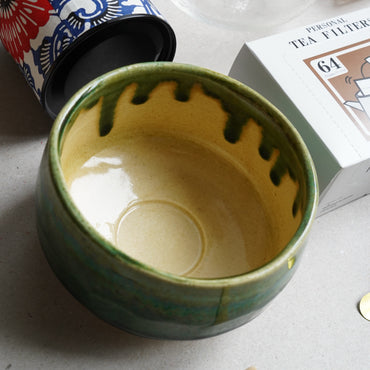

Green glazed Oribe matcha bowl chawan Ø 125mm ⋅ Touga
Regular price 33.00 €Promotional price 33.00 € Regular priceUnit price byPreparing your matcha latte
-
Step 1
Place one to two spoons of matcha into a bowl. Using a fine sieve helps prevent clumps and achieve a smoother texture.

-
Step 2
Pour a small amount of hot water, ideally around 70 °C, directly onto the powder. This liquid base helps with the upcoming emulsification.

-
Step 3
Whisk the mixture vigorously with a chasen using a W-shaped motion. Continue until you achieve a smooth and frothy texture.

-
Step 4
Heat or froth the milk of your choice cold, depending on the desired texture. Using a frother allows you to achieve a dense and airy foam.

-
Step 5
Pour the milk over the whisked matcha, then add the foam on top for a richer finish. Adjust the sweetness with syrup if needed.

Out of stock & matcha prices
For several months, we have been facing an explosion in global demand for matcha, which has more than tripled, especially outside of Japan. However, Japanese production, supported by small family farms, cannot keep up with this pace. As a result, purchase prices from our producers have doubled in one year.
We have always chosen to limit the impact of this increase on our selling prices by absorbing part of the costs. However, to continue offering quality matcha, we are now forced to adjust our prices by a few euros.
Despite our efforts, we can only cover about 20% of the actual demand in-store and online. Supply remains very tight. To avoid missing your favorite matcha, we recommend signing up for email alerts on the product pages: you will be informed in real time as soon as a restock is available.
Good news, however: we are continuously expanding our range, with more than thirty matcha references, from grand crus to culinary uses, so that everyone can find the matcha that suits them.
Learn more about matcha
Why is matcha often out of stock?
We are committed to offering you exceptional matcha while respecting the expertise of our producers. They are often small Japanese families who maintain artisanal methods, with limited harvests to ensure optimal quality. The production of high-quality matcha also follows a slow and inflexible process. For example, a traditional stone mill produces only about 40g of matcha per hour. Specialized equipment is rare, which limits production speed.
Faced with growing demand and limited production volumes, some products may be out of stock despite our efforts to restock as best as possible. To avoid missing your favorite matcha, we recommend signing up for email alerts on the product pages: you will be notified in real time as soon as a restock is available.
What are the benefits of matcha?
Matcha, powdered Japanese green tea, is much more than just a drink: it is a superfood with multiple benefits for both body and mind. Used for centuries in the Japanese tea ceremony, it is now recognized worldwide for its exceptional health virtues. Here are the main benefits of matcha, validated by science and tradition.
1. An exceptional source of antioxidants
Matcha is extremely rich in catechins, especially EGCG (epigallocatechin gallate), an antioxidant known for its protective effects against cellular aging, chronic inflammation, and certain cardiovascular diseases. By weight, matcha contains up to 137 times more antioxidants than a regular brewed green tea.
2. Stable energy, without nervousness
Unlike coffee, the caffeine in matcha is released slowly into the body, thanks to the presence of L-theanine, a rare amino acid. The result: a lasting stimulating effect, without nervous spikes or energy crashes. Matcha is often recommended to improve concentration and mental endurance, without the side effects of coffee.
3. Improved concentration and mental clarity
The unique combination of caffeine and L-theanine promotes a state of relaxed alertness, highly sought after in meditative practices. Studies have shown that this synergy improves memory, concentration, and reaction time. It is a valuable ally for those seeking a natural cognitive boost.
4. Support for metabolism and weight loss
Matcha naturally stimulates the metabolism, promoting fat burning during physical activity. Some research suggests it may increase fat oxidation and improve athletic performance when consumed before exercise.
5. Strengthening the immune system
Thanks to its richness in antioxidants, vitamins (A, C, E), and minerals (potassium, calcium, zinc), matcha supports the body’s natural defenses. It also has antibacterial and antiviral properties, making it a helpful support during seasonal changes.
6. Natural detoxification
Matcha is shade-grown, which increases its content of chlorophyll, a powerful natural detoxifier. Chlorophyll helps eliminate heavy metals and toxins from the body while promoting clearer skin and a brighter complexion.
What are the different types of matcha?
Matcha, the iconic powdered green tea from Japan, comes in several qualities and uses. Depending on its origin, cultivation, harvesting, and grinding methods, it can exhibit varied nuances of taste, texture, and color. To choose the right matcha, it is essential to understand the different types of matcha available on the market.
1. Ceremonial Matcha (Ceremonial Grade)
This type of matcha is considered the most noble. It is meant to be consumed pure, whisked with hot water (following the rules of the Japanese tea ceremony).
- Origin: first harvest leaves, from the most tender buds.
- Taste: sweet, intense umami, without bitterness.
- Color: bright, vivid green.
- Use: usucha (light tea) or koicha (thick tea), without adding milk or sugar.
Ideal for discerning enthusiasts, rituals, or those who want to savor matcha in its purest form.
2. Premium / Superior Matcha
This very good quality matcha can also be consumed pure, but it is sometimes used in drinks like matcha lattes, especially when seeking a fine and balanced taste.
- Origin: first or second harvests, young but slightly more mature leaves.
- Taste: balanced, slightly grassy, with umami notes.
- Color: bright green to light green.
- Use: to drink pure or as a latte with plant-based or dairy milk.
Perfect for daily use, for those looking for a good compromise between quality and accessibility.
3. Culinary Matcha (Culinary Grade)
Specifically designed to be used in cooking and baking, this matcha is more robust to withstand heat and other ingredients.
- Origin: more mature leaves, later harvests.
- Taste: more vegetal, sometimes bitter, but still noticeable even when mixed.
- Color: duller green, sometimes slightly yellowish.
- Use: pastries, ice creams, sauces, smoothies, sweetened drinks.
Ideal for chefs, artisans, and culinary creations, where the taste of matcha must remain perceptible despite other ingredients.
What justifies the price of a matcha?
Matcha is often perceived as quite expensive. This price is not arbitrary: it reflects a unique combination of ancestral know-how, demanding production techniques, and exceptional quality of raw materials. Here is what truly justifies the price of matcha.
1. A very specific tea cultivation
Matcha is produced from tencha leaves, a type of green tea grown in the shade for several weeks before harvest. This technique, called shading (kabuse), increases the chlorophyll, L-theanine (a relaxing amino acid), and antioxidant content.
This method requires special nets, more labor, and reduces plant productivity: you get fewer leaves, but of better quality.2. A fine, hand-picked harvest
High-end matcha is harvested by hand, selecting only the youngest spring leaves. Unlike industrial tea, no machines are involved in this delicate process. The result: a rich, refined matcha without bitterness… but produced in very small quantities.
3. Slow grinding with a stone mill
Grinding matcha is an extremely slow process: a single traditional mill can produce about 30 to 40g of matcha per hour. This artisanal pace preserves the nutritional properties and fineness of the powder.
At this level of precision, production cannot be accelerated without losing quality.4. Know-how passed down through generations
In Japan, exceptional matcha production relies on master blenders and specialized producers, sometimes established in the same regions for centuries (such as Uji, Nishio, or Shizuoka).
Their expertise is the result of long years of learning and guarantees a subtle balance between vegetal sweetness, umami, and silky texture.5. Limited volumes, global demand
Global demand for matcha has exploded in recent years, especially due to its health benefits and culinary uses. However, artisanal production cannot increase at the same pace.
Result: the supply remains limited, which naturally raises prices, especially for higher grades.Buying good matcha is investing in quality, taste, and respect for centuries-old Japanese traditions. It is also choosing a rare product, carefully cultivated without compromise.
Does matcha contain caffeine?
Yes, matcha contains caffeine — and even more than most traditional green teas. But unlike coffee, the caffeine in matcha is absorbed more slowly by the body, thanks to its richness in L-theanine, an amino acid with relaxing effects. This unique duo provides a gentle, lasting energy without the nervousness or sudden crash associated with coffee.
On average, 1 gram of matcha contains between 30 and 35 mg of caffeine. For a traditional bowl of matcha (about 2g), this represents 60 to 70 mg of caffeine — slightly less than an espresso (about 80-100 mg), but with a very different effect.
Average caffeine content:
- Matcha (2g): 60 to 70 mg
- Classic green tea: 20 to 30 mg
- Espresso coffee: 80 to 100 mg
- Filtered coffee: 100 to 140 mg
Thanks to L-theanine, the caffeine in matcha acts more gradually, without causing agitation and lasting for several hours.
In fact, this is why matcha has been used for centuries by Japanese Buddhist monks to stay awake and focused during long meditation sessions.
Why shouldn't you use boiling water to prepare your matcha?
Using boiling water to prepare matcha is a common mistake that can deeply alter the taste and benefits of this exceptional tea powder. Here’s why it’s essential to respect an ideal water temperature—generally between 70°C and 80°C—for preparing matcha.
1. Preserve the delicate aromas of matcha
Matcha is a finely ground green tea made from the best tencha leaves. It is characterized by vegetal, sweet, and umami notes. Water that is too hot (above 85°C) burns these volatile aromatic compounds, resulting in a bitter, astringent, and unbalanced taste.
2. Respect the structure of amino acids
One of the main components of matcha is L-theanine, an amino acid responsible for its umami flavor and calming effects. Excessive temperature can degrade L-theanine, reducing its relaxing effect.
3. Preserve antioxidant properties
Matcha is known for its exceptional antioxidant content, especially catechins. These molecules are sensitive to excessive heat: boiling water can impair their effectiveness, diminishing matcha’s health benefits.
4. Avoid excessive bitterness
Water that is too hot promotes rapid extraction of tannins, which increases matcha’s bitterness. Quality matcha deserves to be enjoyed in all its subtlety, with a gentle roundness on the palate and a fine creaminess.
Why is a matcha bowl (chawan) preferable to a regular bowl?
A matcha bowl (chawan) is preferable to a regular bowl for several reasons, both practical, aesthetic, and cultural:
1. Shape suited for the whisk (chasen)
The matcha bowl is wide and fairly deep, which allows optimal use of a chasen (bamboo whisk) without splashing.
Its base is generally stable, facilitating the fast circular motion needed to froth the matcha.
2. Thickness and material
The chawan is often made of thick ceramic, which retains heat well without burning the hands.
This thickness also provides a comfortable grip during tasting.
3. Aesthetic and experience
The chawan is an integral part of the matcha experience. It is often handmade and chosen according to the season or occasion, adding a contemplative and aesthetic dimension.
Each bowl is unique and contributes to the visual and tactile appreciation of the moment.
4. Facilitates measuring
The flat or slightly rounded bottom of the chawan allows the matcha powder and water to be well distributed, making the mixture more homogeneous than with a bowl with too straight sides.How do you care for your bamboo chasen?
🌿 Before use
Soak the bristles in a bowl of warm water for 30 seconds to 1 minute. This softens them and reduces the risk of breaking during whisking.
Avoid boiling water, which could split the bamboo.
🍵 After use
Rinse with clear water (no soap, as it could leave odors and flavors). Soaking in warm (not boiling) water is sufficient to soften the bristles and extend the utensil’s lifespan.
Remove matcha residue by gently shaking or carefully running your finger between the bristles.
Air dry, ideally upside down on a kusenaoshi (chasen stand), so it keeps its shape and water doesn’t pool in the bamboo.
Avoid damp or enclosed places to prevent mold.
⚠️ Absolutely avoid- Dishwasher
- Soap
- Drying in a closed cupboard
- Leaving warm water too long, which can split the bamboo


