

Table of Contents
- Deep Roots: The Origins of Bento in Ancient Japan
- The Momoyama Period (1573–1603): The Dawn of Elegance
- The Edo Period (1603–1868): Democratization and Diversity
- The Meiji Era (1868–1912) and the Advent of the Railroad
- The 20th Century: Between Domestic Tradition and Industrialization
- Today: A blend of tradition, healthy living, and minimalism
- What small dishes should you pack in your bento box?
Deep Roots: The Origins of Bento in Ancient Japan
The word “bento” (弁当) literally means “something convenient” or “ready to go.” Although the term did not become widely popular until the Edo period (1603–1868), the origins of the bento as a concept and practice date back several centuries earlier, specifically to the Kamakura period (1185–1333), a time marked by the emergence of samurai rule and numerous social changes.
During this period, the needs of warriors, farm workers, and travelers led to the development of portable, long-lasting food solutions. This is how hoshi-ii (干し飯)came to be —white rice that was cooked and then air-dried. This method allowed rice to be stored for longer periods without the risk of fermentation or mold, in a Japan where refrigeration did not yet exist. To eat it, one simply had to rehydrate it with hot or cold water.
Hoshi-ii was packed in simple cloth bags or unvarnished wooden boxes—sometimes made of bamboo—and carried along on long military campaigns, religious pilgrimages, or outdoor work. It is thus considered the direct ancestor of the bento, originally designed not to be beautiful, but to be practical, nutritious, and easily transportable.
Samurai, in particular, relied on this type of portable meal during their expeditions or extended stays in remote provinces. Similarly, peasants would take along their dried rice accompanied by a few pickled vegetables or a little dried fish, constituting frugal meals but sufficient to sustain intense physical labor.
This early use of the bento did not yet emphasize variety or presentation: the main goal was to be able to feed oneself independently, without relying on a permanent home, in a Japan that was still largely rural and marked by feudal conflicts.
The Momoyama period (1573–1603): the dawn of elegance
The Momoyama period, though brief, was a time of great cultural and artistic flourishing, marking a decisive transition in Japanese history. This period of relative peace, which began after decades of civil wars, saw the rise of a refined military aristocracy that fostered the arts, architecture, and the rituals of daily life. Amid this cultural effervescence, the bento evolved from a simple portable meal into a symbol of prestige, refinement, and ceremony.
It was during this period that both the contents and the containers of the bento began to take on a more refined character. Meals taken along to hanami (cherry blossom viewing parties), hunting parties, or tea ceremonies were no longer carried in simple canvas bags or rudimentary boxes. They were now carefully arranged in lacquered boxes, sometimes adorned with gold, mother-of-pearl inlays, or plant motifs, in keeping with the refined aesthetic tastes of the era.
These multi-tiered bento boxes, known as jubako (重箱), not only allow for the separation of dishes but also enable the play with shapes, colors, and textures, creating a true culinary display. The arrangement of the food is no longer left to chance: it reflects harmony, respect for the seasons, and an appreciation for the ephemeral—values at the heart of Japanese aesthetics.
Furthermore, the growing influence of the tea ceremony (chanoyu)—formalized notably by Sen no Rikyū—reinforces this focus on objects, presentation, and the understated beauty of everyday gestures. When enjoyed during a shared moment outdoors or a gathering of scholars, the bento becomes an extension of the art of living championed by this culture of detail and contemplation.
Through the bentos of that era, we see the idea emerge for the first time that a packed meal can be beautiful, thoughtfully prepared, and meaningful—no longer merely a source of nourishment, but also a reflection of social status, aesthetic taste, and even a philosophy of life.
The Edo Period (1603–1868): Democratization and Diversity
The Edo period, a time of political stability under the Tokugawa shogunate, marked a major turning point in the history of the bento. Thanks to domestic peace, the growth of cities, and the rise of a thriving urban culture, the bento moved beyond aristocratic circles to become a staple of daily life among the common people, particularly in Edo (now Tokyo).
The development of the arts, theater, leisure activities, and commerce was accompanied by an unprecedented diversification in the forms and uses of the bento. It became a true cultural artifact—practical, convivial, and reflective of the tastes and lifestyles of Edo society.
The Makunouchi Bento: The Theater Bento
One of the most iconic forms of this era is the makunouchi bento (幕の内弁当), literally “intermission bento.” Served during intermissions of long kabuki performances, it allowed spectators to eat while extending the theatrical experience. This type of bento is distinguished by its elegant and balanced composition: a portion of white rice, a piece of grilled fish, simmered or pickled vegetables (tsukemono), sometimes a tamagoyaki (rolled omelet), and other small seasonal garnishes.
The makunouchi bento embodies the idea of variety and harmony within a limited space, an aesthetic that endures to this day. Its popularity was such that it became a standard in shops and food service establishments, even inspiring the modern industrial bentos available in convenience stores.
The Meiji Era (1868–1912) and the Advent of the Railroads
The Meiji era marked a radical transformation of Japanese society. Beginning in 1868, Japan opened itself to the West, embarked on a policy of rapid modernization, and developed large-scale industrial and transportation infrastructure. It was against this backdrop of change that the railroad became a symbol of progress and a catalyst for profound changes in lifestyles… and in gastronomy.
With the construction of the first railway lines—the very first connecting Tokyo (Shimbashi) to Yokohama in 1872—the Japanese began traveling more and more frequently, whether for business, education, or leisure. But travel means the need to eat. That’s where a culinary innovation that’s now an essential part of the experience comes in: the ekiben (駅弁), or station bento.
The very first official ekiben: a simple meal, but a historic one
The very first officially documented ekiben is said to have been sold in 1885 at Utsunomiya Station, on the line connecting Ueno (Tokyo) to Utsunomiya. Offered by a small local vendor, this bento consisted of white rice served with takuan (pickled yellow radish) and an umeboshi (salted plum), all packed in a woven bamboo box. Simple yet practical, nutritious, and portable, this meal perfectly met the needs of travelers.
Very quickly, the idea spread to every region of the country. Every major train station—often located in areas with strong culinary identities—began offering its own station bento boxes, prepared by local caterers or nearby vendors. These ekiben then became regional culinary ambassadors, showcasing local products, traditional expertise, and the creativity of the chefs.
For example:
In Kobe, local beef is served in elegant bento boxes
.In Hokkaido, seafood takes center stage: sea urchins, salmon, and crab
.In the Kansai region, you can find bento boxes with a sweeter twist or featuring seasonal vegetables
.
The boxes themselves are evolving: we’ve moved from simple bamboo packaging to decorated wooden boxes—and sometimes even ceramic ones—that have become collectible souvenirs. Some ekiben are designed as true miniature cultural experiences, combining aesthetics, local flavor, and practicality.
More than just a meal: a symbol of regional pride
The ekiben is thus much more than just a travel snack. It becomes:
a symbol of local identity
,a tool for promoting tourism
,and a highlight of the train ride
.
Buying an ekiben before boarding the train or during a short stop has been an integral part of the Japanese rail experience since the Meiji era.

The 20th Century: Between Domestic Tradition and Industrialization
Throughout the 20th century, particularly after World War II, the bento took on a personal and family-oriented character, becoming an integral part of daily life in Japanese households. It became a meal prepared with care for loved ones or for oneself, often in the morning before starting the day. Much more than just a culinary preparation, this act is seen as a thoughtful gesture, a sign of affection and devotion, much like a slow-cooked dinner.
The Rise of School and Work Bento Boxes
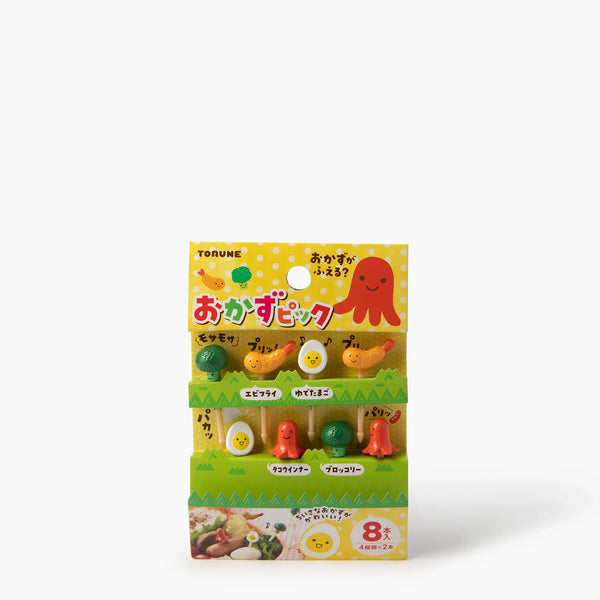
In schools, bento boxes are gradually replacing school lunches. At lunchtime, children open their little boxes—often decorated with their favorite characters—and discover the contents carefully prepared at home: rice balls, Japanese omelets, tempura vegetables, sausages cut into the shape of octopuses…
For adults, bento boxes are also a staple of professional life. Whether brought to the office or bought on the way, they have become a central part of the lunch break in an increasingly urbanized Japan. The rise of “salarymen” and female students has helped drive the demand for meals that are convenient, portable, and quick to eat.
Industrialization: Bento, Konbini, and Modern Society
In the 1960s and 1970s, two technological innovations radically transformed the food landscape:
the advent of plastic, which made it possible to mass-produce sturdy, lightweight, washable, and inexpensive food containers
;the widespread use of microwave ovens, which make it easy to quickly reheat ready-made meals
.
In the 1980s, the bento underwent a reinvention with the rise of the "kyaraben " ( ) trend, in which food is arranged to resemble characters, animals, or manga figures. This trend emerged from Japanese mothers’ desire to make meals more appealing to their children while ensuring a balanced diet. The bento thus became a form of artistic expression and a symbol of kawaii culture, associated with everything that is “cute” and “adorable.”


Onigiri Bento Sticks - Torune - €4.50
Today: A blend of tradition, healthy living, and minimalism
The bento continues to embody core Japanese values: care, balance, seasonality, aesthetics, and the fight against food waste. Today, it has adapted to meet modern consumer expectations.
Eco-friendly: a return to sustainable materials
Bento boxes typically use wood, bamboo, and stainless steel, reducing the use of disposable plastics. This return to natural materials helps preserve flavors and protect the environment.


Beige 600ml Bento Box - Ippinsha - €38.00
Health: lighter and more diverse
Modern bentos include more vegetables, lean proteins, and vegetarian or gluten-free options, meeting the demand for healthier and more balanced diets.
Global Inspiration: Bento Around the World
The bento concept has taken cities around the world by storm, from New York to Paris, influencing modern lunchboxes. It embodies practicality, aesthetics, and culinary diversity, becoming a true global phenomenon.
In this way, the bento adapts to modern challenges while preserving its culinary heritage.

Lunch Bento at BIWAN · , the restaurant
What small dishes should you pack in your bento box?
The secret to a good bento lies in the balance between flavor, texture, and convenience. It’s not just about filling a box, but about putting together a complete meal that’s pleasing to the eye, easy to eat… and stays tasty even at room temperature.
Here are a few ideas for small Japanese dishes that are perfect for a bento box:
Korokke (potato croquettes): crispy on the outside, soft on the inside, they’re delicious eaten cold or at room temperature.
Tamagoyaki: the sweet-and-salty, fluffy, rolled Japanese omelet—a staple in every bento box!
Karaage chicken: marinated and fried chicken that’s juicy and crispy, a favorite among both children and adults.
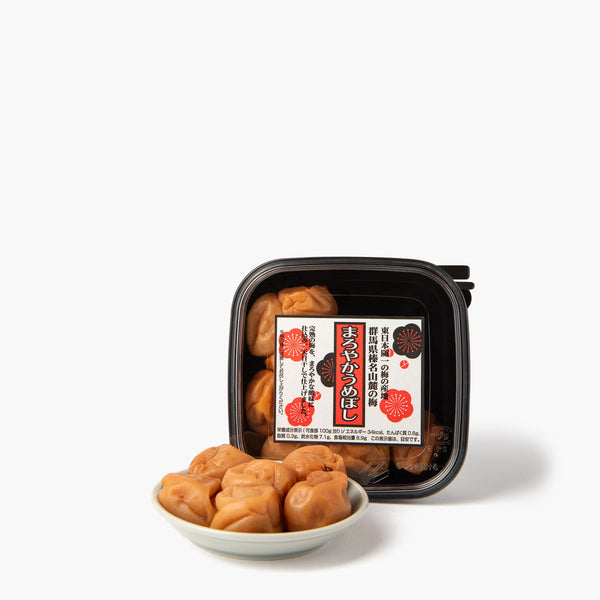
Rice with umeboshi: Rice is the staple, but you can jazz it up with a salted plum (umeboshi), sesame seeds, or a little furikake.
Pickled vegetables (tsukemono): for a tangy, refreshing touch that balances out fried dishes.
Mini teriyaki meatballs: easy to make ahead, they fit perfectly in a corner of your bento box.
Cold salads (goma-ae, kinpira): green beans with sesame, sautéed carrots with soy sauce… simple yet delicious side dishes.