

Umami, often referred to as the fifth taste, represents a revolutionary discovery in the culinary world. In addition to the four traditional tastes—sweet, salty, sour, and bitter—umami completes the spectrum of flavors we can perceive. This distinctive flavor is essential in Japanese cuisine, where it plays a key role in balancing dishes. Umami is found in a variety of Japanese foods, sauces, and broths, adding a deep and delicious dimension to dishes and contributing to an unparalleled taste experience.
Table of Contents
- The Origins of Umami
- The science behind umami
- Food sources of umami
- Umami in Japanese cuisine
- Umami in Modern Cuisine
- Health Benefits of Umami
- Simple recipes to try at home
The Origins of Umami
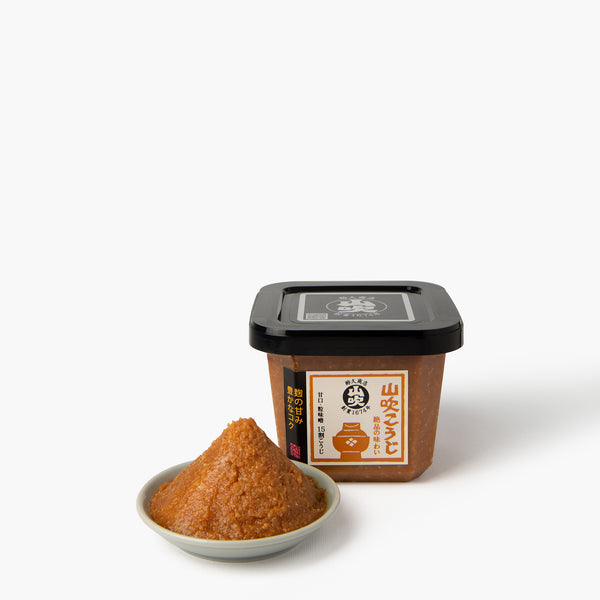
Umami is a distinct flavor, often described as "savory" or "deep." It is associated with a sensation of fullness in the mouth, which gives food a particular richness and intensity. This unique flavor results from the presence of glutamate, a natural amino acid, and is often found in ingredients such as soybeans, miso, seaweed, and dashi broth, which are typical of Japanese cuisine.
The term "umami" was introduced in 1908 by Dr. Kikunae Ikeda, a Japanese scientist, who discovered that the distinctive flavor of dashi broth was due to the presence of monosodium glutamate. Following this discovery, Ikeda sought to isolate and define this new flavor, which he called "umami," a term derived from "umai" (うまい) and "mi" (未), literally meaning "delicious taste."
The Science Behind Umami
Umami is primarily triggered by two types of chemical compounds:
Glutamic acid, or glutamate, is an amino acid that occurs naturally in a variety of foods. When found in high concentrations, it produces that unique umami sensation. This compound is particularly abundant in fermented products such as miso and soy sauce, as well as in certain vegetables (such as ripe tomatoes) and meats.
Nucleotides, particularlyinosinate (found in meat and fish) and guanylate (found in mushrooms), also play a key role in activating the umami flavor. When combined with glutamate, these nucleotides create a synergistic effect, thereby amplifying the perception of umami. This phenomenon is particularly evident in ingredients such as kombu and katsuobushi, used to prepare dashi.
The taste receptors responsible for detecting umami are located on the tongue, primarily in the taste buds. These receptors, known as T1R1-T1R3receptors , are sensitive to glutamate and nucleotides. When umami comes into contact with the taste receptors, it stimulates a specific pathway in the nervous system. This process allows the brain to interpret the unique sensation of umami, which is perceived as a savory and satisfying flavor. This detection differs from that of other tastes, which are linked to simple molecules, such as sugars for sweetness or salts for saltiness.
Umami differs from other flavors in its complex nature and its interaction with other tastes. While other flavors have a more direct and immediate effect (such as the sweetness of sugar or the saltiness of salt), umami works in synergy with other flavors, enriching their taste profile. For example, umami can enhance the sweetness of a dish or mitigate bitterness, creating a more complex and satisfying harmony.
Food sources of umami
There are a wide variety of ingredients rich in umami:
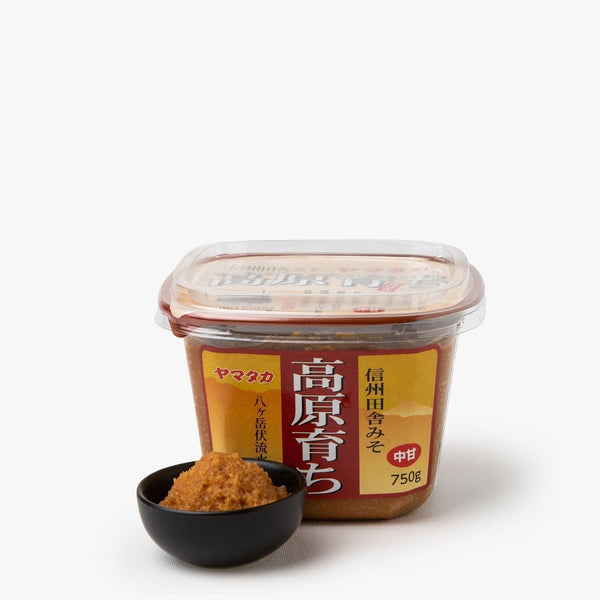
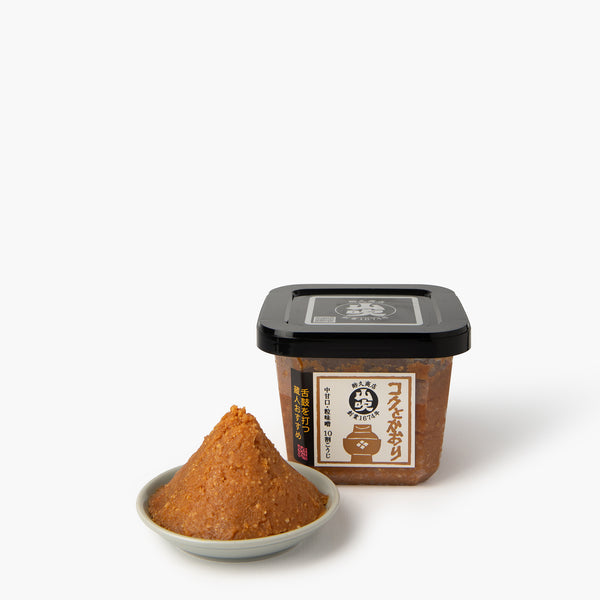
Fermented foods, such as miso (fermented soybean paste), natto (fermented soybeans), and shoyu (soy sauce), are major sources of umami. Miso, for example, is often used in traditional Japanese soups and in sauces for seasoning.
Kombuseaweed , rich in glutamate, and katsuobushi, flakes of dried bonito, are essential ingredients in Japanese cuisine. Kombu contains high concentrations of glutamate, while katsuobushi is rich in nucleotides, creating a perfect combination for enhancing umami.
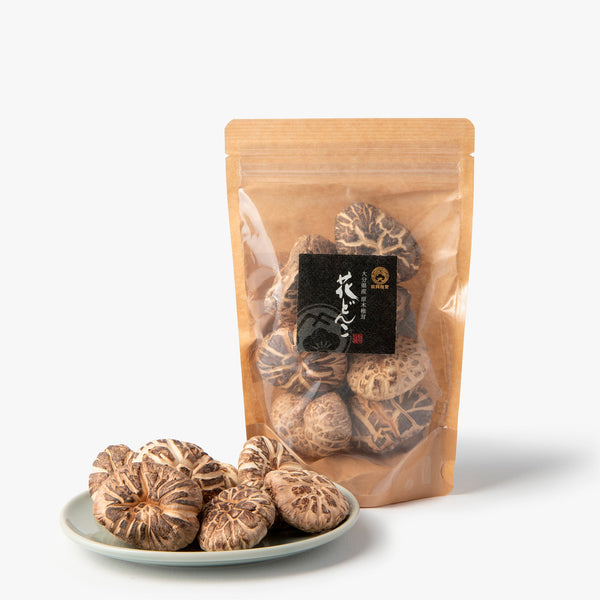
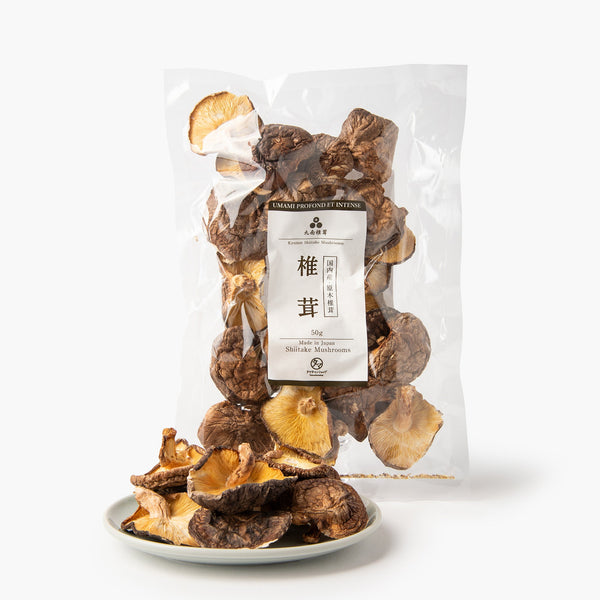
Mushrooms, especially shiitakemushrooms , are also an excellent source of umami. They contain guanylate, a nucleotide that, when combined with glutamate, enhances the umami effect. Shiitake mushrooms are often used in soups, broths, or as a garnish in dishes to enhance the flavor.
Tomatoes, especially when ripe, contain a significant amount of glutamate. This is why tomatoes are so flavorful and add umami to many dishes, from sauces to salads. Their high glutamate content is particularly released during cooking.
Aged cheeses, such as Parmesan, Roquefort, and Gouda, are also powerful sources of umami. As the cheese matures, the breakdown of proteins releases glutamate, creating an umami flavor that develops with age. This is why these cheeses are often used in dishes for their rich flavor.
The synergistic effect between glutamate and nucleotides is a key characteristic of umami. Dashi, the staple broth of Japanese cuisine, is the perfect example of a synergistic combination of glutamate and nucleotides.
Umami in Japanese cuisine
Dashi: the basic broth
Dashi is one of the essential elements of Japanese cuisine. This light yet flavorful broth forms the basis of many traditional dishes and is a major source of umami. Its importance lies in its ability to enhance the flavor of dishes as varied as soups, sauces, and stews. Dashi is primarily made from two ingredients:
Kombu: Steeping kombu in hot water releases a rich flavor, which forms the first layer of the dashi base.
Katsuobushi: When steeped in water, they enhance and prolong the umami flavor of kombu, creating a complex and delicious broth.

Vegan Kombu Dashi Broth - Kayanoya - $8.80€

Katsuobushi (dried bonito flakes) - Makurazaki - €9.50
The Use of Umami in Traditional Dishes
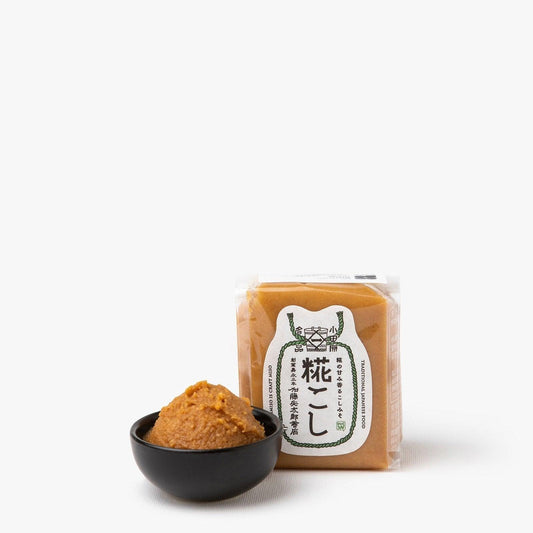
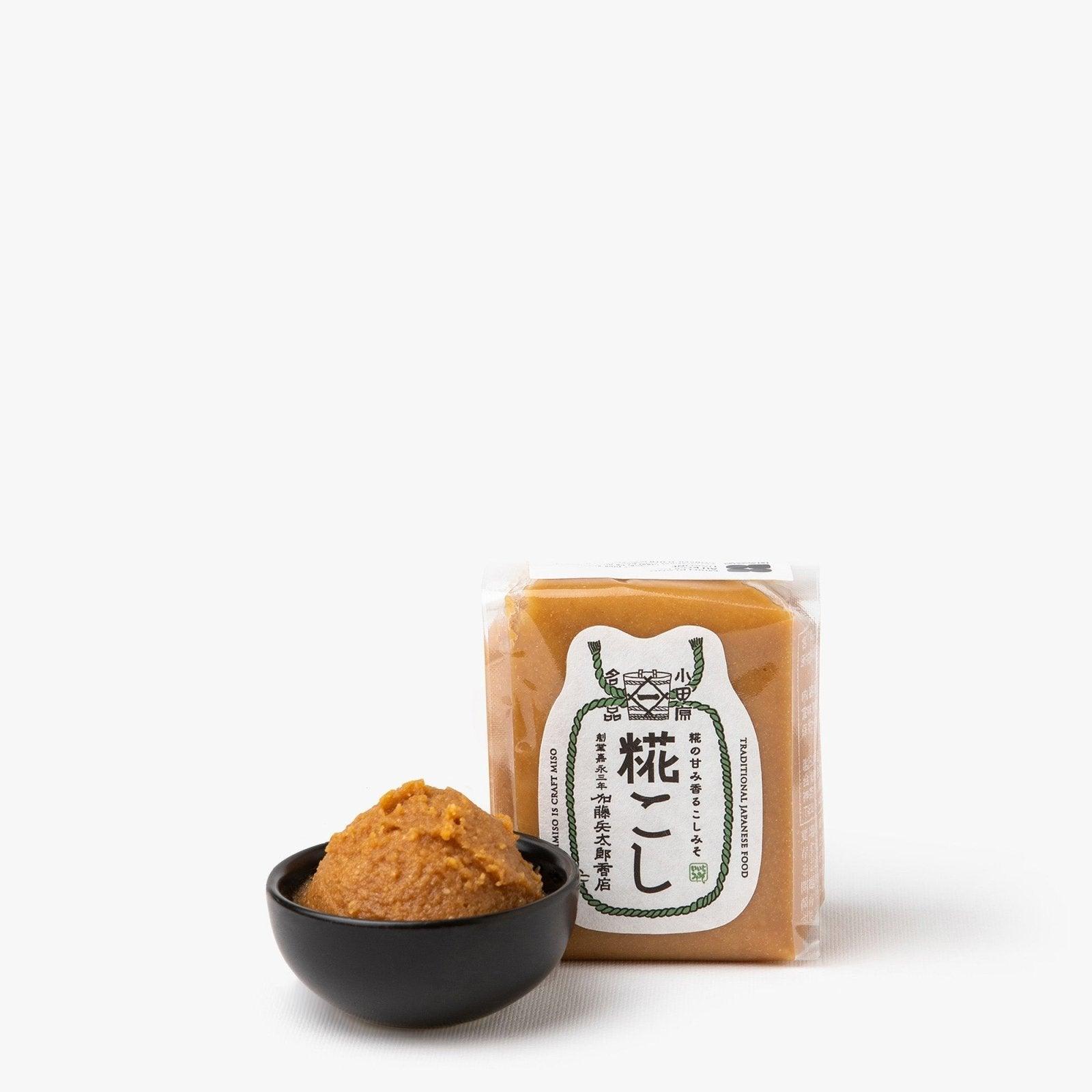
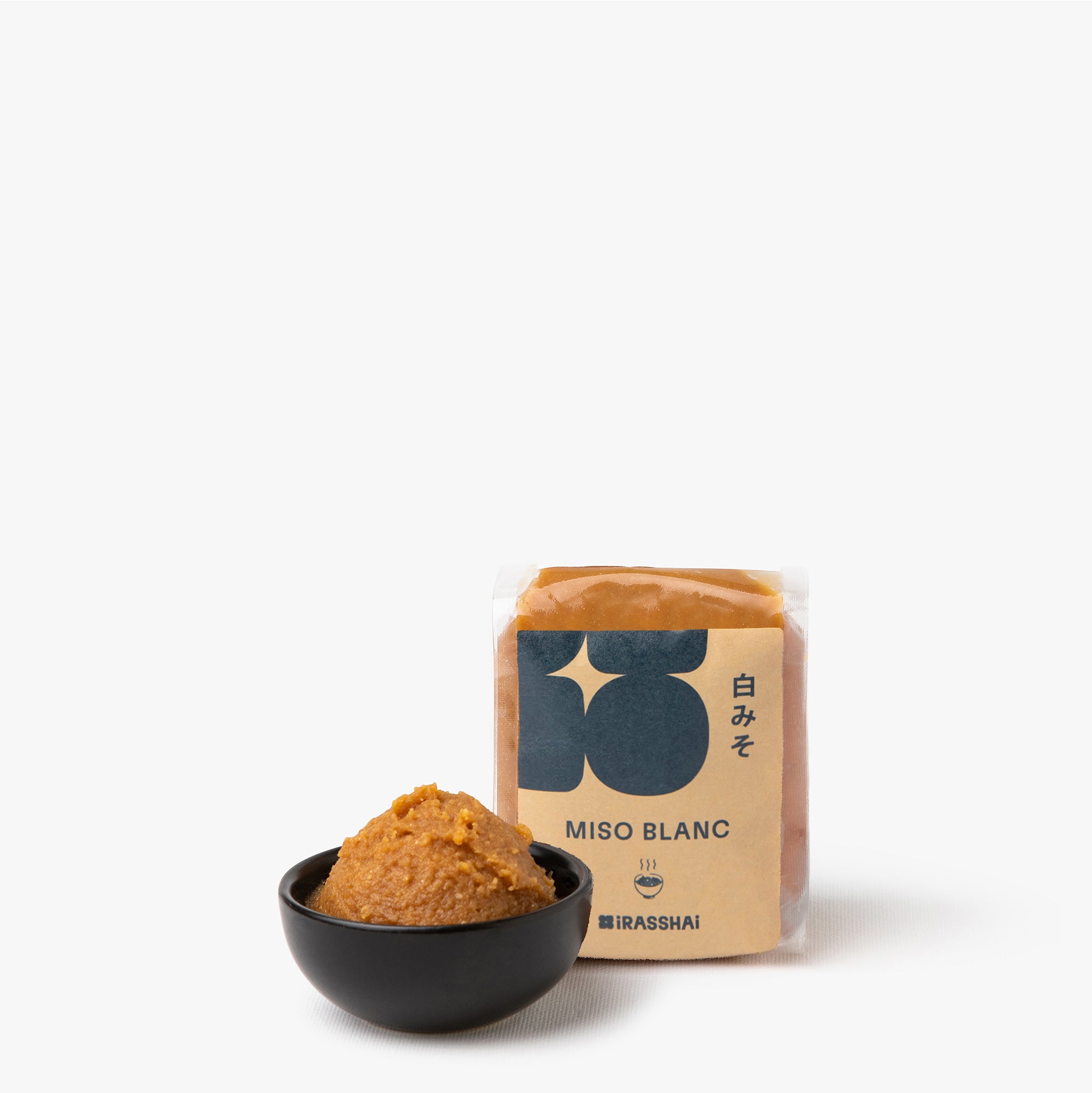
Miso soup is a staple of Japanese cuisine, in which umami plays a central role. Miso, a fermented soybean paste, is the main ingredient, and it is often dissolved in dashi to create a broth rich in umami. The fermentation of miso releases glutamates, and when combined with dashi, the flavor becomes even more savory.

Hakone Miso - Kato Heitaro Shoten - €5.50
Ramen is another dish in which umami is a dominant flavor. Ramen broth is often made with dashi or meat- and fish-based broths, which are rich in glutamate and nucleotides. This flavorful base is then served with noodles, vegetables, meat (often pork), and sometimes eggs.
Sushi and Sashimi
Although sushi and sashimi are primarily made of raw fish, they also benefit from the natural umami found in fish and seafood. In addition, the sauces used to accompany these dishes, such as soy sauce, add an extra layer of umami flavor.
Tsukemono
Tsukemono, or Japanese pickles, are vegetables pickled in brine or vinegar solutions. Many types of tsukemono, such as those made from radishes or cucumbers, are fermented, and the fermentation process releases glutamates that add a rich umami flavor.

Pink ginger pickled in vinegar - Daruma - $2.20€

Takuan Pickled Daikon Radish - Daruma - €4.50
Cooking Techniques and Preparation
In Japanese cuisine, umami is often achieved and enhanced through specific cooking and preparation techniques, such as:
Fermentation is one of the key techniques for developing umami in Japanese cuisine. It releases glutamates and nucleotides in foods such as miso, soy sauce, natto, and even fermented vegetables.
Aging also plays a role in the development of umami flavors. For example, aged cheeses or aged meats release glutamates as proteins break down. In Japanese cuisine, certain fish such as maguro (tuna) or saba (mackerel) are allowed to mature before being used in dishes like sushi.
Drying, particularly of fish (such as katsuobushi) or seaweed (such as kombu), is another method that enhances umami. The drying process concentrates the flavors and intensifies the presence of glutamate. Once dried and shaved, katsuobushi releases even more umami than fresh fish.
Umami in Modern Cuisine
Although umami has deep roots in Japanese cuisine, it has had a significant influence on international cuisine. Today, chefs and food enthusiasts around the world recognize the importance of this fifth taste and incorporate it into a variety of cuisines. For example, in Europe, chefs incorporate miso into soups or sauces to add an umami dimension to classic dishes such as creamy soups or vegetable-based sauces. Chefs such as Ferran Adrià (former chef at El Bulli) and David Chang (chef and founder of Momofuku) have often incorporated fermentation techniques or fermented ingredients into their dishes to explore the depths of umami flavor.
Miso-salmon tacos, miso pizza, or miso-cheese burgers…many dishes have emerged from the fusion of Western and Asian cuisines.
Health Benefits of Umami
Umami plays an important role in taste satisfaction and satiety, two key factors in maintaining a balanced diet and avoiding overeating.
Umami is also known for its satiating effects, which means it can reduce the urge to eat excessive amounts of food. For example, someone who eats a dish rich in umami, such as miso soup or dashi broth, will tend to feel full more quickly, which can help reduce overall calorie intake. By using ingredients rich in umami, one can reduce dependence on salt and sugar while maintaining taste satisfaction.
These foods also provide protein, minerals (such as iodine, potassium, and zinc), and antioxidants, supporting overall health and bodily functions.
Incorporating it into your diet can help with weight management and digestive health while enhancing your culinary enjoyment.
Simple recipes to try at home
Ingredients
- 100 g silken tofu
1 tablespoon ofdried wakame seaweed
1 liter of bonito dashi (pre-made or from a packet)
3 tablespoons of red miso
2 green onions (optional)
½ tablespoon of soy sauce (optional)
1 tablespoon of mirin (optional)
Instructions:
If you're using dashi in a packet, prepare it according to the instructions. Generally, bring 1 liter of water to a boil, add the dashi packet, and let it steep for 2 to 3 minutes. Then remove the packet.
If you're making homemade dashi, heat 1 liter of water and add 10 g of katsuoboshi. Bring to a boil, then turn off the heat and let it steep for 5 minutes before straining the liquid.
Cut the tofu into small cubes about 1 cm in size.
Finely chop the green onions for garnish.
Heat the dashi over low heat in a saucepan without bringing it to a boil.
Stir in the red miso. To prevent lumps, use a fine-mesh strainer or a spoon to dissolve the miso in a little dashi before adding it to the main broth.
Next, add the cubed tofu and the rehydrated wakame seaweed. Simmer gently for 2 to 3 minutes to warm the tofu without overcooking the seaweed.
Taste the soup and, if necessary, adjust the seasoning with a little miso or mirin to your liking. Serve the soup in individual bowls and garnish with chopped green onions.
Tomato and Shiitake Mushroom SaladIngredients:
2 ripe tomatoes
100 g fresh shiitake mushrooms
1 tablespoon of soy sauce
1 teaspoon of rice vinegar
Olive oil
Instructions:
Slice the tomatoes and shiitake mushrooms.
Mix in a bowl with the soy sauce, rice vinegar, and a little olive oil.
Let it marinate for 10 minutes so the flavors can blend.
Serve as a refreshing appetizer packed with umami.
Dashi Broth RamenIngredients:
1 package of ramen noodles
500 ml dashi broth (homemade or from powder)
2 tablespoons of soy sauce
1 soft-boiled egg
1 tablespoon of miso
Toppings of your choice (green onions, nori seaweed, bamboo shoots, etc.)
Instructions:
Prepare the ramen noodles according to the package instructions.
In a saucepan, heat the dashi broth, then add the miso and soy sauce.
Stir well and let simmer for 2–3 minutes.
Serve the noodles with the broth and toppings.
Enjoy it with a soft-boiled egg for an extra burst of umami.
Tasting suggestions to refine your palate
To better appreciate umami, prepare a small platter of aged cheeses, ripe tomatoes, and shiitake mushrooms. Taste each food separately, then compare them with more acidic foods (such as citrus fruits) or sweeter foods (such as fresh fruit) to experience the distinctive impact of umami.
Use soy sauce and miso in simple dishes like grilled vegetables or grilled meats. Notice how these sauces add depth and a savory flavor that enhances the dishes without making them too salty.
Try your hand at home fermentation. For example, ferment vegetables to make Japanese pickles or dishes like kimchi. As the fermentation process unfolds, you’ll discover how umami intensifies and transforms, adding a whole new dimension to your dishes.