

Imagine a kitchen where flavors are transformed by tiny microorganisms invisible to the naked eye. That’s the magic of fermentation! More than just a preservation technique, it lies at the heart of the country’s culinary identity and transforms simple ingredients into foods rich in umami, that precious fifth taste. From miso to natto to tsukemono, every fermented product tells a story—that of ancestral know-how passed down from generation to generation.
Today, these fermented products are gaining increasing popularity worldwide due to their probiotic benefits and their essential role in a balanced diet.
Table of Contents
- Fermentation in Japanese Cuisine
- The main fermented foods in Japan
- The Manufacturing Process for Fermented Foods
- Health Benefits of Fermented Foods
- Incorporating Fermented Foods into Your Diet
Conclusion
Fermentation in Japanese Cuisine
Fermentation is a bit like natural alchemy. Through the action of microorganisms such as lactic acid bacteria, yeast, and the koji fungus (Aspergillus oryzae), foods undergo a transformation, developing new flavors and invaluable nutritional benefits. There are several types of fermentation:
Lactic acid: perfect for Japanese pickles (tsukemono), which become more tangy and crunchy.
Alcohol: essential for the production of sake and mirin, contributing subtle and complex aromas.
Through koji: the fungus that gives rise to miso, soy sauce, and shōchū.
Japanese fermentation is nothing new! As early as the Yayoi period (300 BCE–300 CE), it was already being used to preserve food and enhance its flavors. Over the centuries, techniques have been refined, becoming an essential pillar of Japanese cuisine. Today, this millennia-old tradition continues to delight food lovers around the world.
The Main Fermented Foods in Japan
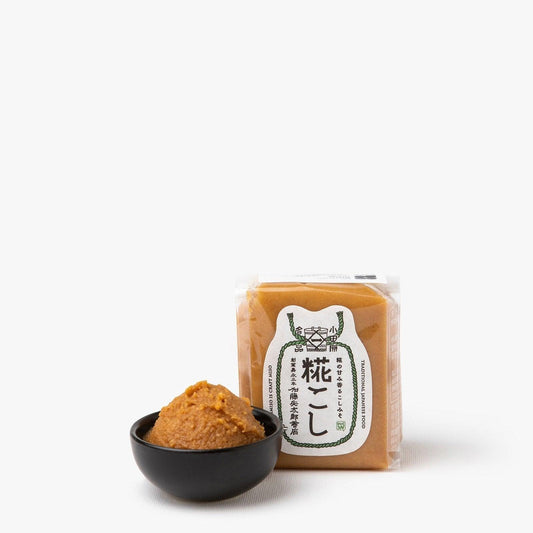
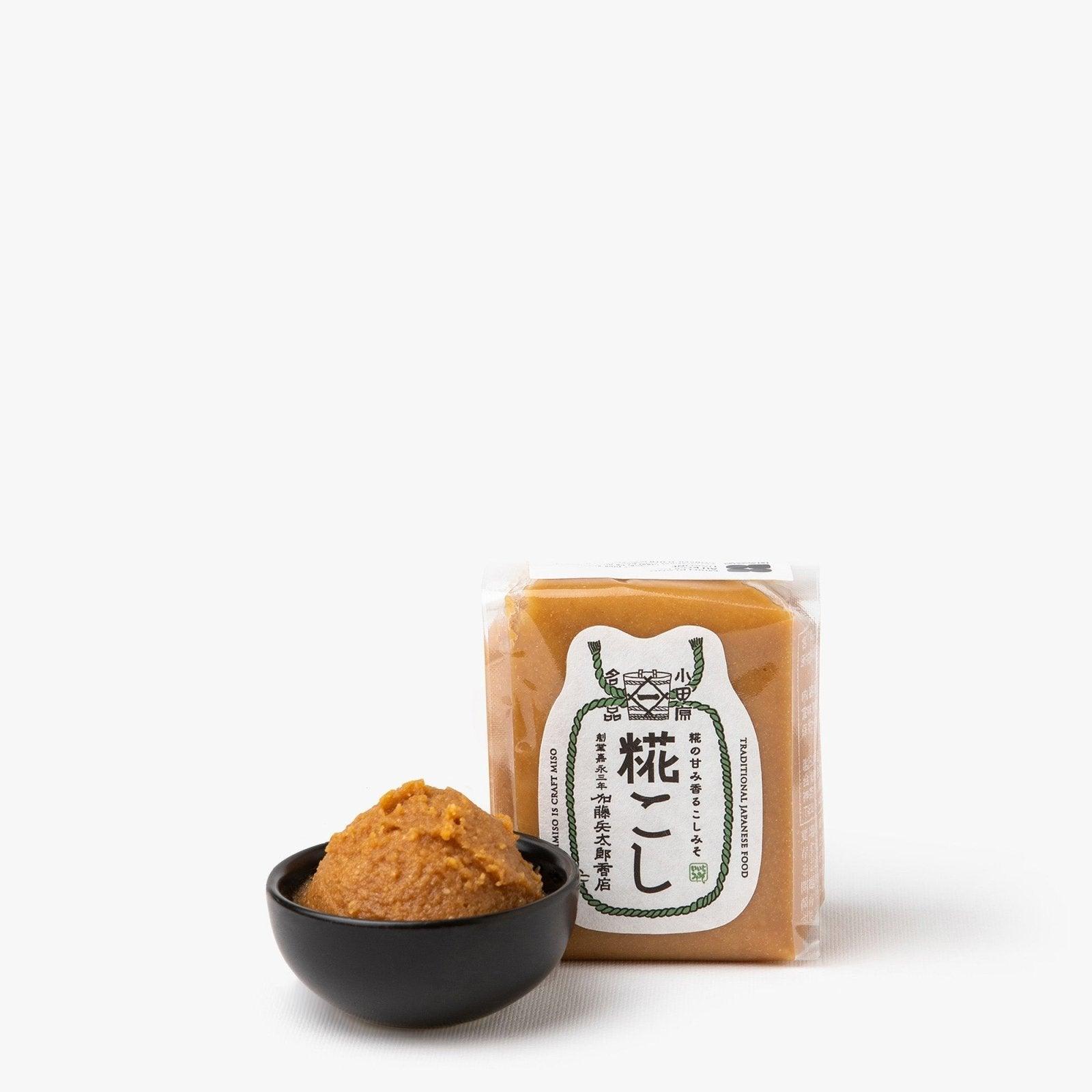
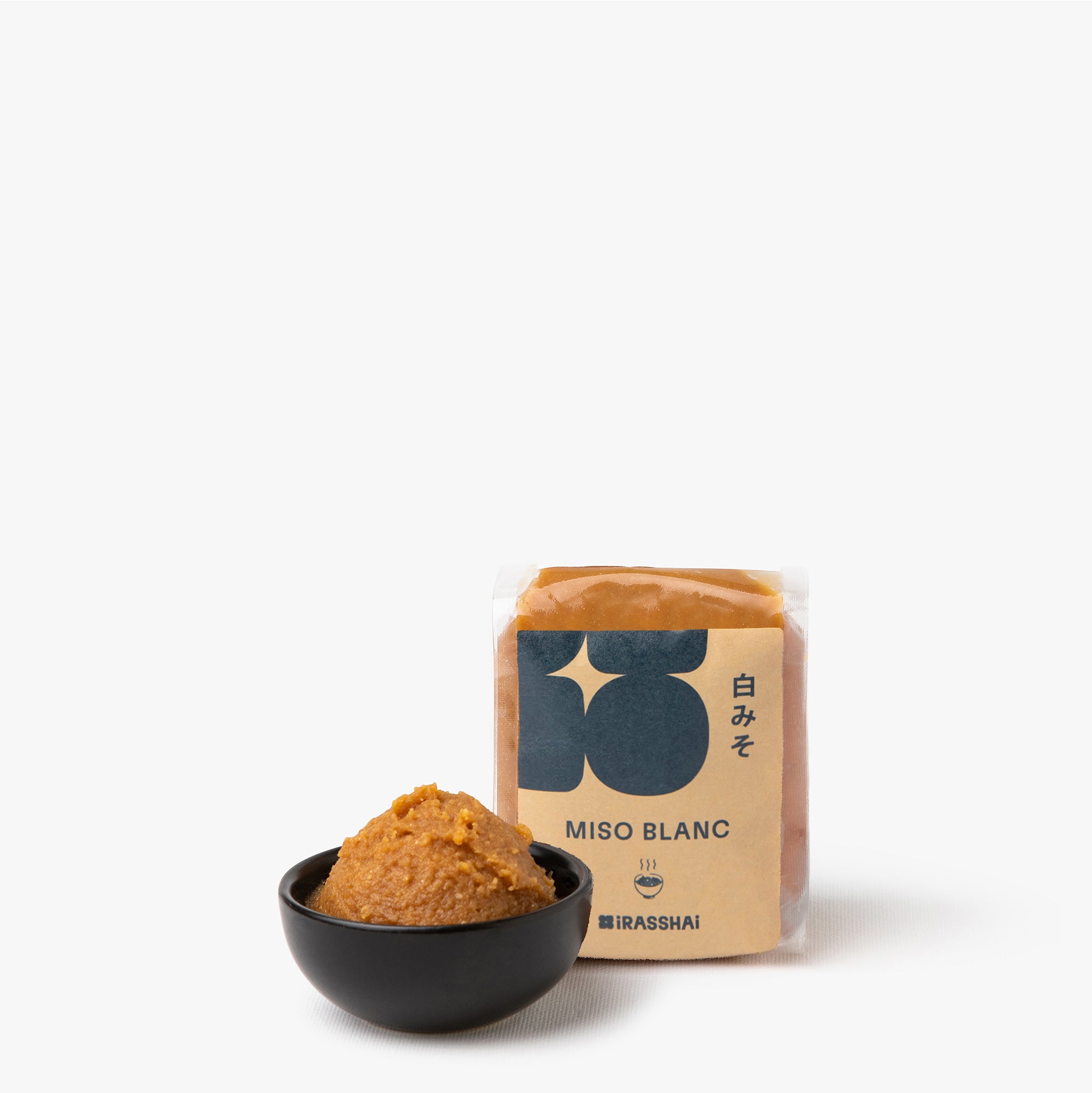
Miso: Miso, a fermented paste made from soybeans, rice, or barley, is a staple of Japanese cuisine. Its flavor varies depending on the length of fermentation, ranging from mild white miso to the more robust red miso. Rich in probiotics and nutrients, it forms the base of the famous miso soup and is also used to season many dishes.
Natto: Hated by some, loved by others, natto is a fermented soybean food whose sticky texture and strong odor leave no one indifferent. Rich in vitamin K2 and probiotics, it is often eaten for breakfast with rice and soy sauce.
Tsukemono: Tsukemono are vegetables pickled in salt, rice bran, or miso. These pickles are served with almost every Japanese meal, adding a touch of freshness and crunch that balances the flavors of the dishes.
Shoyu (soy sauce): This dark sauce made from fermented soybeans is essential in Japanese cuisine. It is used for seasoning, marinating, or as a base for soups and sauces. Its characteristic umami flavor, which is slightly salty, varies depending on the type (light or dark soy sauce).
Sake: Sake is an alcoholic beverage made by fermenting rice. Traditionally used in Shinto rituals, it is also a common accompaniment to meals. It comes in several varieties, ranging from dry to sweet, and is often served hot or cold.
Amazake: A sweet, fermented rice drink, amazake contains a small amount of alcohol. Served warm, it is typically enjoyed during the holidays or as a comforting snack. Its natural sweetness comes from the rice fermentation process.
Mirin: A sweet sake used primarily in cooking, mirin adds a touch of sweetness and umami to dishes. It is essential for making sushi and teriyaki sauces, or for deglazing vegetables. Its low alcohol content and sweet flavor make it an excellent complement to savory sauces.
Kampyo: Imagine dried squash that has been rehydrated and transformed into a delicious garnish that adds a subtle, savory touch to your Japanese dishes. Kampyo is an essential ingredient in recipes like makizushi, where it provides a tender texture and a mild flavor.
Kuzu: Kuzu is a starch extracted from the kudzu root, a plant that gives dishes a creamy, smooth texture. Used primarily to thicken soups and sauces, it is a true secret of Japanese cuisine. When added to sauces like teriyaki or broths, kuzu creates a perfect consistency and an appetizing sheen.
Shio-koji: Shio-koji, a mixture of salt, koji, and water, is a true treasure of Japanese cuisine. This fermented seasoning is used to marinate meat, fish, and vegetables, adding an unparalleled depth of flavor. Through fermentation, it releases umami flavors that naturally enhance your dishes.

The Manufacturing Process for Fermented Foods
At the heart of Japanese fermented foods lie a few simple yet essential ingredients. Vegetables, soybeans, rice, and koji are the key ingredients in this culinary alchemy. Koji transforms the starches in grains into fermentable sugars, a process that allows microorganisms to work their magic and reveal deep, complex flavors.
The production of fermented foods in Japan is an ancient art that has been passed down through the ages. Using techniques such as slow maceration, gentle salting, or inoculating rice or soybeans with koji, each step of the process is carried out with care. These traditional methods allow flavors to develop slowly and naturally, transforming each ingredient into a treasure trove of taste and texture.
Microorganisms(lactic acid bacteria, yeast, koji) are the true architects of this transformation. They metabolize the ingredients, creating unique flavors and valuable nutrients such as probiotics that are beneficial to health.
Fermentation is not a matter of chance. It takes place underspecific conditions, where temperature and humidity are meticulously controlled. A moderate temperature, combined with just the right level of humidity, allows microorganisms to thrive.
Fermentation techniques:
Slow fermentation: A time-honoredtechnique, slow fermentation allows ingredients to develop rich and complex flavors. Submerged in salt, vinegar, or miso, they ferment over several weeks, creating deep flavors and melt-in-your-mouth textures, ideal for tsukemono and miso.
Curing: Unlike dry curing, this method uses a precise amount of salt—sometimes combined with koji—to achieve a balanced fermentation. It preserves the texture and enhances the flavors, resulting in umami-rich condiments such as shio-koji.
Inoculation: A key step in Japanese fermentation, inoculation involves adding koji to rice, soybeans, or barley. This fungus transforms the ingredients by releasing sugars and amino acids, bringing out the umami flavor in miso, soy sauce, and sake.
Local traditions play a fundamental role in the production of fermented foods. These recipes, shaped by centuries of history and influenced by the local climate and resources, offer a surprising array of flavors.
Health Benefits of Fermented Foods
Japanese fermented foods aren’t just delicious—they’re also great for your digestive system. These natural treasures are rich in probiotics, the live microorganisms that promote a healthy gut flora. By consuming foods like miso, natto, or tsukemono, you help improve your gut health, thereby aiding digestion and the absorption of essential nutrients. These beneficial bacteria can also help alleviate digestive imbalances and strengthen your digestion on a daily basis.
In addition to probiotics, these products are packed with essentialvitamins, minerals, andamino acids. The fermentation process makes these nutrients even more accessible to your body, thereby improving their bioavailability. This means your body can more easily absorb these valuable vitamins and minerals, which boosts your overall health and helps you stay in shape. Plus, these foods have powerfulanti-inflammatory properties, reducing chronic inflammation that can lead to various diseases.
The benefits of fermented foods don’t stop there. Their high antioxidant content helps fight free radicals, thereby protecting your cells from premature aging and wear and tear. In addition, studies suggest that they may have a positive impact onmental health by balancing neurotransmitters and reducing stress.
Incorporating Fermented Foods into Your Diet
Incorporating Japanese fermented foods into your daily diet is a breeze! Start with classics like miso soup, an easy-to-make staple. Simply dissolve miso in hot water and add vegetables or tofu for a soup rich in umami.
For natto, mix it with hot rice and a dash of soy sauce, or add it to a salad for a quick and nutritious lunch.
As for tsukemono, why not try making your own version with vegetables pickled in salt or miso to serve with your meals? These dishes are not only delicious, but they also add extra nutrients to your meals.
When buying Japanese fermented foods, choose fresh, high-quality products. Opt for well-known brands (such as Kohsei Foods or Maruya, available on our website!) that adhere to traditional fermentation methods. To store your fermented products, keep them in a cool place to slow down the fermentation process and preserve their flavors. Tsukemono and miso have a long shelf life, but be sure to seal the jars tightly to prevent contamination.
Incorporating it into your daily meals
Incorporating fermented foods into your daily meals doesn’t require a culinary revolution! For a balanced dinner, pair miso soup with rice, sautéed vegetables, and a serving of fish or meat. Tsukemono makes an excellent side dish for your rice dishes or sushi. By combining protein, fiber, and fermented foods, you can create meals that are both delicious and good for your health.
Japanese fermented foods offer a wealth of flavors to explore, so go ahead and discover new recipes and new tastes! Try different types of miso, from mild white miso to the more robust red miso, and experiment with a variety of vegetable tsukemono.
Conclusion
Japanese fermented foods are not just a culinary tradition; they are a true sensory and health journey. Whether it’s miso, natto, or tsukemono, each of these fermented treasures offers a unique flavor and exceptional benefits for your well-being. Fermentation, practiced for centuries in Japan, is at the heart of Japanese culture, bringing deep flavors and valuable nutritional benefits to every dish.
By incorporating these foods into your daily routine, you open the door to a rich and nourishing culinary world. Not only do you enjoy their unparalleled flavor, but you also nourish your body with probiotics and essential nutrients.
So why not take the plunge and discover for yourself the fascinating world of Japanese fermented foods? Whether you’re a foodie or just curious, it’s time to enjoy their benefits and add a touch of authenticity to your meals.