


Collection: Utensils


-
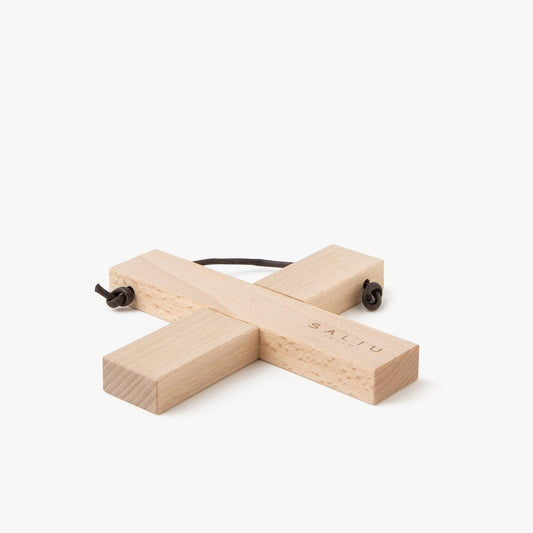
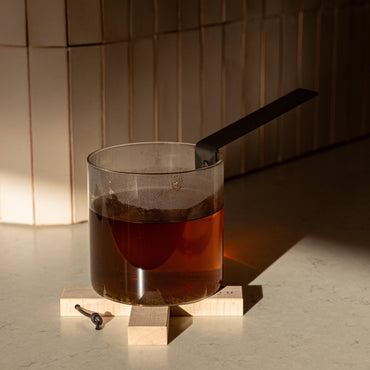
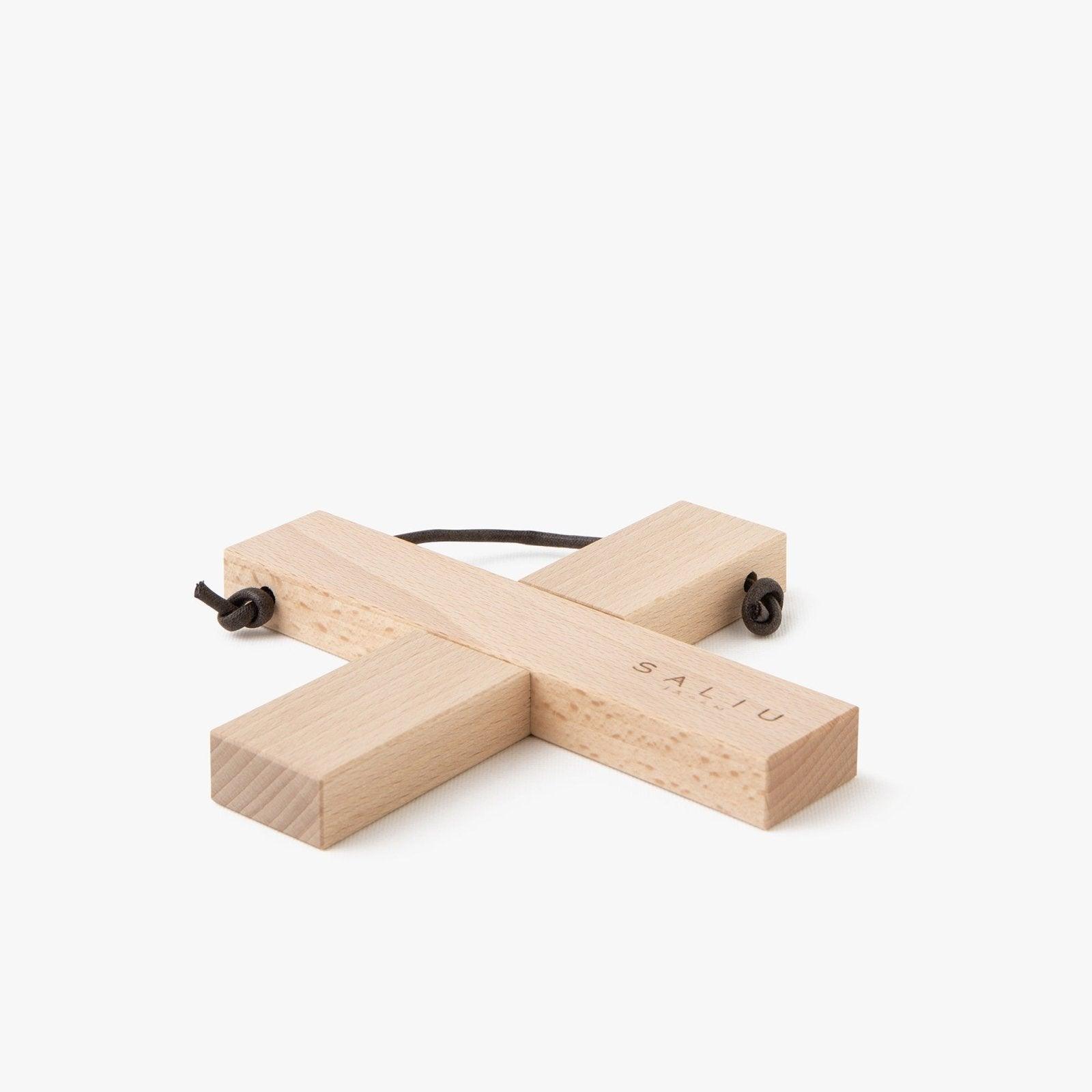
Wooden trivet ⋅ Lolo
⋅ Design inspired by kumiki, the Japanese art of wood assembly⋅ Heat-resistant, perfect for hot dishes⋅ Ideal for sublimating the tableThe blocks...
Regular price 24.00 €Prix promotionnel 24.00 € Regular pricePrice per unit per -


Mortar Jukusa katakuchi suribachi blue and white ⋅ Touga
⋅ Blue and white ceramic mortar with authentic design⋅ Grooved interior for fine, easy grinding⋅ Ideal for sauces and Japanese pastes such as goma⋅ dare...
Regular price 8.00 €Prix promotionnel 8.00 € Regular pricePrice per unit per -


Mini mandolin with brush ⋅ KAI Store
⋅ Format compat⋅ Fine blade for clean, precise cutting⋅ Comes with brush for effective cleaningThis is an ultra-fine mandoline with...
Regular price 22.00 €Prix promotionnel 22.00 € Regular pricePrice per unit per -

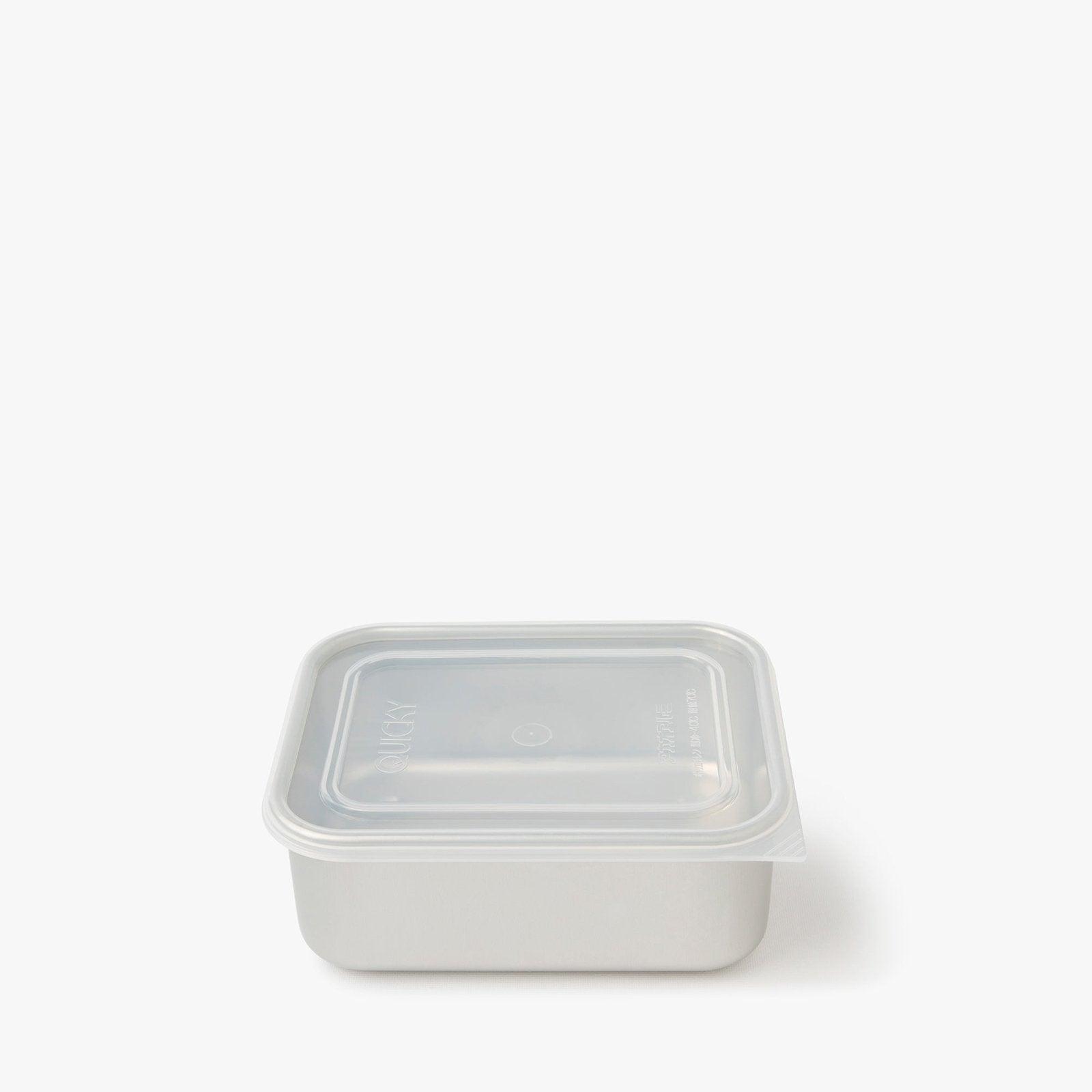
Freezer box L ⋅ 174 x 134 x 68mm ⋅ Akao
⋅ Aluminum can⋅ Quick defrost at room temperature⋅ Economical and reusable⋅ Perfect for everyday useMade with high-quality aluminum, both...
Regular price 25.00 €Prix promotionnel 25.00 € Regular pricePrice per unit per -
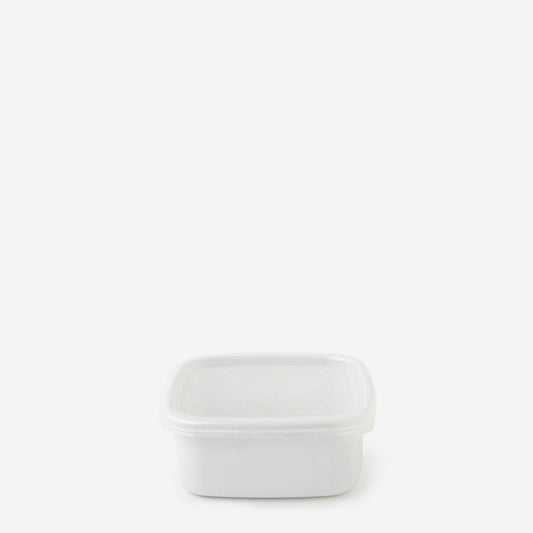

Square white enamel box S ⋅ Nodahoro
⋅ Versatile enamel box⋅ Ideal for baking, freezing and storing⋅ Also serves as a mold for cakes or jellies⋅ Enamel coating for...
Regular price 15.00 €Prix promotionnel 15.00 € Regular pricePrice per unit per -
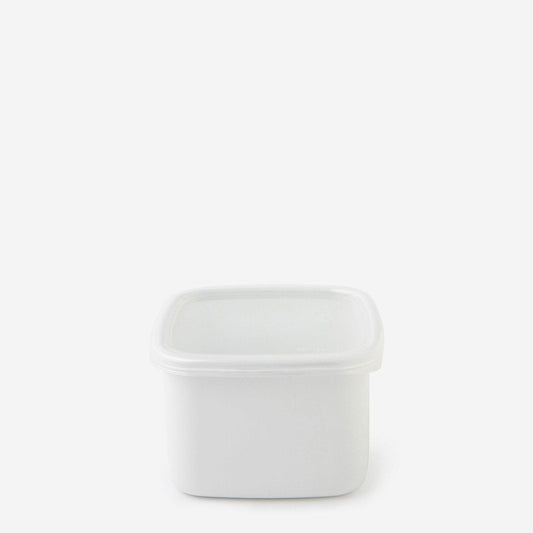
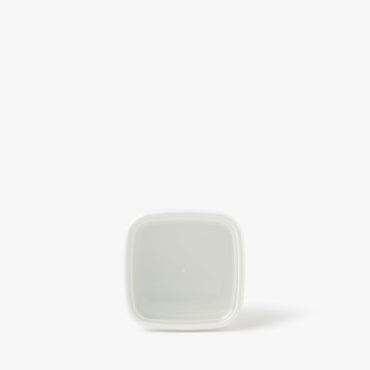
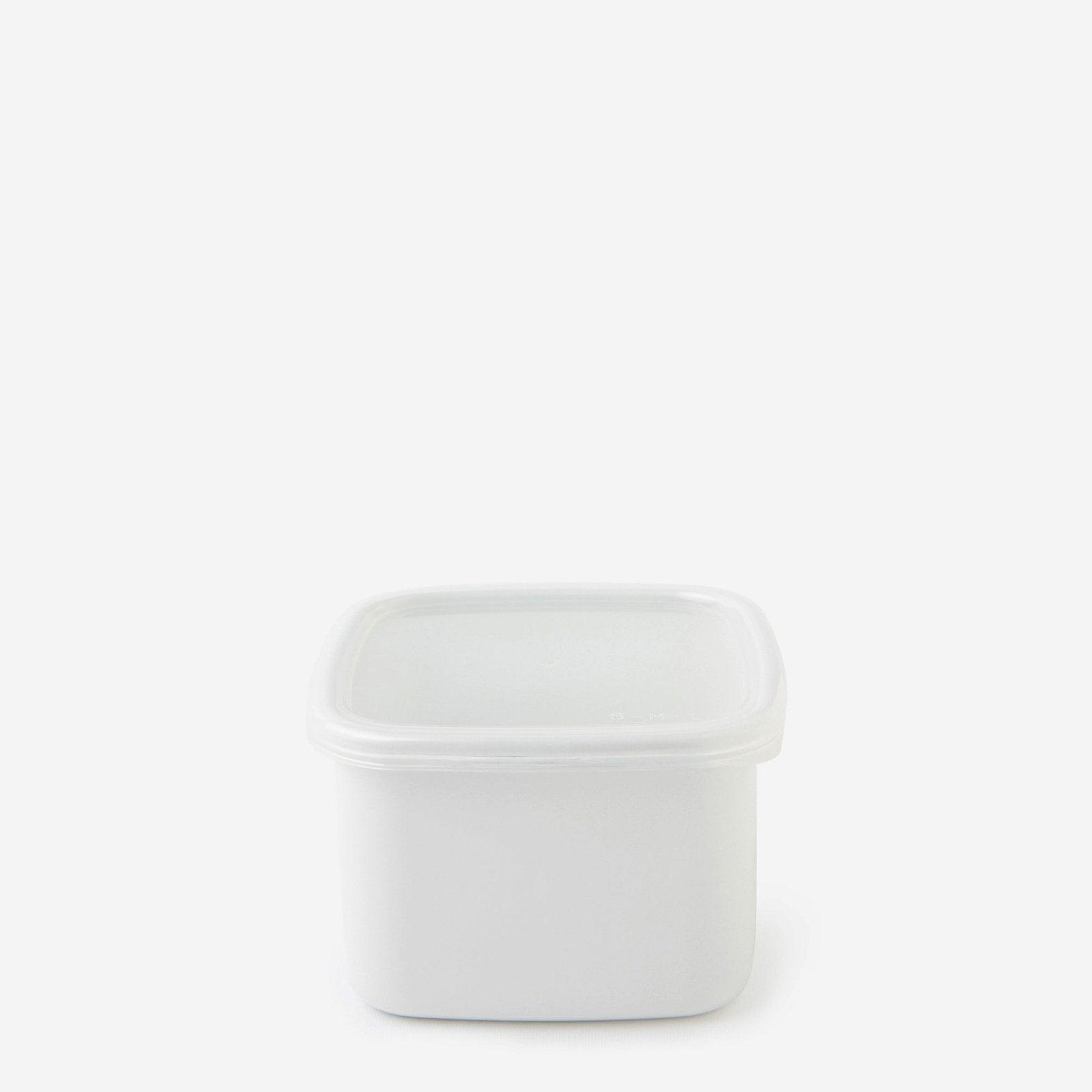
Square white enamel box M ⋅ Nodahoro
⋅ Versatile enamel box⋅ Ideal for baking, freezing and storing⋅ Also serves as a mold for cakes or jellies⋅ Enamel coating for...
Regular price 22.00 €Prix promotionnel 22.00 € Regular pricePrice per unit per -
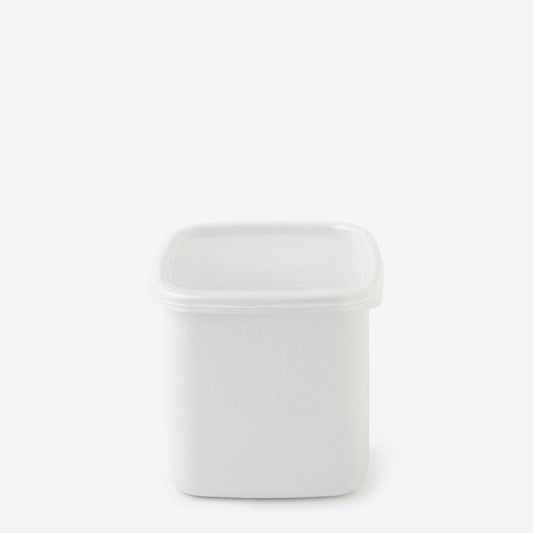
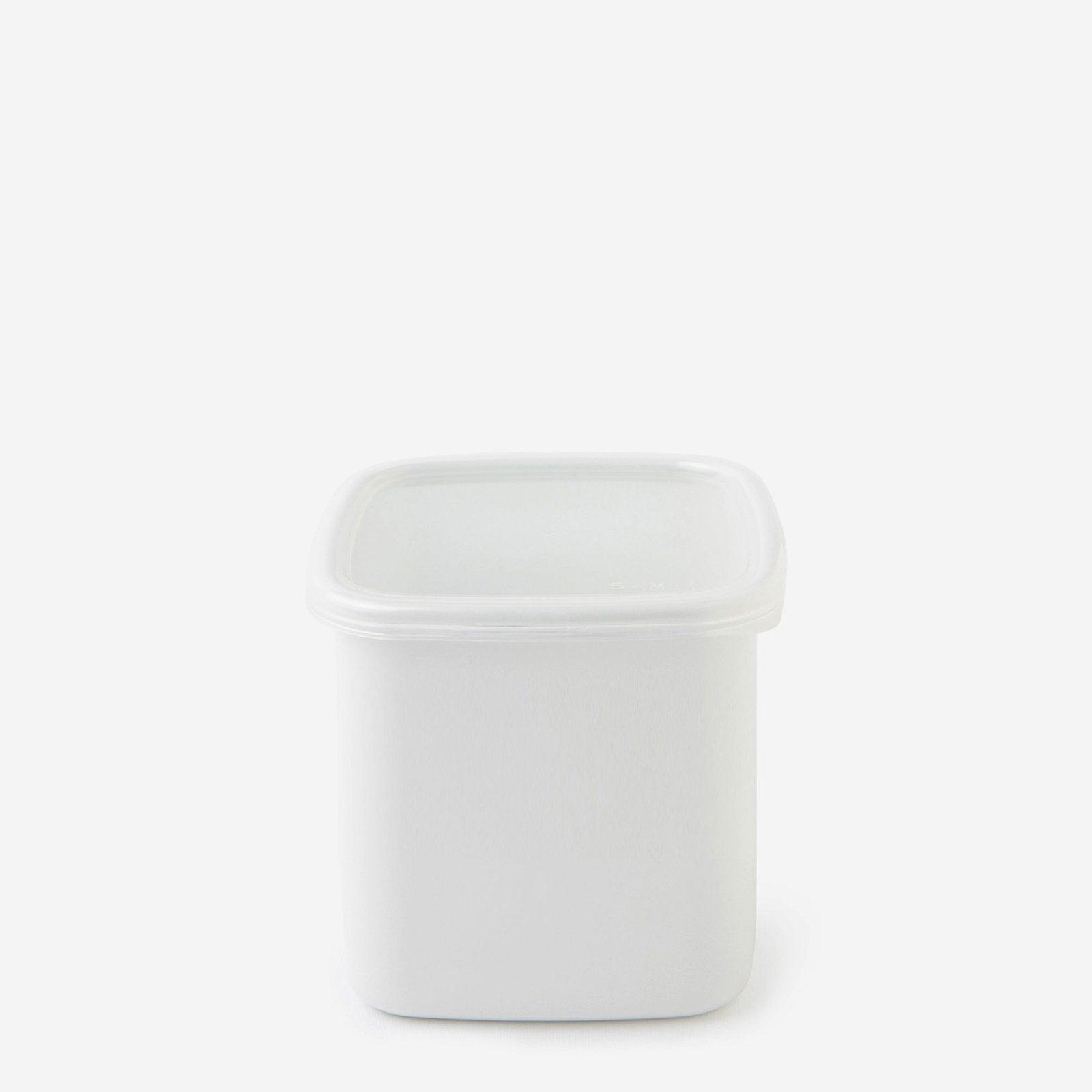
Square white enamel box M large ⋅ Nodahoro
⋅ Versatile enamel box⋅ Ideal for baking, freezing and storing⋅ Also serves as a mold for cakes or jellies⋅ Enamel coating for...
Regular price 24.00 €Prix promotionnel 24.00 € Regular pricePrice per unit per -
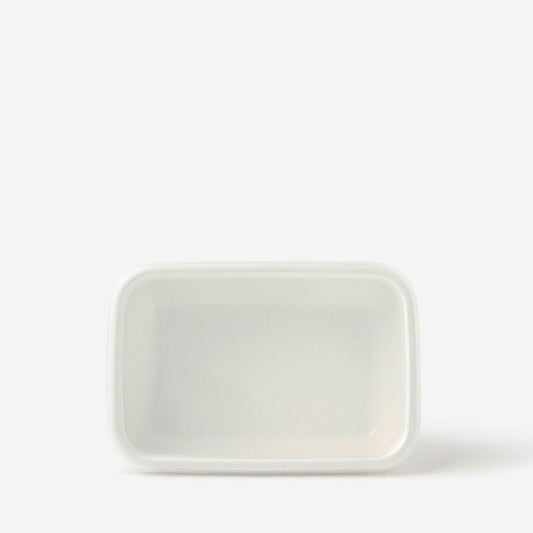
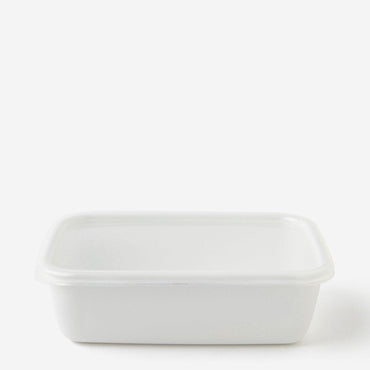
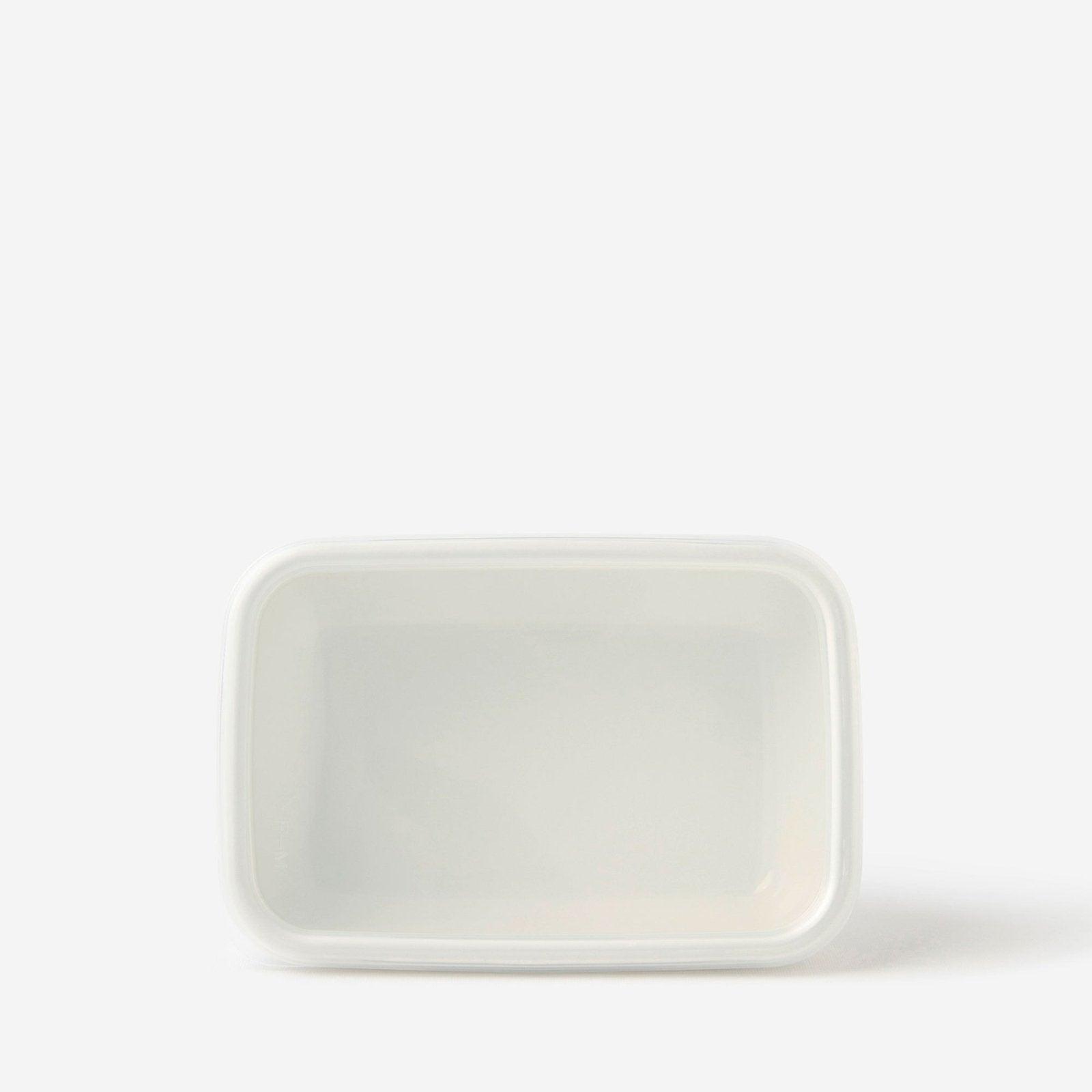
White rectangle enamel box L ⋅ Nodahoro
⋅ Versatile enamel box⋅ Ideal for baking, freezing and storing⋅ Also serves as a mold for cakes or jellies⋅ Enamel coating for...
Regular price 24.00 €Prix promotionnel 24.00 € Regular pricePrice per unit per -


Black ceramic steamer from Iga ⋅ Nagatani Seito
⋅ Donabe in Iga clay, shaped by hand⋅ Thick walls for gentle, even cooking⋅ Retains heat⋅ Ideal for vegetables and fish...
Regular price 230.00 €Prix promotionnel 230.00 € Regular pricePrice per unit per


Find out more about Japanese cookware
What are the essential Japanese kitchen utensils?
Among indispensable Japanese kitchen utensils, several stand out for their usefulness and quality. The Japanese chef's knife (Gyuto) is versatile, perfect for a variety of cutting tasks. The Santoku knife, with its shorter blade, is excellent for slicing and chopping. The maki roller (makisu) is also essential for preparing maki and sushi. This bamboo accessory enables ingredients to be rolled with precision. The Japanese wok, lighter than the Chinese wok, is ideal for quick stir-fries. Finally, a Japanese mandolin for fine cuts and a suribachi (grooved mortar) with its surikogi (pestle) are essential for grinding spices and condiments.
What materials are used in Japanese cookware?
Japanese kitchen utensils are made from a variety of materials, chosen for their durability and performance. Carbon steel is commonly used for Japanese knives, offering an extremely sharp blade that's easy to sharpen. Knife handles are often made of magnolia wood or pakka, a water-resistant composite wood. Woks and frying pans can be made of carbon steel or cast iron, ensuring even cooking. Sturdy ceramic is generally used for suribachi, while chasen (matcha whisks) are traditionally made from bamboo. As for the maki roller (makisu), it is also traditionally made from natural bamboo, a material that is both flexible and resistant. Bamboo is ideal for this utensil because it doesn't stick to food and is easy to clean, while offering the rigidity needed to form tight sushi rolls.
What's a suribachi for?
The suribachi is a Japanese mortar used for grinding and mixing ingredients such as sesame seeds, spices and condiments. Unlike Western mortars, the suribachi has a grooved inner surface, which makes it easier to grind ingredients. It is often used with a surikogi, a wooden pestle, which helps preserve the flavors of ingredients without heating them. The suribachi is essential in the preparation of sauces, pasta or spice blends in Japanese cuisine.
How to use a Japanese mandolin
The Japanese mandolin is an extremely practical cutting tool for making thin, even slices of vegetables, fruit or even cheese. To use it, adjust the thickness of the cut to your needs using the setting under the blade. Hold the food firmly with the supplied hand guard and slide it over the blade in a smooth motion. Always pay attention to the position of your fingers, as the blade is very sharp. This utensil is perfect for preparing salads, sushi garnishes or stir-fried vegetables.
What's the point of a Japanese mincer?
Japanese mincers, often called Nakiri for vegetables or Deba for fish, are designed for specific kitchen tasks. The Nakiri, with its wide, rectangular blade, is perfect for finely chopping vegetables. It enables precise cutting without crushing ingredients, thus preserving their texture. The heavier, sturdier Deba is used for cutting and preparing fish, including boning. These choppers are designed to offer exceptional control and a clean cut, facilitating the preparation of ingredients in Japanese cuisine.
How to use a chasen for matcha?
The chasen is a traditional bamboo whisk used to prepare matcha (powdered green tea). To use it, start by sifting the matcha into a bowl to avoid lumps. Add hot (but not boiling) water and use the chasen to vigorously whisk the matcha in a rapid "W"-shaped motion. The aim is to create a light, creamy froth on the surface of the tea. The chasen allows the matcha to blend well with the water, creating a smooth texture and even flavor, essential to fully appreciate this traditional tea.


