




Collection: Japanese non-alcoholic beverages
Summers are hot and humid in Japan! To make them more bearable, the Japanese drink the famous Ramune soda, iced teas and coffees, fermented drinks and many other soft drinks to discover in our selection.


Find out more about Japanese beverages
What are the most popular Japanese non-alcoholic drinks?
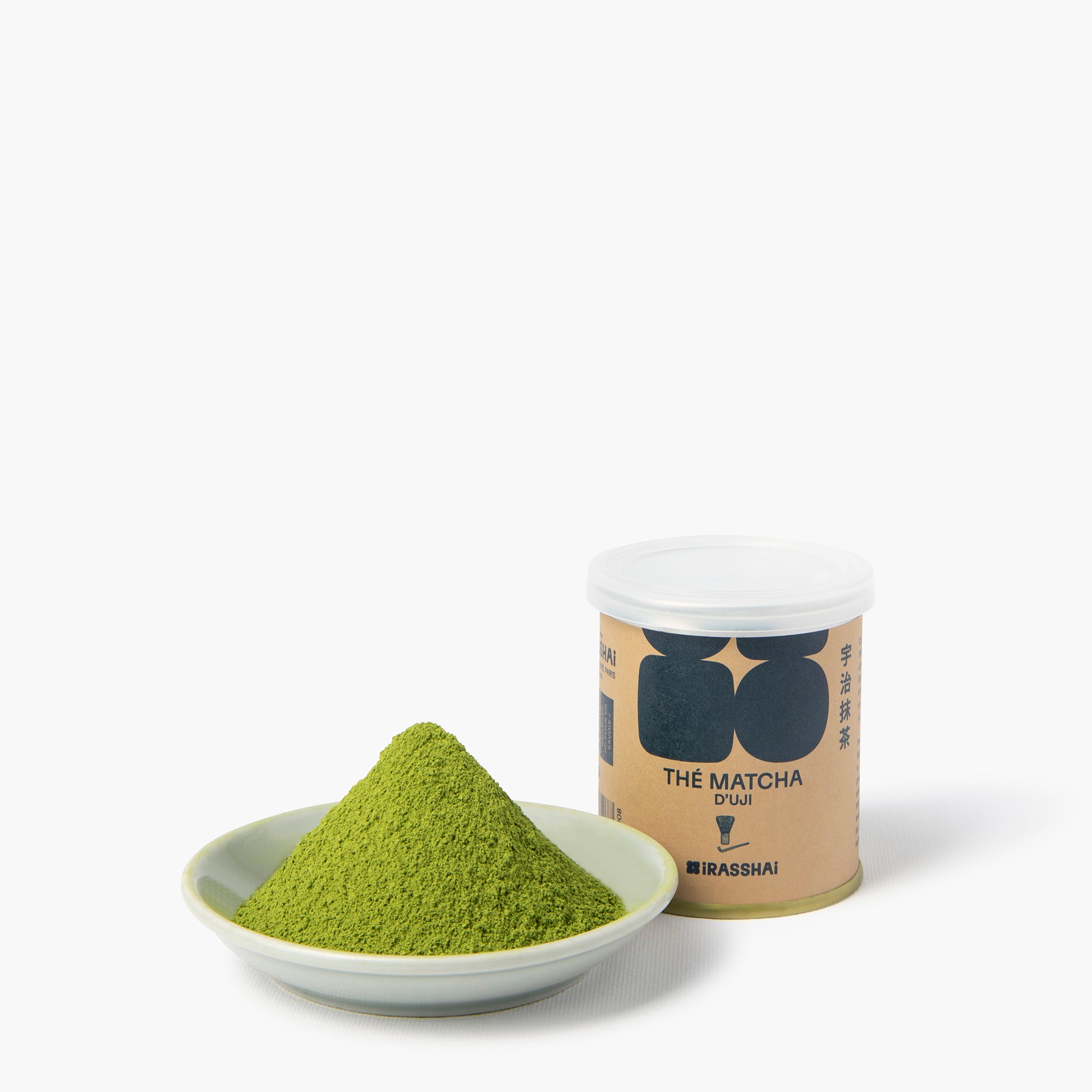
The most popular non-alcoholic Japanese beverages include a wide variety of teas and traditional drinks. Among the best known, green tea (sencha) is highly prized for its health benefits. Matcha, a green tea powder used in the tea ceremony, is also extremely popular. Other common beverages includeamazake, a sweet drink made from fermented rice, and ramune, a refreshing soft drink often consumed at summer festivals. Finally, yuzu, a Japanese citrus fruit, is used to prepare refreshing drinks with a unique taste.
What is amazake and how is it consumed?
Amazake is a traditional Japanese drink made from fermented rice. Literally translated as "sweet sake", amazake is actually an alcohol-free drink, or one with very little alcohol, depending on the method of preparation. It is naturally sweet, thanks to the koji enzymes that break down rice starch into sugars. Amazake can be enjoyed hot or cold, often in winter as a comforting drink. It can also be used as an ingredient in desserts or sauces. Amazake is rich in nutrients, including vitamins and amino acids, and is prized for its digestive benefits.
What are ramunes?
Ramune is an iconic Japanese soft drink, often associated with summer festivals. What sets ramune apart is its unique packaging: a glass bottle sealed by a glass ball, which must be pushed down to open the drink. This distinctive mechanism has become a symbol of Japanese pop culture. Ramune comes in a range of flavors, from the classic lemon to more exotic options such as melon or grape. Although primarily appreciated for its sweet, refreshing taste, ramune is also a nostalgic memory for many Japanese.
What are the typical flavours of Japanese non-alcoholic drinks?
Japanese non-alcoholic beverages are often characterized by delicate, natural flavors. Green tea, like sencha and matcha, offers herbal and umami notes. Yuzu drinks add a refreshing acidity, while amazake is smooth and creamy, with a hint of fermentation. Ramune, meanwhile, is sweet and sparkling, available in a variety of flavors from lemon to melon. Hojicha, with its smoky flavor, and genmaicha, with its toasted rice notes, add further dimensions to Japanese beverage options.


