


Collection: Japanese sesame pastes and creams
Sesame pastes and creams are creamy preparations made from roasted sesame seeds, offering a creamy texture and rich flavor. In Japanese cuisine, they are used in many recipes, both sweet and savory. You can incorporate them into sauces, dressings and soups, or use them as a topping on bread, pancakes or desserts. They provide a unique, sweet, slightly nutty flavor, while being a source of health-promoting nutrients such as unsaturated fatty acids and antioxidants.

-


Roasted black sesame cream ⋅ Manten ⋅ 150g
⋅ Deep, rich taste⋅ Ideal for baking or in sauces⋅ Rich in nutrients⋅ Creamy texture⋅ Alternative to tahiniThis cream is made from...
Regular price 7.80 €Prix promotionnel 7.80 € Regular pricePrice per unit 52.00 € per kg -
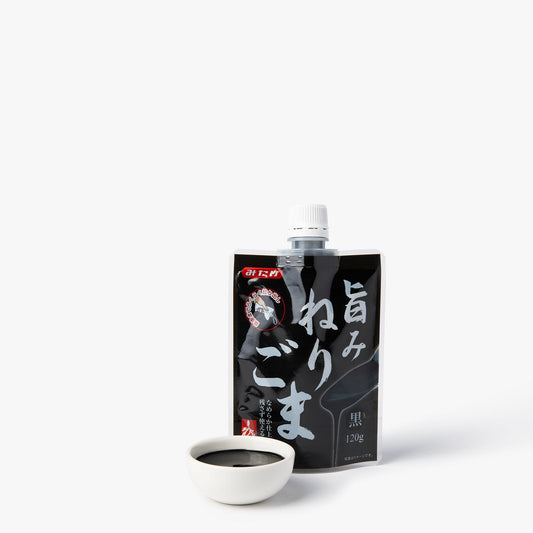
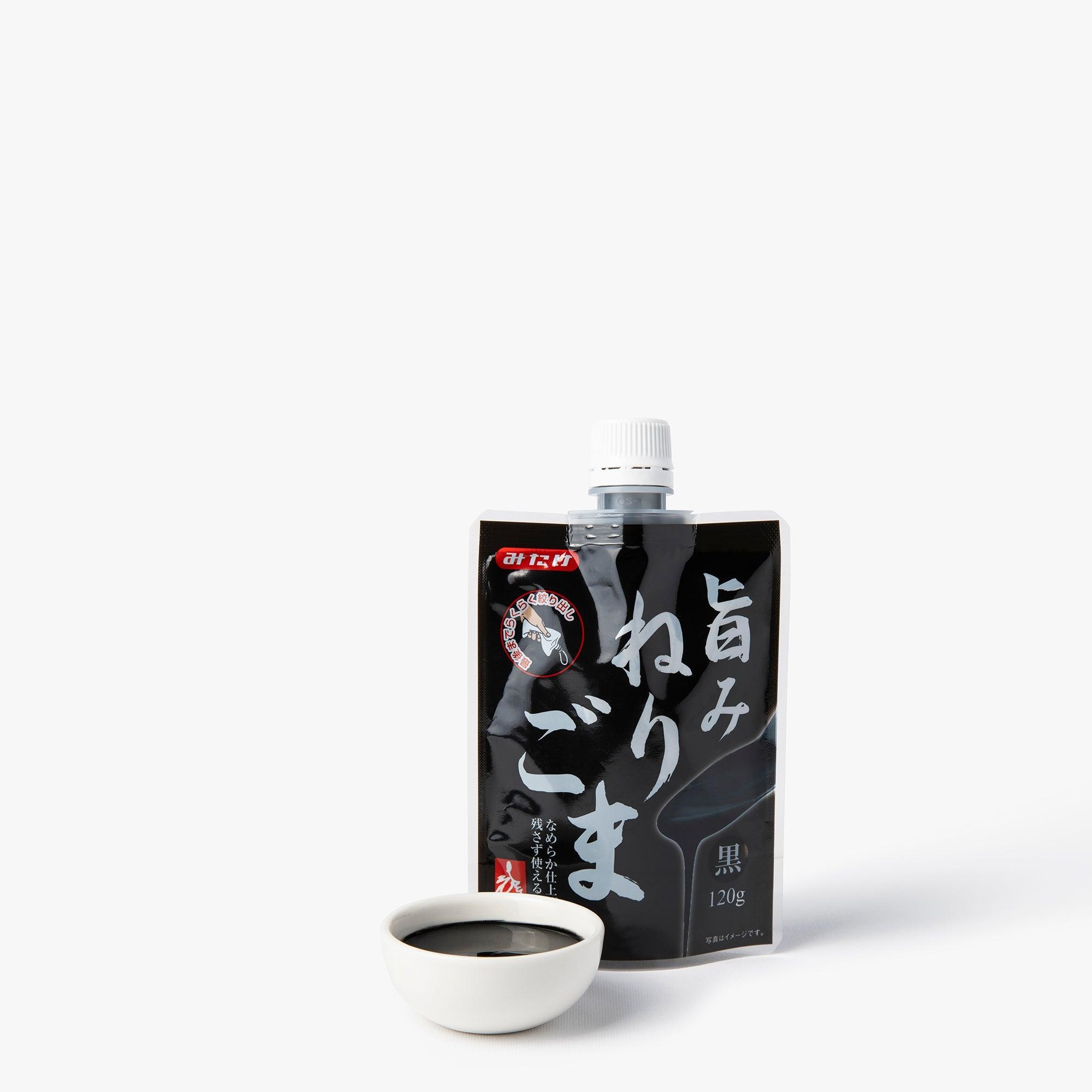
Black sesame paste ⋅ Mitake Food Industry ⋅ 120g
⋅ Intense taste and creamy texture⋅ Ideal in pastries or sauces⋅ Thickens preparations and adds depth in the mouth⋅ Rich in mineralsThis...
Regular price 6.10 €Prix promotionnel 6.10 € Regular pricePrice per unit 50.83 € per kg -


Black sesame paste ⋅ Henko ⋅ 225g
⋅ Intense flavor⋅ Light, creamy texture⋅ For savory and sweet dishesA light-textured black sesame paste with an intense flavor...
Regular price 13.50 €Prix promotionnel 13.50 € Regular pricePrice per unit 60.00 € per kg -


Roasted white sesame cream ⋅ Manten ⋅ 150g
⋅ Mild, deep taste⋅ Ideal in pastries or sauces⋅ Rich in nutrients⋅ Creamy texture⋅ Alternative to tahiniThis cream is made from...
Regular price 7.80 €Prix promotionnel 7.80 € Regular pricePrice per unit 52.00 € per kg -
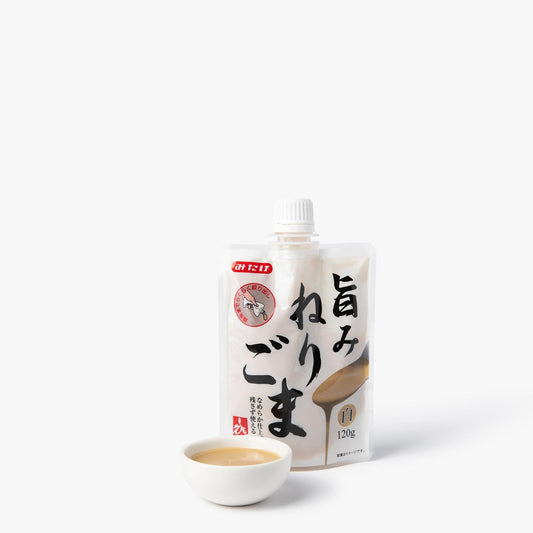
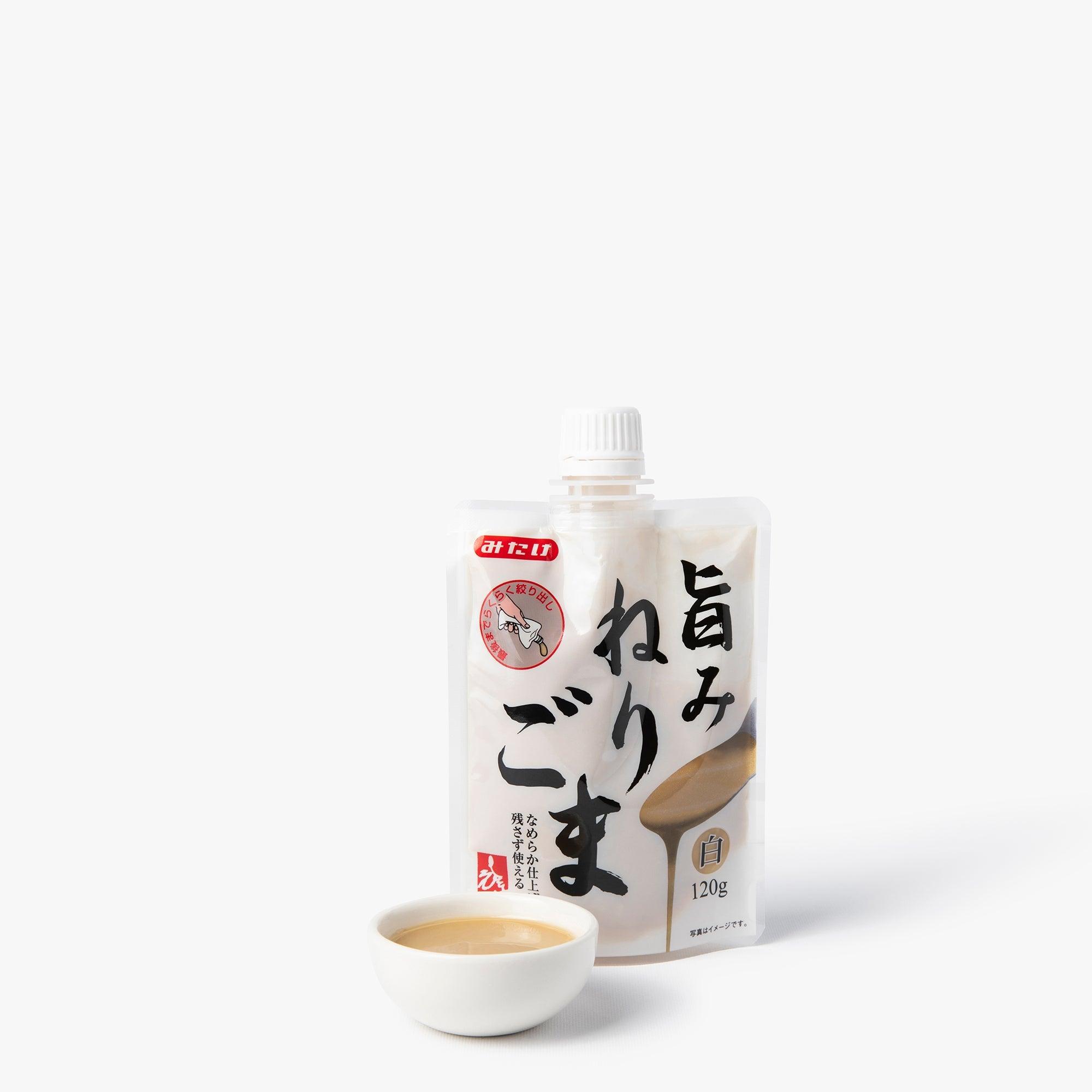
White sesame paste ⋅ Mitake Food Industry ⋅ 120g
⋅ Rich taste and creamy texture⋅ Ideal in pastries or sauces⋅ Thickens and softens preparations⋅ Rich in mineralsThis cream is made from...
Regular price 5.50 €Prix promotionnel 5.50 € Regular pricePrice per unit 45.83 € per kg -


White sesame paste ⋅ Henko ⋅ 225g
⋅ Rich in flavor⋅ Creamy, light texture⋅ For savory and sweet dishesA light-textured white sesame paste with a rich flavor...
Regular price 13.50 €Prix promotionnel 13.50 € Regular pricePrice per unit 60.00 € per kg


Our favourite recipes using sesame paste


Learn more about sesame paste
What is the origin of sesame paste in Japan?
Sesame paste (or goma paste in Japanese) has a long history in Japanese cuisine and is closely linked to the country's culinary culture. Its origins date back to the spread of sesame seeds, which were introduced to Japan over 1,000 years ago, probably via China and Korea.
Origin of sesame paste in Japan :
Sesame was introduced to Japan during the Nara period (710-794), but it wasn't until the Heian period (794-1185) that consumption of the seeds and their derivatives, such as sesame paste, became an important part of Japanese meals. Sesame paste is often made from roasted sesame seeds, ground into a smooth paste, and can be used as is or mixed with other ingredients to create sauces or garnishes.
Impact on Japanese cuisine:
Sesame paste is used in many traditional Japanese dishes, including sauces, soups and side dishes. Here are just a few examples:
- Goma-ae (ごま和え):
This is a classic Japanese dish in which vegetables, often spinach or green beans, are coated in a sauce made from sesame paste, sugar, soy sauce and mirin. This use highlights the sesame paste in a simple but tasty preparation. - Sesame miso soup:
Sesame paste is also used to enrich miso soup, adding a creamy texture and depth of flavor. Goma soup is a variation on classic miso soup. - Goma-dofu (ごま豆腐):
A tofu dish made with sesame paste and arrowroot starch. It's often served with a mild soy sauce, and has a firm, silky texture. - Goma-tsuyu:
A sesame paste-based sauce that accompanies Japanese noodles such as soba or udon. It is slightly sweet, salty and creamy, and its sesame flavor is a perfect complement to these dishes. - Desserts and beverages:
In addition to savoury dishes, sesame paste is used in the preparation of certain Japanese desserts, such as sweet gomadofu (sesame cake) and sesame latte.
Not only is sesame paste a tasty ingredient, it's also renowned for its nutritional benefits. Sesame is rich in calcium, magnesium, B vitamins and antioxidants, making sesame paste a valuable ingredient in a healthy diet.
What's the difference between sesame paste and sesame cream?
Sesame paste and sesame cream are two products derived from sesame, but they differ in texture and use.
- Sesame paste (often called tahini or tahin) is a puree of ground sesame seeds, creating a thick paste that can be used in sauces, hummus recipes, spicy dishes, or even added to nuts and fruit. It is often used as a base for sauces or dressings, or as an ingredient in vegan recipes.
- Sesame cream, on the other hand, is generally a softer, smoother version, often enriched with a little water, salt, lemon, or other ingredients to make a cream with a more fluid texture. It can be used as a garnish, in rice- or noodle-based dishes, or for sauces and homemade preparations.
How do you use sesame paste in cooking?
Sesame paste (or tahini) is a versatile ingredient that can be used in a variety of recipes to add a rich, creamy flavor.
- Sauces and dressings: Mix sesame paste with lemon, vinegar, water, salt and spices to create creamy sauces to accompany vegetables, noodles, salads or rice dishes.
- Homemade hummus: Mix sesame paste with chickpeas, lemon, garlic, olive oil and salt to make delicious hummus, the perfect vegan dish for dipping vegetables or pita bread.
- Soups and broths: To add a creamy texture to your soups, mix sesame paste with water or broth. This works particularly well with Asian soups or spicy dishes.
- Spicy cuisine: Use it in sauces for spicy dishes, like black sesame to add a rich dimension to Asian or Middle Eastern-inspired dishes.
- Goma dare (sesame sauce): Mix sesame paste with soy, vinegar, sugar, sesame oil and salt to create a goma dare sauce, used to accompany salads, cold noodles like soba, or raw vegetables.
- Hiyayakko (cold tofu): Serve sesame paste mixed with soy sauce and lemon over pieces of cold tofu (hiyayakko) for a simple, tasty starter, often accompanied by fresh ginger.
- Japanese desserts: In Japanese patisserie (or wagashi), sesame paste can be used to make sesame cakes, mochi or sweet noodles, adding a subtly nutty, sweet flavor.
How do I make my own sesame cream at home?
To make your own homemade sesame cream, here's a quick and easy recipe:
Ingredients:
- 100 g of sesame seeds (white or black)
- 2 to 3 tablespoons sesame oil (or another vegetable oil of your choice)
- 1/2 teaspoon salt (optional)
- 1 to 2 tablespoonswater (to adjust texture)
- 1 tablespoon vinegar (optional, for a touch of acidity)
Preparation:
- Toast the sesame seeds in a frying pan over medium heat for 3-5 minutes, stirring regularly, until they release a light toasted sesame fragrance. Leave to cool.
- Grind the seeds: Place the sesame seeds in a blender or coffee grinder and blend until smooth and creamy.
- Add the oil a little at a time, continuing to blend until you reach the desired consistency. If the paste is too thick, add water to adjust.
- Season with salt and vinegar to adjust the taste, then blend for a few more seconds.
- Store your sesame cream in an airtight jar in the fridge for 2 to 3 weeks.
What is the shelf life of opened sesame cream?
Once opened, the shelf life of sesame cream depends mainly on its type (puree or paste), added ingredients and storage conditions.
- Refrigeration: Once opened, we recommend keeping sesame cream refrigerated to avoid any risk of contamination and extend its shelf life.
- Shelf life: Sesame cream generally keeps for 1-3 months in the refrigerator after opening. However, it's always best to check the expiration date or specific recommendations on the product packaging.
- Consistency and flavour: If sesame cream becomes dry or tastes rancid, it's best not to use it. Taste and texture are good indicators of freshness.
For homemade sesame cream, it's best to consume within 2 to 3 weeks of preparation, and store in an airtight container to avoid oxidation.


