


Collection: Hojicha roasted green tea
Like genmaicha, hojicha was created by the Japanese to "recycle" sencha leaves that had lost their freshness. The leaves and stems are roasted to produce a tasty brown tea low in theine. Like matcha, it is also available in powder form, to be enjoyed as a hot or cold latte.

-
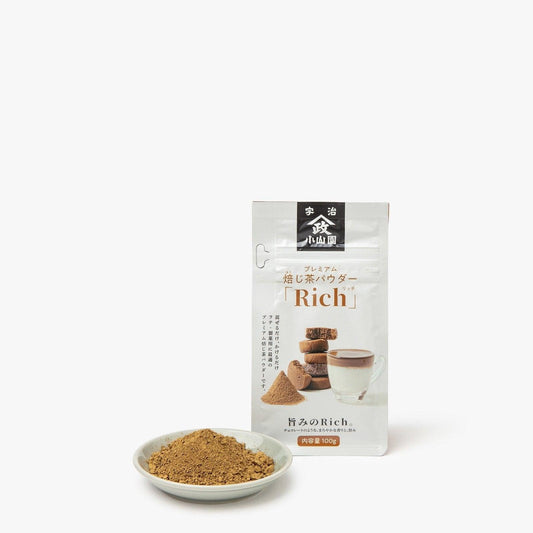
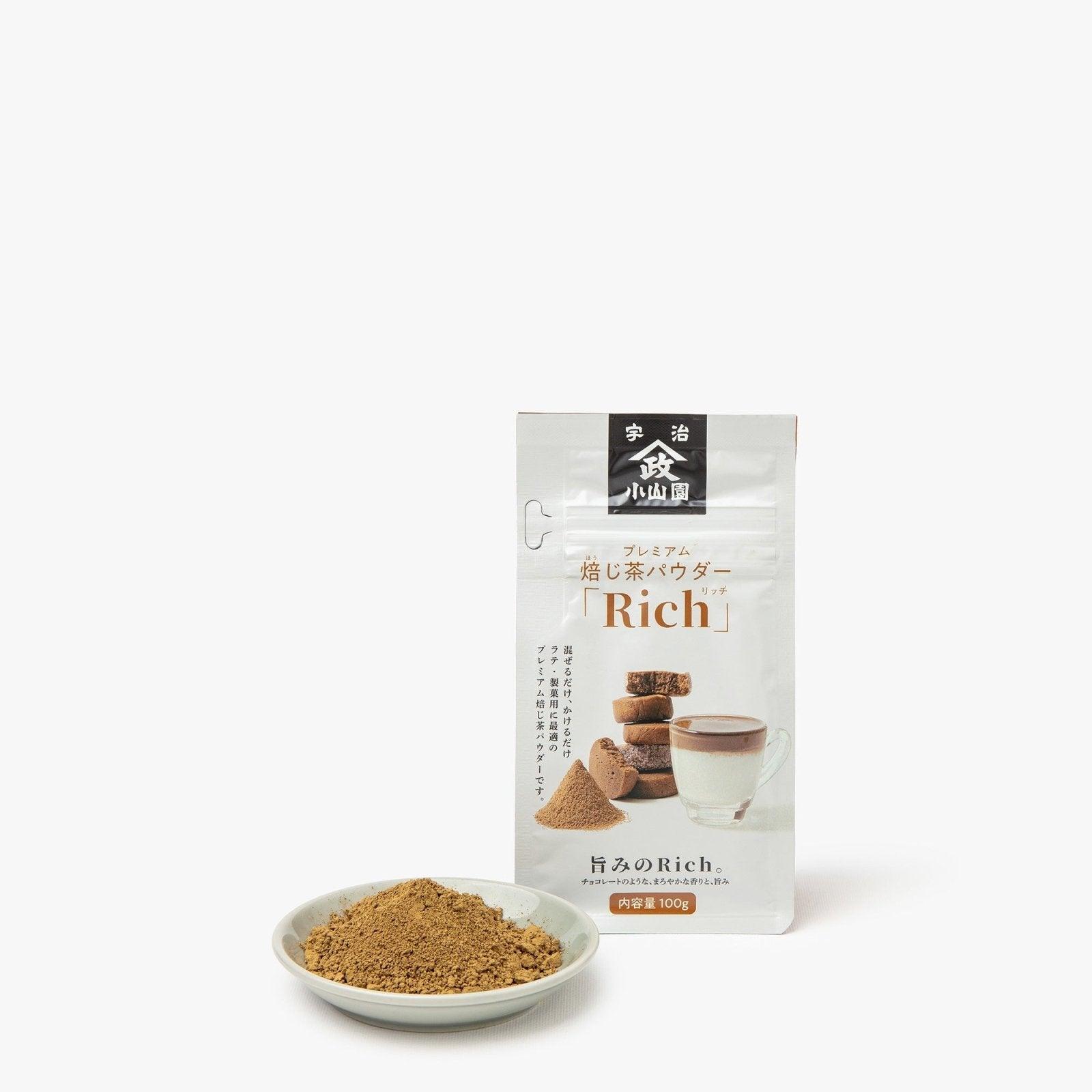
Roasted hojicha tea powder ⋅ Yamamasa Koyamaen ⋅ 100g
⋅ Finely ground Kyoto Uji hojicha⋅ Ideal for patisserie or latte⋅ Rich, roasted, warm fragrance⋅ Balanced taste⋅ Low tea contentThis hojicha powder can be...
Regular price 12.75 €Prix promotionnel 12.75 € Regular pricePrice per unit 127.50 € per kg -
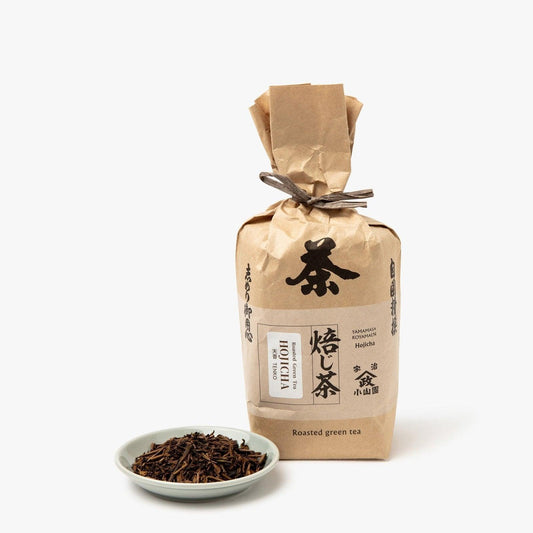
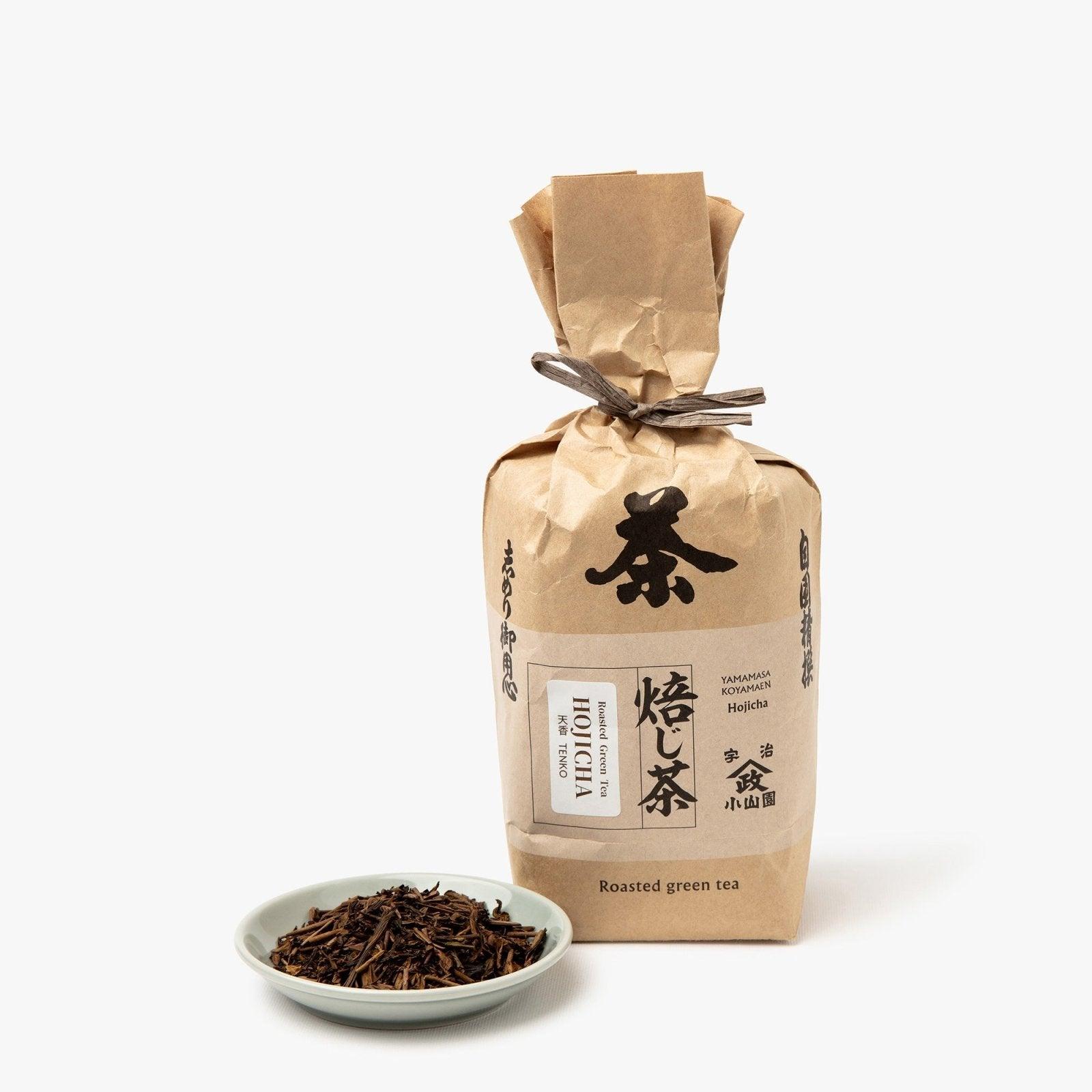
Tenka roasted hojicha tea from Kyoto Uji in bulk ⋅ Yamamasa Koyamaen ⋅ 100g
⋅ Hojicha d'Uji from Kyoto⋅ Roasted flavor evoking chocolate and hazelnut⋅ Low caffeine or theine content⋅ Also available in aluminum canThis hojicha...
Regular price 8.95 €Prix promotionnel 8.95 € Regular pricePrice per unit 89.50 € per kg -
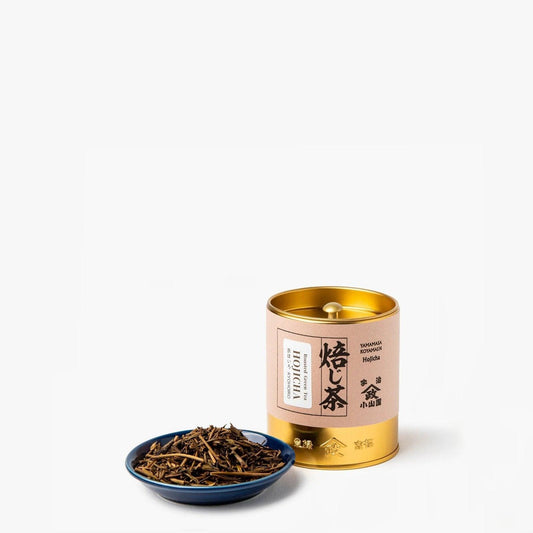
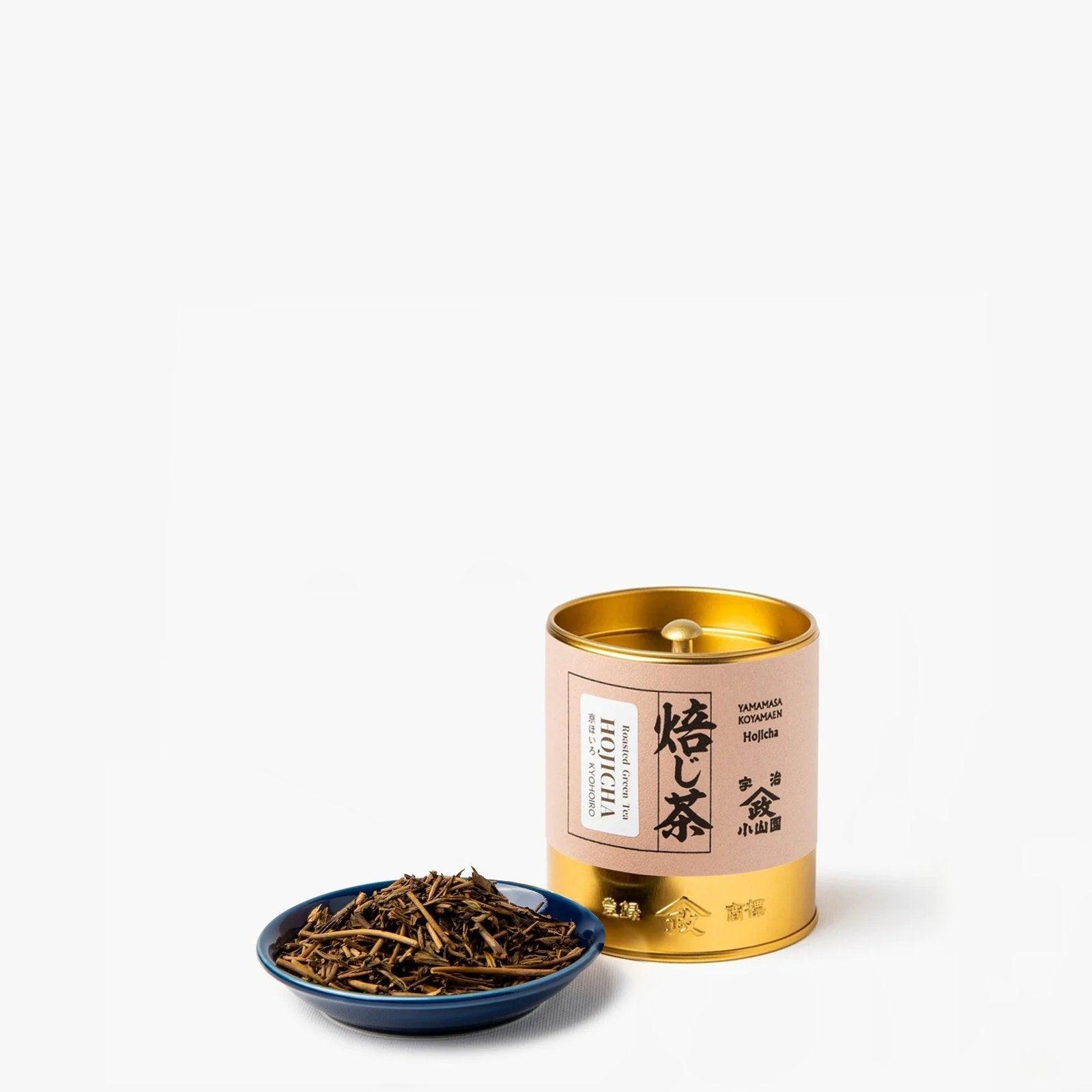
Loose roasted hojicha tea from Kyoto Uji ⋅ Yamamasa Koyamaen ⋅ 40g
⋅ Hojicha d'Uji de Kyoto⋅ Rich, deep fragrance⋅ Comforting roasted notes⋅ Low theine⋅ Ideal after a good Japanese dinner!This exceptional Hojicha is...
Regular price 12.60 €Prix promotionnel 12.60 € Regular pricePrice per unit 315.00 € per kg -
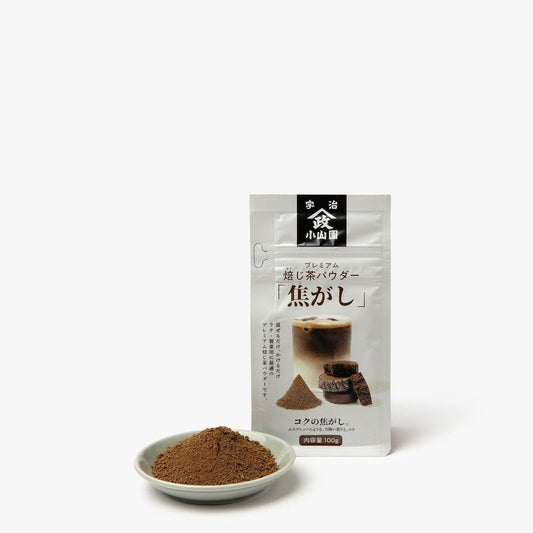
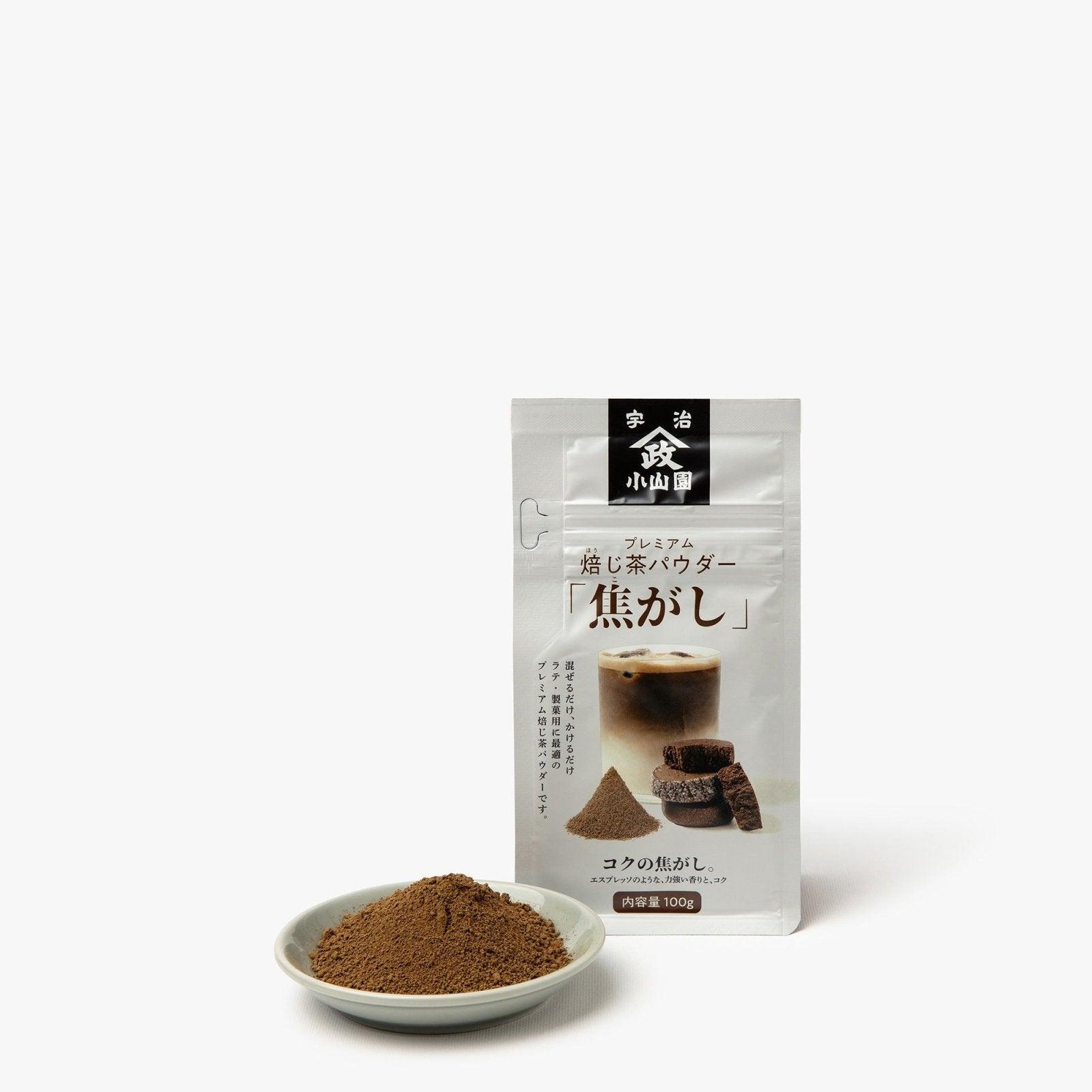
Intense double roasted hojicha tea powder ⋅ Yamamasa Koyamaen ⋅ 100g
⋅ Finely ground Uji hojicha⋅ Ideal for patisserie or latte⋅ Rich, toasty, warm fragrance⋅ Intense taste⋅ Low tea contentThis hojicha is made from a process...
Regular price 10.25 €Prix promotionnel 10.25 € Regular pricePrice per unit 102.50 € per kg -
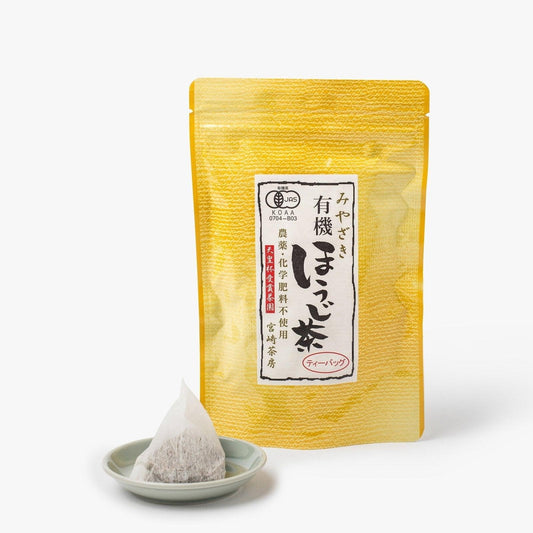
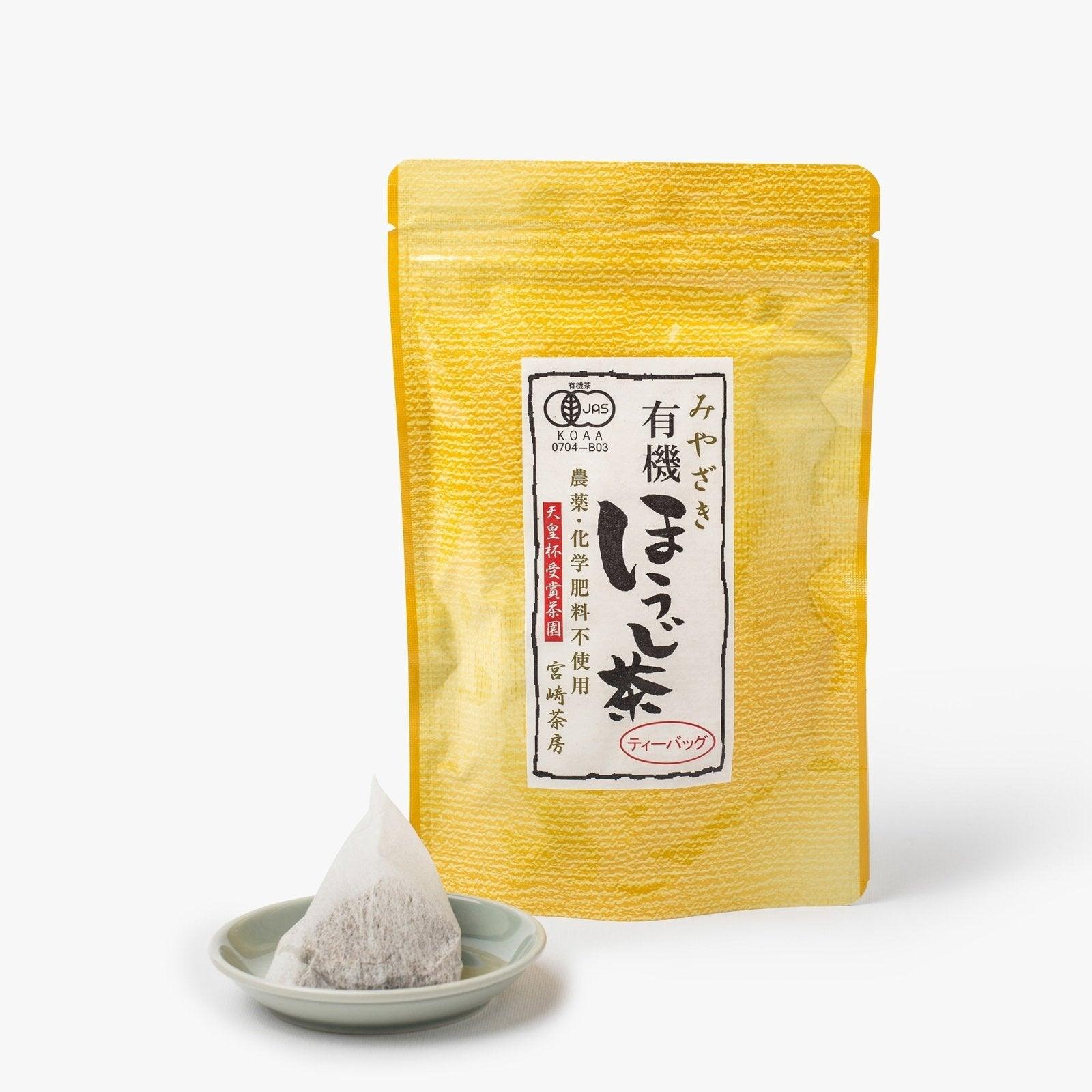
Miyazaki roasted hojicha tea 18 bags ⋅ Miyazaki sabou ⋅ 90g
⋅ Miyazaki's Hojicha⋅ 18 easy-to-brew sachets⋅ Low theine⋅ Rich, toasty taste reminiscent of hazelnut and cocoa⋅ Ideal after a...
Regular price 8.80 €Prix promotionnel 8.80 € Regular pricePrice per unit 97.78 € per kg -
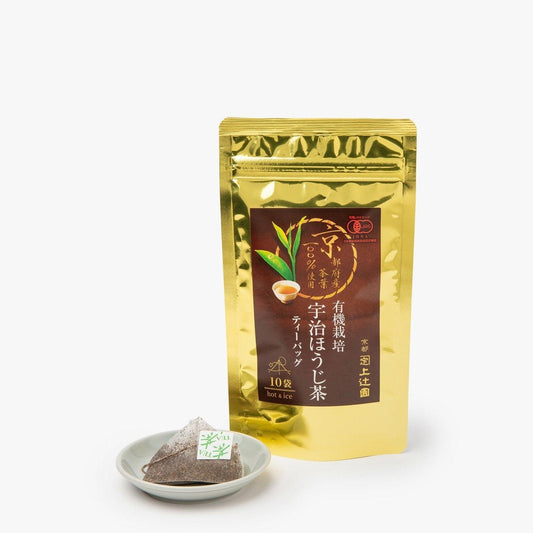
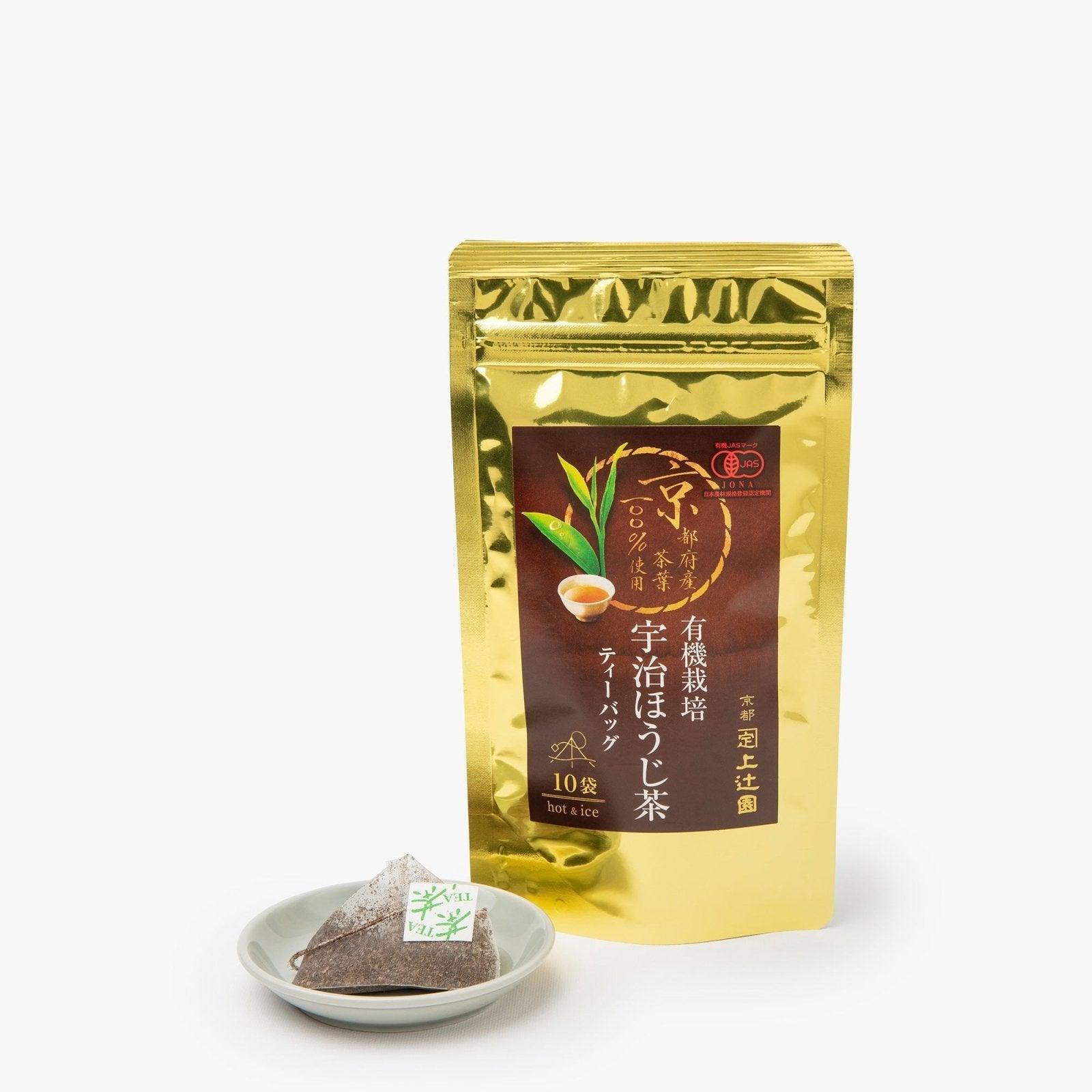
Uji roasted hojicha tea 10 bags ⋅ Kamitsujien ⋅ 30g
⋅ Hojicha d'Uji⋅ 10 easy-to-brew sachets⋅ Roasted flavor reminiscent of chocolate and hazelnut⋅ Low caffeine or theine content⋅ Certified organic by the...
Regular price 8.80 €Prix promotionnel 8.80 € Regular pricePrice per unit 293.33 € per kg -
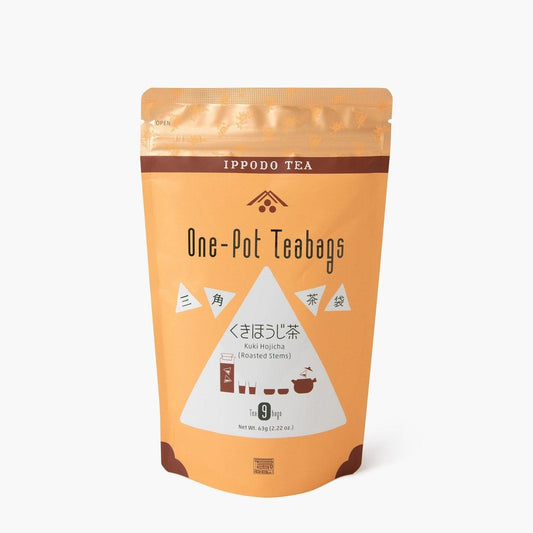
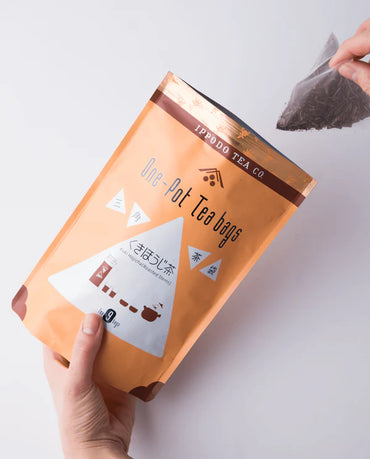
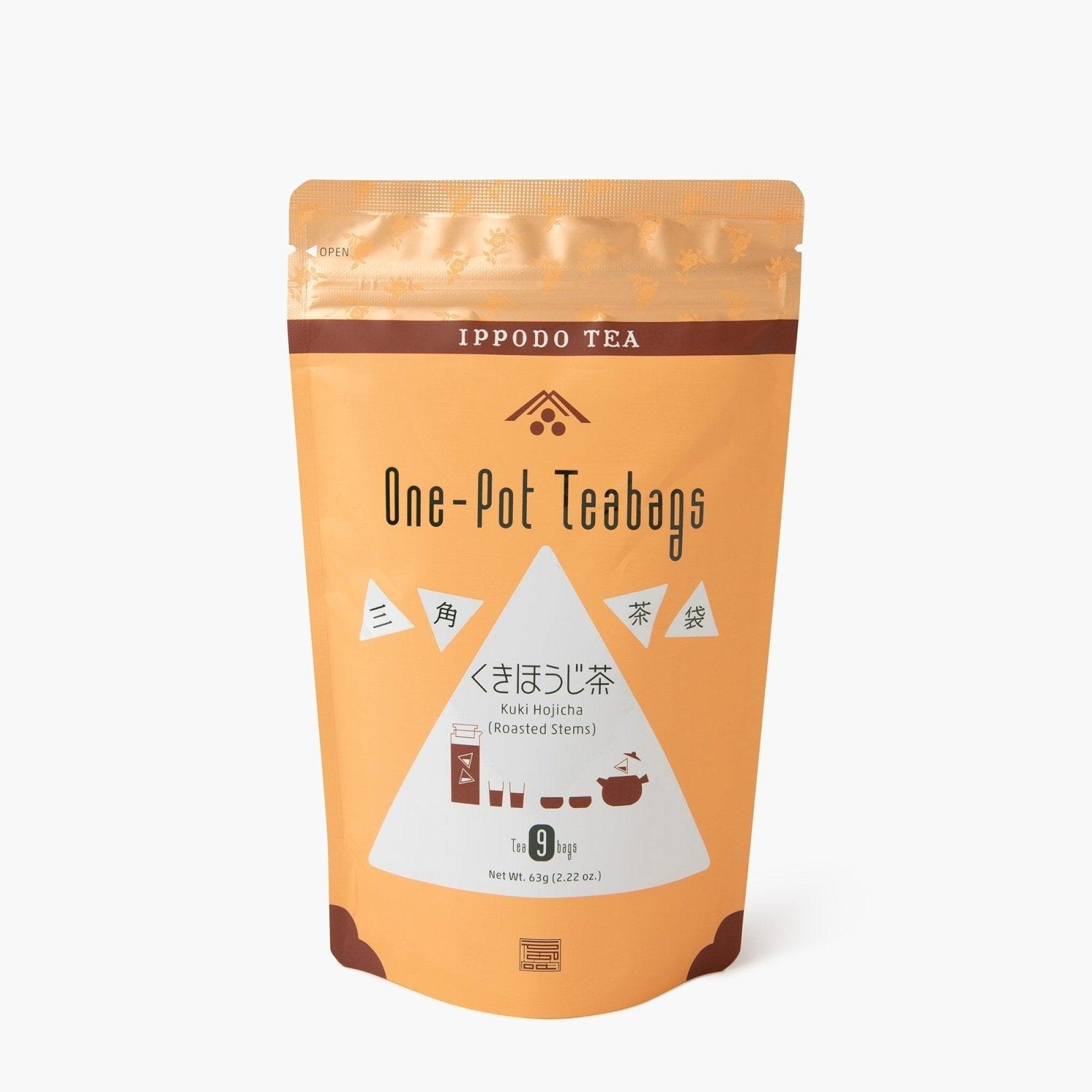
Green stem tea roasted kukicha 9 bags ⋅ Ippodo Tea ⋅ 68g
⋅ Hojicha-style Kukicha⋅ Warm, sweet, toasty notes⋅ Low caffeine⋅ Ideal for lovers of round tea without bitterness⋅ Fragrance that evokes the...
Regular price 15.20 €Prix promotionnel 15.20 € Regular pricePrice per unit 223.53 € per kg -


Loose Tenka roasted hojicha tea ⋅ Yamamasa Koyamaen ⋅ 400g
This hojicha is obtained by roasting sencha green tea over high heat. It was originally made as a cost-saving measure, when the tea lost some of its...
Regular price 24.00 €Prix promotionnel 24.00 € Regular pricePrice per unit 60.00 € per kg -

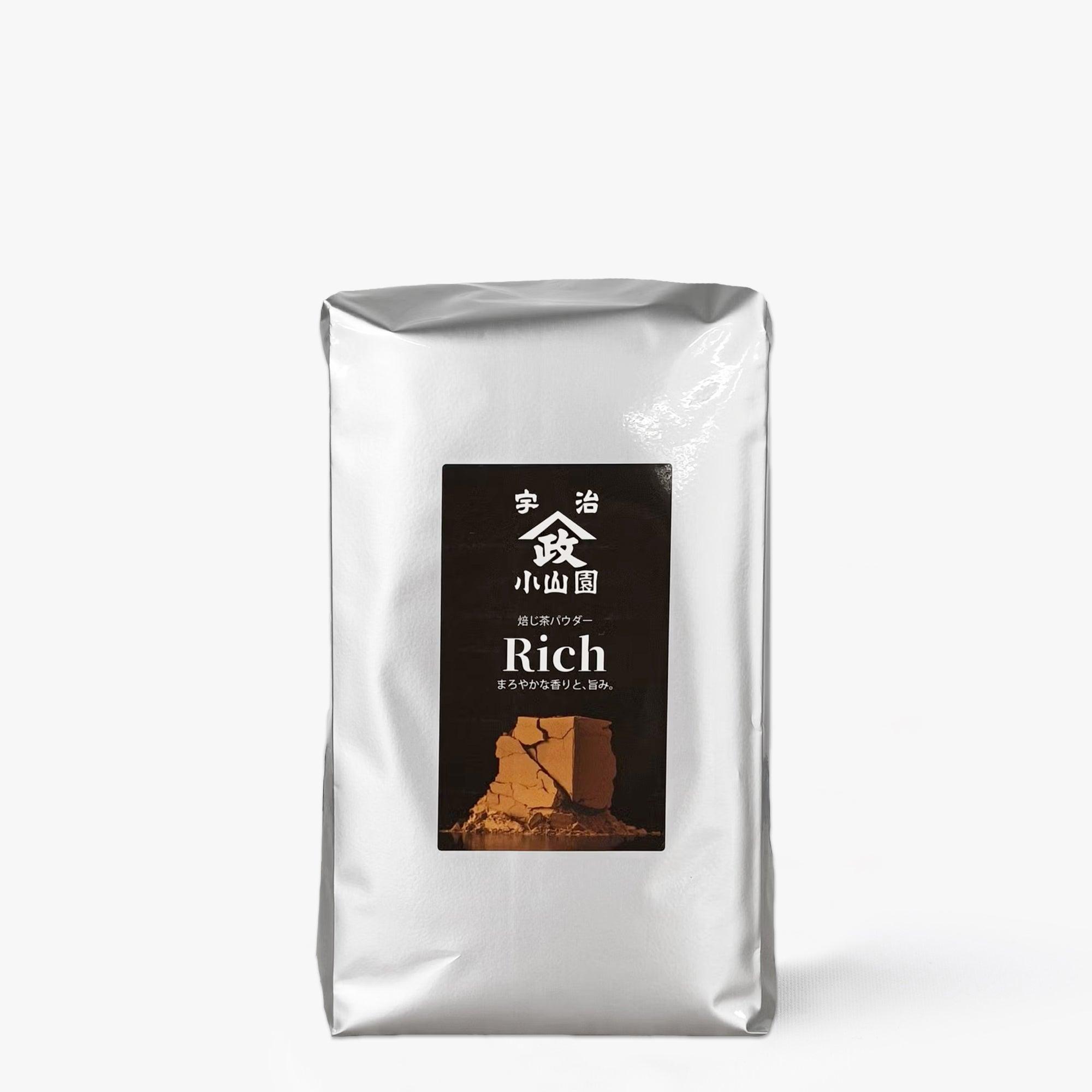
Roasted hojicha tea powder ⋅ Yamamasa Koyamaen ⋅ 1kg
This hojicha powder is used like matcha. Its warm, roasted taste is reminiscent of hazelnut and cocoa, making it an ideal substitute...
Regular price 105.00 €Prix promotionnel 105.00 € Regular pricePrice per unit 105.00 € per kg -


Fukuoka Hojicha Granules for Latte ⋅ Nishifuku Seicha ⋅ 200g
•Allows you to prepare an authentic Hojicha latte•Can be used as flavored sugar for yogurt, cereal, or pastries•Naturally low in caffeineA special blend for lattes, composed of granules...
Regular price 8.50 €Prix promotionnel 8.50 € Regular pricePrice per unit 42.50 € per kg -


Shimizu roasted Hojicha tea ⋅ Japan Agricultural Corporative Shimizu ⋅ 100g
•Very low in caffeine •Ideal at any time of day •Mild, rounded, and toasty flavor A Hojicha tea made exclusively from tea stems and leaves from...
Regular price 16.00 €Prix promotionnel 16.00 € Regular pricePrice per unit 160.00 € per kg -

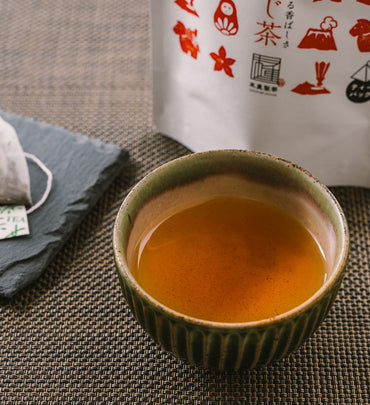

Hojicha roasted tea 10 bags ⋅ Sueshige Seicha ⋅ 20g
Ideal for daily consumption. Contains 10 bags. Packaging decorated with lucky motifs. Perfect as a gift. A roasted hojicha tea with a mild, toasted flavor...
Regular price 11.60 €Prix promotionnel 11.60 € Regular pricePrice per unit 580.00 € per kg


Our favourite hojicha recipes


Find out more about Hojicha tea
What is Hojicha roasted tea?
Le thé Hojicha est un type de thé vert japonais qui se distingue par sa méthode de préparation unique. Contrairement aux thés verts traditionnels, ces feuilles sont grillées plutôt qu'infusées à la vapeur, ce qui leur donne une couleur brunâtre et une saveur douce, noisettée et légèrement fumée. Cette torréfaction réduit également la quantité de caféine, ce qui le rend une option idéale pour ceux qui cherchent une boisson plus douce, notamment en soirée.
Hojicha is often made from bancha (tea with large, ripe leaves) or sencha green teas, which are roasted at high temperatures. This roasting process gives it a rich, comforting taste, perfect for accompanying meals or as a soothing beverage.
This tea is very popular in Japan, where it is drunk both hot and cold, and is often served after meals to aid digestion.
How to prepare Hojicha tea
- Select a quality Hojicha. You can find different varieties, from whole leaf Hojicha to powdered Hojicha (often used for preparations such as desserts).
- Heat the water to around 80-90°C. As Hojicha is roasted, it doesn't need water as hot as other green teas such as Sencha.
- Use about 250 ml of water for 1 teaspoon of Hojicha tea (about 2-3 g of leaves).
- Laissez infuser le Hojicha pendant 1 à 2 minutes. En raison de la torréfaction, il libère rapidement ses arômes, et une infusion trop longue pourrait rendre le thé trop fort. Si vous aimez un goût plus intense, vous pouvez augmenter légèrement le temps d'infusion, mais attention à ne pas trop prolonger pour éviter l'amertume.
- Remove the tea leaves using a sieve or tea strainer. Serve immediately in a mug.
- Le thé peut être réinfusé une à deux fois. Pour chaque nouvelle infusion, réduisez légèrement le temps d'infusion (30 secondes à 1 minute de moins pour chaque infusion suivante).
- Comme pour le matcha, vous pouvez aussi utiliser un fouet pour bien mélanger la poudre, que ce soit lors d’une cérémonie traditionnelle ou simplement pour un moment gourmand. Vous pouvez choisir le Hojicha en sachets pratiques ou en vrac dans une boîte pour plus de commodité.
Additional tips :
- Ce thé peut également être servi froid en été pour une boisson rafraîchissante.
- Vous pouvez adapter la quantité de thé et le temps d'infusion selon la teneur souhaitée.
What are the health benefits of Hojicha tea?
Hojicha tea offers many health benefits thanks to its unique properties, resulting from its roasting and low caffeine content. Here are some of its key benefits:
- Improved digestion: The heat generated during roasting helps to calm and soothe the stomach, making Hojicha an excellent after-meal choice to aid digestion.
- Stress reduction: Being low in caffeine, Hojicha is milder than other green teas, making it an ideal soothing drink for people sensitive to caffeine, especially in the evening.
- Antioxidants: Although roasting reduces some of the antioxidants found in green teas, Hojicha still contains polyphenols and flavonoids, which help fight free radicals and protect the body against disease.
- Metabolic support: Like many green teas, Hojicha can boost metabolism and support weight loss by aiding digestion and promoting good blood circulation.
- Relaxing properties: L-theanine, an amino acid found in tea, promotes a relaxing effect and helps reduce stress and anxiety, contributing to a feeling of calm and serenity.
How does Hojicha tea differ from other teas?
Hojicha tea is distinguished from other roasted teas mainly by its manufacturing process and its taste characteristics:
Method of preparation:
Hojicha is made from green tea (often bancha or sencha), which is roasted at high temperatures after harvesting. Other roasted teas, such as Genmaicha or Kamairi-cha, can also be roasted, but Hojicha is characterized by a longer roasting time, giving it smokier, nuttier aromas.
Taste:
Hojicha has sweet, roasted and caramelized flavors, with hints of smoke. Compared with other roasted teas such as Genmaicha (a blend of green tea and puffed rice), Hojicha has a more subtle taste, without the toasted rice notes. It is often sweeter and less herbaceous than other green teas.
Caffeine:
Due to the roasting process, Hojicha contains less caffeine than other roasted or unroasted green teas, making it an ideal beverage for those seeking to limit their caffeine intake, especially in the evening.
Type of tea used:
Hojicha is often made with bancha, a tea made from more mature leaves, while other roasted teas like Genmaicha use younger leaves, often sencha.
Pourquoi choisir notre thé Hojicha ?
• Une sélection rigoureuse de Hojicha directement importée du Japon, choisie feuille par feuille pour garantir une torréfaction parfaite, un arôme intense et des notes naturellement caramélisées. Chaque lot est soigneusement évalué pour sa fraîcheur, sa couleur et sa saveur, afin de vous offrir un thé qui respecte le savoir-faire traditionnel japonais.
• Un savoir-faire japonais traditionnel, transformant le thé vert en un thé au caractère unique grâce à la torréfaction
Peut-on consommer le Hojicha comme un latte ?
Oui ! Le Hojicha, grâce à sa torréfaction douce et son goût légèrement caramélisé, se prête parfaitement à une préparation type latte. Vous pouvez le mélanger avec du lait chaud ou des alternatives végétales (amande, soja, avoine) pour obtenir une boisson crémeuse et réconfortante.
Pour un latte encore plus savoureux, vous pouvez légèrement sucrer avec du sirop d’érable ou du miel.


