


Collection: Japanese noodles
Japan may be the land of rice, but there's more to life than sushi, and noodles occupy a special place in Japanese daily life. It is said that there are as many recipes as there are villages. Their price, ease of preparation and adaptability explain their great popularity. Most are wheat-based, but there are also buckwheat, seaweed and vegetable versions. Taste them all to find your favorite!


-
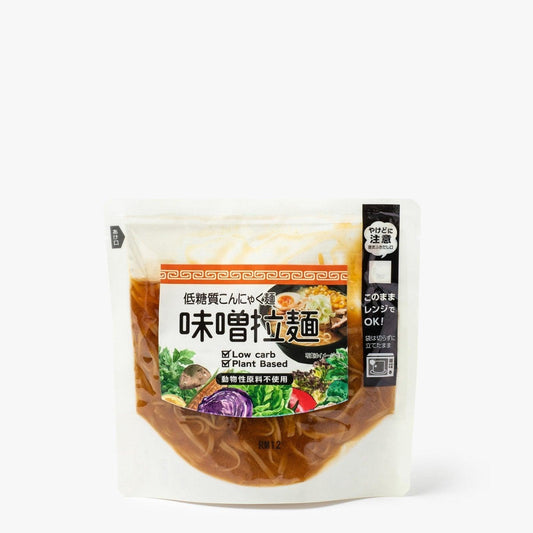
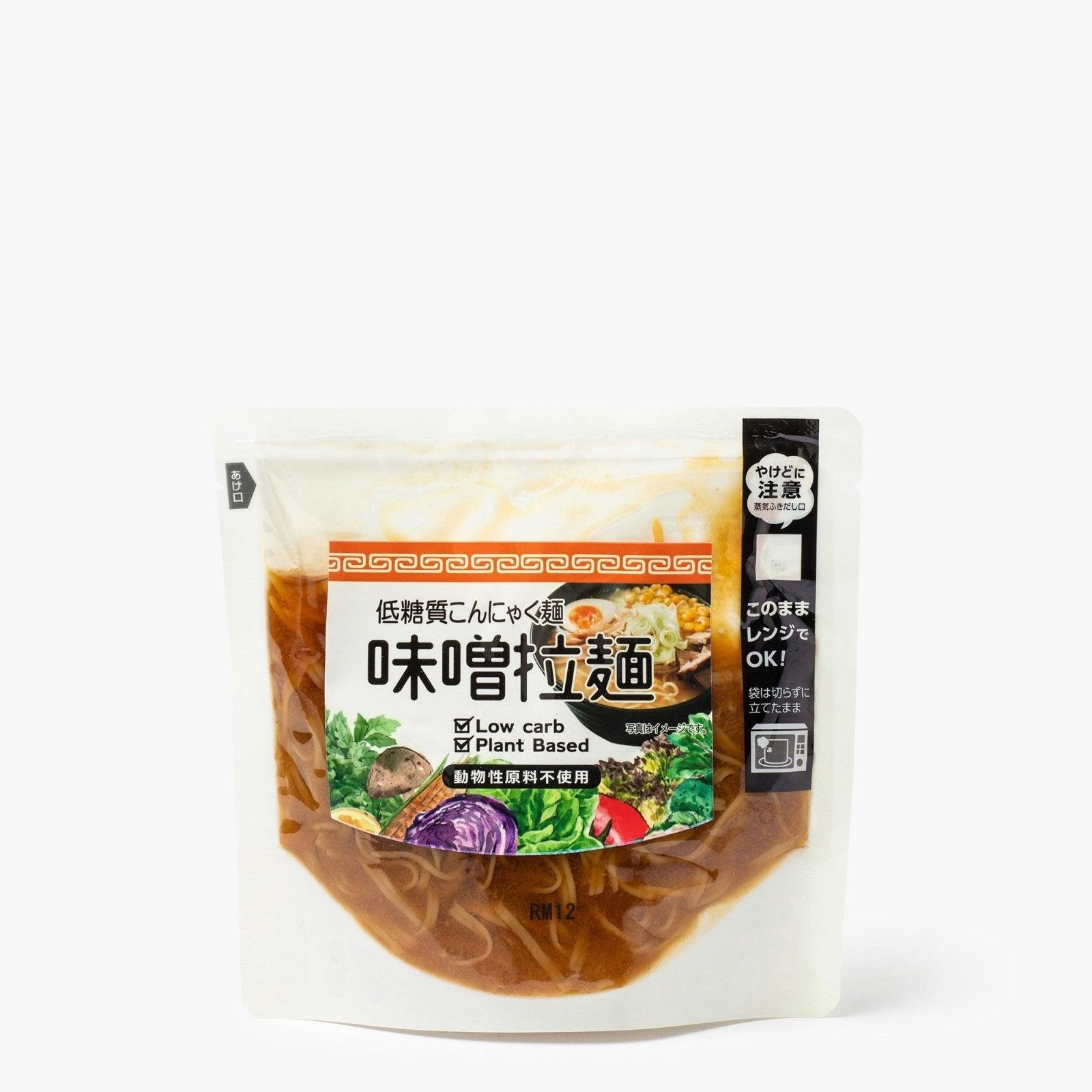
Konjac ramen with miso ⋅ Ohara ⋅ 285g
⋅ Konjac ramen and miso soup⋅ Low-calorie, high-fiber and gluten-free⋅ Perfect for soups, stews or stir-fries⋅ Ready in just a few...
Regular price 2.40 €Prix promotionnel 2.40 € Regular price 4.80 €Price per unit 8.42 € per kg
Our favorite Japanese noodle recipes!
-
Recipe for vegetable yasai soba
See the recipe
-
Recipe Fresh soba noodles
See the recipe
-
Instant ramen at home
See the recipe
-
Summer Somen recipe with kaeshi broth
See the recipe
-
Tomato and tuna somen recipe
See the recipe
-
Home-made Tonkotsu Ramen
See the recipe
-
Recipe Sesame Somen with Vegetables
See the recipe


Find out more about Japanese noodles
What are the different types of Japanese noodles?
Japanese noodles come in several types, each with its own unique characteristics. The ramen are thin wheat noodles, often served in a rich, flavorful broth. The udon are thick, chewy noodles, also made from wheat, and are often served in a light broth. The soba are thinner buckwheat-based noodles, known for their slightly grainy texture and earthy flavor. In addition to these varieties, there are also somen noodles (thin and white, usually served cold) and shirataki (konjac-based, very low-calorie).
What's the difference between ramen, udon and soba noodles?
Ramen, udon and soba differ mainly in their ingredients, texture and method of preparation. The ramen are made from wheat, often served in a rich meat or fish broth, and have a firm texture. The udonalso made from wheat, are much thicker and chewier, with a softer texture, ideal for light or slightly spicy soups. The soba are made from buckwheat, which gives them a brown color and earthier flavor. They are often served cold with a dipping sauce (tsuyu) or hot in a broth.
How to choose the right noodles for a Japanese recipe?
The choice of Japanese noodles depends on the dish you wish to prepare. For a comforting bowl of ramen, choose ramen noodles that absorb the flavors of the broth. If you want a lighter dish, udon noodles with their thick texture are perfect for light soups or stir-fried dishes. For a lighter, more nutritious option, soba are ideal, especially for cold salads or hot soups. For a low-calorie dish, konjac-based shirataki noodles are an excellent alternative.
How to cook Japanese noodles without sticking them?
To cook Japanese noodles without sticking, be sure to immerse them in plenty of unsalted boiling water. Stir immediately after adding them to the water to prevent them from sticking together. Once cooked, drain and rinse immediately under cold water to remove excess starch, especially for soba noodles. Adding a little oil after rinsing can also help prevent them from sticking, especially if they are to be set aside before serving.
What's the difference between hand-drawn noodles and other types?
The secret lies in the ratio of water to flour in the dough.
Machine-made noodles generally contain around 40% water, while hand-drawn noodles contain around 50%. It is very difficult to obtain a ratio higher than 50%, even when working with hand-drawn noodles.
Water enables the formation of gluten in the dough, which gives the noodles their elasticity and adherence.
What's more, the higher the water ratio, the faster the noodles will be rehydrated, significantly speeding up cooking time and reducing the risk of noodle damage.


