


-


Owari Otokoyama sake in a can ⋅ 14% ⋅ 200ml
⋅ Balanced sake⋅ Convenient can size for trying out⋅ Umami profile⋅ Notes of lactic fermentationThis sake, bearing the iconic name "Otokoyama," is a classic choice for...
Regular price 4.20 €Promotional price 4.20 € Regular priceUnit price 21.00 € by l

Maru Sake ⋅ Hakutsuru ⋅ 13.5% ⋅ 500ml
•A 4-step koji method for intense umami.•Best enjoyed neat •Enhances sukiyaki, nabe, meat, and fish.A Japanese sake made exclusively from Japanese ingredients. Its umami flavor is...
Regular price 9.45 €Promotional price 9.45 € Regular priceUnit price 18.90 € by l

Tsukinami-no-Nami Futsushu Sake ⋅ 15% ⋅ 720ml
•Dry and crisp flavors, brewed using the "" method •Pairs well with meat, fish, soups, and stewsA Futsushu sake with dry and lively aromas, created in...
Regular price 23.00 €Promotional price 23.00 € Regular priceUnit price 31.94 € by l

Ginsen Kikusui Futsushu Sake ⋅ 15% ⋅ 180ml
•A futsushu sake from the Shinshu region•An everyday sake, semi-sweet and without bitterness.•Perfect served hot or cold, it pairs well with sushi, tempura, or rice.•Affordable and...
Regular price 5.00 €Promotional price 5.00 € Regular priceUnit price 27.78 € by l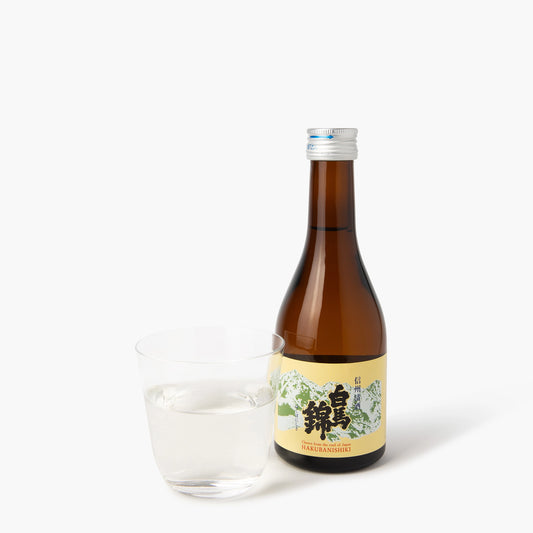
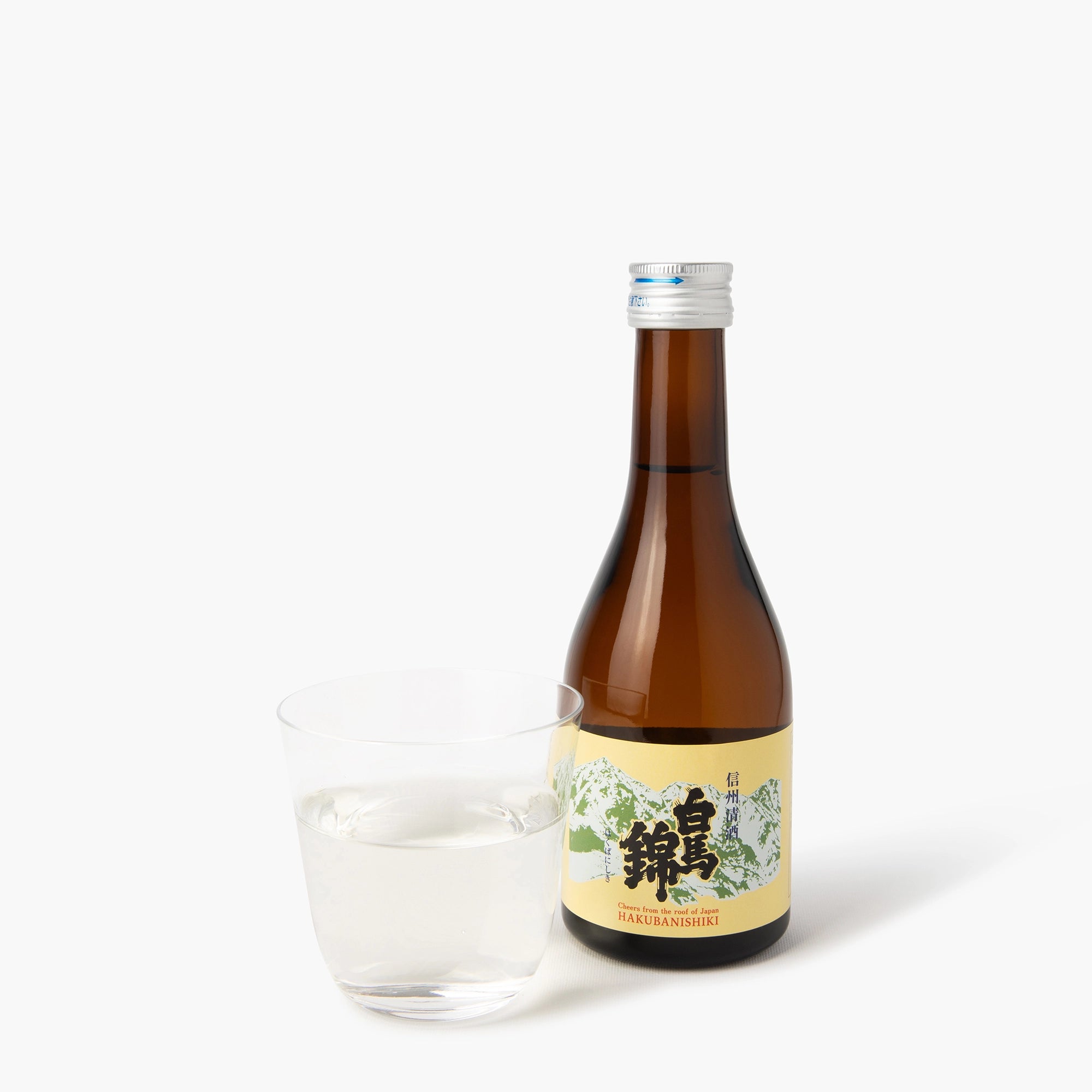
Futsushu sake Uma Kara Hakuba Nishiki ⋅ 14.9% ⋅ 300ml
• Aromas of white fruit and grains• Perfect with yakitori, gyozas, and tsukemono• A sweet and subtle sakeA futsushu umakuchi sake with sweet and slightly dry...
Regular price 11.50 €Promotional price 11.50 € Regular priceUnit price 38.33 € by l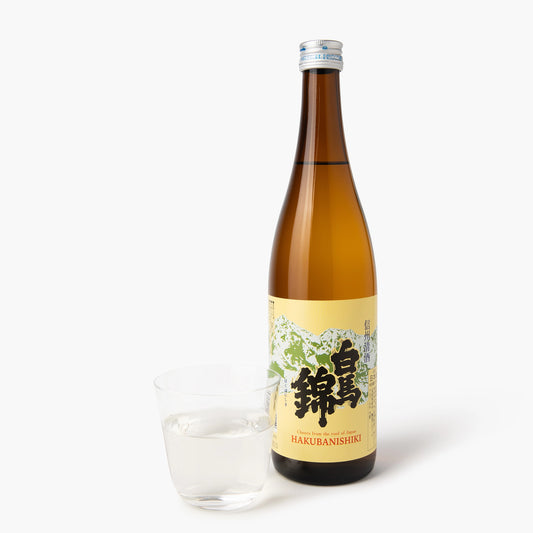
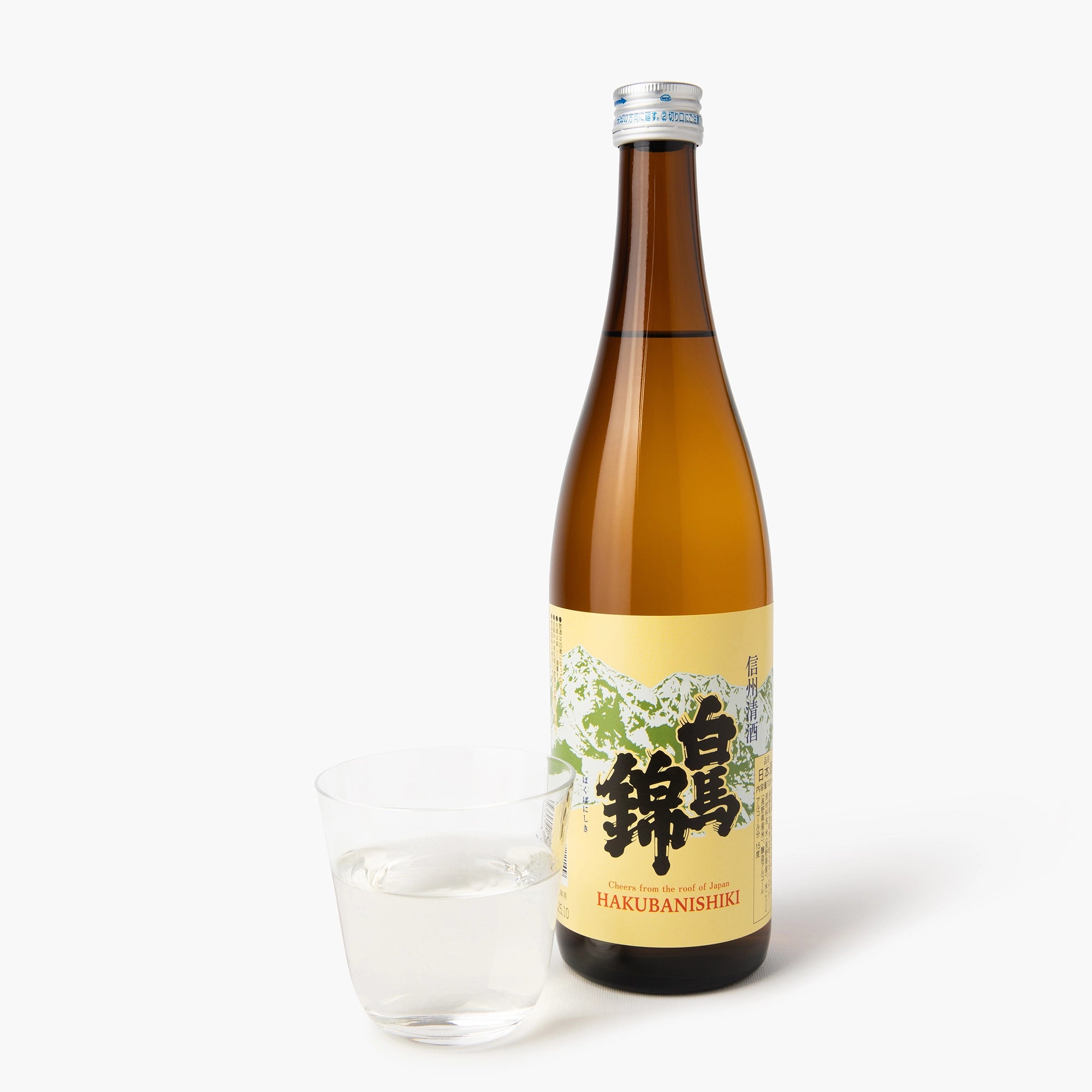
Futsushu sake Uma Kara Hakuba Nishiki ⋅ 14.9% ⋅ 720ml
• Aromas of white fruit and grains• Perfect with yakitori, gyozas, and tsukemono• A sweet and subtle sakeA futsushu umakuchi sake with sweet and slightly dry...
Regular price 24.00 €Promotional price 24.00 € Regular priceUnit price 33.33 € by l

Ginsen Kikusui Futsushu Sake ⋅ 15% ⋅ 300ml
•A futsushu sake from the Shinshu region•An everyday sake, semi-sweet and without bitterness.•Perfect served hot or cold, pairs well with sushi, tempura, or rice.•Affordable and versatile,...
Regular price 7.60 €Promotional price 7.60 € Regular priceUnit price 25.33 € by lLearn more about futsushu sake
How is futsūshu different from junmai or ginjo sake?
Futsūshu sake differs from junmai and ginjo in its production method, rice polishing ratio, and category. Unlike junmai, which contains only rice, water, koji, and no added alcohol, futsūshu may include a small amount of added alcohol to adjust the flavor. It is also less demanding when it comes to rice polishing, often exceeding 70%, whereas ginjo and daiginjo require a much lower polishing ratio for more delicate aromas.
Less refined but more affordable, futsūshu remains the most common type of Japanese sake in Japan. It is an everyday drink, often served at room temperature or warm, whereas ginjo or daiginjo sakes are enjoyed chilled, like a good white wine or a light whisky.
Futsūshu is therefore a simple and authentic product, often used in cooking or paired with Japanese dishes, while premium sakes such as junmai ginjo or a dassai are more often reserved for drinking on their own.
How is a quality futsūshu made?
A quality futsūshu starts with a rigorous selection of Japanese rice, often less polished than rice used for junmai or ginjo, but always suitable for sake production. The rice is steamed and then inoculated with koji, an essential ferment that transforms starch into fermentable sugars.
Next, pure water (often from a local spring) and yeast are added to start fermentation. What distinguishes futsūshu is the measured addition of distilled alcohol (often made from rice or sugarcane) - a practice permitted in this category of sake to balance the flavors, lighten the texture, or enhance certain aromas.
At a renowned Japanese brewery (such as Ozeki, Kubota, or Kawasemi), a good futsūshu follows a precise fermentation period and expertise that ensures a rounded, dry, or slightly umami taste depending on the style. Some are even made as genshu (undiluted) for a higher-alcohol profile.
At what temperature should futsūshu be served?
Futsūshu, Japanese sake for everyday drinking, can be enjoyed at different temperatures depending on the type, the brewery of origin, and the desired effect on the taste. Traditionally, it is served hot (kanzake), between 40 and 55 °C, to bring out its rounded aromas, soften its acidity, and enhance its umami. This method is ideal for rich or rustic futsūshu, often served in izakaya in Japan.
However, a higher-quality futsūshu, carefully produced by breweries such as Ozeki, Kubota, or Kawasemi, can also be enjoyed at room temperature (20 °C) or slightly chilled (10–15 °C), especially if it has a more balanced or fruity flavor.
The choice also depends on the Japanese dishes served alongside it: hot with simmered or fried dishes, chilled with sashimi or vegetables. In all cases, futsūshu is a versatile product, less formal than junmai, ginjo, or daiginjo sake, but it deserves your full attention when tasting.
Which dishes does futsūshu pair best with?
Futsūshu, everyday Japanese sake, pairs perfectly with a wide variety of everyday Japanese dishes. Thanks to its simple, balanced flavor, it complements both hot and cold dishes. Served warm or at room temperature, it pairs very well with rich dishes such as tonkatsu (breaded pork), yakitori, and nabemono (Japanese hot pots).
For lighter pairings, slightly chilled futsūshu also goes well with grilled vegetables, stir-fried tofu, or dishes made with rice and fish (chirashi, donburi). It is ideal as an everyday drink, whereas a junmai or daiginjo would be reserved for a more ceremonial tasting.
Is it suitable for cocktails or cooking?
Yes, futsūshu is perfectly suited to Japanese cuisine as well as cocktails. This type of Japanese sake is ideal for cooking traditional dishes: sushi rice, teriyaki sauces, nabe, and fragrant broths. It adds roundness, umami, and a subtle alcoholic note that evaporates during cooking.
As a drink, futsūshu can also be used in cocktails, such as a Sake Tonic, or combined with yuzu, ginger, or even spirits like Japanese whisky or shochu for original blends. Some sparkling or genshu futsūshu (undiluted) are well suited to this type of creation.

Your cart (0)
Spend 50.00 € to benefit from free delivery


