


-
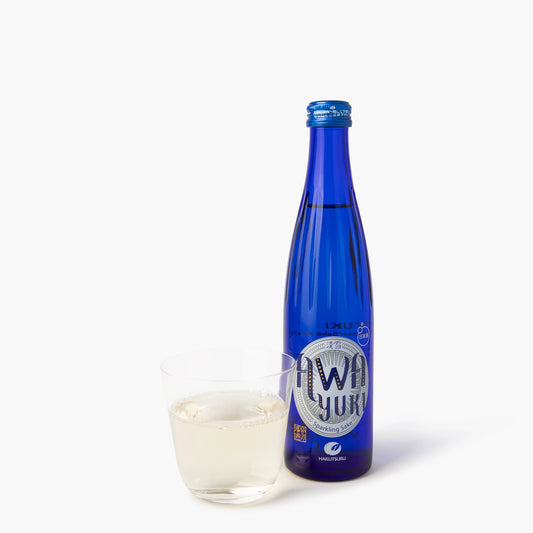
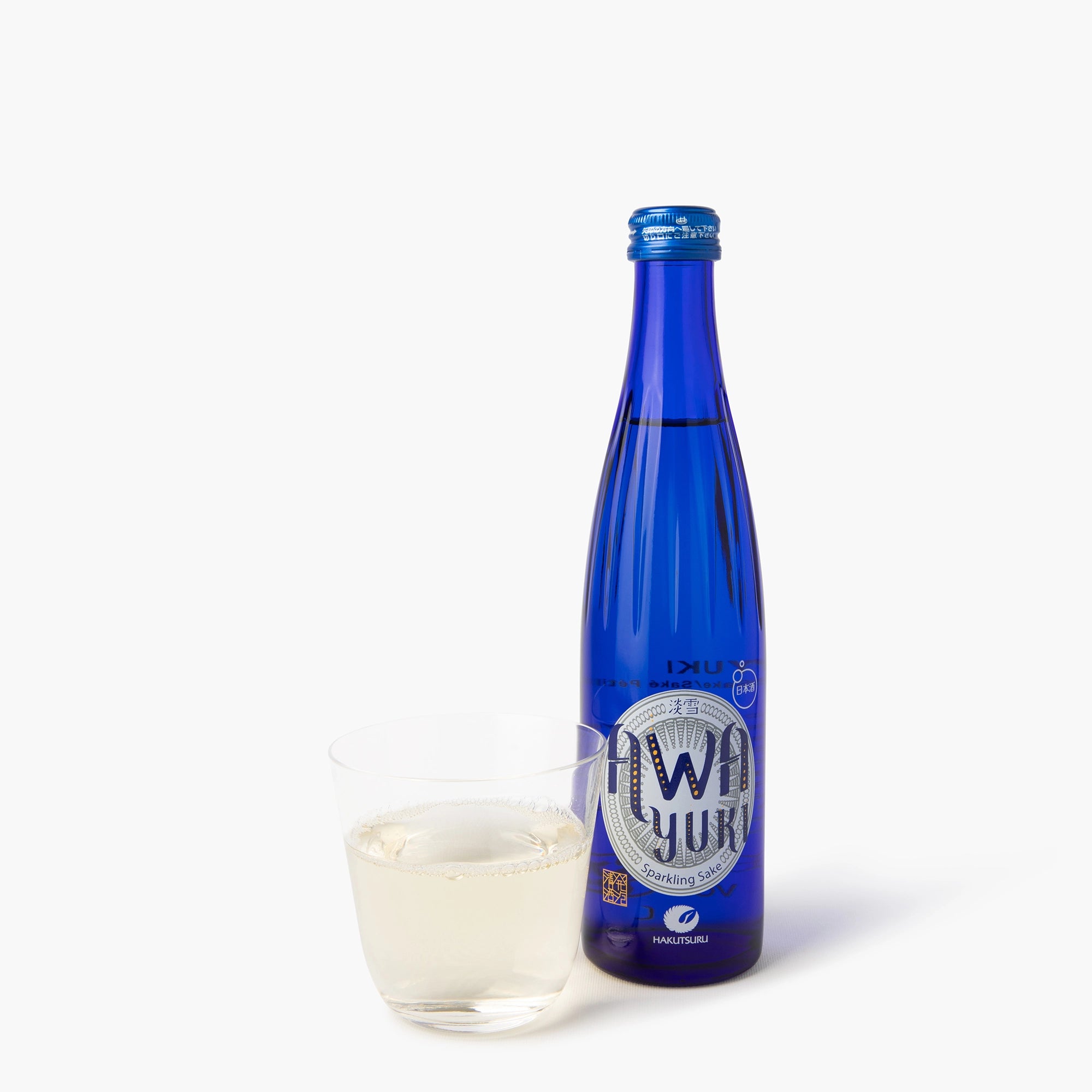
Awayuki sparkling junmai sake ⋅ 5.5% ⋅ 300ml
⋅ Refreshing sparkling sake⋅ Soft profile with naturally fruity notes⋅ Ideal chilled on its own or in a cocktail⋅ Pairs well with cheeses, creamy dishes, and...
Regular price 13.00 €Promotional price 13.00 € Regular priceUnit price 43.33 € by l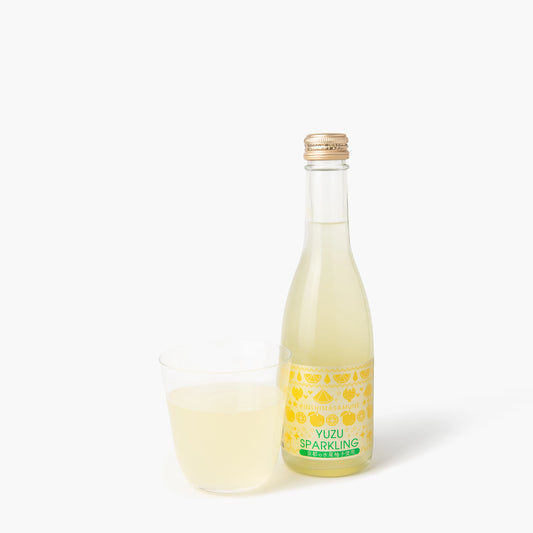
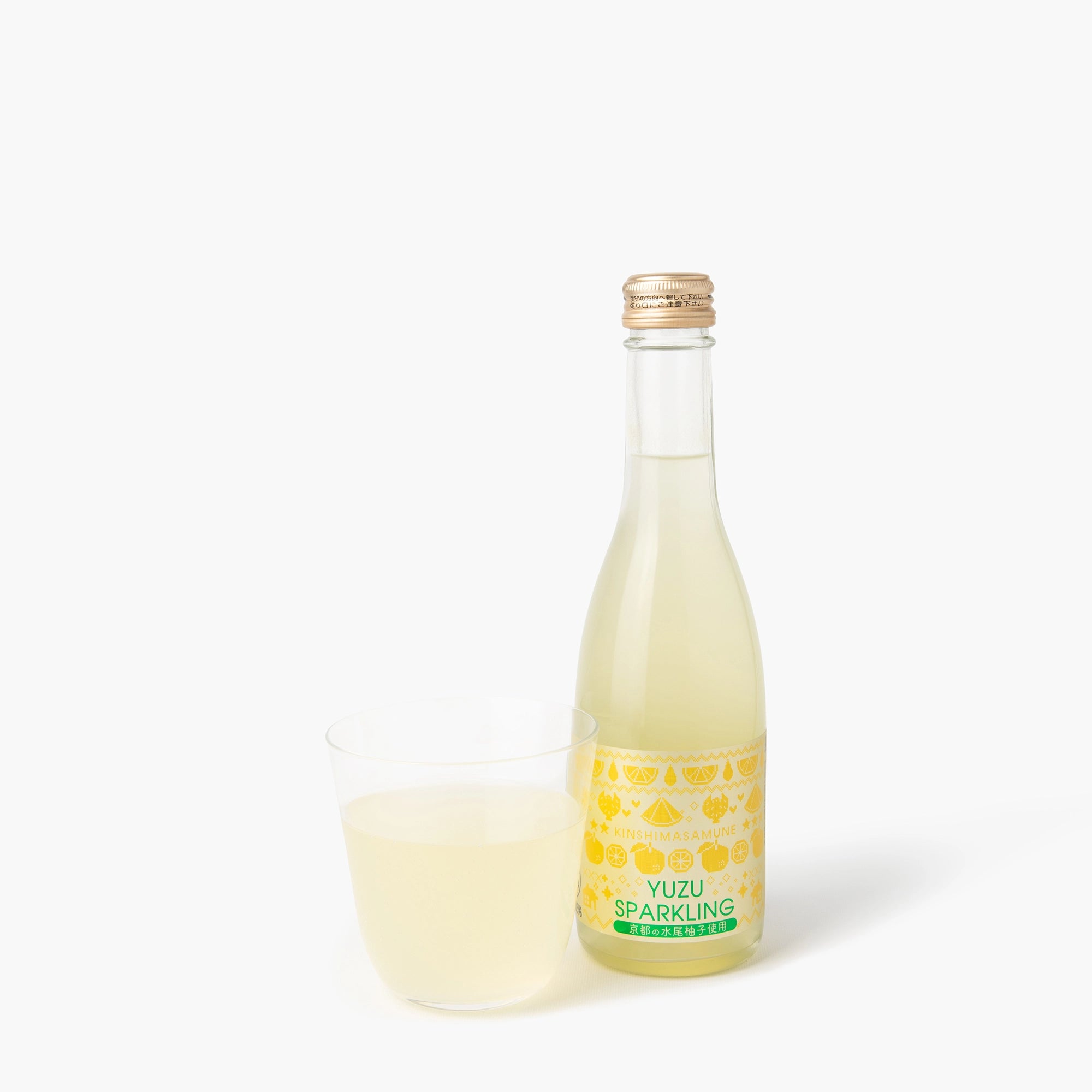
Sparkling yuzu liqueur ⋅ 6% ⋅ 250ml
• Made with a generous amount of yuzu juice• Enhances the natural tartness• Best enjoyed neat or on the rocksA lightly sparkling liqueur crafted with a...
Regular price 16.00 €Promotional price 16.00 € Regular priceUnit price 64.00 € by l
Learn more about sparkling sake
Is sparkling sake sweet or dry?
Sparkling saké generally has a soft, light texture, with fine bubbles and a low alcohol content. Most Japanese sparkling sakés are slightly sweet, particularly those produced using the natural fermentation method. They offer fruity aromas of apple, pear, or citrus, making them very popular in cocktails or as an aperitif.
Some sparkling sakés, such as Shichiken Shuwa or Kid Yamanokasumi, offer a drier, livelier palate, ideal for those seeking more balanced flavors. At a glance, the type of rice, the brewery (shuzo), and the production process influence the product’s final profile.
Which yeast is used to produce the effervescence?
The effervescence of sparkling sake is generally produced by natural fermentation in the bottle, thanks to traditional sake yeasts (kobo). These yeasts convert the sugar in the rice into alcohol and release carbon dioxide, creating the fine bubbles typical of sparkling sake.
Some Japanese breweries, such as Shichiken and Kid, use specific strains to preserve freshness, fruity aromas (apple, pear, citrus) and a light texture. This process gives the product a unique character, without adding external carbonation.
Does sparkling sake contain sulfites or additives?
No, Japanese sparkling sake generally contains neither sulfites nor additives. Made from rice, water, and yeast, this product relies on natural fermentation to create the bubbles (as in Shichiken's shuwa or Yamanokasumi).
Unlike some sparkling wines, Japanese sparkling sakes follow traditional methods without chemical additives, offering a pure, light, low-alcohol drink. Ideal for lovers of natural sake and fresh flavors.
Which dishes pair well with sparkling sake?
Sparkling sake pairs perfectly with light and refined dishes. Its lively texture, delicate bubbles, and aromas of apple, pear, or citrus make it an excellent companion for sushi, ceviche, tartare, or fresh cheeses. It also enhances fruit-based desserts and sweet-and-savory dishes.
This type of Japanese sake, such as sparkling junmai or daiginjo, reveals all its freshness as an aperitif or in a cocktail, offering a fresh perspective on sake and food pairings.
Can it be used in cocktails?
Yes, sparkling sake can be used in cocktails! It elegantly replaces prosecco or champagne in light and original creations.
Sparkling sakes such as Shichiken Shuwa or Yamanokasumi provide a smooth texture and low alcohol content, ideal for festive Japanese-style drinks. A popular product for reinventing aperitifs.
What is the best serving temperature?
The best serving temperature for sparkling sake is between 5°C and 8°C, well chilled like sparkling wine. Served at a low temperature, it reveals all its freshness, delicate aromas, and the fineness of its bubbles.
This temperature also enhances its light texture and fruity notes. Ideally, serve it in a flute to fully appreciate this sparkling Japanese product.


