


Collection: Japanese plum Ume
The ume is a plum that has been part of Japanese history and culture since ancient times. It is one of the most widely eaten fruits in Japan, but never raw. It is mainly processed into umeboshi, ume soaked in brine and then dried, which traditionally accompanies white rice. Its high organic acid content and wealth of vitamins and minerals make ume a highly beneficial fruit for the health.

-


Plum paste ume ⋅ House foods ⋅ 35g
⋅ Easy-to-use umeboshi paste in tube⋅ Deeply sweet⋅ sour⋅ flavor⋅ Perfect pure, in marinade or diluted in sauce or vinaigrette⋅ Alternative to ginger...
Regular price 3.50 €Prix promotionnel 3.50 € Regular pricePrice per unit 100.00 € per kg -


Plum Tsukemono with shiso yukari ⋅ Mitsuokuya ⋅ 105g
⋅ Umeboshi plums macerated in salt and combined with shiso leaves⋅ Salty, tangy, herbaceous flavor⋅ A must for spicing up rice, soups and saladsA basic ingredient...
Regular price 8.95 €Prix promotionnel 8.95 € Regular pricePrice per unit 85.24 € per kg -


Plum paste ume ⋅ Kinjirushi wasabi ⋅ 250g
⋅ Umeboshi paste in a tube, easy to use⋅ Fruity, salty and deep fragrance⋅ Perfect pure, in marinade or diluted in sauce or vinaigrette⋅ Plums from...
Regular price 8.90 €Prix promotionnel 8.90 € Regular pricePrice per unit 35.60 € per kg -


Umeboshi marinated plums ⋅ Hamada ⋅ 140g
⋅ Made from Wakayama plums⋅ Perfect for enhancing sauces and vinaigrettes⋅ Fruity taste, both tangy and salty⋅ Perfect accompaniment to meats...
Regular price 8.90 €Prix promotionnel 8.90 € Regular pricePrice per unit 63.57 € per kg -


Ume plum furikake seasoning ⋅ Mishima Foods ⋅ 12g
⋅ Furikake with umeboshi⋅ Very versatile, add to any type of dish⋅ Delicious as a topping on a bowl of rice, on your onigiris, in a salad⋅...
Regular price 3.50 €Prix promotionnel 3.50 € Regular pricePrice per unit 291.67 € per kg -
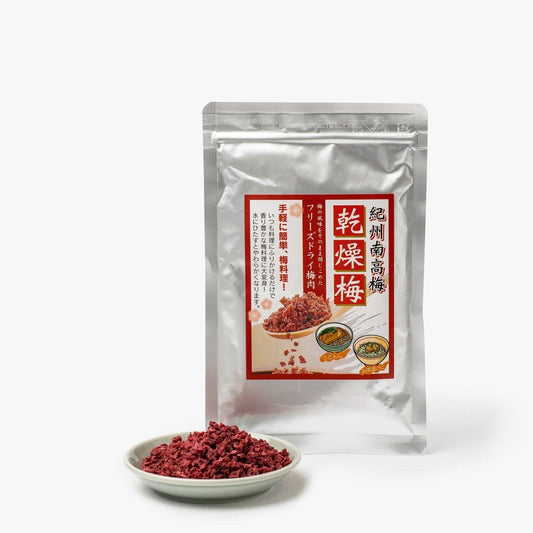
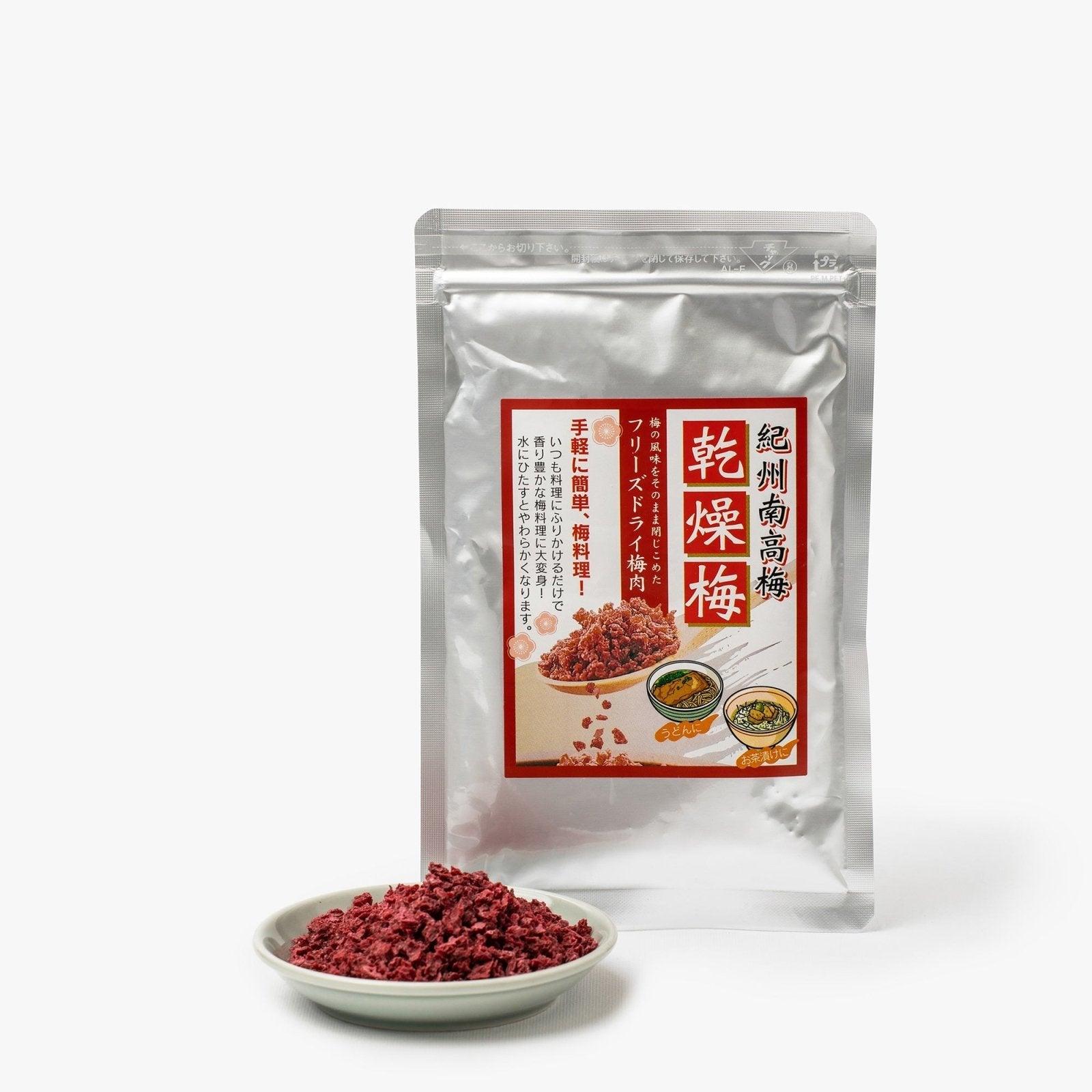
Freeze-dried umeboshi marinated plums ⋅ Maruso ⋅ 40g
⋅ Made with Wakayama plums⋅ Crunchy texture⋅ Sweeter taste than whole umeboshi⋅ To add color and freshness to preparations⋅ On...
Regular price 9.90 €Prix promotionnel 9.90 € Regular pricePrice per unit 247.50 € per kg -


Plum syrup ume ⋅ Hamada ⋅ 490ml
⋅ Ready-to-use ume plum syrup⋅ Slightly sweet, deliciously tart⋅ Beautiful amber color⋅ Perfect in your cocktails & mocktails⋅ Can be used in vinaigrettes, marinades...
Regular price 14.00 €Prix promotionnel 14.00 € Regular pricePrice per unit 28.57 € per l


Umeshu Japanese plum liqueur
-


Plum liqueur Umeshu Genshu ⋅ 19.7% ⋅ 700ml
Regular price 25.00 €Prix promotionnel 25.00 € Regular pricePrice per unit 35.71 € per l -


Plum liqueur Nihonshu shikomi no umeshu ⋅ 10% ⋅ 720ml
Regular price 29.00 €Prix promotionnel 29.00 € Regular pricePrice per unit 40.28 € per l -


Plum liqueur Kurashikikomachi Umeshu ⋅ 12% ⋅ 500ml
Regular price 18.00 €Prix promotionnel 18.00 € Regular pricePrice per unit 36.00 € per l -


Plum liqueur umeshu with red shiso yukari Nakano ⋅ 12% ⋅ 180ml
Regular price 7.80 €Prix promotionnel 7.80 € Regular pricePrice per unit 43.33 € per l -


Plum liqueur Kuromatsu senjo Umeshu ⋅ 12% ⋅ 720ml
Regular price 26.00 €Prix promotionnel 26.00 € Regular pricePrice per unit 36.11 € per l -


Umeshu plum liqueur with fruit ⋅ 14.3% ⋅ 180g
Regular price 7.80 €Prix promotionnel 7.80 € Regular pricePrice per unit 43.33 € per kg -


Plum liqueur Zen Brandy Umeshu ⋅ 19% ⋅ 375ml
Regular price 26.00 €Prix promotionnel 26.00 € Regular pricePrice per unit 69.33 € per l -


Plum liqueur Ichi Awamori Umeshu ⋅ 13% ⋅ 375ml
Regular price 26.00 €Prix promotionnel 26.00 € Regular pricePrice per unit 69.33 € per l


Find out more about Japanese plums
What's the difference between ume and a classic plum?
Theume (梅) is often called the Japanese plum, but this fruit is actually closer to theapricot tree than to the European plum. Unlike classic plums, which are sweet and juicy when ripe, ume is highly acidic and contains a lot of tannin, making it difficult to eat raw.
It is mainly processed into umeboshi (salted plums in brine), syrup, ume vinegar or umeshu, a Japanese liqueur appreciated for its balance between acidity and sugars.
Classic plums are often used in pastries, while ume is a key ingredient in Japanese cuisine, notably as a condiment to accompany rice, vegetables or fish. Its virtues are also recognized, notably for digestion and intestinal health, thanks to its fiber and antioxidants.
What are the main ume-based products?
Here are the main ones ) based on ume:
- Umeboshi (梅干し): Plums fermented in brine with salt, sometimes with shiso for an intense red color. They are renowned for their highly acidic taste and digestive properties.
- Umeshu (梅酒): Japanese liqueur made from ume macerated in alcohol with sugar. Appreciated for its balance of acidity and sweetness.
- Ume vinegar (梅酢): Liquid produced from the fermentation of umeboshi, used as a seasoning in Japanese cuisine to season vegetables, rice or fish.
- Ume syrup: Sweet extract obtained by macerating plums, ideal for refreshing beverages or to garnish desserts.
- Umeboshi flakes: Dried version, reduced to small pieces, often mixed with furikake to season rice.
- Umeboshi paste: Concentrated plum purée, used as a condiment in sauces, sushi or noodle dishes.
How to make homemade umeboshi?
Umeboshi is a Japanese plum fermented in brine, with an acidic, salty taste, often eaten with rice or used as a condiment. Here's the traditional process for making them at home:
Ingredients:
- 1 kg green or slightly yellow ume plums
- 150-200 g salt (15-20% of the weight of the plums)
- Red shiso leaves (optional, for an intense red color)
- A weight for fermentation
Preparation:
- Wash and dry plums thoroughly. Remove stems to avoid bitterness.
- Rub plums with salt and place in a jar, alternating layers of plums and salt.
- Place a weight on the plums and leave to ferment in a cool, dark place for 2-4 weeks. A liquid called ume (umezu) vinegar will form.
- (Optional) Add the shiso leaves after rubbing them with salt to release their color.
- Dry plums in the sun for 3 days, turning regularly. This intensifies their flavor.
- Return to brine or store as is in an airtight jar.
After several months of maturing, your umeboshi will be ready to enjoy! They intensify with age and gain in flavor
What are their health benefits?
- Aids digestion: Thanks to its natural acidity and high fiber content, ume stimulates the digestive system, helps relieve bloating and promotes good intestinal transit.
- Alkalizing properties: Despite its acidic taste, ume helps balance the body's pH by reducing excess acidity, contributing to a better metabolism.
- Rich in antioxidants: Ume contains polyphenols and flavonoids, which combat oxidative stress and cellular aging.
- Detoxifying and energizing: Umeboshi, often eaten in the morning with rice, is considered a natural booster, helping to eliminate toxins and revitalize the body.
- Boosts immunity: Thanks to its vitamin and mineral content, ume supports natural defenses, particularly during periods of fatigue or seasonal changes.
- Anti-fatigue effect: In Japan, umeshu is often recommended in small quantities for its relaxing properties, while umeboshi is consumed to recharge the body after intense effort.
- Antibacterial action: Ume is traditionally used to prevent certain infections, thanks in particular to its active components, which inhibit the growth of bacteria.
Where does ume grow in Japan?
Ume is grown mainly in Japan's temperate climates, with mild winters and humid summers. Wakayama prefecture is the most famous for its production, particularly in the Kishu region, renowned for its high-quality Nanko plums, used for umeboshi and umeshu.
Ume orchards can also be found in the prefectures of Mie, Nara, Shizuoka and Gunma, where climatic conditions allow the trees to thrive. Some varieties are also grown at altitude, as in the Japanese Alps, where cooler temperatures influence their flavor.
The ume belongs to the apricot family and flowers in late winter, well before the cherry blossoms. Harvested between May and June, the fruit is too acidic to be eaten raw, but is made into umeboshi, umeshu or syrup. Ume cultivation is deeply rooted in Japanese tradition, and its by-products are appreciated throughout the country for their unique taste and health benefits.
Which traditional Japanese dishes contain ume?
Plums are an essential ingredient in Japanese cuisine, particularly in the form ofumeboshi or ume vinegar. Its tangy, salty taste adds a unique touch to many dishes.
- Umeboshi onigiri: Rice dumplings topped with a whole umeboshi plum or ume puree, often wrapped in a nori leaf. A classic Japanese bento dish.
- Ochazuke: Hot rice drizzled with green tea or dashi, topped with umeboshi for a tangy, refreshing flavor.
- Makizushi with ume and shiso: Sushi rolls topped with ume purée and shiso leaves, a classic combination with a slightly herbaceous taste.
- Ume shiso tempura: tempura shiso leaves topped with ume purée, perfect as a side dish or appetizer.
- Sauces and dressings: Ume vinegar is often used to season salads, pickled vegetables or fish dishes.
- Soba or udon with ume: Some noodle dishes are garnished with ume purée for a balance between acidity and umami.
- Ume yakitori: Chicken skewers topped with a sauce made from ume purée, adding a light, tangy touch.
- Furikake à l'ume: A seasoning blend of umeboshi flakes, sesame and seaweed, sprinkled over rice.


