


Collection: Teas & infusions
Japan enjoys ideal geographical and climatic conditions for growing high-quality teas and infusions. They are said to have numerous health benefits: rich in antioxidants and vitamins, they are considered invigorating beverages, promoting relaxation and concentration. Discover our selection of Japanese teas and infusions to accompany you throughout the day!


-
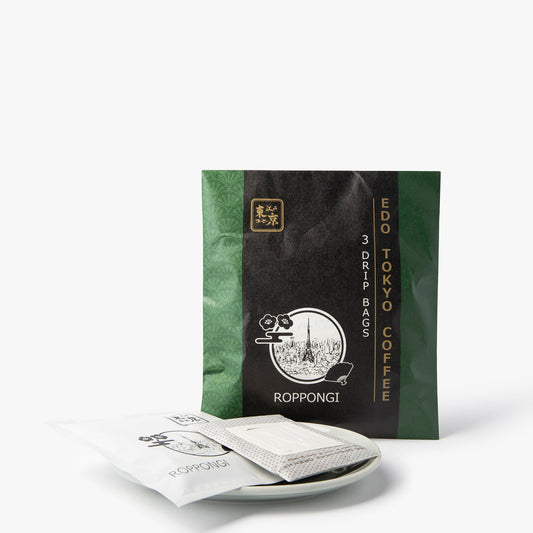

Cafe drip Roppongi 3 sachets ⋅ Cafe pico ⋅ 30g
⋅ Convenient drip for travel⋅ Quick alternative to V60⋅ Ethiopian and Guatemalan coffee blend⋅ Individually packaged⋅ For brewing in boiling waterA coffee blend...
Regular price 4.90 €Prix promotionnel 4.90 € Regular price 9.80 €Price per unit 163.33 € per kg -
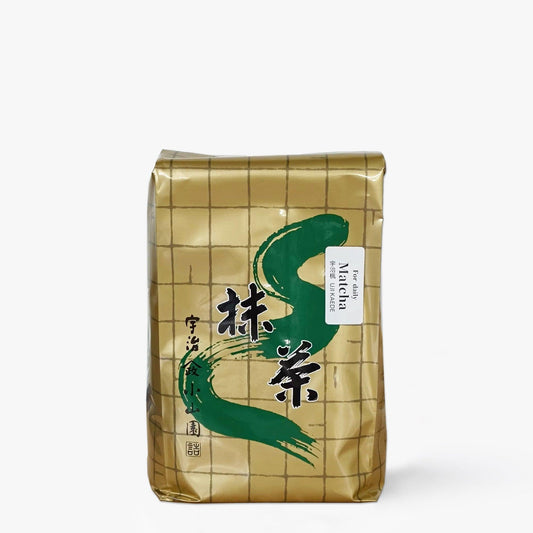
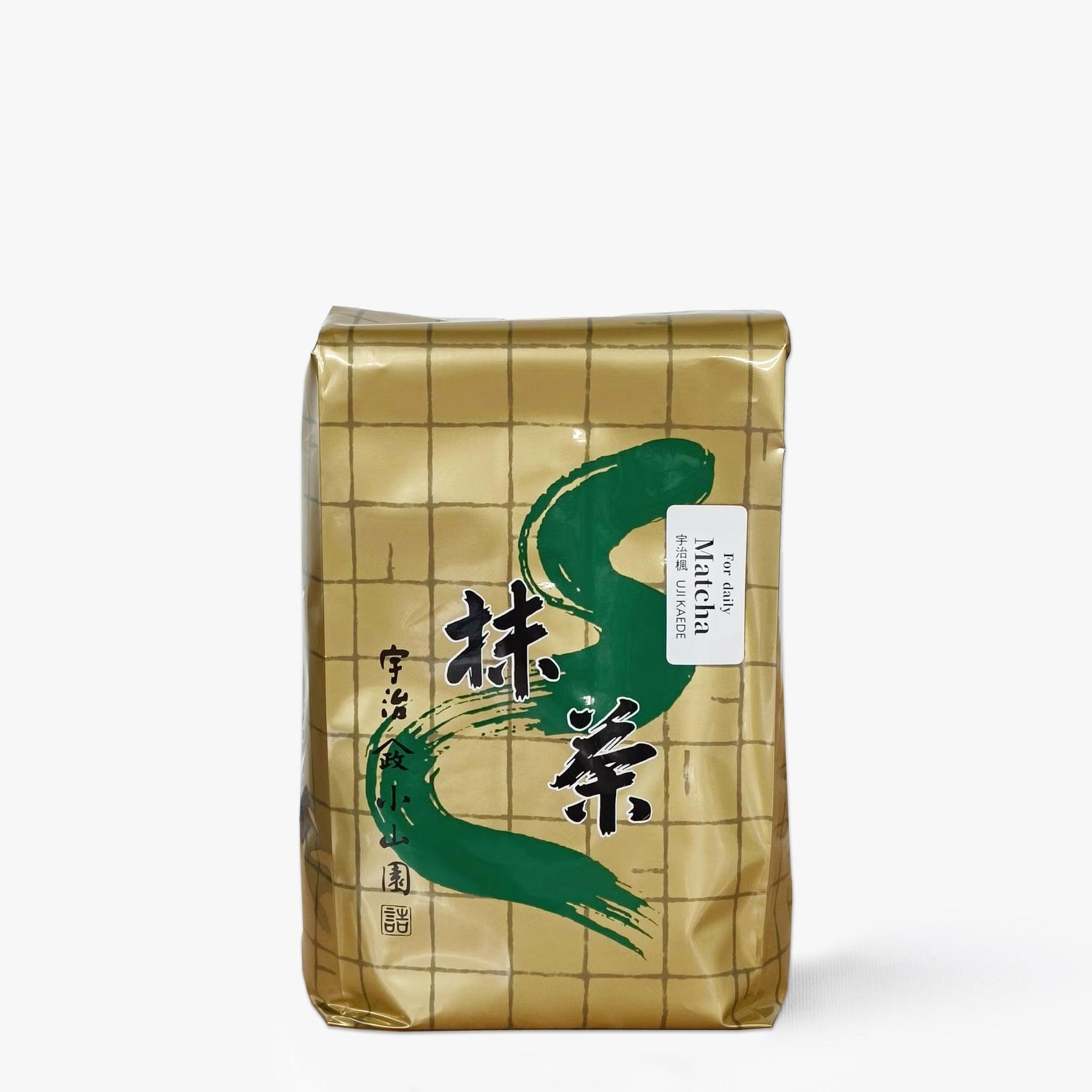
Classic matcha tea Kaede from Uji in Kyoto ⋅ Yamamasa Koyamaen ⋅ 1kg
This high-quality matcha tea is harvested using traditional methods in Uji, near Kyoto, a place renowned for the quality of its matcha....
Regular price 200.00 €Prix promotionnel 200.00 € Regular pricePrice per unit 200.00 € per kg -
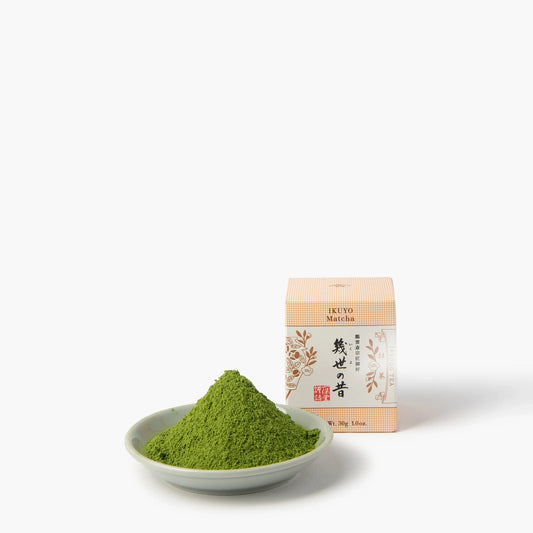
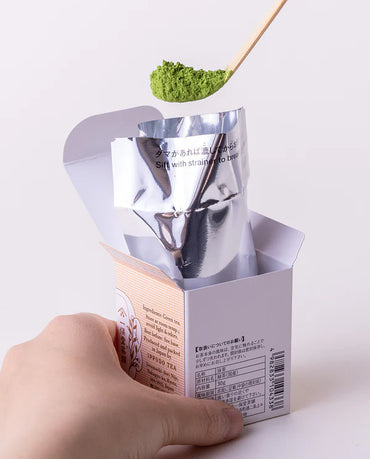
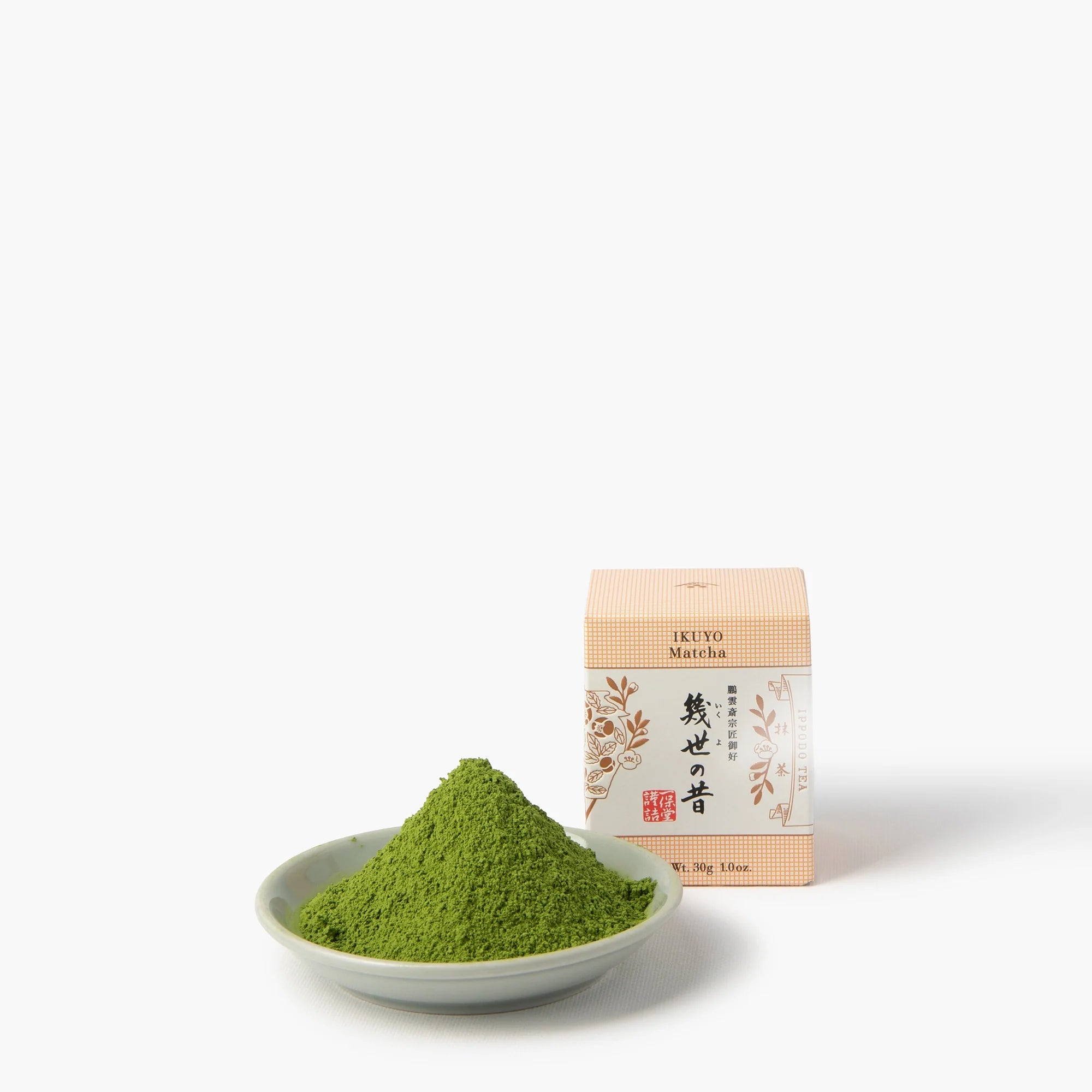
Classic Matcha Tea Ikuyo no Mukashi ⋅ Ippodo Tea ⋅ 20g
⋅ Balanced with a slight bitterness and harmonious flavor⋅ Ideal for an introduction to matcha or for everyday use⋅ Can be enjoyed traditionally or...
Regular price 18.50 €Prix promotionnel 18.50 € Regular pricePrice per unit 925.00 € per kg -
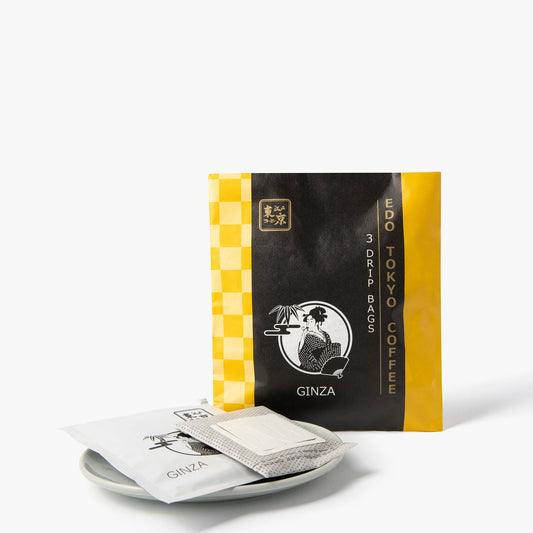

Cafe drip Ginza de 3 sachets ⋅ Cafe pico ⋅ 30g
⋅ Convenient drip for travel⋅ Quick alternative to V60⋅ Blend of Ethiopian and Guatemalan coffee with chocolate notes⋅ Individually packaged⋅ For brewing in boiling waterA...
Regular price 9.80 €Prix promotionnel 9.80 € Regular pricePrice per unit 326.67 € per kg -

-
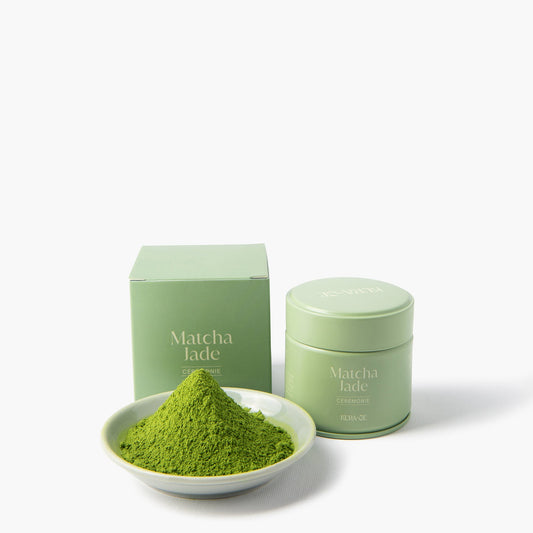
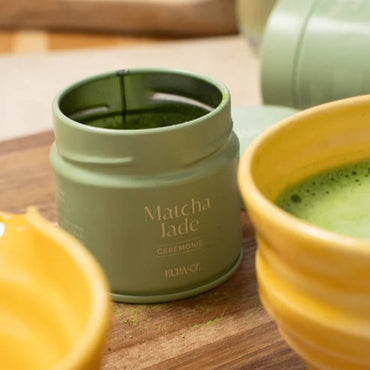
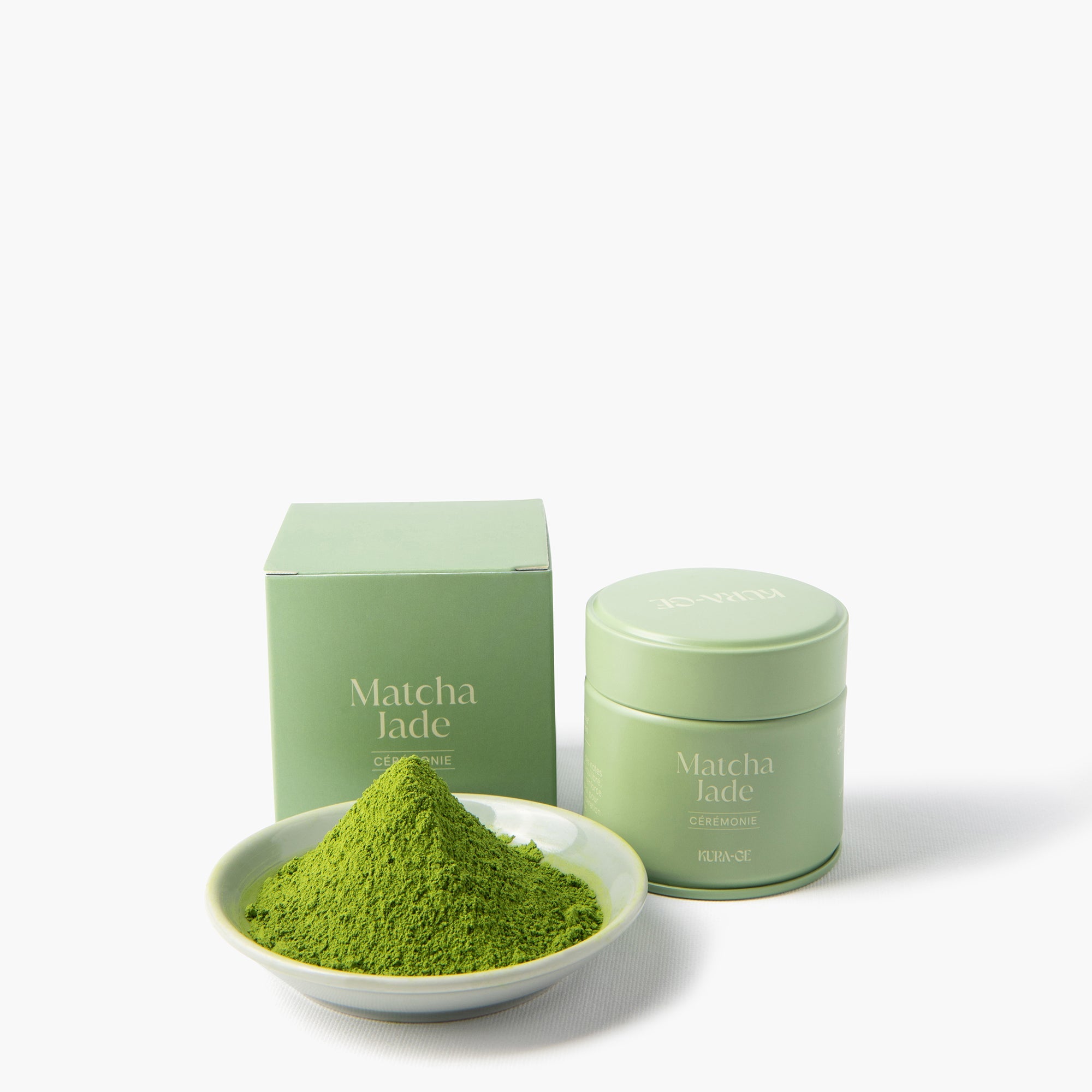
Matcha Ceremony Jade ⋅ KURA-GE ⋅ 30g
⋅ Derived exclusively from the Okumidori⋅ cultivar grown in the misty heights of Uji⋅ Mild, delicately iodized and vegetal taste with a subtle bitterness⋅ Perfect in Usucha thanks to...
Regular price 48.00 €Prix promotionnel 48.00 € Regular pricePrice per unit 1,600.00 € per kg -


Matcha tea spatula 18,5cm ⋅ Touga
⋅ Traditional matcha whisk 60 strands⋅ Essential for making fine, creamy foam⋅ Ideal for performing a tea ceremony⋅ Cleans easily with...
Regular price 11.50 €Prix promotionnel 11.50 € Regular pricePrice per unit per -


Tea strainer with handle 7cm ⋅ Tokyo Design Studio
•Ideal for brewing teas, herbal teas, and aromatic blends.•7 cm handle for a comfortable grip.Ideal for brewing teas, herbal teas, and other aromatic blends, this strainer...
Regular price 10.00 €Prix promotionnel 10.00 € Regular pricePrice per unit per -


Organic matcha tea with yuzu ⋅ Anatae ⋅ 30g
⋅ Made with matcha and yuzu from Kagoshima⋅ Bio⋅ Cultivar Yabukita⋅ Tasted cold, prepared with water to allow the yuzu to express itself fullyA...
Regular price 39.00 €Prix promotionnel 39.00 € Regular pricePrice per unit 1,300.00 € per kg -
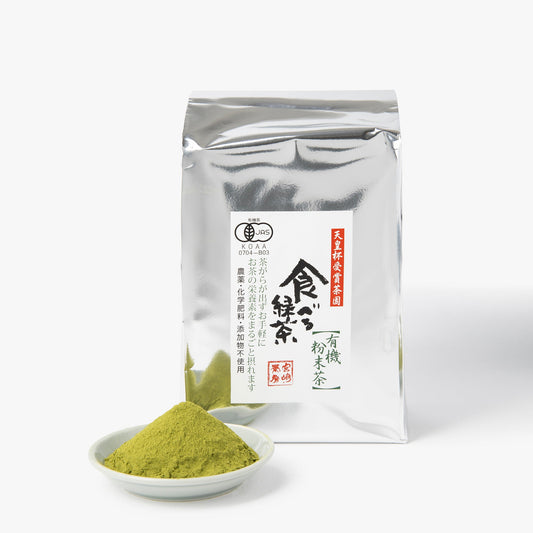
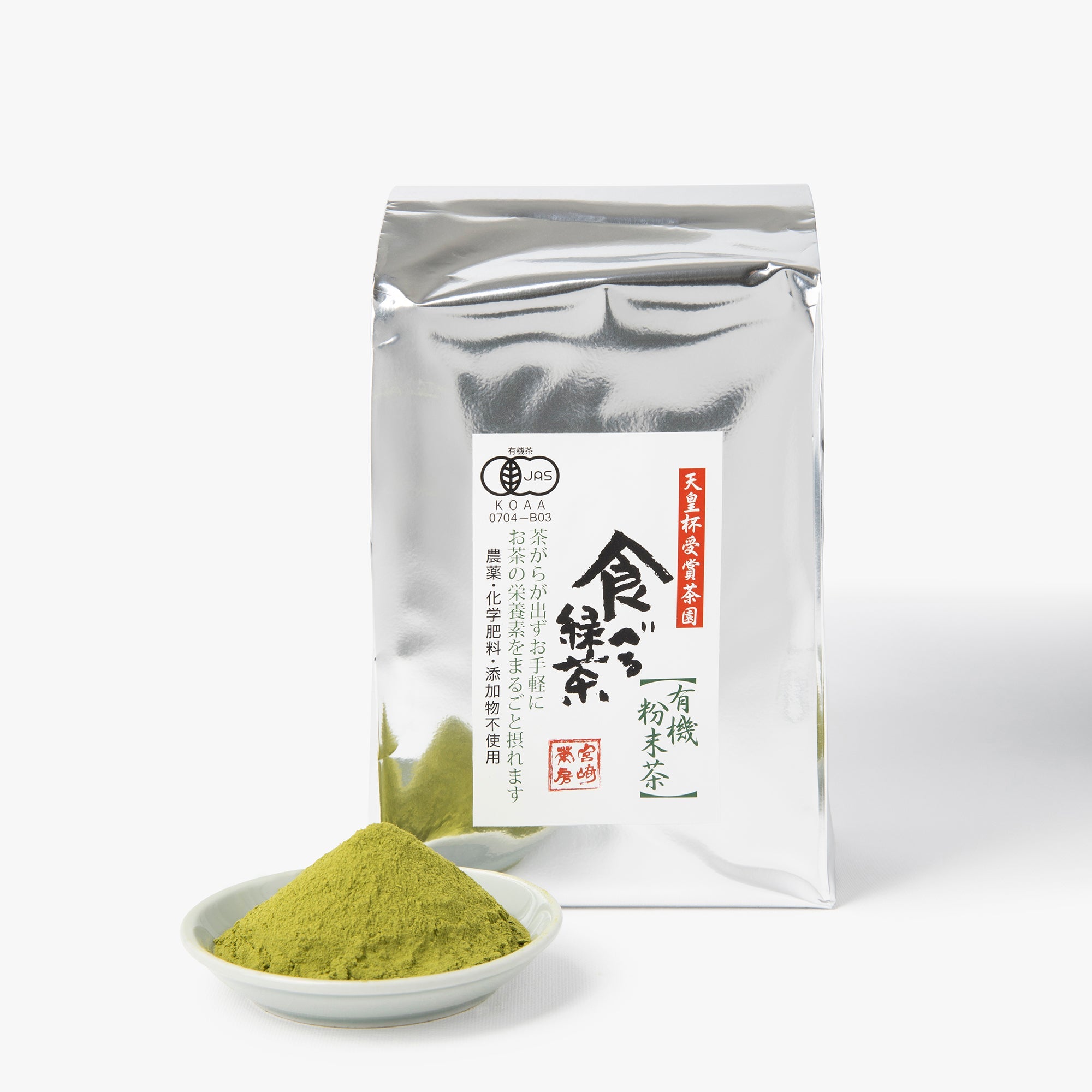
Green tea ryokucha powder large size ⋅ Miyazaki sabou ⋅ 1kg
This green tea powder is grown in Japan under the JAS label (the equivalent of the BIO label). Its powdered texture and rich,...
Regular price 32.00 €Prix promotionnel 32.00 € Regular price 64.00 €Price per unit 32.00 € per kg


Our favorite Japanese tea recipes:


Find out more about Japanese tea
Which regions of Japan are best known for their teas?
Japan has several regions famous for their tea production, each offering ideal climatic and soil conditions for different varieties of tea:
- Shizuoka: This region produces around 40% of Japan's tea. It is known for its high-quality green tea, particularly sencha.
- Uji (near Kyoto): Renowned for its matcha and gyokuro, Uji is one of the oldest tea-producing regions in the world.
- Kagoshima: Located in the far south, Kagoshima is Japan's second-largest tea-producing region, offering a wide variety of green teas.
- Yame (Fukuoka): Yame is particularly famous for its gyokuro, a high-quality shaded green tea.
What's the difference between matcha and sencha?
Matcha: Matcha is a green tea powder made from tencha tea leaves that are shaded before harvesting. The leaves are then ground to a fine powder. When ready to drink, matcha is whisked into hot water, creating a thick, frothy beverage. It is rich in antioxidants and caffeine.
Sencha: Sencha is the most widely consumed green tea in Japan. The leaves are steamed, rolled and dried, then infused in hot water. Sencha has a lighter, grassier taste than matcha, and is generally milder in terms of caffeine content.
What is the place and symbolism of the tea ceremony in Japan?
The tea ceremony, or "chanoyu", occupies a central place in Japanese culture, symbolizing harmony, respect, purity and tranquility. It is strongly influenced by Zen Buddhism. More than a simple tea-drinking ritual, the ceremony is an artistic act that emphasizes simplicity and connection to the present moment. Every gesture is codified and aimed at achieving a form of spiritual perfection.
What are the health benefits of Japanese teas?
Japanese teas, particularly green tea, are renowned for their many health benefits:
- Antioxidants: Rich in catechins, notably epigallocatechin gallate (EGCG), which is known for its anti-carcinogenic properties.
- Cardiovascular health: Green tea can help reduce cholesterol and improve heart health.
- Weight loss: Certain compounds in green tea can increase metabolism and help burn fat.
- Immune system: Green teas contain vitamins and minerals that boost the immune system.
- Relaxation: L-theanine, an amino acid found in green tea, helps reduce stress and promote relaxation without causing drowsiness.
What are the antioxidant properties of cherry blossom infusions?
Cherry blossom (sakura) infusions are rich in antioxidants, particularly flavonoids, which help fight free radicals in the body. These antioxidants can help slow aging, protect the skin from environmental damage and improve overall health. Although less potent than green teas in terms of antioxidants, cherry blossom infusions are also appreciated for their soothing properties.
What is the ideal temperature for brewing Japanese teas?
The infusion temperature varies according to the type of tea:
- Sencha: 70-80°C
- Matcha: 70-80°C (water should not be too hot to avoid bitterness)
- Gyokuro: 50-60°C (to preserve its delicate aromas)
- Genmaicha: 80-90°C
- Hojicha: 90°C
What foods go well with Japanese tea?
Japanese teas go well with a variety of foods, creating harmonious taste experiences:
- Sencha: Grilled fish, sushi, tempura, light desserts such as mochi.
- Matcha: Sweet pastries such as wagashi (traditional Japanese confectionery), dark chocolate.
- Genmaicha: Savoury dishes such as grilled rice or savoury snacks.
- Gyokuro: Sashimi, seafood, mild cheeses.
How do I choose a Japanese tea to suit my tastes?
If you prefer a fresh, herbaceous taste: opt for sencha.
If you like sweeter, umami flavours: Gyokuro is an excellent choice.
If you want a drink with a rich, creamy texture: choose matcha.
For a sweeter, toasted taste: Try hojicha or genmaicha.
How do I store my teas and infusions?
To preserve the freshness and aroma of teas and infusions, it is important to store them correctly:
- Store in airtight containers: to prevent oxidation and odor absorption.
- Protect from light and humidity: Teas should be stored in a cool (but not refrigerated!), dry, dark place.
- Consume quickly: Green tea in particular is sensitive to oxidation, so it's best consumed within 6 months of opening.


