


Collection: Sesame seeds
Sesame seeds are a staple ingredient in Japanese cuisine, prized for their delicate flavor and crunchy texture. Used in a variety of dishes, they not only add a touch of richness but also offer numerous nutritional benefits.
They can be sprinkled on sushi, salads, or soups, and are also used to make the famous furikake, a flavorful seasoning.

-
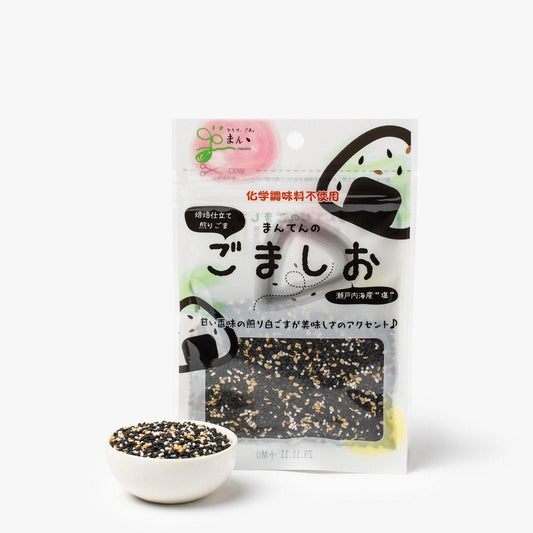
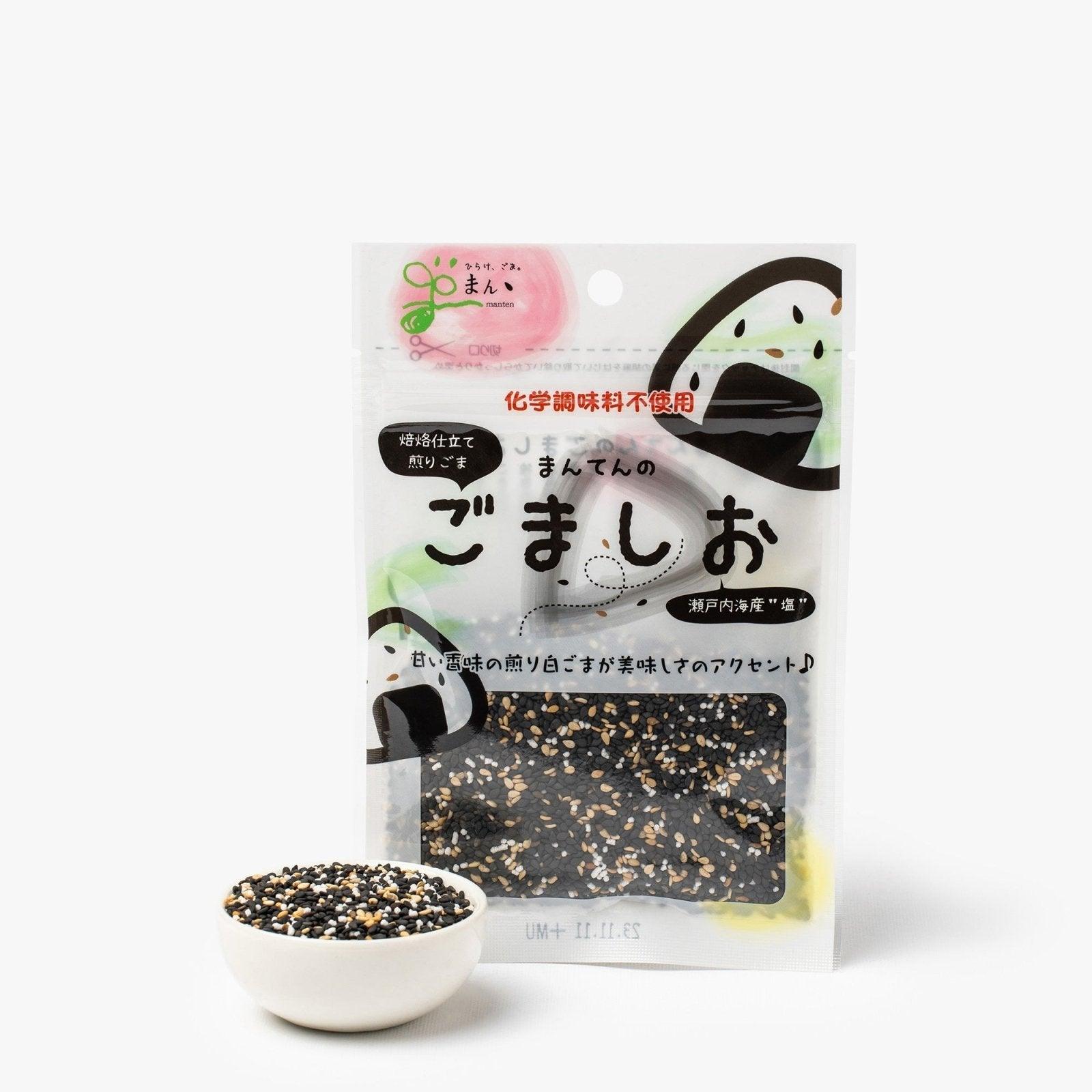
Black and white sesame seeds roasted with gumashio salt ⋅ manten ⋅ 30g
⋅ Perfect as a salt substitute⋅ On grilled foods or in soups⋅ No additives or preservatives⋅ Rich in minerals and antioxidantsA blend of roasted black and...
Usual price 2.65 €Promotional price 2.65 € Usual priceUnit price 88.33 € by kg

Roasted black sesame seeds ⋅ ohsawa ⋅ 80g
⋅ Perfect for both sweet and savory dishes⋅ Rich in fiber and minerals⋅ No additives or preservatives⋅ Rich flavor⋅ In salads, sauces, and on meatsThese carefully...
Usual price 3.90 €Promotional price 3.90 € Usual priceUnit price 48.75 € by kg

Roasted white sesame seeds ⋅ ohsawa ⋅ 80g
⋅ Perfect for both sweet and savory dishes⋅ Rich in fiber and minerals⋅ No additives or preservatives⋅ Rich flavor⋅ In salads, sauces, and on meatsThese carefully...
Usual price 3.90 €Promotional price 3.90 € Usual priceUnit price 48.75 € by kg

Sesame seeds with spicy oil ra-yu ⋅ manten ⋅ 60g
⋅ Spicy flavor⋅ As a garnish or seasoning for your dishes⋅ On tofu or steamed vegetables⋅ To enhance a sauce⋅ On grilled meatThis paste made from...
Usual price 8.90 €Promotional price 8.90 € Usual priceUnit price 148.33 € by kg

Sesame seeds at Yuzu ⋅ Yagicho Honten ⋅ 120g
⋅ Yuzu-flavored sesame seeds⋅ The perfect, delicious topping for any dish⋅ Versatile seeds, suitable for both sweet and savory dishes⋅ A must-try for any sesame seed...
Usual price 12.30 €Promotional price 12.30 € Usual priceUnit price 102.50 € by kg

Golden sesame seeds ⋅ Manten ⋅ 80g
⋅ A staple of Japanese cuisine⋅ Can be used in both savory and sweet dishes⋅ Sprinkle on salads, in soups, or over grilled foods⋅ Adds color...
Usual price 4.50 €Promotional price 4.50 € Usual priceUnit price 56.25 € by kg

Black sesame seeds ⋅ ohsawa ⋅ 70g
⋅ Perfect for both sweet and savory dishes⋅ Rich in fiber and minerals⋅ No additives or preservatives⋅ Rich flavor⋅ Great for sauces or cakesThese black sesame...
Usual price 3.90 €Promotional price 3.90 € Usual priceUnit price 55.71 € by kg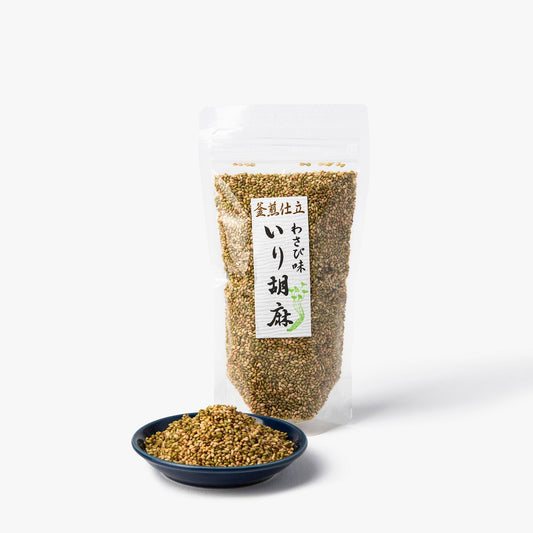

Wasabi sesame seeds ⋅ Yagicho Honten ⋅ 120g
⋅ Wasabi-flavored sesame seeds⋅ The perfect, indulgent topping for any dish⋅ Versatile seeds, suitable for both sweet and savory dishes⋅ A must-try for any sesame seed...
Usual price 12.30 €Promotional price 12.30 € Usual priceUnit price 102.50 € by kg

Crushed white sesame seeds ⋅ ohsawa ⋅ 70g
⋅ Perfect for both sweet and savory dishes⋅ High in fiber and minerals⋅ No additives or preservatives⋅ Rich flavor⋅ Great for sauces or cakesThese white sesame...
Usual price 3.90 €Promotional price 3.90 € Usual priceUnit price 55.71 € by kg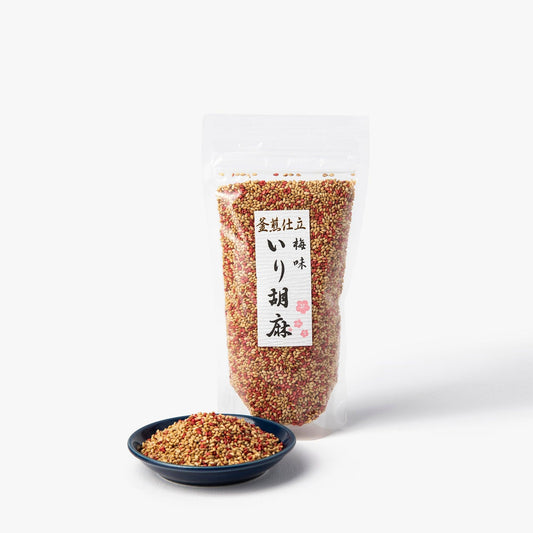
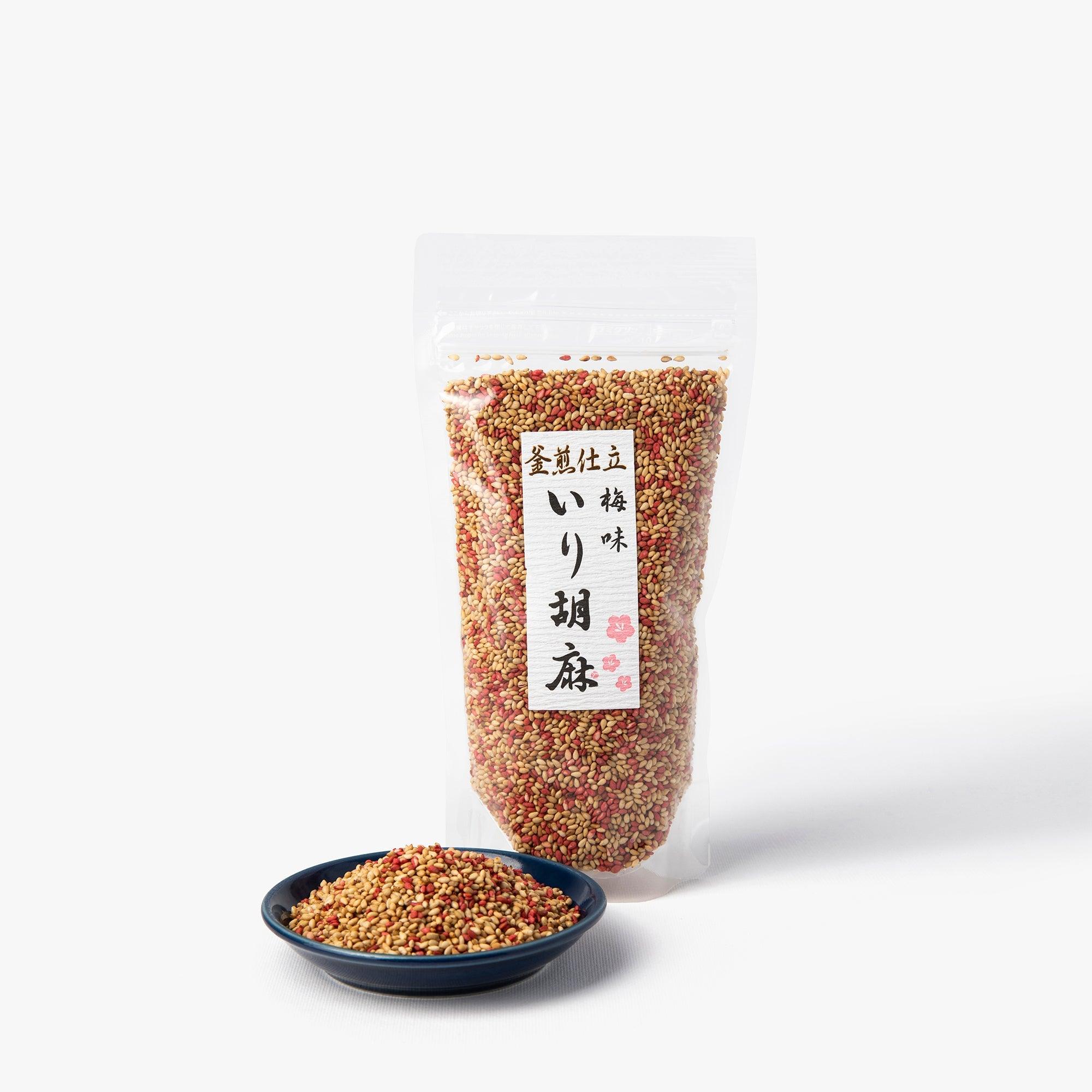
Plum sesame seeds ⋅ Yagicho Honten ⋅ 120g
⋅ Plum-flavored sesame seeds⋅ The perfect, delicious topping for any dish⋅ Versatile seeds, suitable for both sweet and savory dishes⋅ A must-try for any sesame seed...
Usual price 12.30 €Promotional price 12.30 € Usual priceUnit price 102.50 € by kg

GOMASHIO SESAME SELIERS ⋅ Kuki Sangyo ⋅ 30g
⋅ Made with Japanese sesame seeds⋅ A must-have for onigiri⋅ An excellent alternative to salt⋅ Very easy to use⋅ For seasoning all kinds of dishesA blend...
Usual price 9.50 €Promotional price 9.50 € Usual priceUnit price 316.67 € by kg

Roasted white sesame seeds ⋅ Mitake Shokuhin ⋅ 1 kg
Grilled white sesame seeds are an essential ingredient in Japanese cuisine. Carefully roasted, they enhance their rich and slightly hazelnut flavor while offering a crunchy texture.
Usual price 19.00 €Promotional price 19.00 € Usual priceUnit price 19.00 € by kg
Our favorite recipes with sesame seeds


Learn more about sesame seeds
Can sesame seeds be eaten raw, or do they need to be cooked?
Sesame seeds can be consumed either raw or toasted, depending on the desired use. Raw, they retain all their nutritional benefits, including their richness in fiber, protein, iron, and zinc. Toasted, they develop a more intense flavor and a slightly spicy taste, ideal for enhancing Japanese dishes, salads, and sauces.
Toasted seeds are commonly used in Japanese cuisine, especially for furikake or seasonings with yuzu and wasabi.
What are the nutritional properties of sesame seeds?
Sesame seeds are an excellent source of essential nutrients. Rich in protein, fiber, and unsaturated fatty acids, they contribute to a balanced diet. They also contain iron, zinc, calcium, and magnesium, which are beneficial for bone health and metabolism.
Their content of B vitamins and antioxidants, notably sesamin, enhances their benefits. Black seeds are especially valued for their mineral concentration, while white seeds, milder in taste, are ideal for recipes.
Whether roasted or raw, they add a flavorful touch to Japanese dishes, salads, and sauces.
What are the different varieties of sesame seeds?
There are several varieties of sesame seeds, each with unique characteristics in terms of taste, color, and culinary use.
- White sesame: Mild and slightly sweet, it is often used in sauces, salads, and Japanese dishes. It is also available as toasted seeds or sesame oil.
- Black sesame: More intense in flavor, with slightly spicy notes and a higher concentration of antioxidants and minerals. It is commonly used in desserts, sauces, or mixed with wasabi and yuzu for original seasonings.
- Golden sesame: Naturally roasted during harvest, it offers a stronger taste and is often included in curry recipes and dishes rich in spices.
How to use sesame seeds in Japanese cooking?
Toasted: Dry roasted, they develop a more intense flavor and are ideal for sprinkling on salads, sautéed vegetables, or rice.
In furikake: Mixed with nori, wasabi, or yuzu, they serve as a seasoning to enhance dishes.
In sauce: Sesame oil or sesame sauce are perfect for accompanying noodles, marinades, or dressings.
In desserts: Black sesame seeds are often used in Japanese pastries, such as mochi or flavored creams.


