When we think of spices, it’s often the burst of flavors found in Indian, Mexican, or Thai cuisine that comes to mind. Japan, on the other hand, takes a radically different approach and is less well known for its spices.
Japanese spices aren’t meant to impress. They never overpower a dish, but rather complement it gently. They enhance a broth, bring out the flavor of raw fish, and warm up a clear broth, without ever masking the natural taste of the ingredients. It is a whole philosophy of taste, based on restraint, harmony, and respect for the ingredients. In this article, we invite you to discover this subtlety through the main spices and aromatic condiments of Japanese cuisine: their origins, their role in regional culinary traditions, their flavor profiles, and, above all, how to use them at home.
Table of Contents
- Japanese-style spices: a culture of refined taste
- Shichimi togarashi: the spice of Japanese cuisine
- Sansho: Japanese pepper
- Karashi and Other Exceptional Spicy Condiments
- Mild and aromatic spices
- Using Japanese spices at home: practical tips
I. Japanese-style spices: a culture of refined taste
Japanese cuisine doesn’t shy away from spices; it simply uses them differently. Here, intensity doesn’t take precedence over subtlety. The heart of Japanese flavor lies in umami, that deeply comforting fifth taste found in dashi broths, soy- or miso-based sauces, and fermented foods. Rather than relying on strong spices, Japanese cuisine builds its dishes around this natural, mild, and enveloping richness.
This doesn’t mean avoiding spices altogether, but rather using them sparingly and with precision. They often serve as finishing touches: a few grains of sansho on grilled eel, a hint of yuzu kosho in a clear soup, or a sprinkle of shichimi on a bowl of noodles. Each spice is carefully selected based on the season, the region, or the balance sought in the dish.
It is also essential to distinguish between pure spices (such as sansho or ginger), aromatic condiments (such as wasabi, miso paste, or Japanese horseradish), andtraditional blends like shichimi togarashi (a seven-spice blend) or yuzu kosho, a paste made from yuzu zest and chili peppers. Each plays a distinct role on the plate, but all serve the same purpose: to enhance the flavor without ever overpowering it.
II. Shichimi togarashi: The Spice of Japanese Cuisine
Among the few spice blends commonly used in Japan, shichimi togarashi holds a special place. Originating in the Edo period (present-day Tokyo), this colorful and aromatic blend has been a staple on everyday tables for centuries. Today, it can be found in soba restaurants as well as on the shelves of Japanese grocery stores.
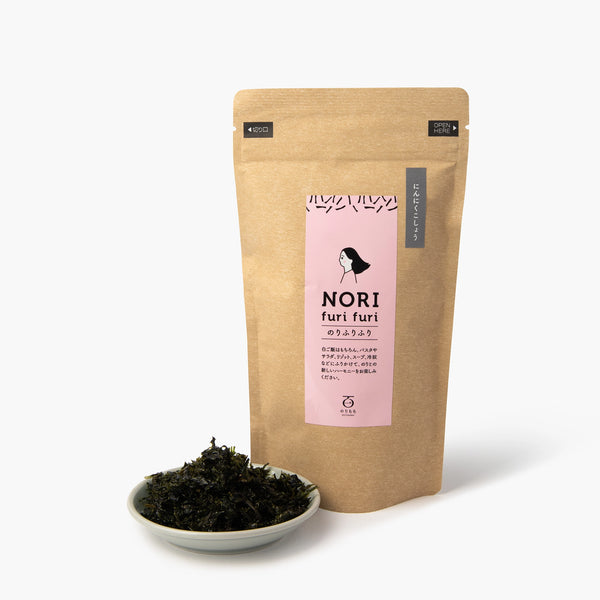
The name "shichimi " literally means "seven flavors, " and although the exact composition varies, it generally includes ground red chili pepper, dried yuzu peel, sesame seeds (white or black), nori (seaweed), ginger, sanshō pepper, and sometimes poppy or hemp seeds. This blend combines heat, freshness, bitterness, and citrus in a subtle harmony.
In terms of usage, it’s sprinkled on as a finishing touch to a wide variety of dishes: steaming ramen, cold soba noodles, grilled yakitori, as well as white rice, tofu, or even eggs. It adds depth without ever overpowering the dish.
Note: Some artisanal producers continue to use regional recipes, which are sometimes closely guarded secrets. In Asakusa (Tokyo), shichimi tends to be hotter and spicier, while in Kyoto, people often prefer milder, more aromatic flavors, with a strong yuzu note.

Shichimi 7-Spice Blend with Sesame and Plum - 60g - €13.80
III. Sanshō: Japanese pepper
Neither quite a citrus fruit nor simply a spice, sansho is a uniquely Japanese culinary enigma. Derived from the Japanese pepper tree (Zanthoxylum piperitum), this ancient ingredient captivates with its citrusy aroma and its slightly numbing, almost electrifying effect on the tongue.
Its flavor is bright and fresh, with notes of green bark and a unique tingling sensation that awakens the taste buds without burning. It’s nothing like black pepper, and shouldn’t be confused with Sichuan pepper, its Chinese cousin: the latter is more floral and fragrant, while sanshō offers a sharper, more invigorating sensation.
Traditionally, it is used in powder form on unagi (grilled eel), where its light, zesty flavor balances the richness of the fish. But it also works well in meat marinades, cold sauces, or even as a finishing touch on tofu or grilled vegetables.
Some contemporary chefs even incorporate it into desserts or cocktails to surprise the palate. Proof that this seemingly unassuming spice holds infinite potential.

Sansho pepper in a mini bag - €7.90
IV. Yuzu kosho: bold and fermented
A burst of flavor, yuzu kosho is a fermented paste that combines three simple ingredients: yuzu zest, chili peppers, and salt. Originating in Kyushu, in southern Japan, this artisanal specialty develops powerful and complex aromas through fermentation, which intensifies both the bright acidity of the yuzu and the sharp heat of the chili pepper.
It comes in two main varieties: green, when the chili peppers and yuzu are still young, offering a more vegetal and sharp flavor; or red, when the ingredients are fully ripe, resulting in a rounder, warmer, and deeper flavor profile.
Long used to accompany nabemono (simmered dishes) or grilled meats, yuzu kosho has found a new lease on life in contemporary cuisine. Today, it’s a favorite in carpaccios, homemade mayonnaise, on raw fish, grilled vegetables, or even as a finishing touch on soup or pasta.

Green Yuzu Kosho - 80 ml - €6.80

V. Karashi and Other Exceptional Spicy Dishes
While Japan may favor subtle flavors, that doesn’t mean it shies away from bold flavors—as long as they’re used judiciously. Some Japanese spices deliver a sharp, clean heat, used sparingly in specific contexts.
This is true of karashi, Japanese mustard, which has a sharp, pungent flavor that is much stronger than its Western counterpart. Without vinegar, it has a pungent aroma, much like wasabi, and is traditionally served with dishes such as oden (Japanese stew), nattō, or tonkatsu, to contrast with the richness of the fried or fermented foods.

Karashi mustard paste - 42g - €3.50
Another form of spice,ichimi togarashi — literally “a single chili flavor” — is pure ground red chili pepper, with no additives. More intense than shichimi, it should be used sparingly on noodles, soups, or stir-fries for an immediate kick.

Roasted Ichimi Powder - 30g - €13.00
Finally, fans of home cooking may come across takanotsume (“falcon’s claw”), a small, extremely hot dried chili pepper often used in tsukemono (pickles), sauces, or to flavor chili oils. Behind its small size lies a formidable heat, reserved for discerning palates.
VI. Mild and aromatic spices
- Sesame, whether white, black, or toasted sesame oil, is a subtle yet essential staple of Japanese cuisine. It adds body, a hint of bitterness, and aromatic depth that enriches sauces, vegetables, and rice
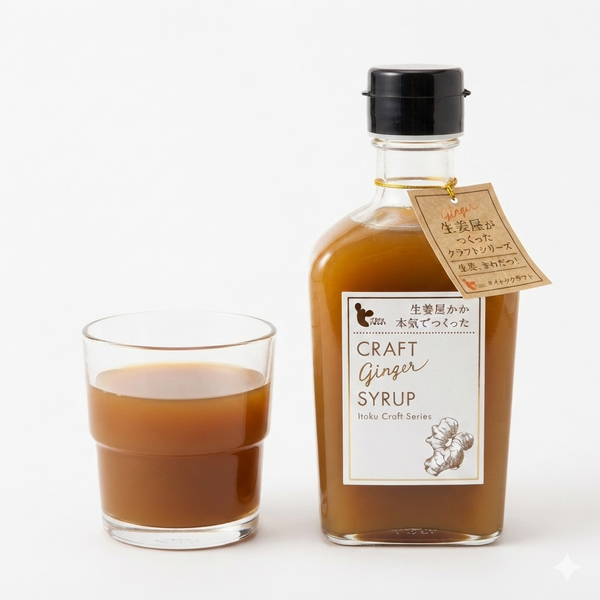
. - Ginger can be enjoyed fresh, grated, pickled in thin strips (gari), or even candied. It adds a lively kick to dishes with its sharp heat and lemony aroma, particularly when paired with raw fish, meat, or rice bowls
. - Wasabi, in its true form (fresh, grated root), has a sharp, green, and fleeting heat that is far more subtle than that of commercial pastes. A rare ingredient, it is a plant-based luxury prized for its purity.
VII. Using Japanese Spices at Home: Practical Tips
To elevate your everyday meals, a few simple pairings can make all the difference: a bowl of white rice enhanced with a pinch of shichimi for a light, fragrant kick; grilled meats topped with yuzu kosho, which adds freshness and warmth; or delicate tofu seasoned with sanshō or sprinkled with sesame for a touch of authentic flavor.
Finally, be sure to store your spices in a dry place, away from light, to preserve their flavor. Their shelf life generally ranges from 6 to 12 months, depending on the product.