


Collection: Japanese Matcha Tea
Matcha is a stone-ground, finely ground green tea. It is grown in partial sunlight, then shaded before harvesting. Traditionally, it is used in Japan for the tea ceremony, a ritual linked to Zen Buddhism. Today, it is very popular and appreciated for its herbal flavor, deep umami taste and high antioxidant and nutrient content. It is prepared with water heated to 70° and a chasen (bamboo whisk).


-
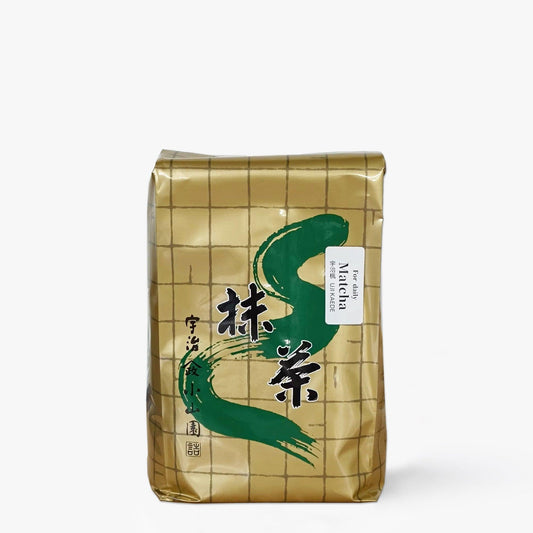
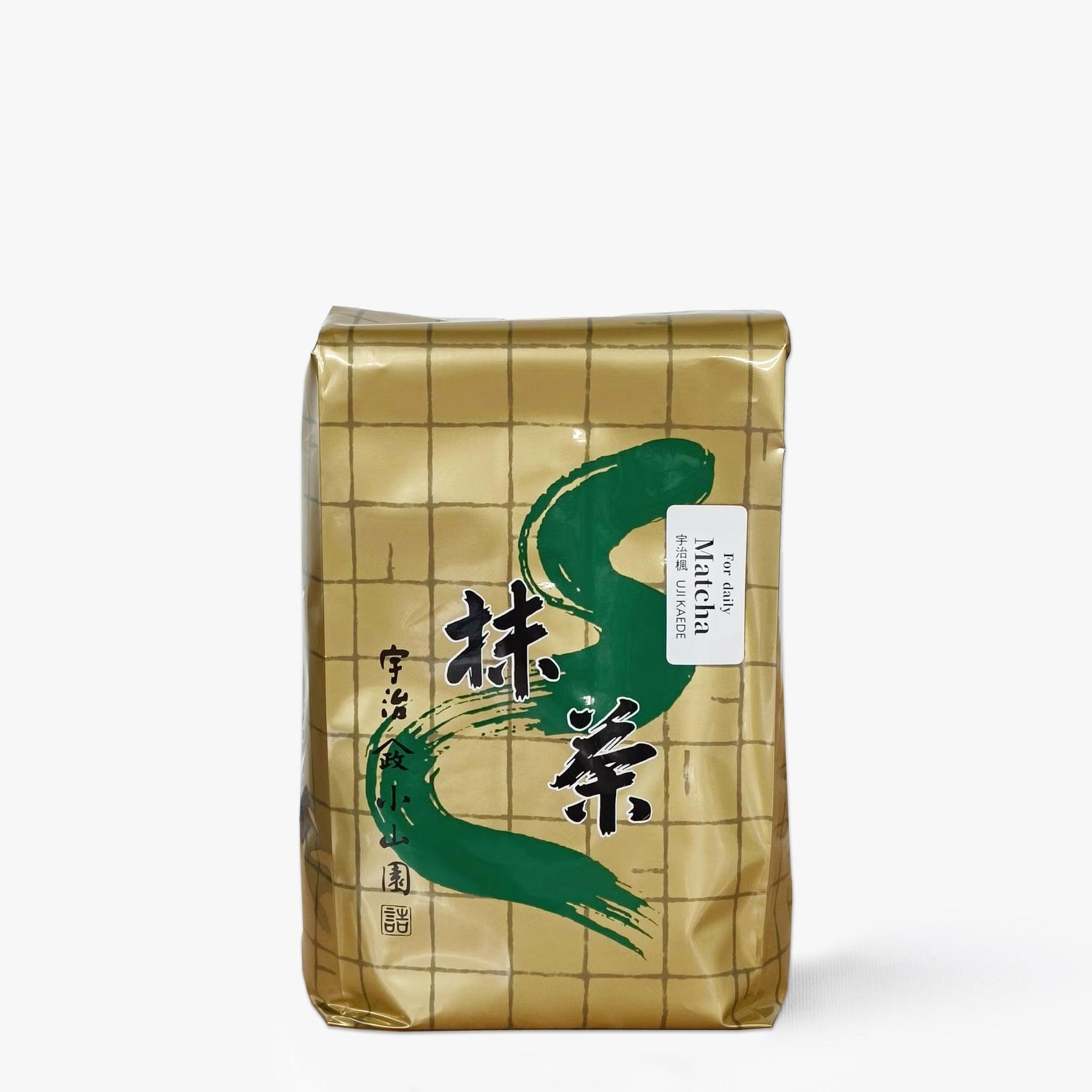
Classic matcha tea Kaede from Uji in Kyoto ⋅ Yamamasa Koyamaen ⋅ 1kg
This high-quality matcha tea is harvested using traditional methods in Uji, near Kyoto, a place renowned for the quality of its matcha....
Regular price 200.00 €Prix promotionnel 200.00 € Regular pricePrice per unit 200.00 € per kg -
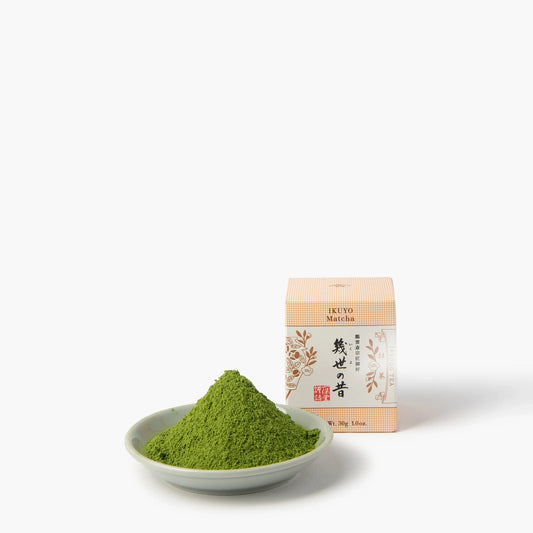
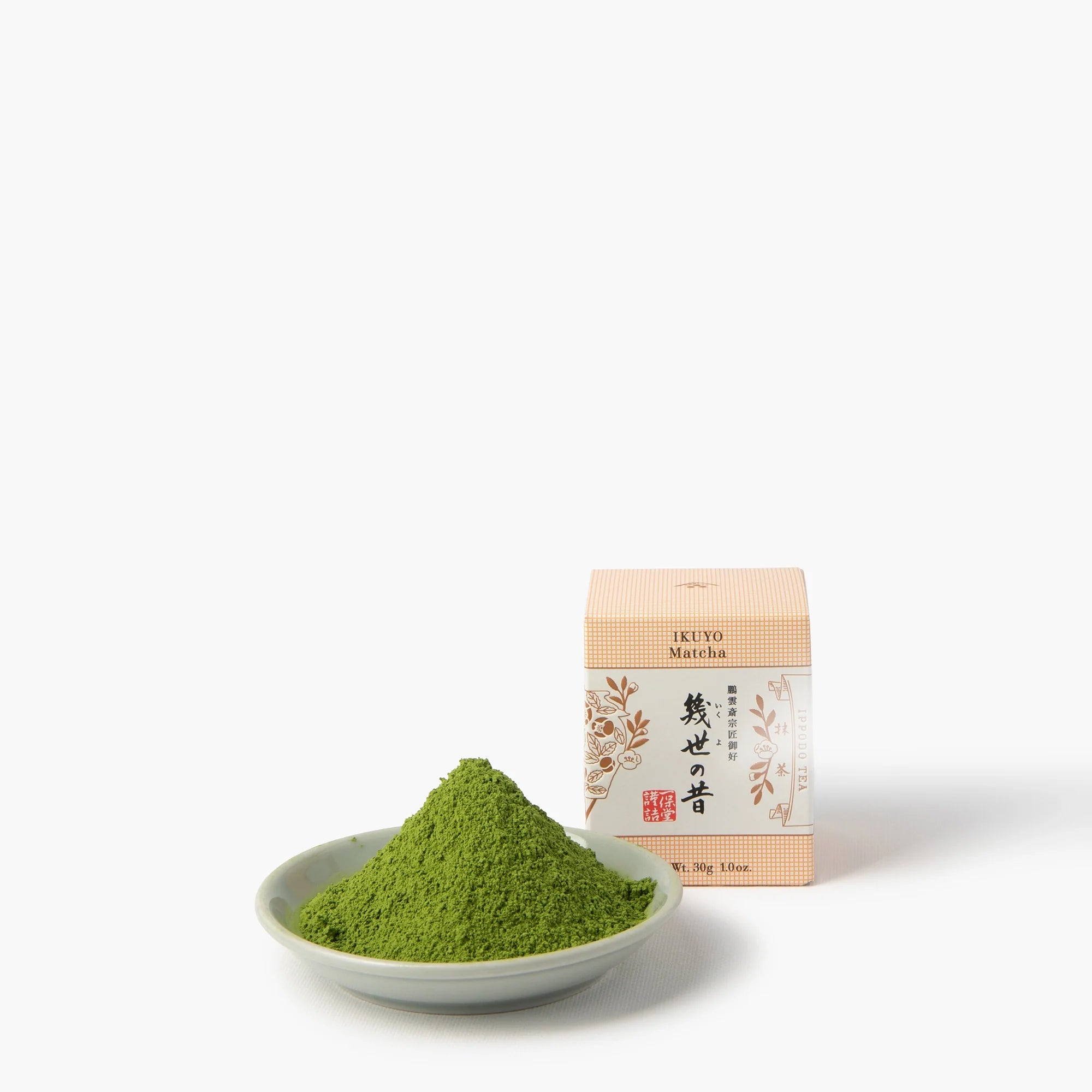
Classic matcha tea Ikuyo no Mukashi ⋅ Ippodo Tea ⋅ 30g
⋅ Balanced with a slight bitterness and harmonious flavor⋅ Ideal for an introduction to matcha or for everyday use⋅ Can be enjoyed traditionally or...
Regular price 18.50 €Prix promotionnel 18.50 € Regular pricePrice per unit 616.67 € per kg -
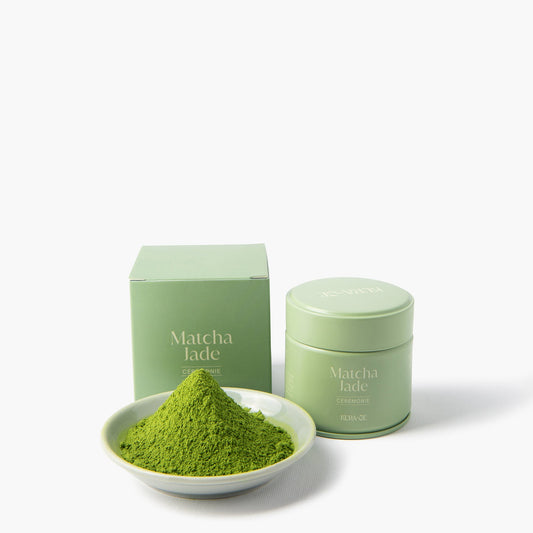
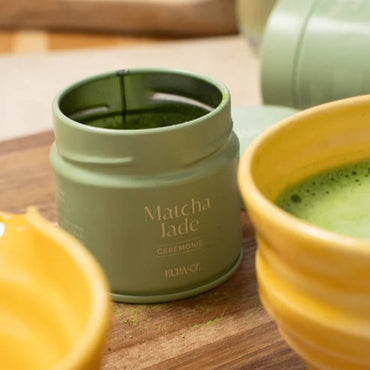
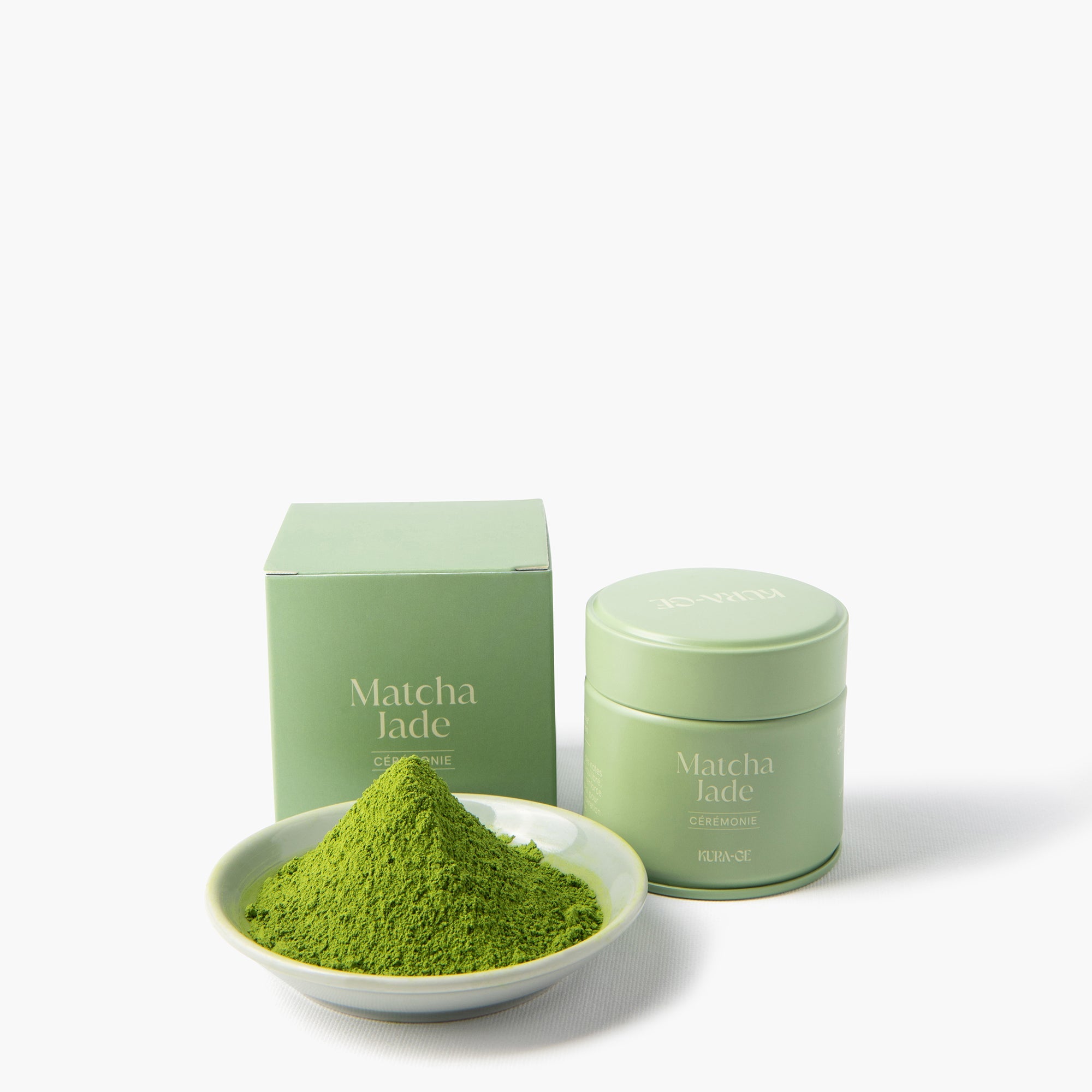
Matcha Ceremony Jade ⋅ KURA-GE ⋅ 30g
⋅ Derived exclusively from the Okumidori⋅ cultivar grown in the misty heights of Uji⋅ Mild, delicately iodized and vegetal taste with a subtle bitterness⋅ Perfect in Usucha thanks to...
Regular price 48.00 €Prix promotionnel 48.00 € Regular pricePrice per unit 1,600.00 € per kg -


Organic matcha tea with yuzu ⋅ Anatae ⋅ 30g
⋅ Made with matcha and yuzu from Kagoshima⋅ Bio⋅ Cultivar Yabukita⋅ Tasted cold, prepared with water to allow the yuzu to express itself fullyA...
Regular price 39.00 €Prix promotionnel 39.00 € Regular pricePrice per unit 1,300.00 € per kg


To prepare your matcha
-
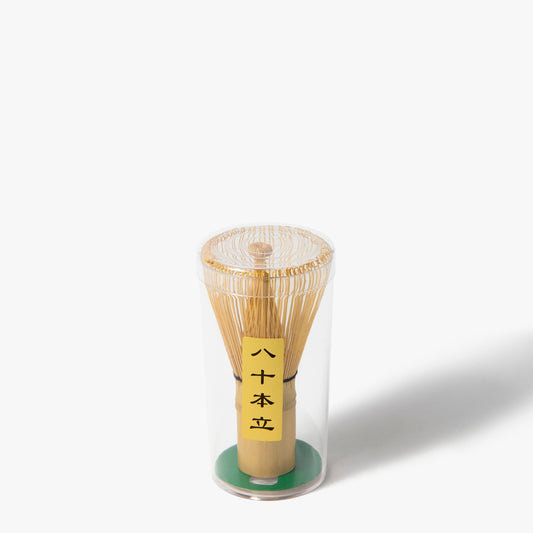
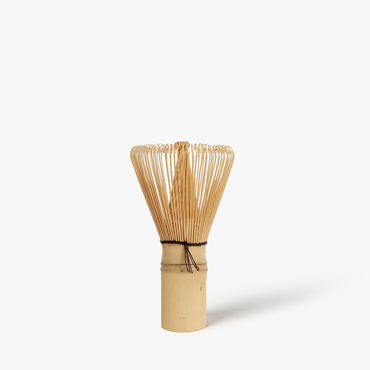
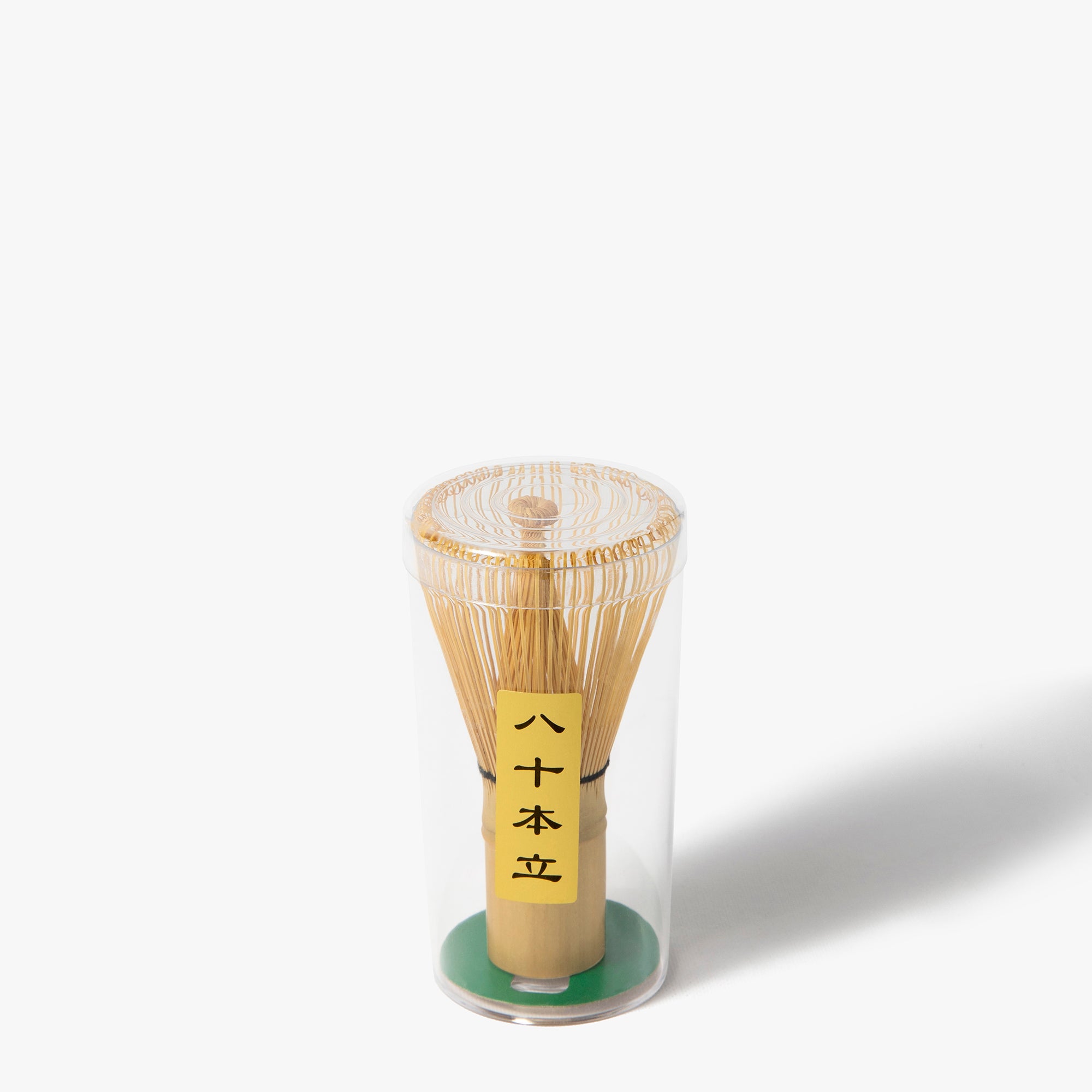
Matcha whisk chasen bamboo 80 branches ⋅ Emro Aziatica
Regular price 16.00 €Prix promotionnel 16.00 € Regular pricePrice per unit per -


Matcha tea kit with sieve and spatula ⋅ Yamamasa Koyamaen
Regular price 12.80 €Prix promotionnel 12.80 € Regular pricePrice per unit per -
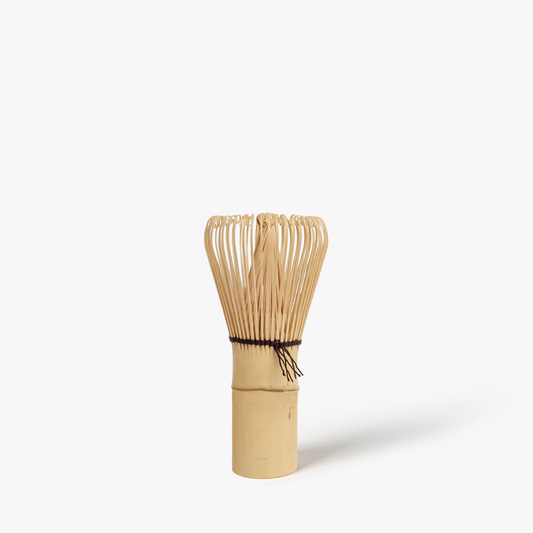
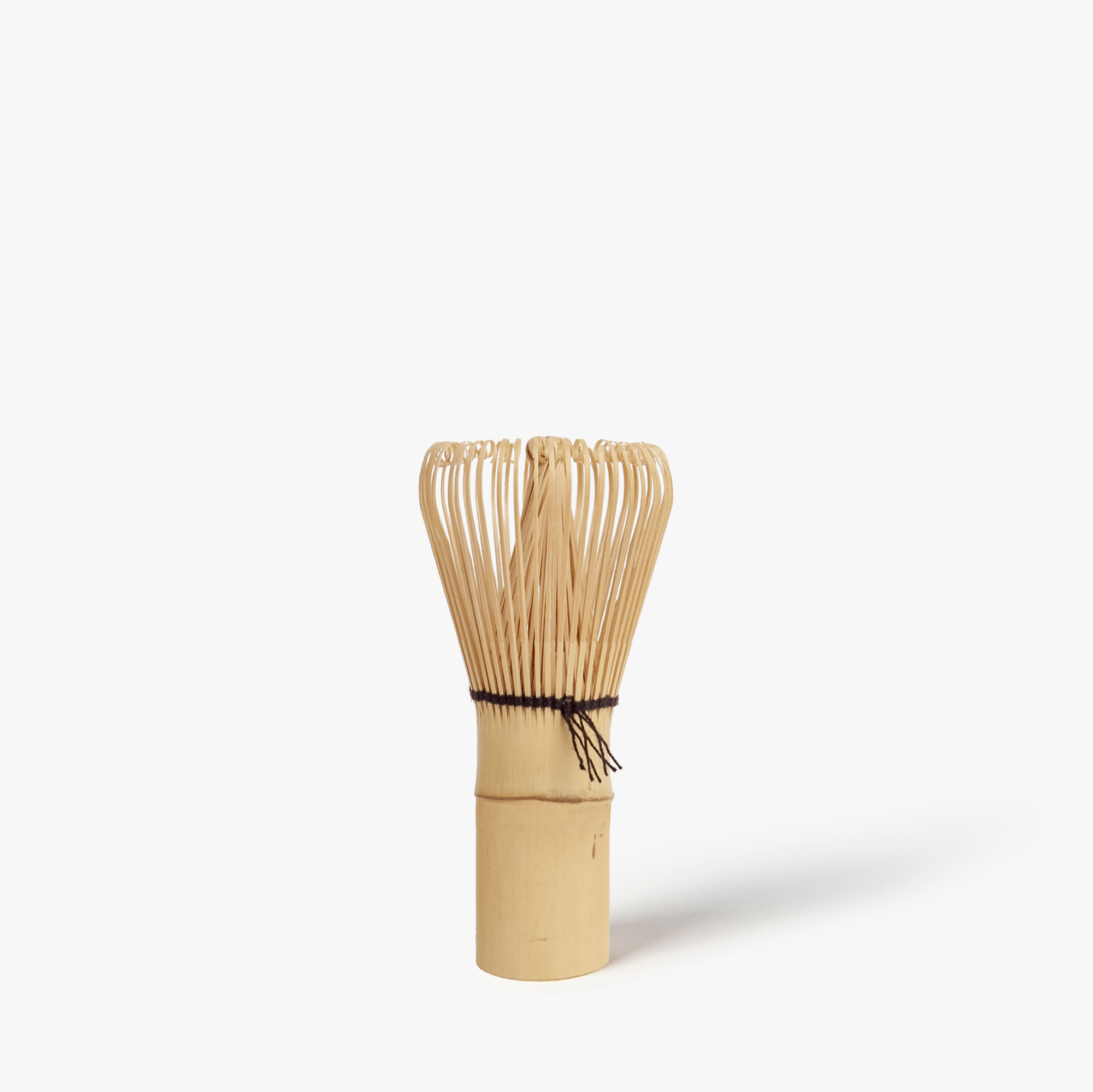
Matcha chasen bamboo whisk 48 branches ⋅ Emro Aziatica
Regular price 14.50 €Prix promotionnel 14.50 € Regular pricePrice per unit per -
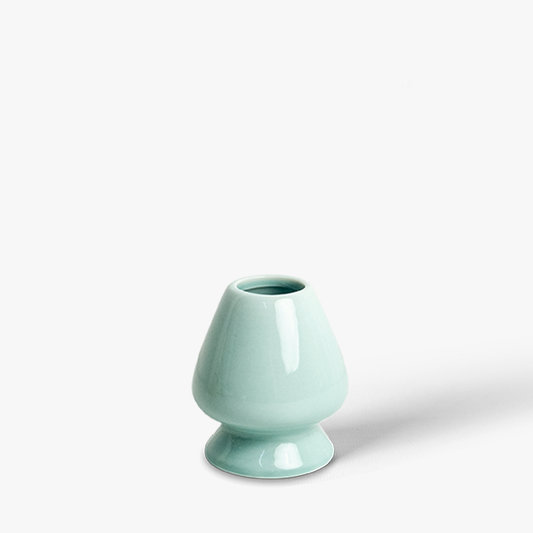
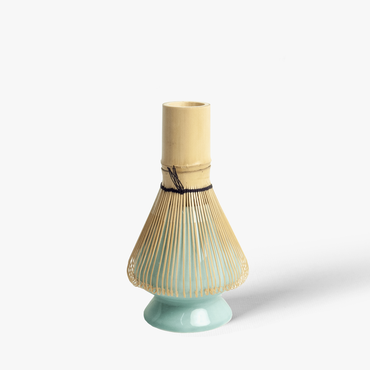
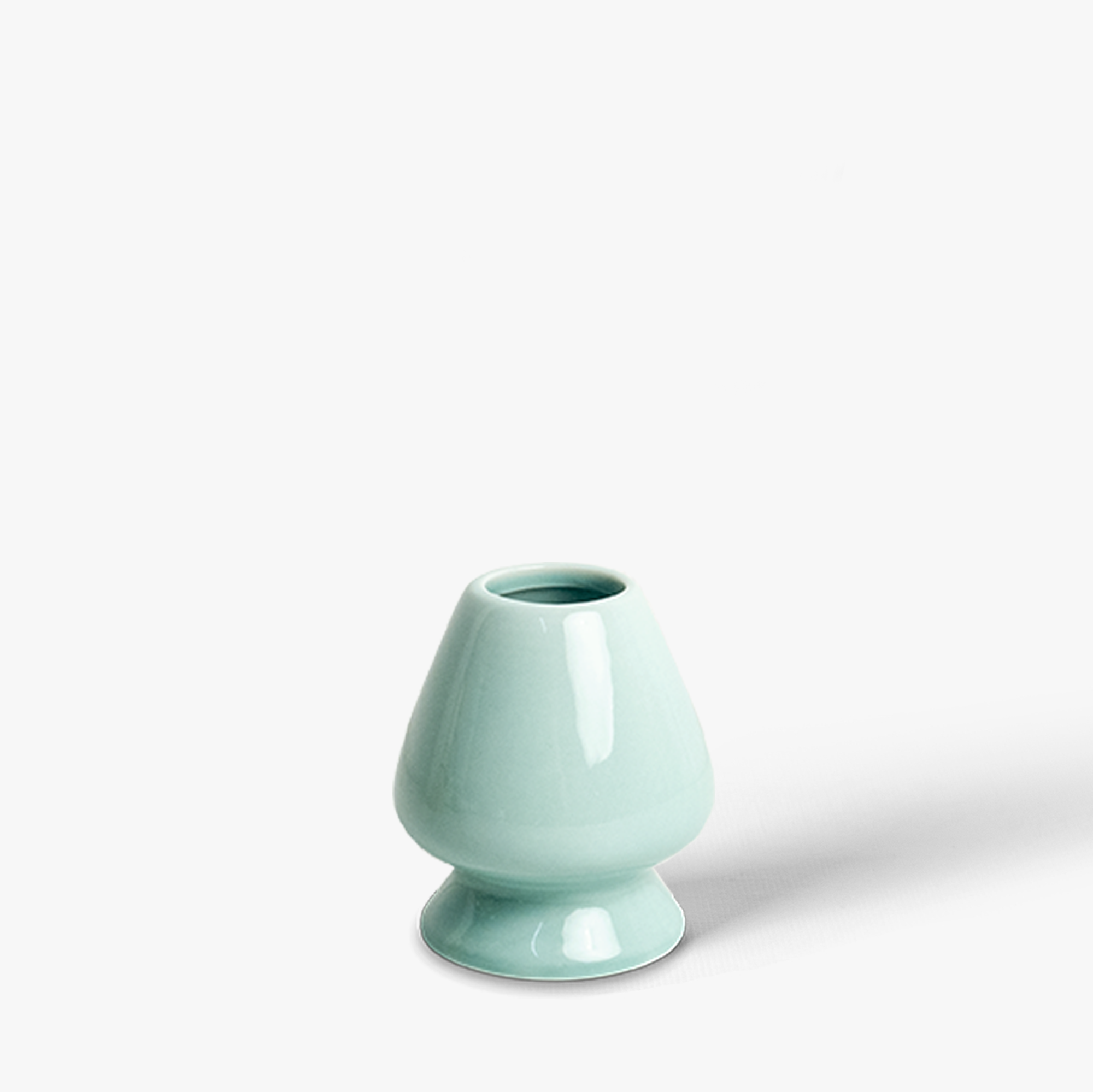
Matcha whip holder chasen-naoshi blue ⋅ Emro Aziatica
Regular price 8.50 €Prix promotionnel 8.50 € Regular pricePrice per unit per -
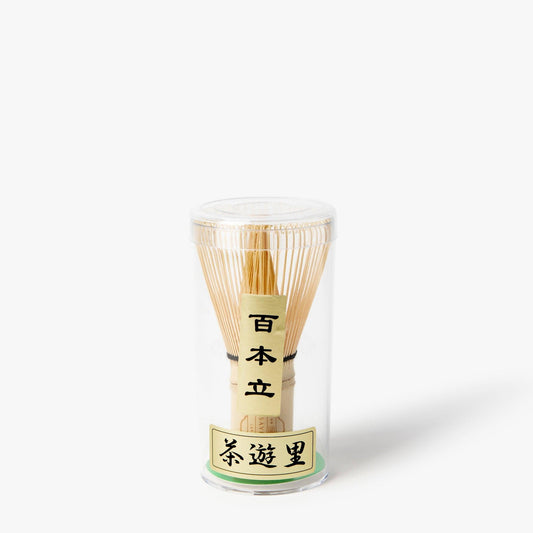
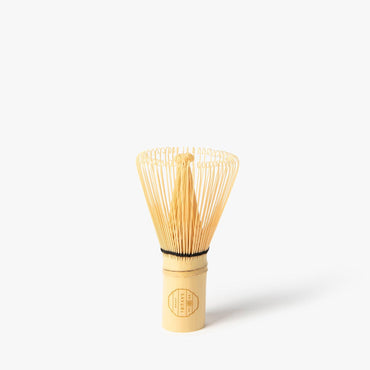
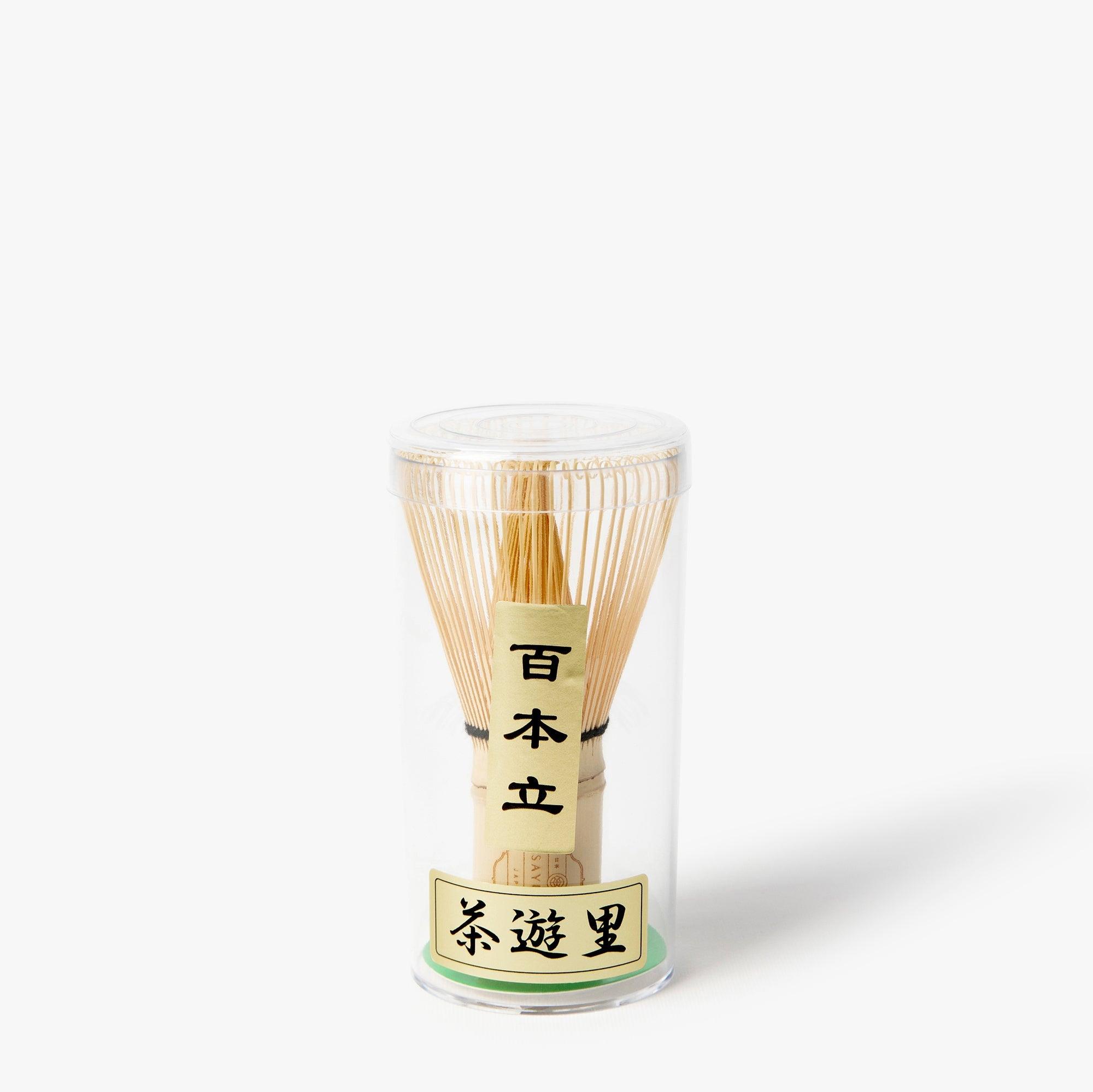
Matcha whisk chasen bamboo 100 branches ⋅ Sayuri&Co
Regular price 19.00 €Prix promotionnel 19.00 € Regular pricePrice per unit per -

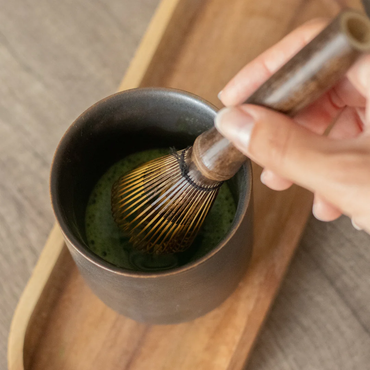

Long matcha whisk chasen bamboo 32 branches ⋅ Anatae
Regular price 26.00 €Prix promotionnel 26.00 € Regular pricePrice per unit per -


Oribe matcha bowl green enamel chawan Ø 125mm ⋅ Touga
Regular price 33.00 €Prix promotionnel 33.00 € Regular pricePrice per unit per -


Matcha glass bowl Chawan ⋅ KURA-GE
Regular price 29.00 €Prix promotionnel 29.00 € Regular pricePrice per unit per


Matcha in other forms
-


Matcha Mochi ⋅ Seiki ⋅ 130g
Regular price 4.90 €Prix promotionnel 4.90 € Regular pricePrice per unit 37.69 € per kg -

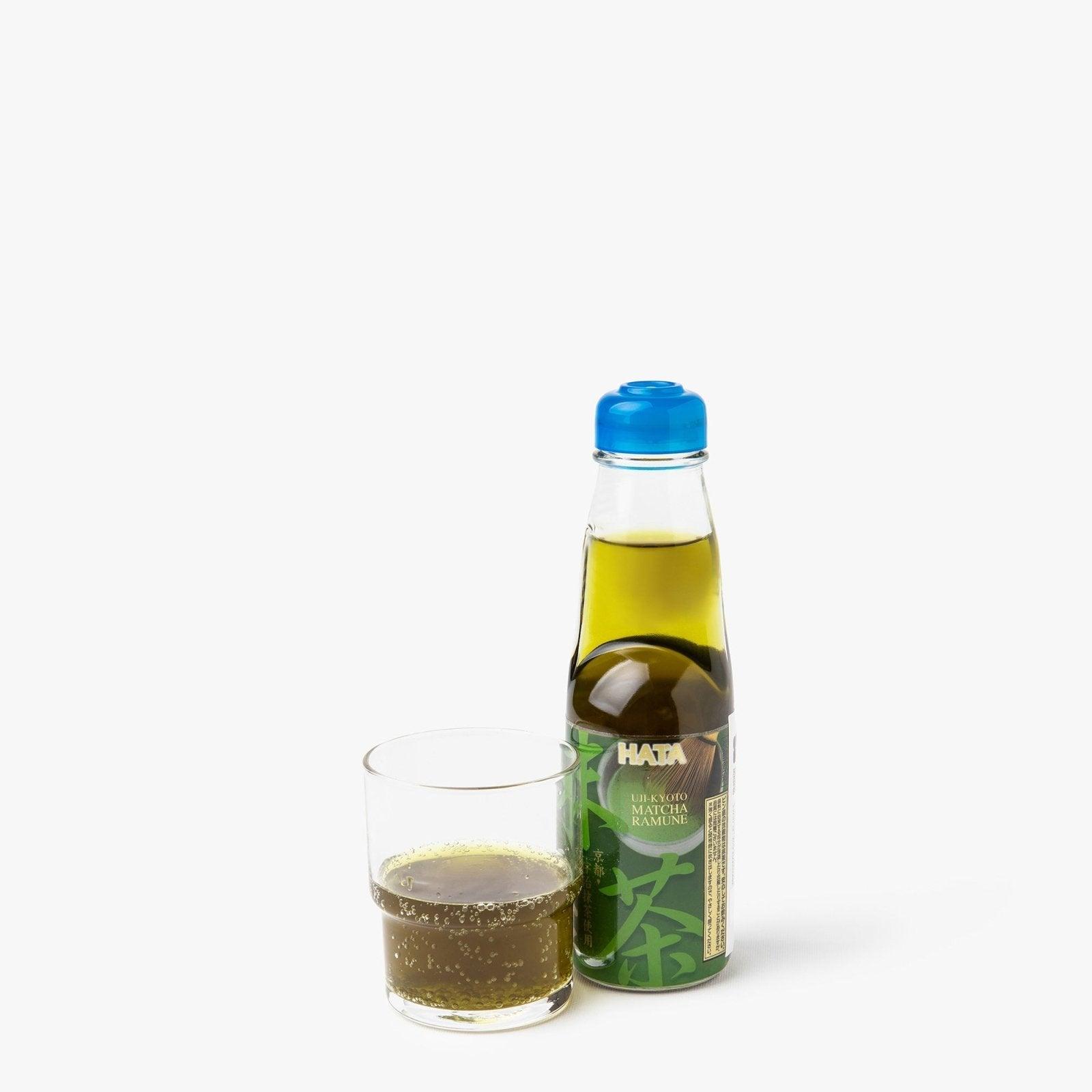
Hata ramune matcha lemonade ⋅ Hata kosen ⋅ 200ml
Regular price 2.60 €Prix promotionnel 2.60 € Regular pricePrice per unit 13.00 € per l -
Matcha whisk chasen bamboo 80 branches ⋅ Emro Aziatica
Regular price 16.00 €Prix promotionnel 16.00 € Regular pricePrice per unit per -


Matcha udon noodles ⋅ Harima seimen ⋅ 150g
Regular price 3.50 €Prix promotionnel 3.50 € Regular pricePrice per unit 23.33 € per kg -


Uji matcha jelly ⋅ Nakajima Taishodo ⋅ 89g
Regular price 2.80 €Prix promotionnel 2.80 € Regular pricePrice per unit 31.46 € per kg -
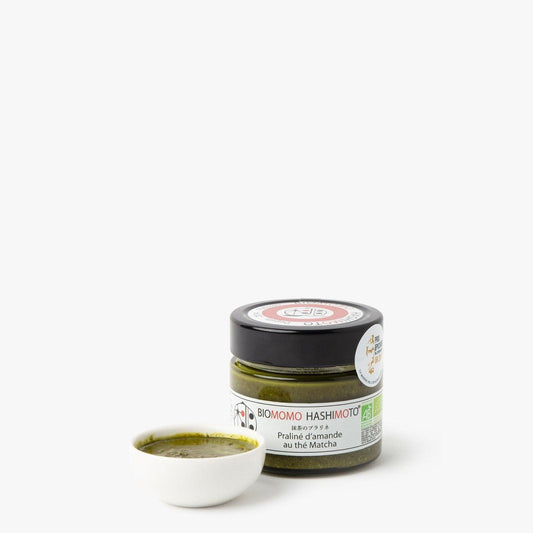

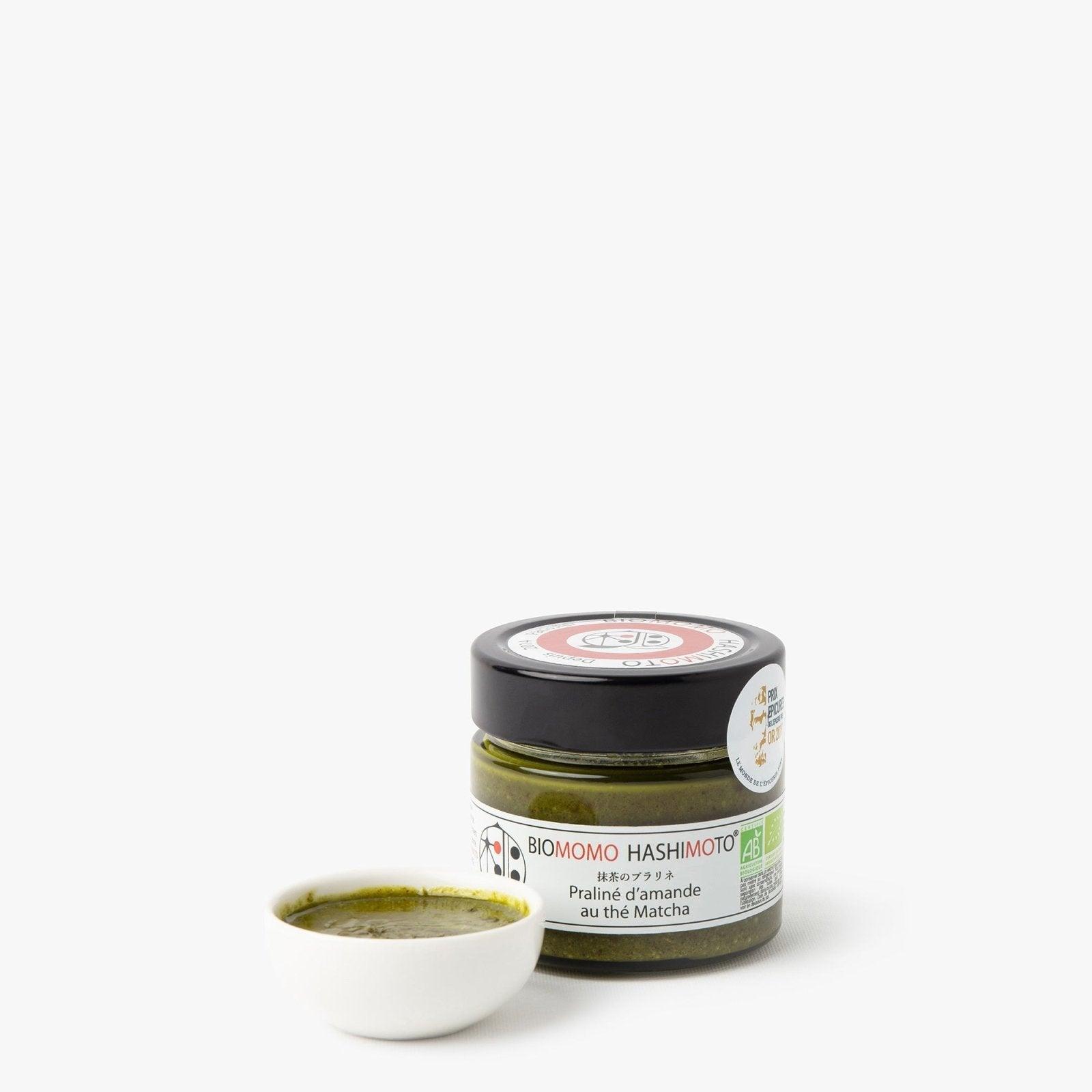
Almond and matcha tea praliné ⋅ Biomomo Hashimoto ⋅ 180g
Regular price 12.45 €Prix promotionnel 12.45 € Regular pricePrice per unit 69.17 € per kg -
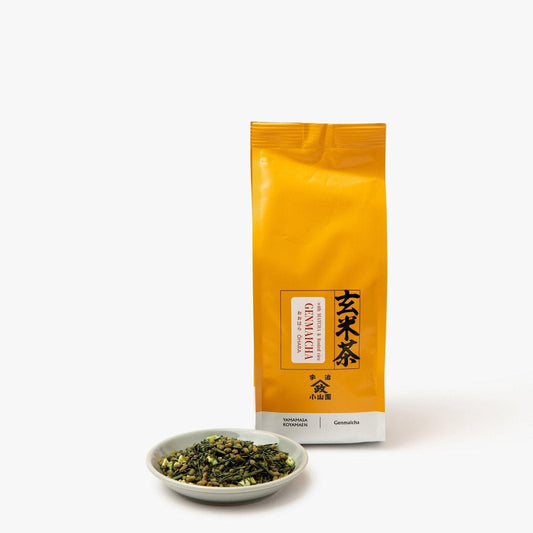
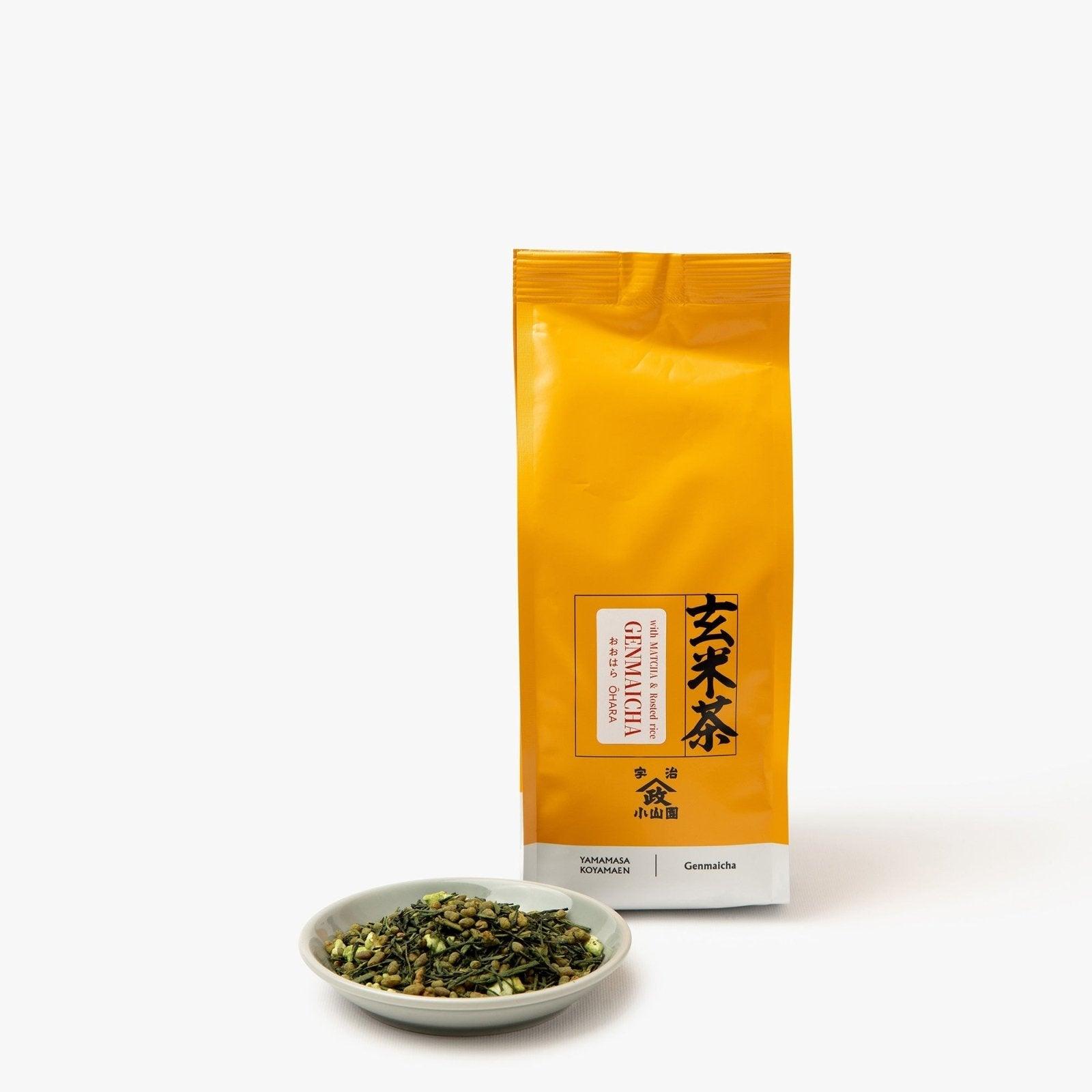
Ohara matcha genmaicha tea loose ⋅ Yamamasa Koyamaen ⋅ 200g
Regular price 15.90 €Prix promotionnel 15.90 € Regular pricePrice per unit 79.50 € per kg -
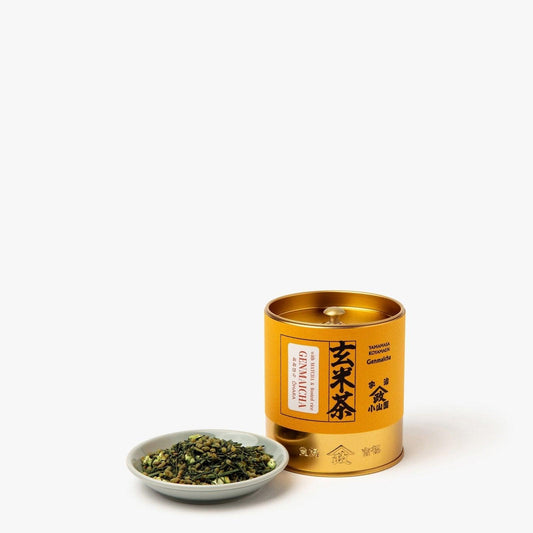
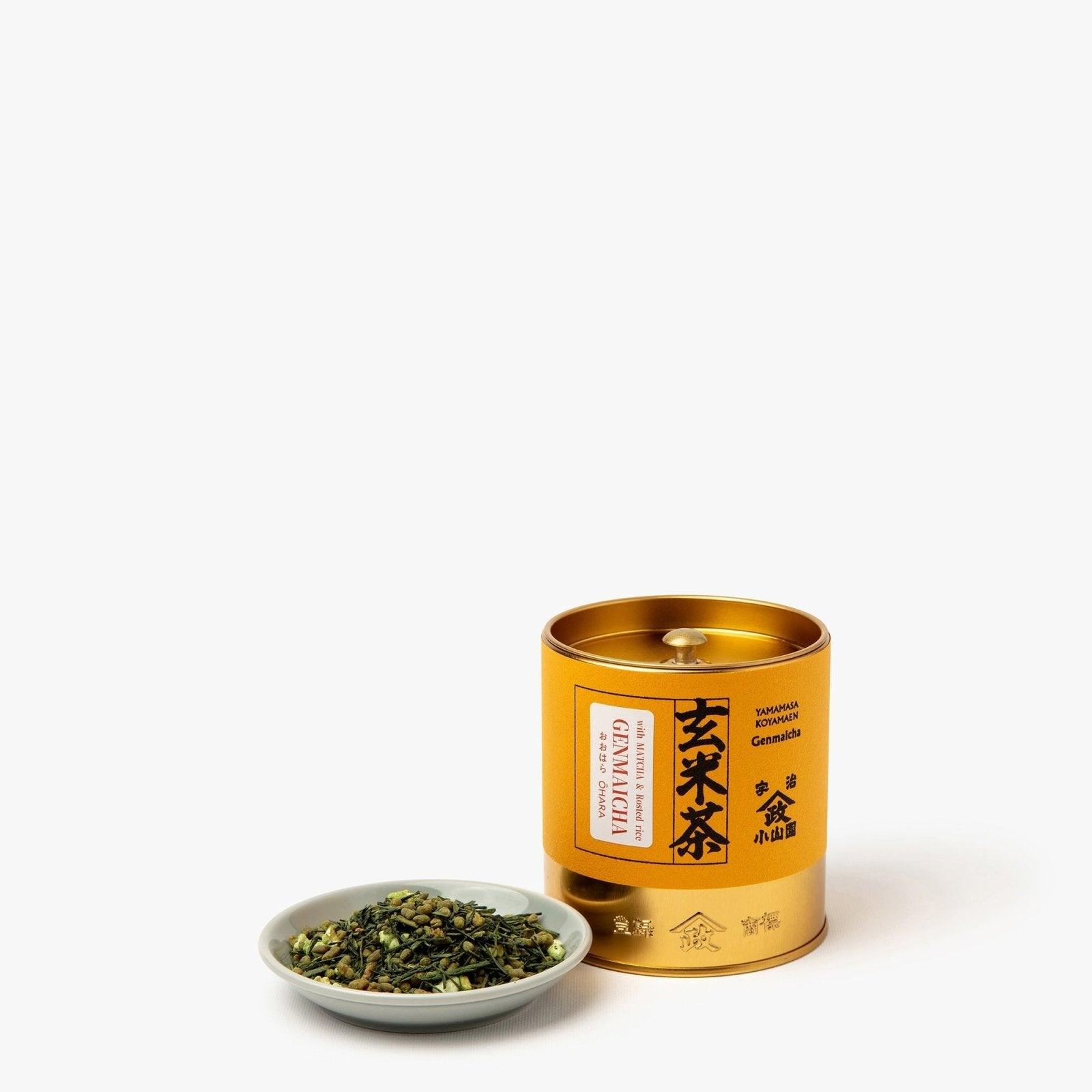
Ohara matcha genmaicha tea loose ⋅ Yamamasa Koyamaen ⋅ 100g
Regular price 13.90 €Prix promotionnel 13.90 € Regular pricePrice per unit 139.00 € per kg


Our matcha recipes


The three types of matcha

CEREMONY
The finest and purest for traditional tasting. Simply prepared with hot water, it reveals all its subtlety, delicate aroma and velvety texture. Slightly bitter and very round on the palate, it will appeal to matcha purists.

CLASSIC
Intermediate quality, perfect for lattes, smoothies and other drinks. It retains the color and taste of matcha while being more affordable than the ceremonial grade. Ideal for everyday matcha enjoyment.

KITCHEN
Designed for cooking and pastry-making , it can be cooked and combined with other ingredients without any problem, and its more pronounced, sometimes slightly bitter flavor makes it ideal for intensely flavoring cakes, creams or sauces.
Out of stock & matcha prices
For several months now, we have been experiencing an explosion in worldwide demand for matcha, which has more than tripled, particularly outside Japan. Yet Japanese production, driven by small family farms, is unable to keep pace. As a result, purchase prices from our producers have doubled in the space of a year.
We have always chosen to limit the impact of this increase on our sales prices, by absorbing part of the costs. However, in order to continue offering a quality matcha, we are now forced to adjust our prices by a few euros.
Despite our efforts, we only manage to cover around 20% of actual demand in stores and online. Supply remains very tight. To make sure you don't miss your favorite matcha, we recommend that you sign up for e-mail alerts on the product pages This will keep you informed in real time as soon as a restocking is available.
The good news is that we're continually expanding our range, with over thirty matcha references, from the finest vintages to culinary uses, so that everyone can find the matcha that's right for them.
Find out more about matcha
What are the health benefits of matcha?
Matcha is rich in antioxidants, vitamins and minerals. It can :
- Helps boost energy and alertness thanks to natural caffeine.
- Promotes concentration and relaxation thanks to L-theanine.
- Helps detoxify the body.
- Support metabolism and weight management.
How to store matcha?
Matcha should be stored away from light, moisture and heat. Ideally, it should be kept in an airtight container in the refrigerator to preserve its color, taste and antioxidant properties.
Does matcha have any side effects?
Matcha is generally safe for most people. Excessive consumption can lead to nervousness, insomnia or stomach upset due to its caffeine content. We recommend limiting consumption to 2-3 cups a day.
What's the best way to prepare traditional matcha to enjoy all its benefits?
To prepare a traditional matcha and take full advantage of its benefits:
- Sifting: Sift 1 to 2 teaspoons (2 to 4 grams) of matcha into a tea bowl (chawan) to remove lumps.
- Add water: Heat water to approx. 70-80°C. Pour about 60 ml of hot water over the matcha.
- Whipping: Use a bamboo whisk (chasen) to blend the matcha in rapid "W"-shaped strokes until a fine, creamy foam forms on the surface.
- Consume immediately: Drink matcha immediately after preparation to maximize flavor and benefits.
Where is the best matcha grown in Japan?
The most famous matcha-growing regions in Japan are :
- Uji (near Kyoto): Considered the birthplace of matcha, Uji produces some of the country's finest matchas, renowned for their smoothness and depth of flavor.
- Nishio (Aichi): Known for its high-quality matcha, often used in ceremonial and premium grades.
- Shizuoka: Although best known for sencha, Shizuoka also produces quality matcha.
What's the difference between matcha and ordinary green tea?
Matcha: Matcha is made from tencha tea leaves that are shaded before harvesting, which increases their chlorophyll and amino acid content. After harvesting, the leaves are ground into a fine powder. When you consume matcha, you ingest the whole leaf, which amplifies the benefits.
Ordinary green tea (Sencha): The leaves are infused in hot water and then removed, which means you absorb only the water-soluble nutrients.
Can matcha be enjoyed every day?
Yes, you can consume matcha on a daily basis. It's rich in antioxidants, amino acids such as L-theanine, and vitamins. However, due to its caffeine content, it is advisable to moderate the amount consumed to avoid effects such as insomnia or nervousness. In general, 1 to 2 cups a day is a reasonable amount.
How can I incorporate matcha into my daily diet?
Matcha is very versatile and can be incorporated into your diet in many different ways:
- Drink: As a matcha latte or by adding a spoonful of matcha to your smoothies.
- Cooking: In pastry recipes (cakes, cookies, muffins), pancakes or ice creams.
- Yoghurt or porridge: Mix it with yoghurt, porridge or muesli for a healthy breakfast.
What is the ideal water temperature for preparing matcha?
The ideal water for preparing matcha should be heated to around 70-80°C. Water that is too hot can burn the matcha, giving it a bitter taste and degrading its antioxidant properties.
How to avoid lumps when preparing matcha?
To avoid lumps when preparing matcha:
- Sift the matcha before use to make it lighter and more homogeneous.
- Add a small amount of hot water to the matcha and stir gently to form a paste before adding the rest of the water. This helps to dissolve the matcha more evenly.
- Whisk vigorously with a chasen to dissolve the powder.
How to choose a quality matcha?
To choose a quality matcha, consider the following aspects:
- Color: High-quality matcha has a bright, almost emerald green color.
- Texture: Powder should be fine and silky.
- Aroma: Fresh, slightly sweet and herbaceous.
- Taste: Quality matcha is sweet and umami, with little bitterness.
Does matcha contain caffeine?
Yes, matcha contains caffeine, but the presence of L-theanine in matcha attenuates its stimulating effects, offering smoother, longer-lasting energy without the spikes and crashes often associated with coffee. A serving of matcha contains around 30 to 70 mg of caffeine, less than a cup of coffee but more than a conventional cup of green tea.
What are the different qualities of matcha and how do they differ?
Matcha is classified into several grades according to its quality:
- Ceremonial grade: Used for tea ceremonies, it is of the highest quality, with a mild flavor, a bright green color and no bitterness.
- Premium grade: Ideal for everyday consumption, it offers a good balance between sweetness and bitterness, with a bright green color, but slightly less intense than the ceremonial grade.
- Culinary grade: Used for cooking, this matcha has a stronger, sometimes more bitter taste, with a less vibrant green color. It is perfect for smoothies, pastries and other preparations.


