




Collection: Tous nos produits japonais
Après plus de deux ans passés à méticuleusement les sourcer, iRASSHAi vous propose une sélection de plus de 1000 produits, importés du Japon et dont les trois quarts sont vendus en France pour la première fois. Découvrez des produits d’épicerie japonais authentiques pour sublimer votre cuisine ! Et si vous ne savez pas par où commencez, nous rédigeons régulièrement des recettes pour tous les goûts et tous les niveaux pour vous donner des idées.


-
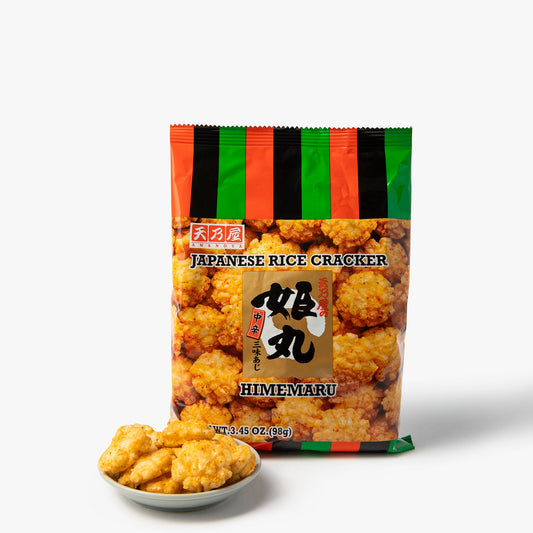
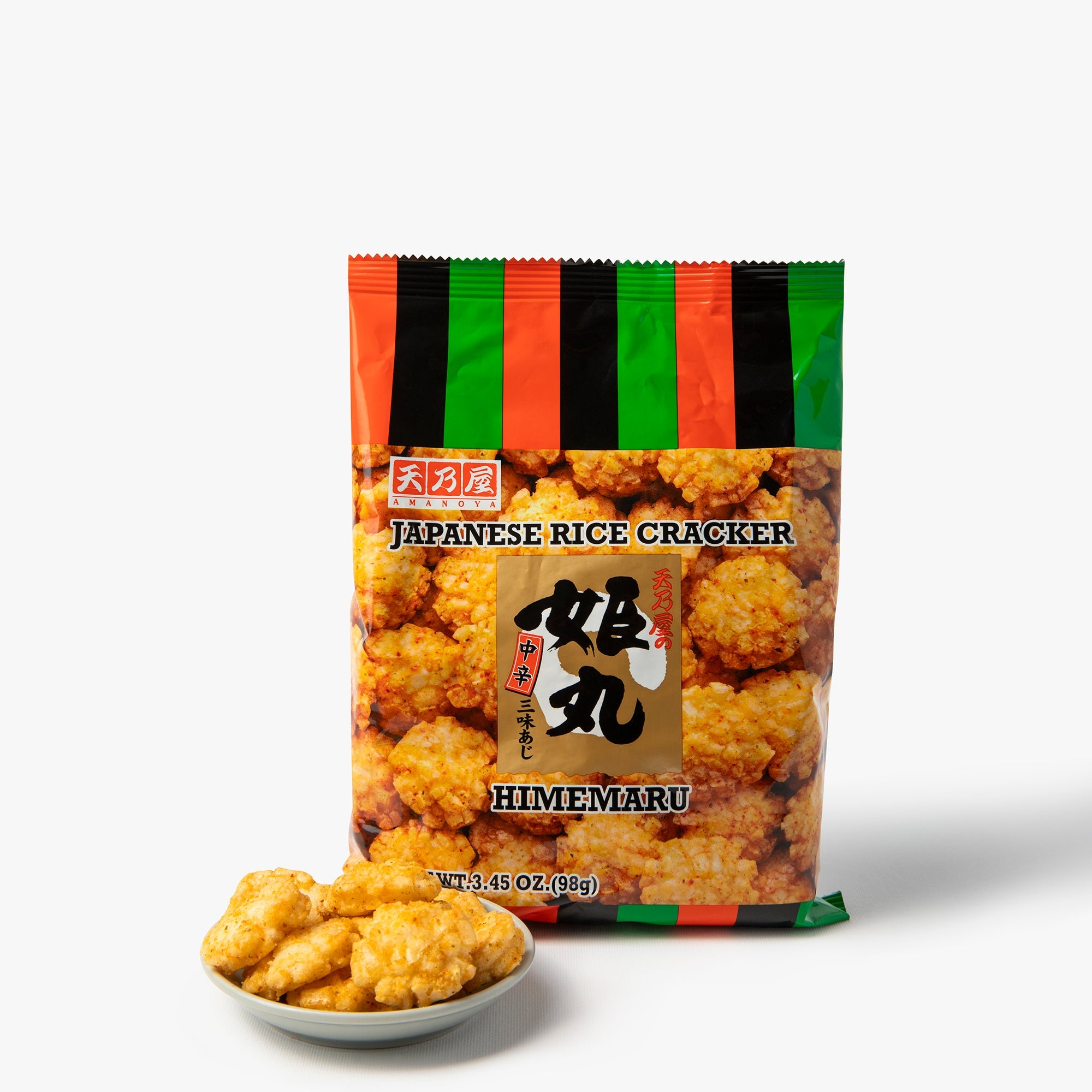
Crackers de riz senbei piquant ⋅ Amanoya ⋅ 98g
⋅ Goût épicé et texture fondante⋅ Idéal en appértif, ou un pique⋅ nique⋅ Fabriqué avec du rizLes crackers de riz Himemaru sont des gâteaux apéritifs japonais...
Prix habituel 4.80 €Prix promotionnel 4.80 € Prix habituelPrix unitaire 48.98 € par kg -
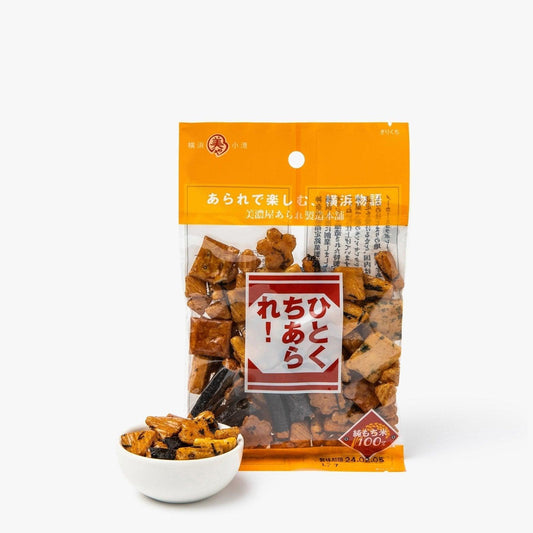

Mélange de crackers de riz arare ⋅ Minoya Arare ⋅ 45g
⋅ Assortiment varié d’arare sucrés et salés⋅ Boules de riz soufflé croustillantes⋅ Format pratique à emporter partout⋅ Parfait pour les amateurs de gourmandisesAssortiment de différentes variétés...
Prix habituel 3.70 €Prix promotionnel 3.70 € Prix habituelPrix unitaire 82.22 € par kg -
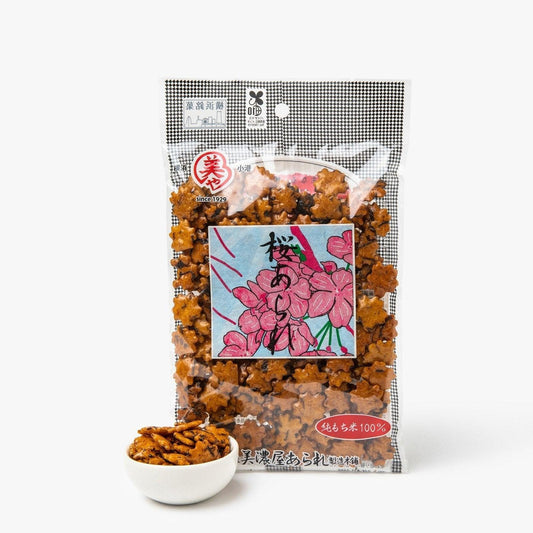
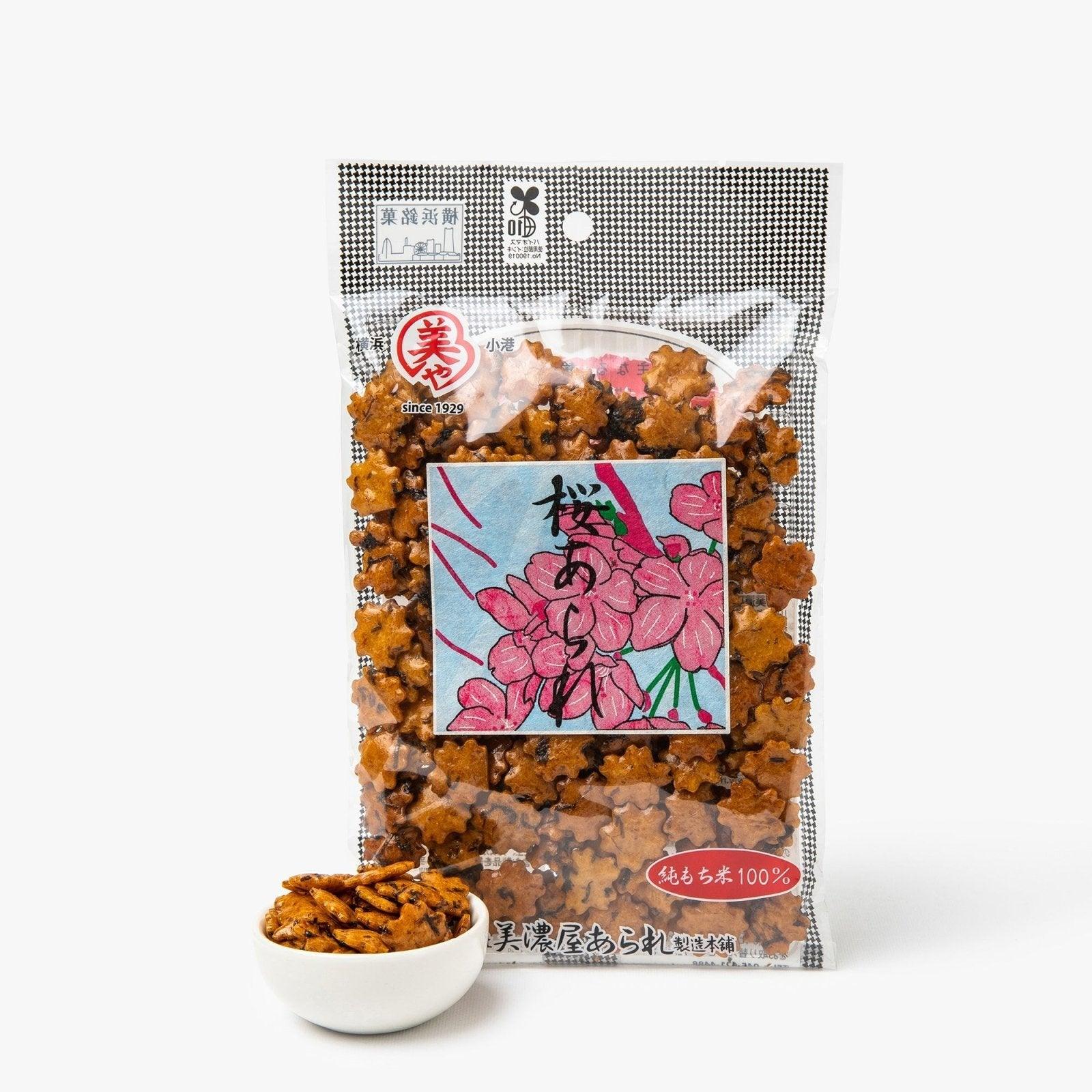
Crackers de riz arare sakura à la sauce soja ⋅ Minoya Arare ⋅ 72g
⋅ Snack savoureux avec une touche de fleurs de cerisier⋅ Arômes floraux qui rehaussent la sauce soja⋅ Parfait pour un encas à emporter partout⋅ Texture croustillanteMélange...
Prix habituel 6.40 €Prix promotionnel 6.40 € Prix habituelPrix unitaire 88.89 € par kg -


Crackers de riz senbei ⋅ Sakata Beika ⋅ 180g
⋅ Crackers de riz japonais croustillants⋅ Assaisonnement varié: sauce soja, sel ou épices⋅ Sans gluten⋅ Parfaite en collation⋅ idéal à partager ou à grignoter au quotidienLes...
Prix habituel 7.50 €Prix promotionnel 7.50 € Prix habituelPrix unitaire 41.67 € par kg -


Crackers de riz senbei à la sauce soja sans gluten ⋅ Sakata Beika ⋅ 94g
⋅ Crackers de riz croustillants assaisonnés à la sauce soja⋅ Saveur umami et salée⋅ Sans gluten⋅ Idéal en en⋅ cas ou avec du théLes senbei sont...
Prix habituel 5.80 €Prix promotionnel 5.80 € Prix habituelPrix unitaire 61.70 € par kg -


Crackers de riz senbei à la sauce soja ⋅ Sakata Beika ⋅ 110g
⋅ Crackers de riz croustillants enrobés de sauce soja⋅ Saveur salée et umami⋅ Sans gluten⋅ Texture fine et croquante⋅ Idéal à partagerLes senbei sont des biscuits...
Prix habituel 7.50 €Prix promotionnel 7.50 € Prix habituelPrix unitaire 68.18 € par kg -

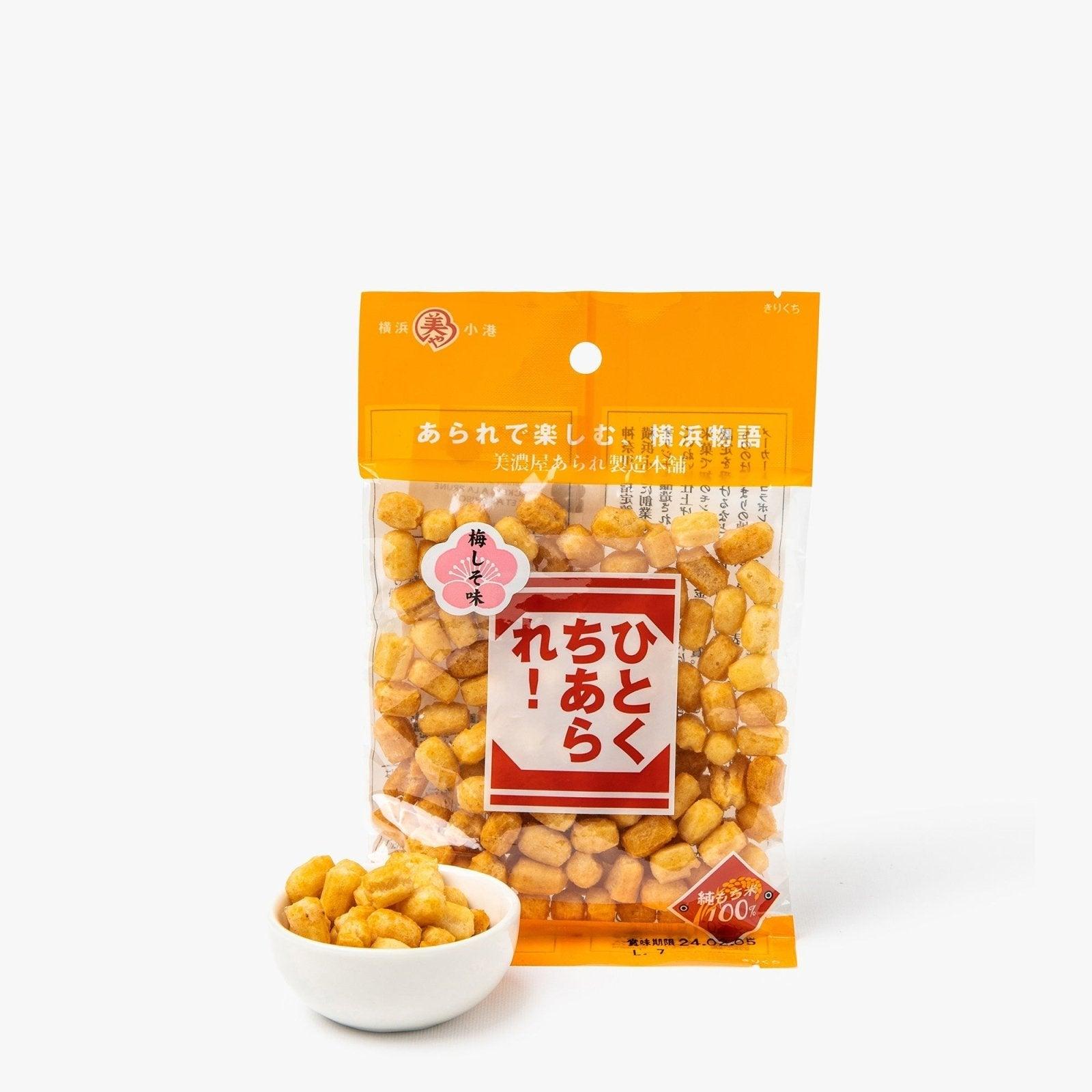
Crackers de riz à la prune ume et au shiso yukari ⋅ Minoya Arare ⋅ 60g
⋅ Boules de riz soufflé assaisonnées à la prune ume et le shiso⋅ Snack idéal pour amateurs de saveurs authentiques⋅ Texture croustillante⋅ Format pratique à emporter...
Prix habituel 3.70 €Prix promotionnel 3.70 € Prix habituelPrix unitaire 61.67 € par kg -
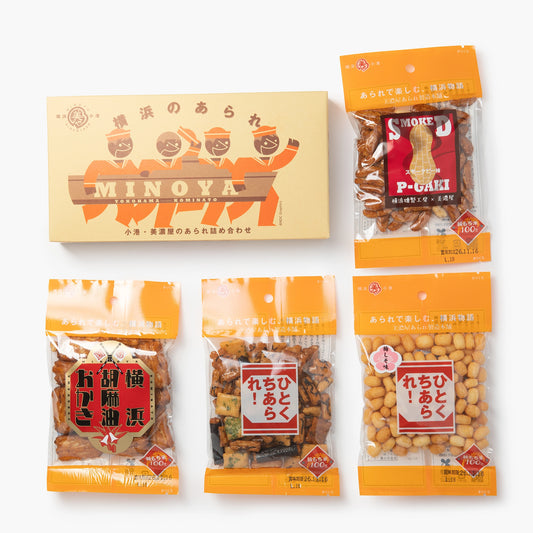
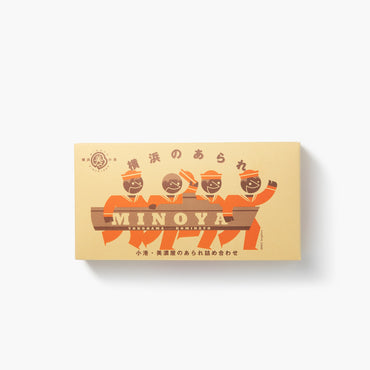
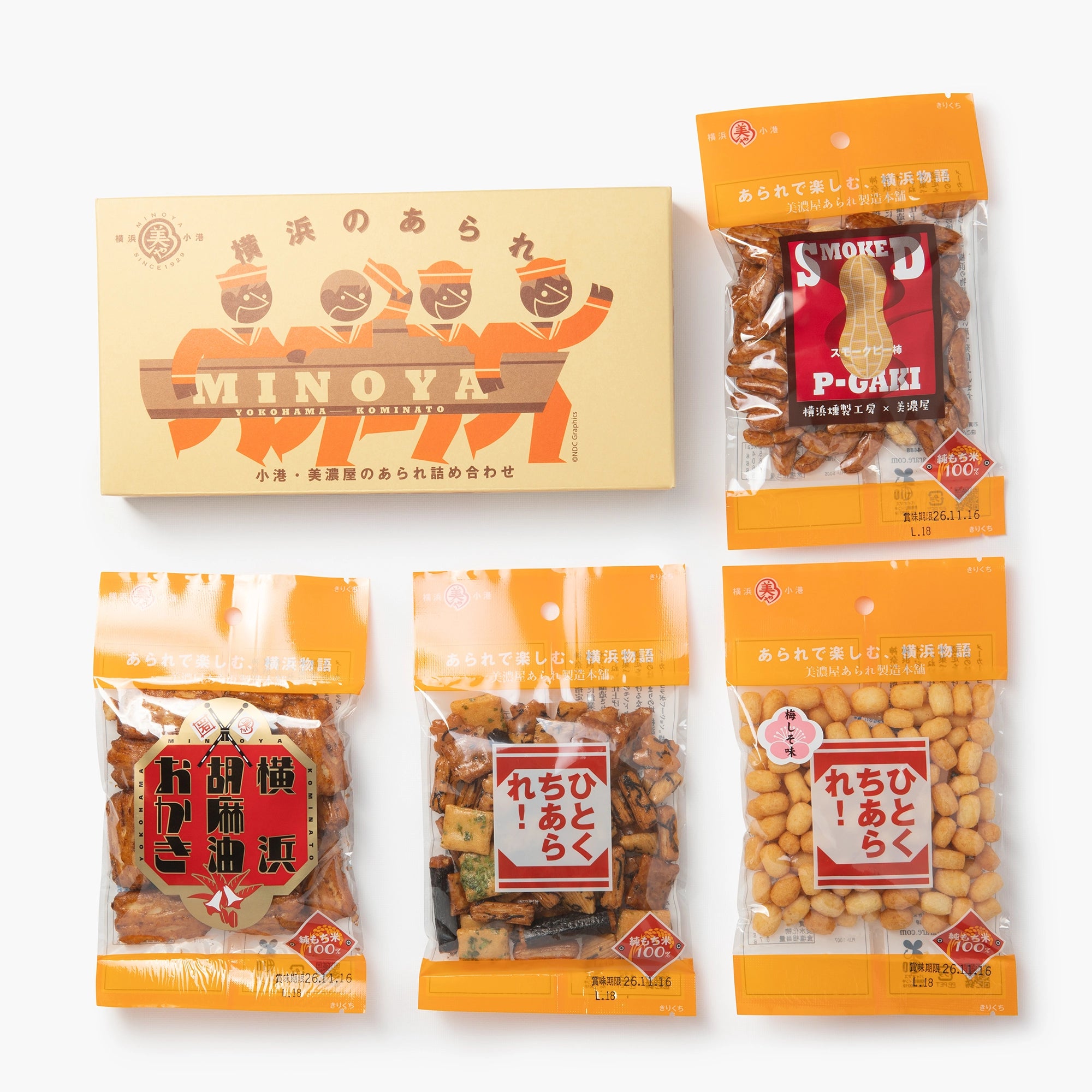
Coffret de crackers de riz arare ⋅ Minoya Arare ⋅ 155g
⋅ En exclusivité chez iRASSHAi!⋅ Assortiment de 4 goûts différents⋅ Parfait pour animer les apéritifs⋅ Emballés en sachets individuels pour préserver les saveursAssortiment de différents types...
Prix habituel 9.50 €Prix promotionnel 9.50 € Prix habituelPrix unitaire 61.29 € par kg -

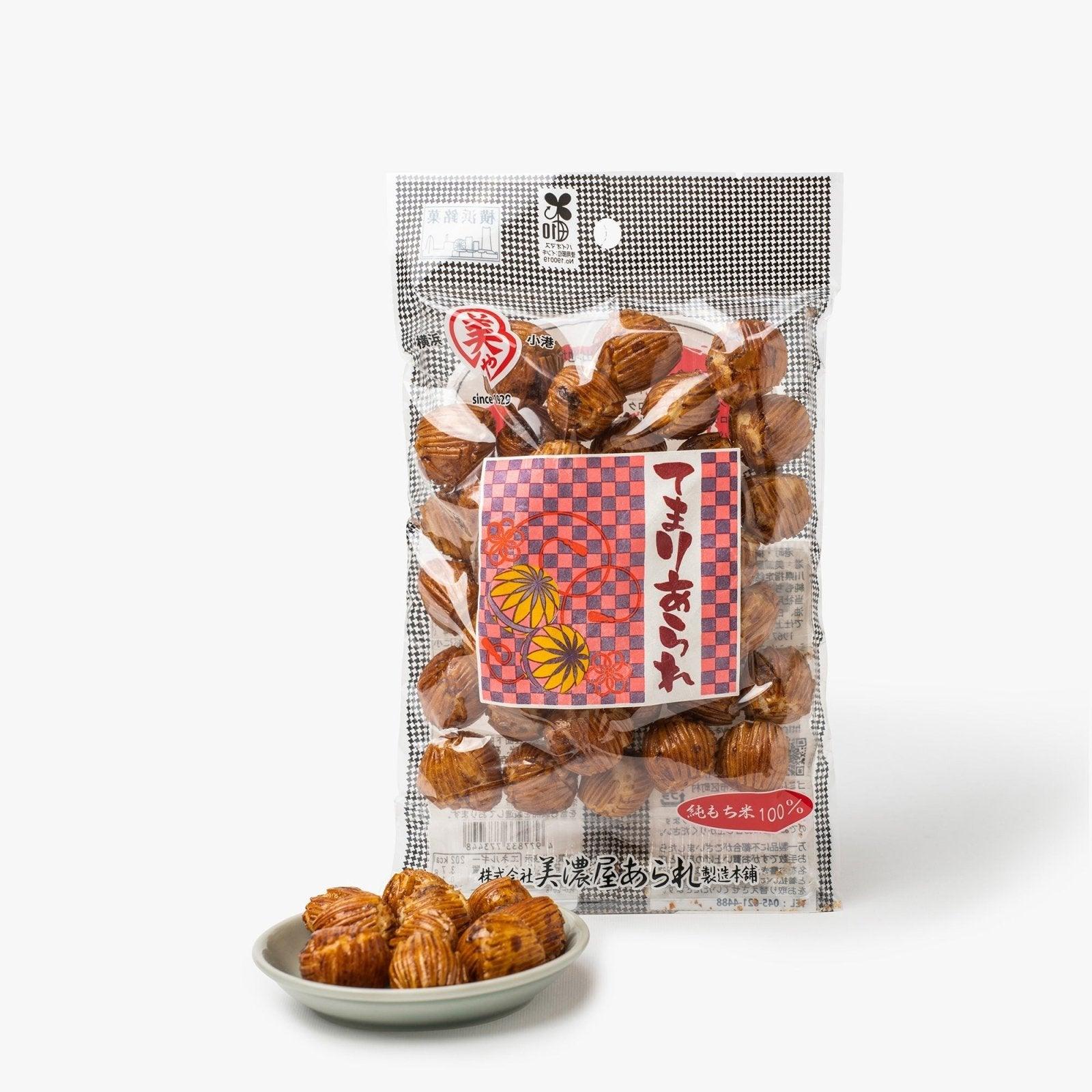
Crackers de riz arare à la sauce soja ⋅ Minoya Arare ⋅ 55g
⋅ Snack aux boules de riz soufflé⋅ Saveur umami grâce à une sauce soja authentique⋅ Format pratique à emporter partout⋅ Texture croustillanteMélange croustillant d'arare, des boules...
Prix habituel 6.40 €Prix promotionnel 6.40 € Prix habituelPrix unitaire 116.36 € par kg -
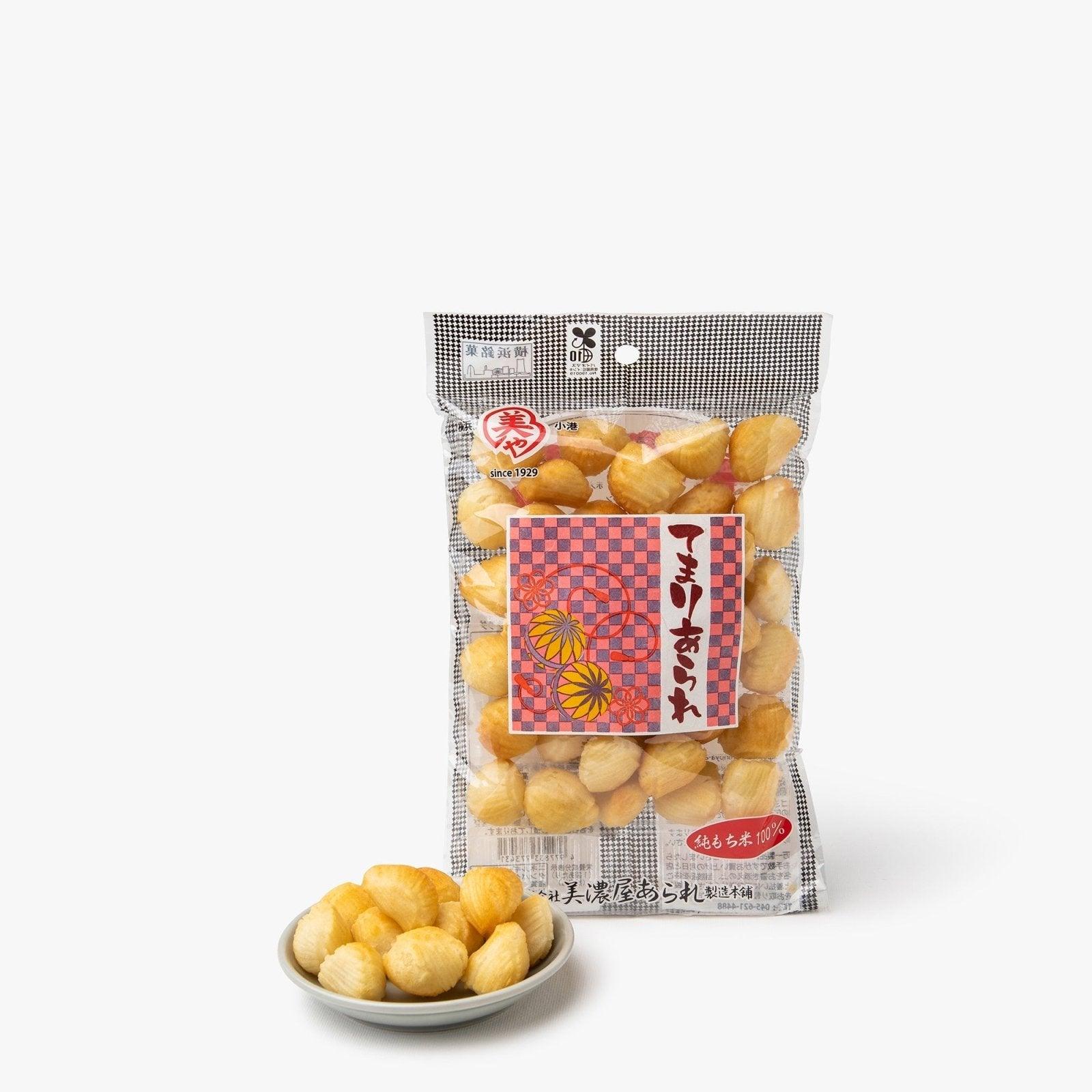
Crackers de riz arare au sel ⋅ Minoya Arare ⋅ 55g
⋅ Snack aux boules de riz soufflé⋅ Assaisonner au sel⋅ Format pratique à emporter partout⋅ Texture croustillanteMélange croustillant d'arare, des boules de riz soufflé, assaisonné avec...
Prix habituel 6.40 €Prix promotionnel 6.40 € Prix habituelPrix unitaire 116.36 € par kg -
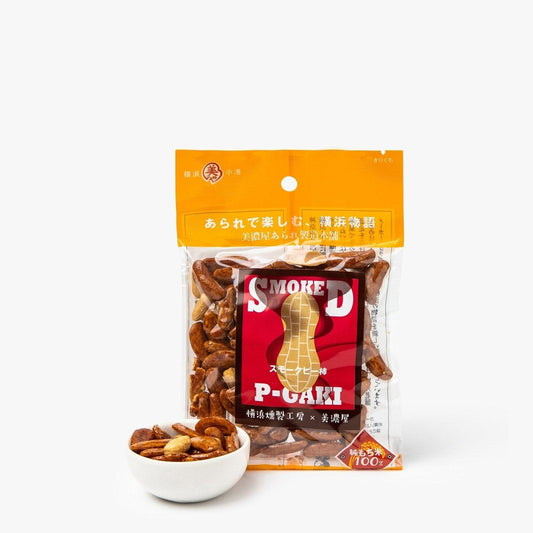
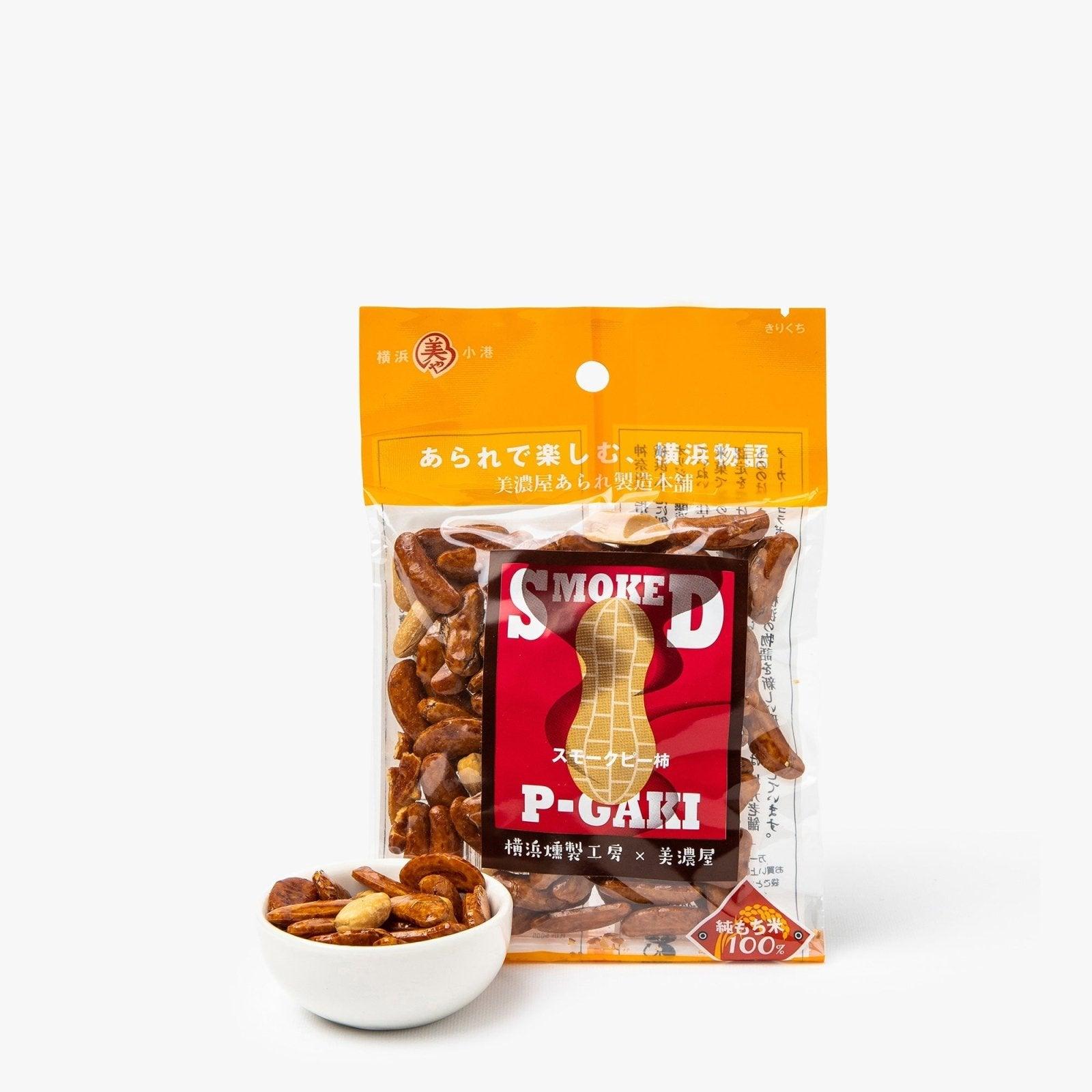
Crackers de riz aux cacahuètes fumées ⋅ Minoya Arare ⋅ 40g
⋅ Cacahuètes grillées et fumées⋅ Texture croquante et arôme boisé⋅ Parfaites en encas ou en topping sur salades et plats chauds⋅ Format pratique à emporter⋅ Accompagne...
Prix habituel 5.00 €Prix promotionnel 5.00 € Prix habituelPrix unitaire 125.00 € par kg -
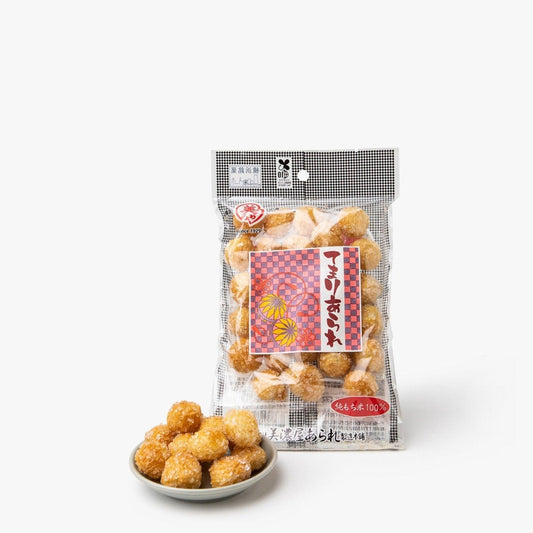

Craquelins de riz arare aux cristaux de sucre ⋅ Minoya Arare ⋅ 60g
⋅ Snack aux boules de riz soufflé⋅ Saveur sucré⋅ salé⋅ Format pratique à emporter partout⋅ Texture croustillanteMélange croustillant d'arare, des boules de riz soufflé, sucré. L'arare...
Prix habituel 6.40 €Prix promotionnel 6.40 € Prix habituelPrix unitaire 106.67 € par kg -


Crackers de riz senbei sans gluten ⋅ Sakata Beika ⋅ 61.6g
⋅ Crackers de riz japonais croustillants et légers⋅ Fabriqué à base de riz⋅ Sans gluten⋅ Assaisonné au sel⋅ Idéal en en⋅ cas ou avec du théLes...
Prix habituel 5.80 €Prix promotionnel 5.80 € Prix habituelPrix unitaire 93.55 € par kg


Cuisinez japonais avec nos dernières recettes


En savoir plus sur les produits d'épicerie japonais
Quels sont les ingrédients de base de la cuisine japonaise ?
Les ingrédients de base de la cuisine japonaise incluent :
- Riz (gohan) : L'élément central de la plupart des repas japonais.
- Soja : Utilisé sous forme de sauce soja, miso, ou tofu.
- Algues (nori, kombu, wakame) : Essentielles dans les soupes et les sushis.
- Dashi : Un bouillon de base fait de kombu (algue) et de bonite séchée.
- Mirin : Un vin de riz doux utilisé pour la cuisine.
- Vinaigre de riz : Indispensable pour assaisonner le riz à sushi et les marinades.
- Wasabi : Un condiment piquant, souvent servi avec des sushis.
Quelle est la différence entre le mirin et le saké de cuisine ?
Le mirin et le saké de cuisine sont tous deux utilisés pour cuisiner, mais ils diffèrent principalement par leur teneur en sucre et en alcool. Le mirin est un vin de riz doux, sucré et peu alcoolisé, utilisé pour ajouter de la douceur et de la brillance aux plats. Le saké de cuisine est plus sec, avec une teneur en alcool plus élevée, et sert à déglacer les plats et à neutraliser les odeurs de poisson ou de viande.
Quels sont les types de nouilles japonaises les plus courants ?
Les types de nouilles japonaises les plus courants sont :
- Ramen : Nouilles de blé servies dans un bouillon chaud, très populaire au Japon.
- Udon : Nouilles épaisses de blé, servies en soupe ou sautées, souvent dans un bouillon léger.
- Soba : Nouilles fines de sarrasin, servies chaudes en soupe ou froides avec une sauce d'accompagnement.
- Somen : Nouilles de blé très fines, généralement servies froides en été.
Comment utiliser le dashi dans mes recettes ?
Le dashi est un bouillon de base dans la cuisine japonaise, utilisé pour préparer des soupes, comme la soupe miso, des sauces, et des plats mijotés. Il peut également être utilisé pour cuire des légumes, comme dans l'oden, ou comme base pour les plats de nouilles. Pour l'utiliser, il suffit de diluer le dashi (qu'il soit en granules, liquide ou fait maison) avec de l'eau, puis de l'incorporer dans tes recettes.
Quelle est la différence entre le miso blanc et le miso rouge ?
Le miso blanc (shiro miso) et le miso rouge (aka miso) se distinguent par leur couleur, leur goût et leur durée de fermentation :
- Miso blanc : Plus doux, légèrement sucré, avec une fermentation plus courte, souvent utilisé pour des plats légers comme les soupes.
- Miso rouge : Plus fort en goût, salé, et avec une fermentation plus longue, utilisé dans des plats plus robustes comme les soupes miso riches ou les marinades.
Comment choisir le bon type de vinaigre de riz ?
Pour choisir le bon vinaigre de riz, prends en compte :
- Vinaigre de riz blanc : Doux et polyvalent, idéal pour les sushis, les marinades et les vinaigrettes.
- Vinaigre de riz assaisonné : Déjà sucré et salé, prêt à l'emploi pour le riz à sushi.
- Vinaigre de riz brun : Plus intense en goût, souvent utilisé pour des plats plus riches ou des marinades plus complexes.
Quels sont les accompagnements typiques des sushis ?
Les accompagnements typiques des sushis incluent :
- Wasabi : Pâte piquante faite à partir de racine de wasabi, ajoutée directement sur le sushi ou mélangée à la sauce soja.
- Gingembre mariné (gari) : Fines tranches de gingembre marinées, consommées entre les bouchées pour rafraîchir le palais.
- Sauce soja : Utilisée pour tremper légèrement le sushi avant de le manger.
- Shiso : Feuille de pérille, parfois servie avec le sushi pour ajouter une note herbacée.
Quelles sont les bases de la cuisine japonaise ?
Les bases de la cuisine japonaise reposent sur l'utilisation d'ingrédients frais et d'assaisonnements essentiels comme la sauce soja, le miso, le mirin, le vinaigre de riz et le dashi. La cuisson des aliments est souvent simple, mettant en valeur la pureté et le goût naturel des ingrédients. Les techniques courantes incluent la cuisson à la vapeur, le grillage, la friture légère (tempura), et la préparation de plats crus comme les sushis et sashimis.
Comment préparer un bento équilibré ?
Un bento équilibré comprend :
- Protéines : Poisson, viande, tofu ou œuf.
- Riz : L'ingrédient principal, souvent accompagné de graines de sésame ou de furikake (assaisonnement pour riz).
- Légumes : Crus, marinés (tsukemono), ou cuits (comme le brocoli, les carottes).
- Fruits : Des morceaux de fruits frais pour finir le repas.
- Accompagnements : Comme le tamagoyaki (omelette japonaise), les boulettes de riz (onigiri) ou des petites salades.
Quels sont les bienfaits de la cuisine japonaise ?
La gastronomie japonaise est reconnue pour ses nombreux bienfaits pour la santé en raison de ses ingrédients frais, de ses techniques de cuisson saines et de son équilibre nutritionnel. Les Japonais ont l'une des espérances de vie les plus élevées au monde, et plusieurs facteurs contribuent à cette longévité remarquable dont leurs habitudes alimentaires !
Ils ont traditionnellement suivi un régime alimentaire équilibré, riche en légumes, en poissons, en algues, en tofu et en céréales, notamment le riz. Leur régime est pauvre en graisses saturées et en aliments transformés. Leur régime n’est pas trop calorique, tout en étant bourrés de nutriments essentiels ainsi que d’antioxydants, ce qui aide à lutter contre le stress oxydatif, faciliter la digestion prévenir le vieillissement cellulaire.
Les Japonais ont une consommation élevée de poissons gras, qui sont une excellente source d'oméga-3, bénéfique à la santé cardiaque et cérébrale.
La base de nombreux plats japonais est le riz, qui est une source d'énergie saine, pauvre en graisses saturées et riche en glucides complexes.
Les assiettes japonaises sont souvent garnies de légumes frais, riches en vitamines, minéraux et fibres alimentaires, ce qui favorise la santé digestive et la vitalité. On y trouve aussi des algues telles que le nori, le kombu et le wakame sont riches en nutriments, notamment en iode, en vitamines et en minéraux essentiels.
Aussi, les produits à base de soja comme le tofu, le miso et le tempeh sont une excellente source de protéines végétales, de fibres et d'antioxydants.
De plus, les Japonais consomment au quotidien des aliments fermentés tels que le miso et le nattō, qui sont bénéfiques pour la santé digestive grâce aux probiotiques qu'ils contiennent.
Les techniques de cuisson japonaises ont également leur rôle à jouer ! Par exemple, le grillage (yakitori) et la cuisson à la vapeur (nimono), préservent la saveur et la valeur nutritive des aliments.
Il convient de noter que la cuisine japonaise varie en fonction des préférences régionales et individuelles, de sorte que les bienfaits spécifiques pour la santé peuvent varier en fonction des choix alimentaires personnels. Cependant, de manière générale, la gastronomie japonaise est vue et reconnue pour sa contribution à une alimentation saine, équilibrée et nutritive.
Qu'est ce que l'umami ?
L'umami est l'une des cinq saveurs de base que les papilles gustatives humaines peuvent détecter, aux côtés du sucré, du salé, de l'acide et de l'amer. Le terme "umami" est d'origine japonaise et se traduit approximativement par "savoureux" ou "délicieux". Cette saveur a une qualité gustative distincte et est souvent décrite comme une sensation de "riche", "profonde" ou "savoureuse" en bouche.
L'umami est généralement associé à des aliments riches en acide glutamique, un acide aminé qui agit comme un neurotransmetteur dans le cerveau humain. Les aliments riches en umami incluent :
Le glutamate monosodique (MSG) : Un additif alimentaire couramment utilisé pour rehausser la saveur umami dans de nombreux plats.
Les produits à base de soja : Comme le miso, la sauce soja et le tofu, qui sont riches en acide glutamique naturel.
Les aliments fermentés : Comme le fromage parmesan, le Roquefort, le kimchi, et les produits de la fermentation tels que la sauce Worcestershire.
Les viandes cuites lentement : Comme le rôti de bœuf, le porc effiloché et d'autres plats mijotés qui développent des saveurs umami au fil du temps.
Les champignons : Comme les champignons shiitake et les champignons porcini, qui contiennent naturellement de l'acide glutamique.
Les tomates : En particulier la tomate mûre, qui est riche en acide glutamique et vue comme un pilier de la saveur umami dans la cuisine italienne par exemple.
L'umami a une capacité unique à améliorer et à équilibrer les saveurs dans les plats, en particulier en ajoutant de la profondeur et de la complexité aux préparations culinaires. Il est souvent utilisé en combinaison avec d'autres saveurs de base pour créer des plats délicieusement équilibrés. Cette saveur a été reconnue comme une saveur distincte au cours du 20e siècle et est maintenant largement acceptée dans le monde entier comme un élément essentiel de la palette gustative humaine.


