



Collection: Udon and Kishimen noodles
Kishimen is a specialty of the Nagoya region. These are flat and wide noodles served in a broth made from soy sauce, mirin and sugar. They are often accompanied by garnishes such as green onions, tempura or other ingredients of your choice.

-


Udon noodles 7 portions ⋅ Sanuki Bussan ⋅ 630g
⋅ Made using the Sanuki udon method⋅ Can be stir-fried, served in broth, or eaten as is⋅ 7 servings⋅ Served hot or cold⋅ Perfect as a...
Usual price 5.50 €Promotional price 5.50 € Usual priceUnit price 8.73 € by kg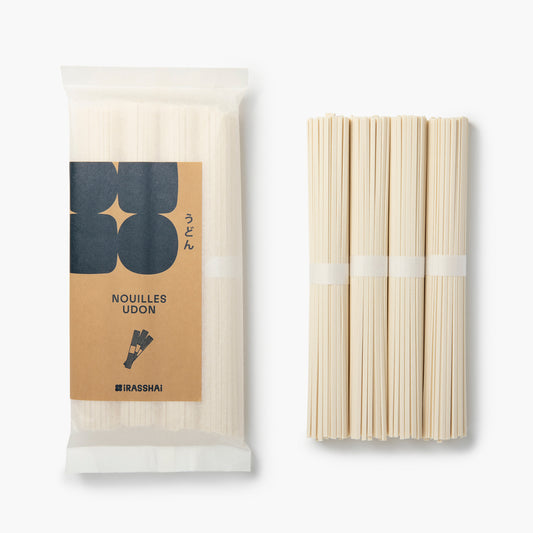

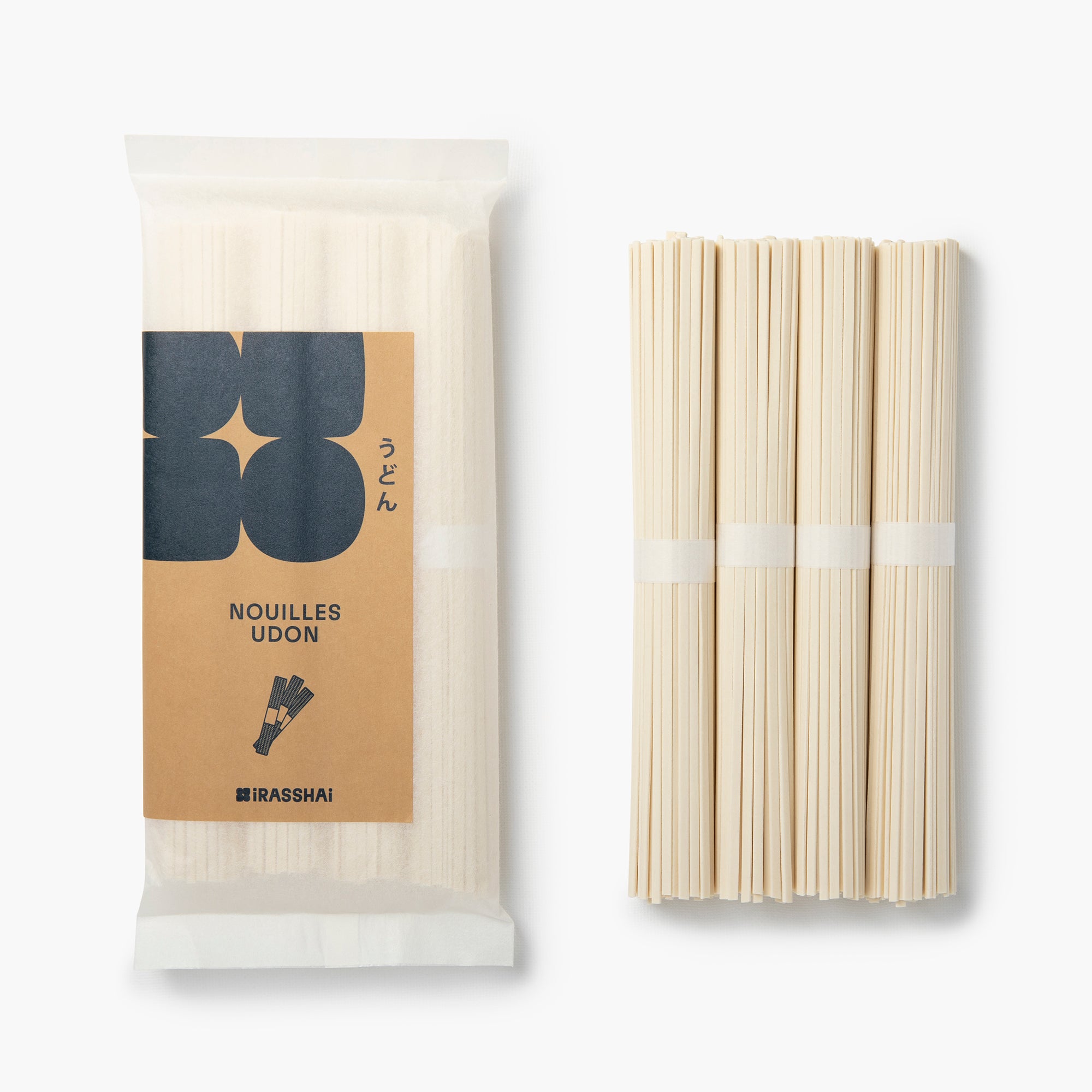
Udon noodles ⋅ Tanaka Bussan for iRASSHAi ⋅ 320g
⋅ Can be enjoyed hot or cold⋅ Perfect as a side dish with tempura or in a curry⋅ Smooth, silky textureThese udon noodles have been selected...
Usual price 4.50 €Promotional price 4.50 € Usual priceUnit price 14.06 € by kg

Kagawa Udon noodles 3 portions ⋅ Sanuki Bussan ⋅ 300g
⋅ Made using the Sanuki udon method⋅ Can be stir-fried, served in broth, or eaten as is⋅ 7 servings⋅ Hot or cold⋅ Perfect as a side...
Usual price 3.90 €Promotional price 3.90 € Usual priceUnit price 13.00 € by kg

Udon noodles precious with 3 portions sauce ⋅ Itsuki Foods ⋅ 669g
⋅ Rich, umami flavor thanks to the soy sauce⋅ Can be stir-fried, served in broth, or eaten as is⋅ Quick to cook⋅ 3 servingsThese Japanese noodles...
Usual price 5.60 €Promotional price 5.60 € Usual priceUnit price 8.37 € by kg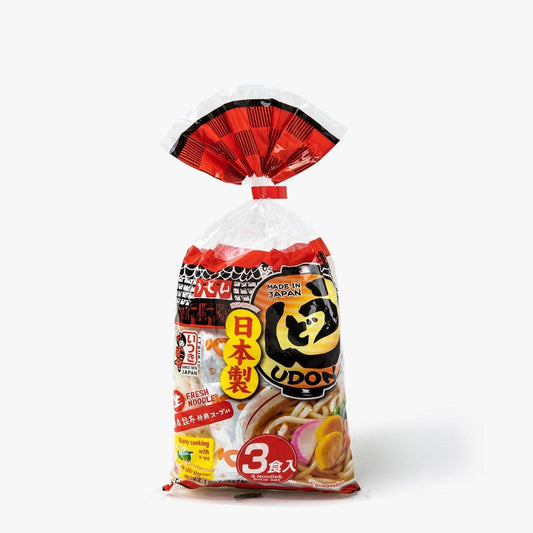

Udon noodles precious with broth 3 portions ⋅ Itsuki Foods ⋅ 627g
⋅ Served with a broth rich in umami⋅ Quick to cook⋅ 3 servings⋅ Easy to prepareThese noodles are made from wheat flour, giving them a firm...
Usual price 5.60 €Promotional price 5.60 € Usual priceUnit price 8.93 € by kg

Noodles Udon 3 portions ⋅ Akagi ⋅ 270g
⋅ Made from Hokkaido wheat⋅ Can be stir-fried, served in broth, or enjoyed as is⋅ Quick to cook⋅ Delicious hot or cold⋅ 3 servings to shareThick...
Usual price 4.50 €Promotional price 4.50 € Usual priceUnit price 16.67 € by kg

Udon wheat noodles 3 portions ⋅ Miyakoichi ⋅ 600g
⋅ Thick noodles⋅ Best served hot in broth or curry⋅ Perfect cold with men⋅ tsuyu sauce⋅ 3 servingsThese udon noodles are distinguished by their firm and...
Usual price 5.40 €Promotional price 5.40 € Usual priceUnit price 9.00 € by kg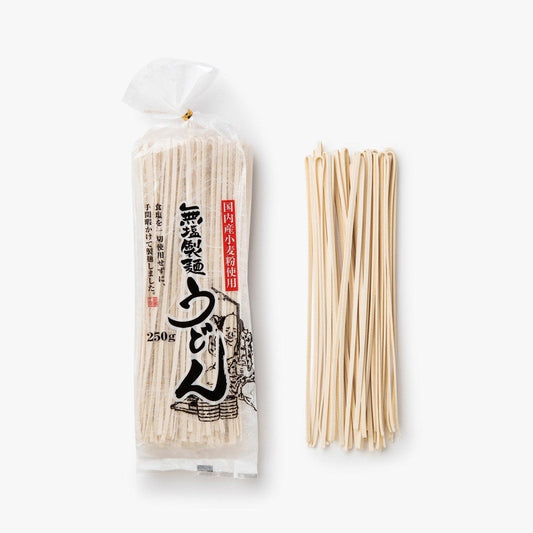
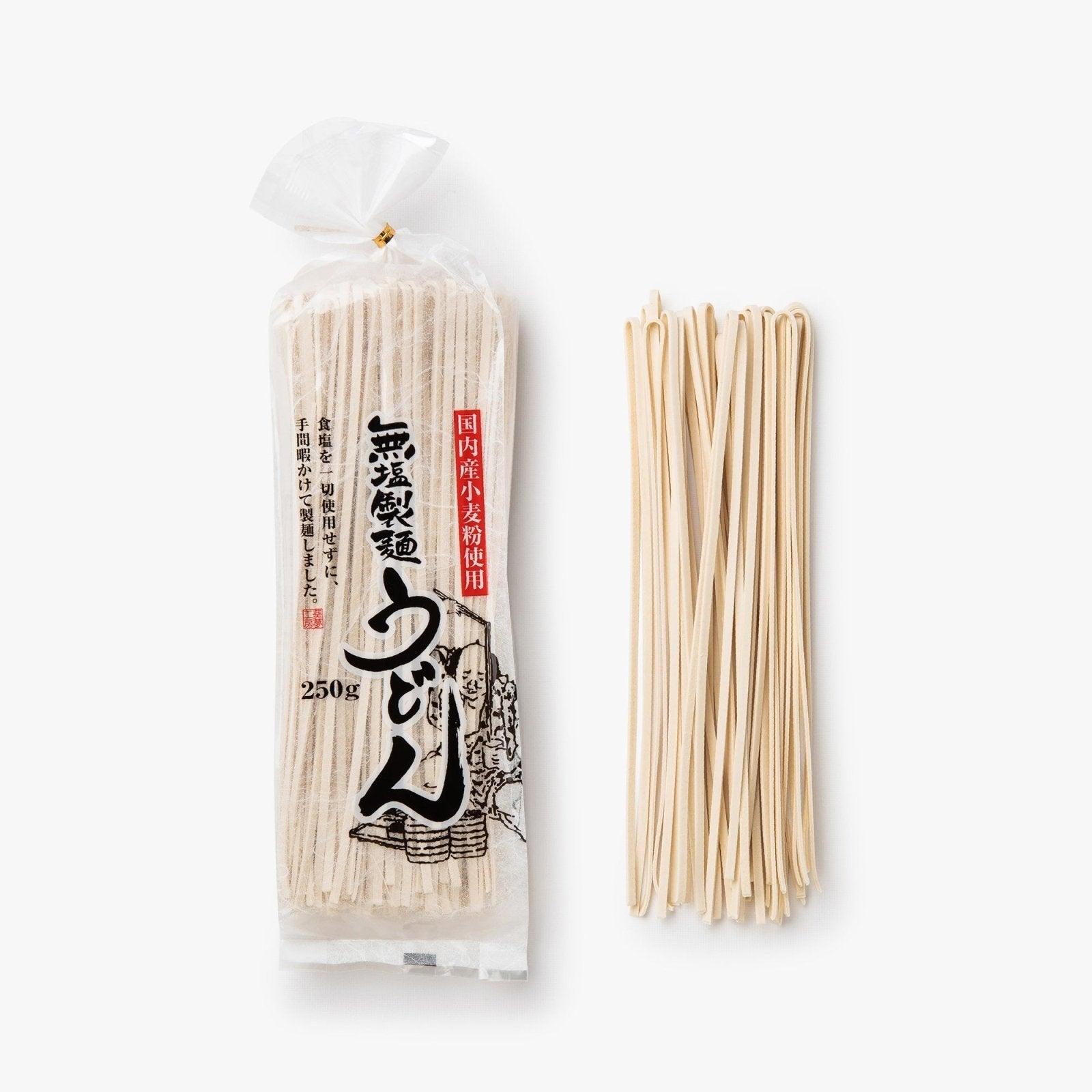
Udon noodles without salt ⋅ Tanaka Bussan ⋅ 250g
⋅ No added salt⋅ Ideal for stir-frying, in broth, or with men⋅ tsuyu sauce⋅ Can be enjoyed hot or cold⋅ Perfect as a side dish with...
Usual price 3.30 €Promotional price 3.30 € Usual priceUnit price 13.20 € by kg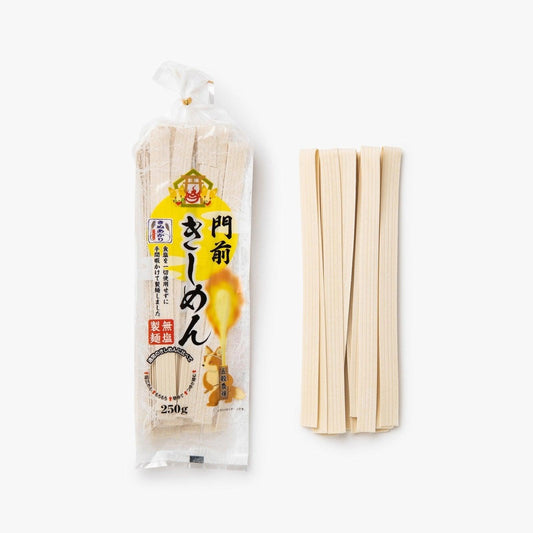
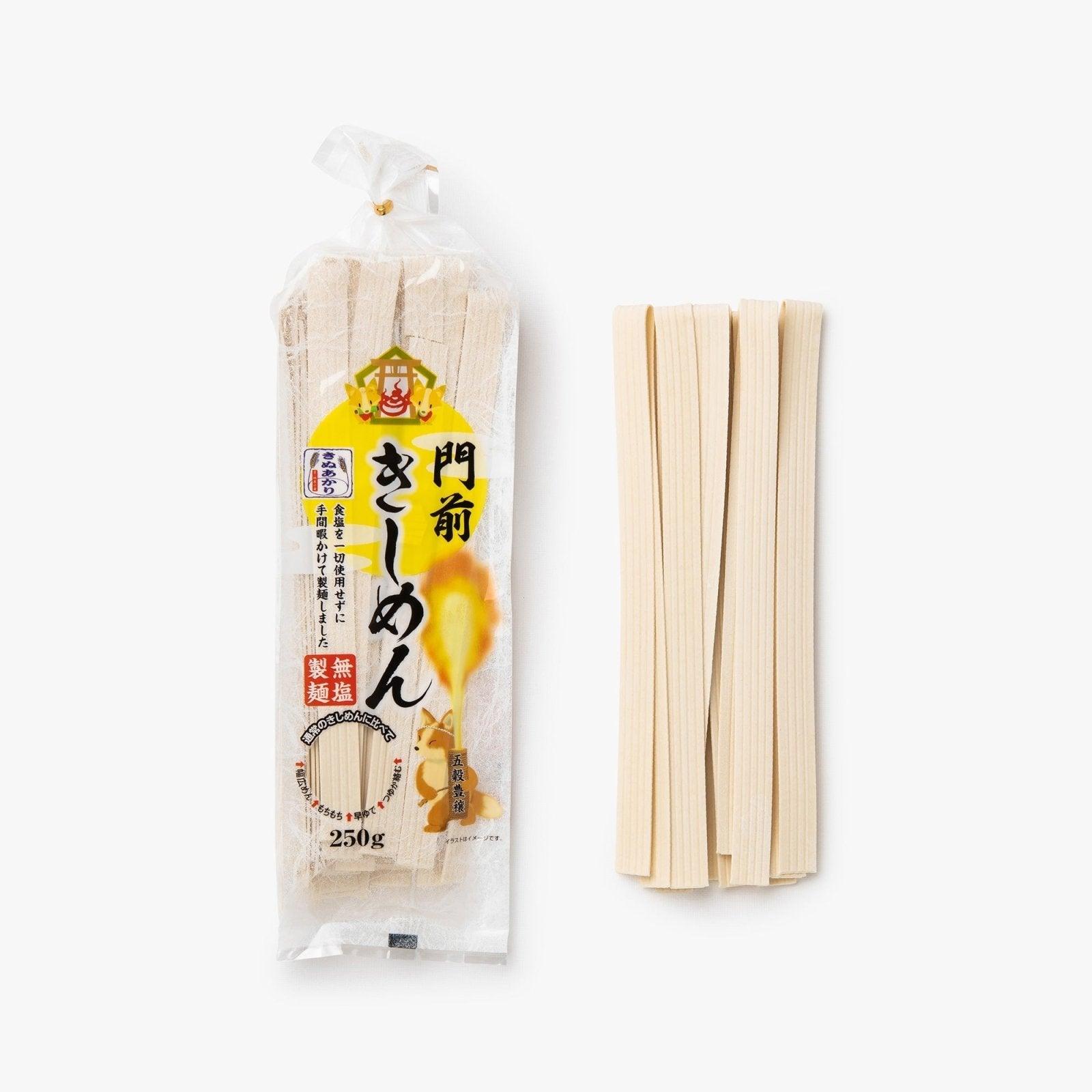
Salt Kishimen Noodles ⋅ Tanaka Bussan ⋅ 250g
⋅ No added salt⋅ Perfect for stir-fries, in broth, or with men sauce⋅ tsuyu⋅ Enjoy hot or cold⋅ Flat noodlesFlat, wide noodles, made without added salt,...
Usual price 3.30 €Promotional price 3.30 € Usual priceUnit price 13.20 € by kg

Premium Vegan Udon Broth ⋅ Sakuta ⋅ 180ml
⋅ Gluten-free⋅ 7x concentrated⋅ For making tsuyu sauce, nabe, or dashi⋅ Rich, salty, and deeply umami flavor⋅ Perfect for seasoning your dishesA gluten-free broth, concentrated 7...
Usual price 6.40 €Promotional price 6.40 € Usual priceUnit price 35.56 € by l

Wasabi bowl for water green Ø 170mm ⋅ emro aziatica
⋅ Ceramic bowl⋅ Size: 17 cm⋅ For generous portions⋅ Sturdy and stylish⋅ Perfect for donburi, curries, or mixed saladsThis 17 cm diameter sea-green ceramic bowl is...
Usual price 12.00 €Promotional price 12.00 € Usual priceUnit price by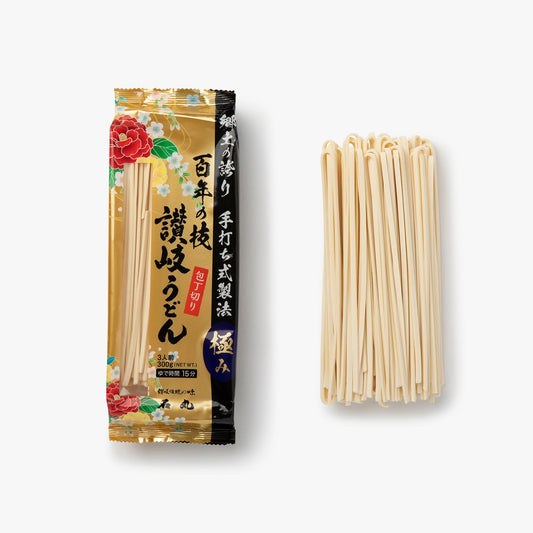
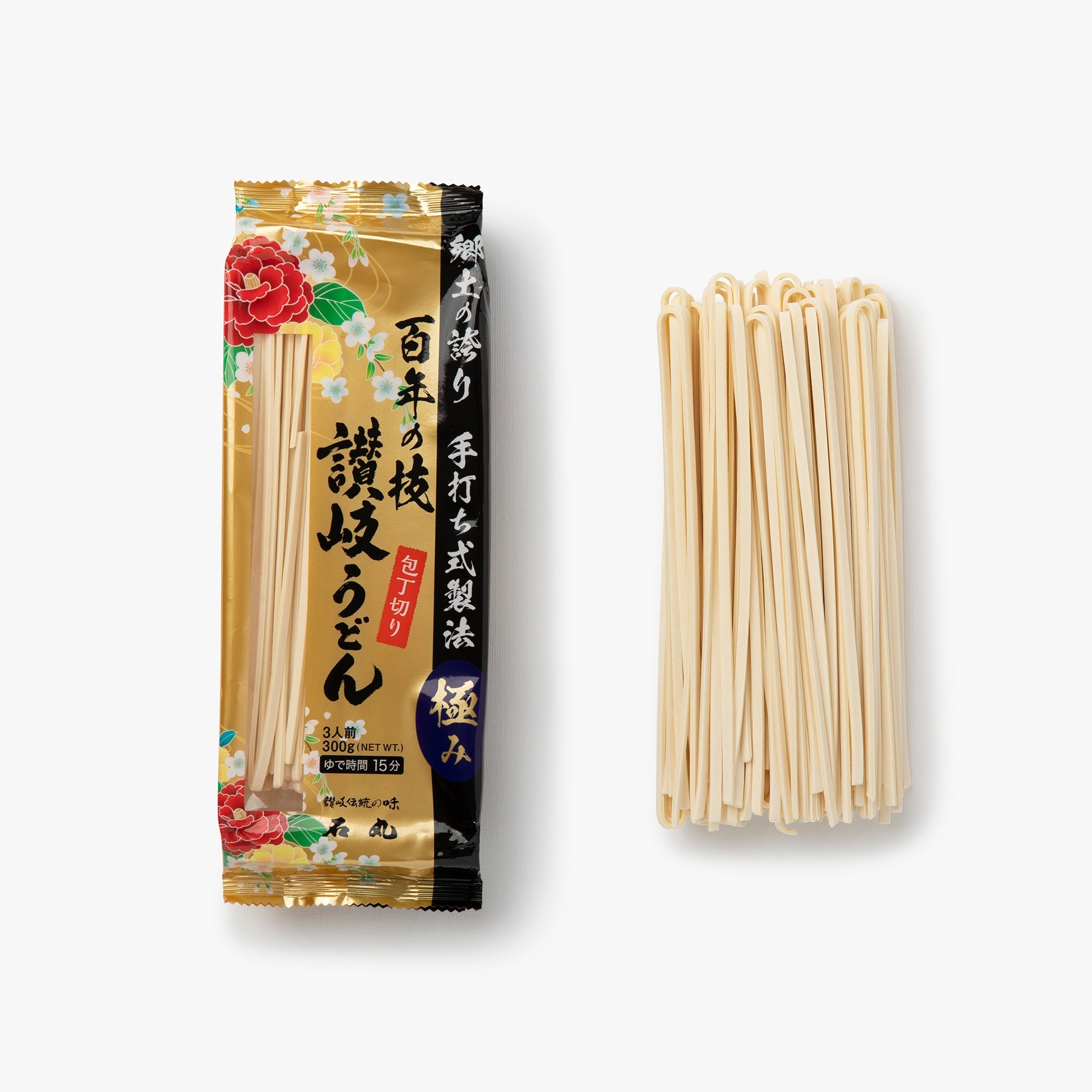
Udon noodles stretched by hand ⋅ Ishimaru Seimen ⋅ 300g
⋅ Handmade artisanal noodles⋅ Perfect served hot in broth or curry⋅ Delicious served cold in a sauce made with dashi, mirin, and soy sauce⋅ Pairs well...
Usual price 5.30 €Promotional price 5.30 € Usual priceUnit price 17.67 € by kg
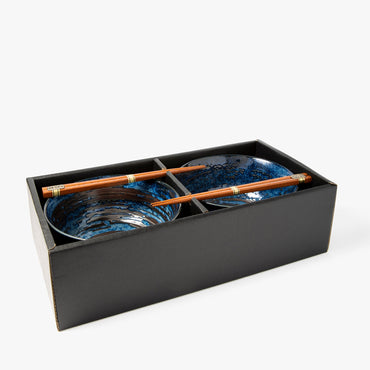

Midnight Blue Udon Bowl Set, Ø 170mm ⋅ Emro Aziatica
⋅ Edo Japan set including 2 17-cm porcelain bowls⋅ Midnight blue color⋅ Includes 2 pairs of matching wooden chopsticks⋅ Ideal for enjoying udon, ramen, or other...
Usual price 42.00 €Promotional price 42.00 € Usual priceUnit price by

Kagawa 5 portions Udon noodles ⋅ Sanuki Bussan ⋅ 450g
⋅ Made in Kagawa Prefecture⋅ Can be enjoyed hot or cold⋅ Traditionally served in dashi broth with tempura or vegetables⋅ 5 servingsSanuki udon is one of...
Usual price 7.40 €Promotional price 7.40 € Usual priceUnit price 16.44 € by kg

Udon noodles with curry 2 portions ⋅ kurata shokuhin ⋅ 240g
⋅ Vegan Instant Udon⋅ Savory Curry Broth⋅ Enjoy as is or with vegetables⋅ Quick cooking⋅ 2 servingsVegan instant curry noodles. Each package contains two individual servings...
Usual price 4.90 €Promotional price 4.90 € Usual priceUnit price 20.42 € by kg

Udon noodles at Matcha ⋅ Harima Seimen ⋅ 150g
⋅ Matcha wheat noodles⋅ No additives or preservatives⋅ Handmade⋅ Delicious served cold with men⋅ tsuyu sauceMatcha version of Japanese udon noodles. This product is made from...
Usual price 3.50 €Promotional price 3.50 € Usual priceUnit price 23.33 € by kg

Inaniwa Premium Udon noodles ⋅ Sato Yosuke Shotten ⋅ 140g
⋅ Handcrafted using techniques passed down from generation to generation⋅ Produced in the⋅ Quick to cook thanks to their fine, delicate texture⋅ Perfect to enjoy hot...
Usual price 8.80 €Promotional price 8.80 € Usual priceUnit price 62.86 € by kg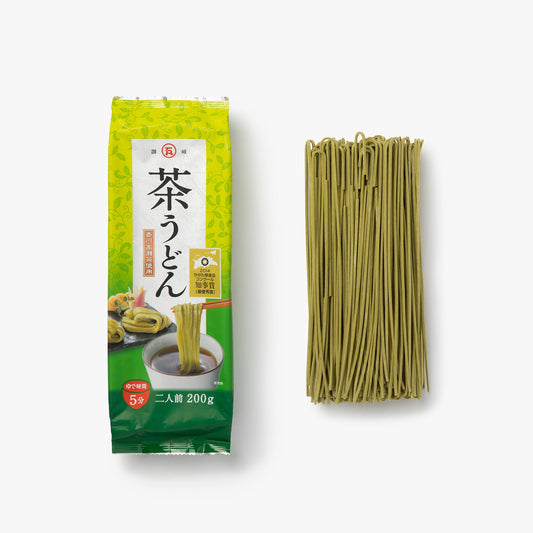
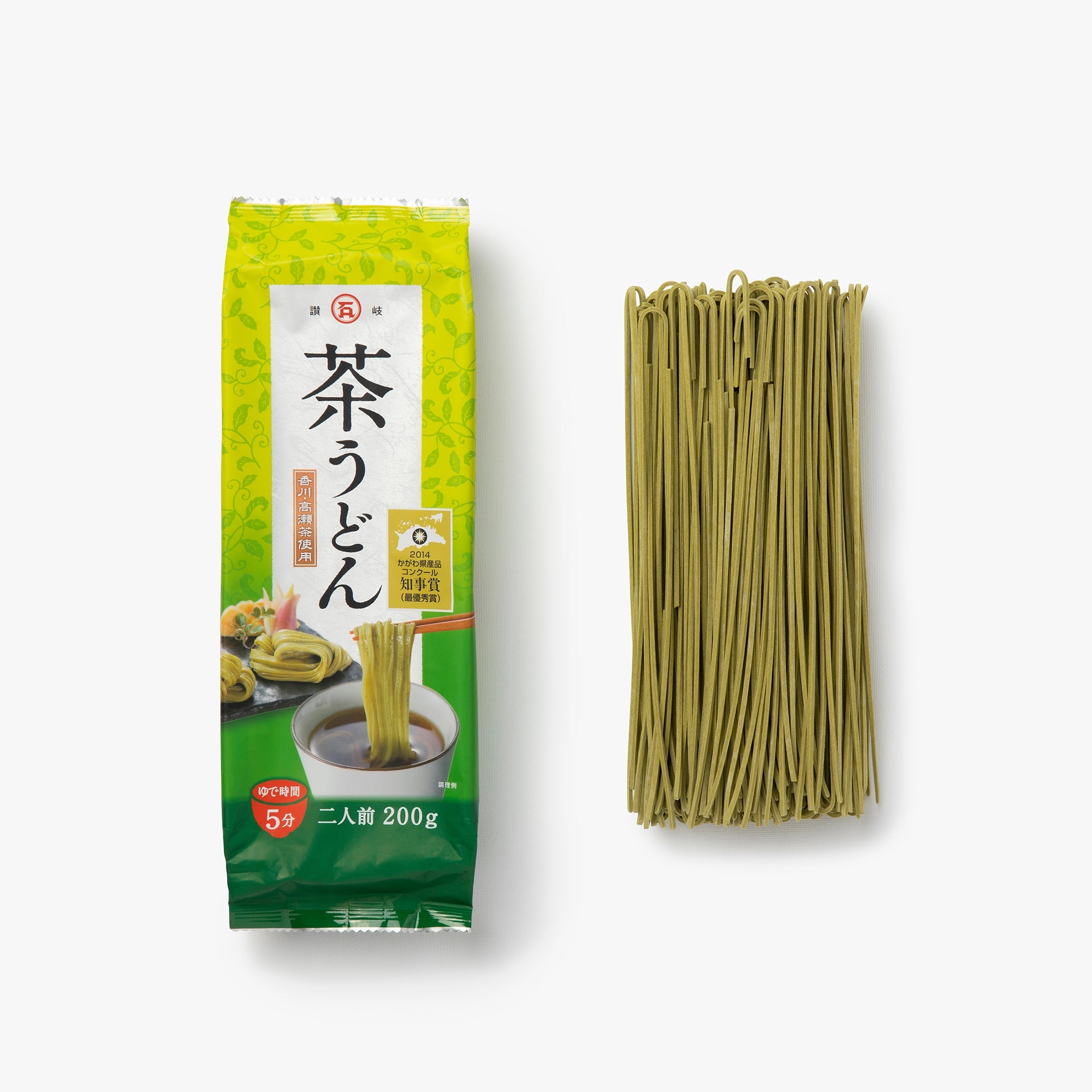
Udon noodles with Sanuki green tea ⋅ Ishimaru Seimen ⋅ 200g
⋅ A specialty of Kagawa, the "Land of Udon"⋅ Noodles made with Takase green tea⋅ Traditionally crafted⋅ Awarded a prize for excellence⋅ Delicious served cold with...
Usual price 7.80 €Promotional price 7.80 € Usual priceUnit price 39.00 € by kgNos recettes préférées à base d'udon


En savoir plus sur les udons et kishimen
D'où viennent les udons et les kishimen ?
Les udons sont des nouilles épaisses, faites à base de farine de blé, d'eau et de sel. Elles sont populaires dans diverses soupes japonaises, souvent accompagnées de bouillon à base de sauce soja, miso, ou saké.
Les kishimen, quant à eux, sont des nouilles plates, également à base de blé, typiques de Nagoya dans la région de Aichi. Ces nouilles japonaises se retrouvent dans des soupes ou des plats de bouillon, parfois avec des garnitures comme du poulet ou des sésames.
Comment bien les cuisiner à la maison ?
- Faire cuire les nouilles : Dans une grande casserole, faites bouillir de l'eau salée. Ajoutez les nouilles udon ou kishimen (frais ou précuites) et laissez cuire pendant environ 5 à 8 minutes, selon leur épaisseur et leur type. Les nouilles udon sont généralement plus épaisses que les kishimen.
- Préparation : Vous pouvez utiliser un bouillon à base de sauce soja, miso, ou un dashi pour une saveur umami. Faites chauffer de l'eau dans une casserole et ajoutez-y du miso ou de la sauce soja, selon vos préférences. Vous pouvez également ajouter du sel, du gingembre râpé, du sésame, ou même un peu de saké pour enrichir le goût.
- Assembler : Égouttez les nouilles une fois qu'elles sont cuites. Placez-les dans un bol et versez le bouillon chaud dessus. Vous pouvez ajouter des garnitures comme des légumes, du poulet, des oignons verts, ou des algues nori.
- Accompagnements : Servez avec des soupes ou un peu de vinaigre pour une touche de fraîcheur. Vous pouvez aussi les mélanger avec des ramen ou des soba pour varier les textures.
Existe-t-il des variantes régionales ?
Oui, il existe plusieurs variantes régionales à travers le Japon, chacune ayant ses propres spécificités en termes de préparation, de bouillon et de garnitures.
Variantes régionales des udons :
- Sanuki Udon (Kagawa) : Sanuki est une des variétés les plus célèbres, originaire de la région de Kagawa. Ces udons sont particulièrement fermes et épaisses, et sont souvent servis froids en été, avec une sauce soja ou un bouillon léger.
- Kake Udon : Une version très simple d’udon, souvent servie dans un bouillon léger à base de sauce soja et de dashi. Ce plat est un incontournable dans de nombreuses régions du Japon.
- Bukkake Udon : Les udons sont servis froids, et on verse par-dessus un bouillon froid et épais de sauce soja et de dashi. Ce plat est particulièrement populaire en été.
- Curry Udon : Une version d’udon où les nouilles sont accompagnées d’un bouillon de curry épais, une spécialité que l'on retrouve dans plusieurs régions du Japon, notamment à Osaka et dans les grandes villes.
Variantes régionales des kishimen :
- Nagoya Kishimen (Nagoya, Aichi) : Les kishimen sont les nouilles plates caractéristiques de la région de Nagoya. Elles sont souvent servies dans un bouillon clair, avec des garnitures simples comme du poulet, des oignons verts, et des algues. Ce plat est souvent appelé "Kishimen no uchi".
- Tenmusu Kishimen (Nagoya) : Une autre spécialité de la région de Nagoya où les kishimen sont servis avec une tempura de crevettes (appelée "tenmusu"). Ce plat combine la texture douce des kishimen et le croquant de la tempura.
- Hōtō (Yamanashi) : Bien que techniquement plus proche d'un kishimen, les nouilles hōtō sont encore plus larges et sont utilisées dans un ragoût épais à base de légumes de saison, souvent avec du miso. C'est une spécialité de la région de Yamanashi, très populaire en hiver.
Quelle est la différence entre des nouilles étirées à la main et à la machine ?
Le secret réside dans le ratio d’eau et de farine présent dans la pâte.
Les nouilles fabriquées à la machine contiennent généralement autour de 40 % d’eau, tandis que celles étirées à la main en contiennent environ 50 %. Il est très difficile d’obtenir un ratio supérieur à 50 %, même en les travaillant à la main.
L’eau permet la formation du gluten dans la pâte, qui donne aux nouilles leur élasticité et leur adhérence.
Par ailleurs, plus le ratio d’eau est élevé, plus elles seront réhydratées rapidement, ce qui accélère significativement le temps de cuisson et réduit ainsi les risques de dommage liés à la cuisson des nouilles.


