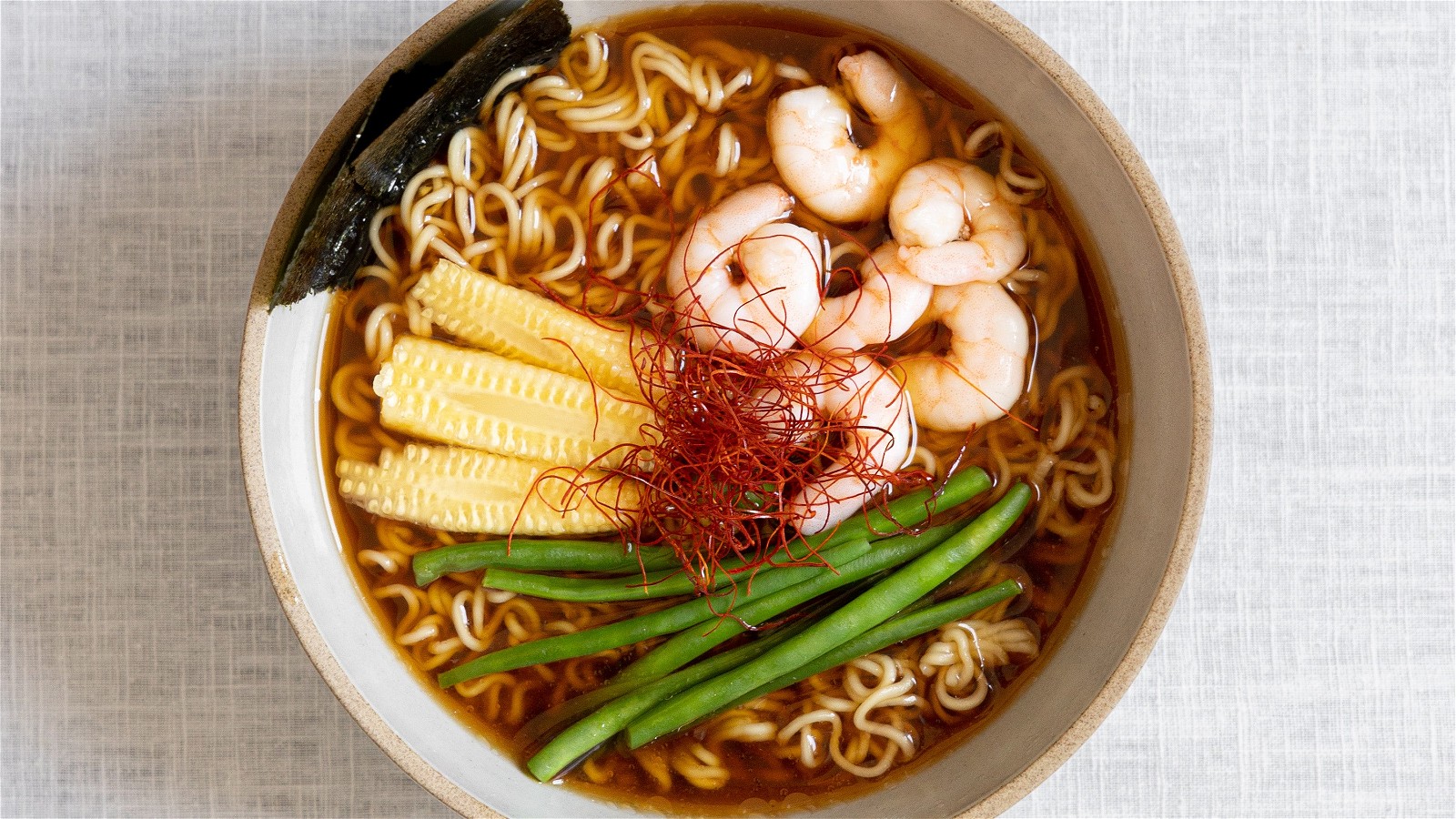
From steaming broth to bold flavors, ramen is not just a dish, but a captivating culinary specialty that reveals the history and culture of every region in Japan. A true symbol of Japanese cuisine and an icon of street food, ramen transcends time and borders, captivating diners with its simplicity and endless possibilities.
But did you know that every region in Japan has its own version and recipes? From Tokyo to Hokkaido, via Fukuoka, every bowl of ramen tells a unique story, where tradition and innovation come together to offer flavors as varied as they are surprising.
Table of Contents
- Ramen: A Story of Cultural Encounters
- Types of Ramen
- Regional Specialties That Shape Japanese Ramen
- Ramen Today: Between Tradition and Modernity
- How to Make and Enjoy Great Ramen at Home
- Conclusion
Ramen: A Story of Cultural Encounters
Behind every bowl of ramen lies a fascinating story of cultural encounters and culinary fusion. While ramen is now considered an iconic Japanese dish, its origins trace back to China. It was there that the first influences took shape, before crossing the China Sea to reach Japan in the early 20th century. What was initially a simple noodle soup quickly evolved into a dish deeply rooted in Japanese culture.
In Japan, ramen quickly carved out a prominent place for itself on the bustling streets of major cities, particularly Tokyo. Initially served in small street stalls, it went on to gain popularity, evolving to cater to local tastes and the expectations of Japanese food connoisseurs. Variations emerged: richer broths, firmer noodles, and more creative toppings. Ramen has become much more than just a quick meal; it has become a true culinary experience.
In 1958, a Japanese engineer invented the first package of instant ramen, revolutionizing the way the world would enjoy this dish. That small packet of powdered noodles became a global product, introducing ramen on a scale never seen before. Today, instant ramen is a global phenomenon, a staple in kitchens around the world, and a true testament to ramen’s cultural impact beyond Japan’s borders.
Types of Ramen
When it comes to ramen, every bowl tells a different story, and every region of Japan has its own take on this iconic dish—whether it’s savory, creamy, light, or bold.
Shoyu (soy sauce): Imagine a well-balanced broth that’s both mild and savory. This ramen, typical of Tokyo, is the perfect embodiment of Japanese simplicity. With its soy sauce base, it offers depth of flavor while remaining delicate and approachable—a taste experience that is both rich and light.

Miso: Rich, creamy, and comforting, miso ramen is a must-try dish in Sapporo. This hearty broth, made with fermented soybean paste, is perfect for those looking for a more robust flavor. It’s a comforting dish rich in umami, perfect for cold winter days.

Shio (salt): Unlike miso ramen, shio is delicate, light, and refined. Often served with subtle hints of seafood, this ramen is a tribute to the ocean, featuring a crystal-clear broth that highlights delicate yet balanced flavors. A perfect choice for those who prefer light broths and pure, clean flavors.
Tonkotsu: If you love intense, creamy flavors, Fukuoka-style tonkotsu is a must-try! The broth is made from pork bones that are simmered for hours. It’s a true explosion of umami. Its rich flavor and velvety texture make this ramen an unforgettable culinary experience—a delight for lovers of deep, comforting flavors.
Instant Ramen: Although simple and convenient, these little portions of happiness are nonetheless a symbol of ramen’s widespread influence around the world. These noodles, ready in just a few minutes, are the hallmark of an era in which ramen has successfully reinvented itself, offering an authentic and comforting flavor right at your fingertips.

Today, ramen is reinventing itself with every new recipe. The arrival of spicy and flavorful curry ramen, as well as lighter but equally delicious vegetarian ramen, reflects the dish’s constant evolution. These new variations allow ramen lovers to explore new flavors while staying true to the essence of ramen.
From Tokyo to Hokkaido: The Regional Specialties That Shape Japanese Ramen
Sapporo Ramen: When winter sets in on Hokkaido, there’s nothing more comforting than Sapporo ramen. This hearty bowl, topped with miso, butter, and corn, offers a rich, creamy flavor that warms the soul. Perfect for cold days, it pairs the sweetness of corn with the depth of miso, creating an irresistible combination.
Hakata Ramen: Head to southern Japan, to Fukuoka, to discover tonkotsu, a ramen made with an ultra-creamy pork broth. This ramen is an explosion of umami flavors, where the pork broth simmers for hours to achieve a velvety, rich texture. The soul of Fukuoka lies in every bite of this ramen—a must-try for lovers of intense flavors.
Kitakata Ramen: Fukushima is home to one of the most popular varieties of ramen in Japan: Kitakata ramen. With its thick noodles and light soy sauce broth, this ramen combines simplicity and sophistication. It’s a dish that delights with its perfect balance between firm noodles and flavorful broth. Ideal for those seeking an authentic and subtle taste.
Onomichi Ramen: Onomichi, a small port town in Hiroshima Prefecture, is famous for its unique ramen. A subtle blend of soy sauce and fish oil, it offers a flavor that is both mild and briny, evoking the rich traditions of the sea.
Nagoya Ramen: Finally, head to central Japan to discover Nagoya ramen, a bold dish featuring spicy miso. This intense ramen is perfect for those who love bold, spicy flavors. With its spicy miso base, it offers a robust flavor that has become a regional specialty beloved by both locals and visitors to Nagoya.
Ramen Today: Between Tradition and Modernity
From street stalls in Tokyo to trendy ramen bars in major international cities, how has ramen managed to survive industrialization while adapting to new culinary trends?
Takeout ramen, instant ramen: Over 60 years ago, the invention of instant ramen was a revolution. Easy to prepare, affordable, and delicious, it helped this Japanese culinary tradition spread around the world. Today, takeout ramen is a staple of fast food, offering a quick solution without sacrificing flavor. This industrialization has allowed ramen to be exported far beyond Japan’s borders, making it a globally known and beloved dish.
Vegetarian and Vegan Ramen: In a world where dietary habits are changing and evolving, ramen is keeping pace. Vegetarian and vegan ramen have made their debut, offering an alternative to traditional meat-based broths. Using fresh vegetables, mushrooms, and broths made from seaweed or soy, these ramen dishes reinvent the classic by adapting it to modern dietary demands while staying true to the dish’s roots.

Today, ramen has become a playground for creative chefs. From blending Western flavors with Japanese ingredients to variations inspired by cuisines from around the world, ramen is constantly reinventing itself. Here are a few examples:
Fusion ramen: These creations blend international influences to offer unique flavors. For example, ramen with broths inspired by cuisines such as Thai or Korean, or versions featuring spices and ingredients from India or Mexico. This type of fusion creates bold combinations that appeal to those seeking something new.
Gourmet and luxury ramen: For foodies, ramen is now available in more refined versions. These feature more complex broths, artisanal noodles, and premium toppings such as quail eggs, foie gras, or grated truffles. These high-end ramen dishes are perfect for those seeking a unique culinary experience.
Ramen is no longer just a street food; today, it’s part of the culinary scene. With the rise of “ramen bars” and the growing popularity of gourmet ramen, this dish has found its place in Michelin-starred restaurants and collaborations with top chefs. Ramen has become more sophisticated, featuring refined broths, exquisite toppings, and unique gastronomic experiences.
How to Make and Enjoy Great Ramen at Home
Do you dream of enjoying ramen that rivals the best Japanese eateries without leaving your kitchen? The good news is that making delicious ramen at home is definitely possible!
The secrets to a perfect broth: Broth is the soul of ramen, and to make it perfect, every detail matters. Whether you choose a chicken, pork, or vegetable-based broth, the key lies in patience and slow cooking. Simmer the ingredients slowly to create a rich, flavorful broth. A little secret for an authentic taste? Add a touch of miso or soy sauce to enhance the umami and depth of your broth. The preparation techniques and attention to the ingredients will make all the difference.

Essential toppings: Toppings are the finishing touch that transforms a good bowl of ramen into an exceptional one.Classic chashu (braised pork) and marinated eggs are must-haves, but don’t hesitate to explore new flavors! Add nori sheets, a touch of yuzu for a bit of freshness, or even spices to give your dish some character. Each topping should complement the broth and add its own richness of textures and flavors.


Customize your ramen: Why not turn your ramen into a real feast by pairing it with other Japanese specialties? Gyoza, those delicious pan-fried dumplings, pair perfectly with ramen, as do tsukemono (Japanese pickles) to add a contrast of flavors. And to round out your meal, nothing beats a light, aromatic miso soup. With these sides, your meal becomes a complete and balanced culinary experience.
For more details on the recipes, check out our tonkotsu ramen, vegetarian ramen, and many other recipes—there’s something for everyone!
Conclusion
In conclusion, ramen is much more than just a dish; it’s a true culinary journey that spans Japan and the world. From steaming broths with silky textures to creative toppings, every bowl of ramen tells a story, rooted in tradition while embracing modern influences. Whether you’re a purist who loves classic ramen or an explorer of new flavors, every version is an invitation to discover a little more of Japan’s rich culture. So, let yourself be tempted by the ramen adventure and bring a little bit of Japan straight to your plate!