


Collection: Sakura Cherry Flower Products
Cherry blossoms, in addition to being a very popular attraction in Japan, are featured in desserts, sodas, teas, and more... We love this delicate, floral touch, whether in savory or sweet dishes! Enjoy these delicate treats with floral notes of sakura.
Perfect for spring or as a unique gift.

-


Sakura mochi ⋅ Seiki ⋅ 130g
⋅ Soft texture⋅ Individually wrapped⋅ Sakura flavorSoft-textured sakura-flavored mochi, individually packaged. Mochi is a traditional Japanese rice cake characterized by its soft, chewy texture. Individually wrapped,...
Regular price 4.90 €Promotional price 4.90 € Regular priceUnit price 37.69 € by kg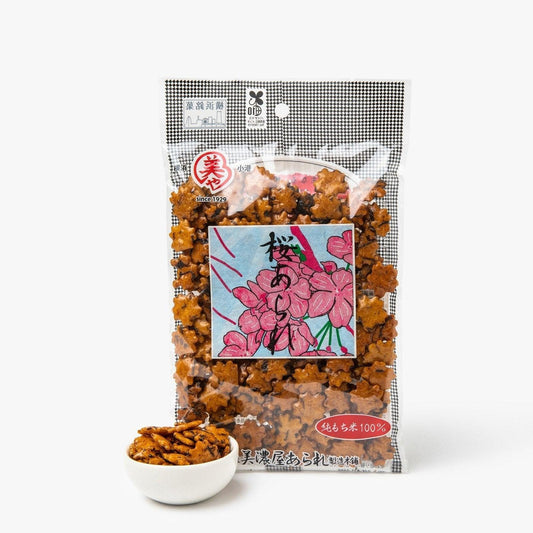
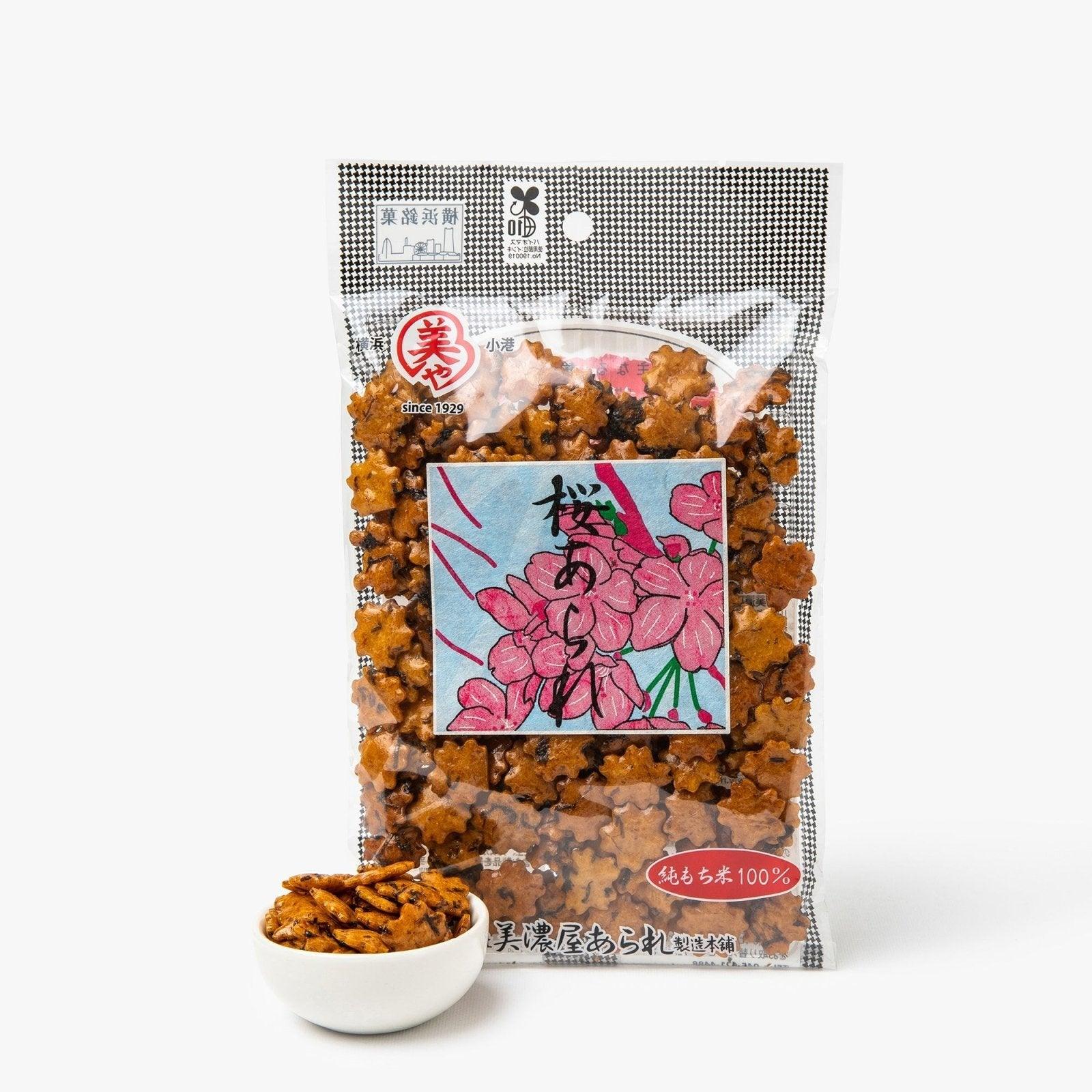
Sakura arare rice crackers with soy sauce ⋅ Minoya Arare ⋅ 72g
⋅ A tasty snack with a hint of cherry blossoms⋅ Floral notes that enhance soy sauce⋅ Perfect for a snack you can take anywhere⋅ Crispy textureA...
Regular price 6.40 €Promotional price 6.40 € Regular priceUnit price 88.89 € by kg

Sakura Osui sencha tea, loose leaf ⋅ Homme Asakichi Shoten ⋅ 50g
⋅ Delicate sencha rich in coumarin⋅ Natural aroma reminiscent of cherry blossoms (sakura)⋅ Produced in small quantities!⋅ Re⋅ Can be steeped multiple times, both hot and...
Regular price 12.50 €Promotional price 12.50 € Regular priceUnit price 250.00 € by kg

Sakura powder ⋅ Kyoto Yamasan ⋅ 40g
⋅ Fine sakura powder⋅ Perfect for pink desserts with floral notes⋅ Add it to a creamy latte⋅ Can be sprinkled on top of a cake or...
Regular price 17.65 €Promotional price 17.65 € Regular priceUnit price 441.25 € by kg

Niigata Koshihikari white rice Ukiyo-e Sakura ⋅ Kuriya ⋅ 150g
⋅ Perfect for gifting⋅ 2 servings⋅ The "king of rice"⋅ Ideal for everyday use⋅ Pattern featuring sakura cherry blossomsThis Koshihikari rice from Niigata stands out for...
Regular price 7.40 €Promotional price 7.40 € Regular priceUnit price 49.33 € by kg
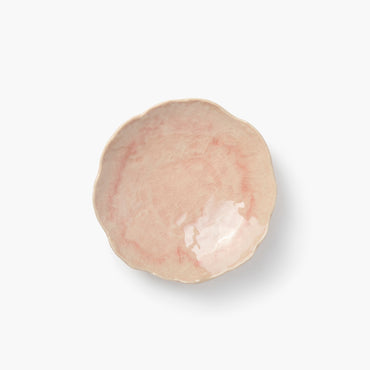
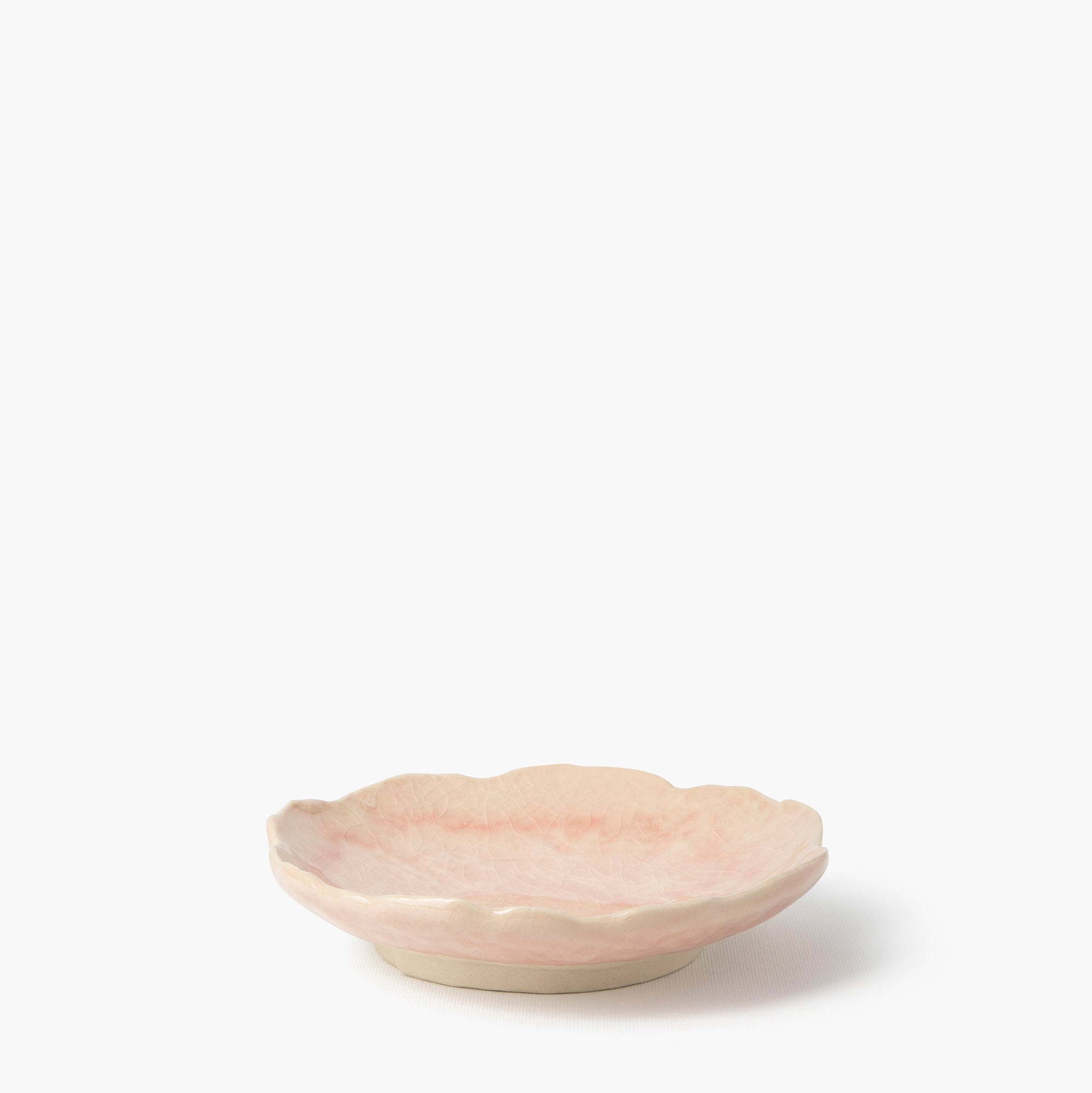
Small pink sakura plate Ø137mm ⋅ Touga
• Traditionally crafted from Tencha tea from the Uji region of Kyoto • Microwave-safe • Hand wash recommendedA small, flower-shaped plate in sakura pink. It’s perfect...
Regular price 14.80 €Promotional price 14.80 € Regular priceUnit price by


Salted sakura flowers ⋅ Yamashin ⋅ 30g
⋅ Japanese cherry blossoms in brine⋅ Perfect as a topping for broths, tarts, or any other dish⋅ Cherry blossoms from the mountains of Kanagawa⋅ Pairs perfectly...
Regular price 8.20 €Promotional price 8.20 € Regular priceUnit price 273.33 € by kg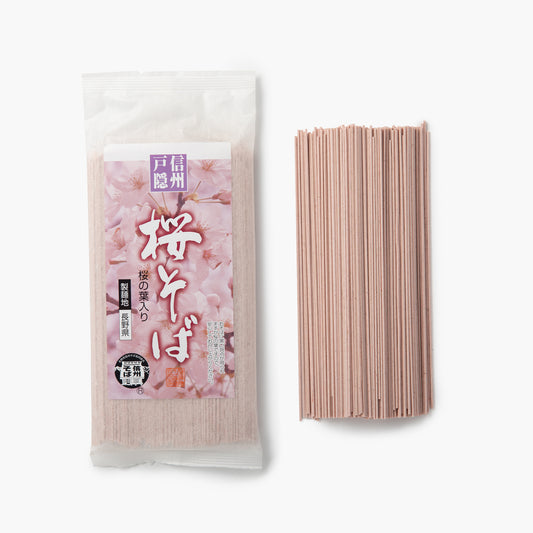

Sakura Soba ⋅ Shinshu Togakushi Soba ⋅ 180g
⋅ Made with buckwheat flour and sakura cherry blossom leaves⋅ A unique alternative to traditional soba noodles⋅ Perfect in a broth or in a salad⋅ Ideal...
Regular price 5.70 €Promotional price 5.70 € Regular priceUnit price 31.67 € by kg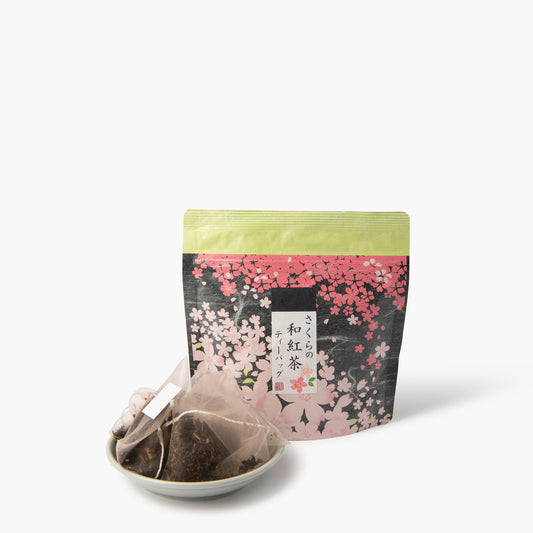
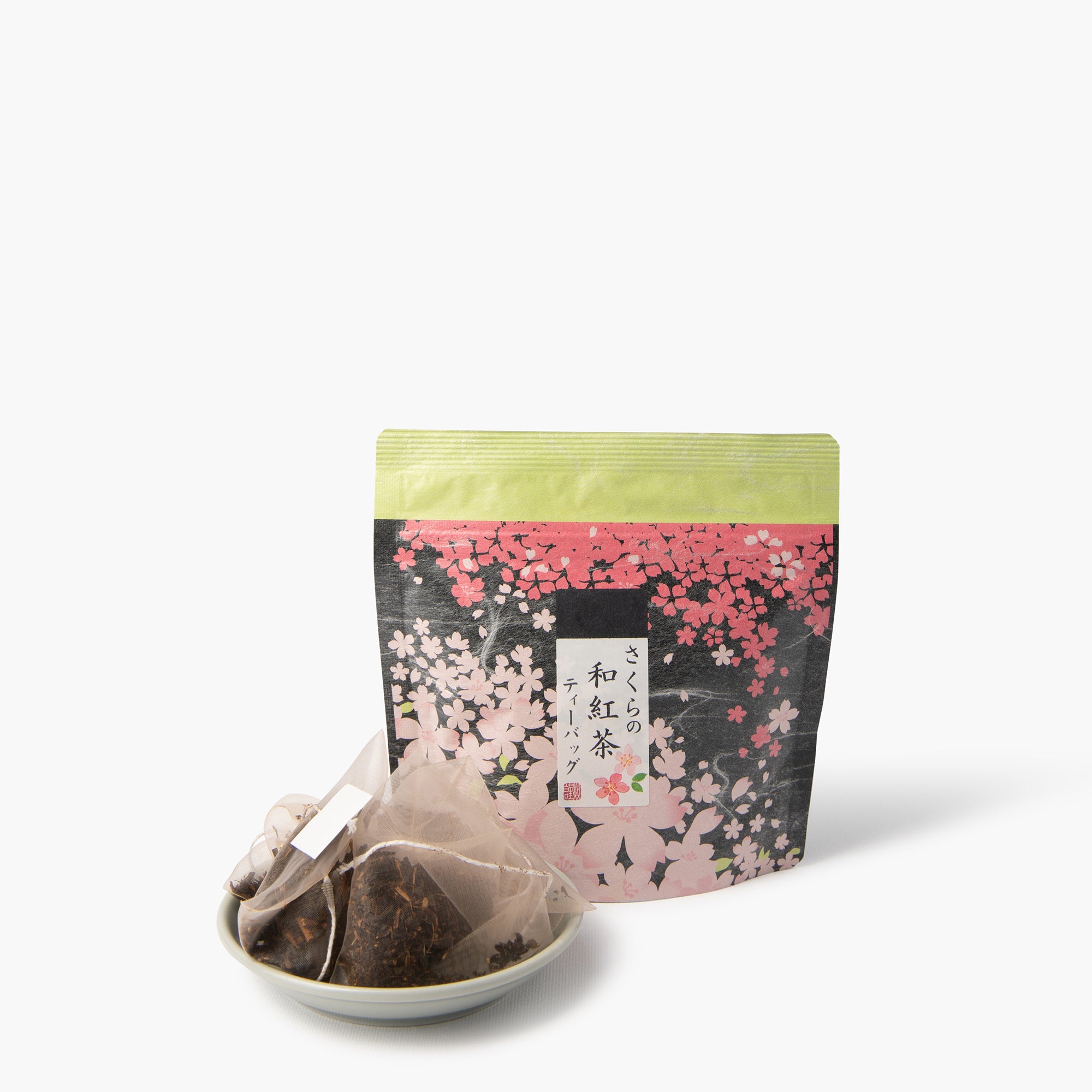
Black tea with sakura 5 tea bags ⋅ Ogino Shoten ⋅ 10g
• Black tea scented with sakura (Japanese cherry blossom)• Soft, slightly sweet floral notes• No pronounced bitternessThis tea combines the depth of black tea with the...
Regular price 6.45 €Promotional price 6.45 € Regular priceUnit price 645.00 € by kg


Sakura jelly ⋅ Uenochu ⋅ 500g
• Clear jelly containing real petals• Subtle and delicate flavor• Ideal for authentic Japanese recipes.This sakura jelly is made from Kanzan cherry blossom extract sourced from...
Regular price 20.50 €Promotional price 20.50 € Regular priceUnit price 41.00 € by kg
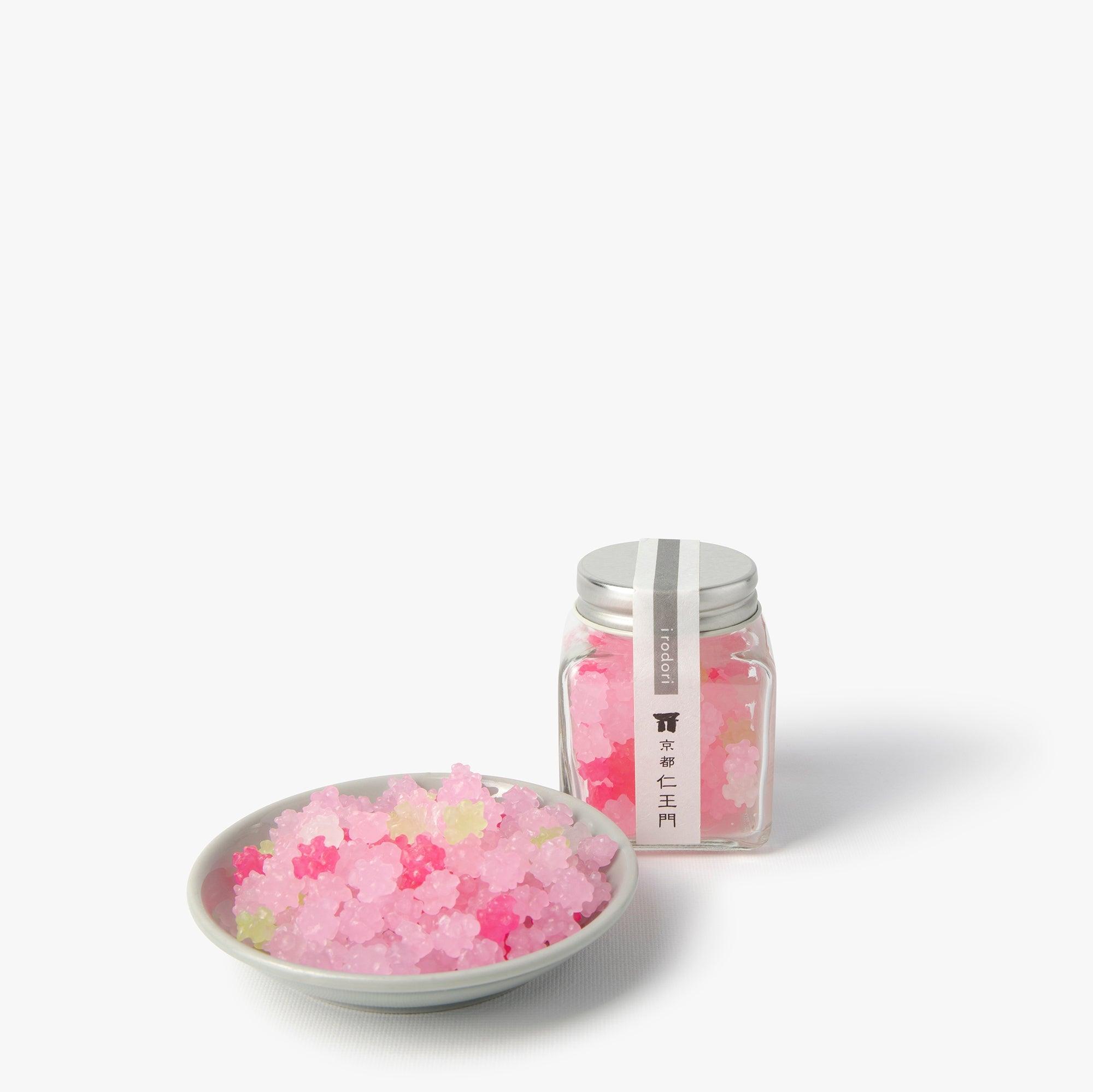
Traditional Sakura konpeito candies ⋅ KYOEIDO Company ⋅ 50g
⋅ Perfect with matcha⋅ Crunchy texture and sweet taste⋅ Made in Kyoto⋅ Inspired by the color of sakura⋅ Ideal for decorating cakes and pastriesColorful sugar candies...
Regular price 5.80 €Promotional price 5.80 € Regular priceUnit price 116.00 € by kg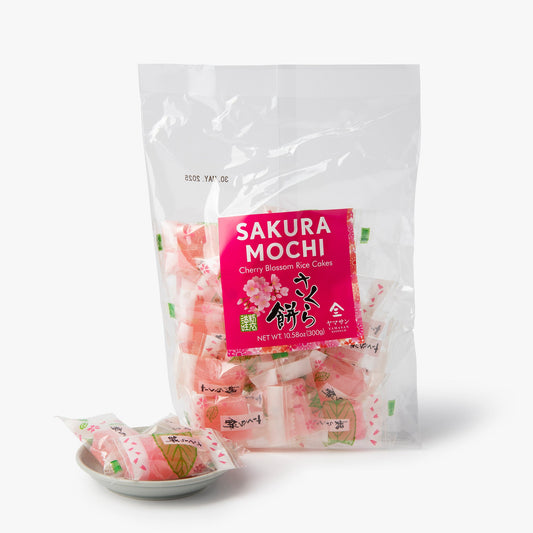

Sakura mochi candies ⋅ Kyoto Yamasan ⋅ 300g
⋅ Sakura-flavored jellies⋅ Perfect to enjoy with matcha or during a tea ceremony⋅ Delicate texture with a floral, sweet flavor⋅ Perfect for celebrating the arrival of...
Regular price 14.10 €Promotional price 14.10 € Regular priceUnit price 47.00 € by kg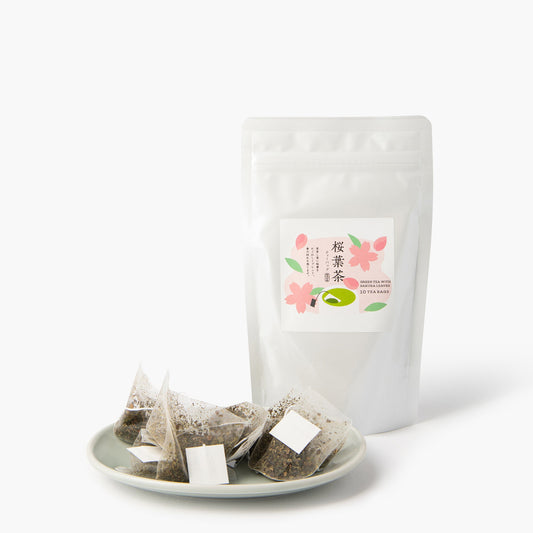
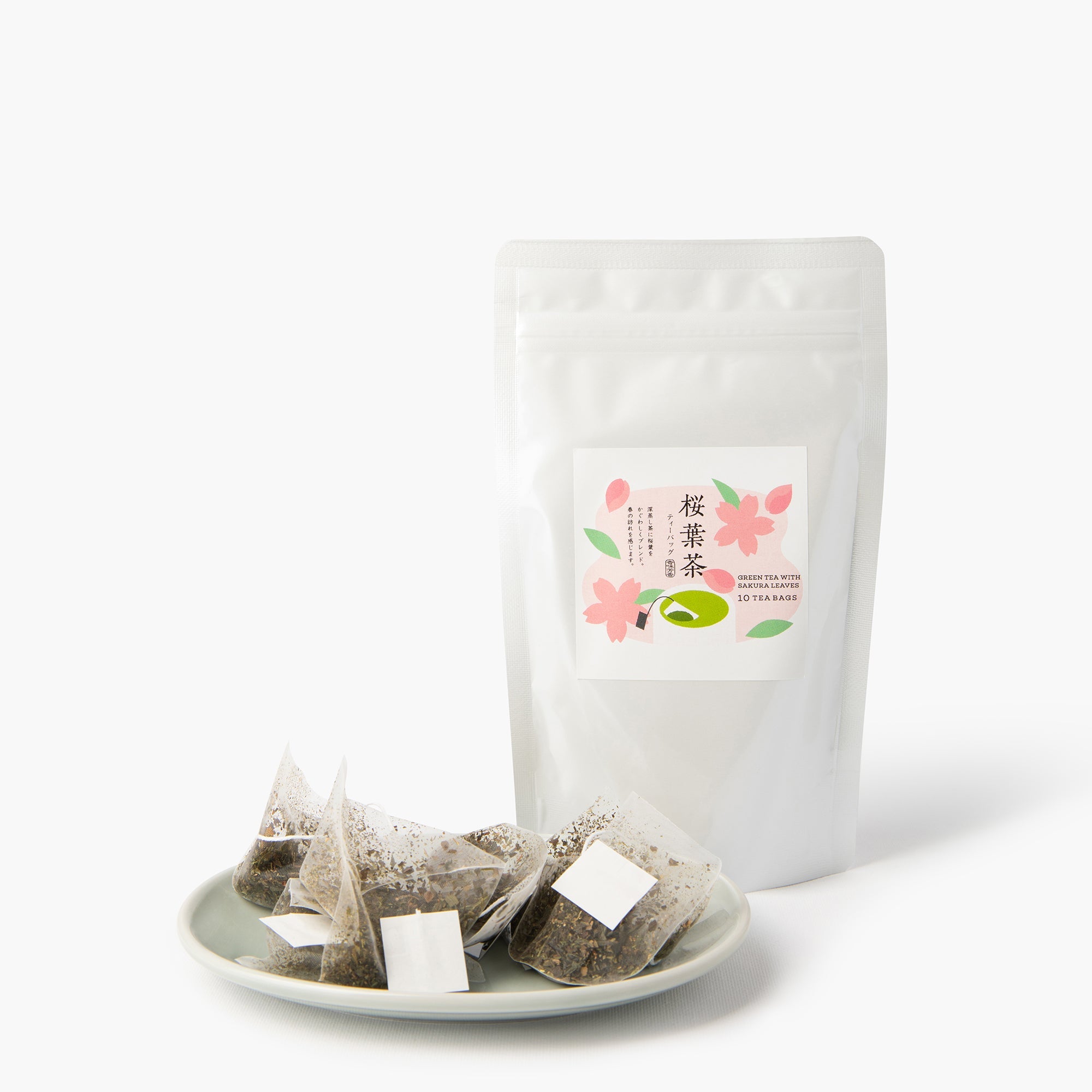
Sakura Green Tea ⋅ Sasaki Seicha ⋅ 20g
⋅ Japanese green tea with sakura cherry blossom leaves⋅ Rich in antioxidants⋅ Umami notes⋅ Perfect for iced teaA tea with soft, spring-like notes, created by blending...
Regular price 10.30 €Promotional price 10.30 € Regular priceUnit price 515.00 € by kg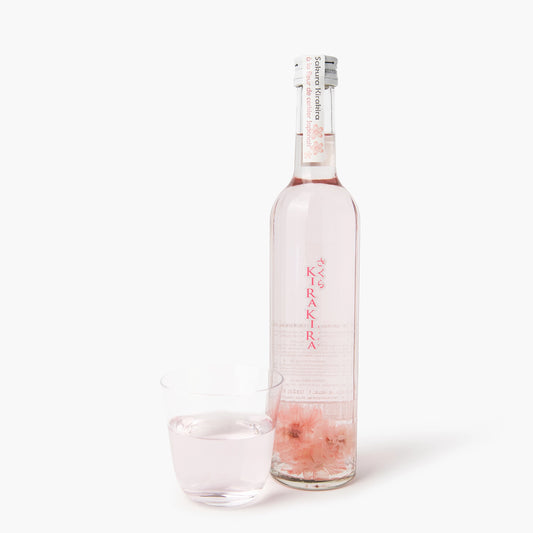
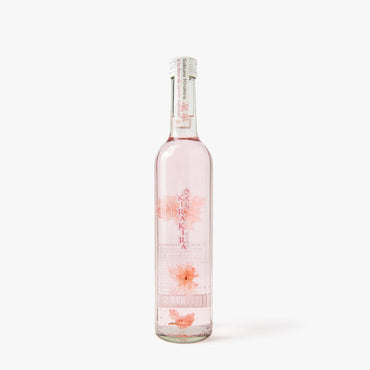
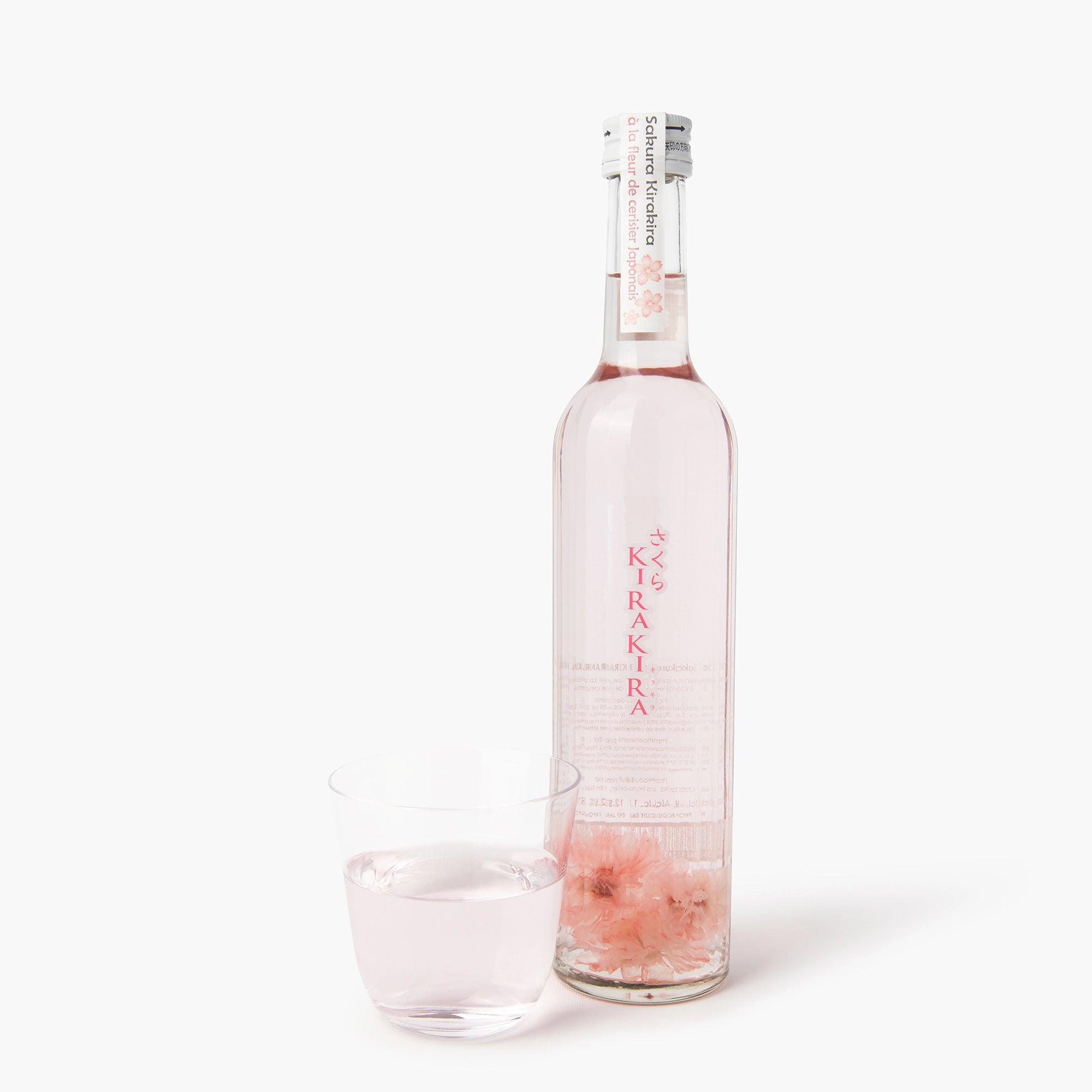
Sakura Kirakira cherry blossom liqueur ⋅ 12% ⋅ 500ml
⋅ Sakura flower liqueur from the Nara region⋅ Infusion of sakura flowers from Mount Yoshino, known for its cherry trees⋅ Floral and fruity flavours⋅ Enjoy neat,...
Regular price 41.00 €Promotional price 41.00 € Regular priceUnit price 82.00 € by lOur favorite recipes featuring cherry blossoms


Learn more about sakura products
What is sakura, and why is it used in cooking?
Sakura, or cherry blossom, is an iconic symbol of Japan, celebrated every year during hanami. But beyond its beauty, sakura is also a prized culinary ingredient, appreciated for its delicate floral notes and subtle salty flavor when candied or pickled.
Cherry blossoms and leaves are often preserved in salt or vinegar for use in Japanese pastries, teas, beverages, and traditional dishes. Sakura mochi, for example, is a popular dessert made with sweet sticky rice wrapped in a sakura leaf. This flower is also found in infusions, syrups, ice creams, and even flavored salt for enhancing savory dishes.
Thanks to its subtle fragrance and natural sweetness, sakura adds a unique touch to preparations, whether they are traditional recipes or modern creations such as sakura lattes or flavored candies. Its use is not limited to gastronomy: it is also valued in oils, soaps, and skincare products for its delicate, relaxing fragrance.
What does cherry blossom taste like?
Cherry blossoms have a delicate, subtle taste, combining light floral notes with a slightly herbal, almond-like touch. When preserved in salt or pickled in vinegar, they develop a unique flavor that is both sweet and slightly salty, sometimes reminiscent of umeboshi plums.
In food products such as teas, pastries, and syrups, sakura brings a floral sweetness that pairs perfectly with ingredients like milk, honey, or sticky rice. When infused, it releases a subtle fragrance that evokes Japanese spring.
How are cherry blossoms prepared for consumption?
Cherry blossoms intended for consumption are harvested in spring, when they are in full bloom. They are then prepared using various methods for use in cooking:
- Salt-preserved sakura (Sakura-zuke): Fresh flowers are immersed in a brine of salt and ume plum vinegar. After several days, they are drained and dried for preservation. This version is used in teas and Japanese pastries such as sakura mochi, or sprinkled over rice.
- Powdered or flaked sakura: Dried flowers are ground into a fine powder or flakes. This format is often used to flavor pastries, ice cream, furikake, and drinks.
- Infused sakura: The flowers are steeped in hot water to release their fragrance. They are used to flavor teas and liqueurs such as umeshu, as well as sakura syrup.
- Pickled sakura leaves: Cherry tree leaves are also salted and pickled, then used to wrap desserts such as sakura mochi.
Why is sakura so important in Japanese culture?
Sakura, or cherry blossom, is one of Japan’s most iconic symbols. It represents ephemeral beauty, renewal, and the fragility of life, due to its spectacular yet very brief bloom, which lasts only a few days before disappearing.
Every spring, the Japanese celebrate hanami, an ancient tradition of admiring cherry trees in bloom in parks and gardens. This period is marked by gatherings with family or friends, picnics beneath the trees, and even seasonal sakura-based products, such as pastries, teas, and drinks flavored with cherry blossom.
Sakura is also widely present in Japanese art, poetry, and philosophy, illustrating the concept of mono no aware, a sensitivity to the ephemeral beauty of things. It is used in many fields, from body care (oils, soaps, perfumes) to traditional cuisine, where it adds a floral and refined touch.
Its importance goes beyond mere aesthetics: sakura embodies a philosophy of life, reminding us to appreciate every moment and celebrate renewal every spring.


