


Collection: All our Japanese products
After more than two years spent meticulously sourcing them, iRASSHAi offers you a selection of over 1000 products, imported from Japan, three quarters of which are being sold in France for the first time. Discover authentic Japanese grocery products to enhance your cooking! And if you don't know where to start, we regularly write recipes for all tastes and levels to give you ideas.


-


Whisky Nikka from the Barrel ⋅ 51.4% ⋅ 700ml
⋅ Blended⋅ Fruity, spicy and smoky notes⋅ Produced by Nikka, a benchmark in Japanese whisky⋅ Vielli in a bousiné barrel⋅ Design inspired by the bottles of...
Regular price 56.00 €Prix promotionnel 56.00 € Regular pricePrice per unit 80.00 € per l -


Whisky Nikka coffey grain ⋅ 45% ⋅ 700ml
⋅ Made with Coffey stills⋅ Notes of ripe fuits, rum, banana and caramel⋅ Perfect neat or in cocktails⋅ Produced by Nikka, the benchmark for Japanese whiskyElaborated...
Regular price 64.00 €Prix promotionnel 64.00 € Regular pricePrice per unit 91.43 € per l -
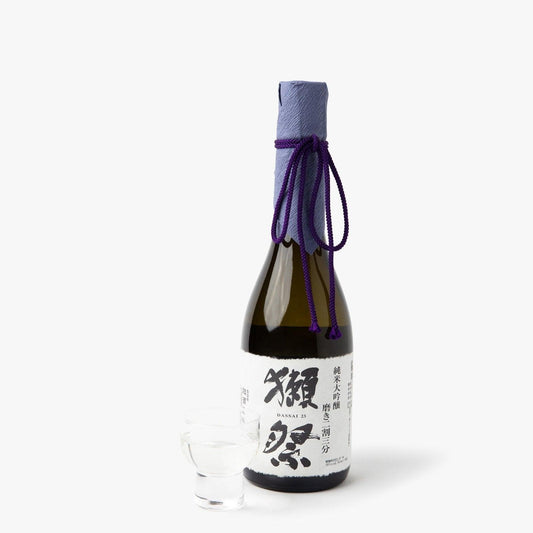
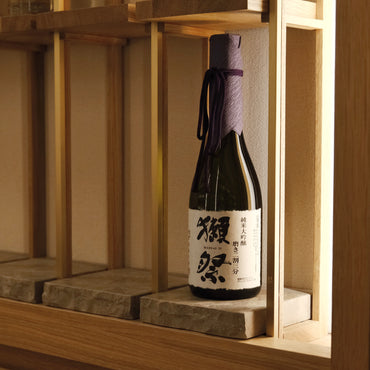

Saké Dassai 23 junmai daiginjo ⋅ 16% ⋅ 720ml
⋅ Top-of-the-range junmai daiginjo sake⋅ 77% polish⋅ Made from Yamada⋅ Nishiki⋅ Complex aroma profile, with fruity notes⋅ Perfect at the end of...
Regular price 90.00 €Prix promotionnel 90.00 € Regular pricePrice per unit 125.00 € per l -


Whisky Suntory Chita ⋅ 43% ⋅ 700ml
⋅ Single grain⋅ Notes of caramel, honey and a sweet⋅ bitter⋅ finish Produced by Suntory, pioneer of Japanese whiskky⋅ Perfect in highball or SourA Japanese single grain...
Regular price 115.00 €Prix promotionnel 115.00 € Regular pricePrice per unit 164.29 € per l -


Buono kettle for V60 ⋅ Hario
⋅ Gooseneck spout ideal for slow coffee lovers⋅ Control your pouring with precision⋅ Elegant, sturdy and built to last⋅ The icon of the...
Regular price 60.00 €Prix promotionnel 60.00 € Regular pricePrice per unit per -



Whisky Nikka Coffey Malt ⋅ 45% ⋅ 700ml
⋅ Made with Coffey stills⋅ Fruity notes of plum, raisins, vanilla and biscuity⋅ 100% malted barley⋅ Produced by Nikka, the benchmark for Japanese whiskyThe Nikka...
Regular price 64.00 €Prix promotionnel 64.00 € Regular pricePrice per unit 91.43 € per l -
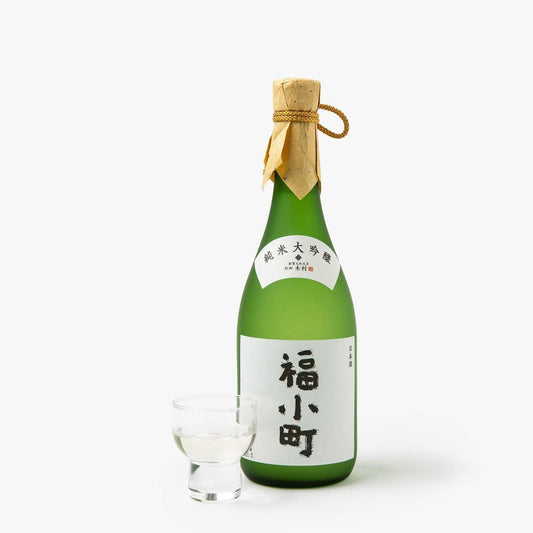
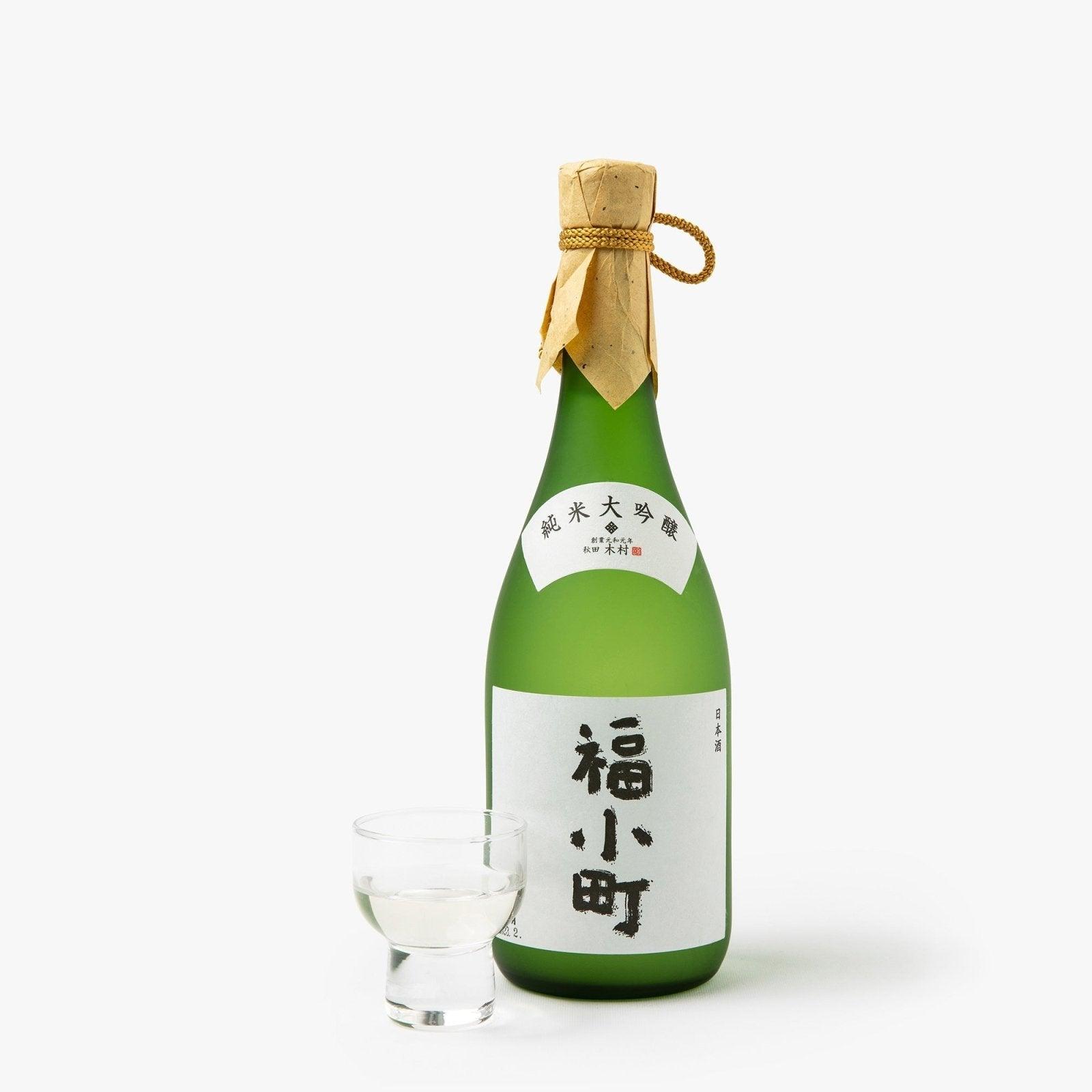
Sake Fukukomachi junmai daiginjo ⋅ 15.5% ⋅ 720ml
⋅ Century-old brewery in Akita with 400 years of tradition and savoir⋅ faire⋅ Yamada Nishiki rice polished to 40%⋅ Exotic aromas of mango, papaya and...
Regular price 60.00 €Prix promotionnel 60.00 € Regular pricePrice per unit 83.33 € per l -

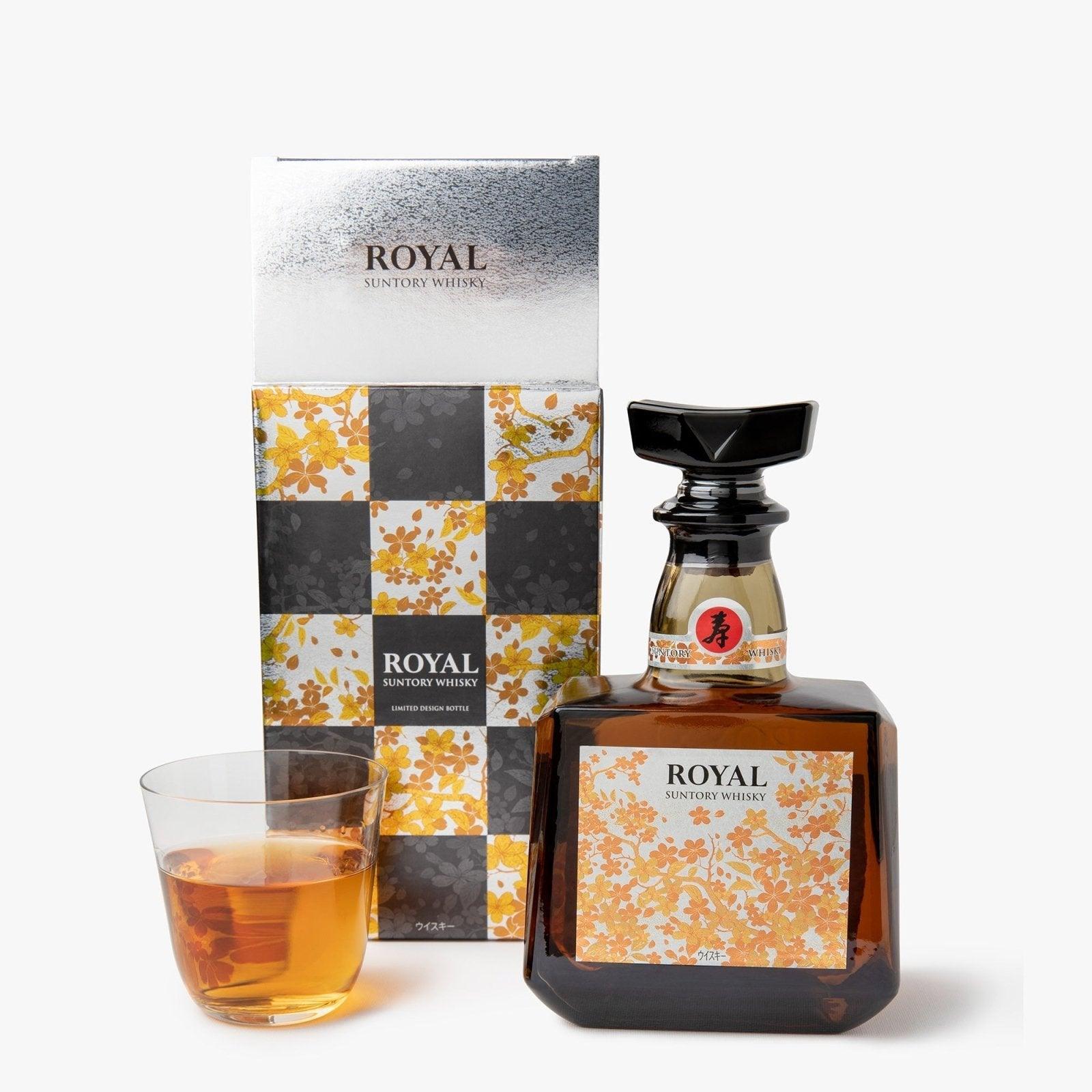
Whisky Suntory Royal ⋅ 43% ⋅ 700ml
⋅ Blended⋅ A classic from the house of Suntory⋅ Aromas of caramel, hazelnut, fruit and sweet spices⋅ Pairs perfectly with lacquered canrad, cheese or a...
Regular price 150.00 €Prix promotionnel 150.00 € Regular pricePrice per unit 214.29 € per l -


Tall teapot Grey enamel Ø 85mm ⋅ Hasami Porcelain
Immerse yourself in the art of tea with the Hasami glazed stoneware teapot, a piece that combines contemporary style with traditional craftsmanship. The subtle grey hue, combined...
Regular price 78.00 €Prix promotionnel 78.00 € Regular pricePrice per unit per -


Whisky Hakushu distiller's reserve ⋅ 43% ⋅ 700ml
⋅ Single malt⋅ Fruity notes of peach, grapefruit, toasted grain and cloves⋅ Perfect in highball, smoky mint or mountain mist⋅ Produced in the mountains...
Regular price 150.00 €Prix promotionnel 150.00 € Regular pricePrice per unit 214.29 € per l -


Whisky Ichiro's malt & grain ⋅ 46.5% ⋅ 700ml
⋅ Blended⋅ Fruit note balanced by caramel and crème brulée⋅ Perfect accompaniment to olives or gyozaAssemblage of malt and grain whiskies as...
Regular price 94.00 €Prix promotionnel 94.00 € Regular pricePrice per unit 134.29 € per l -
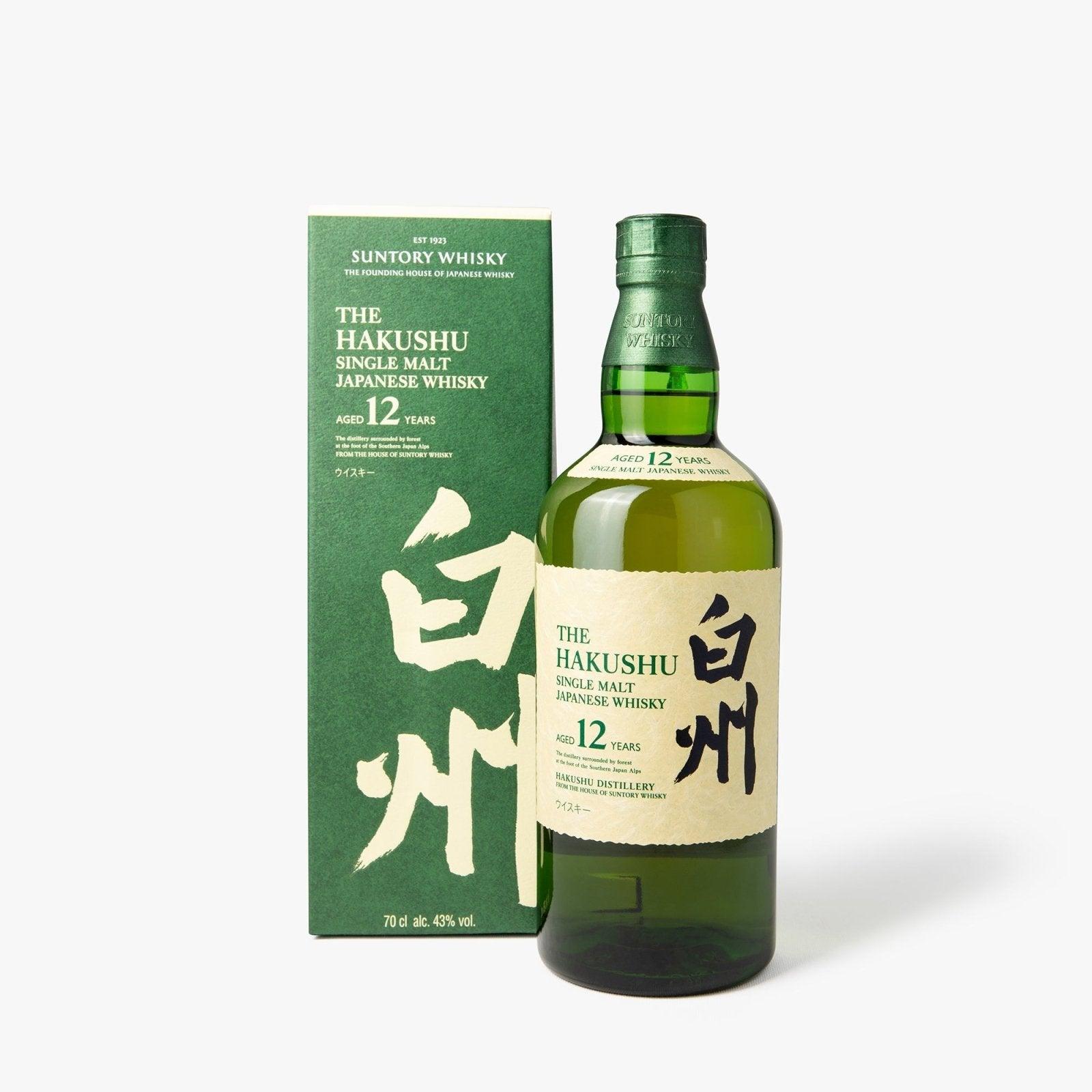
Whisky Hakushu 12 ans ⋅ 43% ⋅ 700ml
⋅ Single malt⋅ Produced in the Hakushu mountains in Yamanashi prefecture⋅ Herbaceous, strawberry and carambola notes⋅ Drink neat or in cocktailsA...
Regular price 240.00 €Prix promotionnel 240.00 € Regular pricePrice per unit 342.86 € per l -


Sake Tokachi gold junmai daiginjo ⋅ 16% ⋅ 720ml
⋅ Long fermentation at low temperature for refined, fruity aromas⋅ Blend of premium Suisei, Ginpu and Kitashizuku rice⋅ Creamy, silky texture⋅...
Regular price 48.00 €Prix promotionnel 48.00 € Regular pricePrice per unit 66.67 € per l -
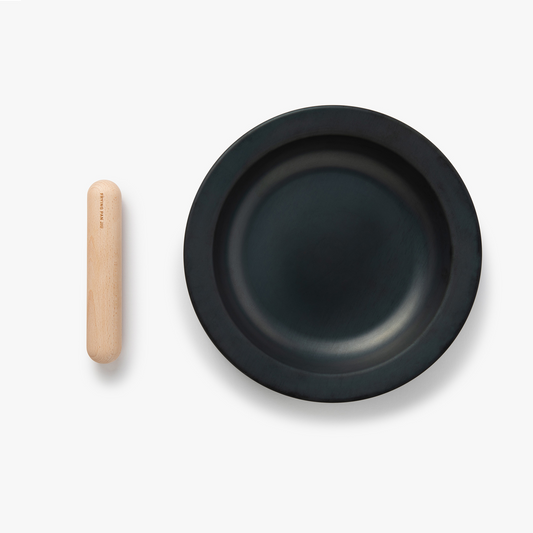

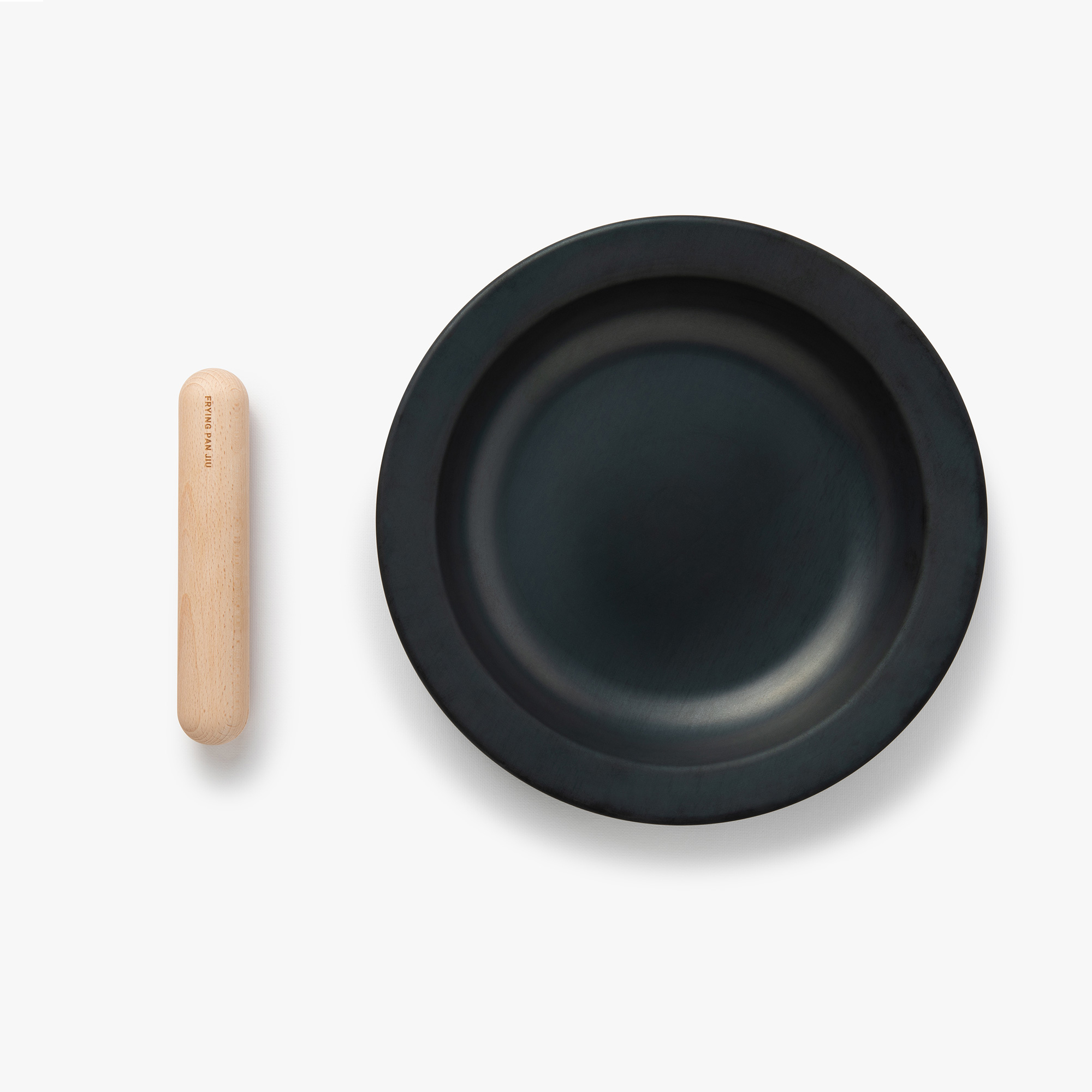
Frying pan with removable handle size L 24cm ⋅ Fujita Kinzoku
⋅ Innovative stove with removable handle, plastic-free⋅ Handcrafted by a Japanese master metalworker⋅ Heats quickly and distributes heat well⋅ Elegant design and...
Regular price 75.00 €Prix promotionnel 75.00 € Regular pricePrice per unit per -


Rice cooker kakomi ⋅ Kinto
⋅ Ceramic cooker for perfectly fluffy rice⋅ Diffused heat thanks to infrared technology⋅ Integrated markers for easy, precise useDesigned to offer...
Regular price 88.00 €Prix promotionnel 88.00 € Regular pricePrice per unit per -


Whisky Nikka Black Special ⋅ 42% ⋅ 720ml
⋅ Blended⋅ Created by Nikka, pioneer of Japanese whisky⋅ Aromas of dried fruit, honey, caramel, vanilla and oak⋅ Perfect for whisky lovers with a...
Regular price 42.00 €Prix promotionnel 42.00 € Regular pricePrice per unit 58.33 € per l -


Whisky Suntory World Ao blended ⋅ 43% ⋅ 700ml
⋅ Blended of malt and grain from 5 different countries⋅ Fruit, honey and hazelnut aromas⋅ Enjoy neat, on the rocks or in cocktails⋅ Pair with...
Regular price 95.00 €Prix promotionnel 95.00 € Regular pricePrice per unit 135.71 € per l -

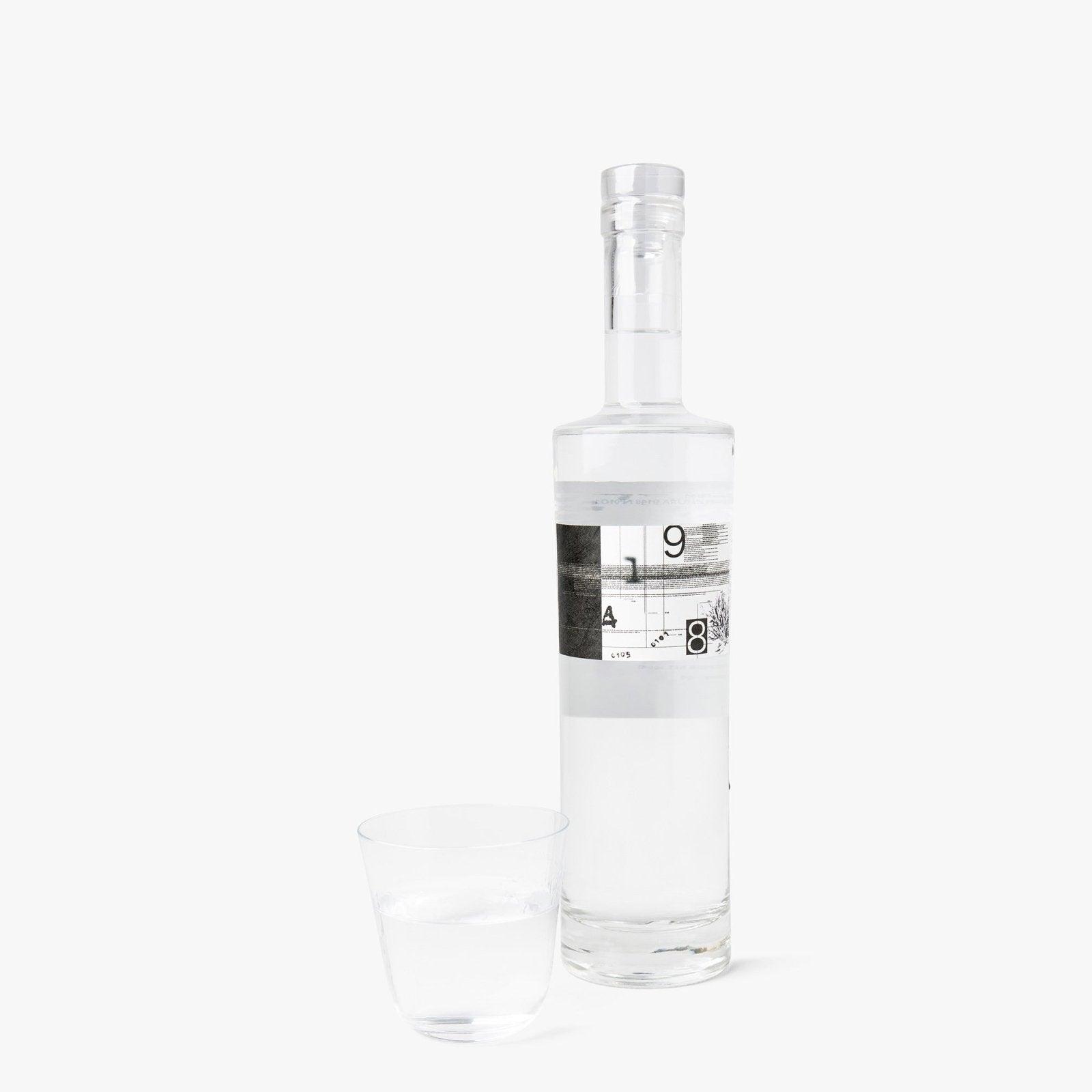
Craft gin Benizakura 9148 N°0101 ⋅ 45% ⋅ 700ml
⋅ Handcrafted gin made in Sapporo⋅ Dominant notes of juniper, citrus and spices⋅ Ideal pure or in cocktails like gin tonic negroni or martini with...
Regular price 69.00 €Prix promotionnel 69.00 € Regular pricePrice per unit 98.57 € per l -


Black ceramic steamer from Iga ⋅ Nagatani Seito
⋅ Donabe in Iga clay, shaped by hand⋅ Thick walls for gentle, even cooking⋅ Retains heat⋅ Ideal for vegetables and fish...
Regular price 230.00 €Prix promotionnel 230.00 € Regular pricePrice per unit per -


Santa Maria Rhum gold ⋅ 37.5% ⋅ 700ml
⋅ Rum made on the island of Iejima, off Okinawa⋅ Aged 2 years in American oak barrels⋅ Dry, fruity aromas⋅ Ideal in cocktails like the...
Regular price 72.00 €Prix promotionnel 72.00 € Regular pricePrice per unit 102.86 € per l -


Santa Maria cristal White rum ⋅ 37.5% ⋅ 700ml
⋅ Rum made on the island of Iejima, off the coast of Okinawa⋅ Distilled from unmixed sugarcane juice⋅ Floral and fruity aromas⋅ Ideal for...
Regular price 60.00 €Prix promotionnel 60.00 € Regular pricePrice per unit 85.71 € per l


Find out more about Japanese grocery products
What are the basic ingredients of Japanese cuisine?
The basic ingredients of Japanese cuisine include :
- Rice (gohan): The centerpiece of most Japanese meals.
- Soya: Used in the form of soy sauce, misoor tofu.
- Seaweed (nori, kombu, wakame): Essential in soups and sushi.
- Dashi A basic broth made from kombu (seaweed) and dried bonito.
- Mirin A sweet rice wine used for cooking.
- Rice vinegar Indispensable for seasoning sushi rice and marinades.
- Wasabi A spicy condiment, often served with sushi.
What's the difference between mirin and cooking sake?
The mirin and cooking sake are both used for cooking, but differ mainly in their sugar and alcohol content. Mirin is a mild, sweet, low-alcohol rice wine used to add sweetness and brightness to dishes. Cooking sake is drier, with a higher alcohol content, and is used to deglaze dishes and neutralize fish or meat odors.
What are the most common types of Japanese noodle?
The most common types of Japanese noodles are :
How do I use dashi in my recipes?
The dashi is a basic broth in Japanese cuisine, used to prepare soups such as miso soup, sauces and simmered dishes. It can also be used to cook vegetables, as inoden, or as a base for noodle dishes. To use it, simply dilute dashi (whether granulated, liquid or homemade) with water, then stir it into your recipes.
What's the difference between white and red miso?
White miso (shiro miso) and red miso (aka miso ) differ in color, taste and fermentation time:
- White miso Mellower, slightly sweet, with shorter fermentation, often used for light dishes such as soups.
- Red miso Stronger-tasting, saltier and with longer fermentation, used in more robust dishes such as rich miso soups or marinades.
How to choose the right type of rice vinegar?
To choose the right rice vinegar, take into account :
- White rice vinegar: Mild and versatile, ideal for sushi, marinades and vinaigrettes.
- Seasoned rice vinegar: Already sweetened and salted, ready to use for sushi rice.
- Brown rice vinegar: More intense in flavor, often used for richer dishes or more complex marinades.
What are the typical sushi accompaniments?
Typical sushi accompaniments include:
- Wasabi: Pungent paste made from wasabi root, added directly to the sushi or mixed with soy sauce.
- Pickled ginger (gari): Thin slices of pickled ginger, eaten between bites to refresh the palate.
- Soy sauce: Used to lightly soak sushi before eating.
- Shiso: Perilla leaf, sometimes served with sushi to add a herbaceous note.
What are the basics of Japanese cuisine?
The basics of Japanese cuisine are based on the use of fresh ingredients and essential seasonings such as soy sauce, miso, mirin, rice vinegar and dashi. Food is often cooked simply, highlighting the purity and natural flavor of the ingredients. Common techniques include steaming, grilling, light frying (tempura), and the preparation of raw dishes such as sushi and sashimi.
How to prepare a balanced bento?
A balanced bento includes :
- Protein: Fish, meat, tofu or egg.
- Rice: The main ingredient, often accompanied by sesame seeds or furikake (rice seasoning).
- Vegetables: Raw, pickled (tsukemono), or cooked (e.g. broccoli, carrots).
- Fruit: Chunks of fresh fruit to finish the meal.
- Accompaniments: Like tamagoyaki (Japanese omelette), rice dumplings (onigiri) or small salads.
What are the benefits of Japanese cuisine?
Japanese gastronomy is renowned for its many health benefits, thanks to its fresh ingredients, healthy cooking techniques and balanced nutrition. The Japanese have one of the highest life expectancies in the world, and many factors contribute to this remarkable longevity, including their eating habits!
They have traditionally followed a balanced diet rich in vegetables, fish, seaweed, tofu and cereals, especially rice. Their diet is low in saturated fats and processed foods. Their diet is not too high in calories, yet packed with essential nutrients and antioxidants, which help fight oxidative stress, aid digestion and prevent cell aging.
The Japanese have a high consumption of oily fish, which is an excellent source of omega-3, beneficial to heart and brain health.
The basis of many Japanese dishes is rice, which is a healthy source of energy, low in saturated fats and rich in complex carbohydrates.
Japanese plates are often garnished with fresh vegetables, rich in vitamins, minerals and dietary fiber, which promote digestive health and vitality. Seaweeds such as nori, kombu and wakame are rich in nutrients including iodine, vitamins and essential minerals.
Soy-based products such as tofu, miso and tempeh are also an excellent source of vegetable protein, fiber and antioxidants.
In addition, the Japanese consume fermented foods such as miso and nattō on a daily basis, which are beneficial for digestive health thanks to the probiotics they contain.
Japanese cooking techniques also play their part! For example, grilling (yakitori) and steaming (nimono) preserve the flavor and nutritional value of food.
It should be noted that Japanese cuisine varies according to regional and individual preferences, so specific health benefits may vary according to personal dietary choices. However, in general, Japanese gastronomy is seen and recognized for its contribution to a healthy, balanced and nutritious diet.
What is umami?
Umami is one of the five basic flavors that the human taste buds can detect, alongside sweet, salty, sour and bitter. The term "umami" is of Japanese origin and translates roughly as "tasty" or "delicious". This flavor has a distinct gustatory quality and is often described as a sensation of "rich", "deep" or "savory" in the mouth.
Umami is generally associated with foods rich in glutamic acid, an amino acid that acts as a neurotransmitter in the human brain. Foods rich in umami include:
Monosodium glutamate (MSG): A food additive commonly used to enhance the umami flavor of many dishes.
Soy-based products: such as miso, soy sauce and tofu, which are rich in natural glutamic acid.
Fermented foods: such as Parmesan cheese, Roquefort, kimchi, and fermentation products like Worcestershire sauce.
Slow-cooked meats: Like roast beef, pulled pork and other slow-cooked dishes that develop umami flavors over time.
Mushrooms: Like shiitake and porcini mushrooms, which naturally contain glutamic acid.
Tomatoes: Especially ripe tomatoes, which are rich in glutamic acid and seen as a mainstay of umami flavor in Italian cuisine, for example.
Umami has a unique ability to enhance and balance flavors in dishes, particularly by adding depth and complexity to culinary preparations. It is often used in combination with other basic flavors to create deliciously balanced dishes. It was recognized as a distinct flavor during the 20th century and is now widely accepted around the world as an essential element of the human taste palette.


