Sukiyaki recipe (Japanese fondue)
Rated 3.9 stars by 17 users.
Portion
3
Preparation time
10 minutes
Cooking time
20 minutes
Sukiyaki is a convivial Japanese dish, often prepared at the table. It's a sweet-and-salty broth-based fondue in which ingredients such as beef, vegetables, tofu and mushrooms are cooked. Sukiyaki is a true comfort dish, perfect for a meal with family or friends.
Ingredients
-
4 tablespoons soy sauce
-
2 tablespoons mirin
-
2 tablespoons sugar
- 200 ml dashi (or dashi powder, diluted according to instructions)
- 2 tablespoons sake
- 200 g thinly sliced beef (ideally beef for shabu-shabu or sukiyaki)
- 100 g firm tofu, cubed
- 2 carrots, thinly sliced
- 100 g shiitake mushrooms, sliced
- 100 g enoki mushrooms
- 1 head bok choy (or Chinese cabbage), cut into pieces
- 2 green onions, cut into 5 cm pieces
- 1 tablespoon sesame oil (for cooking)
- 2 eggs (to soak the cooked ingredients in the raw egg)
-
Cooked Japanese rice (to serve)
-
A nabe
For the sukiyaki broth :
For ingredients :
For accompaniment (optional) :
Utensils
Instructions
In a saucepan, combine soy sauce, mirin, sugar, dashi and sake. Bring to the boil, then reduce the heat and simmer over low heat for 5 to 10 minutes to allow the flavors to blend. Reserve the hot broth.
Thinly slice the beef and dice the tofu. Slice the carrots, slice the shiitake and prepare the enoki mushrooms. Cut the bok choy and green onions into moderate-sized pieces.
In a large frying pan, Dutch oven or nabe, heat the sesame oil over medium heat. Lightly sauté the scallions and carrots for 2-3 minutes.
Add the shiitake and enoki mushrooms and cook for a further 2 minutes. Add the tofu and bok choy, then pour the hot sukiyaki broth into the pan.
Simmer for 10-15 minutes until the vegetables are tender and the tofu is heated through.
Add the beef slices to the stock in a single layer. Cook quickly (about 1-2 minutes, depending on the thickness of the slices), then remove and set aside.
Serve sukiyaki in bowls with hot Japanese rice.
You can also offer raw eggs to soak the cooked ingredients before eating them. For each person, place a few pieces of beef, tofu and vegetables in their bowl and add a little hot broth.
Recipe notes
For a vegetarian version: Replace the beef with plant proteins such as seitan or extra mushrooms.
Traditional accompaniment: Sukiyaki is often accompanied by cooked rice and a raw egg, but this can be adapted according to preference.
Vary the vegetables: Don't hesitate to add other seasonal vegetables such as leeks, spinach or extra shiitake.
Sukiyaki is traditionally prepared in a nabe, a type of Japanese pot or stewpot specially designed for fondues and simmered dishes. A nabe is ideal because it allows all ingredients to be cooked directly at the table, creating a convivial, interactive experience where everyone can add and cook their ingredients in the hot broth at their own pace.
However, if you don't have a nabe, you can also use a large frying pan or heavy-bottomed casserole dish. The key is to have a container large enough to hold all the ingredients and allow even cooking.
In a nabe, the broth is usually poured in at the beginning and the ingredients (beef, vegetables, tofu) are added gradually. This allows each food to absorb the flavours of the broth and cook to perfection.
Pairings:Sukiyaki pairs perfectly with warm sake, which softens the richness of the broth. A light, fruity red wine, such as a Gamay or Pinot Noir, also goes well with its umami flavors. For a non-alcoholic alternative, a roasted Houjicha tea adds woody notes that balance the sweetness of the sauce.
An Origin Linked to the Forbidden of the Past
Before the Meiji era (1868-1912), meat consumption was largely forbidden in Japan due to Buddhist influences. However, as the country opened up to the West, beef gained in popularity. Sukiyaki thus became a symbol of modernity, particularly popular in big cities like Tokyo and Osaka.
- Kanto style (Tokyo): Ingredients are first simmered in a sweet and sour broth prepared in advance.
- Kansai style (Osaka): The meat is first caramelized with sugar before being drizzled with soy sauce and mirin, then the other ingredients are added gradually.
Our recommendations for this recipe:
Japanese cooking essentials
-
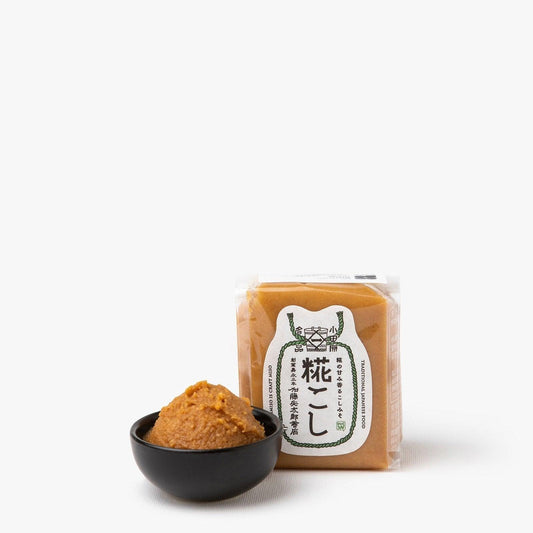
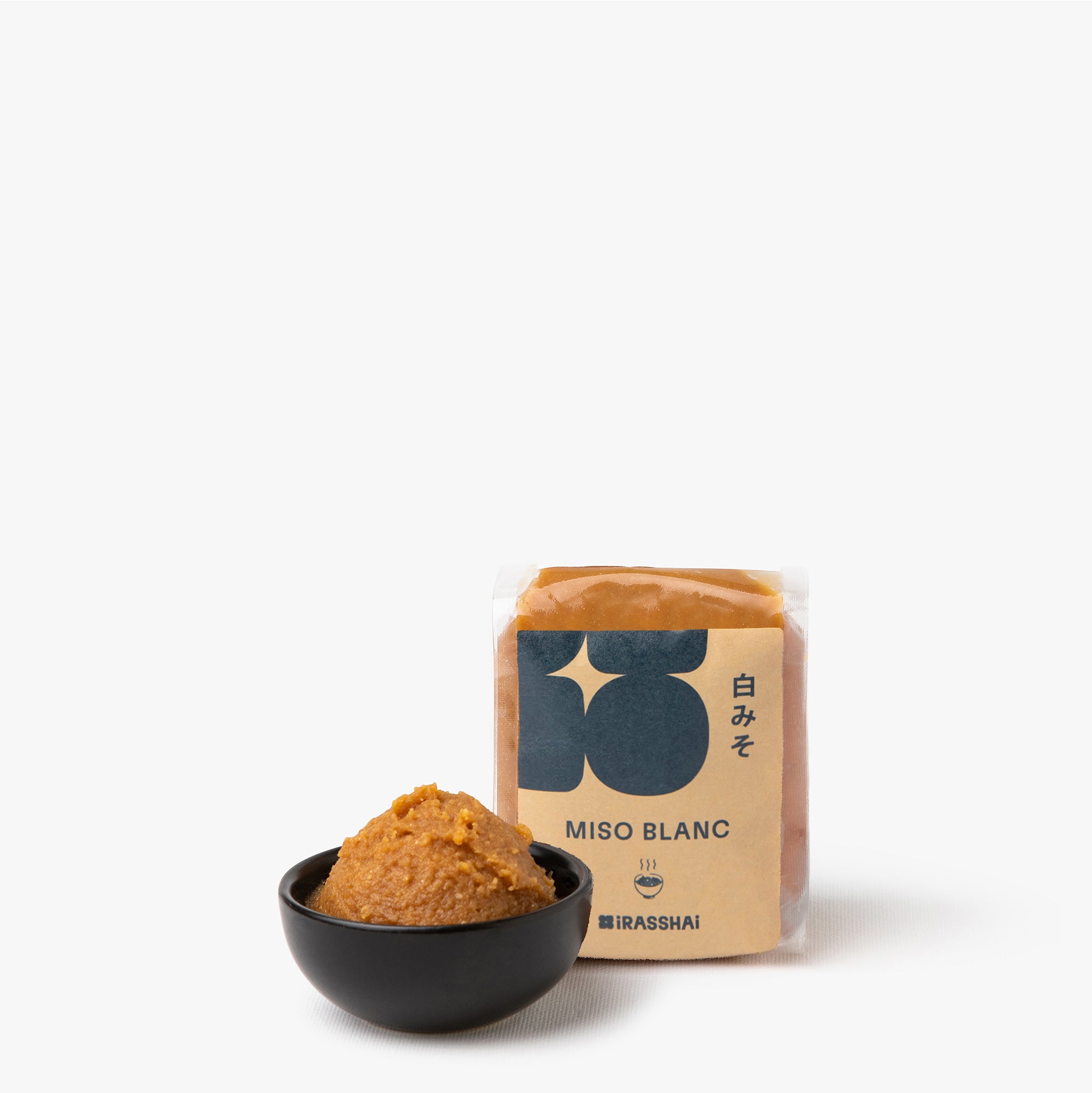
White miso with koji from Hakone ⋅ Kato Heitaro shoten ⋅ 200g
Regular price 5.50 €Prix promotionnel 5.50 € Regular pricePrice per unit 27.50 € / per kg -
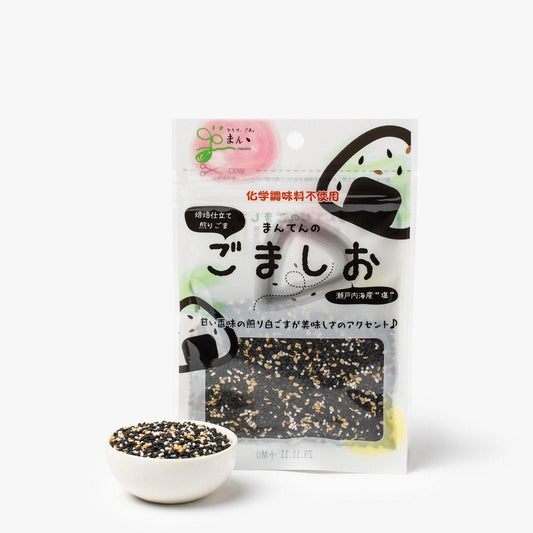
Roasted black and white sesame seeds with gomashio salt ⋅ Manten ⋅ 30g
Regular price 2.65 €Prix promotionnel 2.65 € Regular pricePrice per unit 88.33 € / per kg -
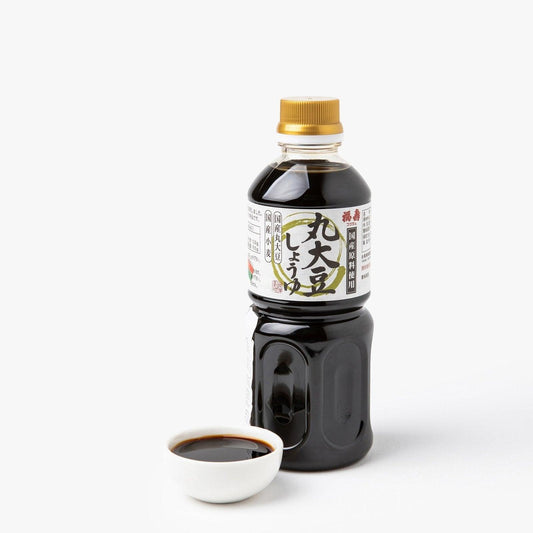
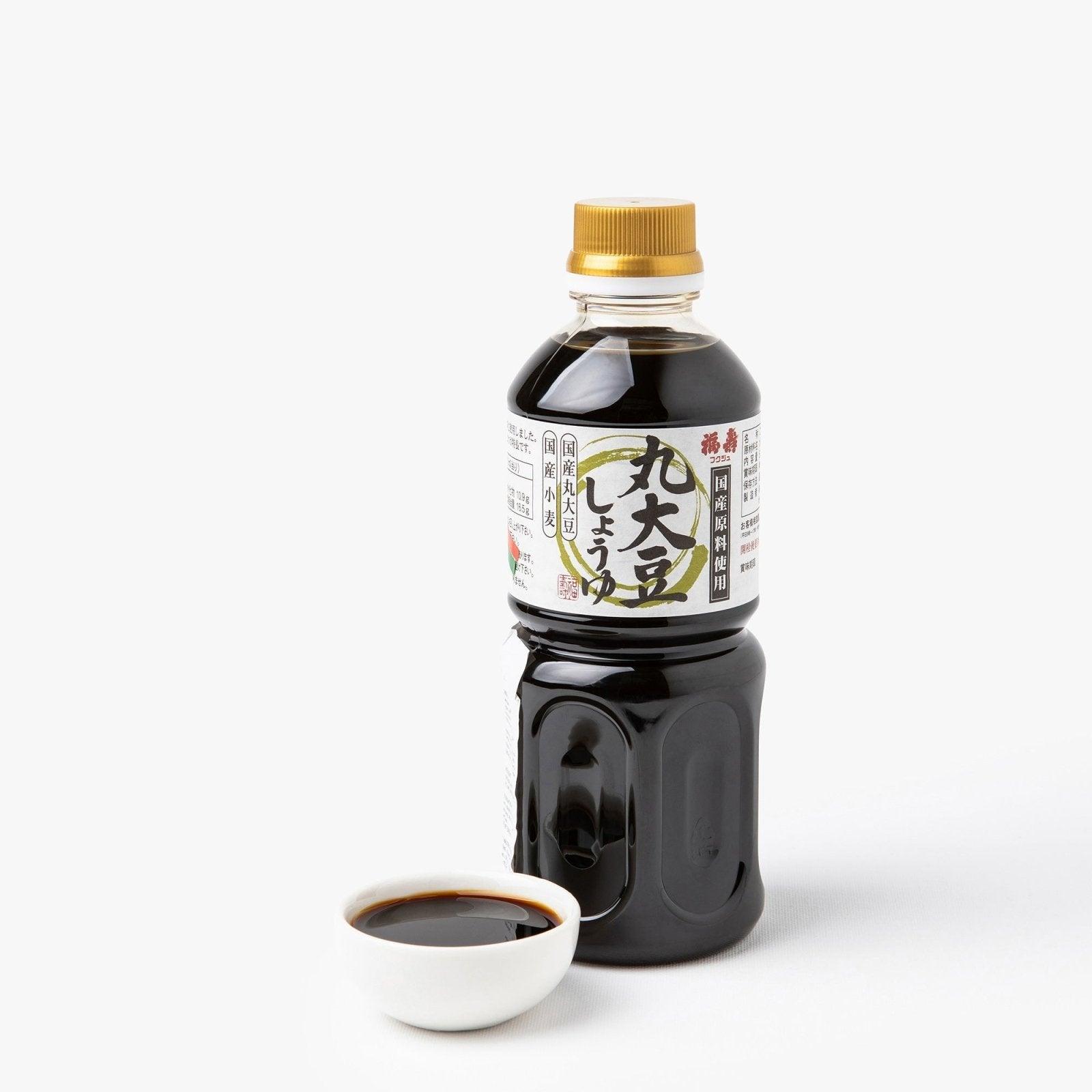
Artisanal balanced soy sauce ⋅ Asarisasuke Shoten ⋅ 500ml
Regular price 6.25 €Prix promotionnel 6.25 € Regular pricePrice per unit 12.50 € / per l -
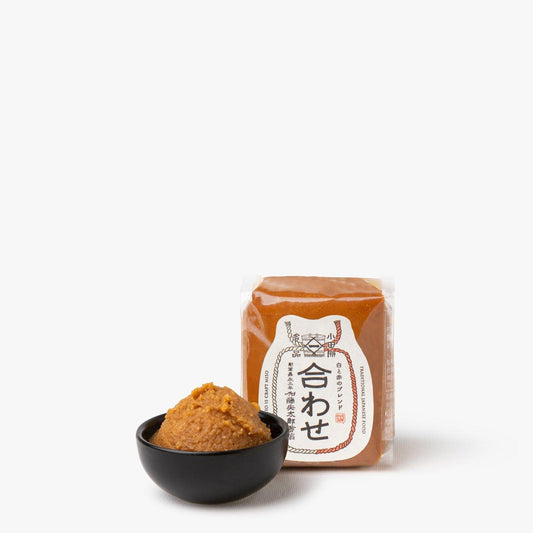
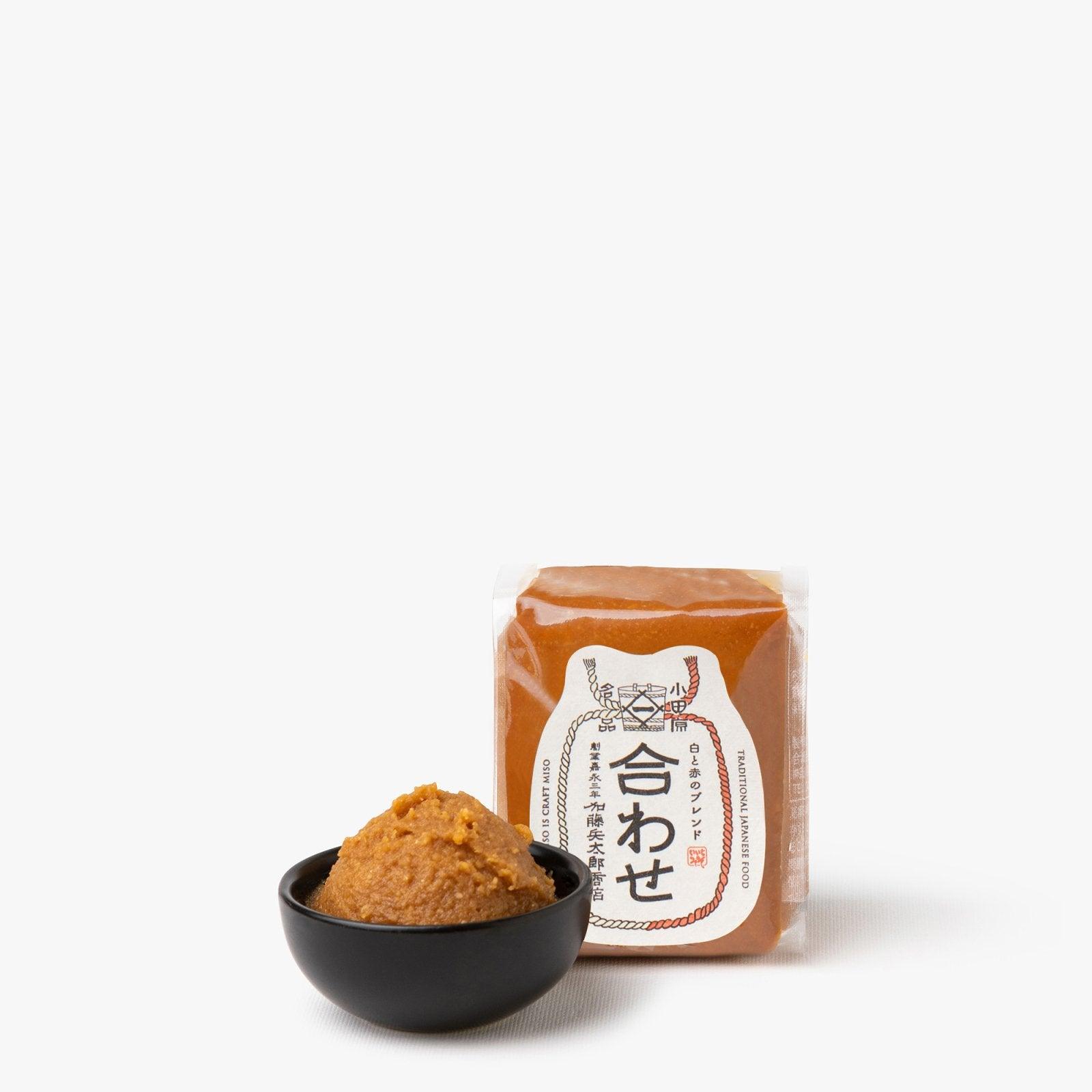
Hakone Awase miso blend of white and red miso ⋅ Kato Heitaro shoten ⋅ 200g
Regular price 5.50 €Prix promotionnel 5.50 € Regular pricePrice per unit 27.50 € / per kg -
Honmirin ⋅ Takara Shuzo ⋅ 13% ⋅ 500ml
Regular price 9.70 €Prix promotionnel 9.70 € Regular pricePrice per unit 19.40 € / per l -
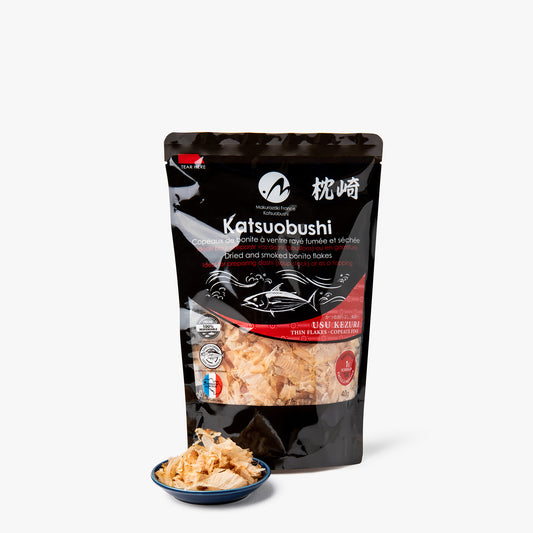
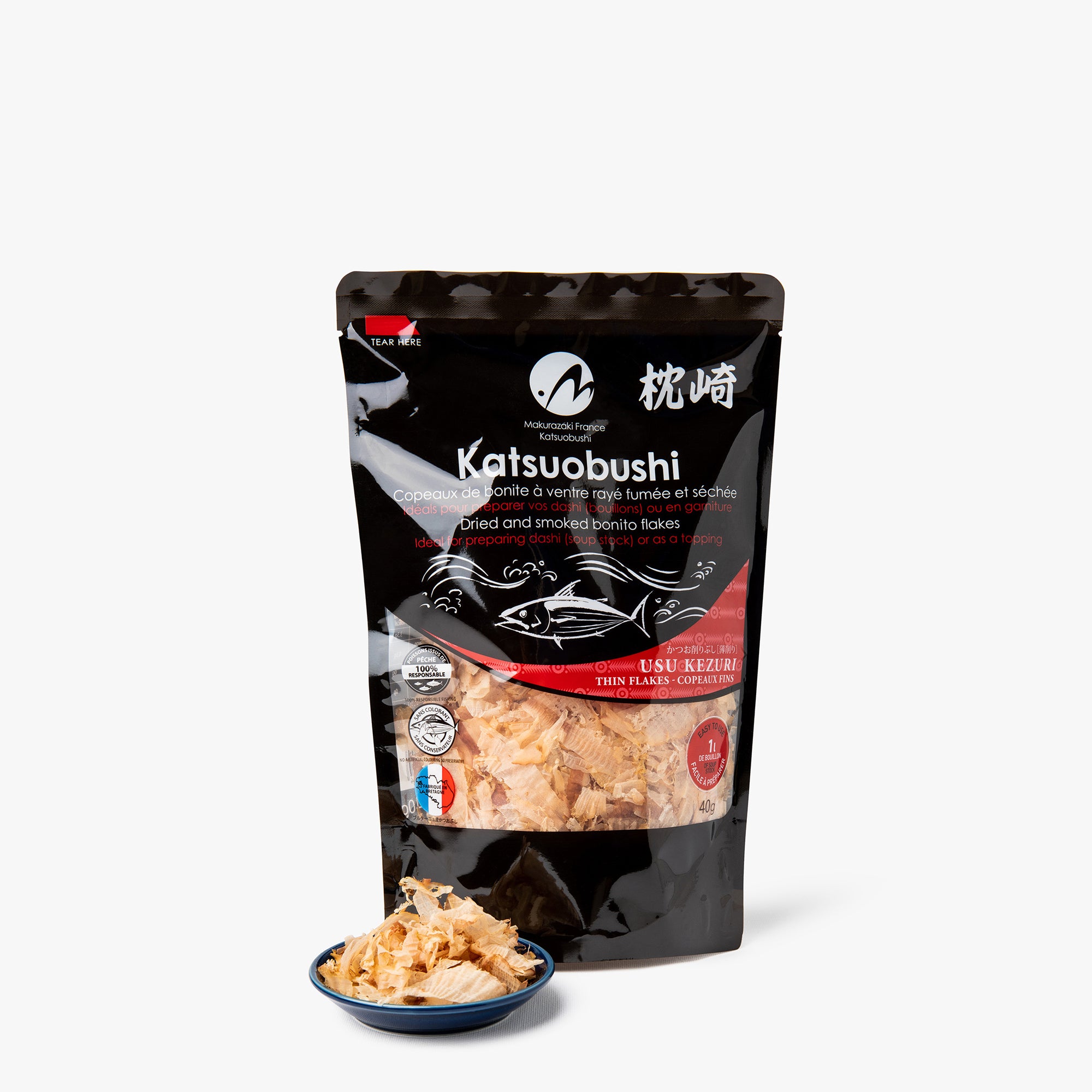
Katsuobushi dried bonito chips ⋅ Makurazaki ⋅ 40g
Regular price 9.50 €Prix promotionnel 9.50 € Regular pricePrice per unit 237.50 € / per kg -
Tatsuno Smoked Soy Sauce ⋅ Suehiro Soy Sauce ⋅ 100ml
Regular price 8.10 €Prix promotionnel 8.10 € Regular pricePrice per unit 81.00 € / per l -
White rice milky queen from Toyama ⋅ Nanohana ⋅ 1kg
Regular price 19.50 €Prix promotionnel 19.50 € Regular pricePrice per unit 19.50 € / per kg
The latest arrivals
-
Bonito filaments katsuobushi ⋅ Makurazaki ⋅ 20g
Regular price 8.90 €Prix promotionnel 8.90 € Regular pricePrice per unit 445.00 € / per kg -
Thick katsuobushi bonito chips ⋅ Makurazaki ⋅ 100g
Regular price 17.30 €Prix promotionnel 17.30 € Regular pricePrice per unit 173.00 € / per kg -
Ramune candies in garland bag ⋅ Kasugai ⋅ 28g
Regular price 2.60 €Prix promotionnel 2.60 € Regular pricePrice per unit 92.86 € / per kg -
Silken tofu ⋅ Morinaga ⋅ 305g
Regular price 3.50 €Prix promotionnel 3.50 € Regular pricePrice per unit 11.48 € / per kg -
Strong Zero Lemon ⋅ 9% ⋅ 350ml
Regular price 4.50 €Prix promotionnel 4.50 € Regular pricePrice per unit 12.86 € / per l -
Okayama no Chi Junmai Ginjo Sake Gift Set ⋅ 15.5% ⋅ 360ml
Regular price 21.90 €Prix promotionnel 21.90 € Regular pricePrice per unit 60.83 € / per l -
Pure peach juice from Yamanashi ⋅ Bonchi ⋅ 180ml
Regular price 5.90 €Prix promotionnel 5.90 € Regular pricePrice per unit 32.78 € / per l -
Stainless steel tea strainer ⋅ Pearl life
Regular price 5.40 €Prix promotionnel 5.40 € Regular pricePrice per unit / per